Page 23 of 33

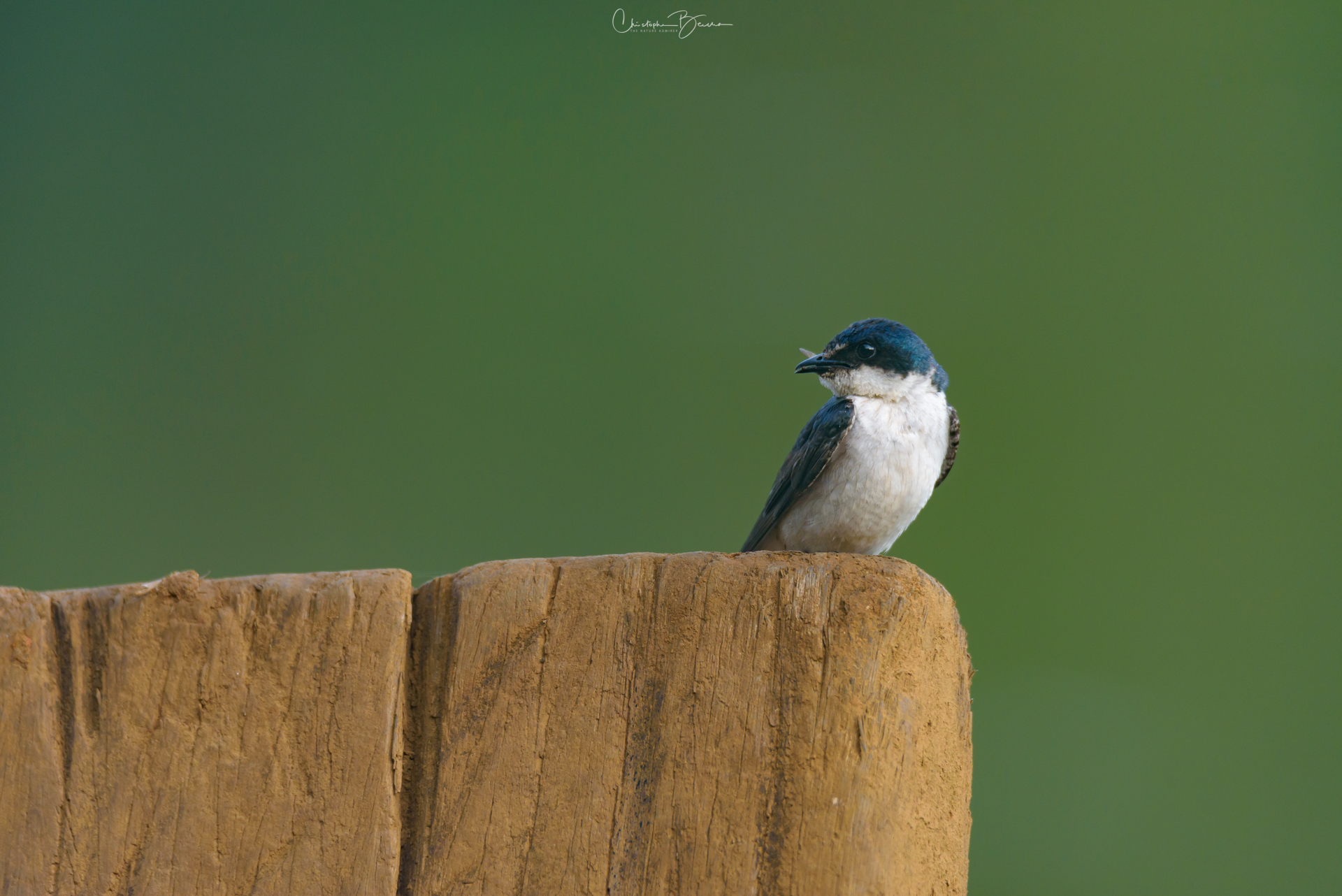
Blue-and-white Swallow (Pygochelidon cyanoleuca)

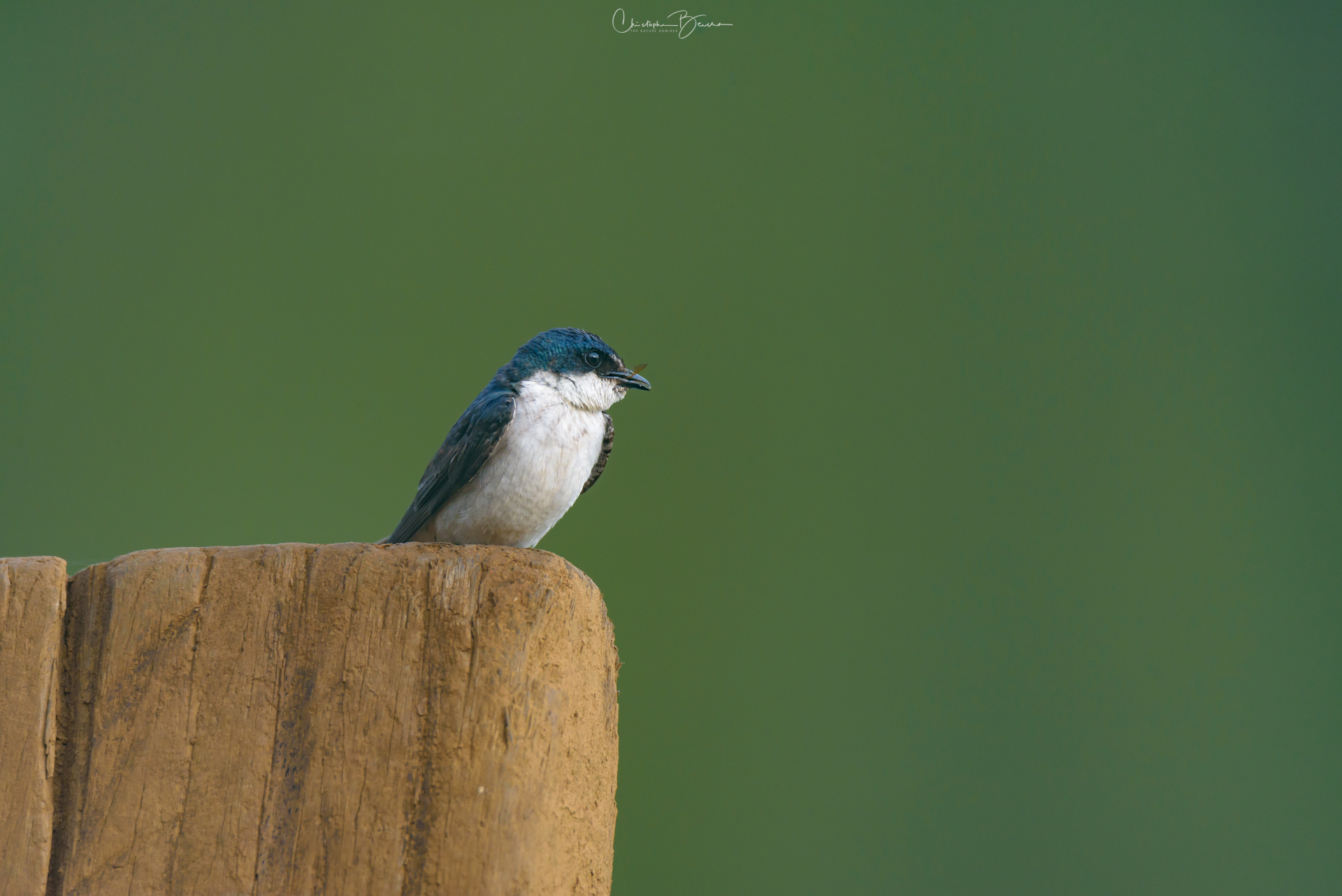
The Blue-and-white Swallow is very similar to the Mangrove Swallow, given that the Mangrove’s upperparts are green but may look blueish under certain lighting conditions, and they share the white underparts and long black wings and tail. It is distinguished by having black undertail coverts, and the fact that Mangrove Swallows are for the most part encountered in coastal areas, while the Blue-and-White can be found almost anywhere in the country. Like other swallows, they readily perch in cables to rest. They also like to construct their nests in human made structures like roofs.
White-lined Tanager (Tachyphonus rufus)

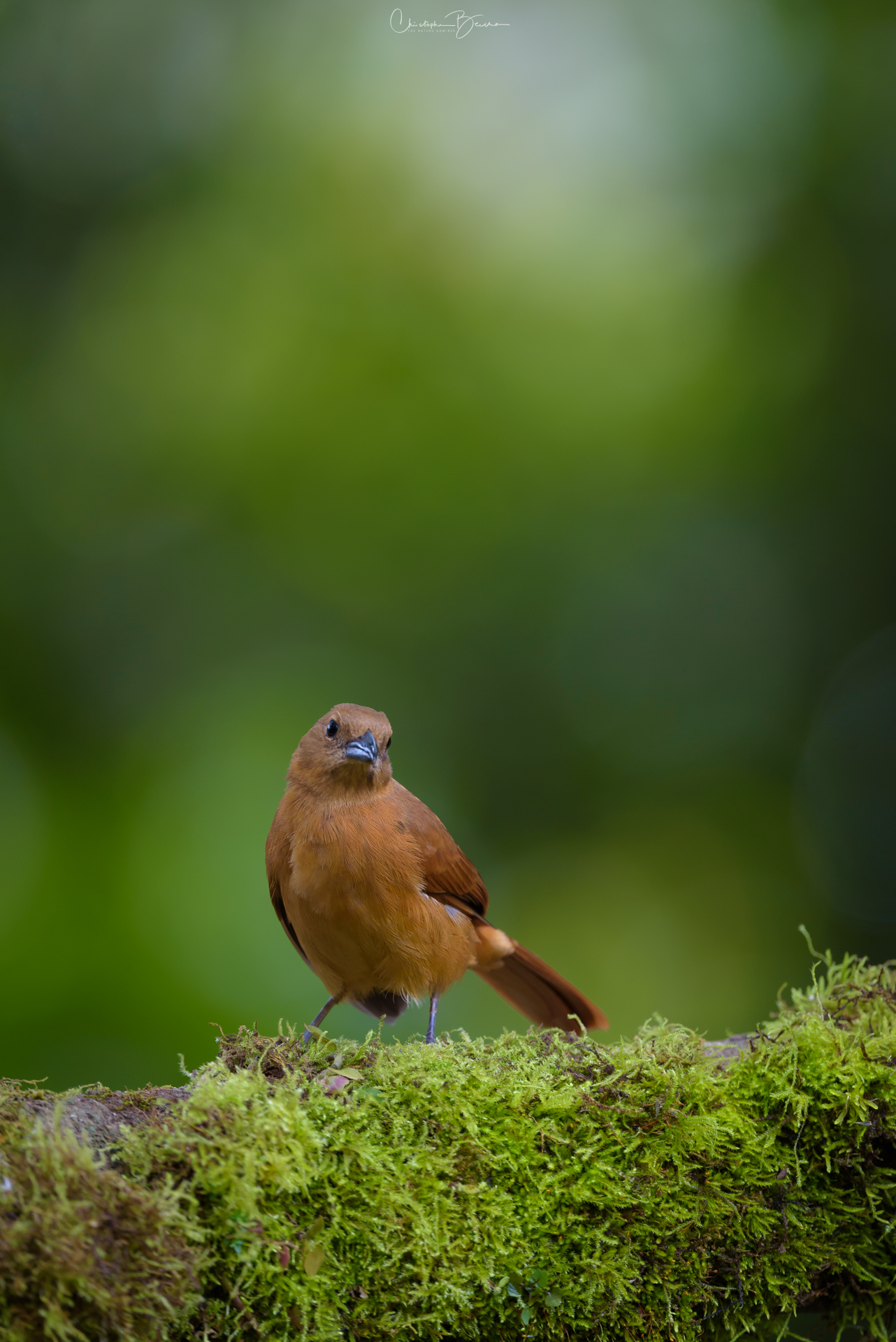
The White-line Tanager has strong dymorphism, with the male being black with a small white line on the shoulder, and the female being entirely rufous. They normally forage in pairs, which helps in identifying them. Males can look very much like Scarlet-rumped Tanagers when the rump is not visible, but the bill is gray instead of blueish. The female is also similar to the Scarlet-rumped, however it has no marks and a black bill. They also approach fruit feeders but are more wary than Scarlet-rumped preferring to forage in the dense vegetation.

Ruddy Turnstone (Arenaria interpres)

The Ruddy Turnstone is one of the most conspicuous migratory coastal birds that pass through the Pacific coast of Costa Rica. Their plumage is fairly colorful, with white underparts, orange legs, wings that are patched in orange and black, black throat and gray head with black markings. This is true of breeding adult males, but also of females and juveniles, although with streaked face and throat instead of black. Juveniles are duller, but not easily confused with other sandpiper species, as they are generally bigger and their body shape is different.

American Oystercatcher (Haematopus palliatus)

The American Oystercatcher is the only species that reaches Costa Rica, out of 12 species that compose the family Oystercatcher family. They are all very similar, mainly varying in terms of their plumage color. The American species has a brown-gray back, white underparts, pink legs and black head. The eye is yellow with surrounding orange orbital skin, and the bill is large and slim, orange in coloration, which is used to grab and eat shellfish. The inner plumage of the wing is also white, and is shown during flight, or also during displays when wading in the shallow water.

Due to their peculiar look, they are easy to identify among flocks of migratory birds, which normally are composed of gulls, terns, plovers and sandpipers, but are not as abundant during migration and any of those families. They are among the largest of such migratory bird groups. They prefer mud and salt flats that are exposed and shallow, where they can wade to grab prey. They feed by either severing the muscles that enable the mollusks to close tight, hereby getting the meaty interior out, or by grabbing the entire body with the shell, and hitting it against rocks to slam it open.

Elegant Euphonia (Euphonia elegantissima)

This probably is the best named species of euphonia in Costa Rica. Just as the Olive-backed Euphonia, the Elegant Euphonia is very peculiar since it is not blue and yellow like most other euphonias. Instead, the male has a deep orange belly with blue back and wings, dark blue throat and light blue hood, and a very small orange patch on the front of the head, which the female also shares. The female is green overall, but with the light blue hood. Both male and female are gorgeous, a great sight for any birdwatcher.

Olive-backed Euphonia (Euphonia gouldi)

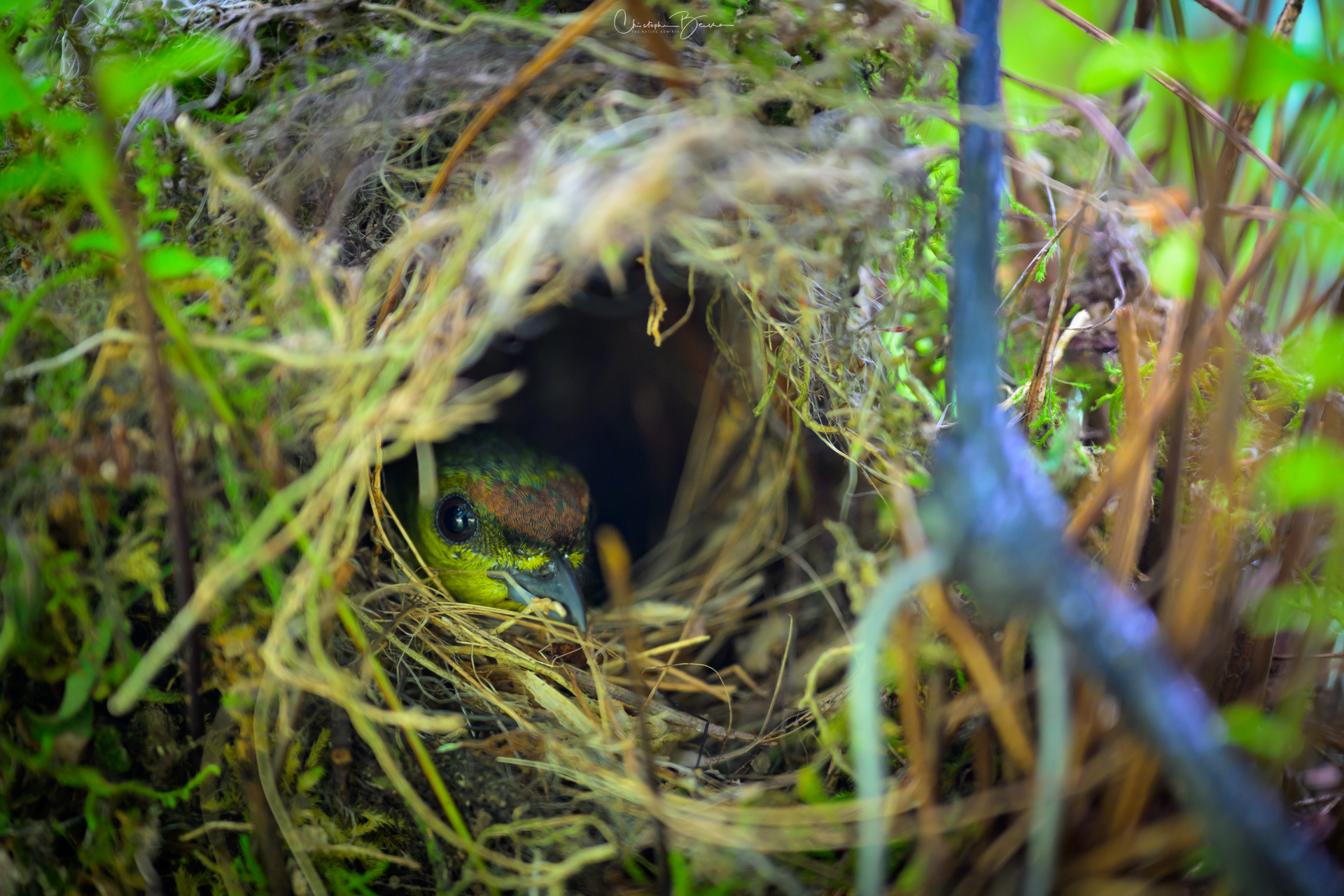
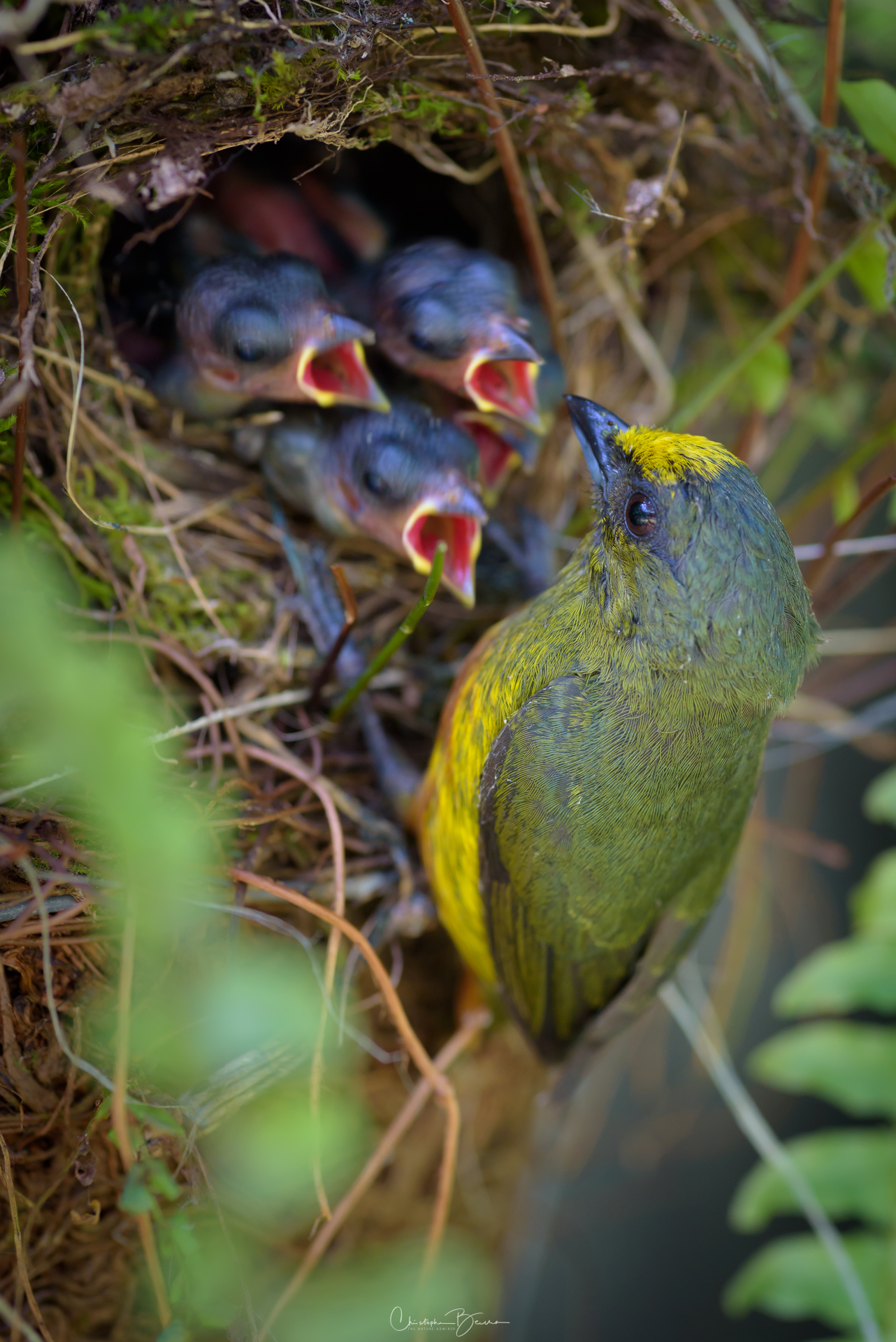
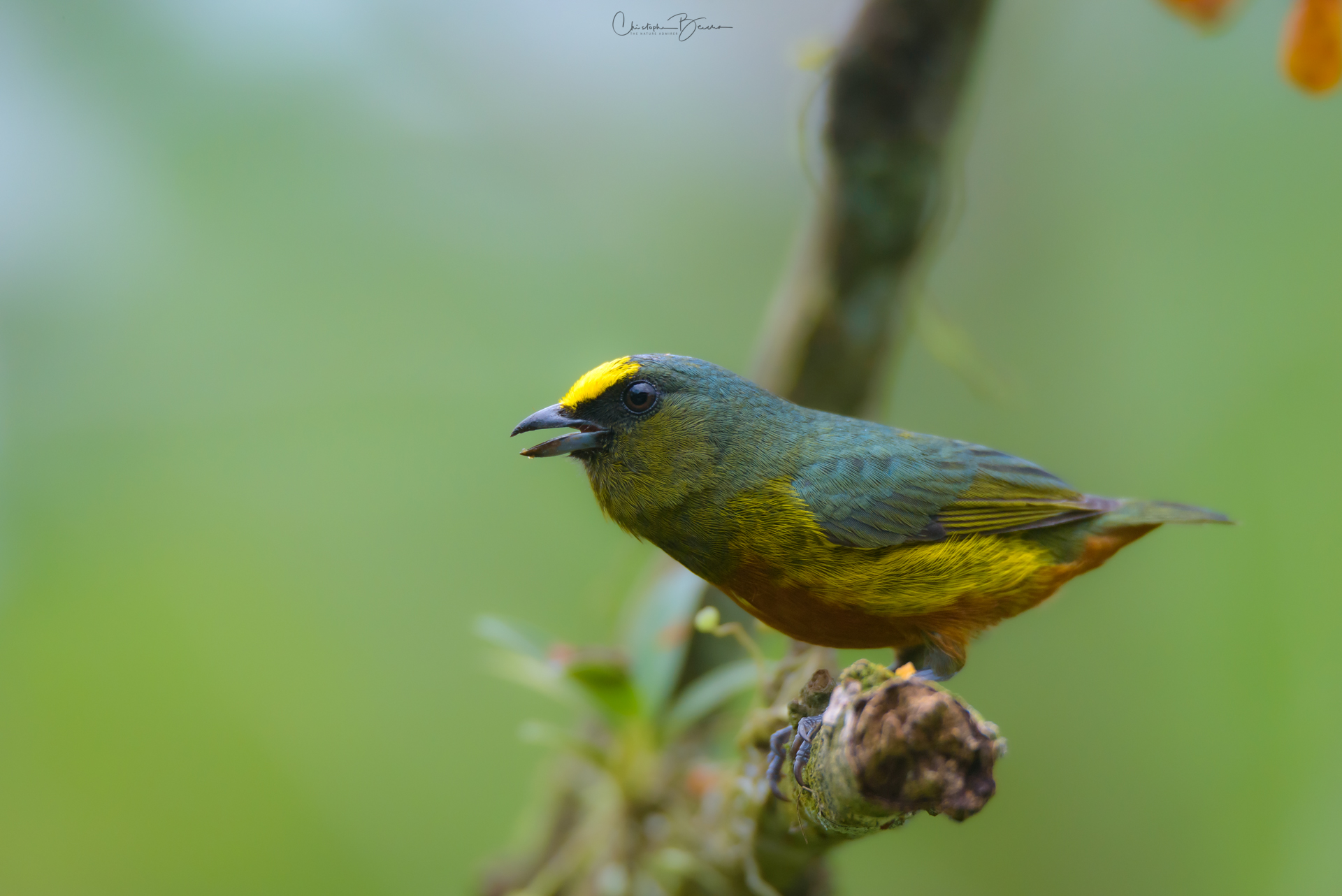
The Olive-backed Euphonia is very peculiar among the family of euphonias. Most euphonias are blue and yellow, but the Olive-backed has green and brown tones in the underparts, with olive in the back and a small yellow patch on the nape. In a lucky sight, I witnessed a parent feeding small pieces of banana to a juvenile, which agitates the wings very fast to get some food. Interestingly, the juvenile was near banana in the feeders, but instead of grabbing their own pieces, it preferred the pieces that the parent was giving him / her.

Amazon Kingfisher (Chloroceryle amazona)

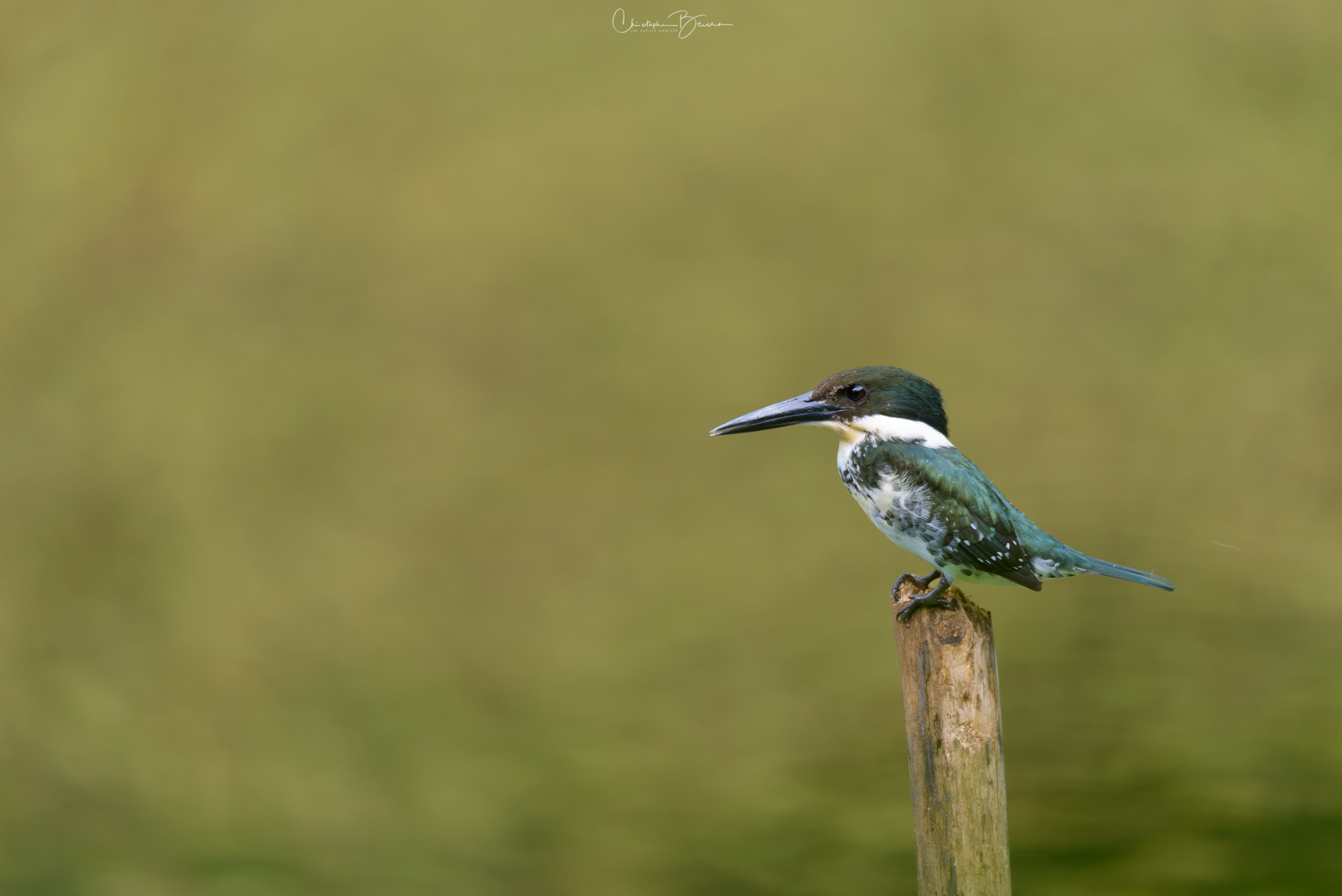
The Amazon Kingfisher is a mid-sized kingfisher, larger than the other green kingfisher species, but smaller than the Ringed and Belted Kingfishers, which are overall blue in color, the smaller to inhabit Costa Rica. It is very similar to the Green Kingfisher, however the Green is larger and lacks both the white spotting on the wings and the white outer feathers of the tail. Like most species of Kingfishers, it is found close to any wetland habitats, where they can catch small fish and crustaceans. The male featured in the pictures below frequented a small stream of water, which had risen due to recent heavy rains, about 100 meters from my parent’s home. It would perch on the fence wire and stay motionless for minutes at a time, only balancing as the wire would start to move upon landing on it.

Coppery-headed Emerald (Elvira cupreiceps)

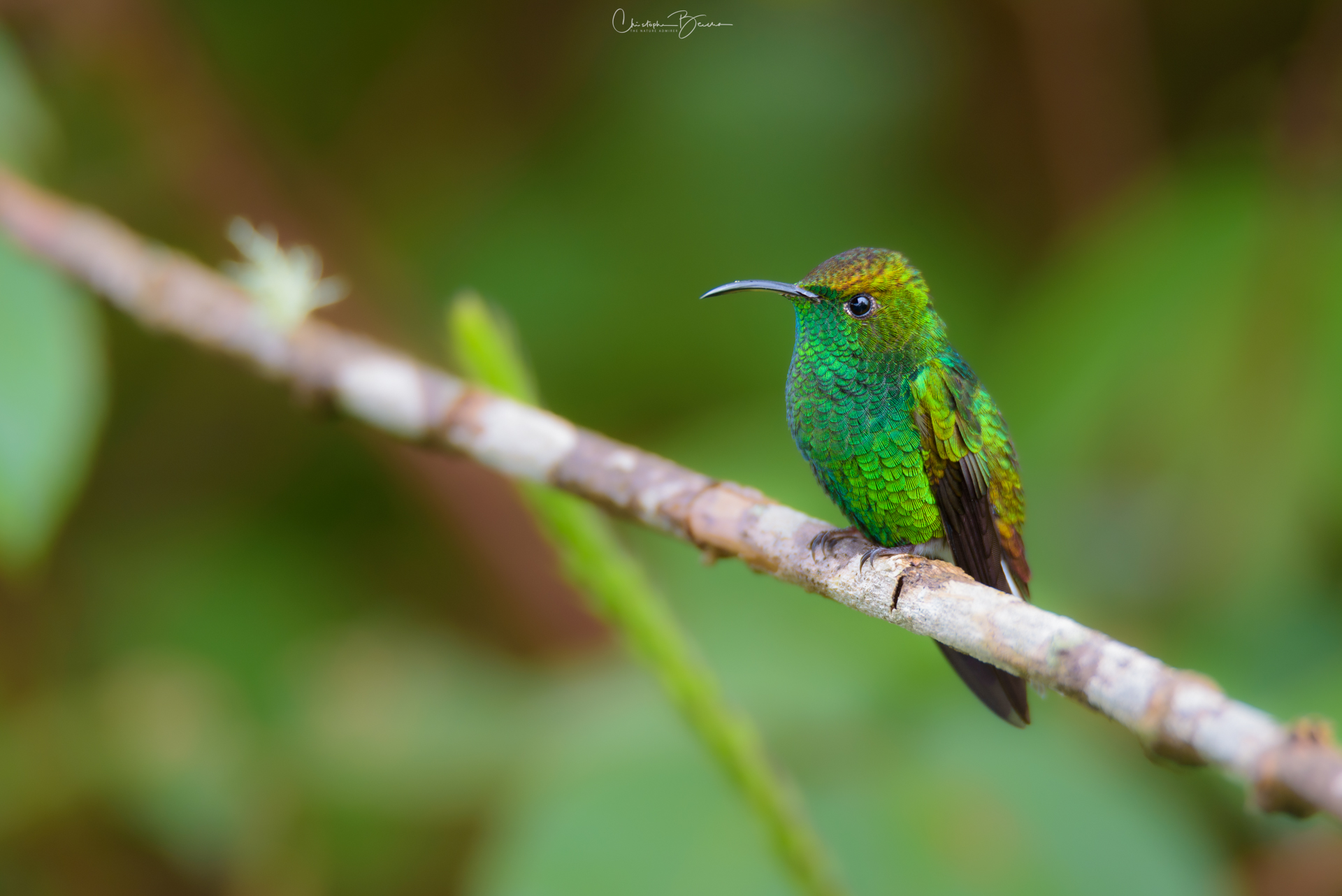
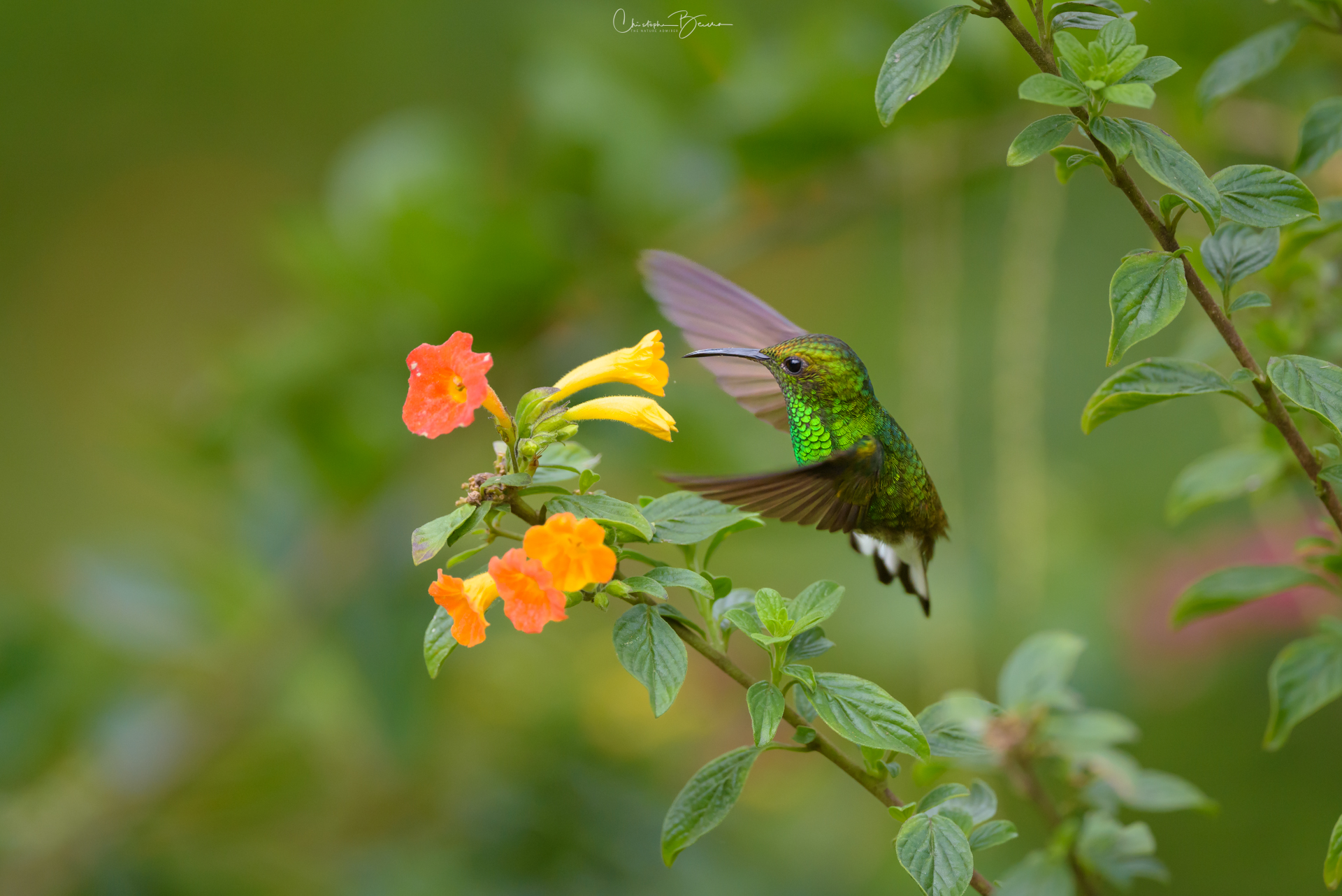
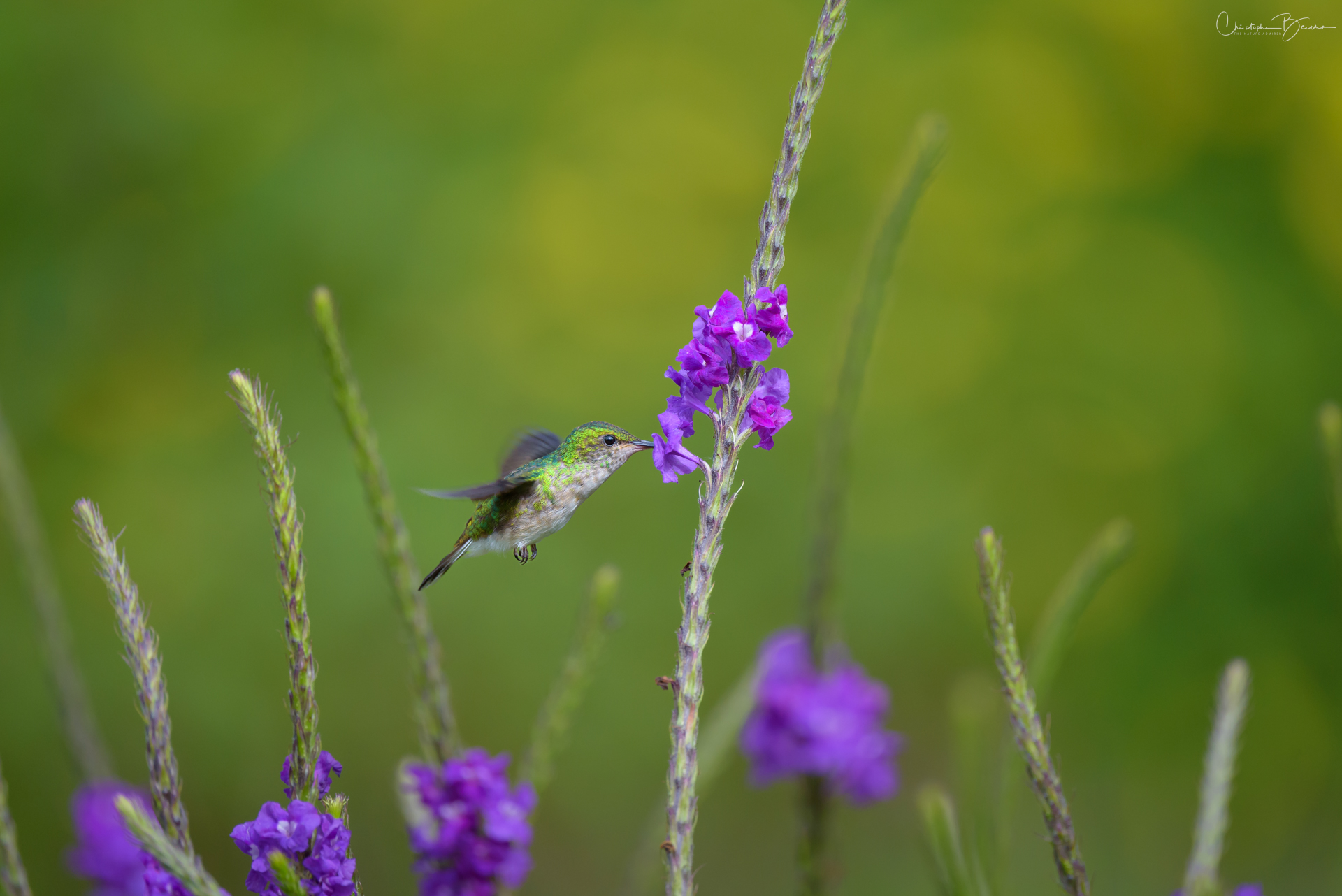
The Coppery-headed Emerald is one of the few species of birds that are true endemics of Costa Rica, meaning only found in this country. The male is mostly green, with the copper hues on the head that can only be seen in the appropriate light and angle. The female has grey underparts and lacks the copper colors on the head. Both have a black downcurved bill, which help with identification versus similar species like the Rufous-tailed Hummingbird, with which it shares the brownish-red rump. They are one of the tiniest species of hummingbirds in Costa Rica. They are seen in the mid to high elevations, in places where there is high humidity, but specially in the Cinchona and Vara Blanca zone.

Crowned Woodnymph (Thalurania colombica)

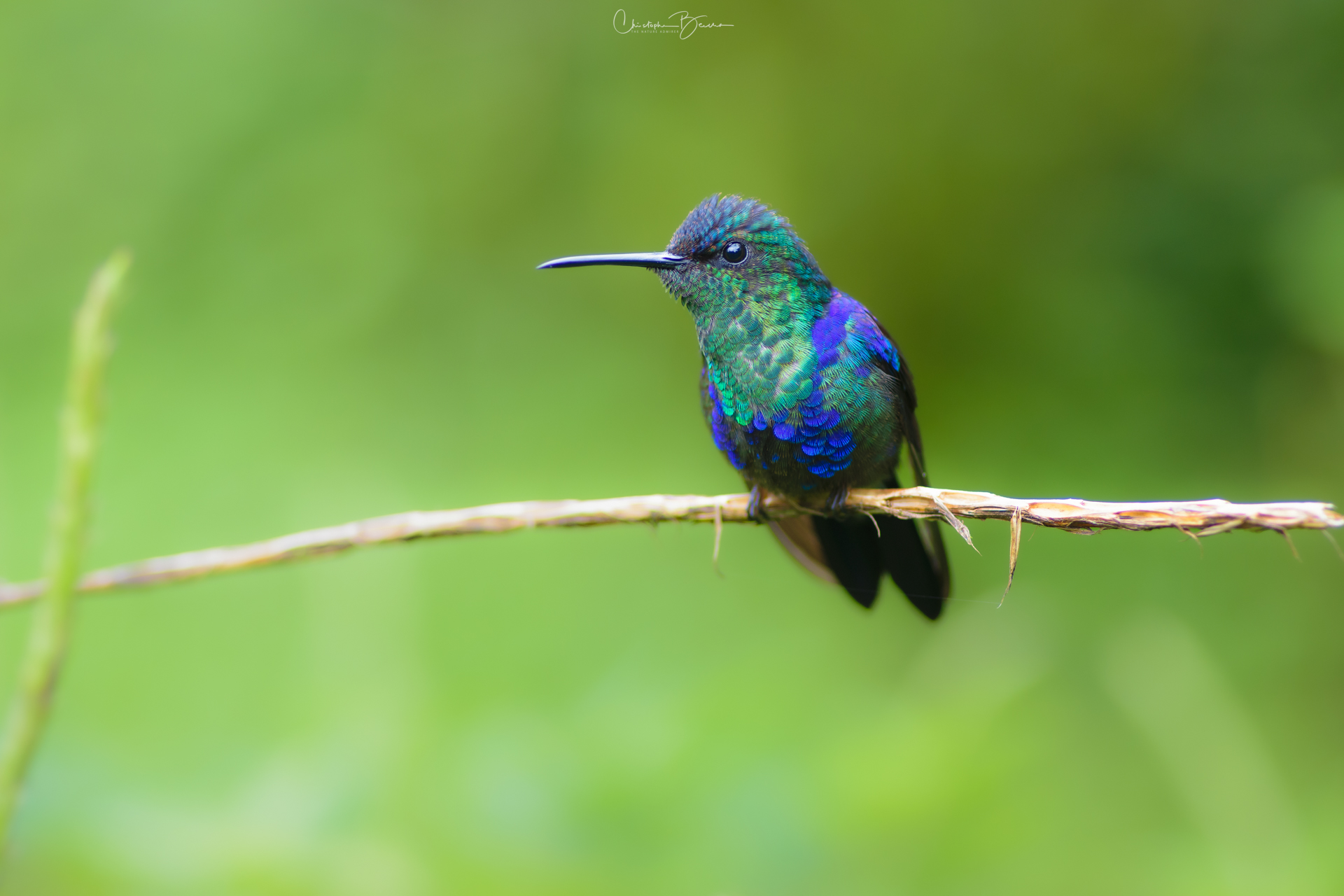
The Crowned Woodnymph is a medium sized hummingbird with a violet belly and glittering green throat, along with different shades of blue and green on the back. The female has white underparts and throat instead, with golden patches along the neck and head; the rest of the body is green like the male. They are mid sized among Costa Rican hummingbirds and might resemble a little bit the Violet-bellied Hummingbird that is found in Colombia. They inhabit low tropical rain forest locations like Braulio Carrillo and Bosque Eterno de los Niños, where they feed from the nectar of a variety of flowers, including Porter Weed.

Northern Rough-winged Swallow (Stelgidopteryx serripennis)

The Northern Rough-winged Swallow is a small bird, mostly brown color in the upper parts and grey to white on the underparts. They are frequently seen, both flying and perched in lowlands in Costa Rica; they like to perch in utility wires. They are able to catch insects in mid air, during acrobatic performances. The Southern Rough-winged Swallow is very similar, however this species lacks the orange throat of the Southern.