
Page 26 of 33




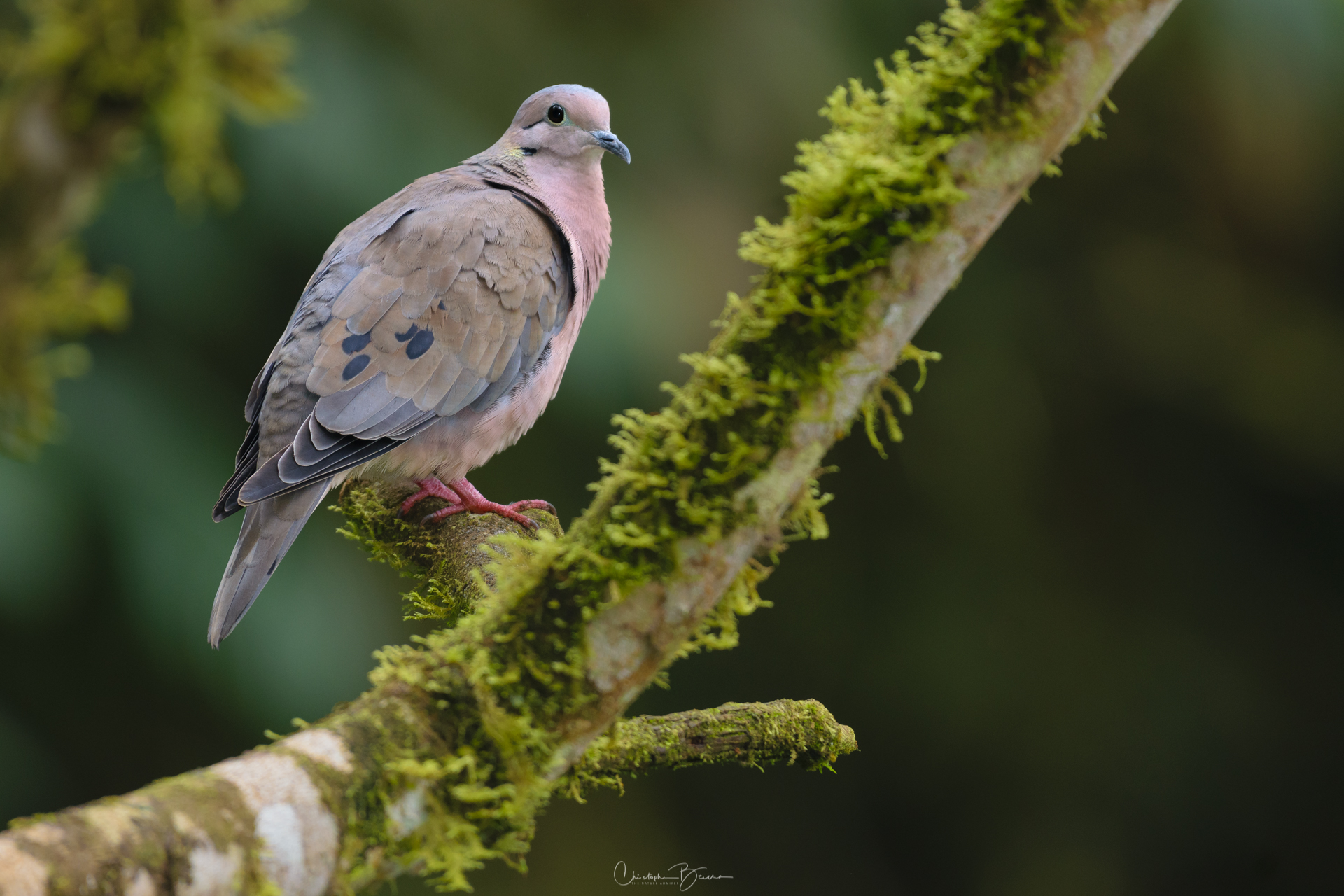
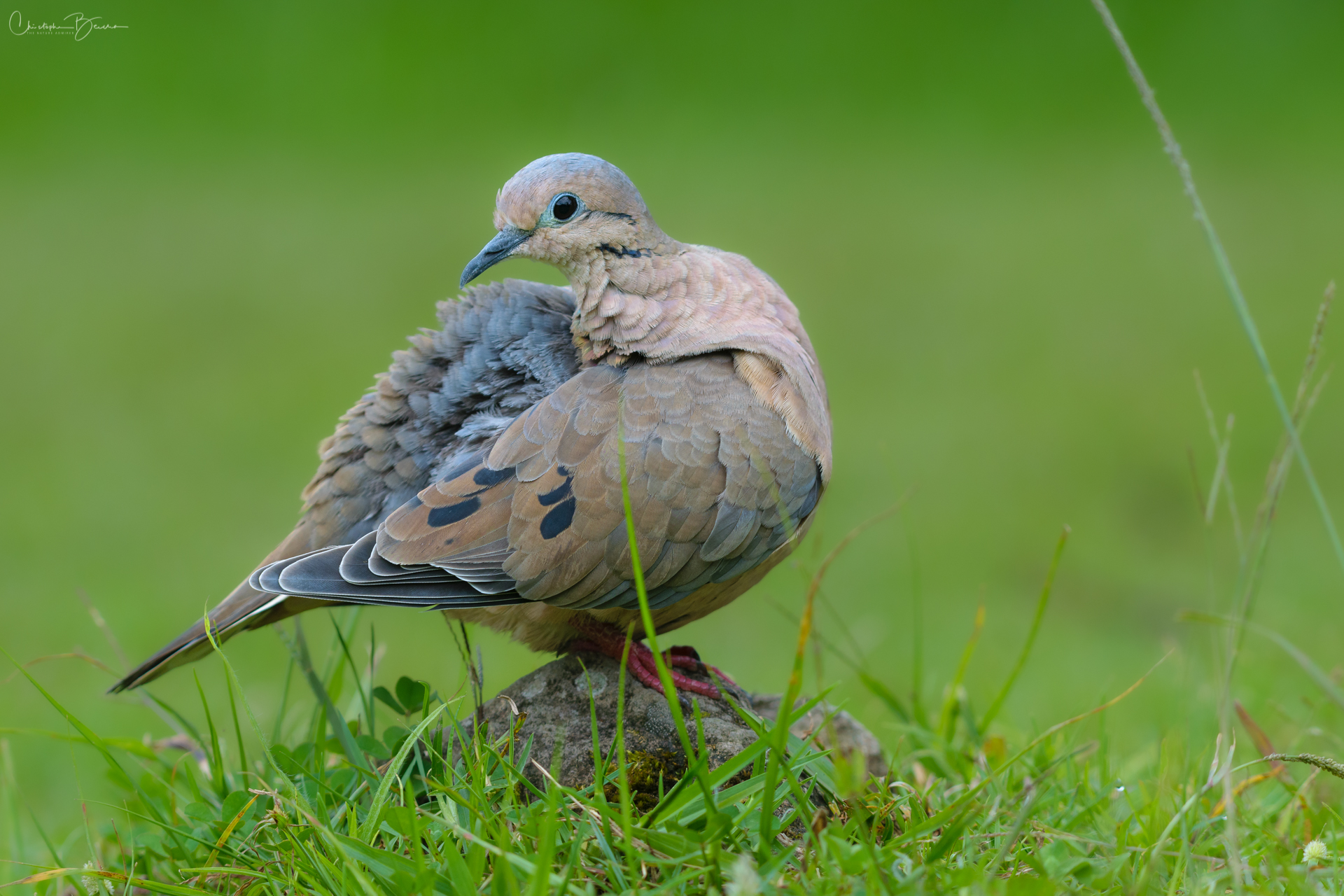
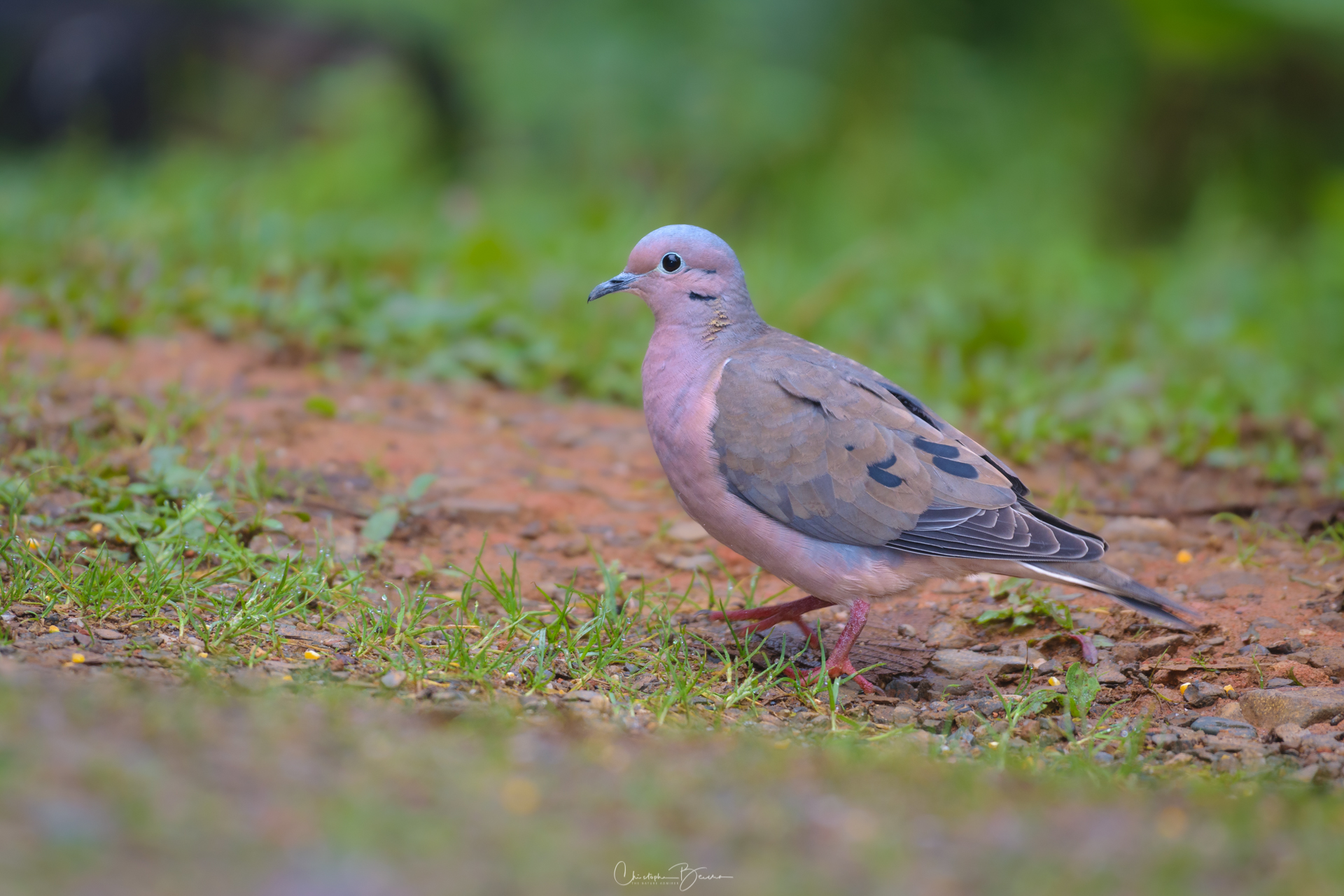
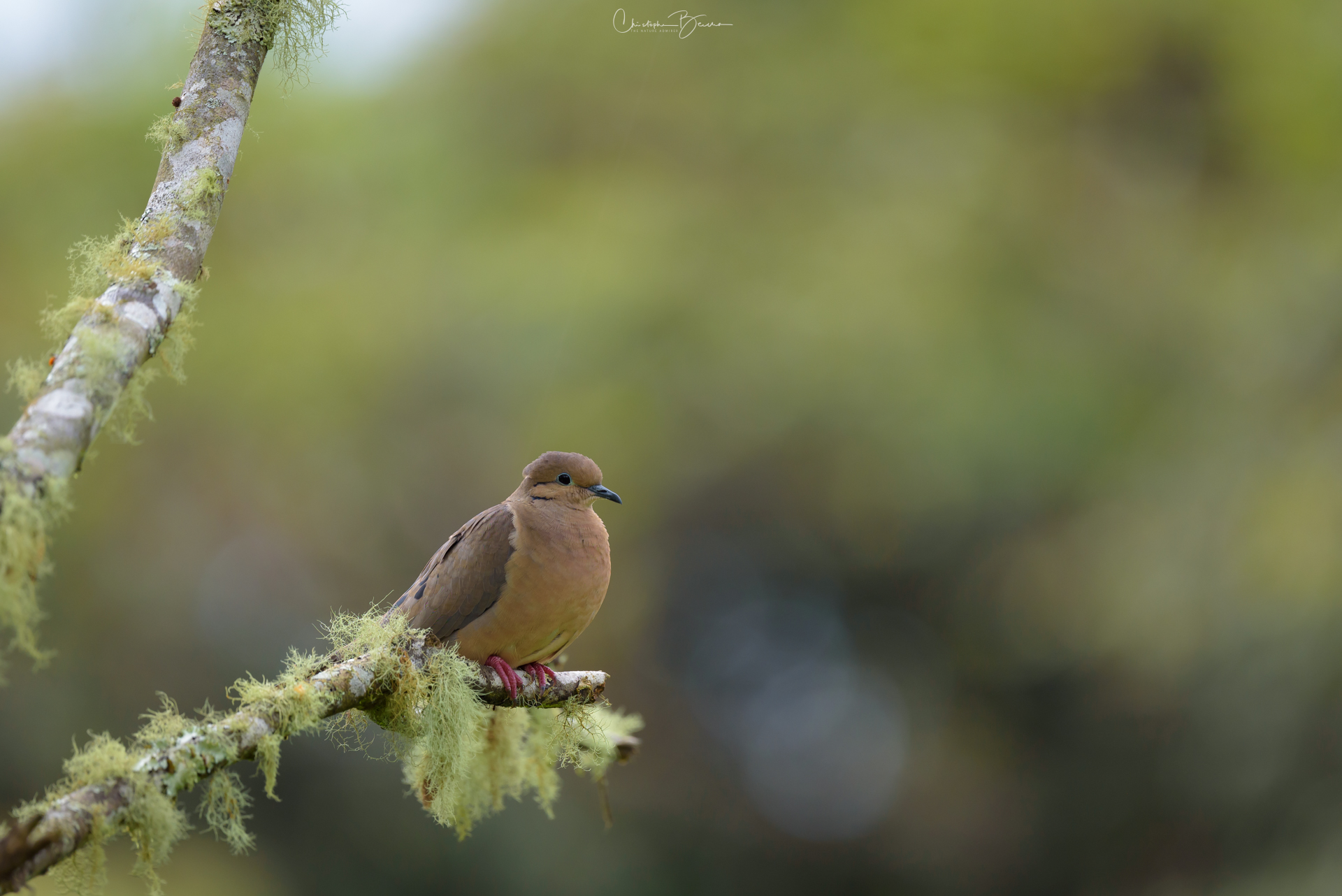
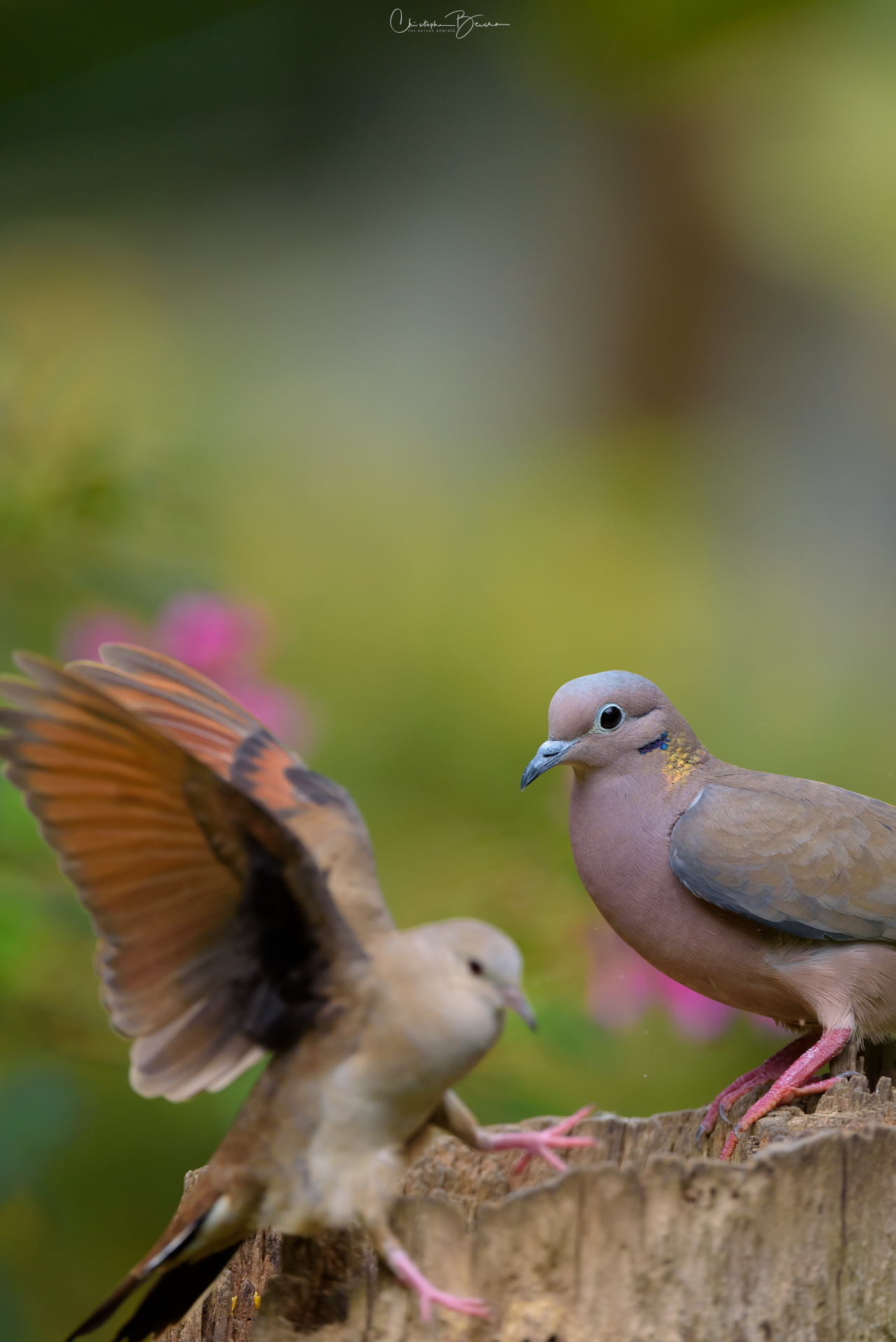
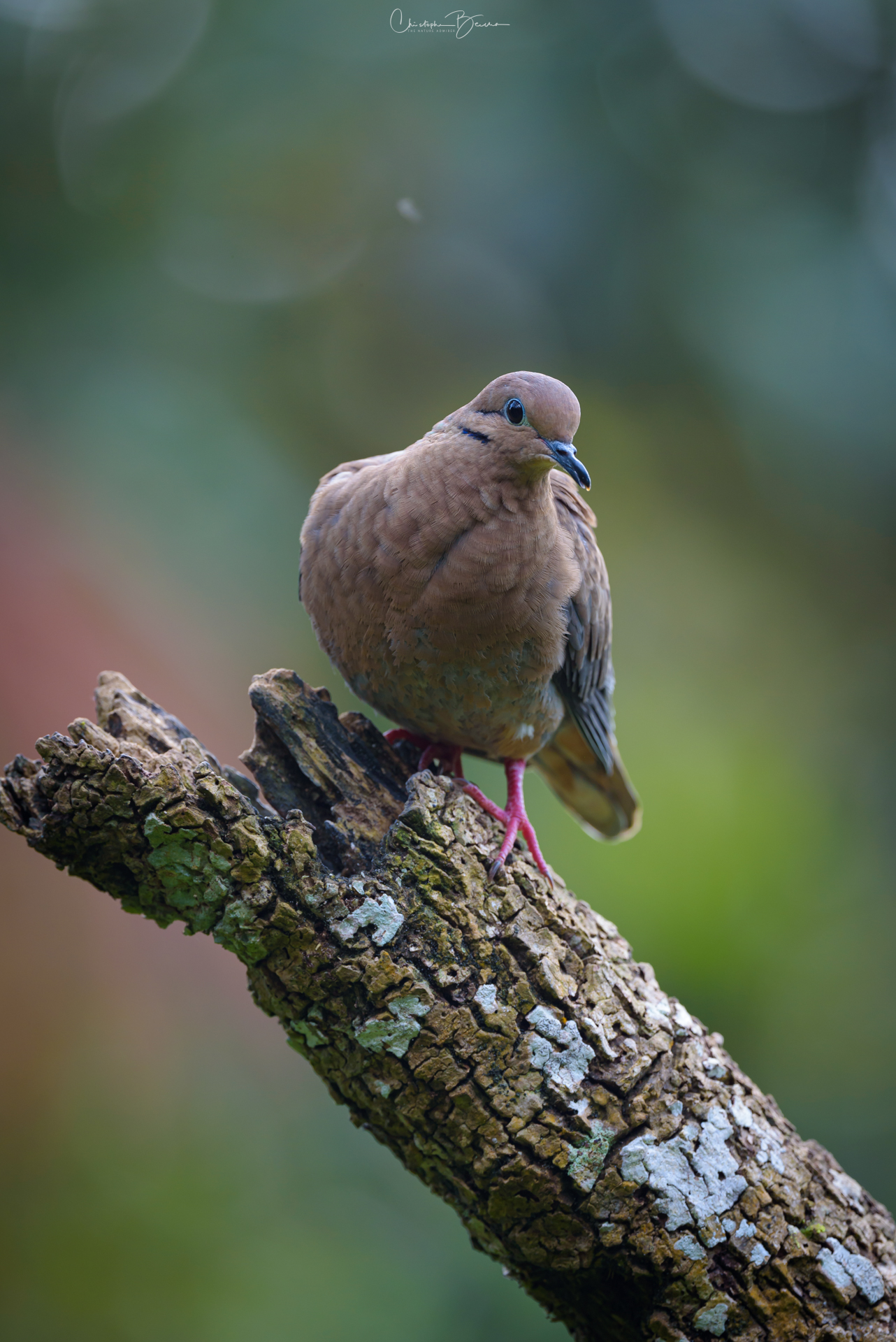
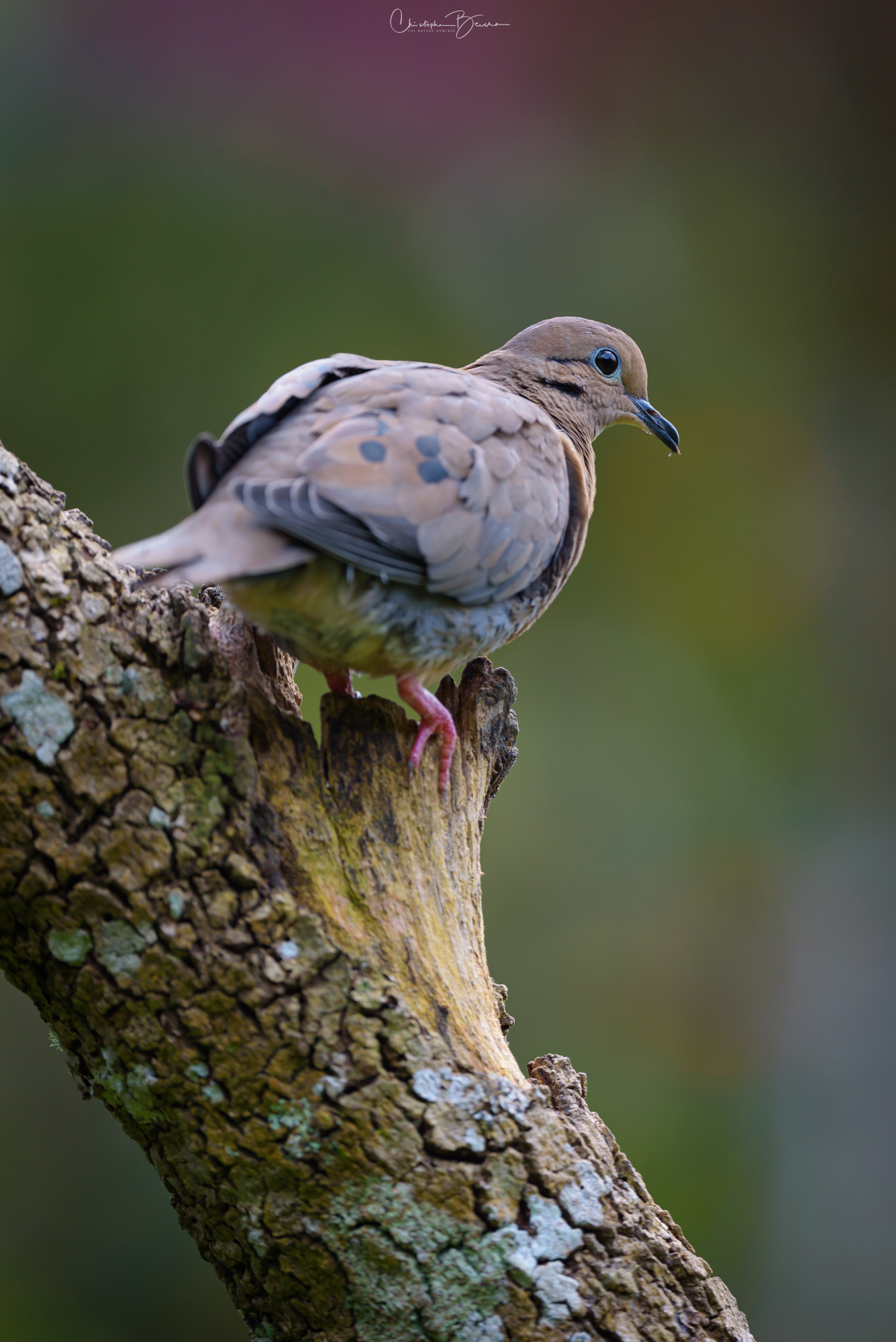
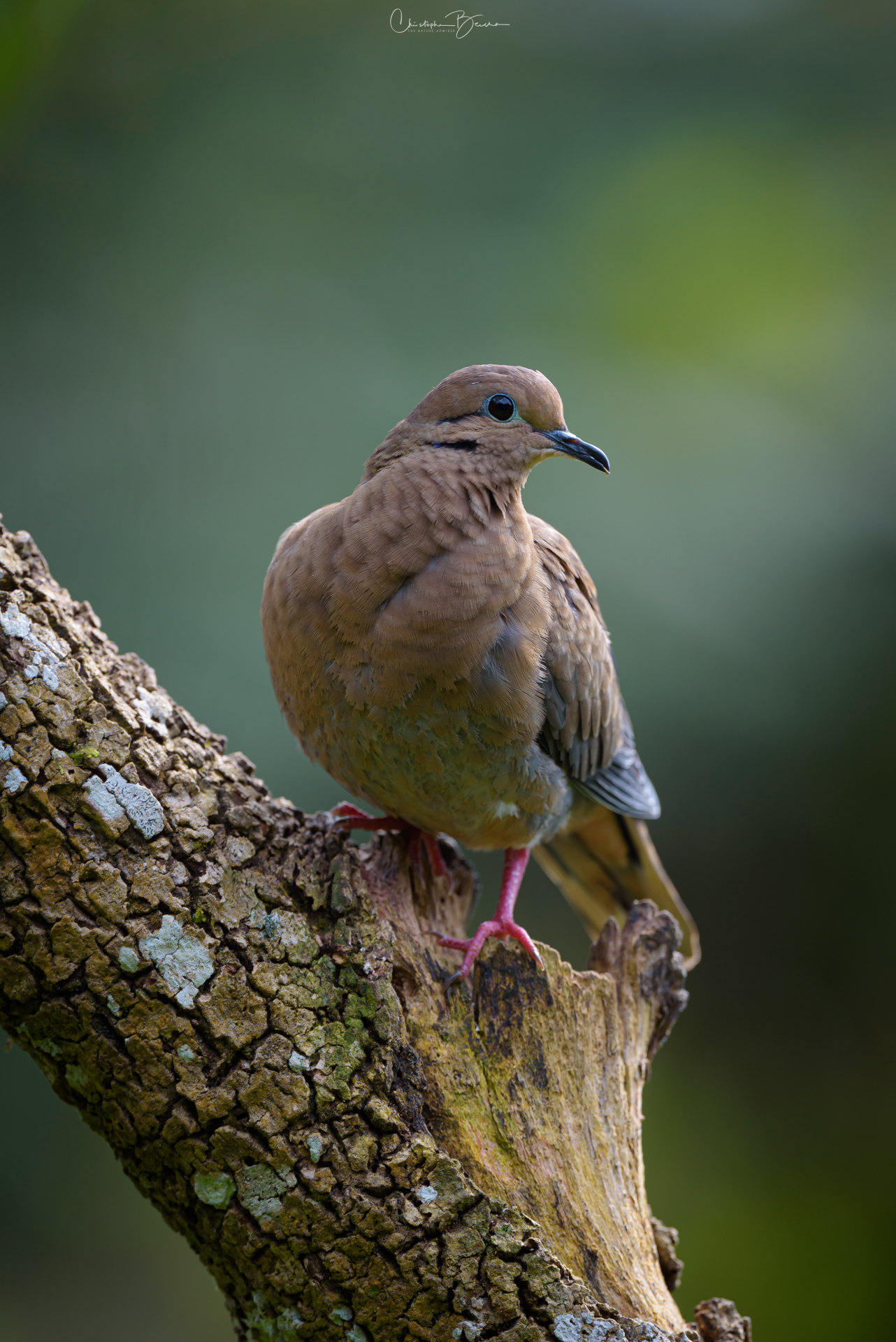
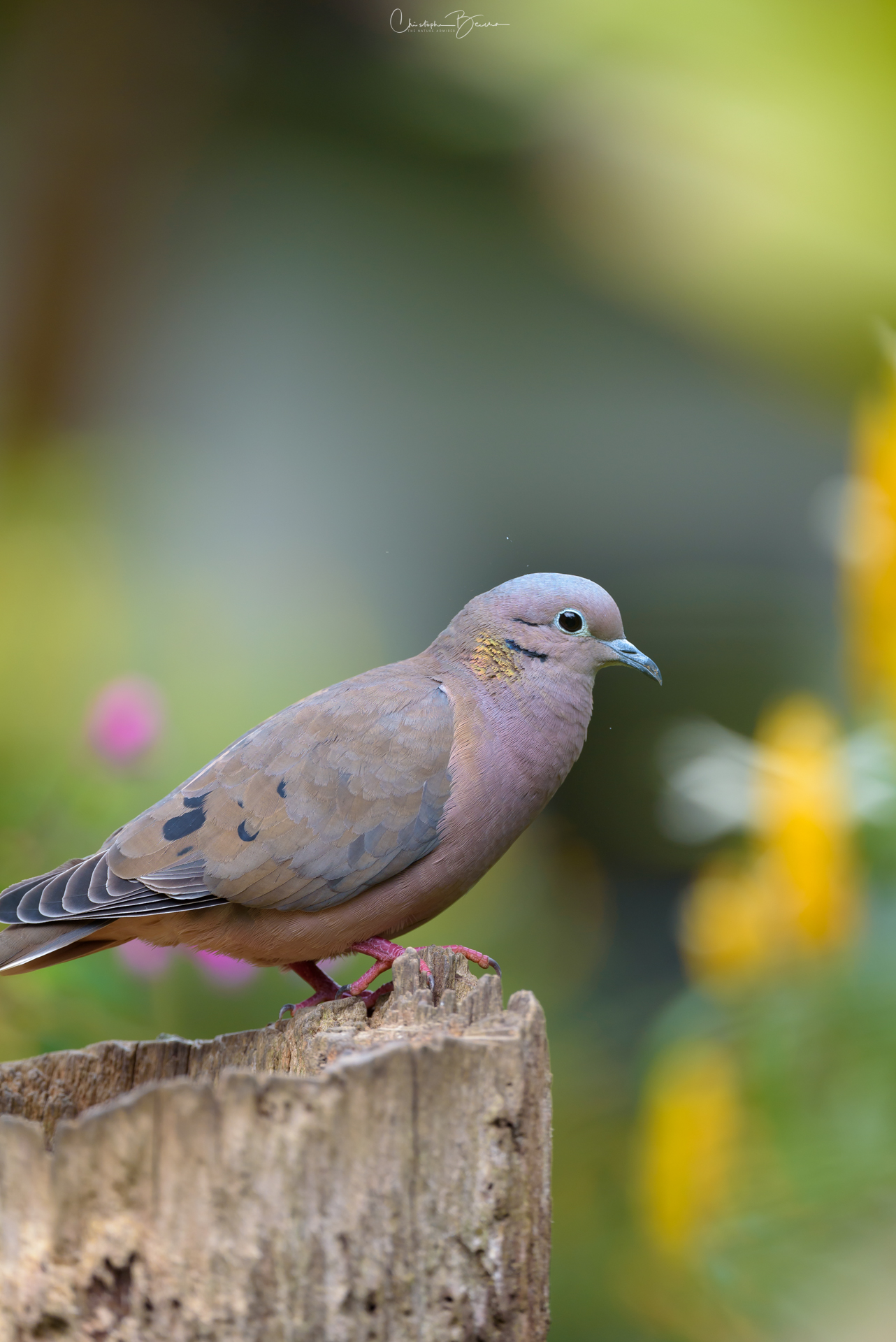
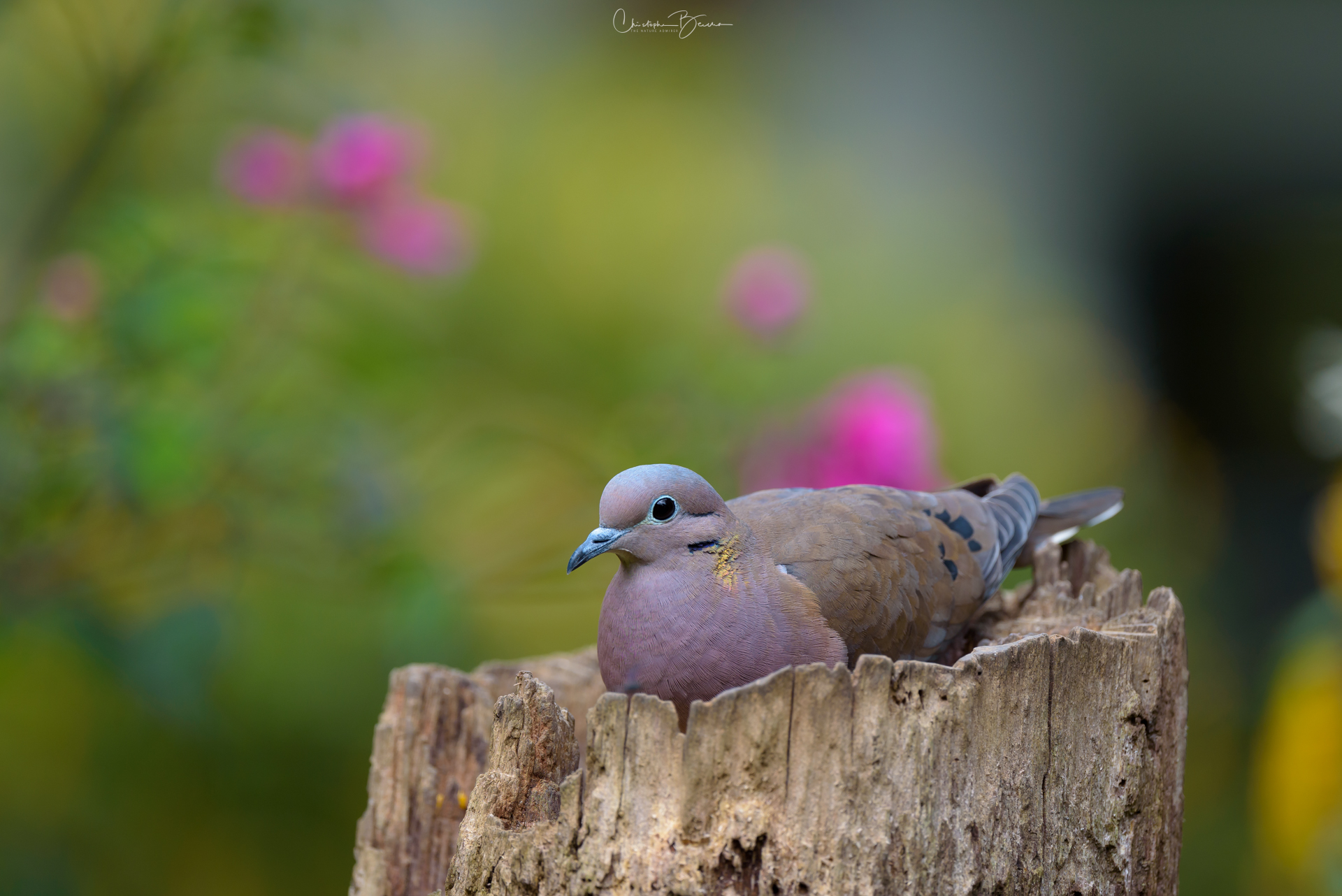
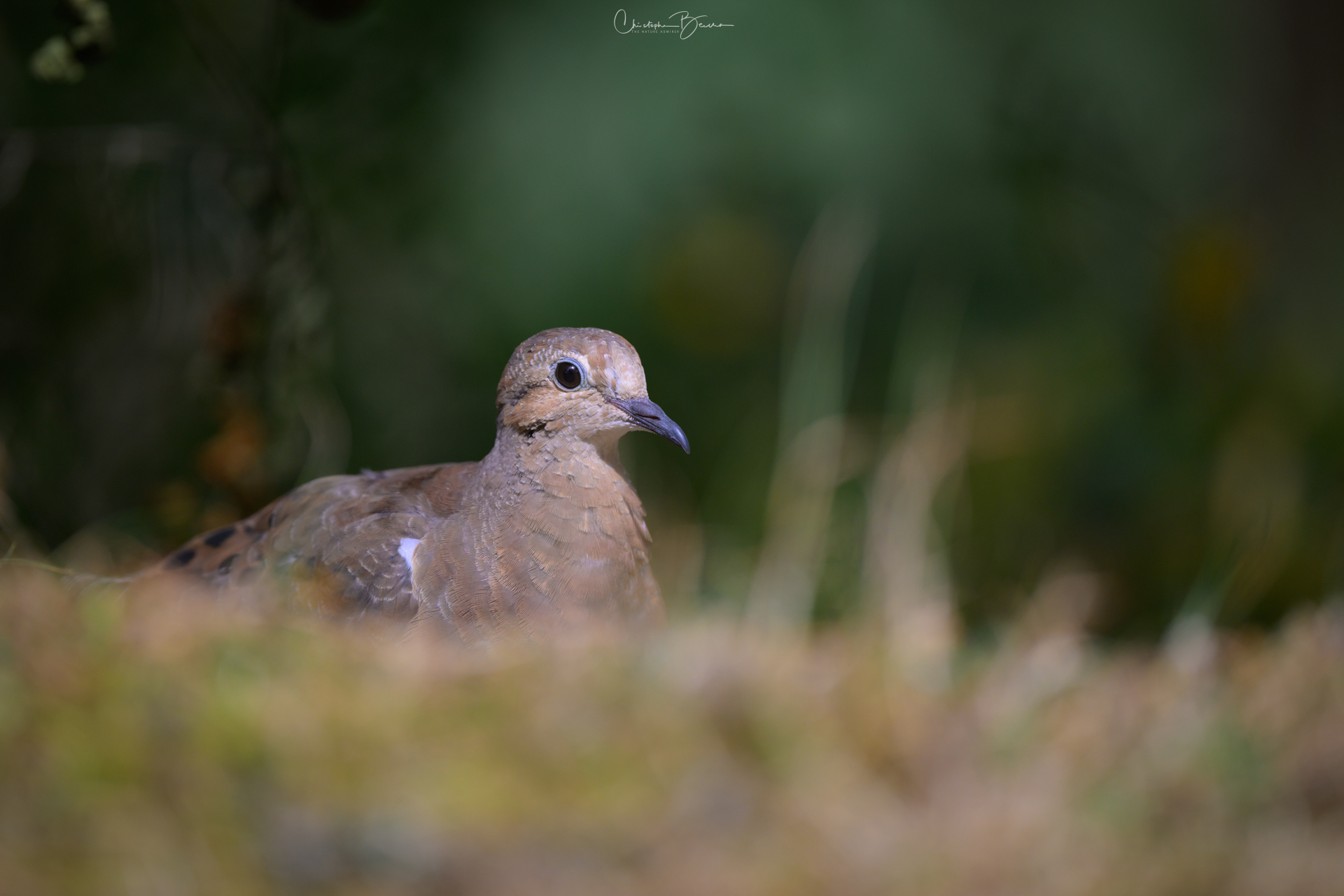
Eared Dove (Zenaida auriculata)
The Eared Dove is a relatively large dove, similar in size and shape to the White-winged Dove that we have in Costa Rica, but without the characteristic white on the wing. Its body is mostly grayish with olive tones on the back and wings, along with black spots. Its legs are red and the bill is short and a little bit curved down. An interesting feature is that it has some iridescence on the sides of the throat, which can be revealed when the neck is stretched out. They frequently forage on the ground, picking out seeds, but when flushed will look for branches high on the trees to remain safe. In some parts of South America, they are hunted down, yet their populations remain strong in numbers.






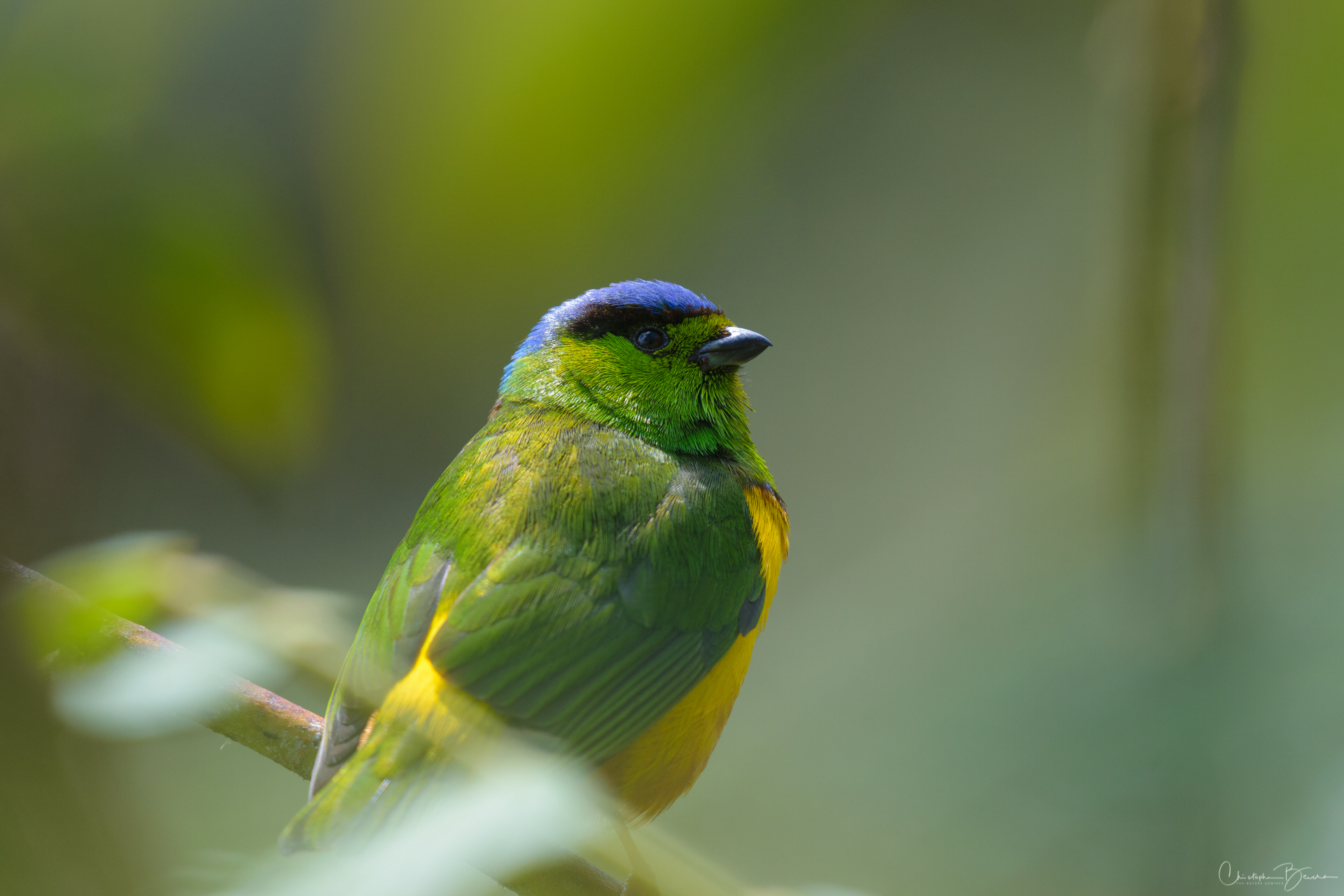
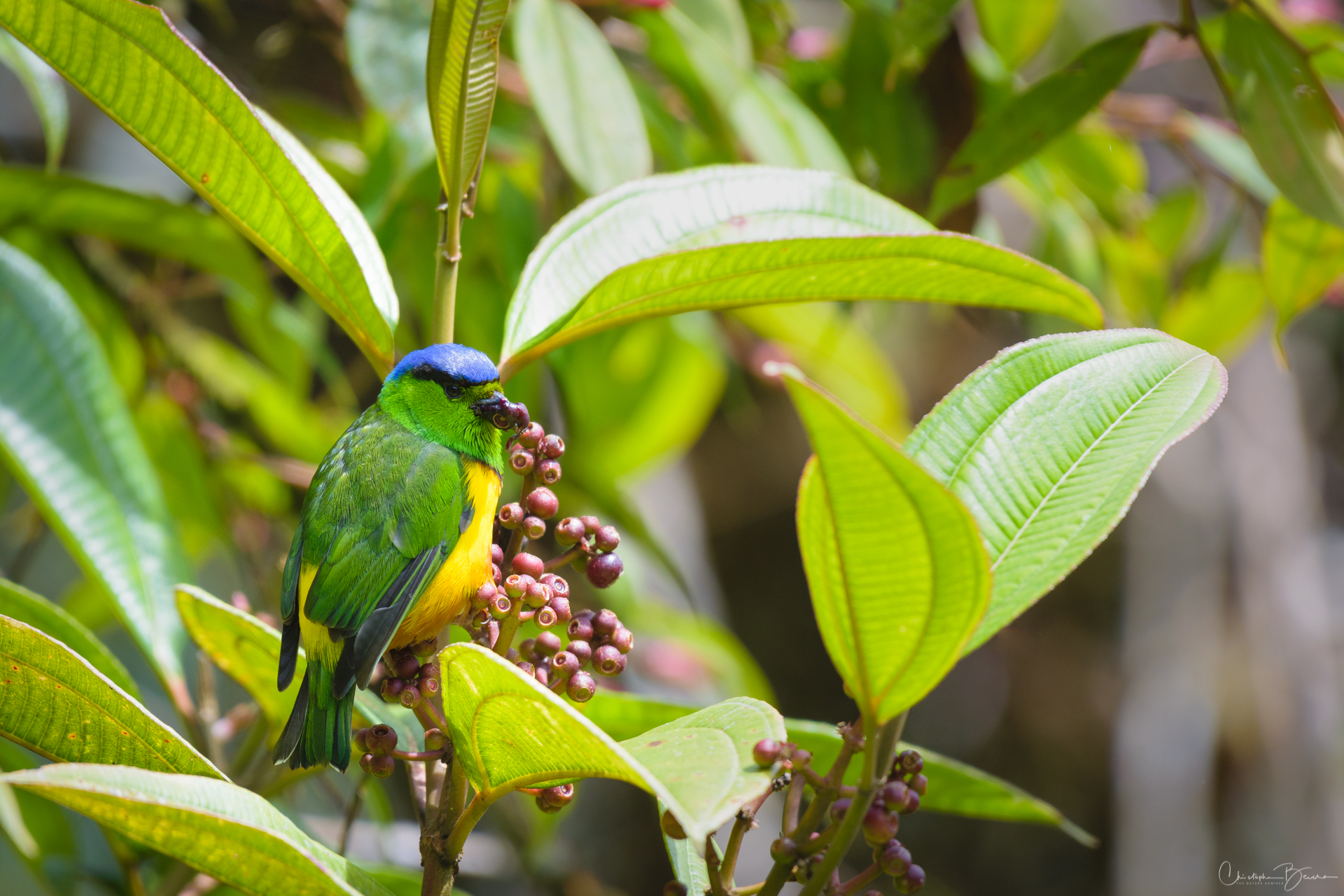
Chestnut-breasted Chlorophonia (Chlorophonia pyrrhophrys)
The Chestnut-breasted Chlorophonia has a very descriptive name, although I could not get any pictures where that breast is visible. Its colors range from dark green on the back and wings, lighter green on the throat and face, yellow rump, black supercilliary and blue cap. On the underside, the male features a yellow belly with a chestnut breast, whereas the female is mostly green below. They like to eat small fruits and do not seem to be too frightened of people. As a matter of fact, one bird almost perches on my lens but preferred to land on a nearby bush that could provide actual food. It stayed for about half an hour, not feeling threatened at all by us shooting pictures at him.
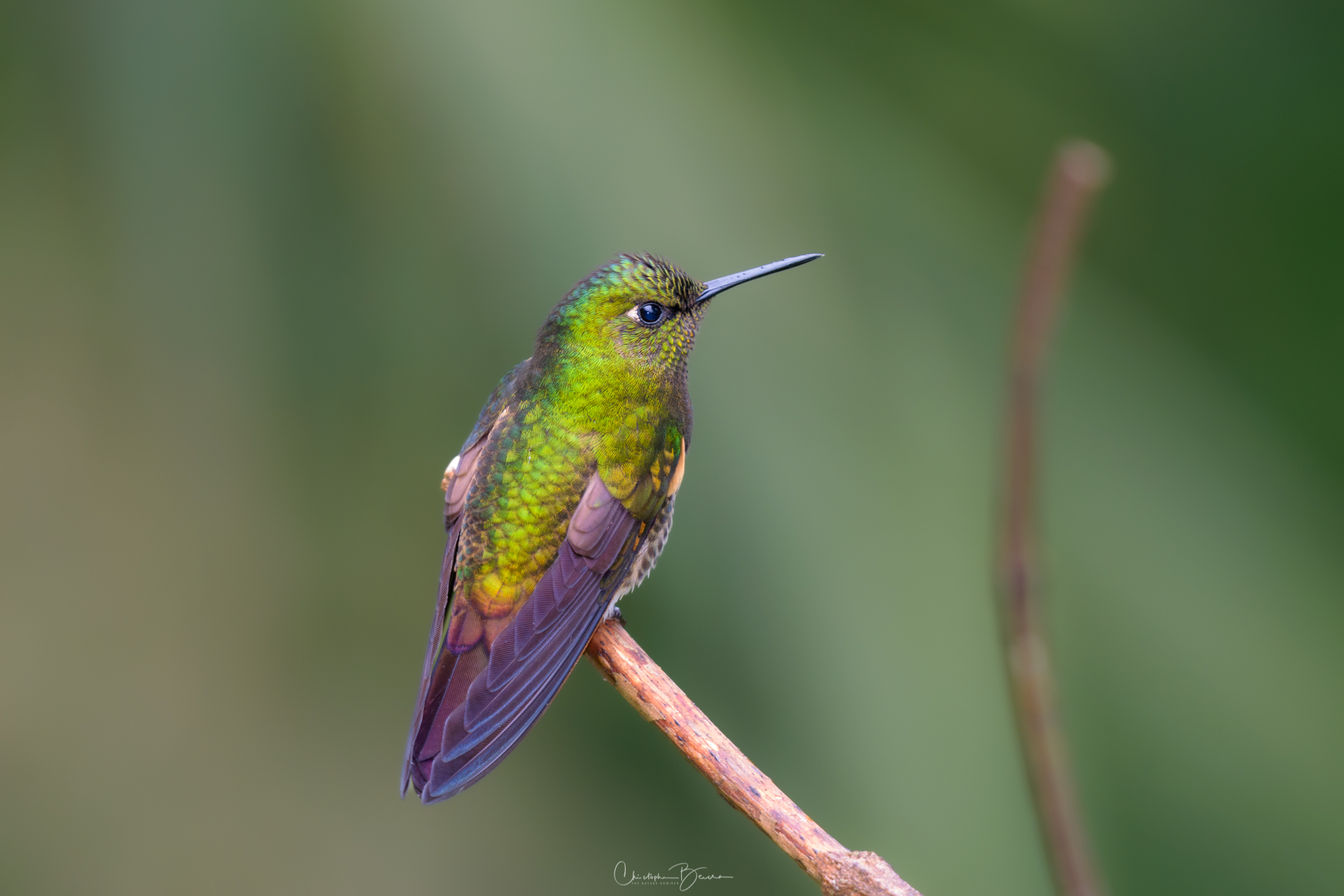
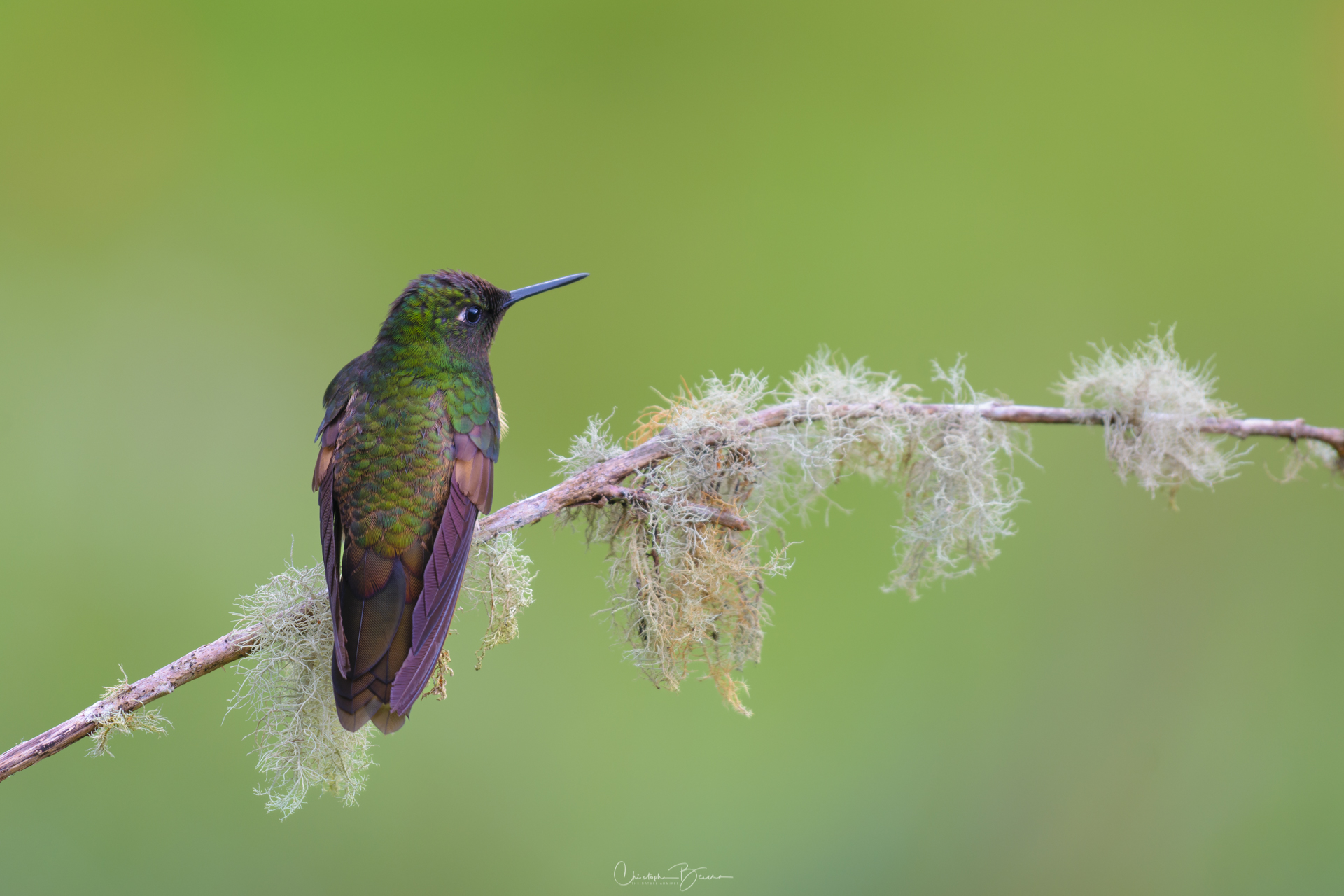
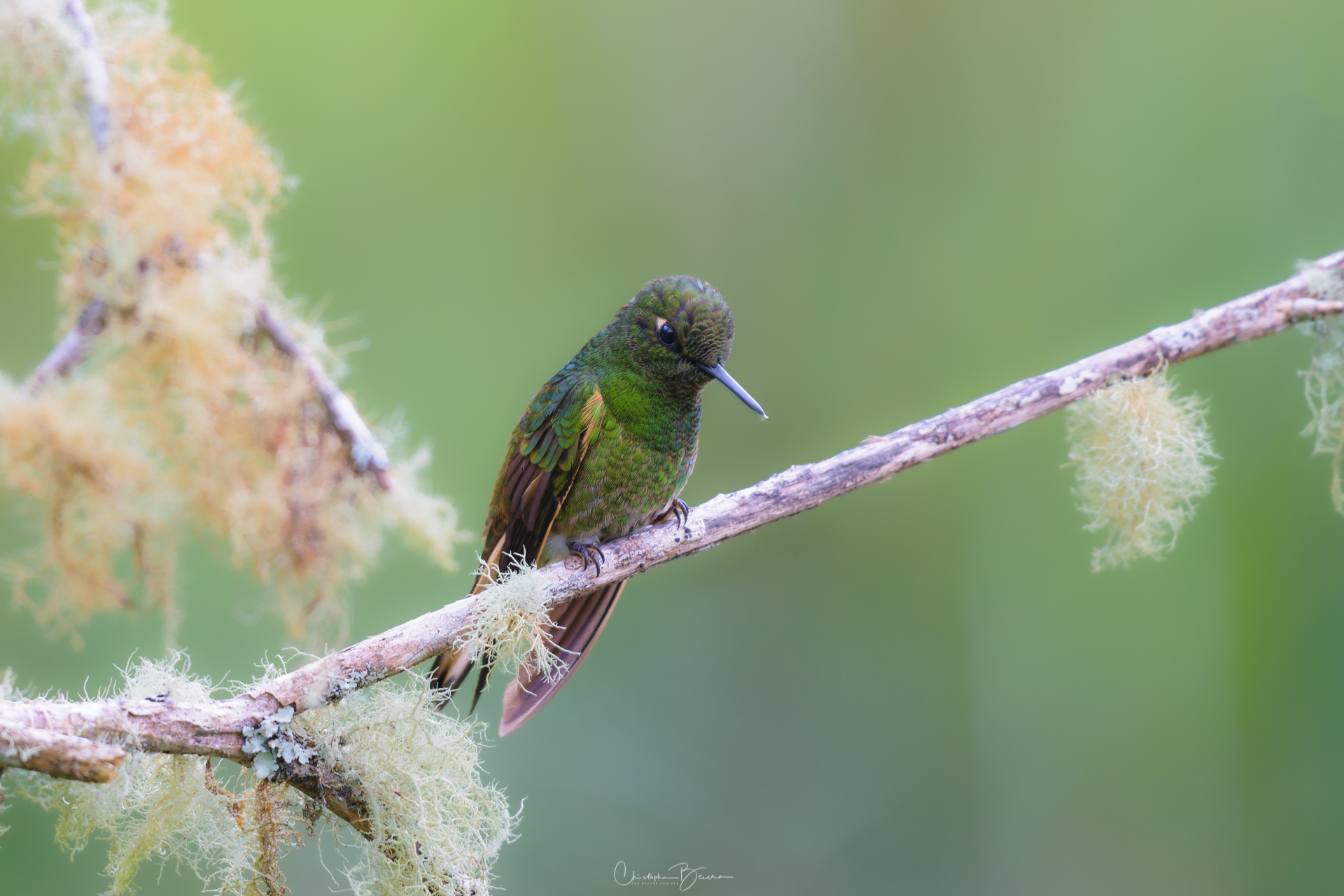
Buff-tailed Coronet (Boissonneaua flavescens)
The Buff-tailed Coronet is among the most common hummingbirds in the areas of Colombia we visited. Its body color is green in general, with a scaled pattern on the belly, although the back can look reddish under the right light. The wings are brown and are long enough to cover the tail when folded down and perched. The white postocular spot is a defining feature, along with the buffy shoulders and white feathers that cover their feet, similar to the Booted Racket-tail. The bill is short and straight, entirely black. They like to perch for a few minutes in small branches, and when their feel their personal space is threatened by other individuals, they may put up a fight on the wing. Sometimes they perched alone, peacefully resting before flying again to drink more nectar, both from nearby flowers and from the feeders. It may not be the flashiest in terms of colors and anatomy, but it sure is beautiful to watch. In Rio Blanco Natural Reserve where we first saw them, they swarm in big numbers around the feeders, fighting each other and with other species.



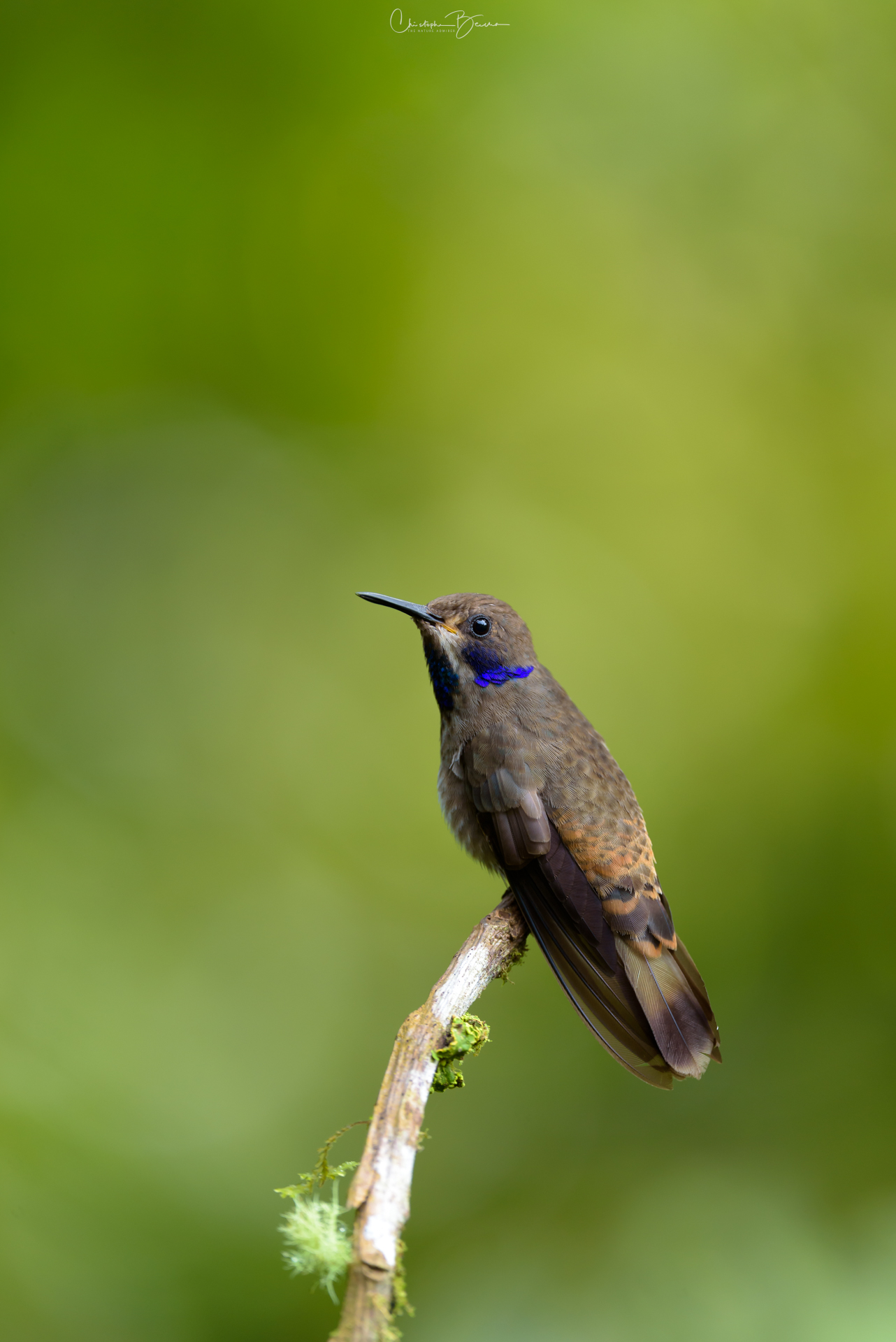
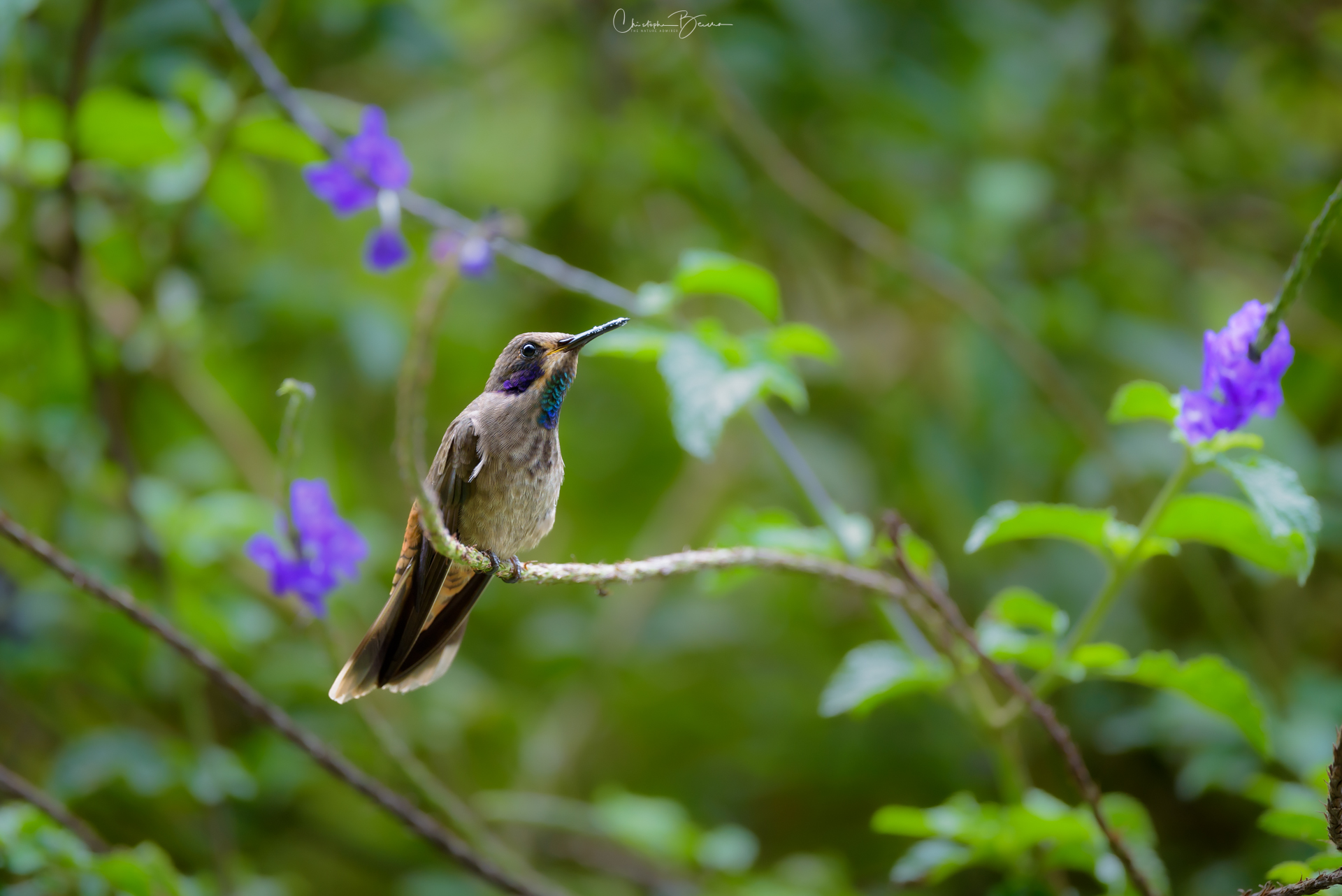
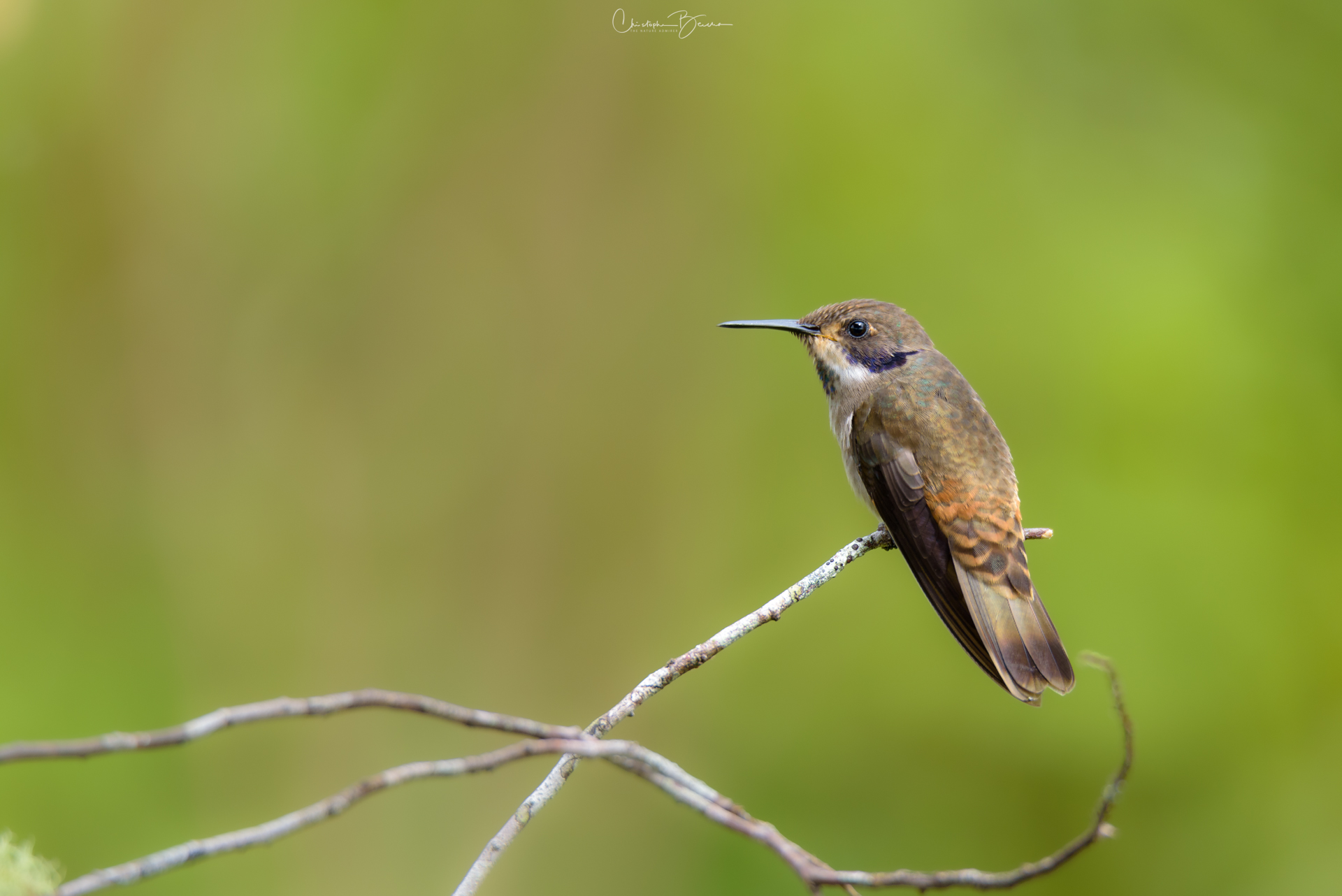
Brown Violetear (Colibri delphinae)
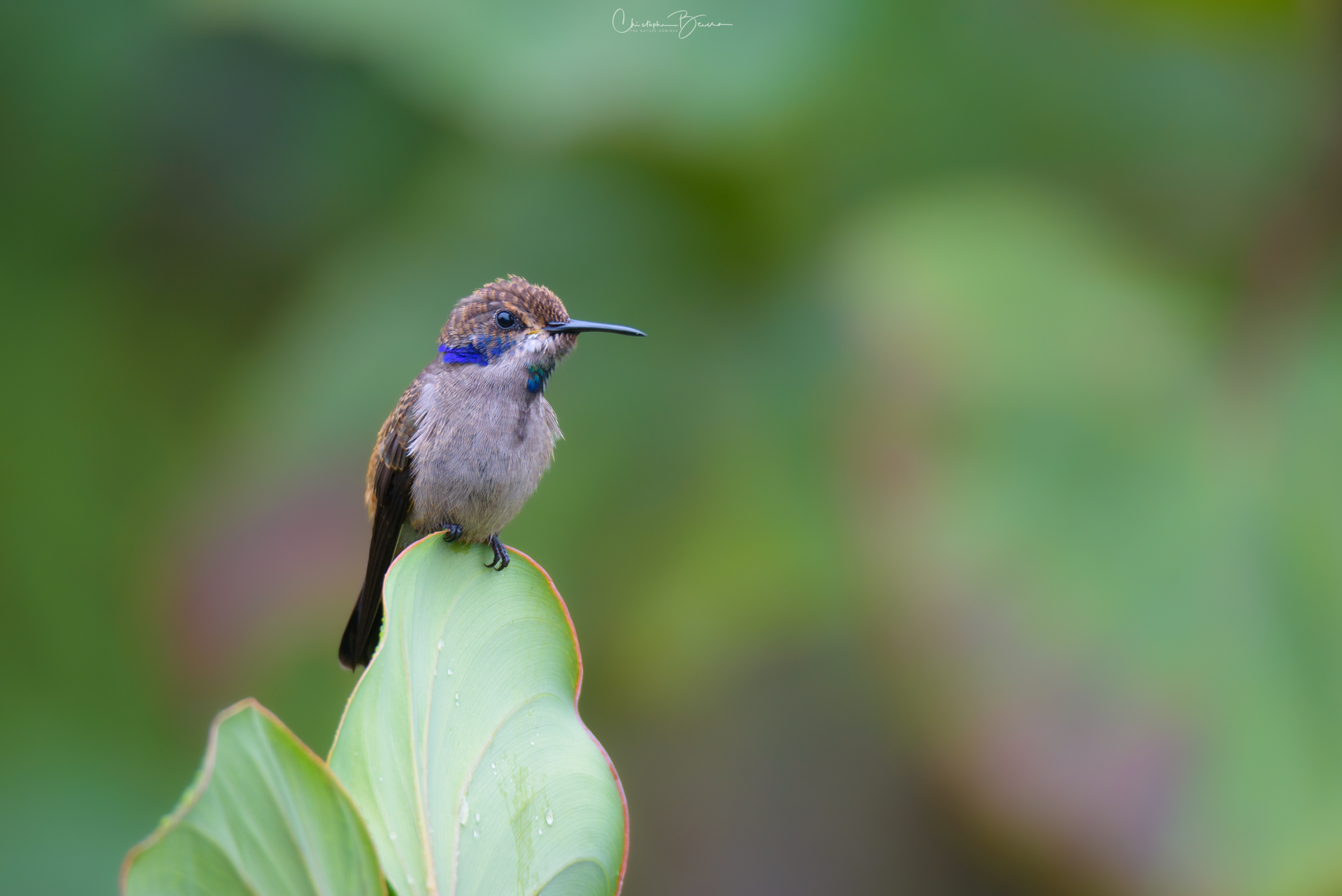
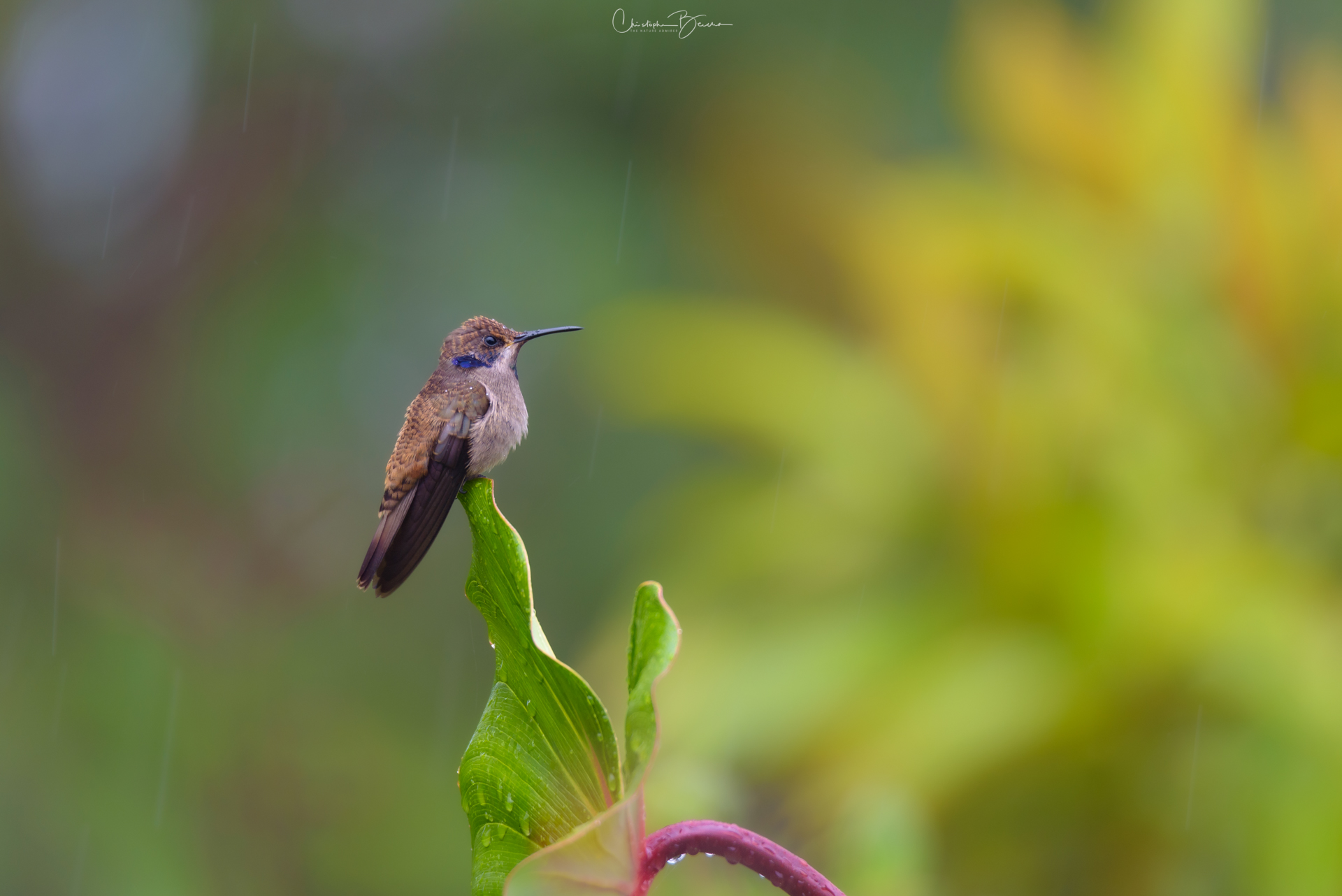
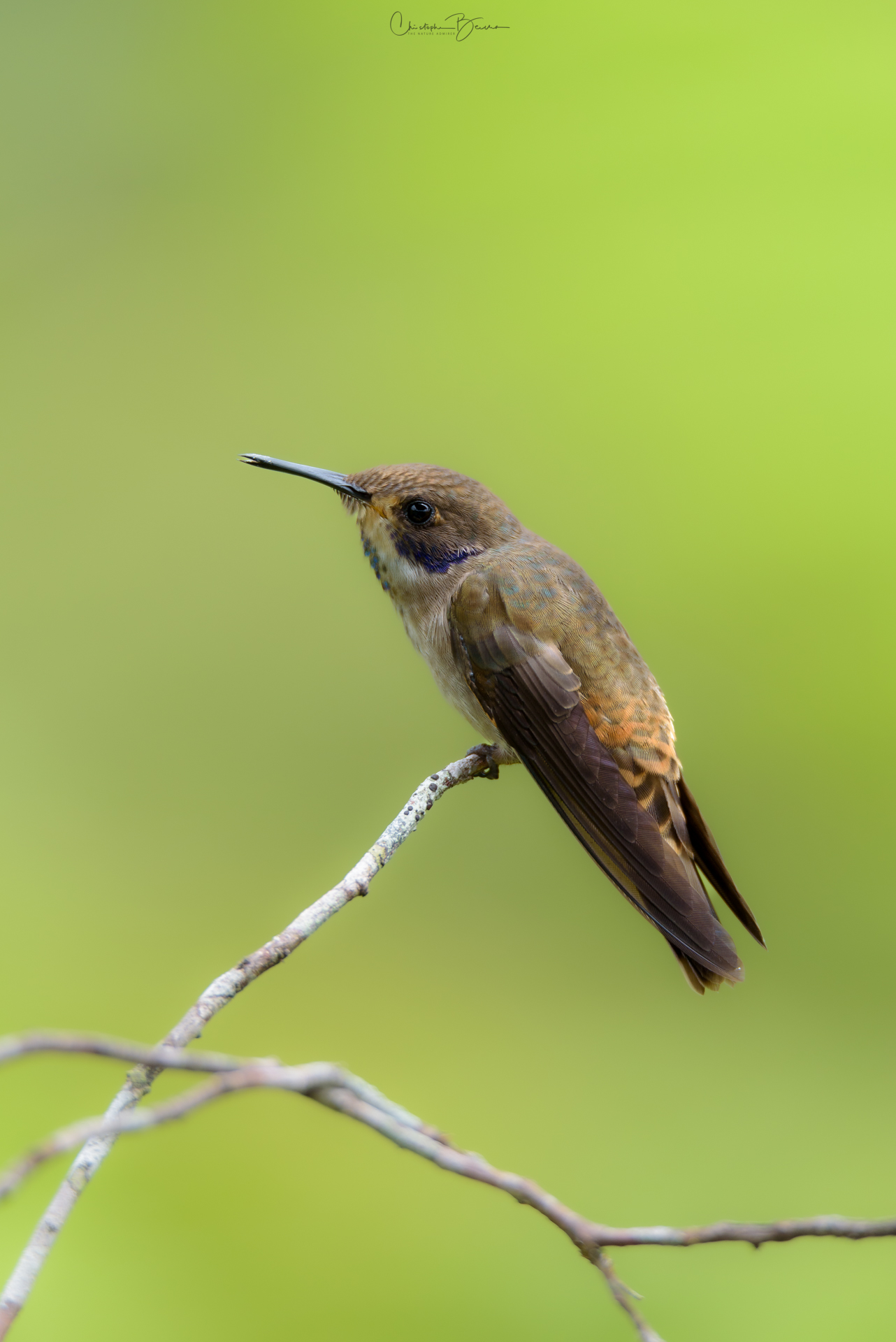
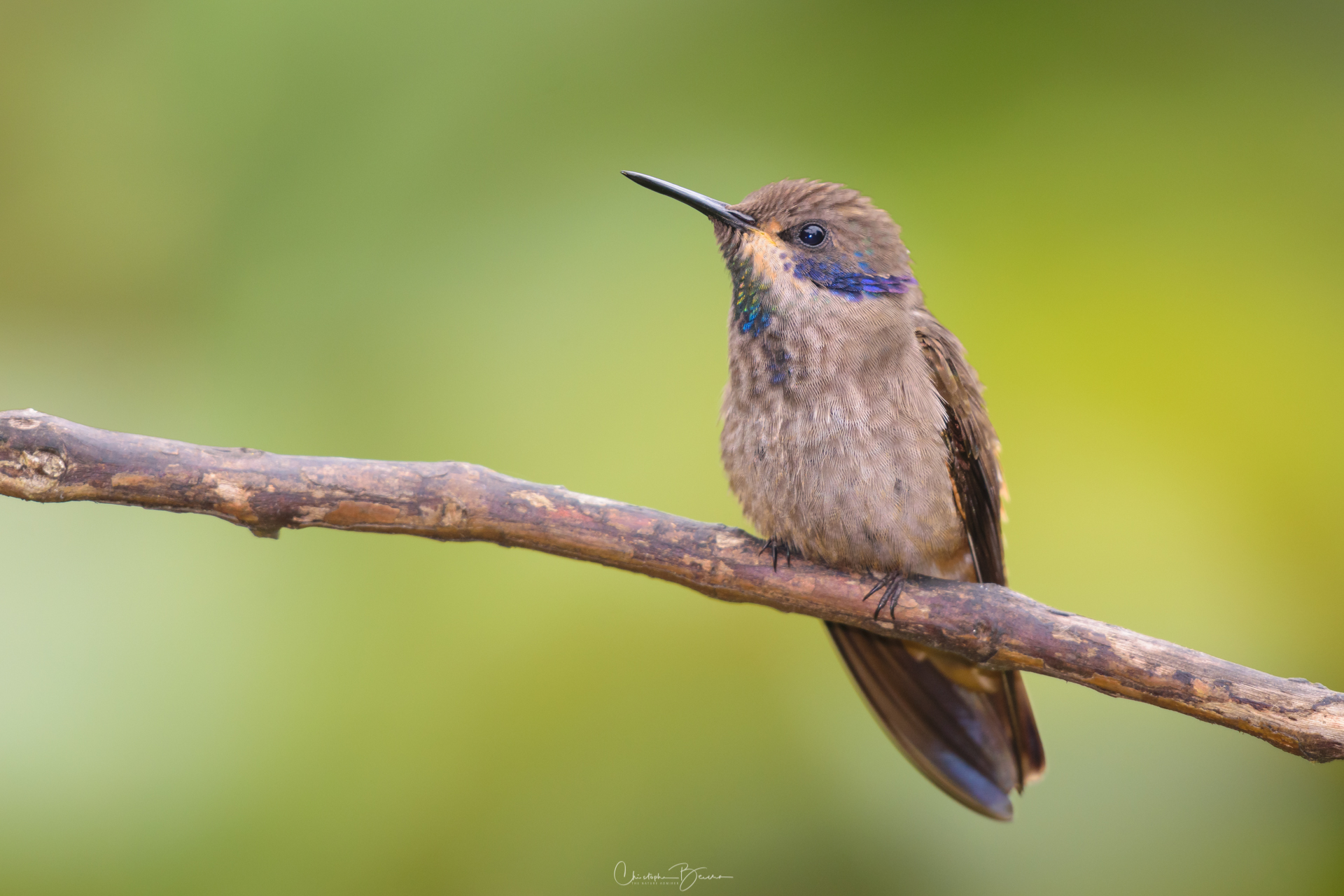
The Brown Violetear is a medium-sized hummingbird which has a violet ear patch, not surprising given its name. The body is mostly brown in coloration, with darker wing and tail feathers. The feathers covering its vent are whitish, as well as some of the throat feathers surrounding a small colorful patch in the center. It possesses a patch of green to blue iridescent feathers in the throat, something the Lesser Violetear does not possess. The black bill is relatively short and straight, which it uses to sometimes catch small insects on the flight. It is found in mid to high altitudes, particularly in humid areas where Porter Weed flowers are plentiful. Their small size and light weight let them perch in delicate branches without breaking them.










Booted Racket-tail (Ocreatus underwoodii)
The Booted Racket-tail is simply a marvel of nature. It has a long tail, which is composed of bare rachises ending in a wide racket-like structure. At first glance, it can resembled the Long-tailed Sylph, but the tail’s shape is unmistakable once taken notice. The long, slim tail ending in a wide feather reminds me of a Motmot, albeit a very small one. Other than its most conspicuous trait, it has white feathers covering its legs, which explains why it is called Booted. The body is mostly green but iridescent like many hummingbirds, making it change in coloration with the view angle. The black bill is straight and short.

Blue-headed Sapphire (Hylocharis grayi)
The Blue-headed Sapphire is a very conspicuous hummingbird. It has an iridescent green body with brown wings and white feathers on its legs, sharing this combination of colors with many hummingbirds. However, its head is a deep blue, almost violet coloration, and it has a dark pink bill with a black tip, which makes it stand out of the crowd. It is shy in comparison with other birds that approached the feeders at Finca Alejandria, and when I first saw, it was on feeders inside the forest, in a very dark environment. It did came to a feather in the outside and perched long enough to get a good picture of it.

Black-and-chestnut Eagle (Spizaetus isidori)
The Black-and Chestnut Eagle was one of the highlights of our trip to Colombia. While we were not able to see it in the wild (it is said to occur in Yarumo Blanco SFF), but one individual was in display at CRARSI (Centro de Reabilitación de Aves Rapaces de San Isidro). It is a large bird of prey with a meter and a half wingspan, able to grab and eat Guans (which are big birds), monkeys and coatis, along other medium-sized mammals. Their plumage is black overall, with a chestnut belly and chest. Their piercing eyes are bright yellow, and its gaze can be scary to see from up close. It is very sad to know that birds this magnificent are held as pets in cages on people’s houses. They should be born to be free.

Black Flowerpiercer (Diglossa humeralis)
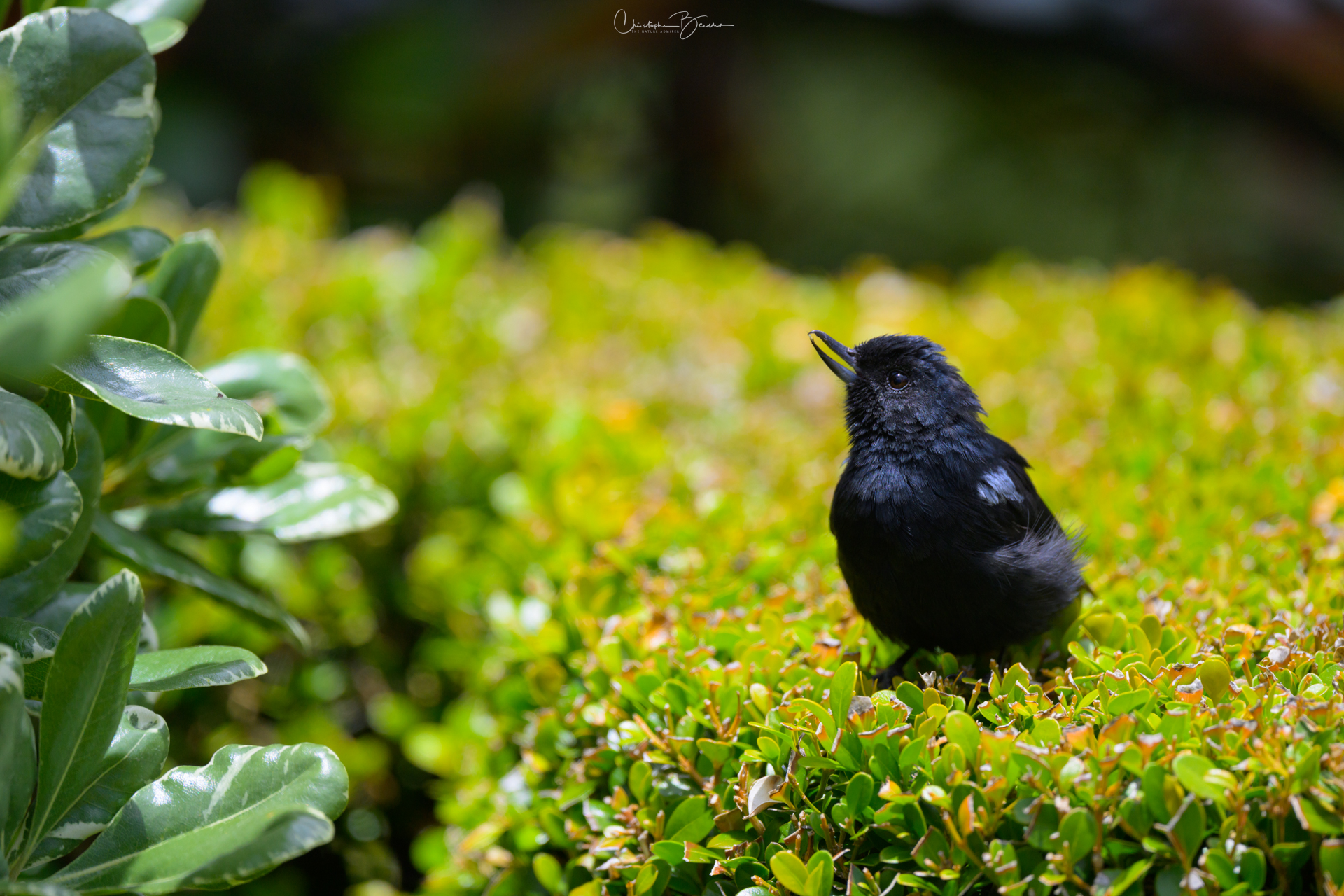
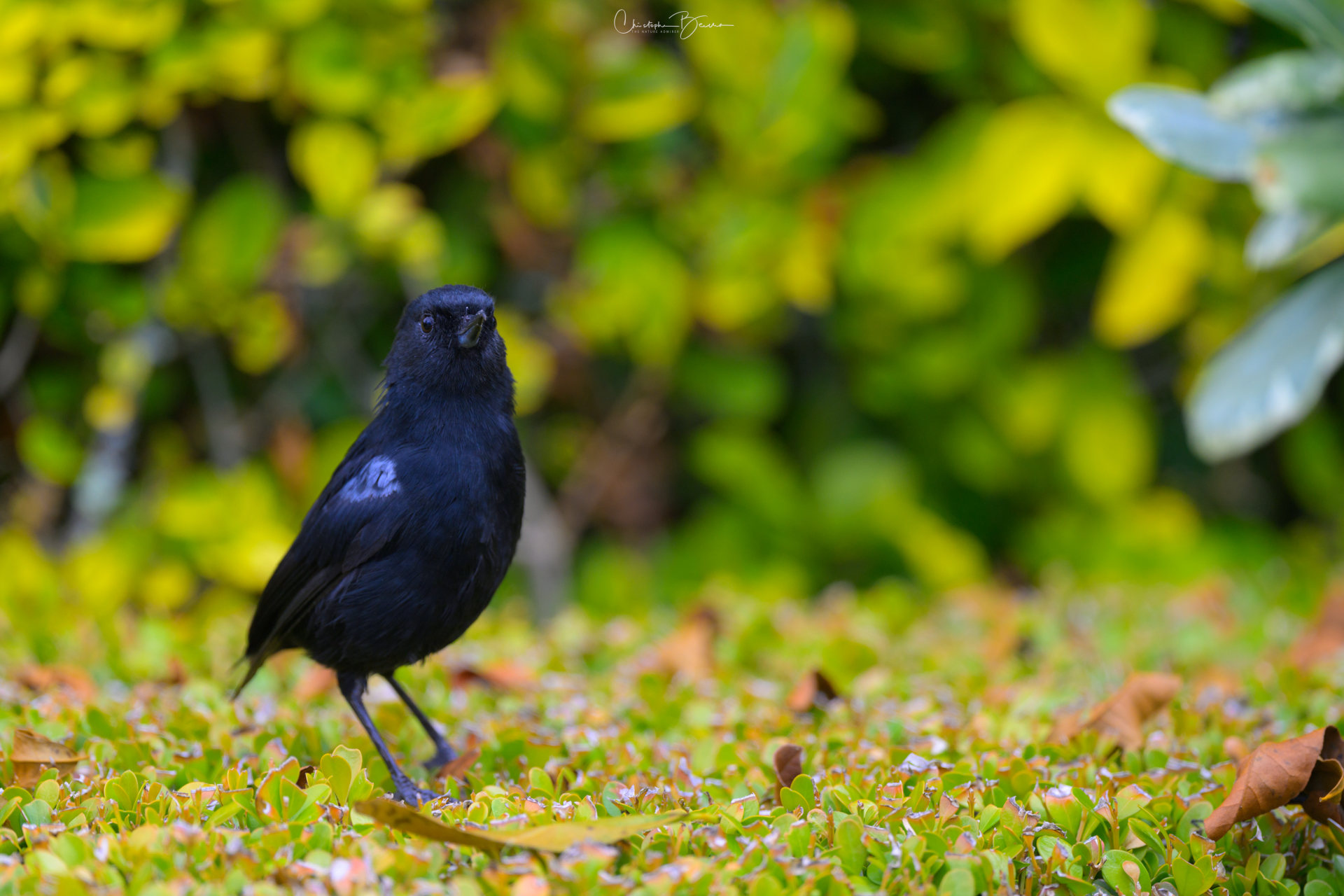
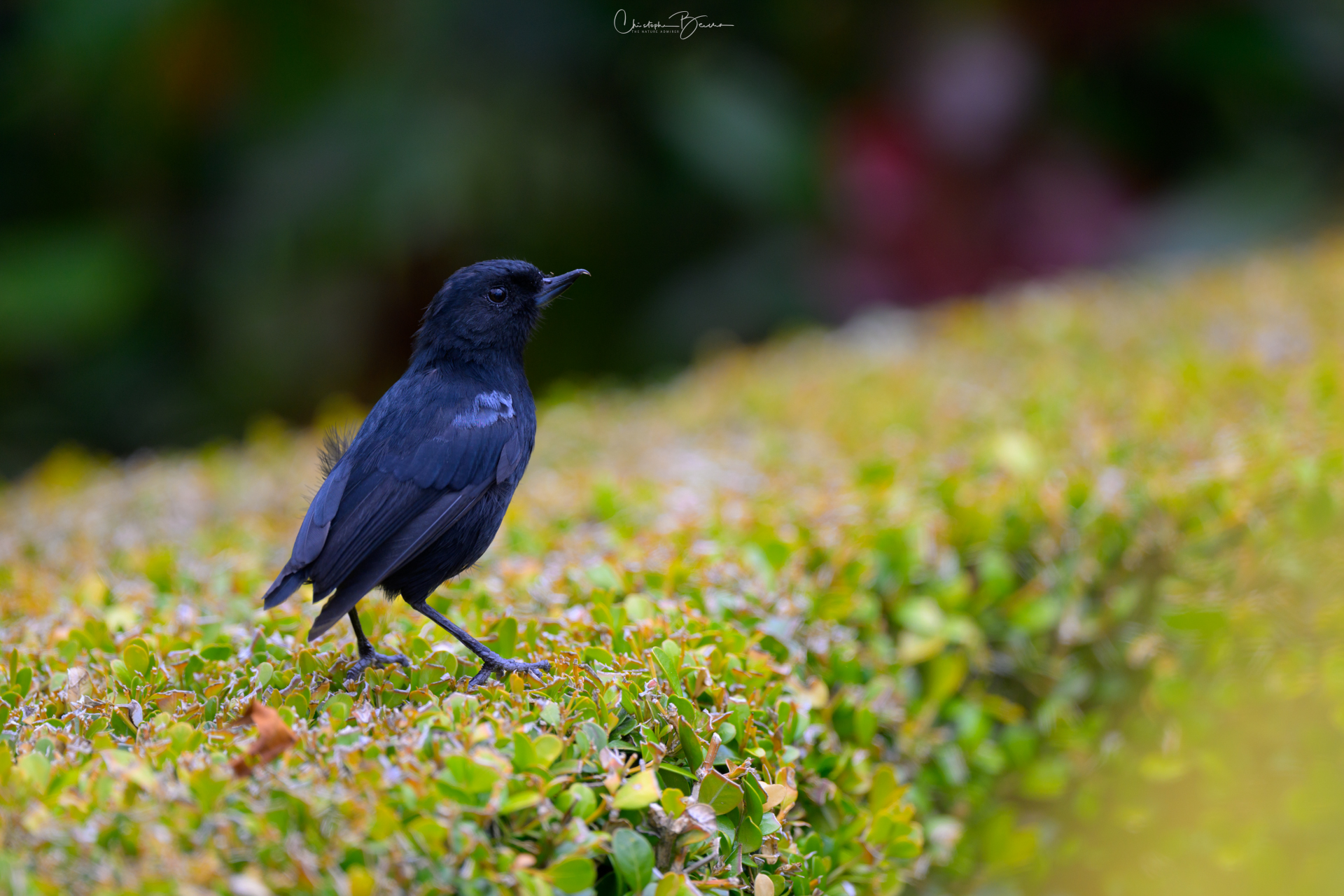
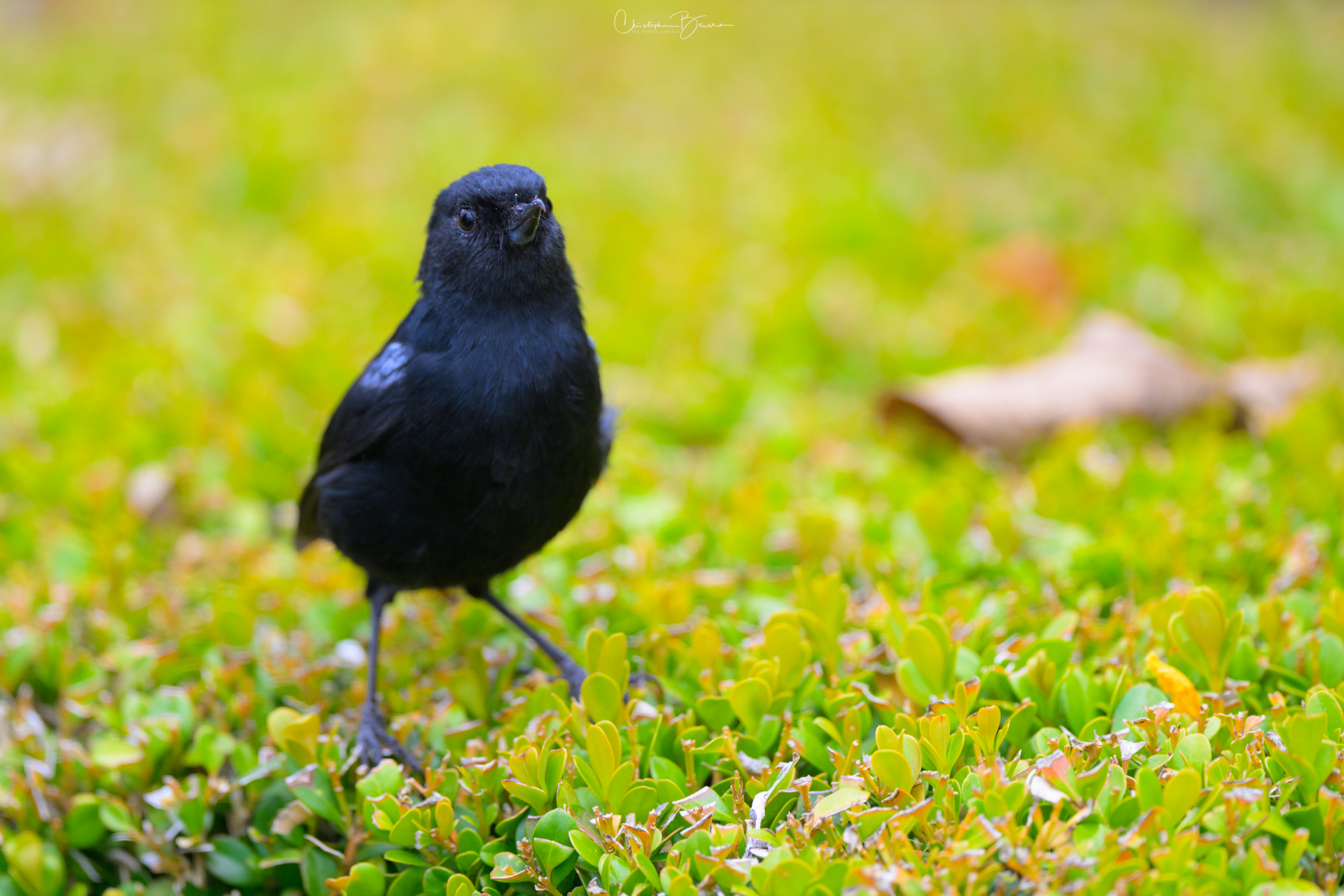
The Flowerpiercers are small birds in the Tanager family that have the upper tip of the bill curved down, allowing them to pierce flowers from the base and drink their nectar, hence their name. Their very short bill do not allow them to drink nectar like a hummingbird does, by inserting the bill into the flower, so they do not pollinate flowers. It is very similar to the Glossy Flowerpiercer, however the former is found in higher grounds, has more blueish plumage and is slightly larger. While piercing flowers, they can balance themselves in tricky positions, like upside down. Their feet grab themselves with force from the branches.



 The Nature Admirer