Page 27 of 33

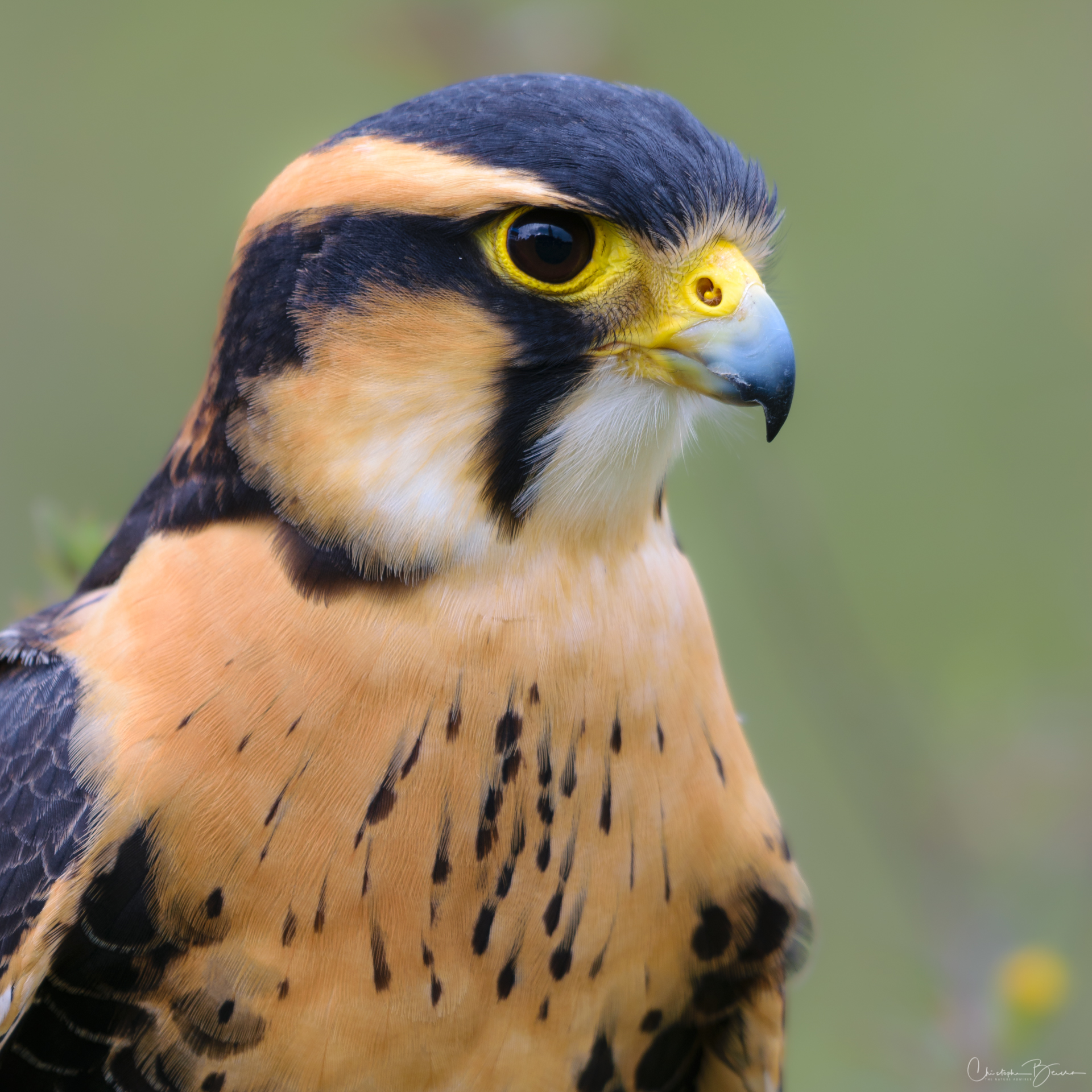
Aplomado Falcon (Falco femoralis)

The Aplomado Falcon is a bird of prey with a slender body, able to catch prey in mid-air. Its name derives from a Spanish word that comes to mean Plumbeous, which refer to the blue-grey plumage of the head and back of the body. In adults, the chest and head markings are white, while in Juveniles those parts are buffy with black streaking on the chest. The tail is barred in black and white. The bill is hooked down, which helps to tear down flesh from their prey. They eat insects and small vertebrates, including birds and quail.

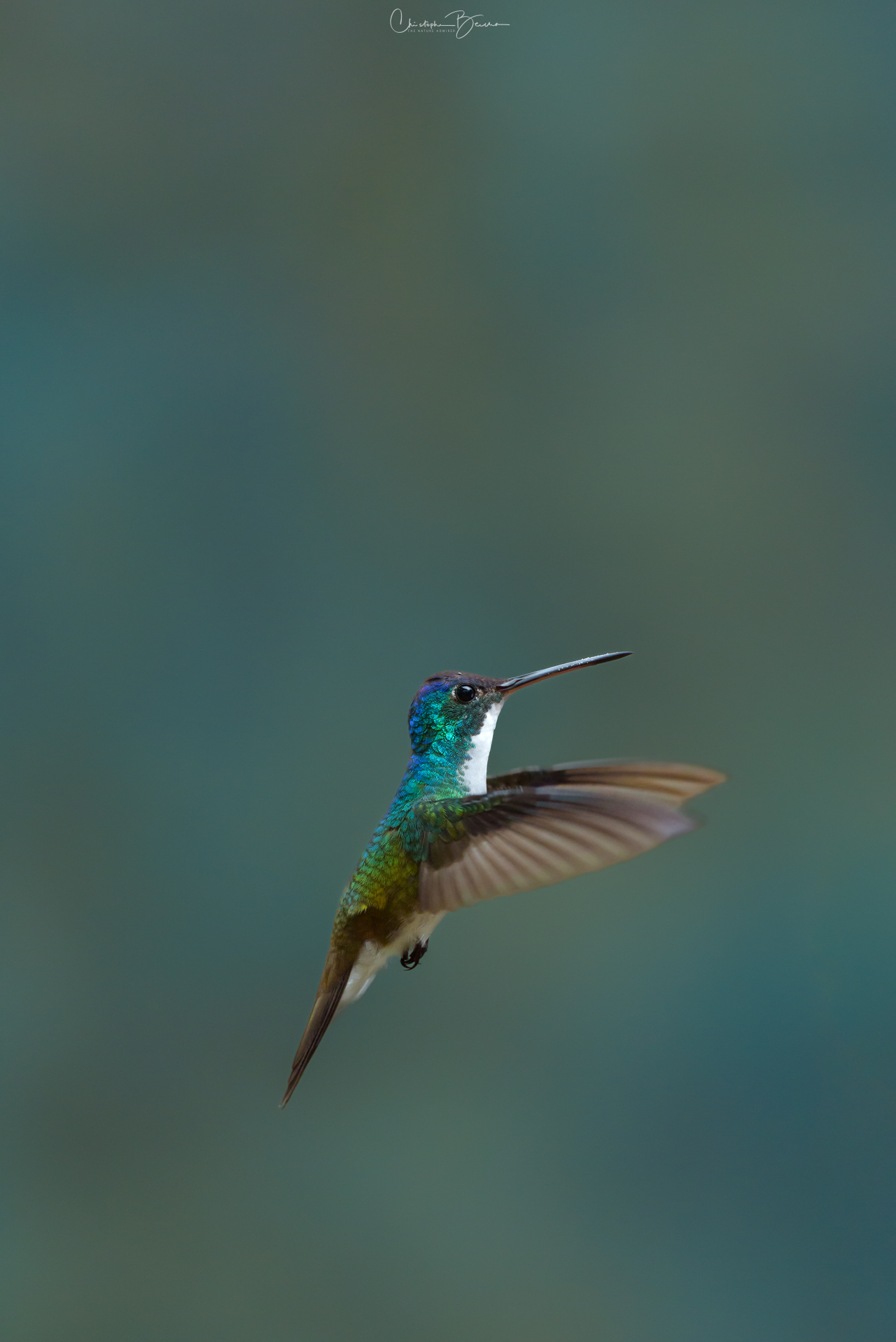
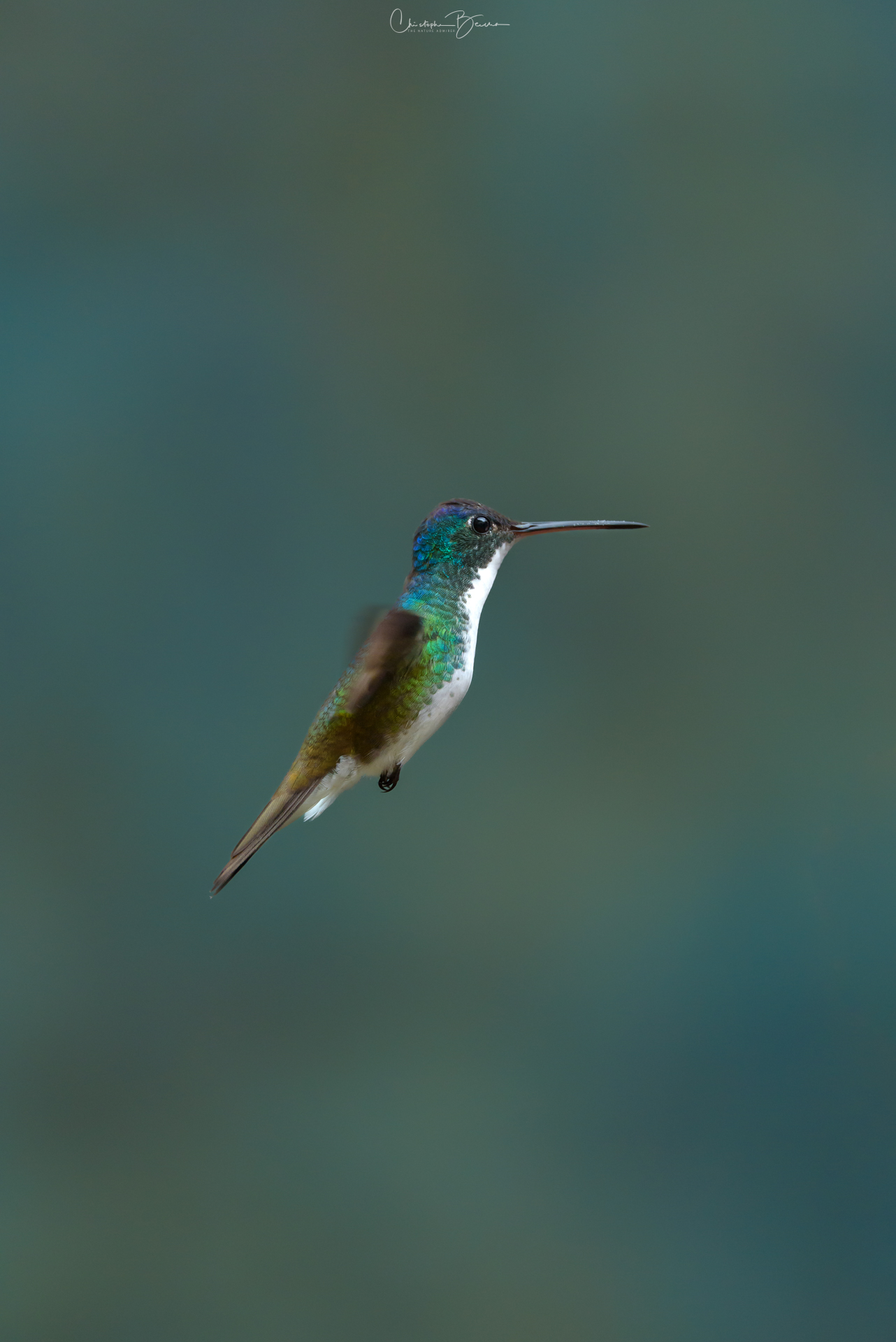
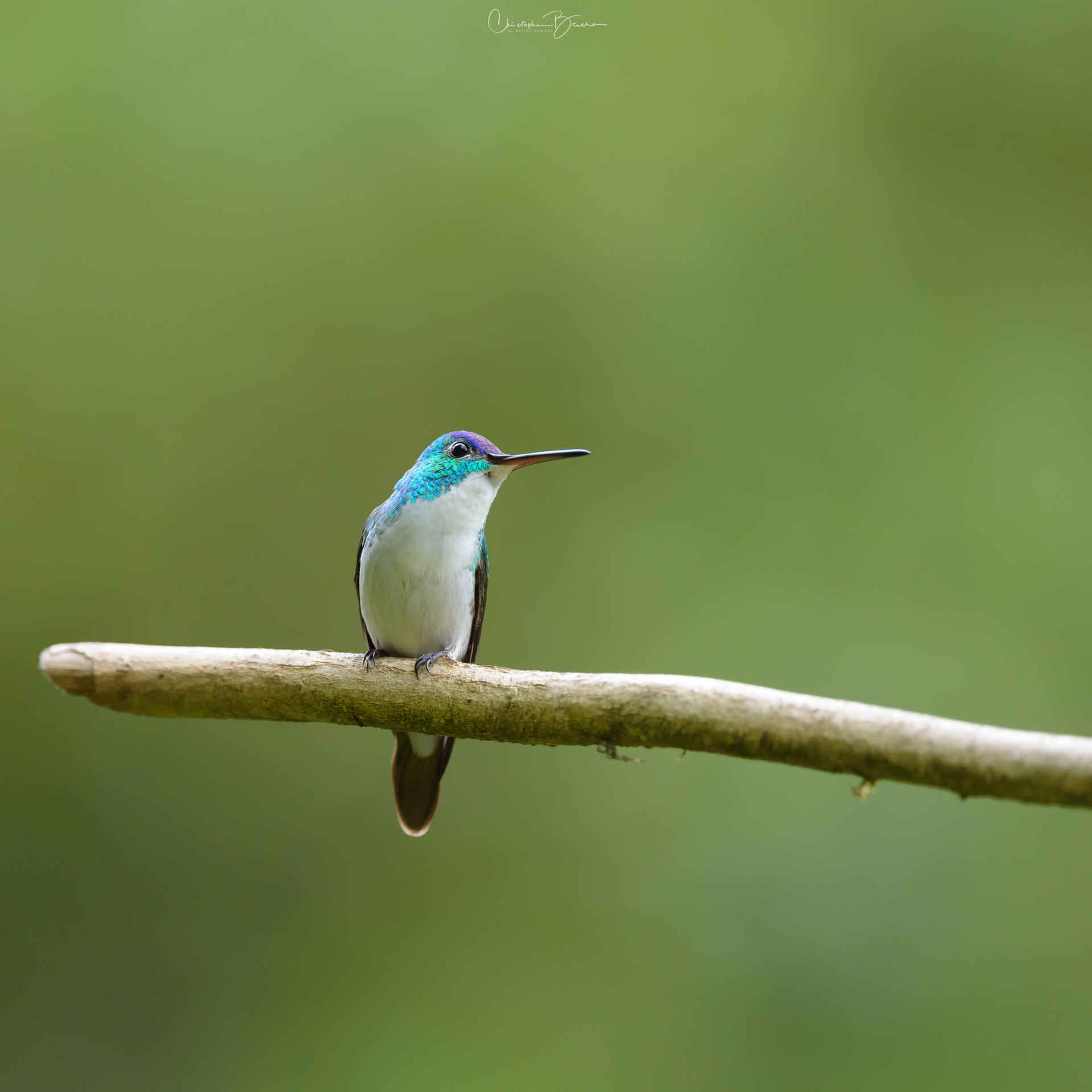
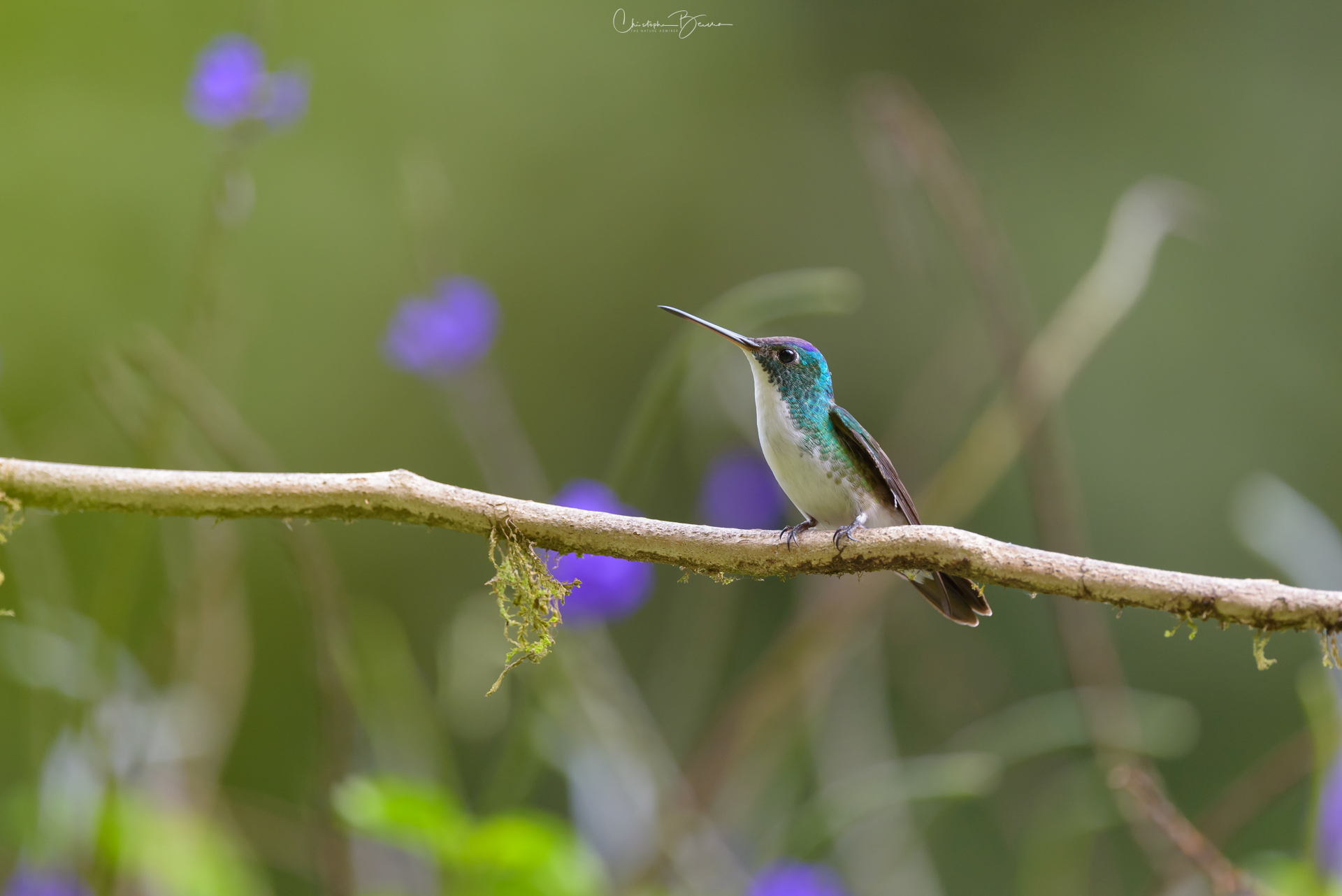
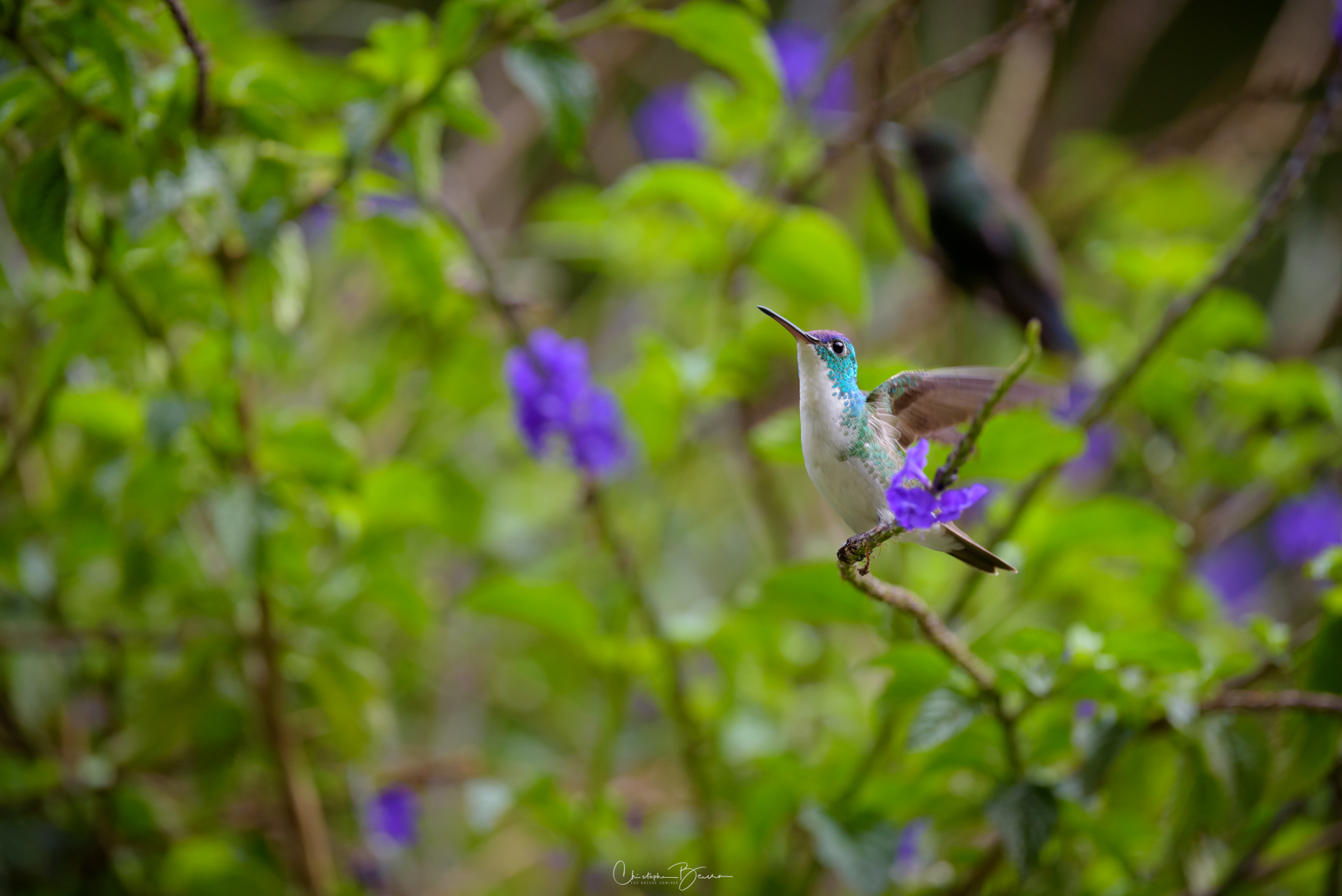
Andean Emerald (Amazilia franciae)

This is a medium-sized hummingbird that can be found in South America, specifically in Colombia, Ecuador and Peru. Males have a violet crown, while females have a green crown. It has iridescent plumage, like many other hummer species, which changes the color depending on the view angle and the angle of the light that bounces off it, giving away colors that look metallic and intense. In general it is green on the back and sides, white on the belly, chest and throat, and coppery in the upper tail. The bill is black, mostly straight and thin. The wings are brown, but glow blue when iridescent.

Eastern Wood-Pewee (Contopus virens)

The Eastern Wood-Pewee is part of the Contopus family, a very difficult family to identify to species level in the field. It is very similar to the Tropical Pewee and the Western Wood-Pewee. The best field mark is the bill, which has orange lower mandible with a black tip. This species, unlike the Tropical Pewee, is a passage migrant and will only stay in the country from mid-August to November, and from mid-March to May. In similar fashion to the Western Wood-Pewee (and further differentiating from the Tropical), this bird will return to the same perch after a sally, so observing the behavior can help with identification.

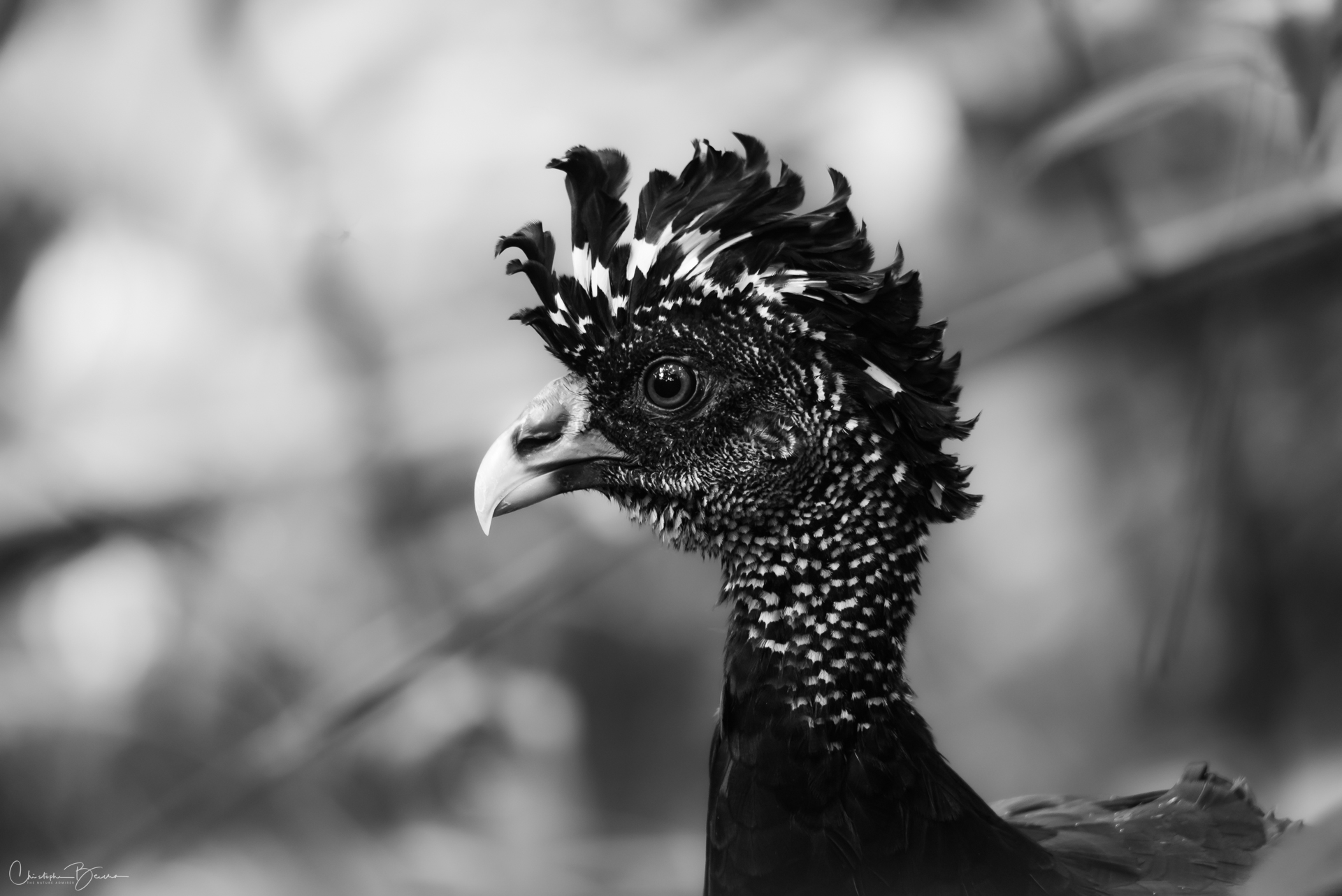
Great Curassow (Crax rubra)

The Great Curassow is a pretty unique bird among Costa Rica species. It shows marked sexual dymorphism, with the female being mostly brown on the most common morph, and the male being almost entirely black. The female has a feather crest that looks just like a Roman Soldier’s helmet and it is barred black and white. Their size is about a turkey’s, yet they have the agility to climb pretty high on trees, as they typically inhabit forested areas. There is also a “barred” morph in females, but it is not common to see in Costa Rica. As a matter of fact, the only barred individual I know of lived in Laguna del Lagarto Lodge, however a Ornate Hawk-Eagle snapped it from the place and ate it, to the astonishment of the photographers present at the day. Life always has a way to leave us in wonder.

The vertical picture was taken at Laguna del Lagarto Lodge, Boca Tapada during a birdwatching tour with Fundación Rapaces de Costa Rica, on November 25th and 26th, 2017. It is incredible that such a big bird is able to balance itself so well on perches that are pretty high above the ground. It was even able to incline the body to the front and feed while standing there. The horizontal picture was taken at Yatama Ecolodge, where a group of no less than 5 females and 2 males foraged close to the visitor rooms.

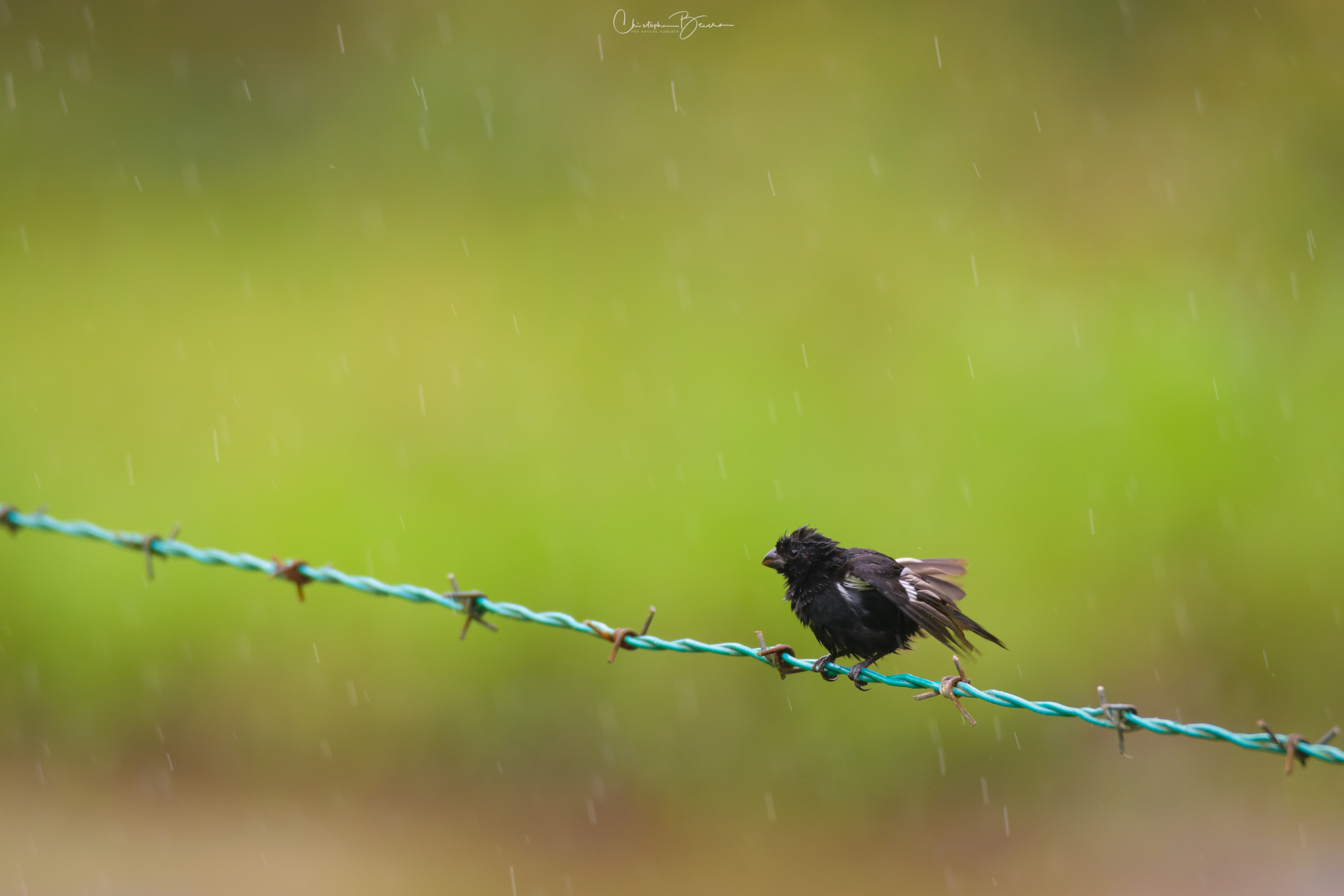
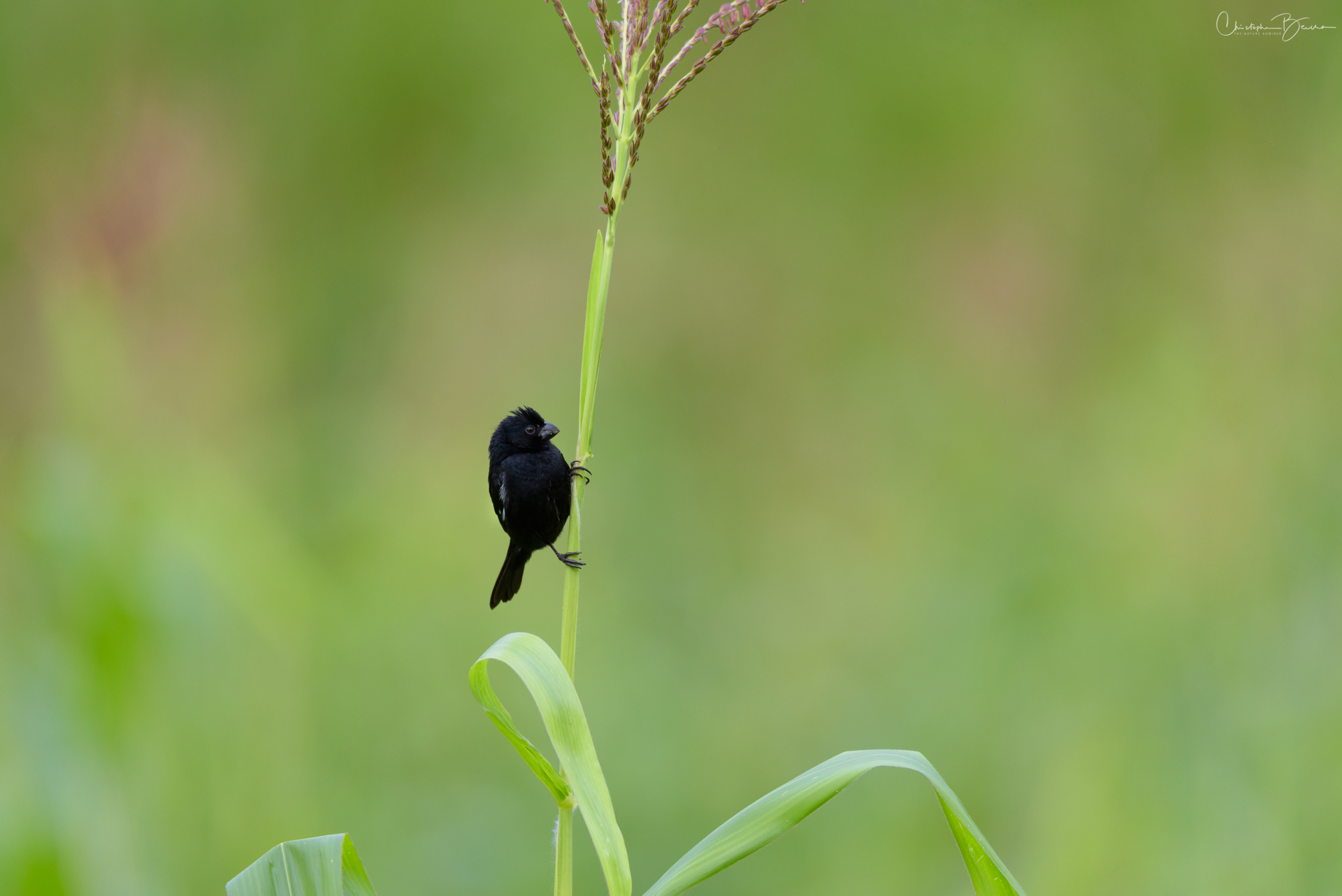
Variable Seedeater (Sporophila corvina)

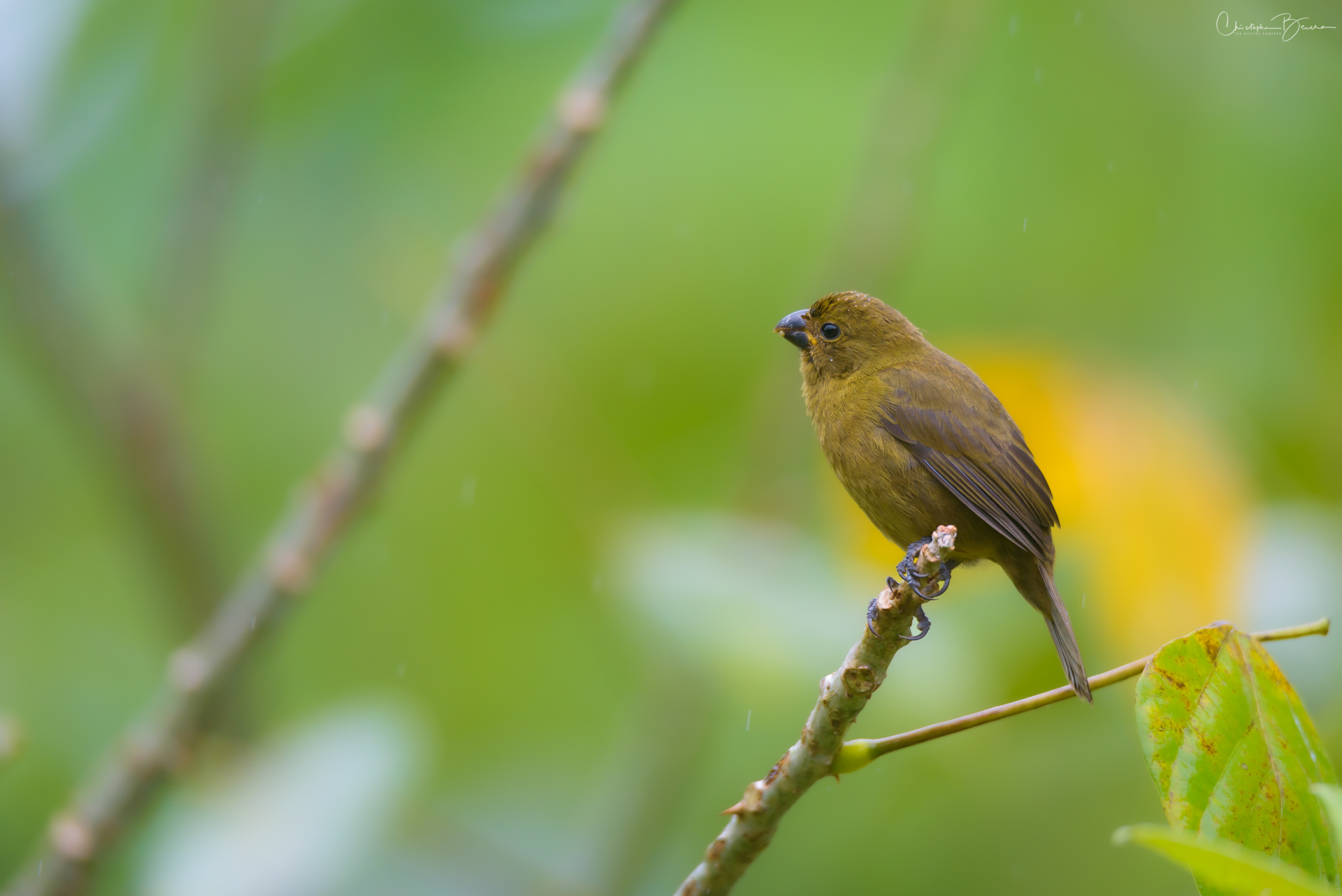
The Variable Seedeater is very common in Costa Rica, whenever there is grass either on lots or at the edge of roads. On the Caribbean side, the male is almost entirely black and looks pretty similar to the male Thick-billed Seed-Finch, but is smaller in size; on the pacific side, the male has white belly and rump. The female is drab brown, also very similar to the female Thick-billed Seed-Finch, but smaller and with duller colors. The juvenile has similar coloration to the female. In terms of behavior, it is common to see this species jumping into the air in an acrobatic fashion and then just fall in the same perch, which is part of the mating display of the male trying to attract nearby females.

Green Thorntail (Discosura conversii)

The Green Thorntail has a tail with a unique shape, where the feathers are disjoint and look like an X. While generally the body of the male is glittering green, its head looks grayish unless seen from the perfect angle. In low light, the head may take on dark purple tones. Both male and female show a white band on the back. The female also has white on the cheeks and belly, interspersed by black markings which join in a stripe running through the center of the belly. These are very small hummingbirds with a flight pattern very much like a bee, being smooth and slow, instead of the very fast movements that larger hummingbirds display.

Green Ibis (Mesembrinibis cayennensis)

The Green Ibis is a large bird with a peculiar bill that almost looks like a sickle. The name is misleading, as most of the time this bird is found perched high in the trees early in the morning, so the lighting conditions make it look black. If you pay close attention, there is some green iridescence in the neck, and the body does look greenish, however most of the time it will resemble a Black Vulture. Their noisy call is only heard when they are flying from one tree to another one. They do come to the ground for feeding, but at the first sign of potential danger, they will fly off to safety high in a tree.

Black-crowned Tityra (Tityra inquisitor)

The Tityras are peculiar bird species. In spanish, they are known as the “Pájaro chancho” or Pig Birds, because of their calls, which resemble a pig´s sound. The Black-crowned Tityra has mostly white body and a… black crown, hence the name. The female has brown face, while the male has black face instead. Both have black feathers in the wing linings. They make their nests by reusing a woodpecker’s hole made into a tree, and we even saw one woodpecker coming into the nest that the tityras were preparing. The female was going out of the nest after having deposited twigs that served as construction material, then landed just outside of the nest with more twigs. The male was not far away from the female and guarded the nest when she was not present.

King Vulture (Sarcoramphus papa)

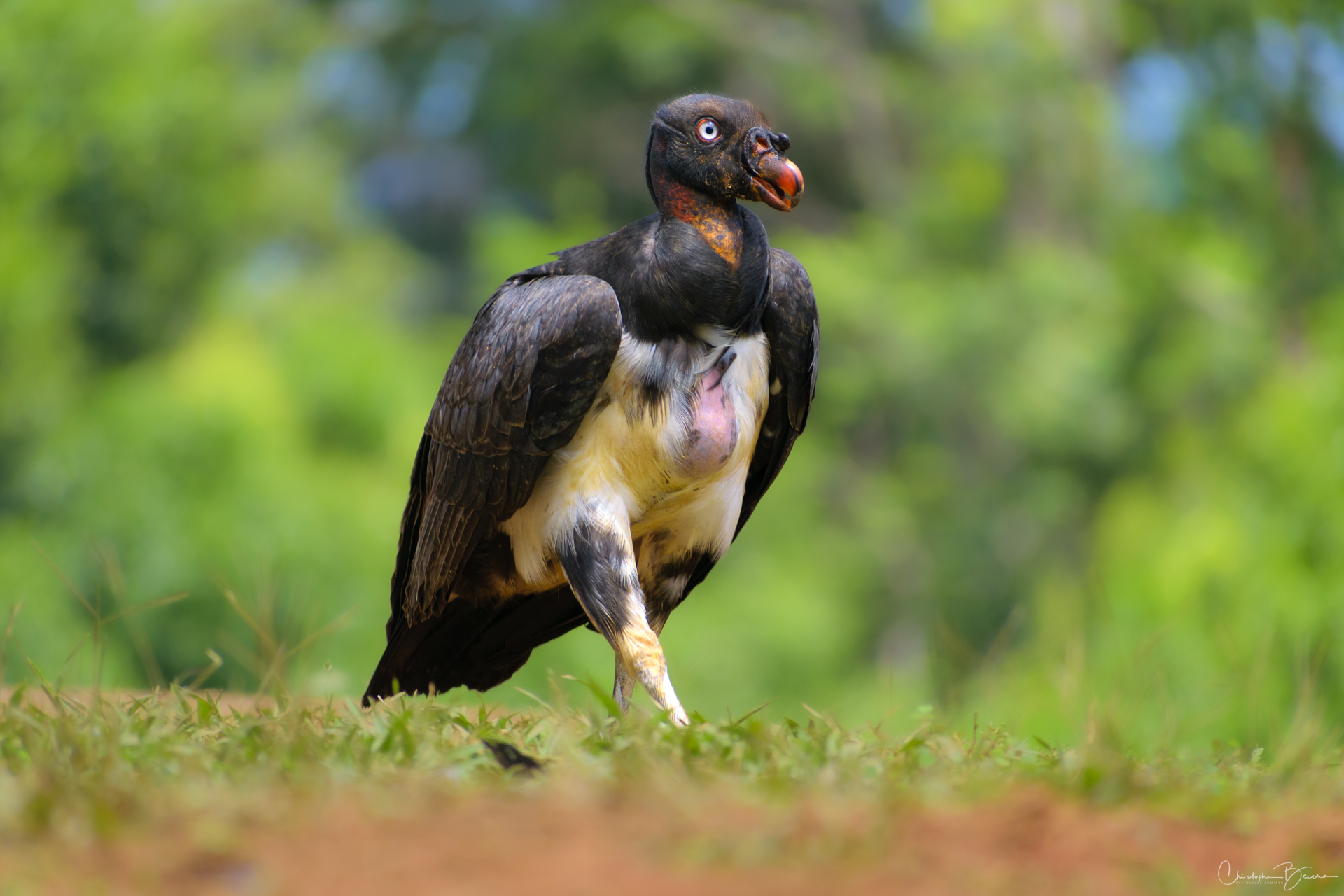
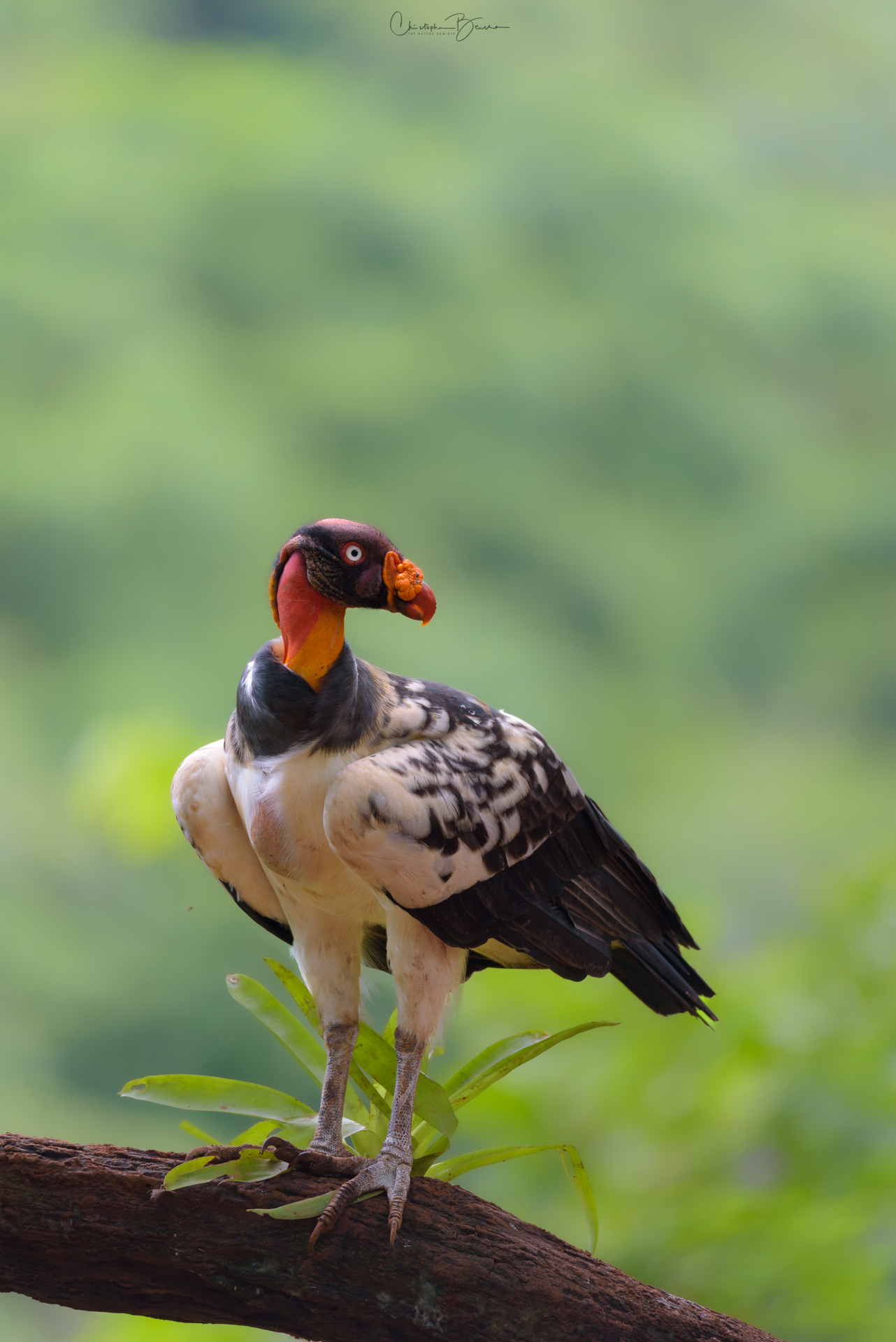
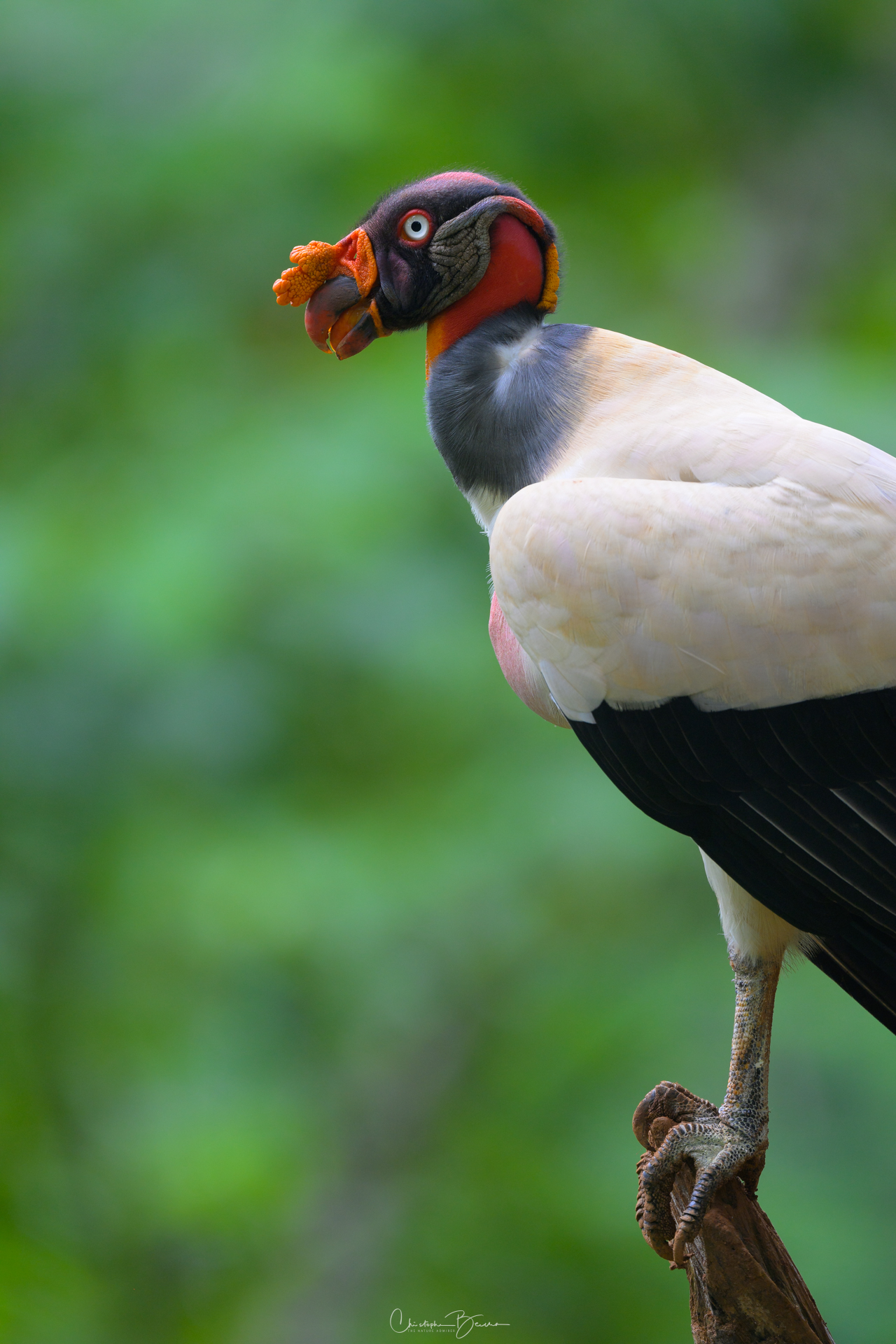
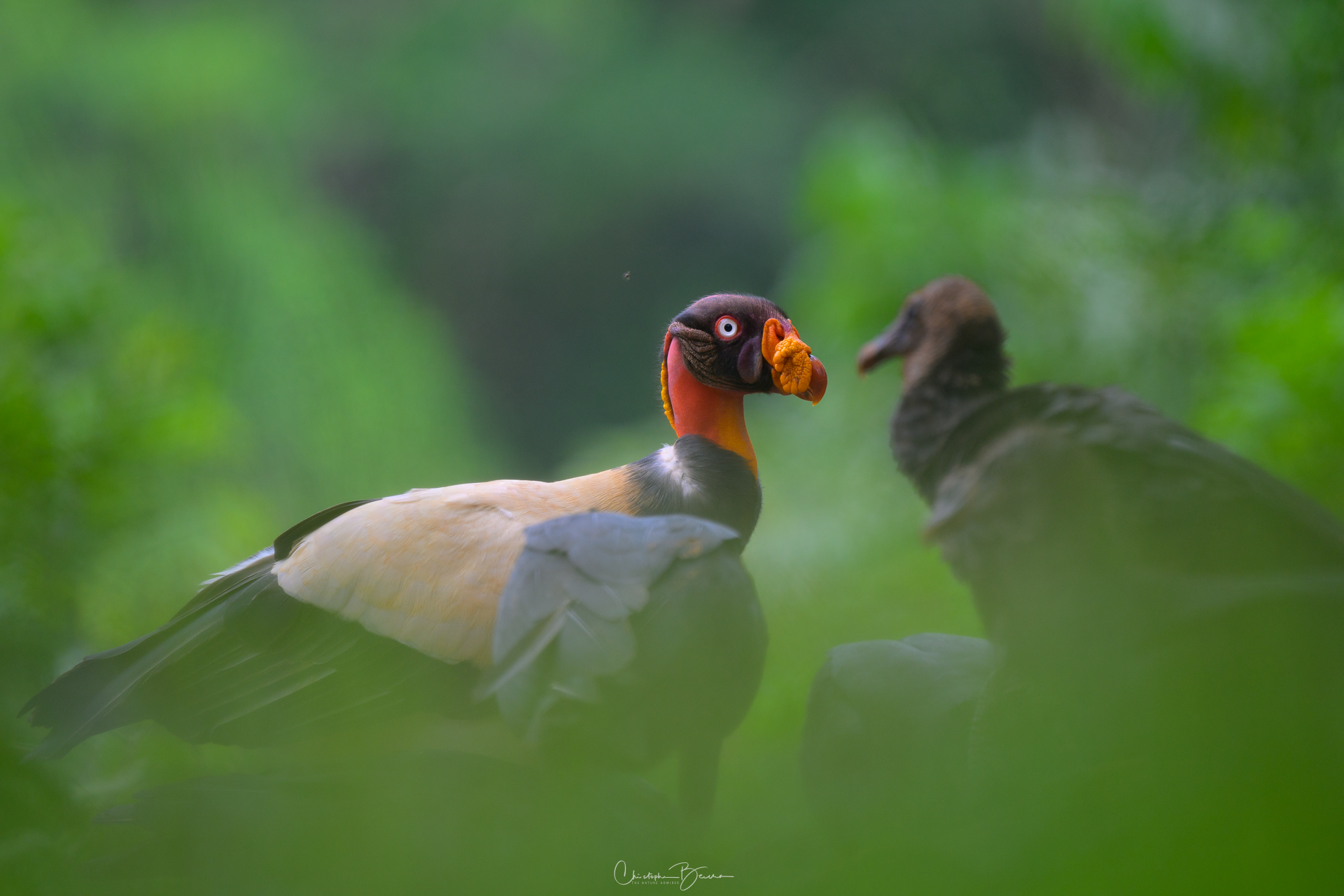
The King Vulture is a really magnificent bird. The other three species are black in general, with different color of head and neck. The Black Vulture is commonly seen soaring around the country, but the King Vulture is not seen that often. However, when you see it, you are amazed. The juvenile is mostly black, with white underparts, while the adult is mostly white, with black wing secondaries and orange to red neck. Both have white irises, which contrasts nicely with the head colors. Immature adults retain some of the black feathers from the juvenile stage, showing an intermediate color pattern. The pink maw protrudes from the chest´s feather and is a very conspicuous feature, specially when the individual is full of eating meat. I am supposing that during hot days it helps to cool off by having it outside of the feathers.

Green Honeycreeper (Chlorophanes spiza)

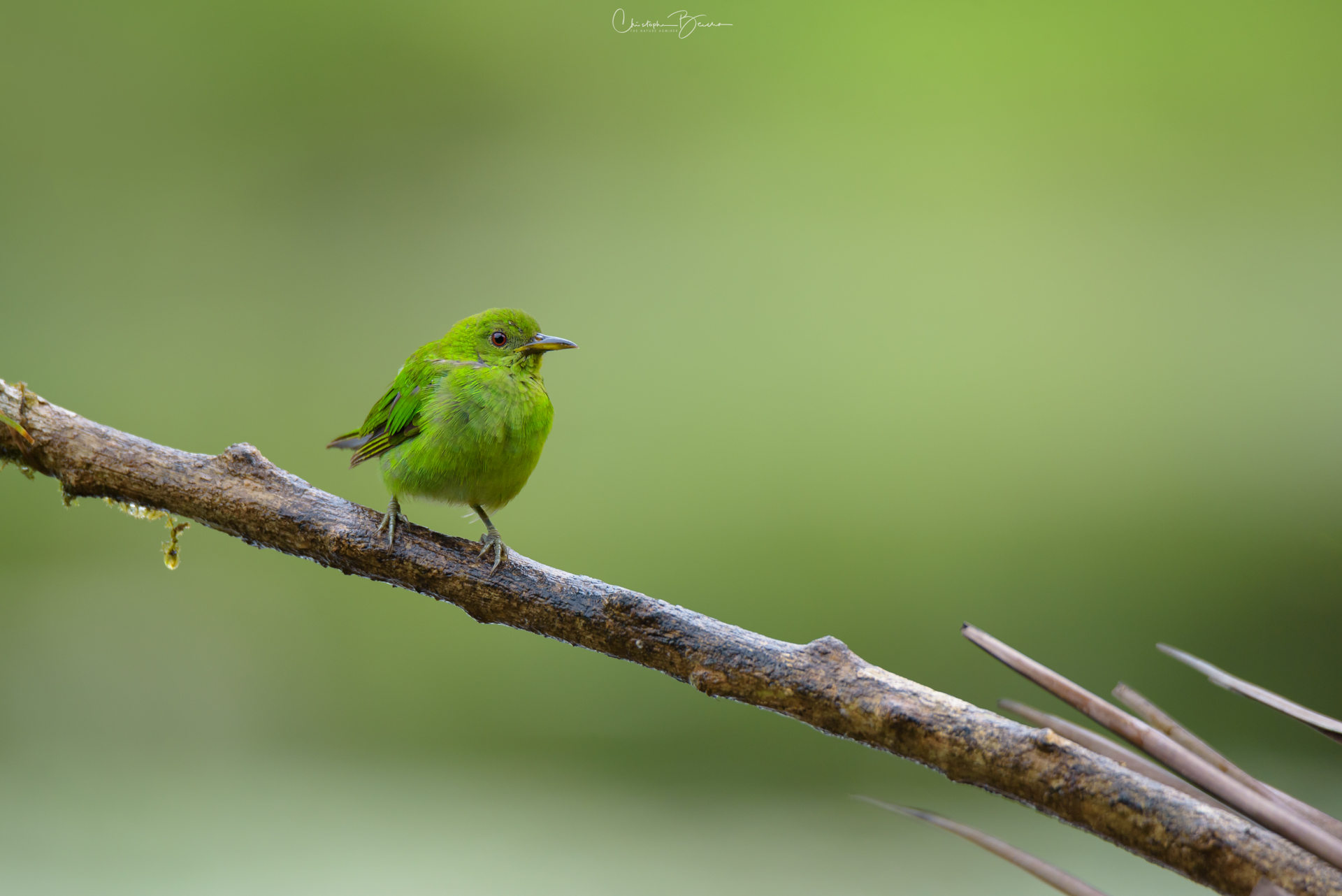
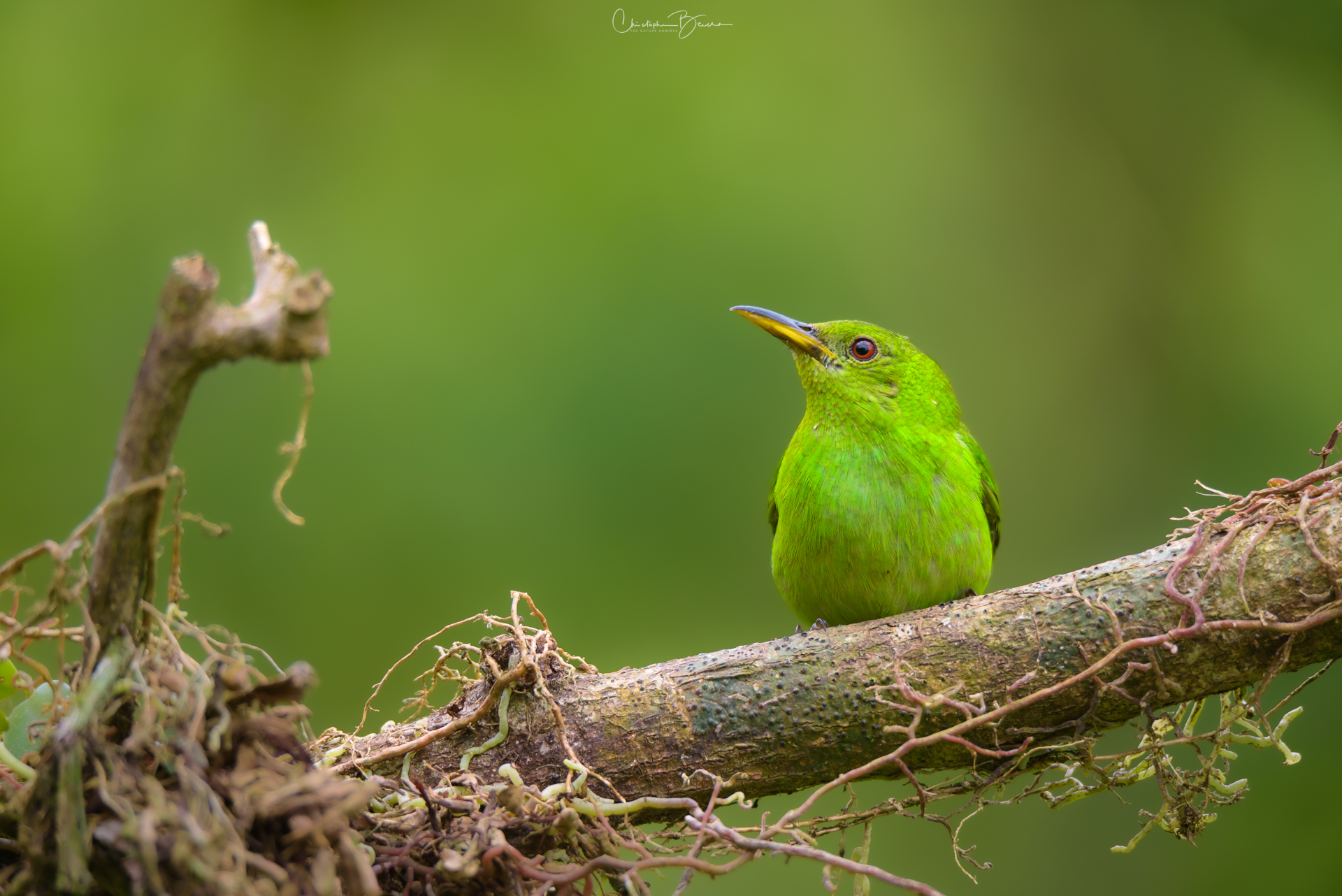
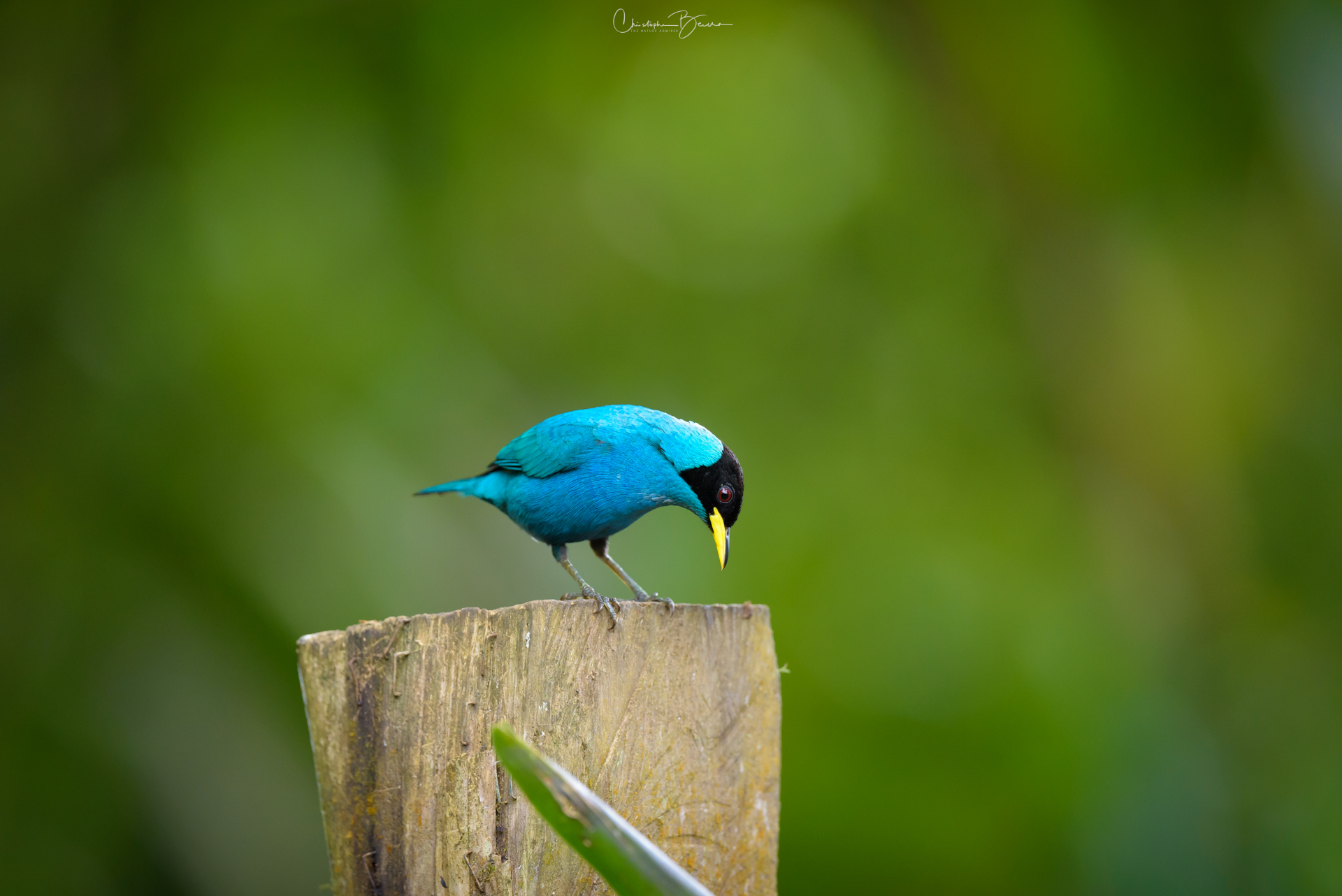
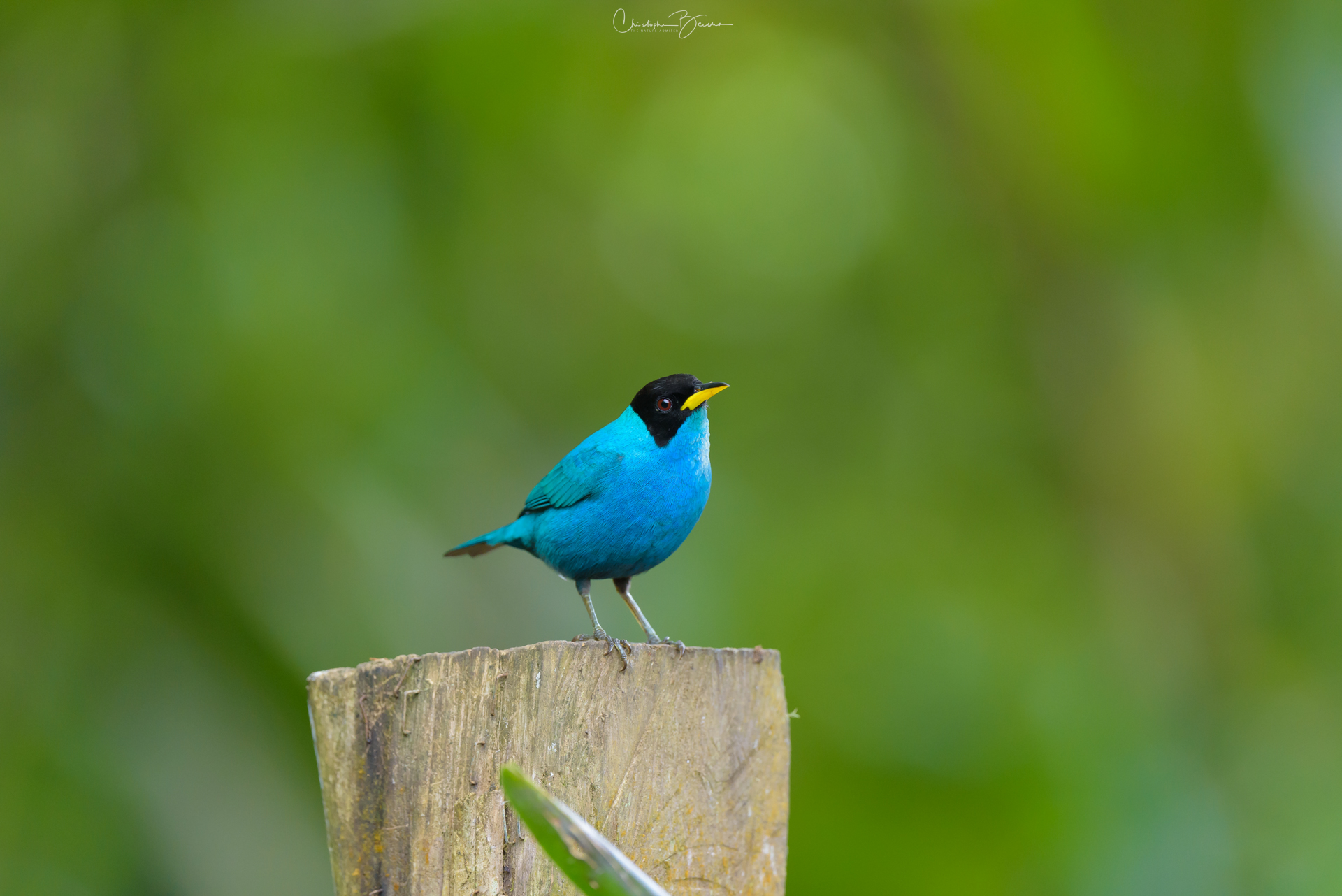
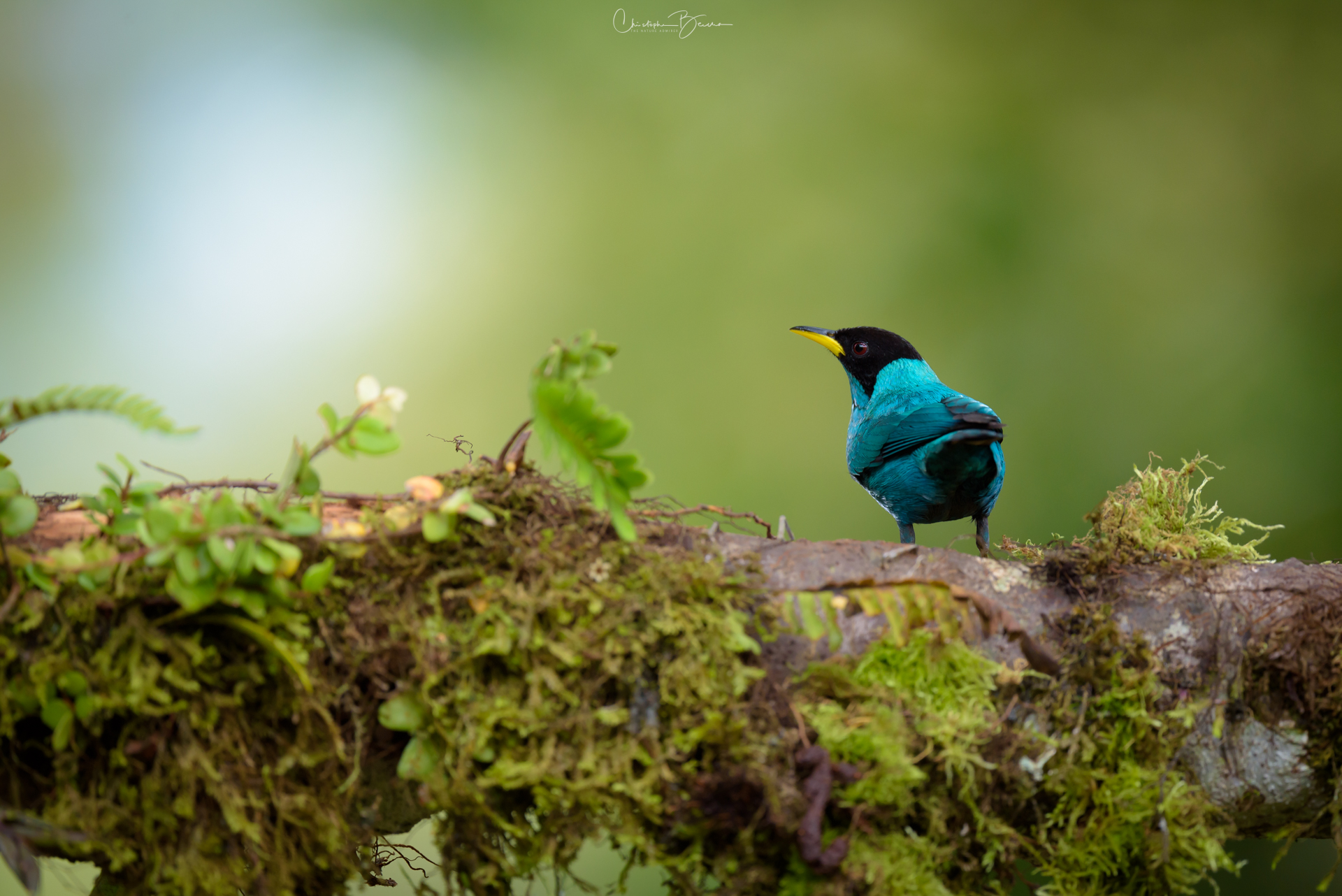
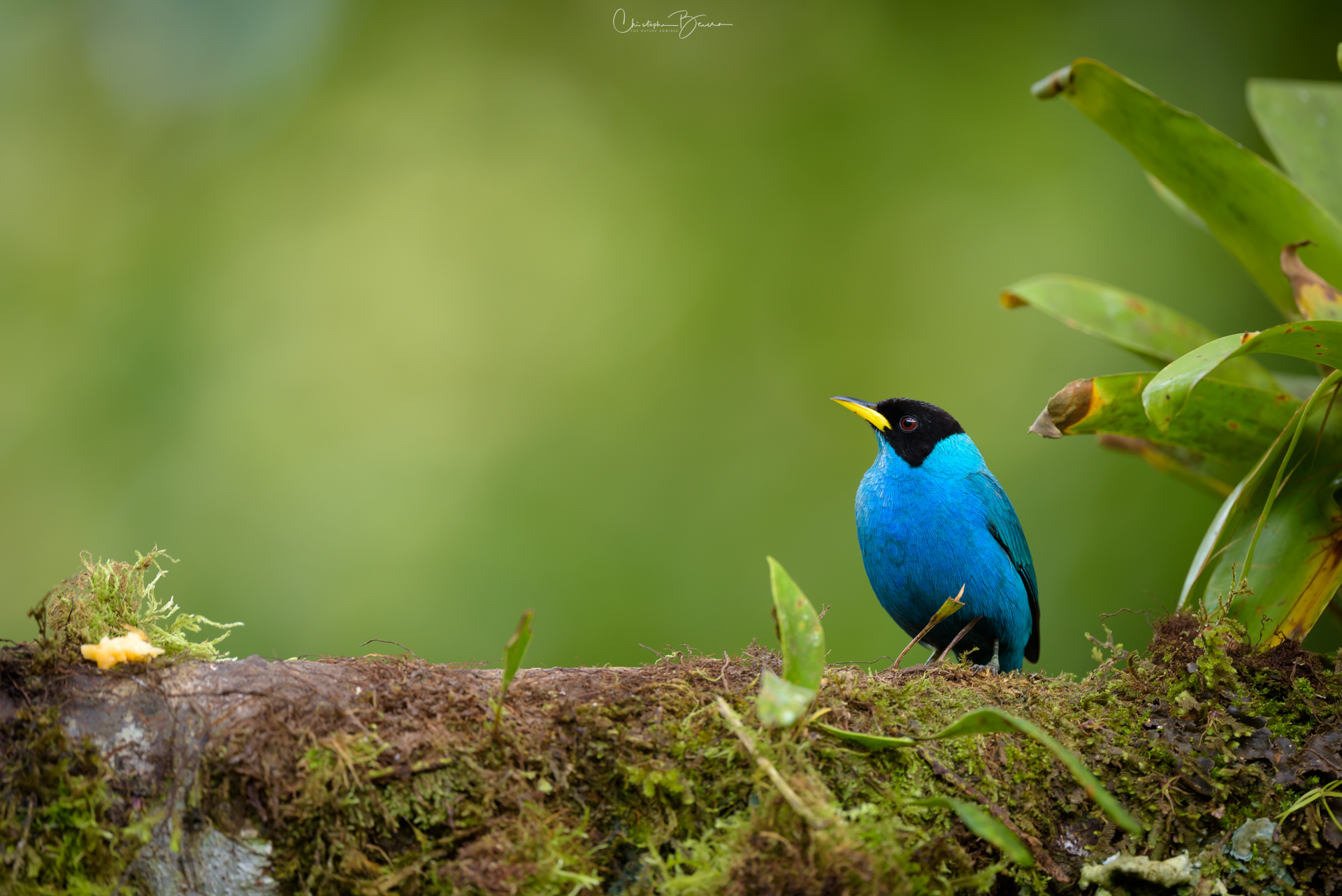
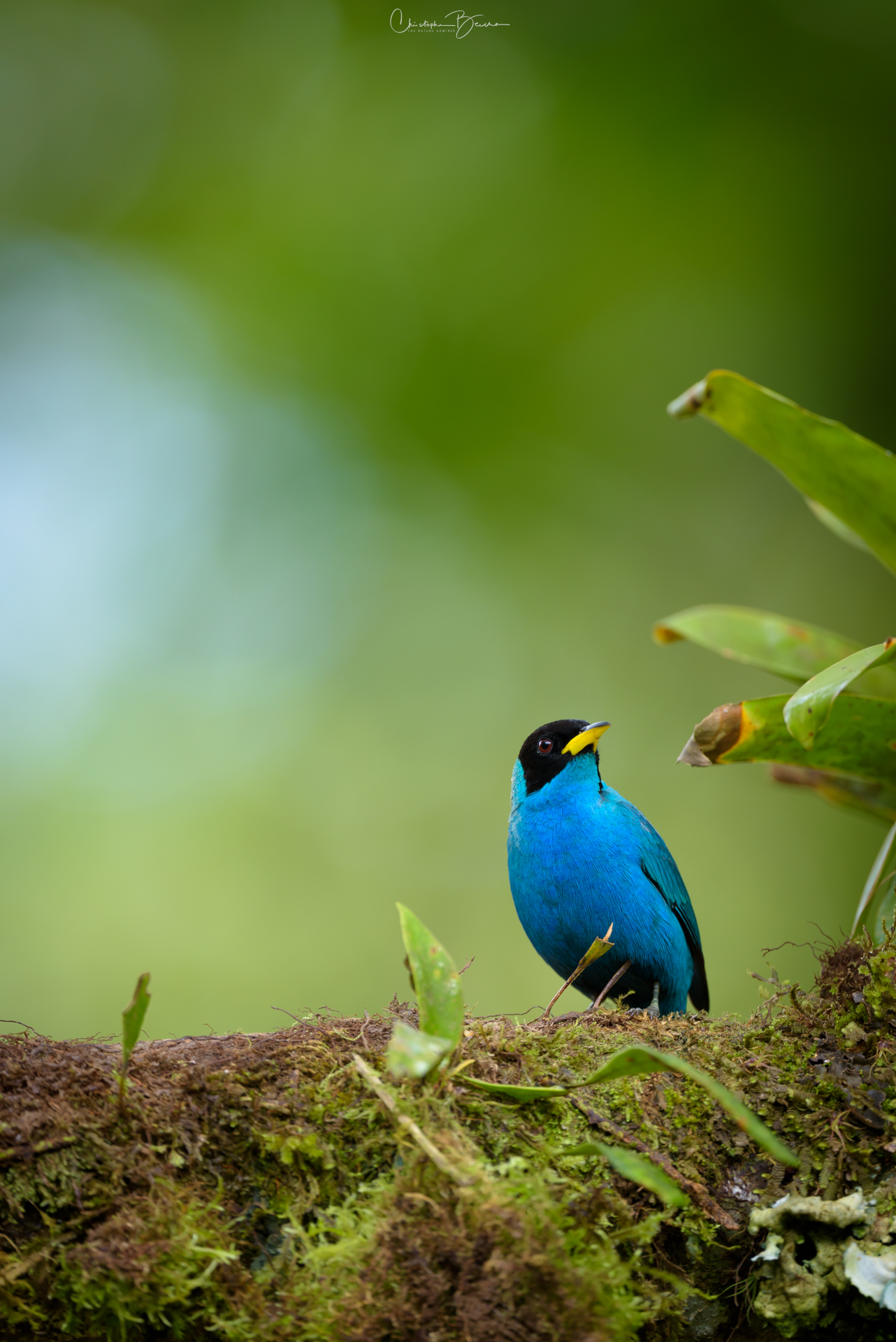
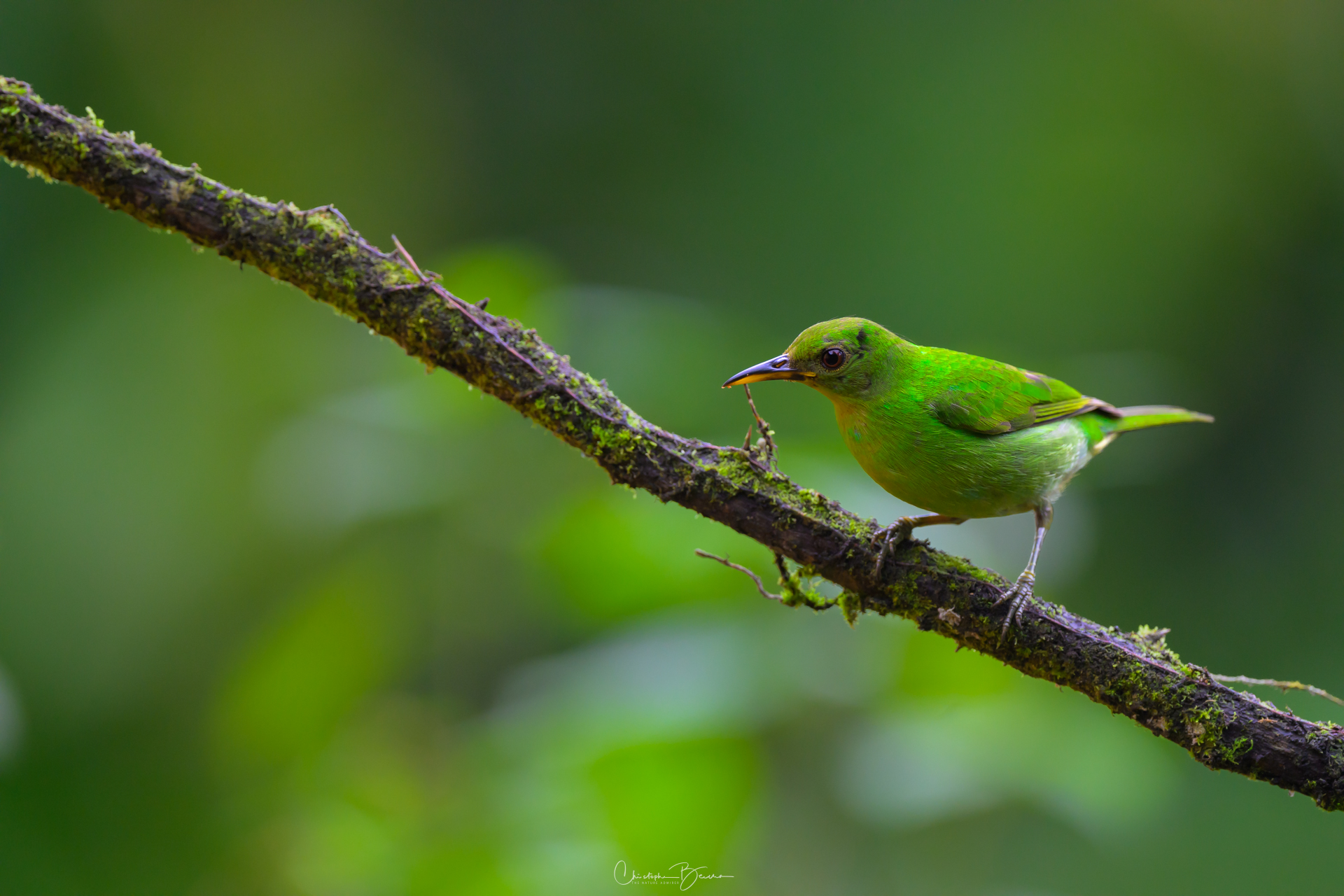
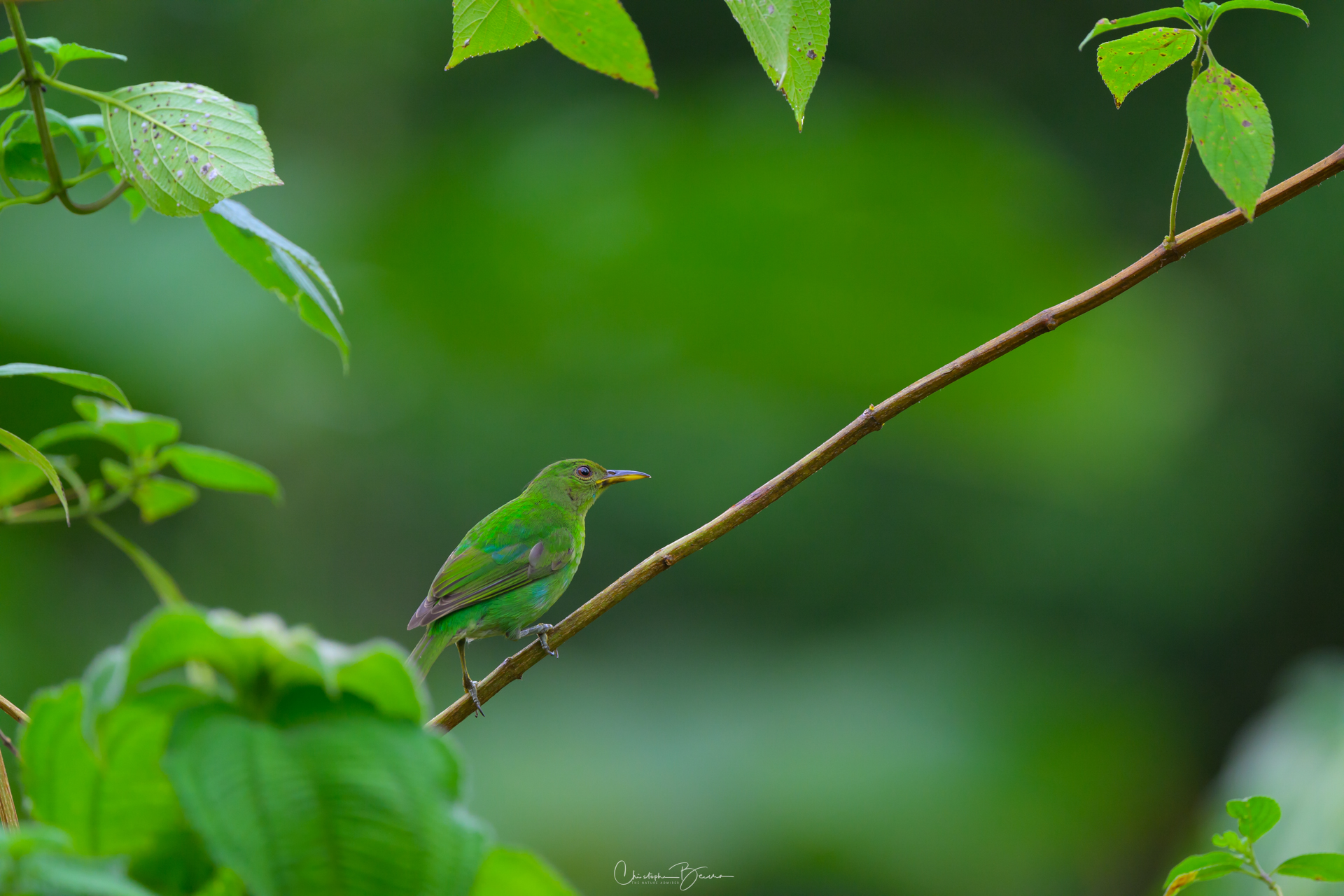
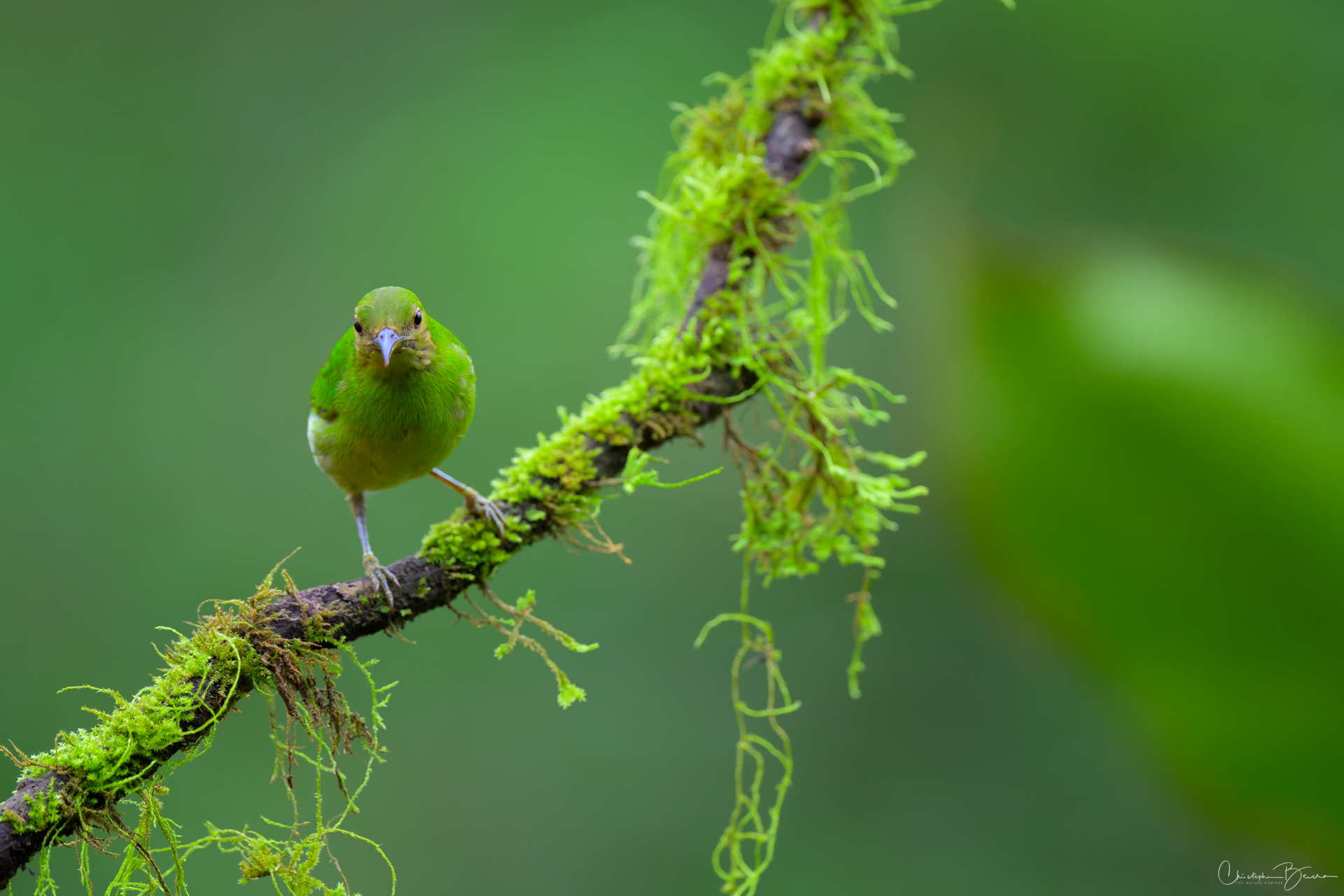
Ever since I first see the Red-legged Honeycreeper, I immediately knew I was seeing one of the most gorgeous species Costa Rica has. Then I met the Green Honeycreeper, and I stood delighted. The male has a striking combination of dark green body, deep black hood, bright yellow bill and dark red iris, which just looks amazing, even when wet. In fact, I would say a wet male screams Rain forest, that’s enough to love it. The female is not as exotic, however the green color of their feathers is so bright as to defy belief. I also spotted this species in Colombia, which seemingly looked more turquoise than green.