Page 28 of 33

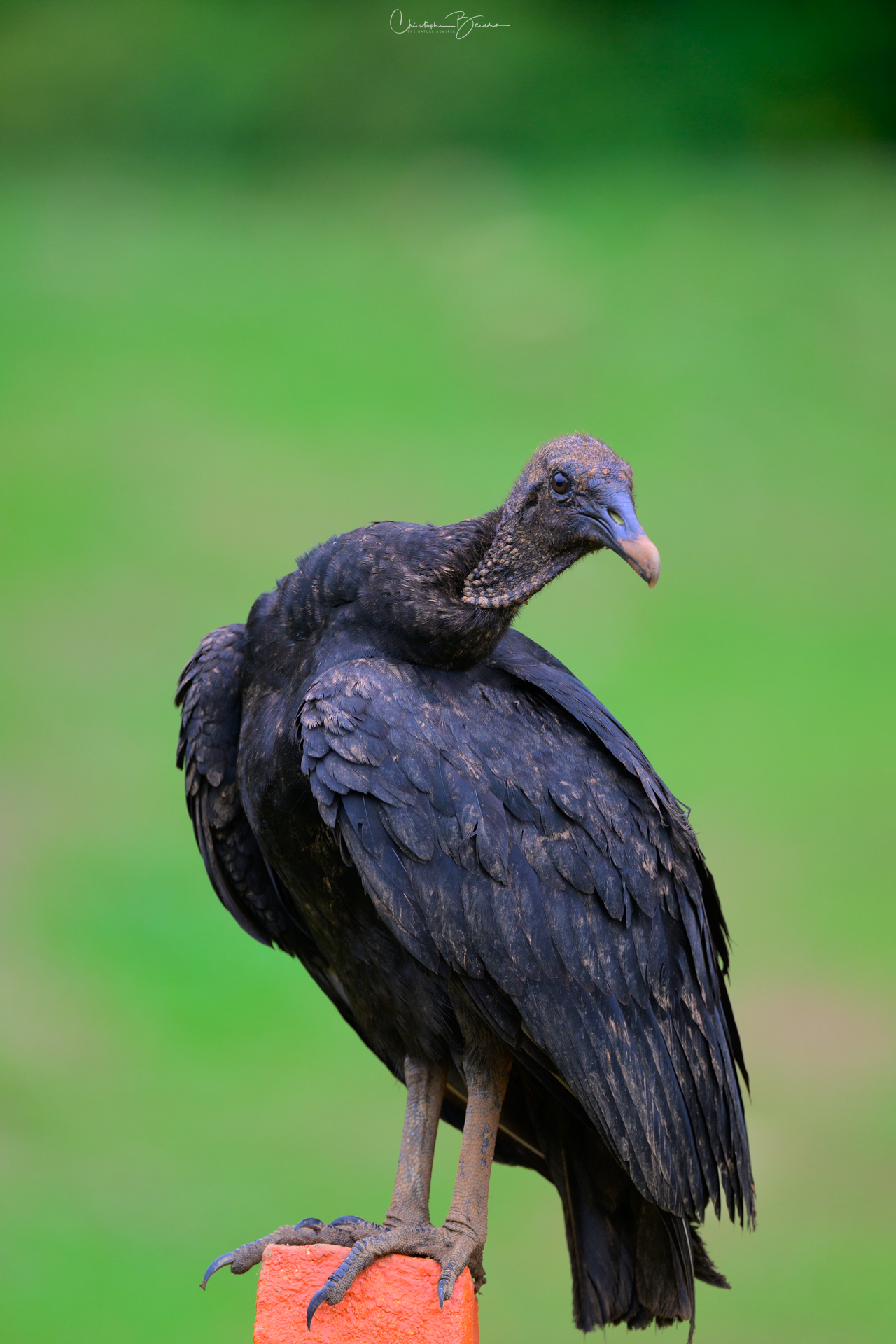
Black Vulture (Coragyps atratus)

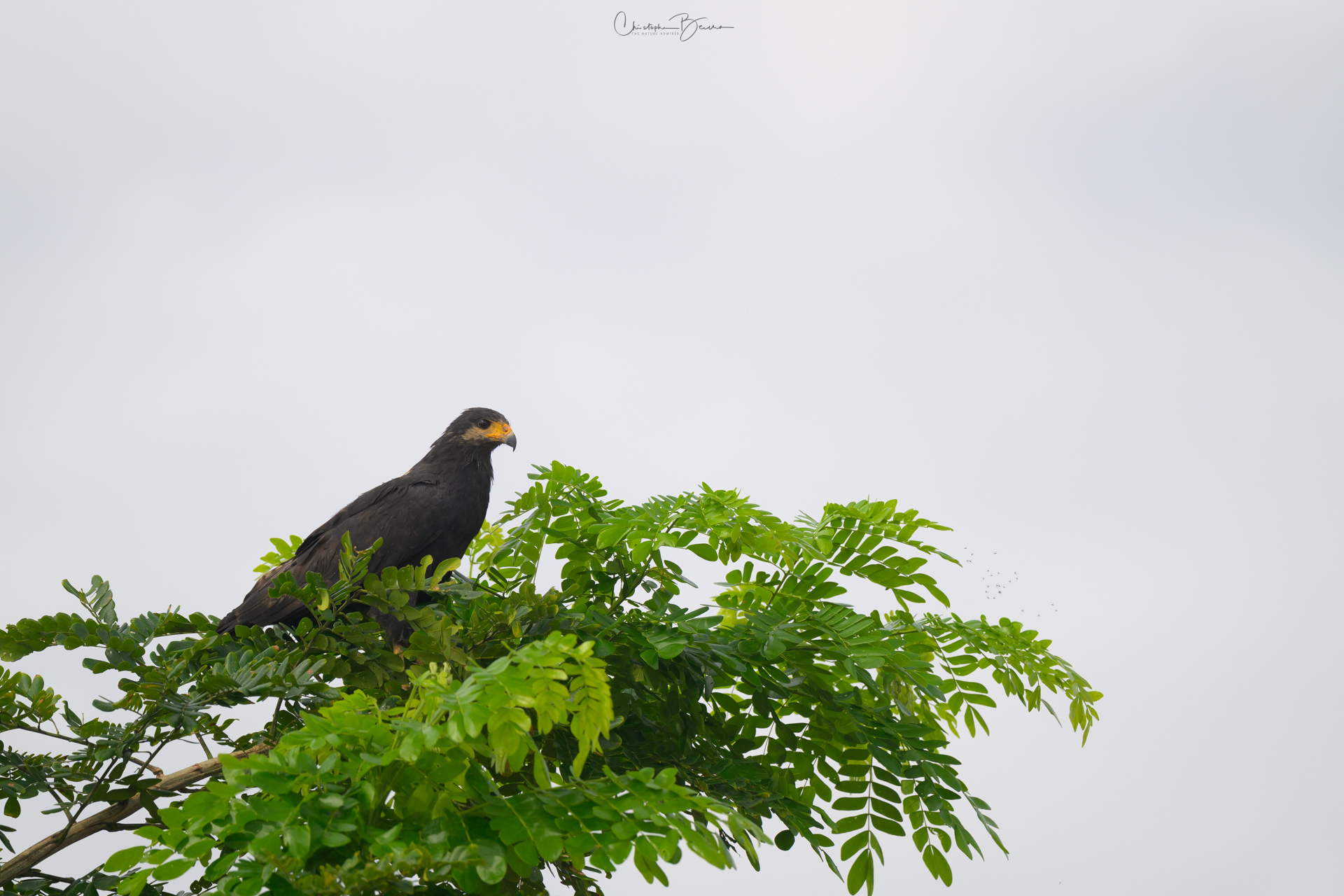
The Black Vulture is one of the most commonly seen soaring birds in Costa Rica. They glide through warm air currents, congregate in numbers on a tree during the morning while waiting for the formation of those currents. They look for dead animals through their eyes, since their smell sense is not as acute. Due to that, they sometimes follow Turkey Vultures, whose sense of smell is well more advanced. As implied by its name, they are entirely black, with their face and throat bare skinned, which together with their scavenger nature makes for a disgusting reputation. They are admired though for their ability to eat contaminated food, which has been found to be derived from strong stomach acids and resistance to bacteria toxins. This is an important trait, as it enables them to act as recyclers, eating discarded food and turning it into fertilizer for the soil.

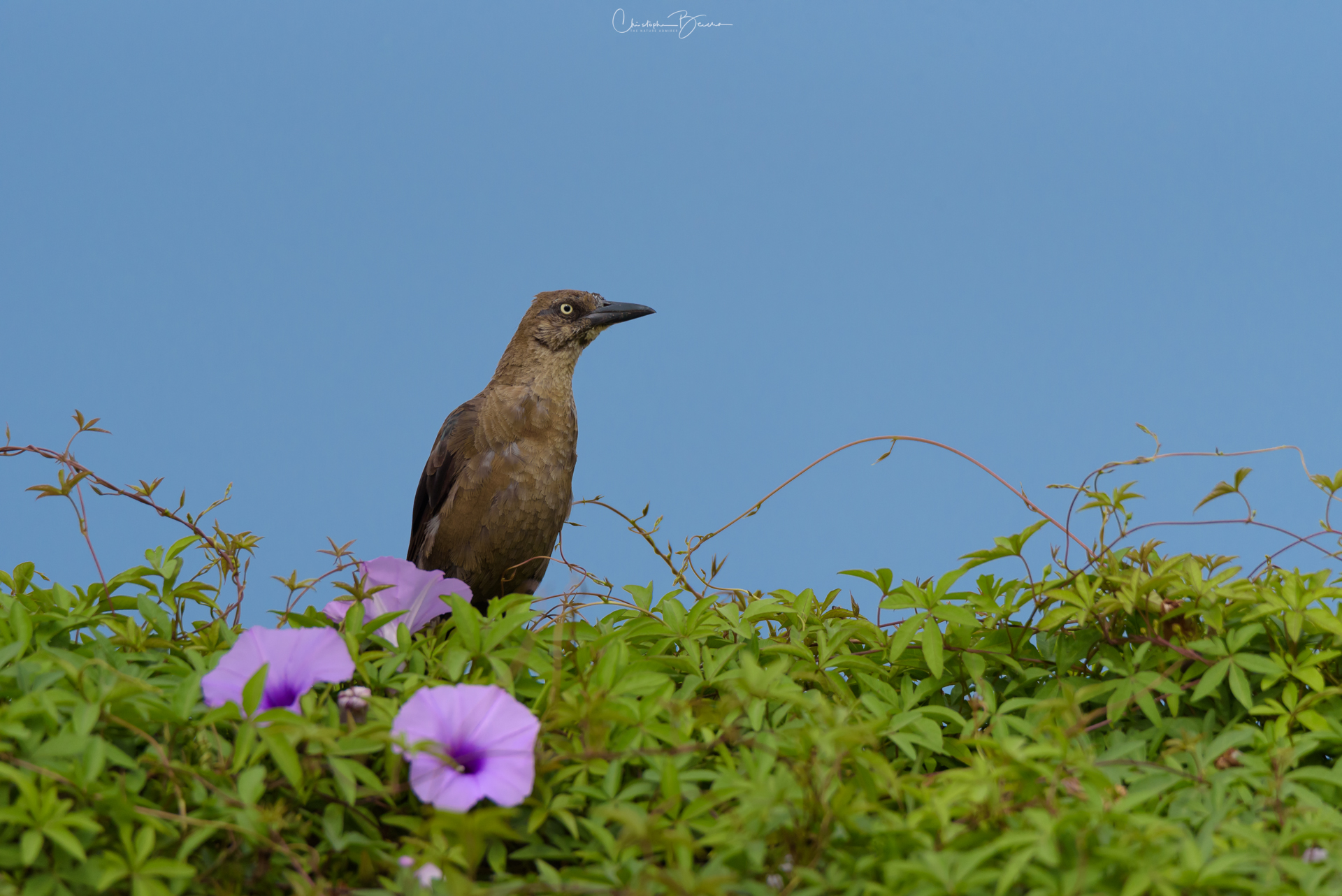
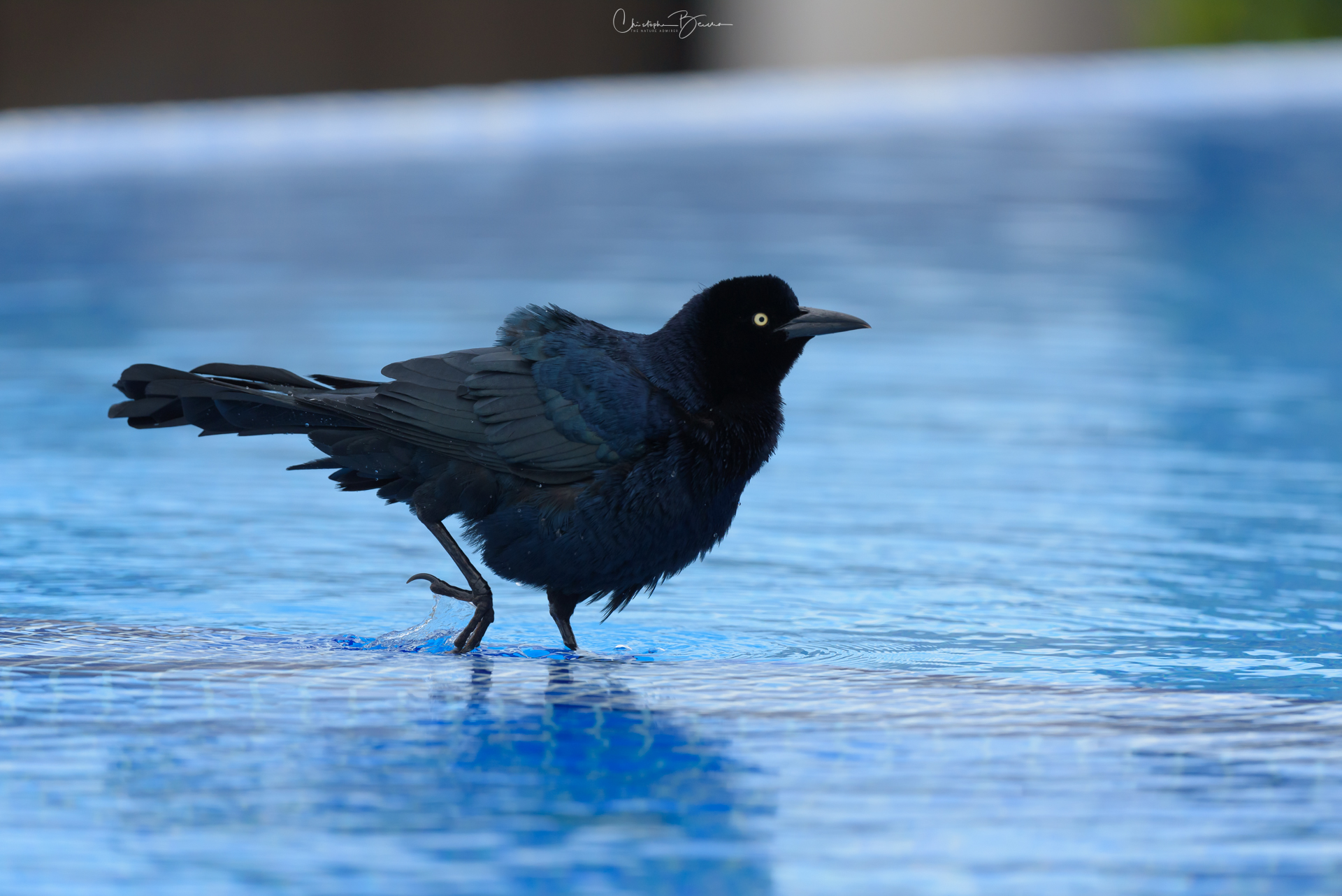
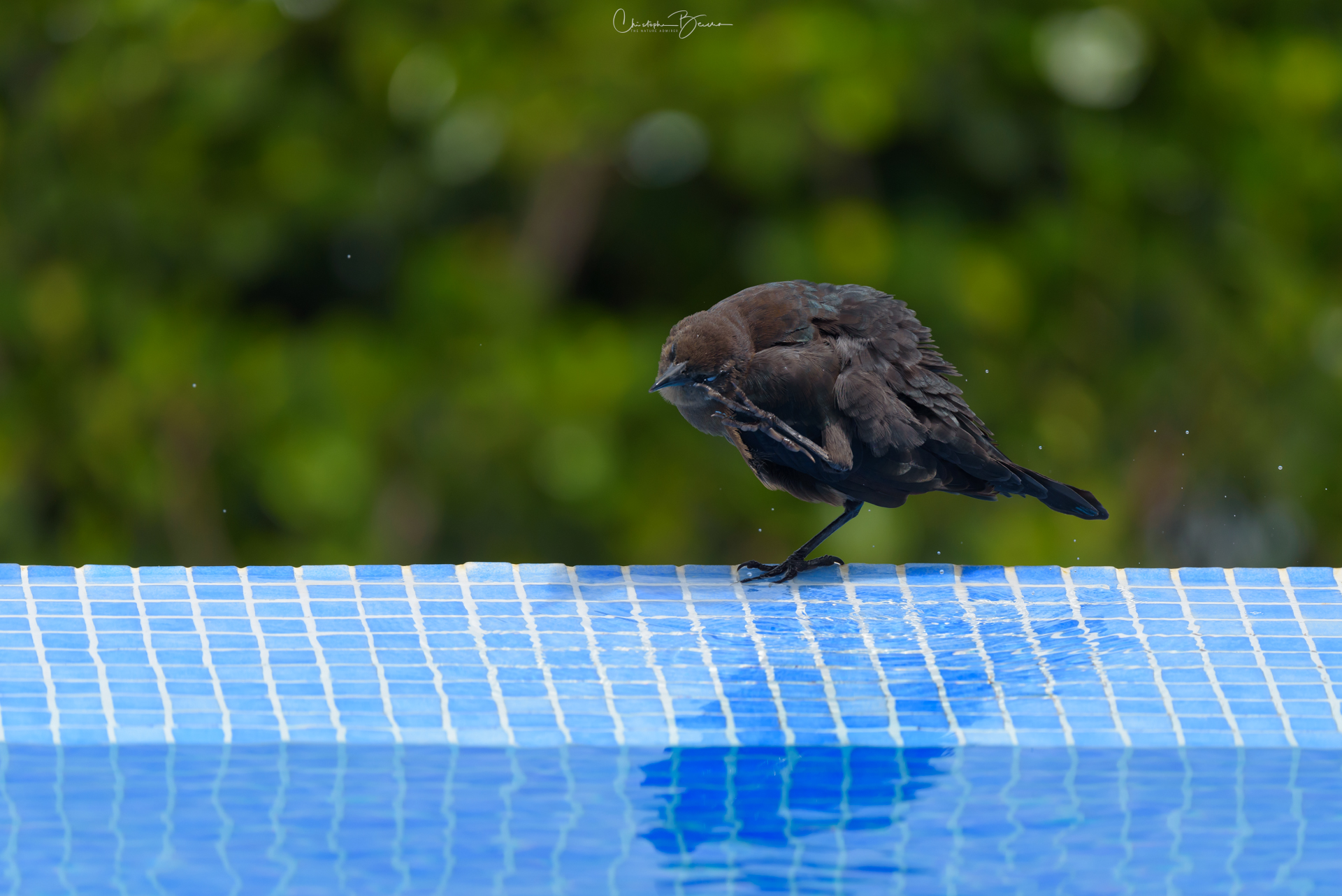
Great-tailed Grackle (Quiscalus mexicanus)

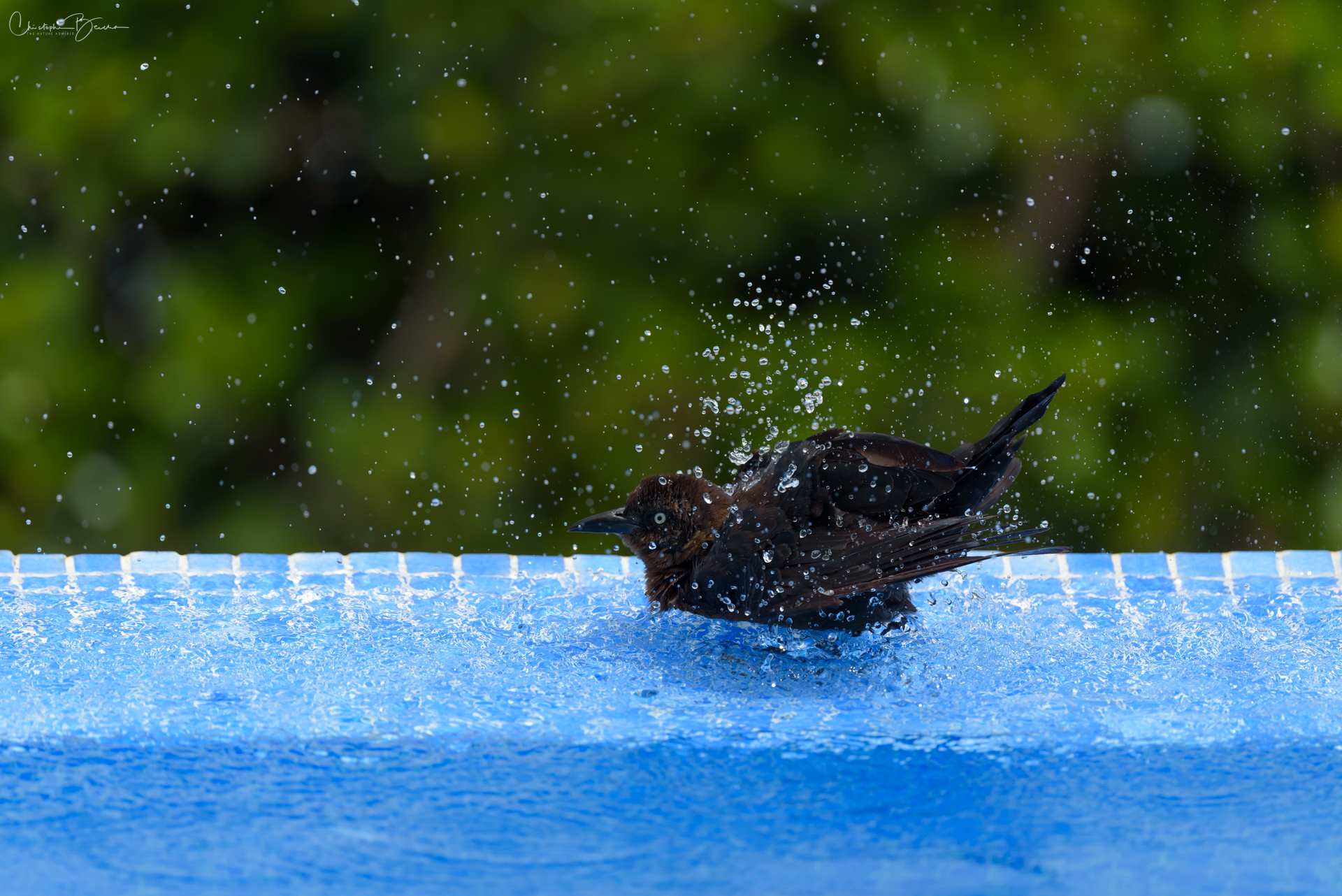
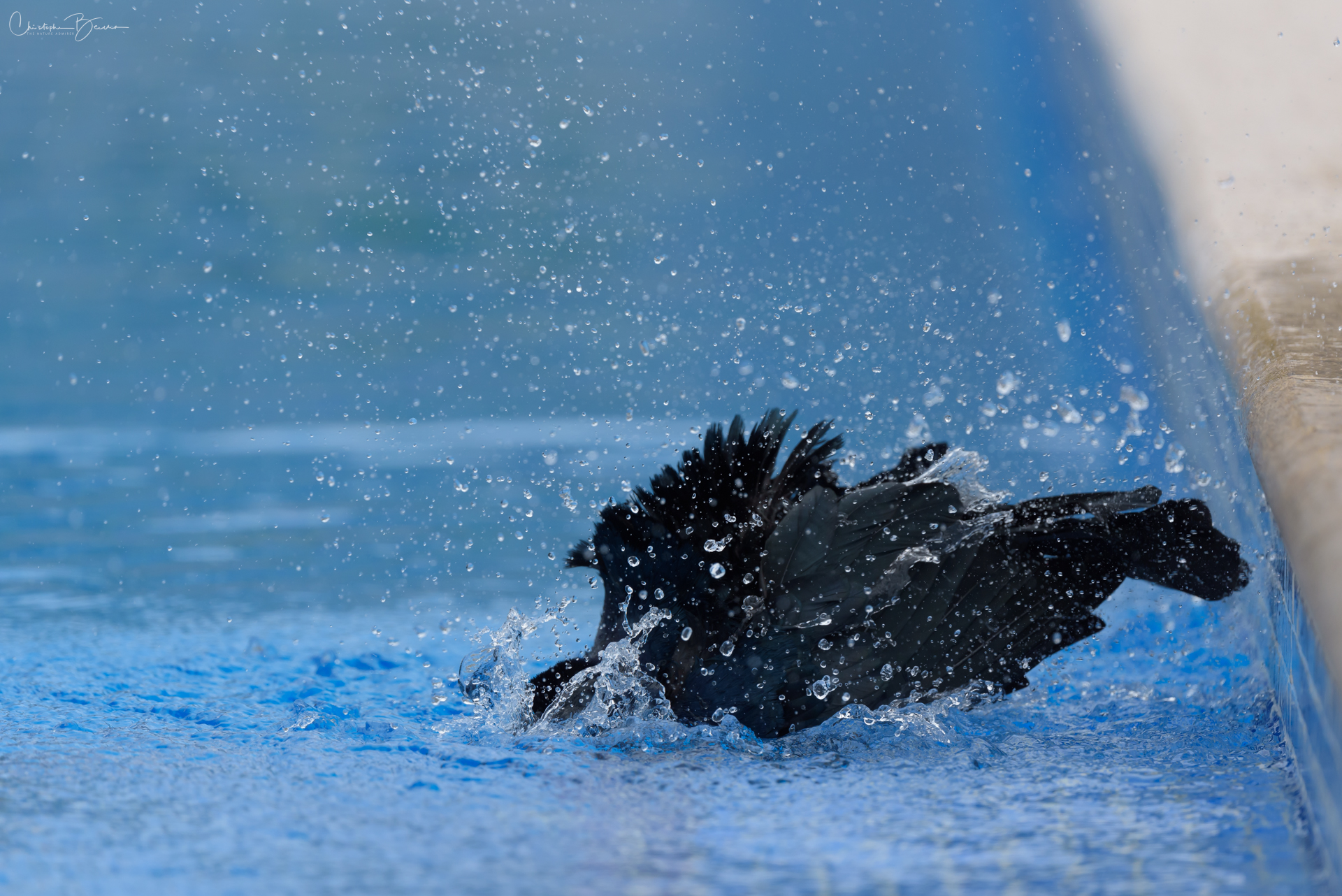
Even though the Great-tailed Grackle has become unpopular for most people due to their feeding habits, the male is a beautiful black bird that shines in blue when exposed to sunlight. Granted they cause trouble to other birds, as they will readily raid nests with eggs and hatchlings, but in some sense that’s really their role in the ecosystem, as with their predatory behavior they prevent some species to grow out of control. Males are very noisy and display as they sing their metallic tones into the air; their tails have a v-shape as they are wider in the end that in the base. The females are entirely drab brown with a yellow iris. They thrive near human settlements, eating insects, but also a variety of plants, including fruits, which has gained them the reputation of pests in many areas.
Great Green Macaw (Ara ambiguus)

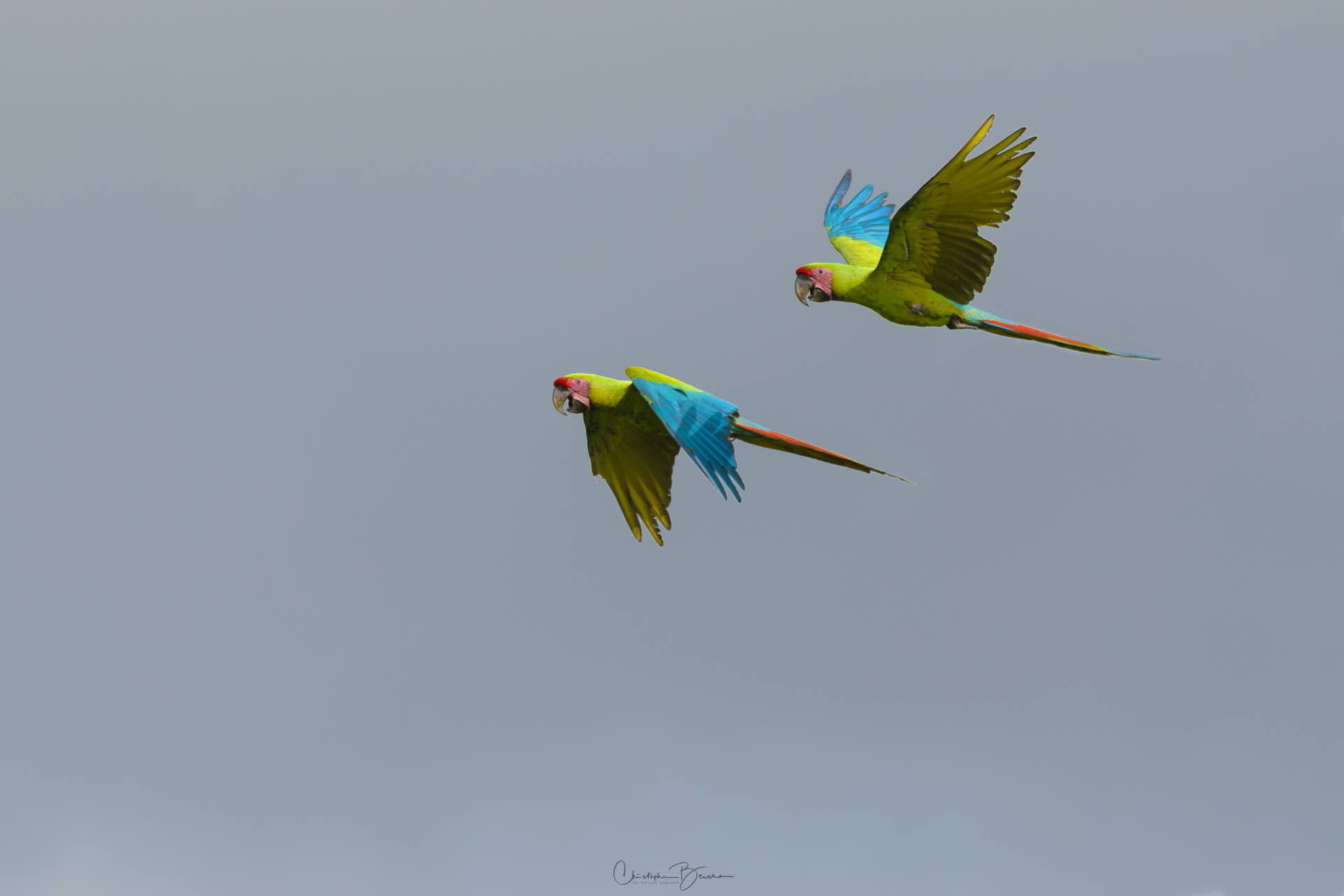
The Great Green Macaw is a pretty uncommon sight in Costa Rica. It is a huge bird, their calls are very loud. I had the opportunity to observe the birds very close in Rio Cuarto. Our wildlife photography guide explained that Green and Scarlet Macaws do not hybridize in the wild, however in this refuge, a pair of Macaws have been interbreeding in the last few years, resulting in hybrids being born. In Rio Frio, where my parents live, it is common to see a pair of these birds flying overhead most of the times I am there. Either they are more common in the area, or a single pair of birds has taken residence. They are easy to identify, as their harsh call is heard from very far away and no other parrot has such a characteristic call, other than the Scarlet Macaw. They like to feed on almond and are likely to be seen perching relatively high in those trees.

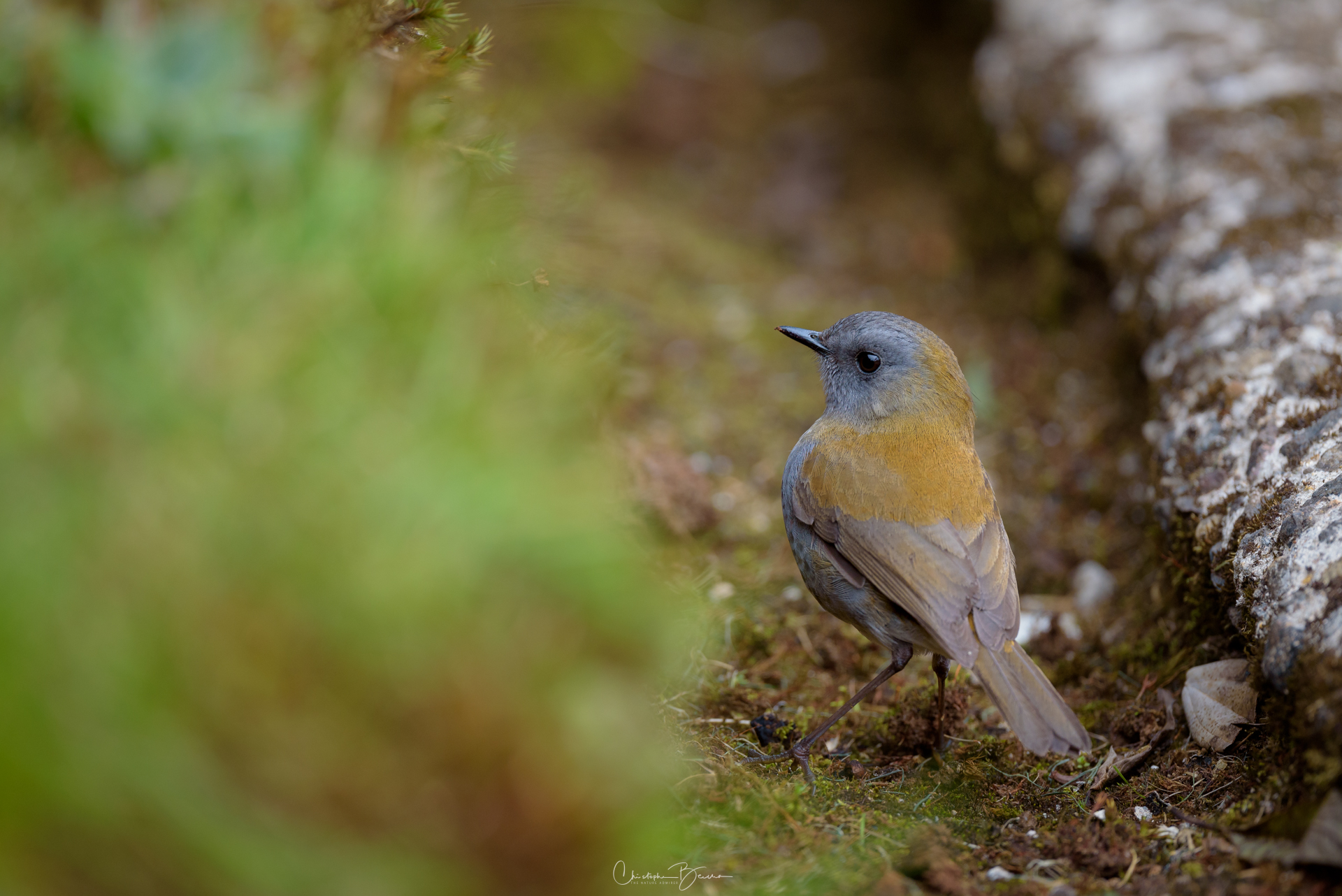
Black-billed Nightingale-Thrush (Catharus gracilirostris)

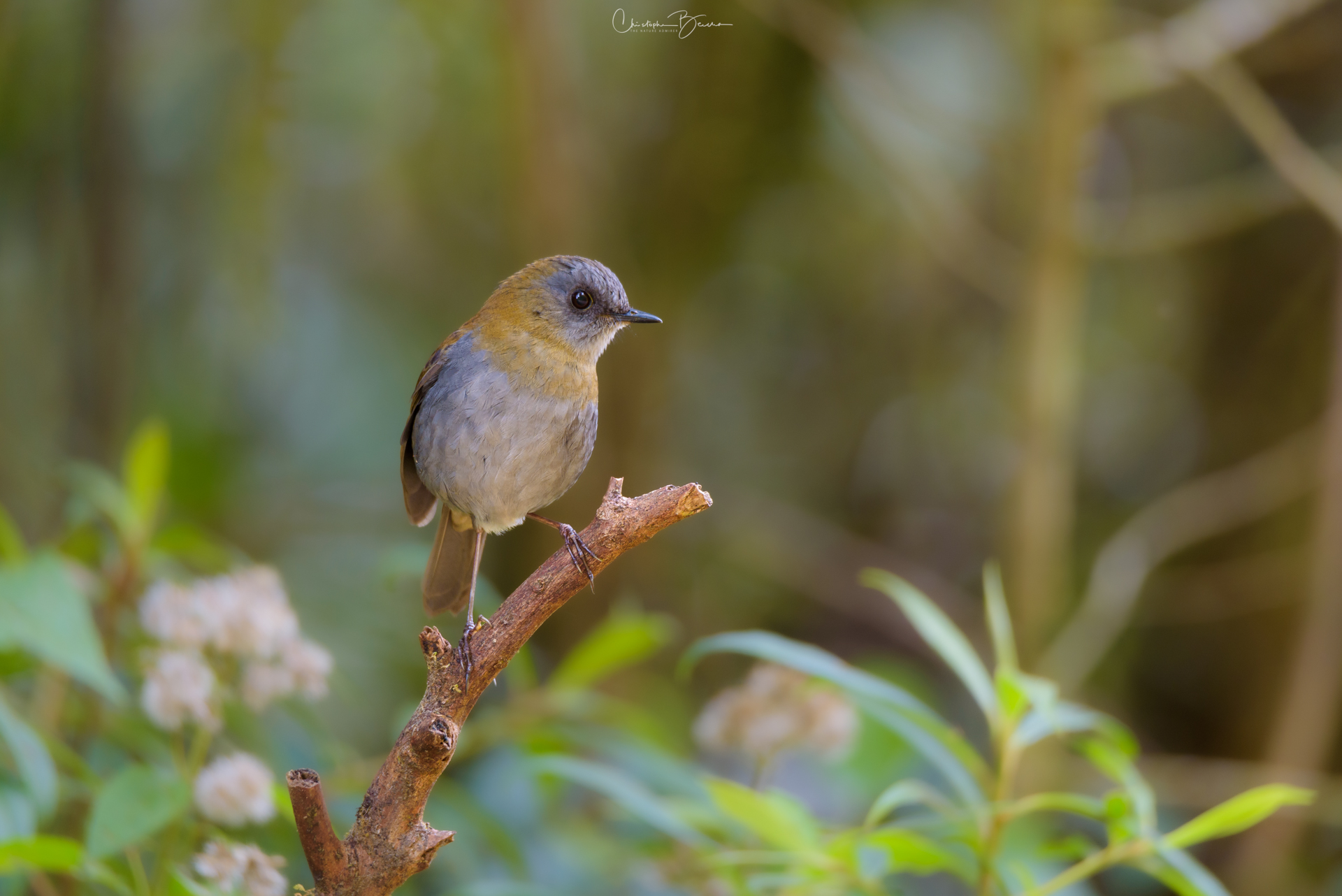
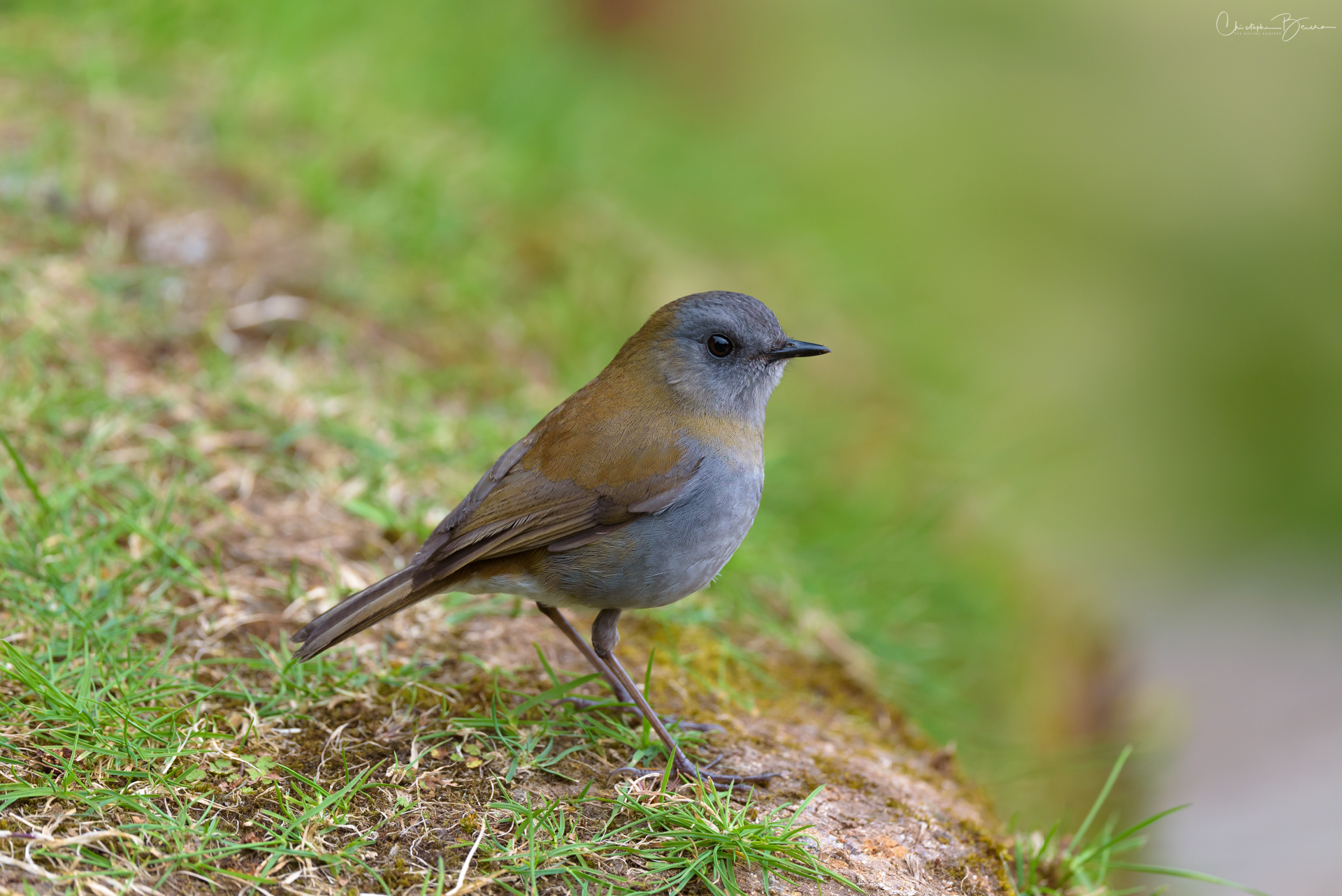
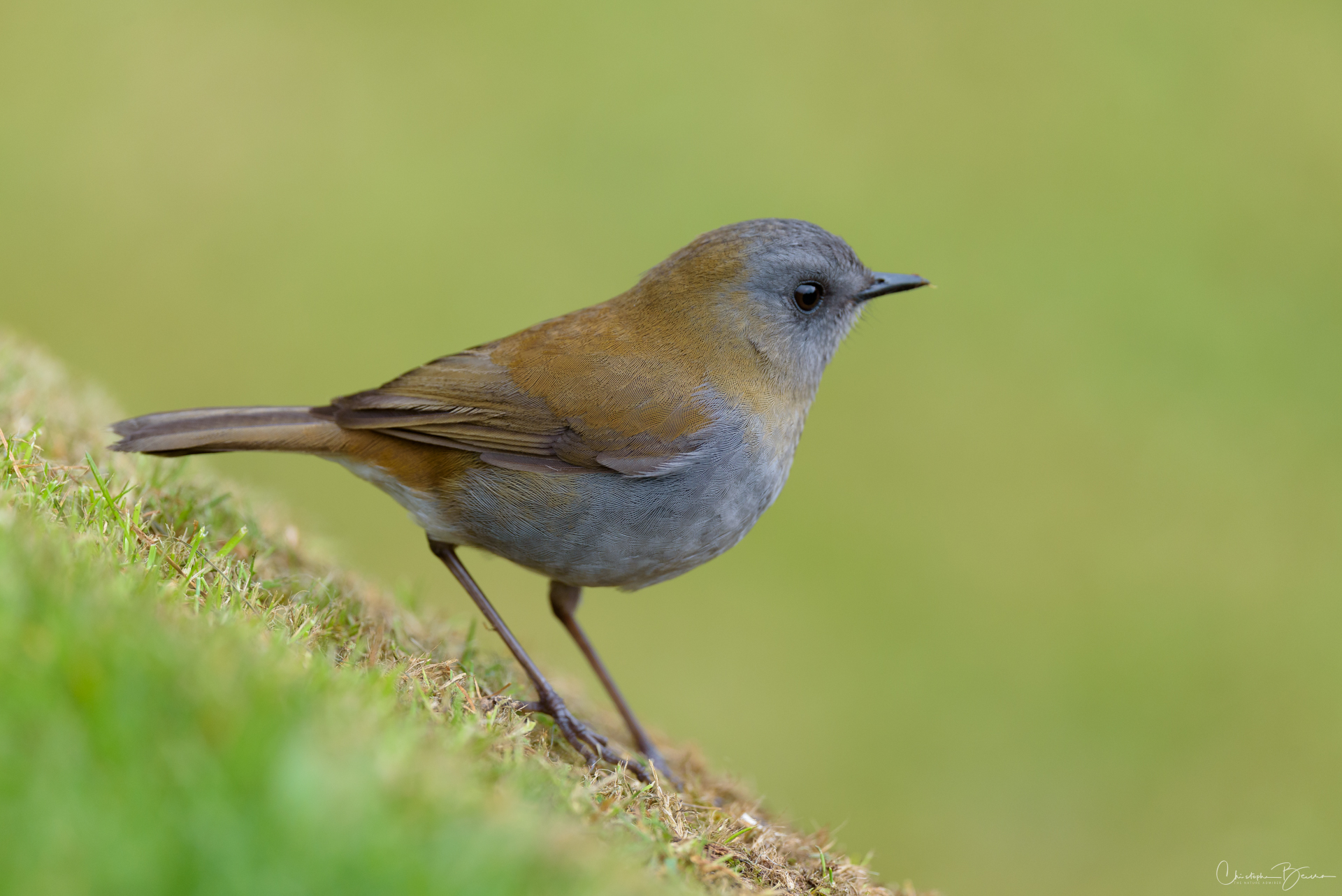
This small bird inhabits the highlands in Costa Rica. Its plumage is drab like most of the birds in its family, but its song is melodious, flute-like with a metallic quality. The belly and face are gray, with the upperparts being brown. While this colors are very similar to other birds in its family, it is identified by the black bill and the brown collar around the throat that separates the face from the belly. It perches in the understory of oak forest and can be found also hoping on the ground or through trails, in places where light is scarce. With enough patience, they will perch at eye level and remain motionless long enough for a good picture.

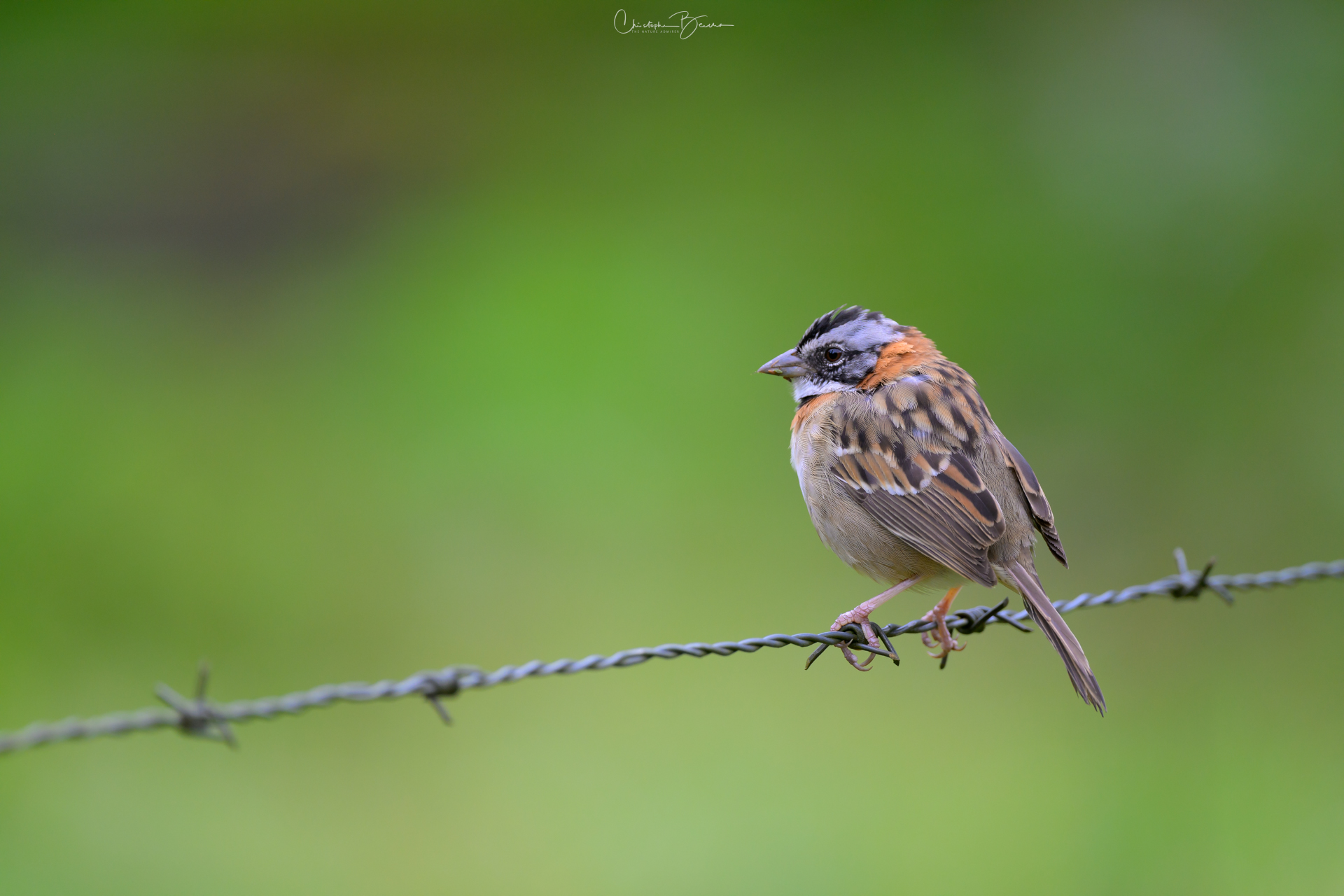
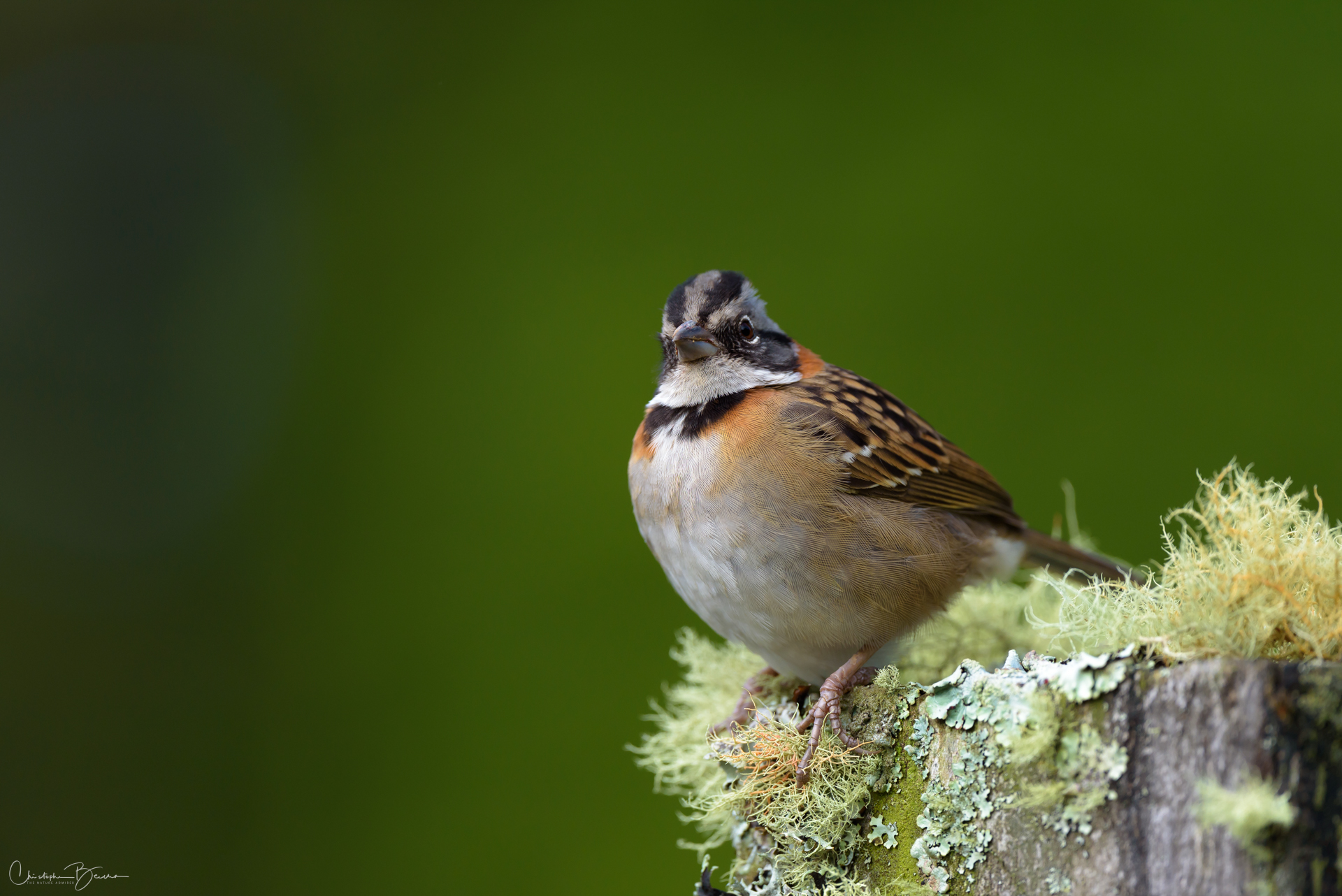
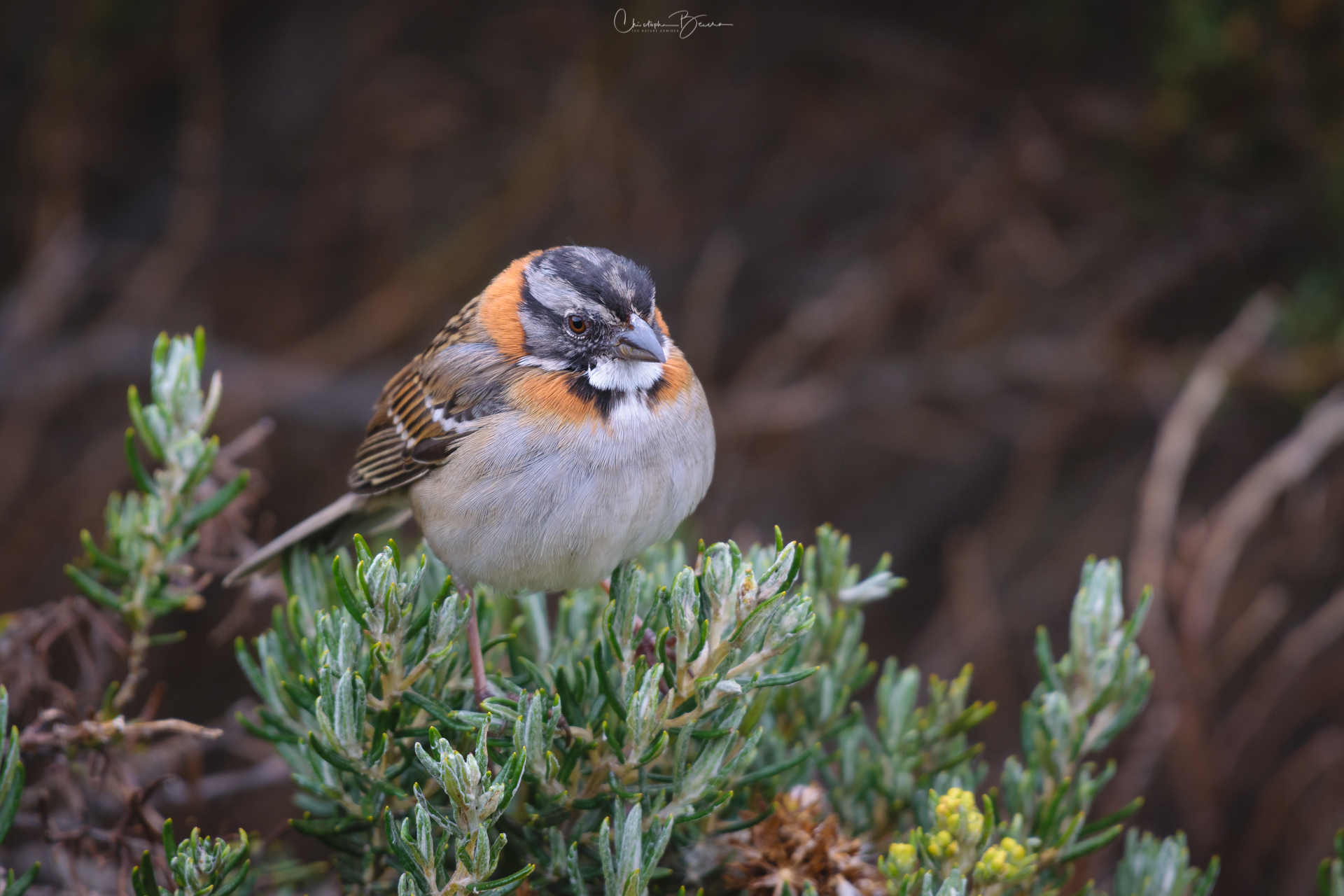
Rufous-collared Sparrow (Zonotrichia capensis)

The Rufous-collared Sparrow is a common sight in the Central Valley of Costa Rica and the surrounding mountains, and it is also common in the regions of Colombia that we visited. It can be seen hopping in the grass, on the lookout for small worms and insects. They are not shy at all of people and will enter houses and buildings looking for food that may lie on the floor. The Juvenile lacks the Rufous collar around the neck and back. Common does not mean any less fascinating, and the “Comemaiz” is one of those common birds in Costa Rica that has more than one trick down its sleeve.

Long-tailed Silky-flycatcher (Ptilogonys caudatus)

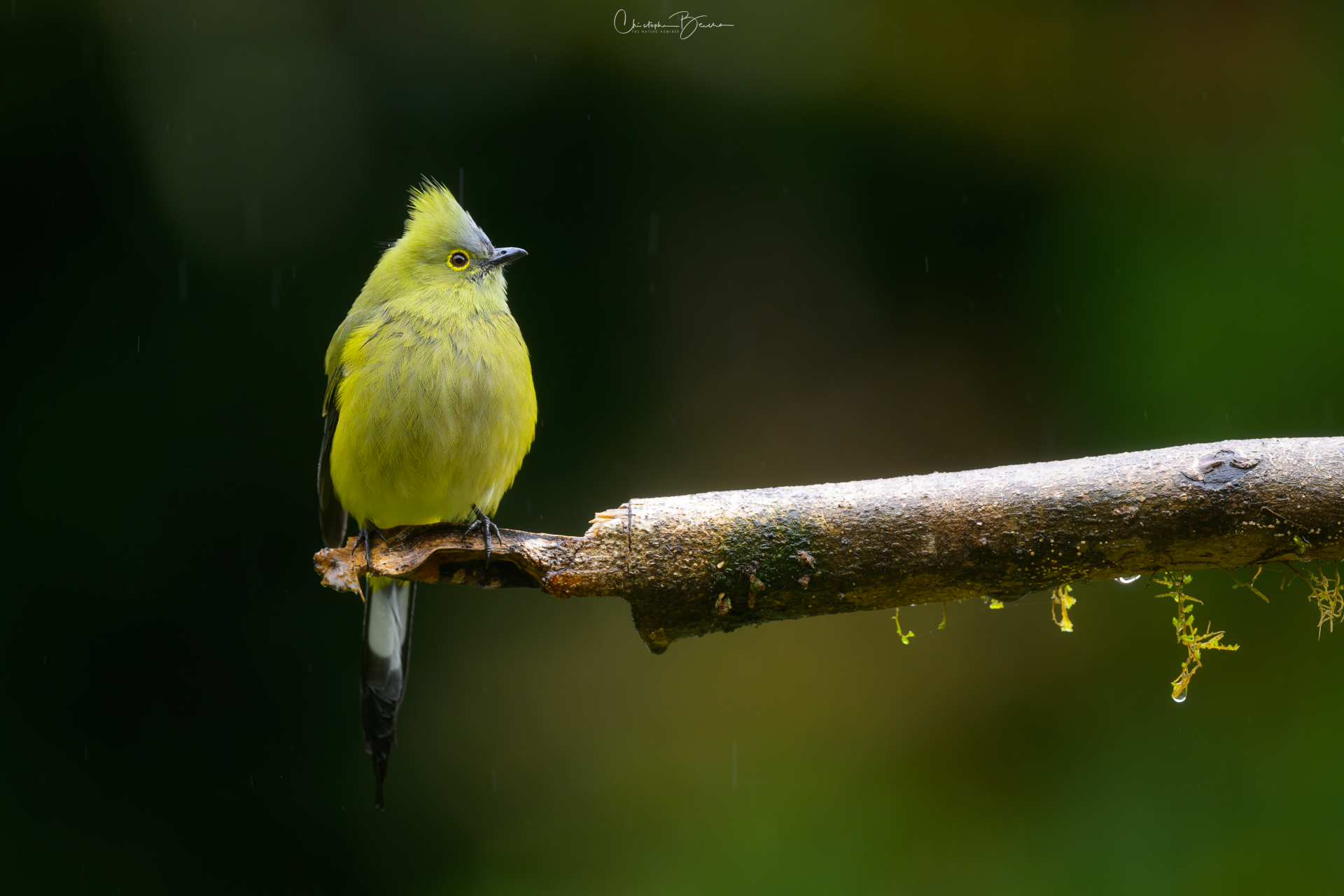
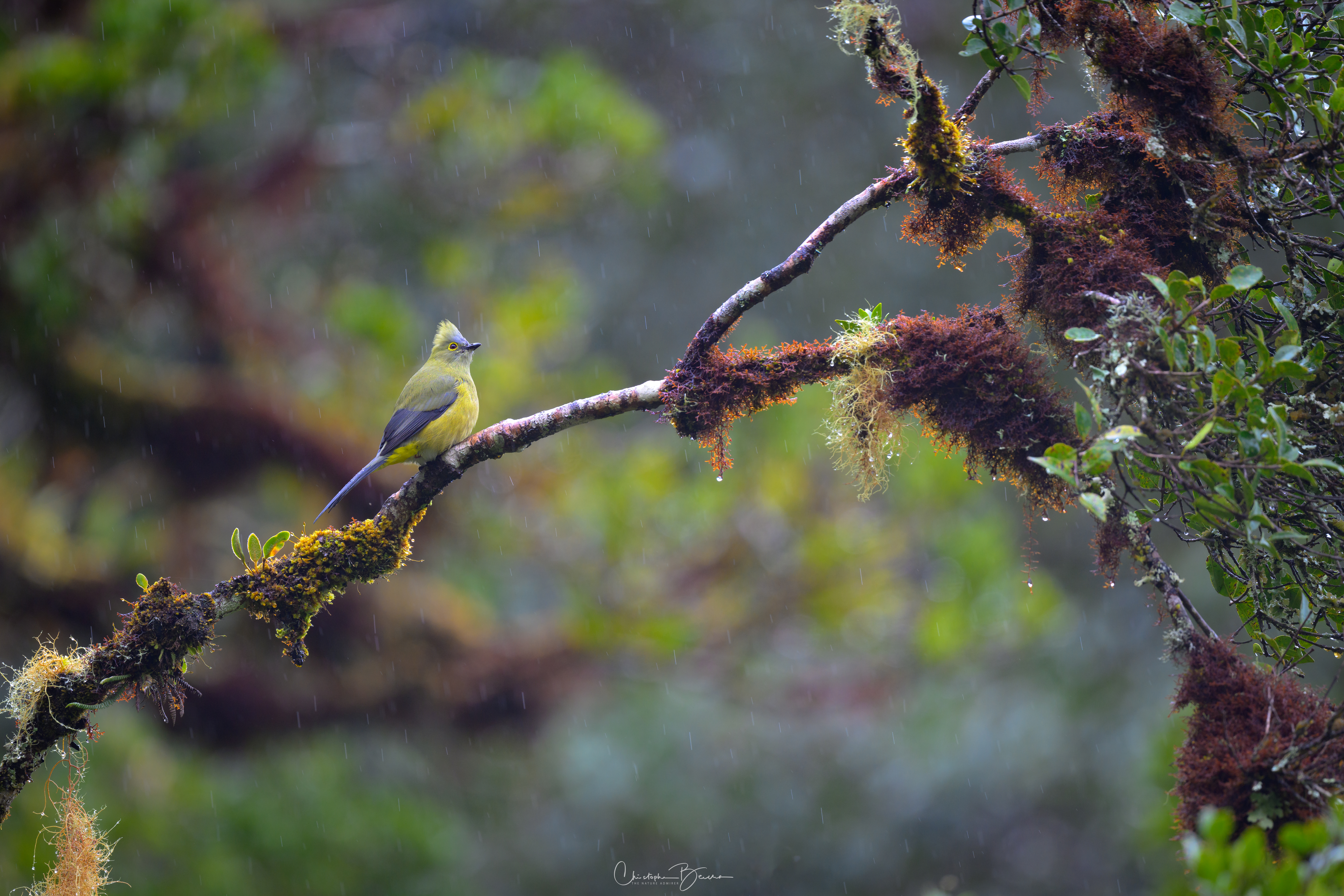
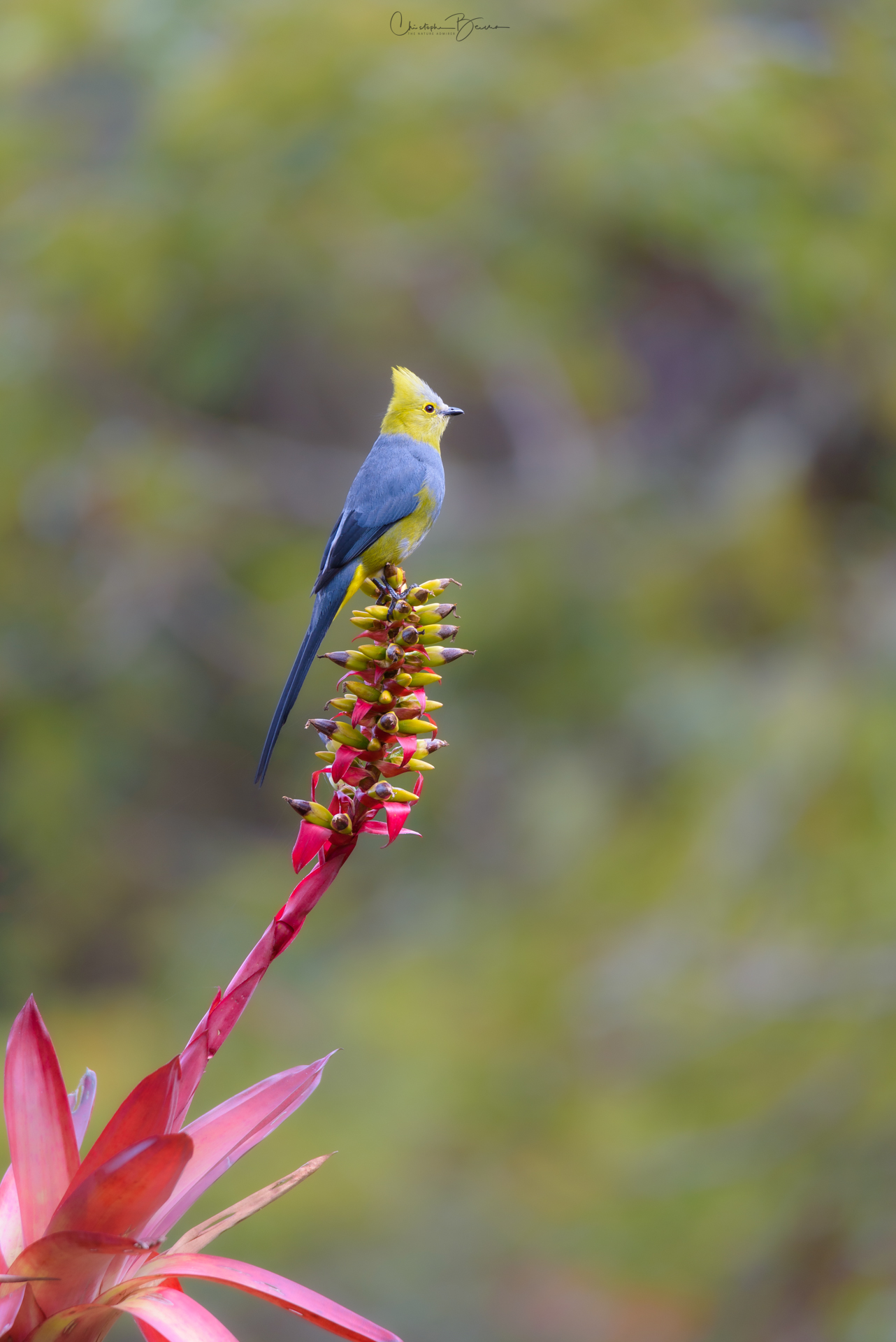
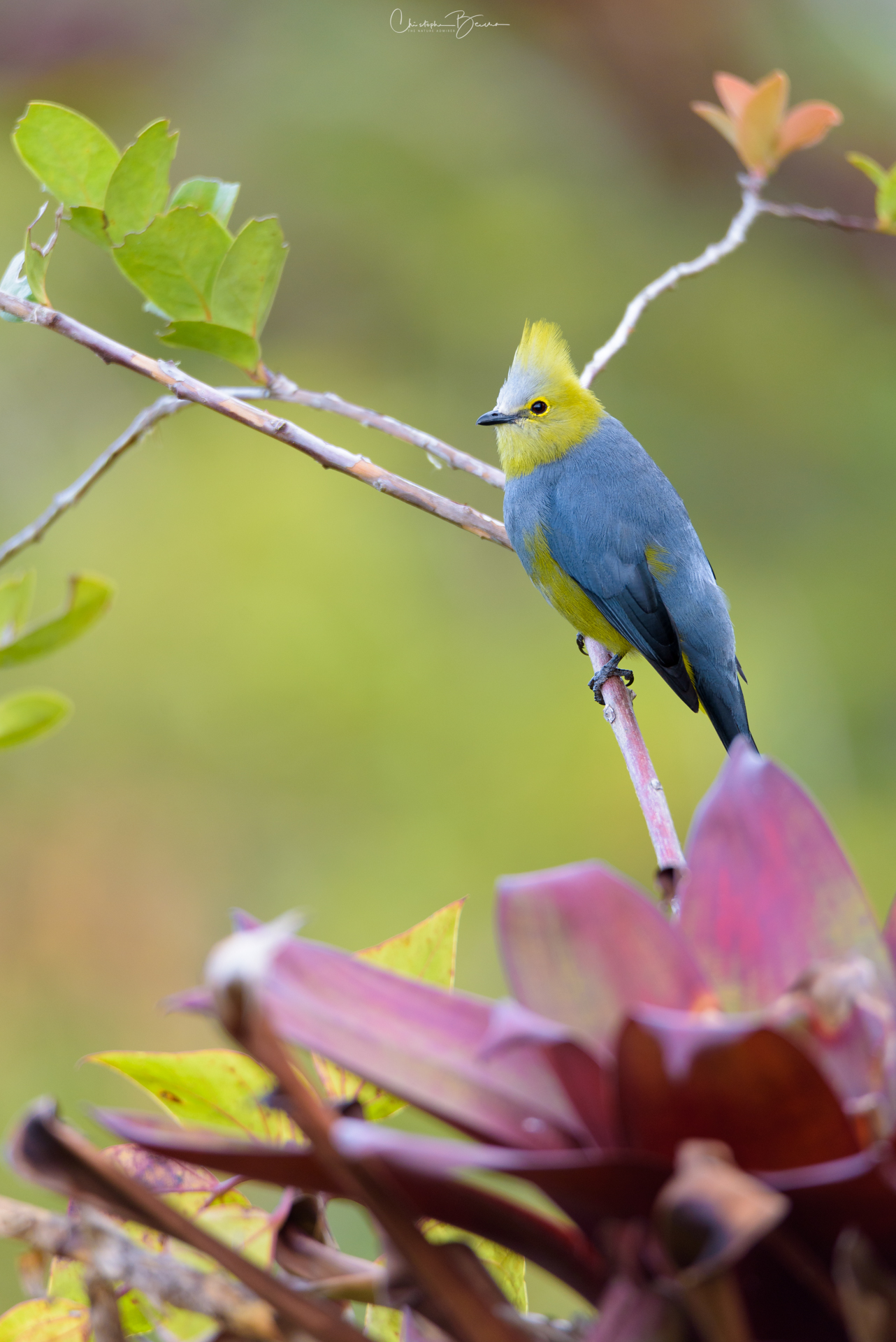
The Long-tailed Silky-flycatcher is an elegant bird that can be found in the highlands in Costa Rica. It’s long black tail contrasts with the gray and yellow body, ending with a yellow crest that is normally seen protruding from the head. The male is more colorful than the female, but overall they look similar and might be indistinguishable on bad lighting. Along the Black-and-yellow Silky-flycatcher, this species is part of a four species family around the world, with only the Black-and-yellow and the Long-tailed being present in Costa Rica, endemic to our country and western Panama.

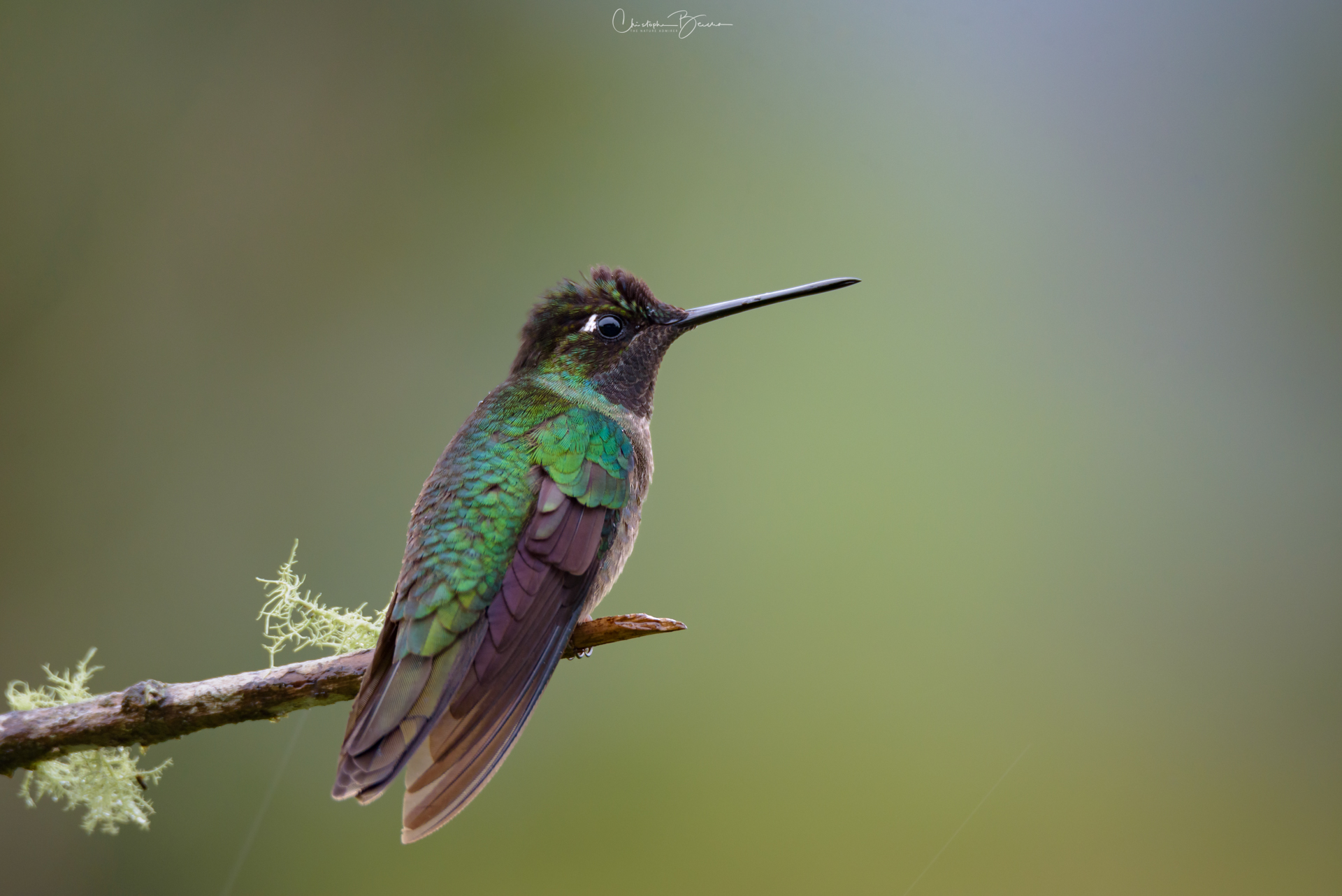
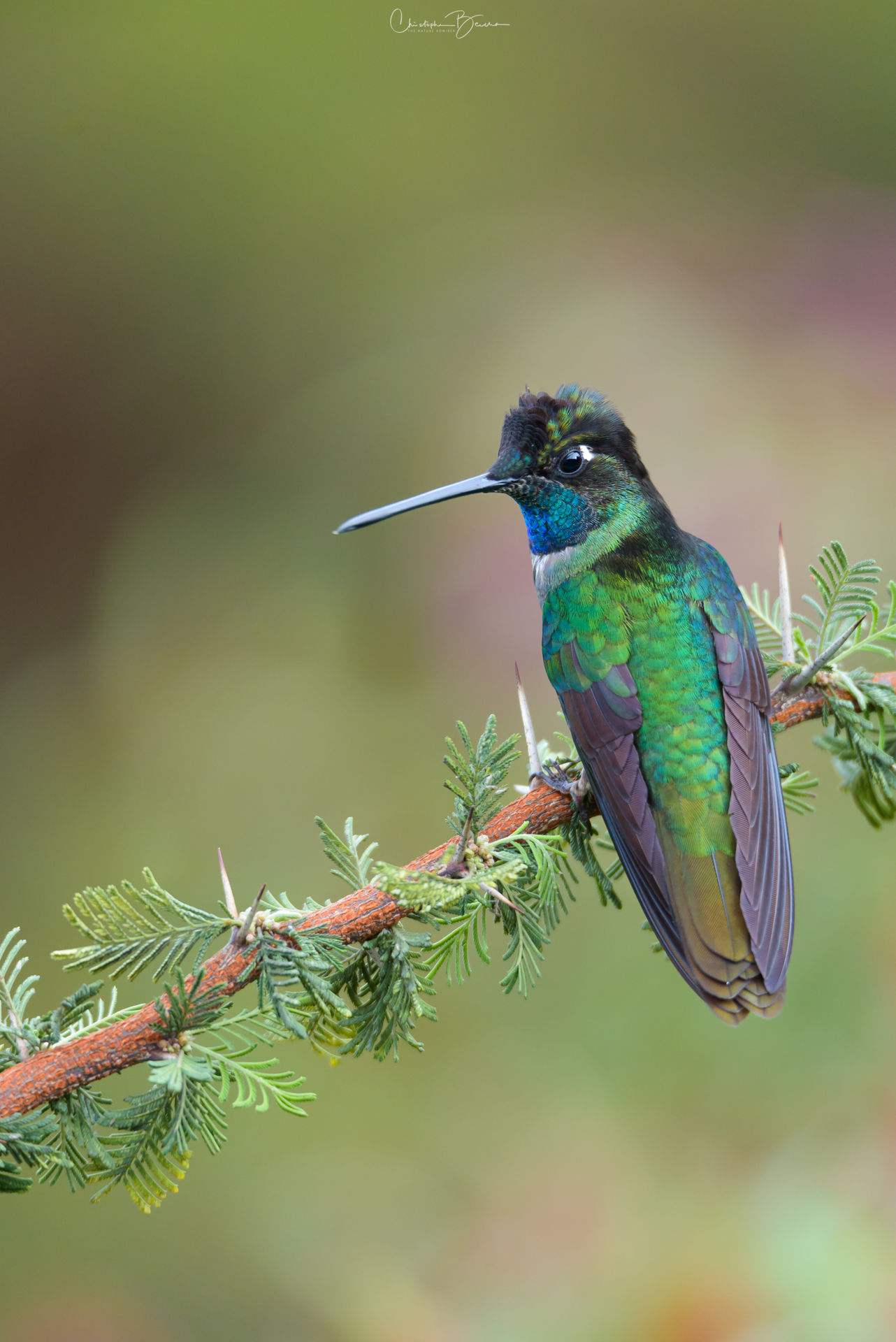
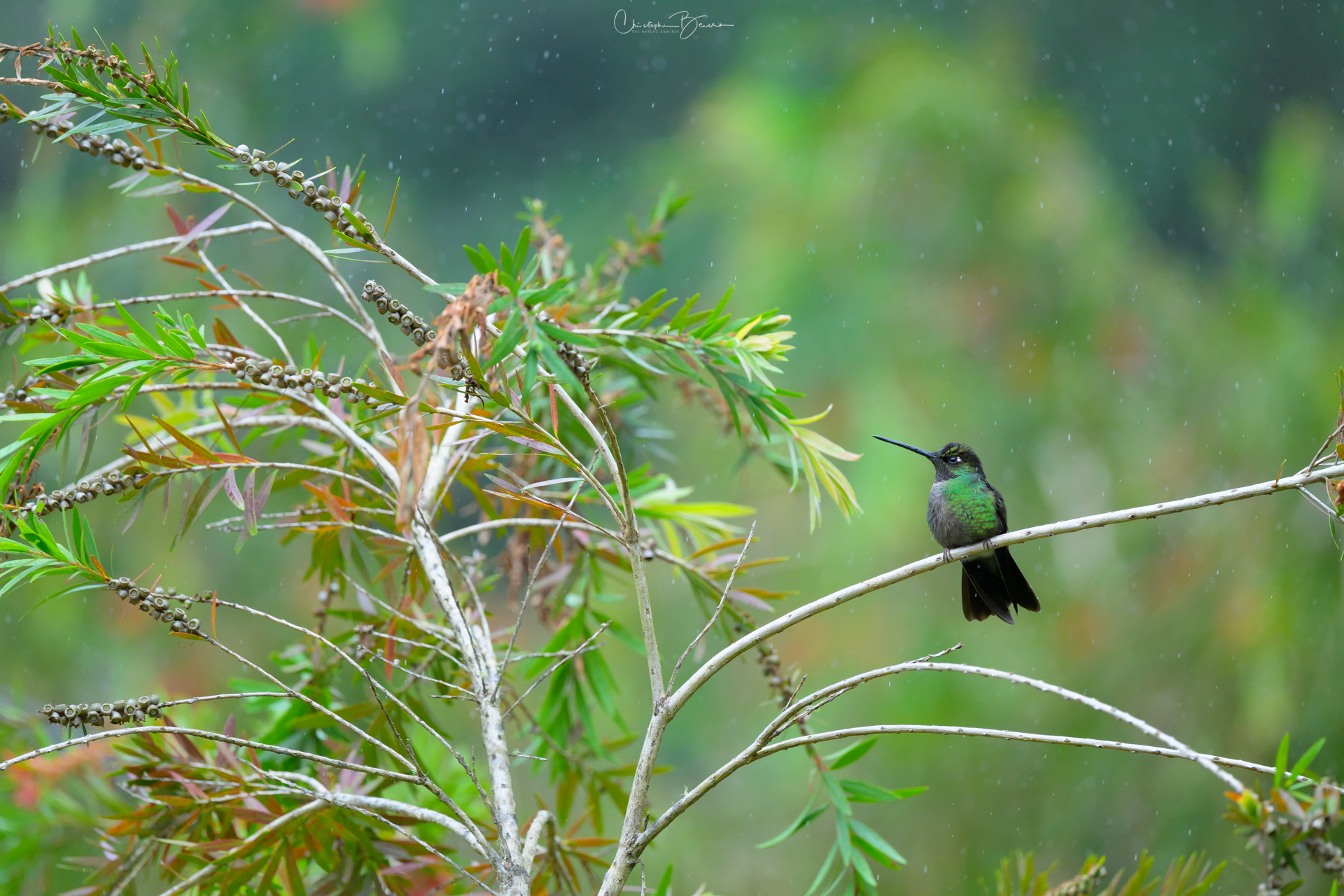
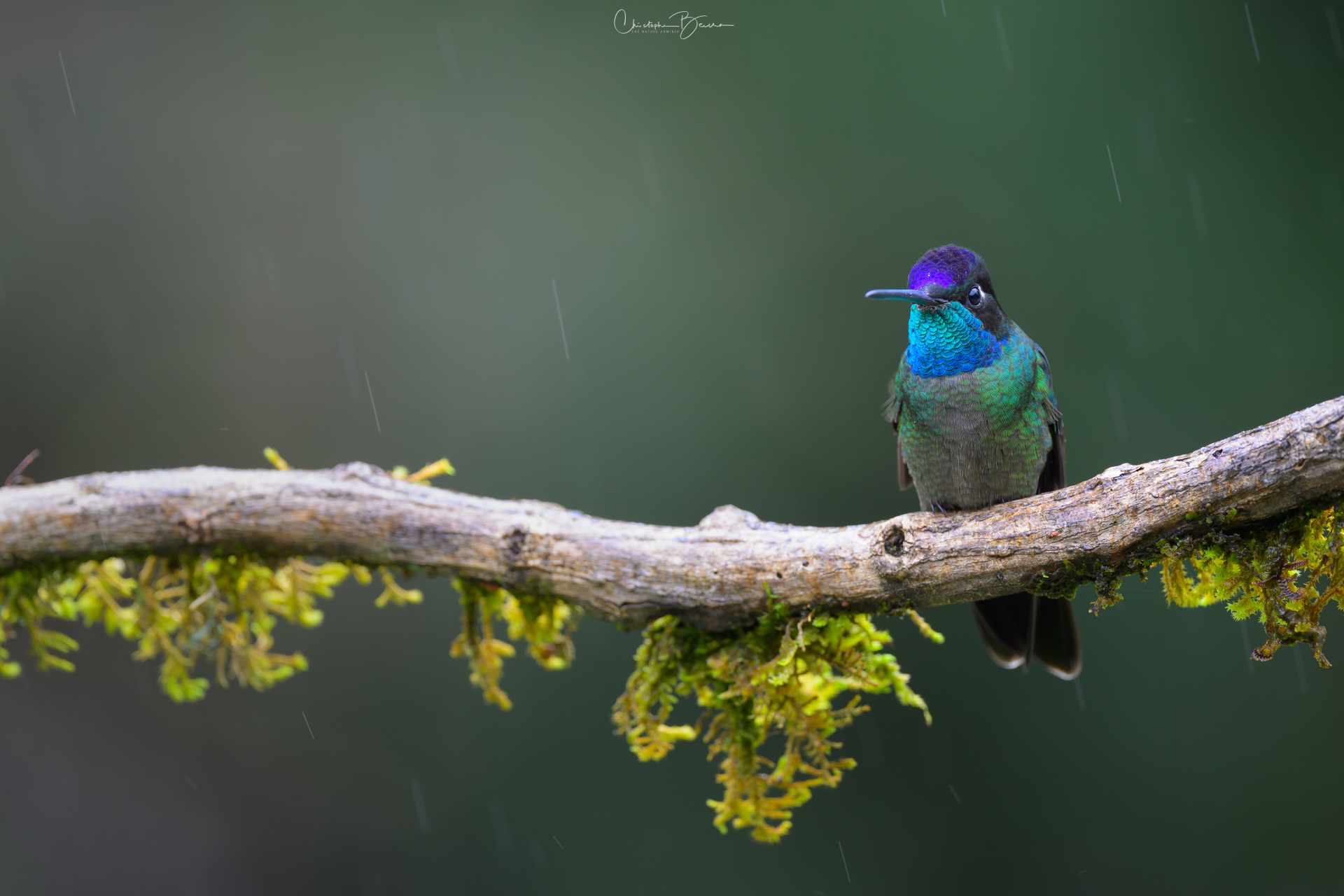
Talamanca Hummingbird (Eugenes spectabilis)

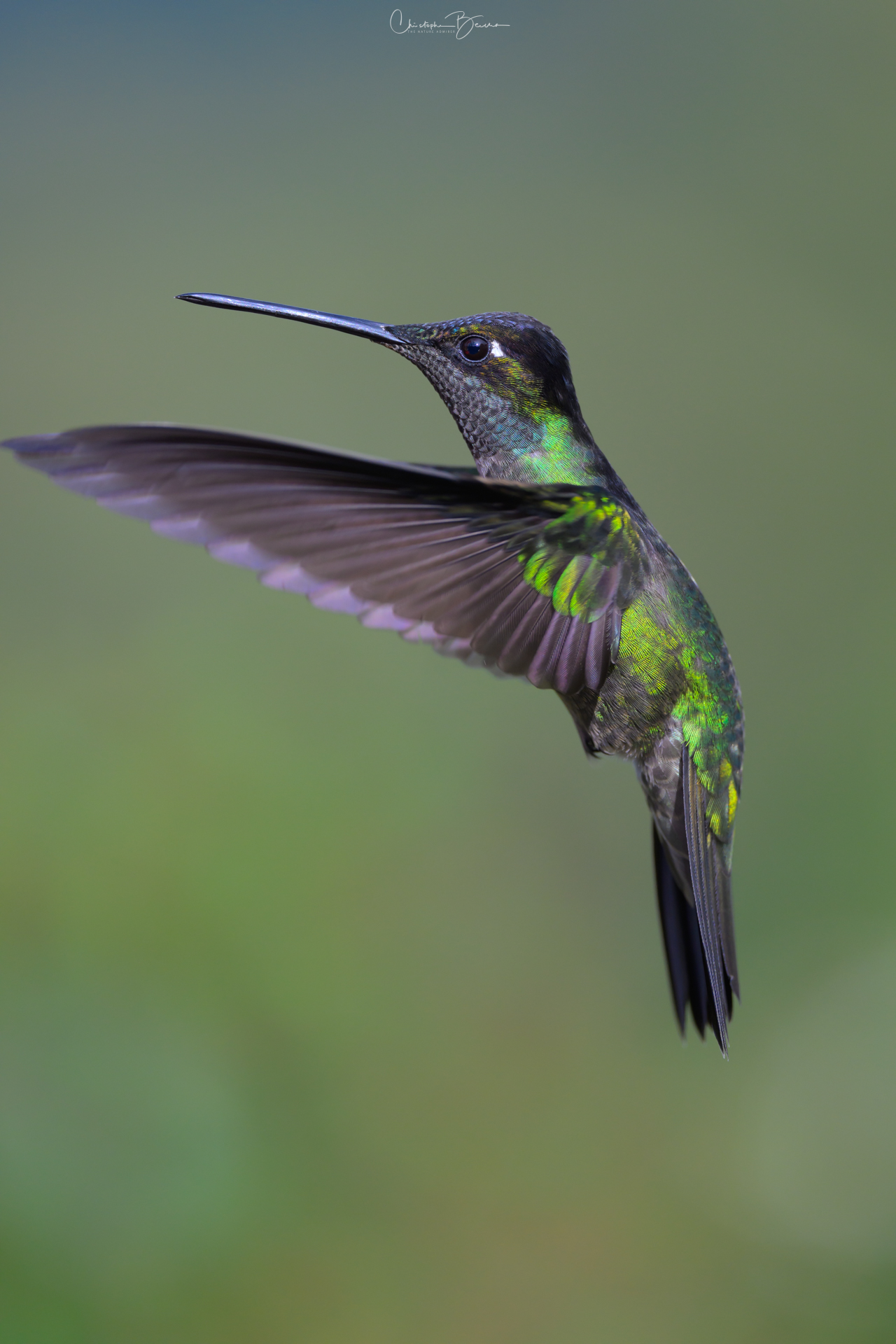
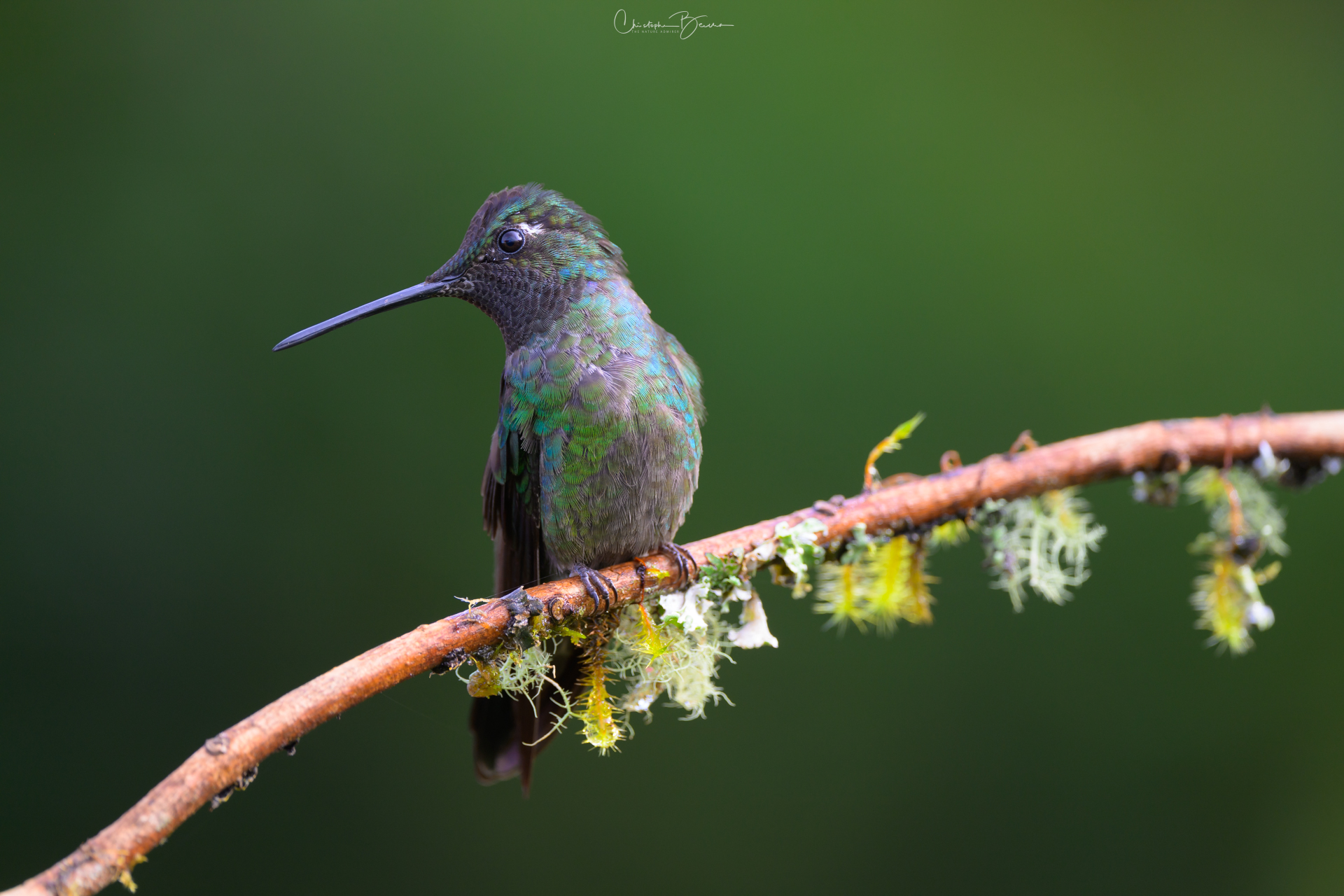
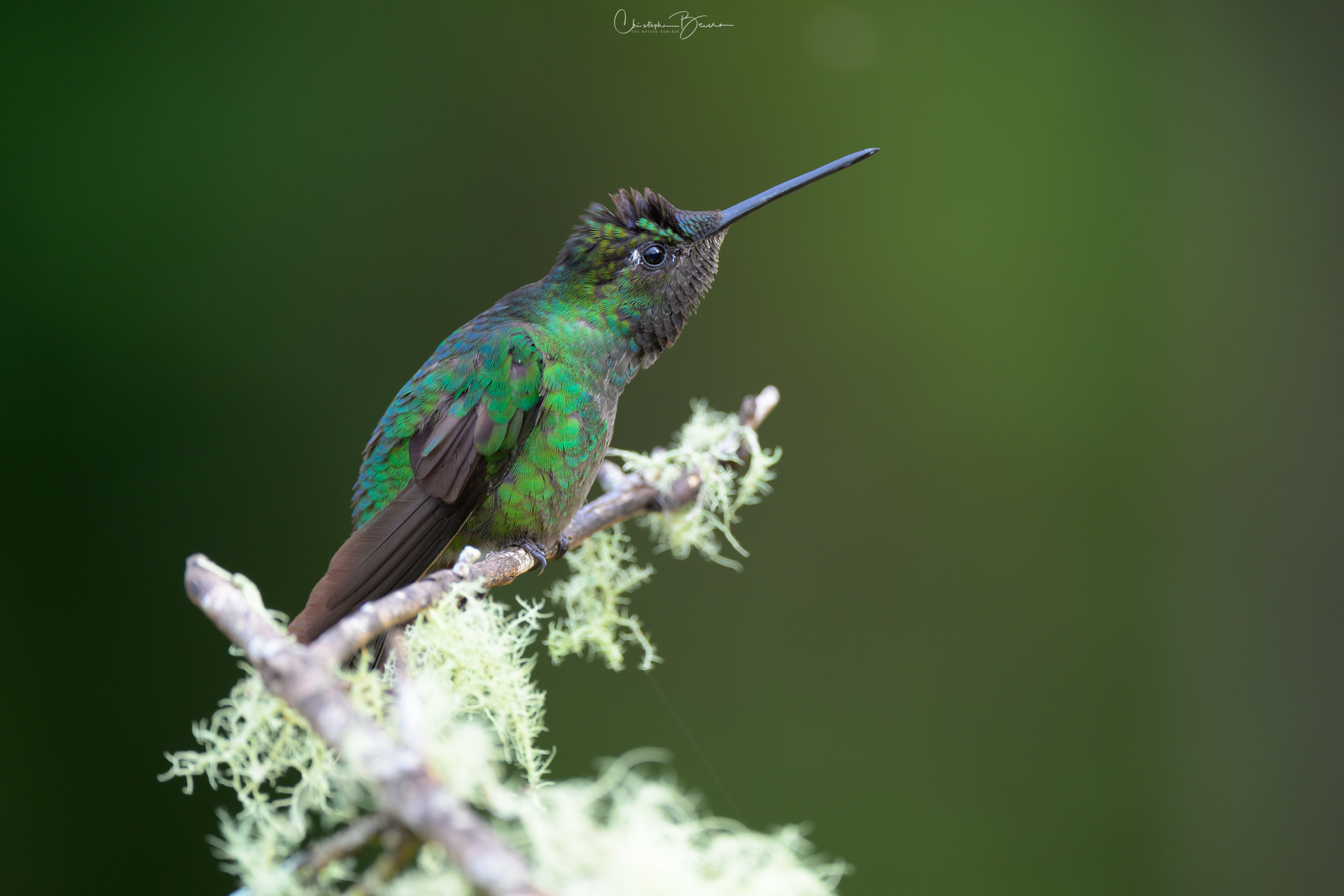
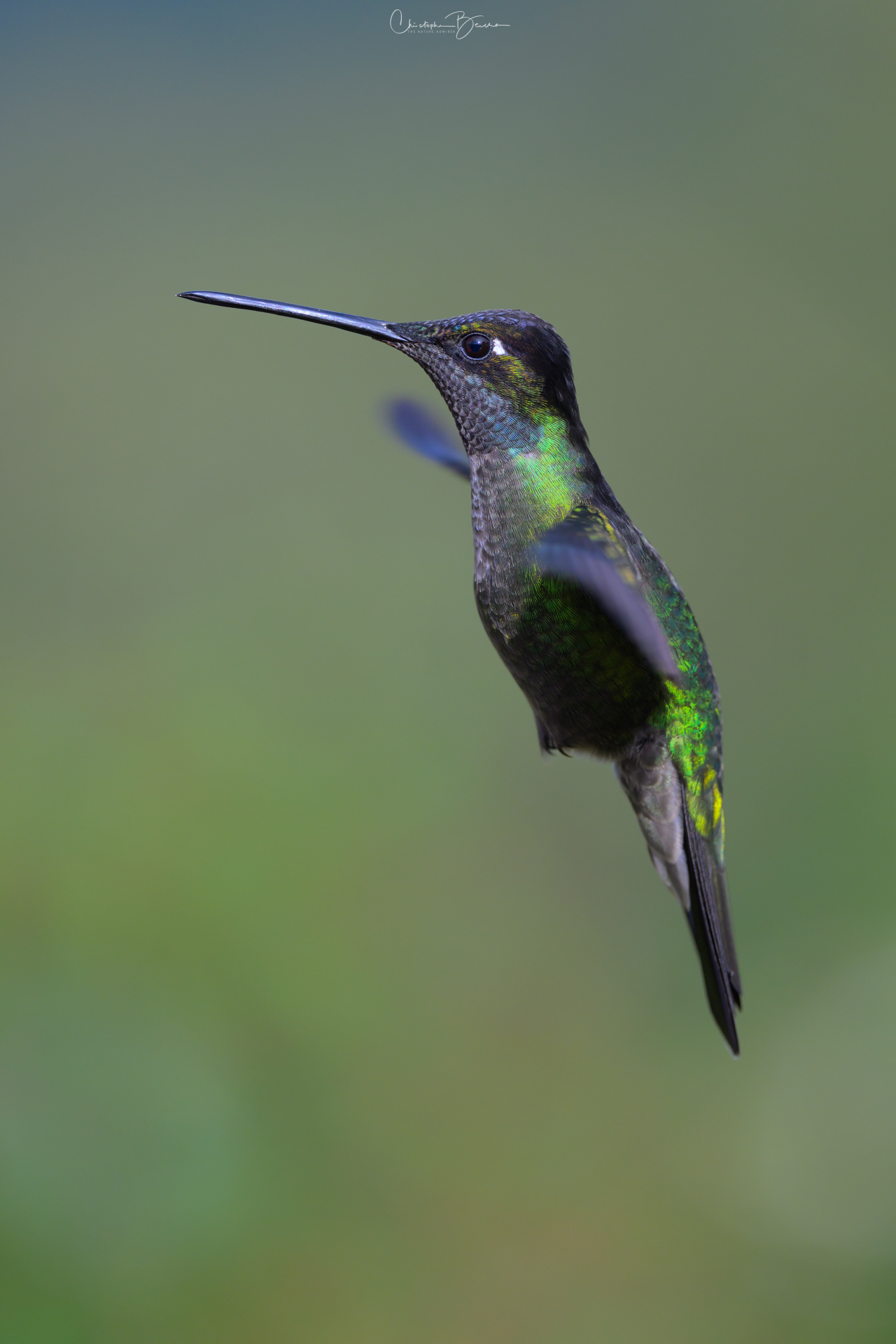
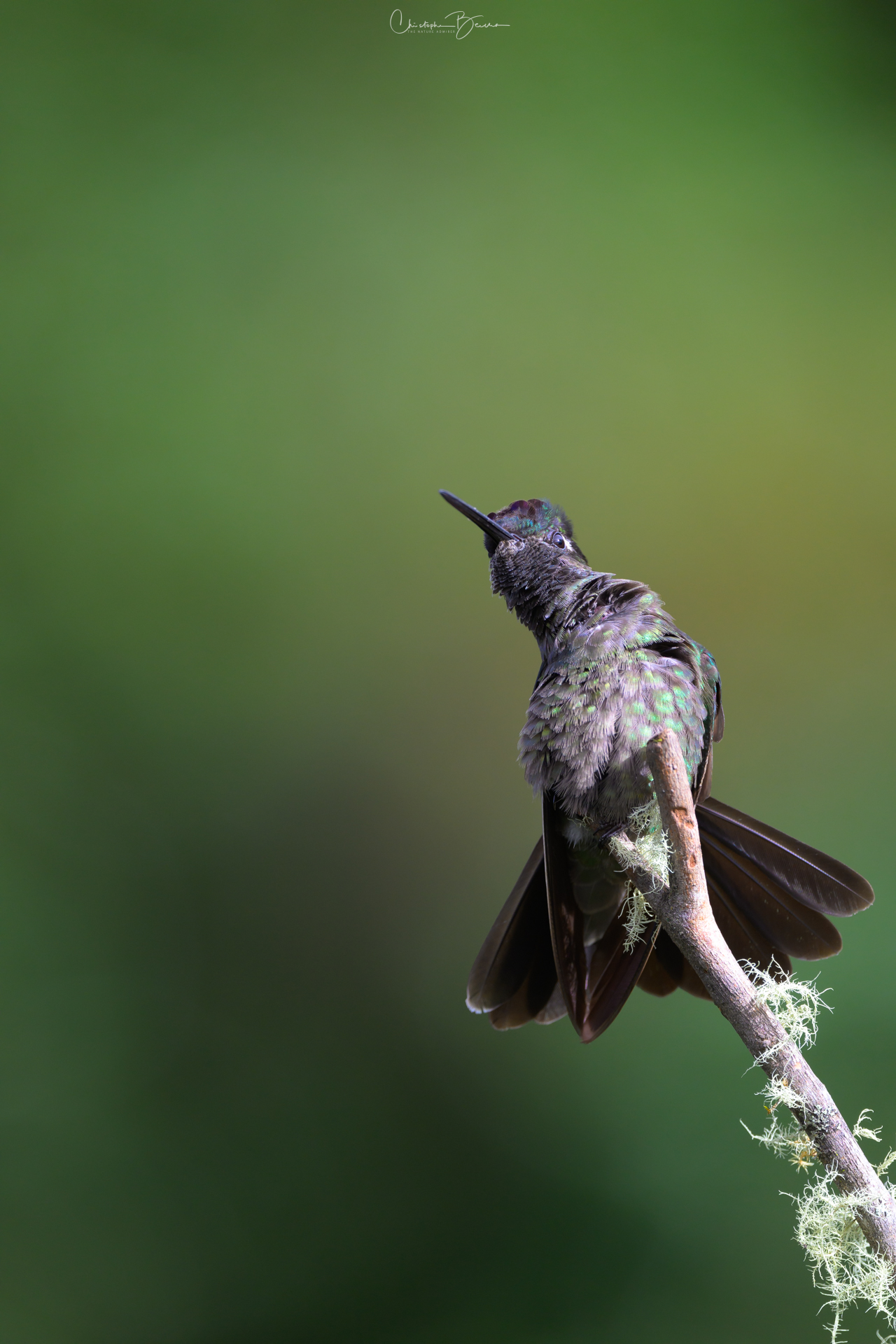
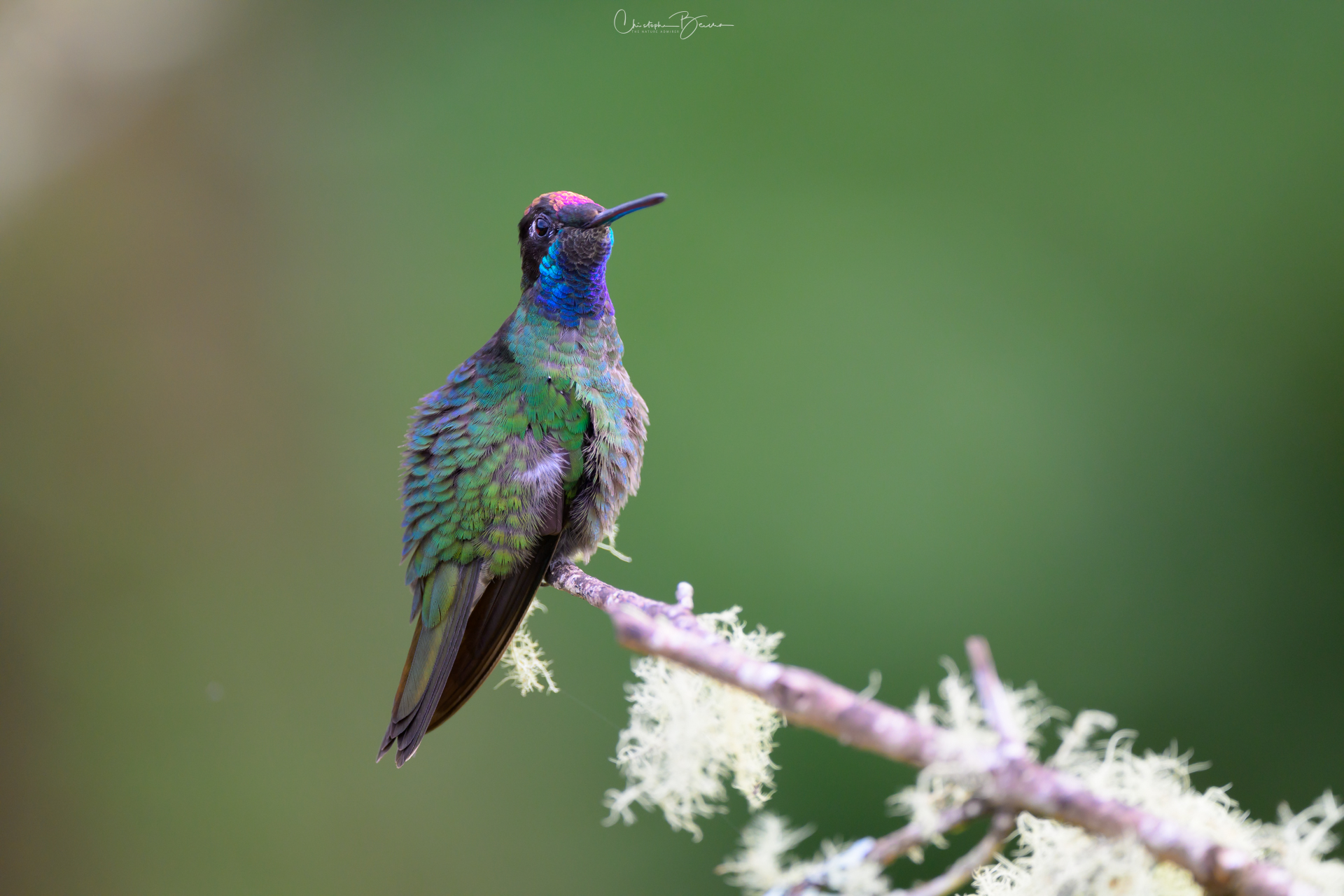
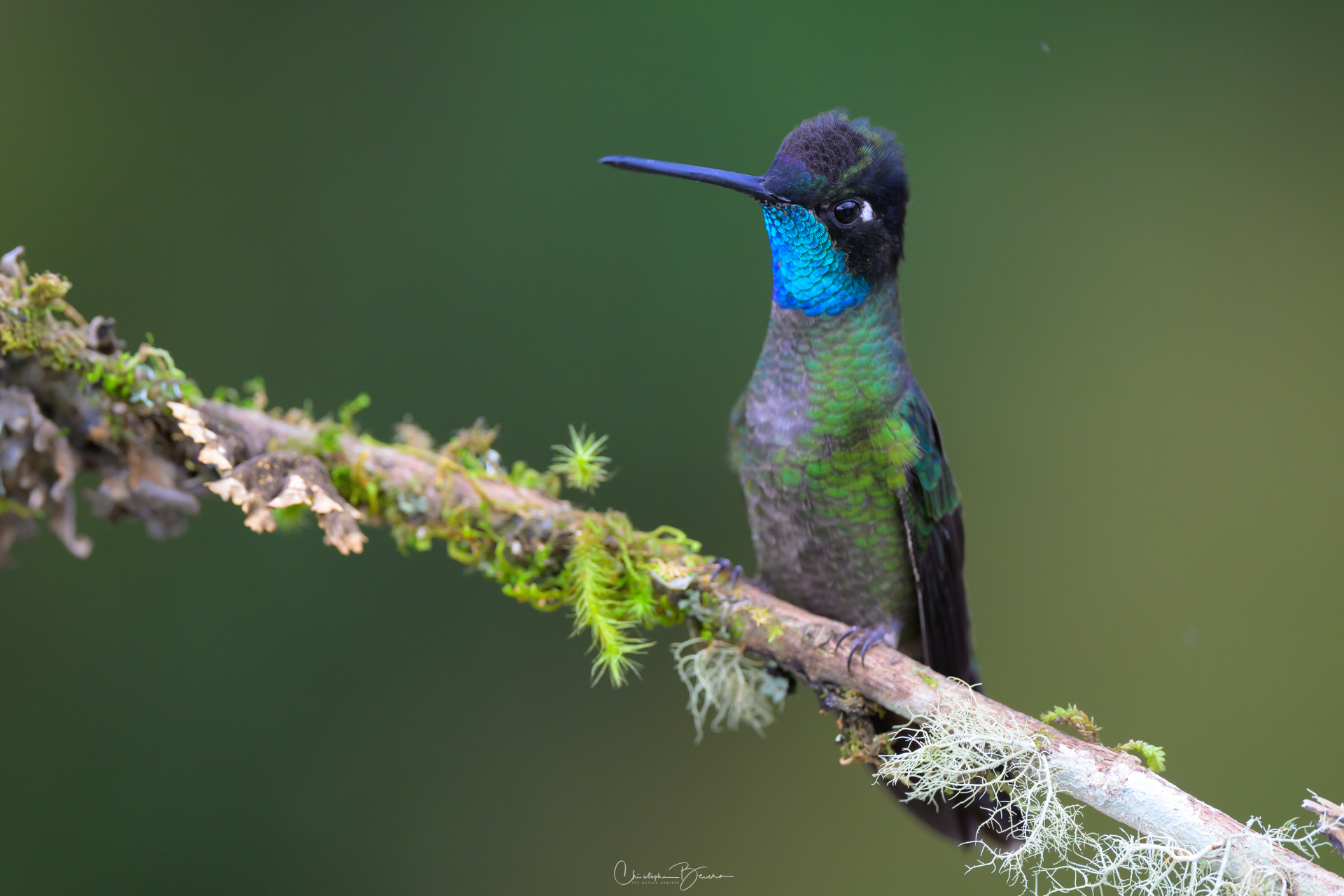
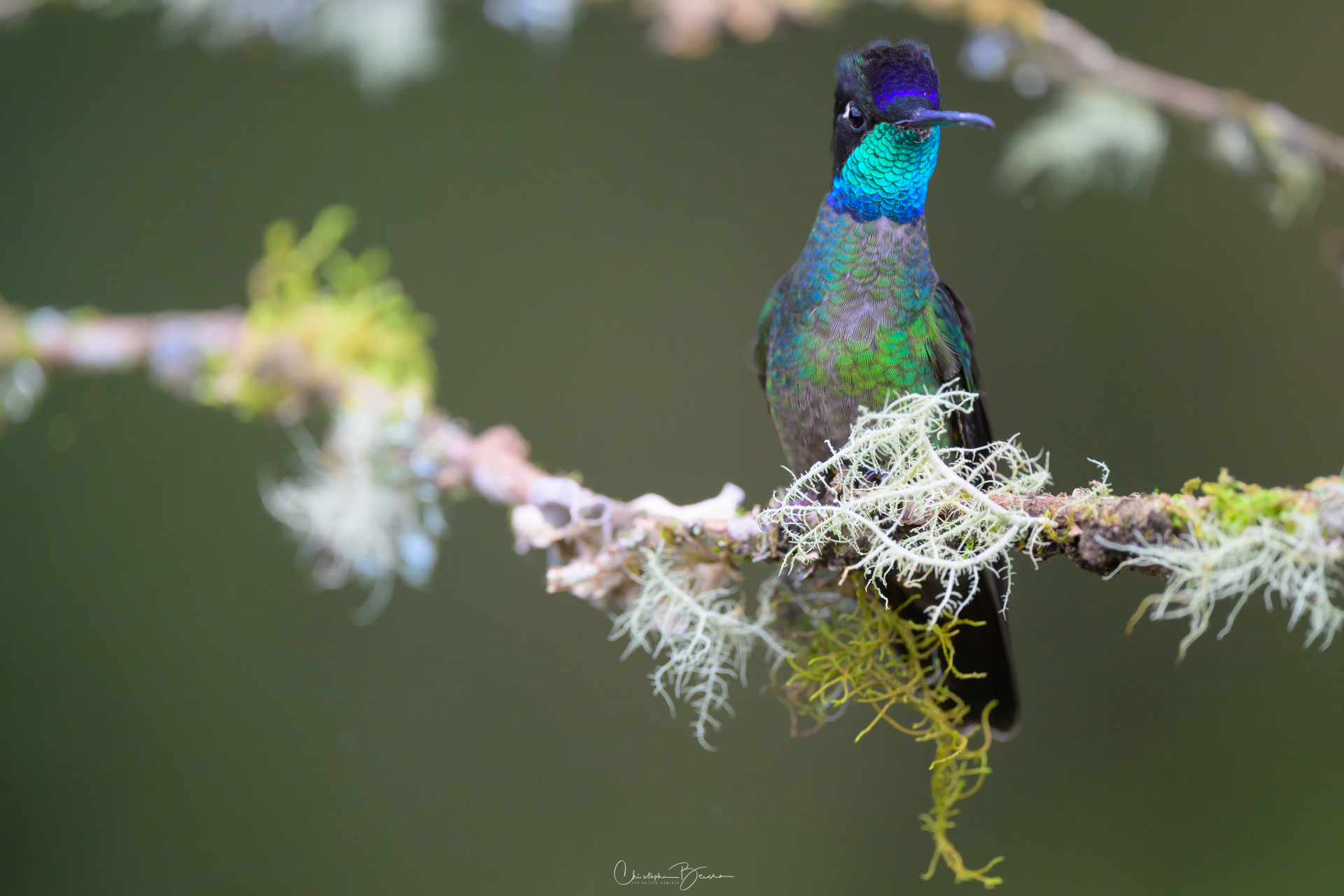
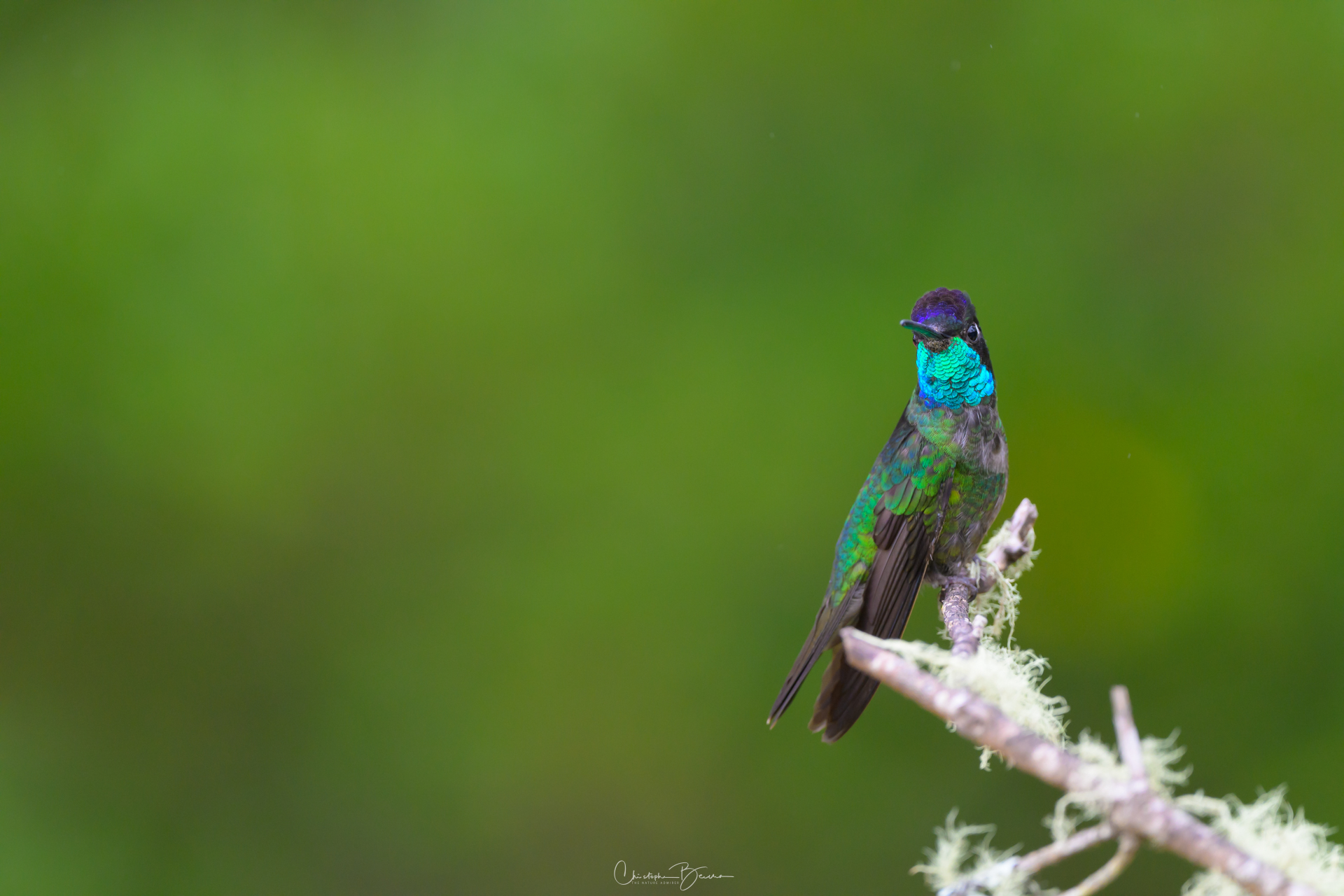
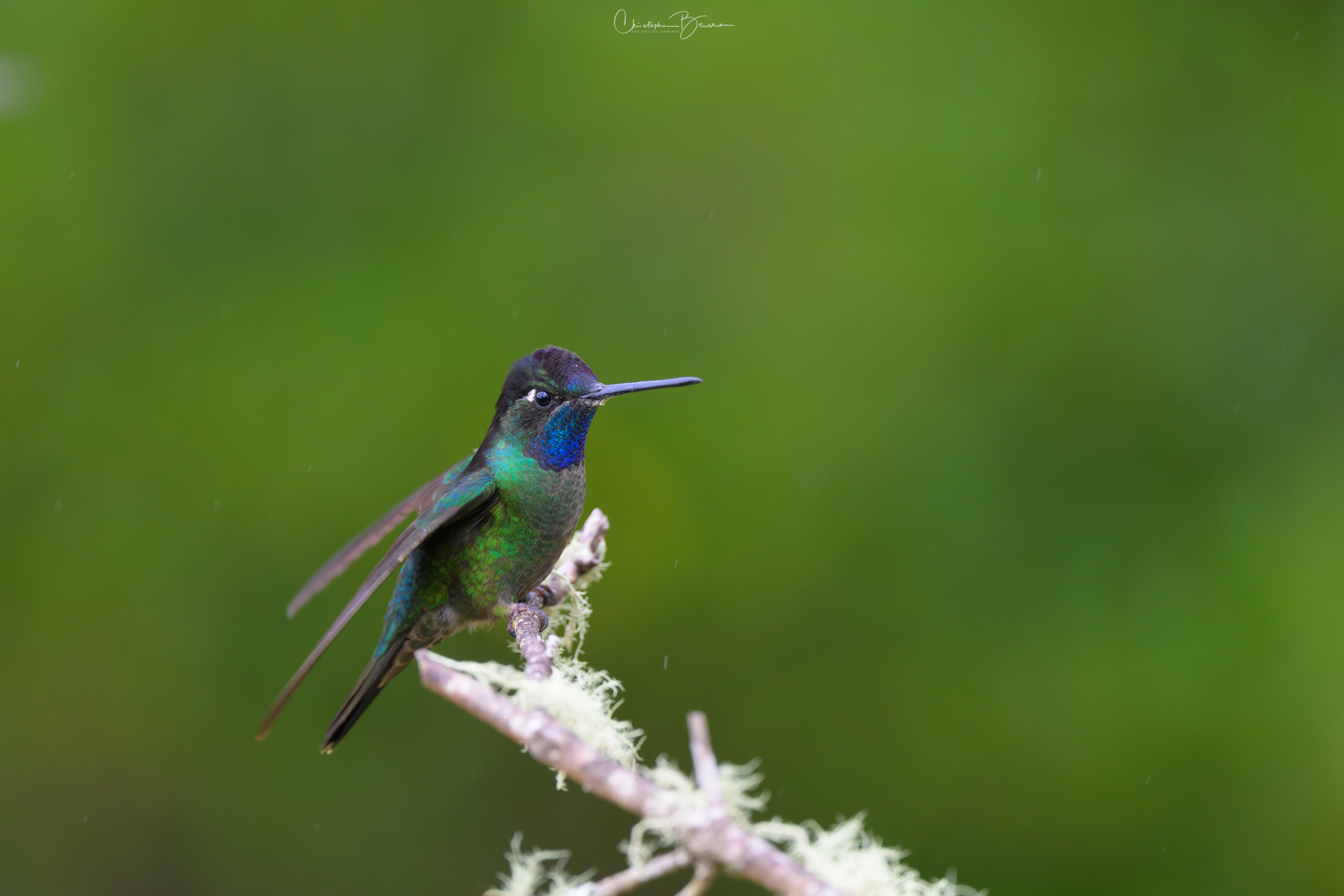
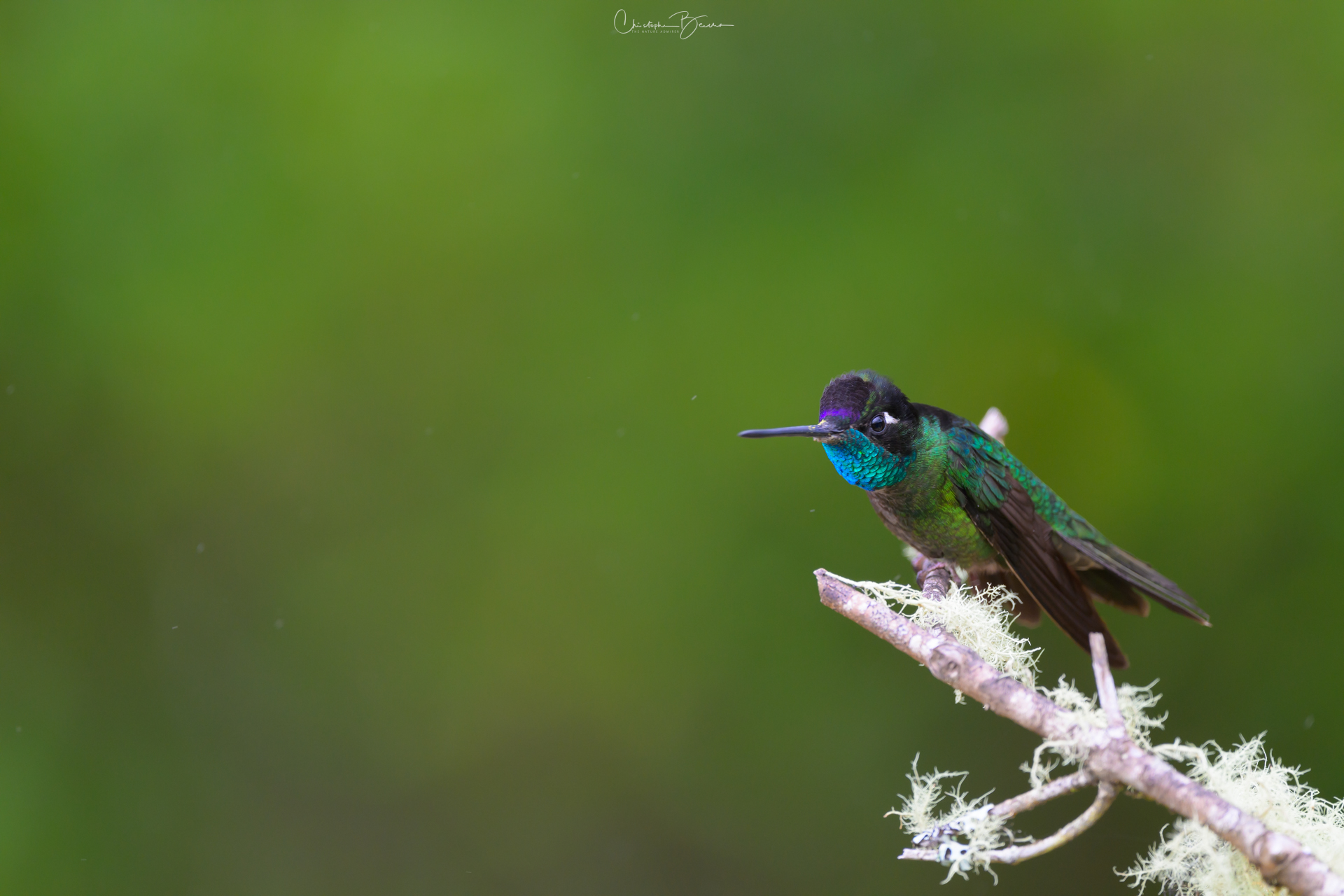
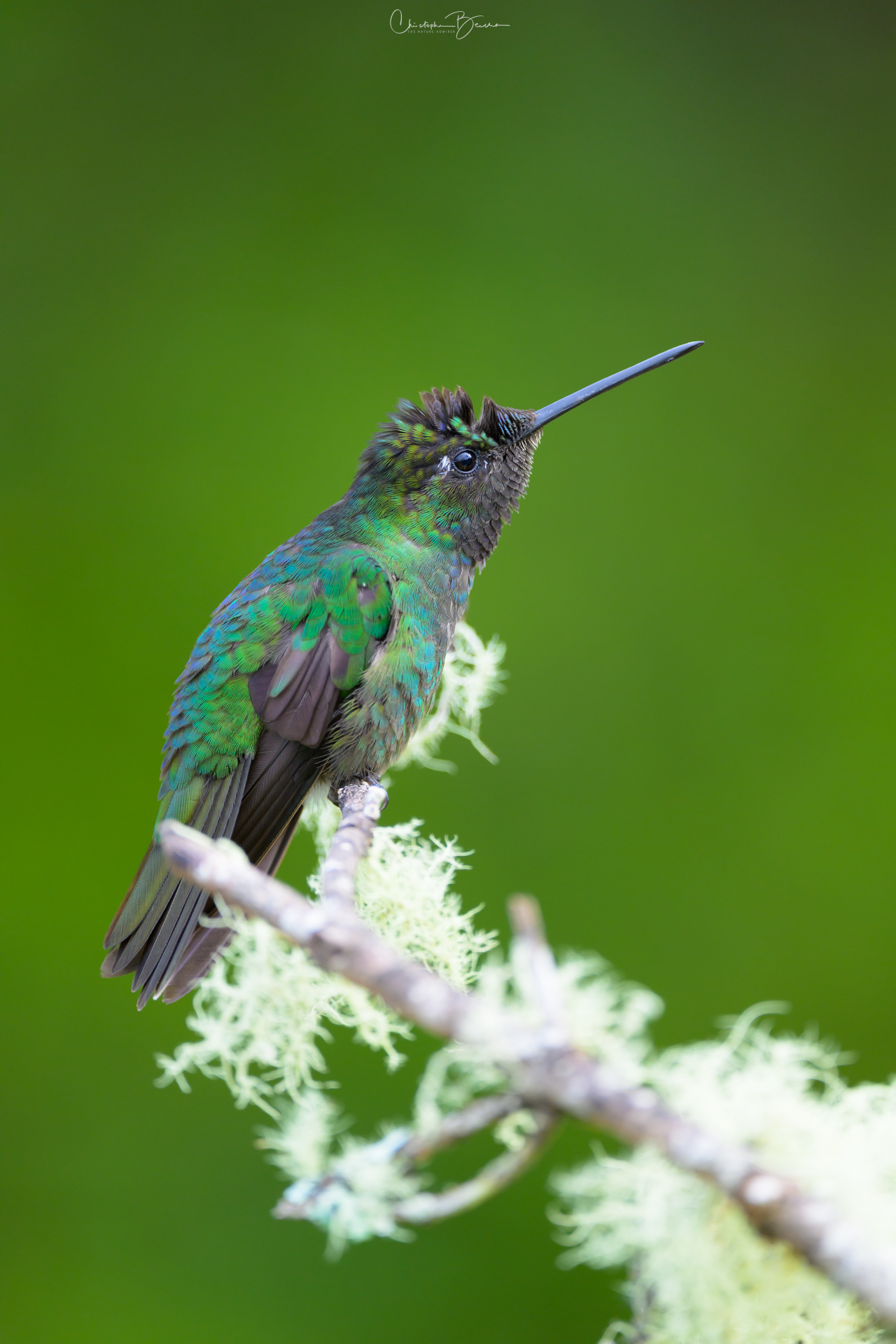
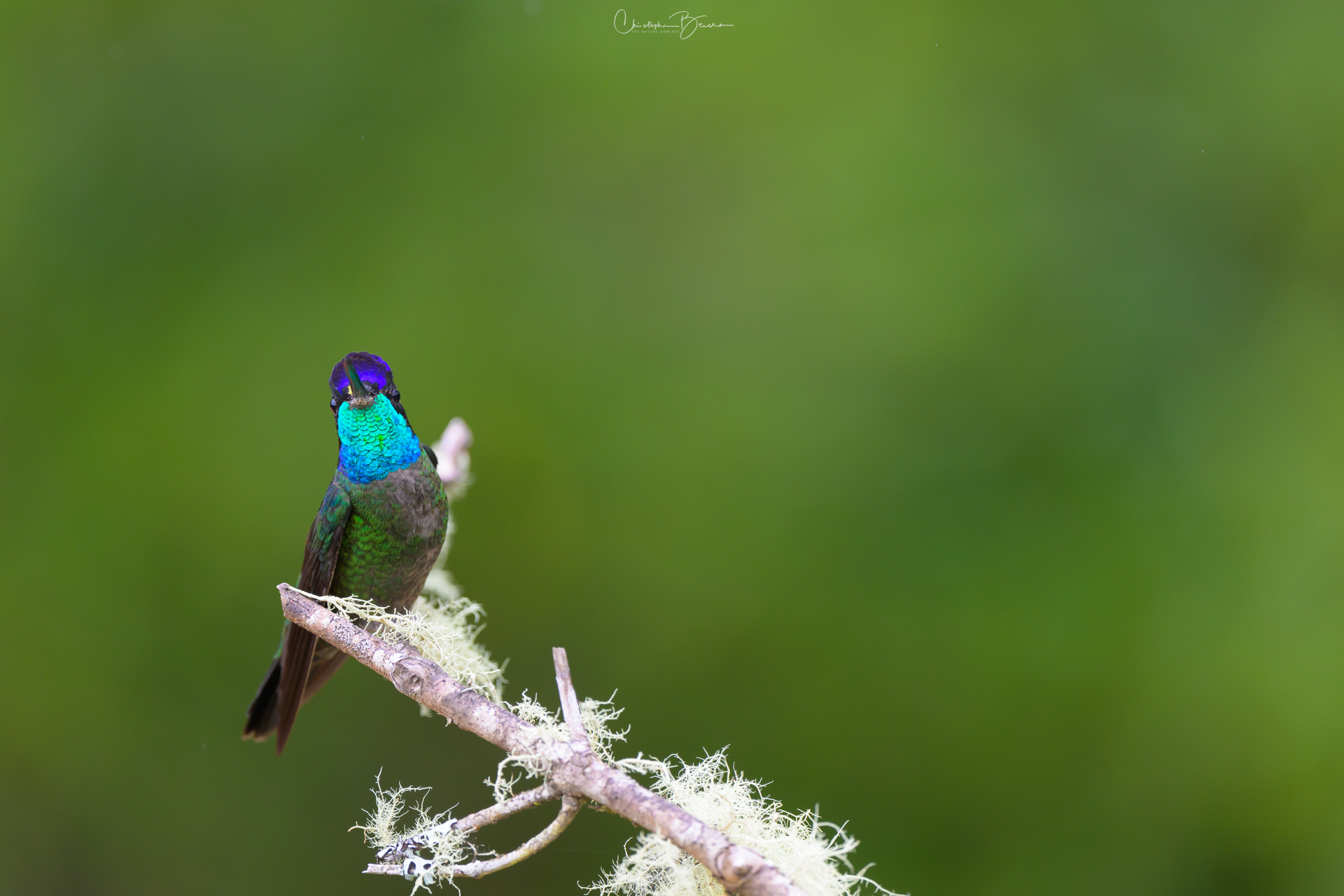
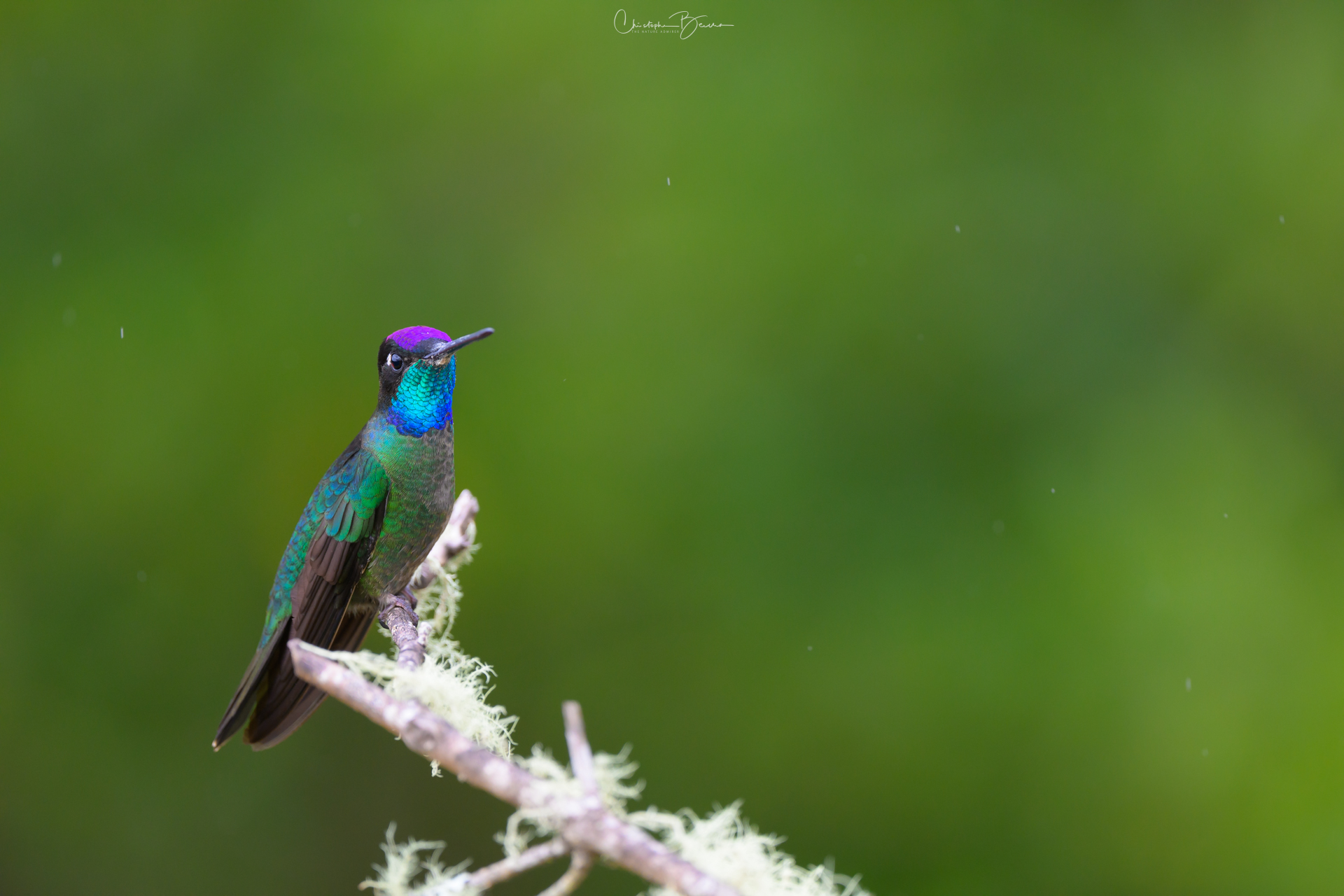
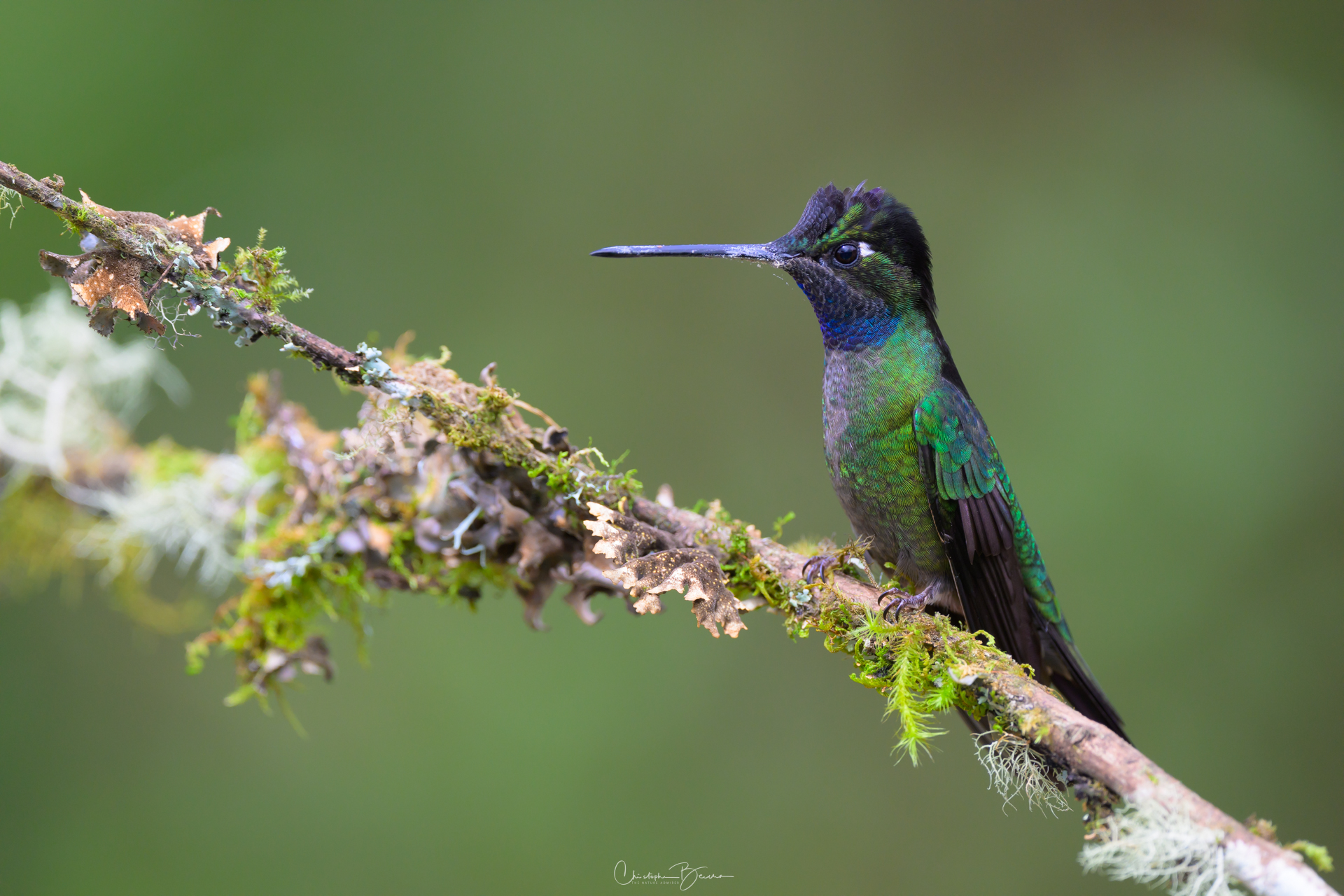
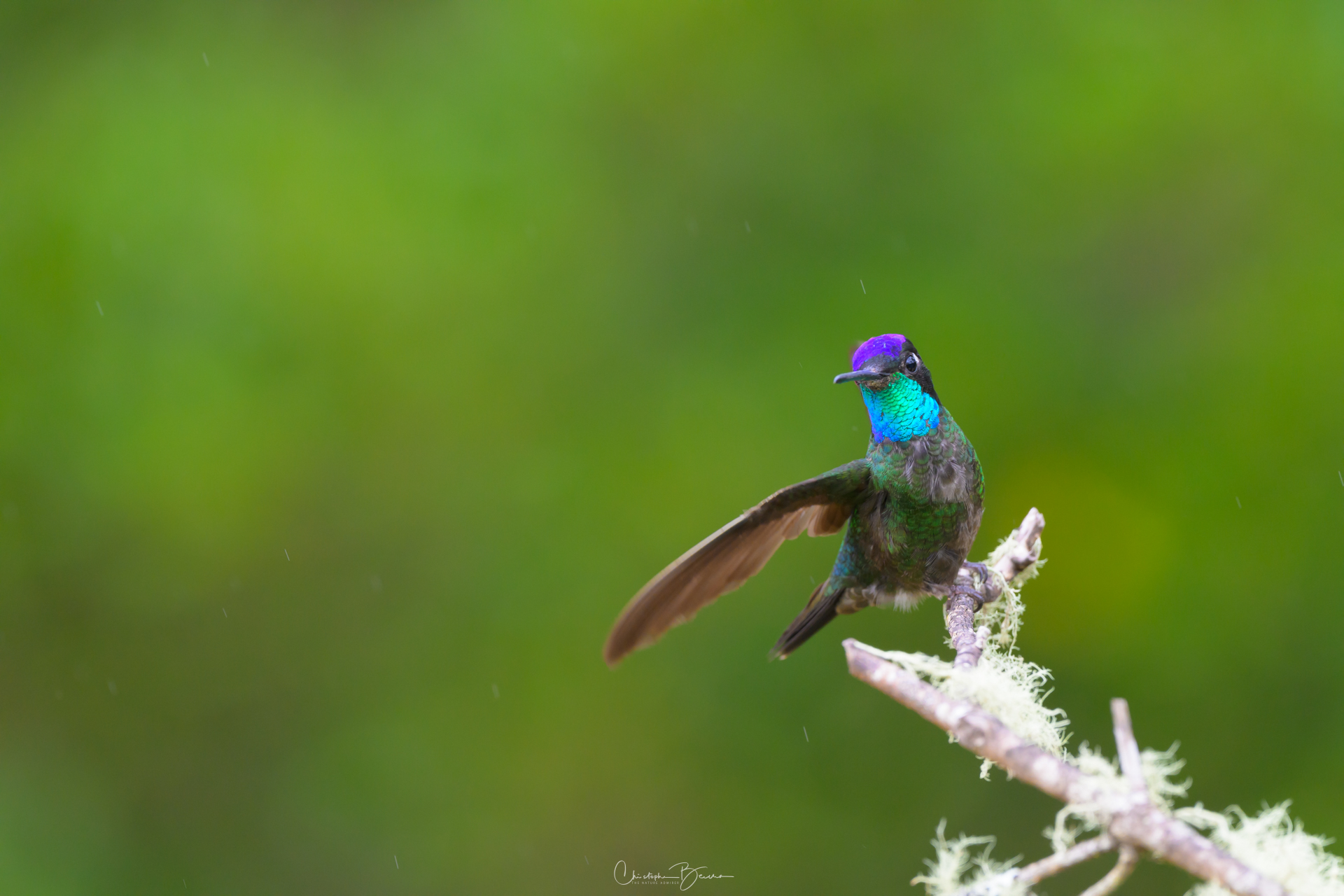
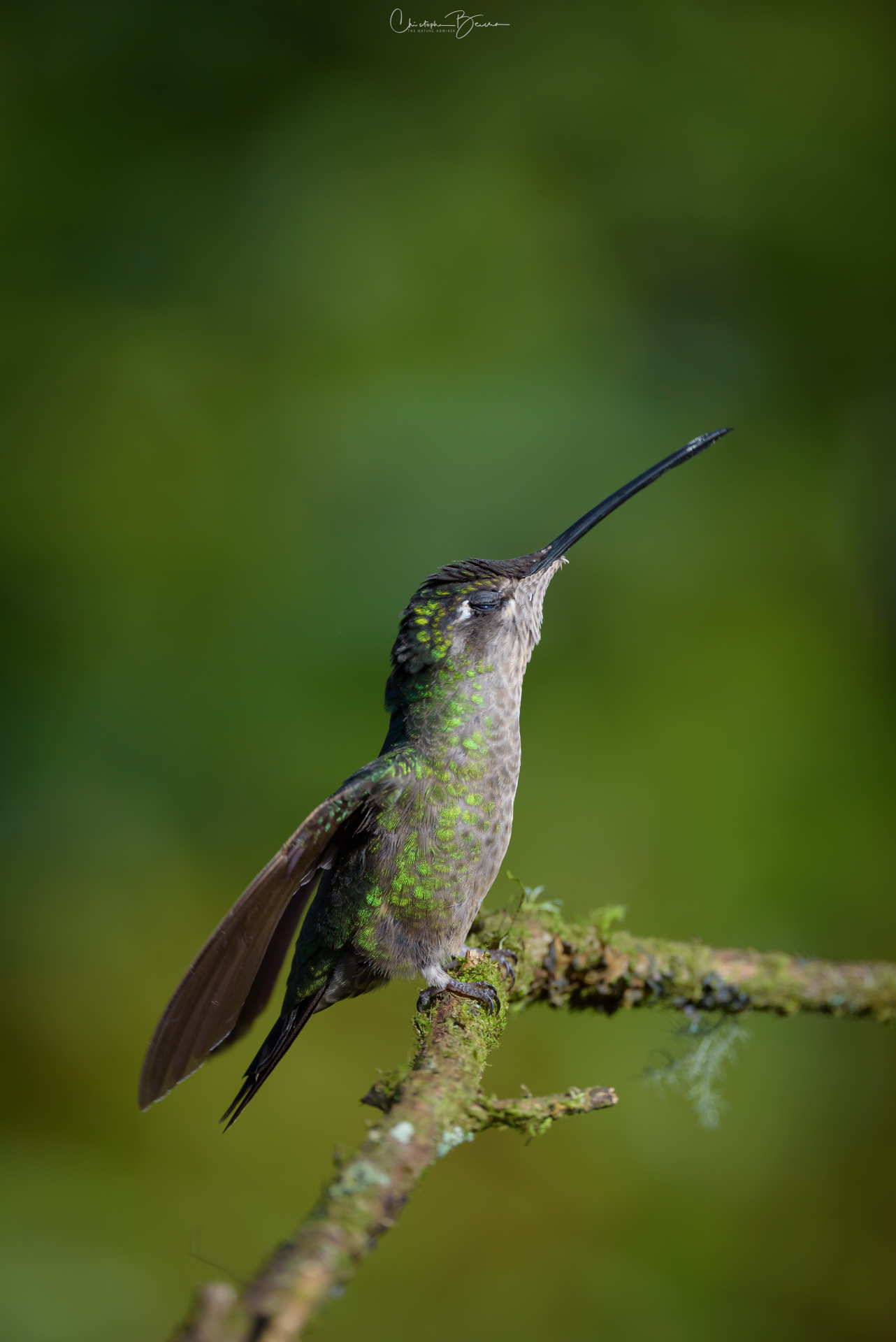
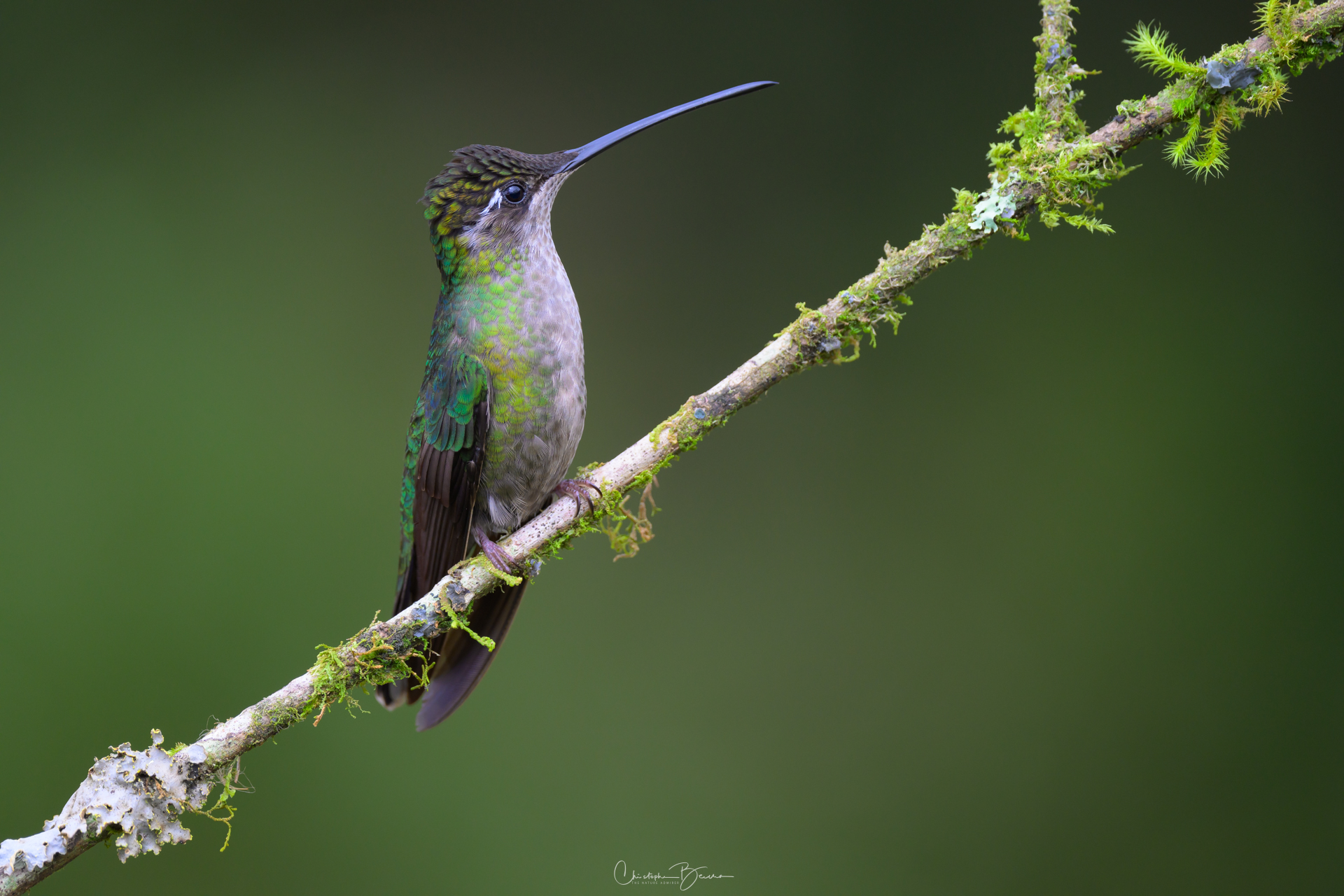
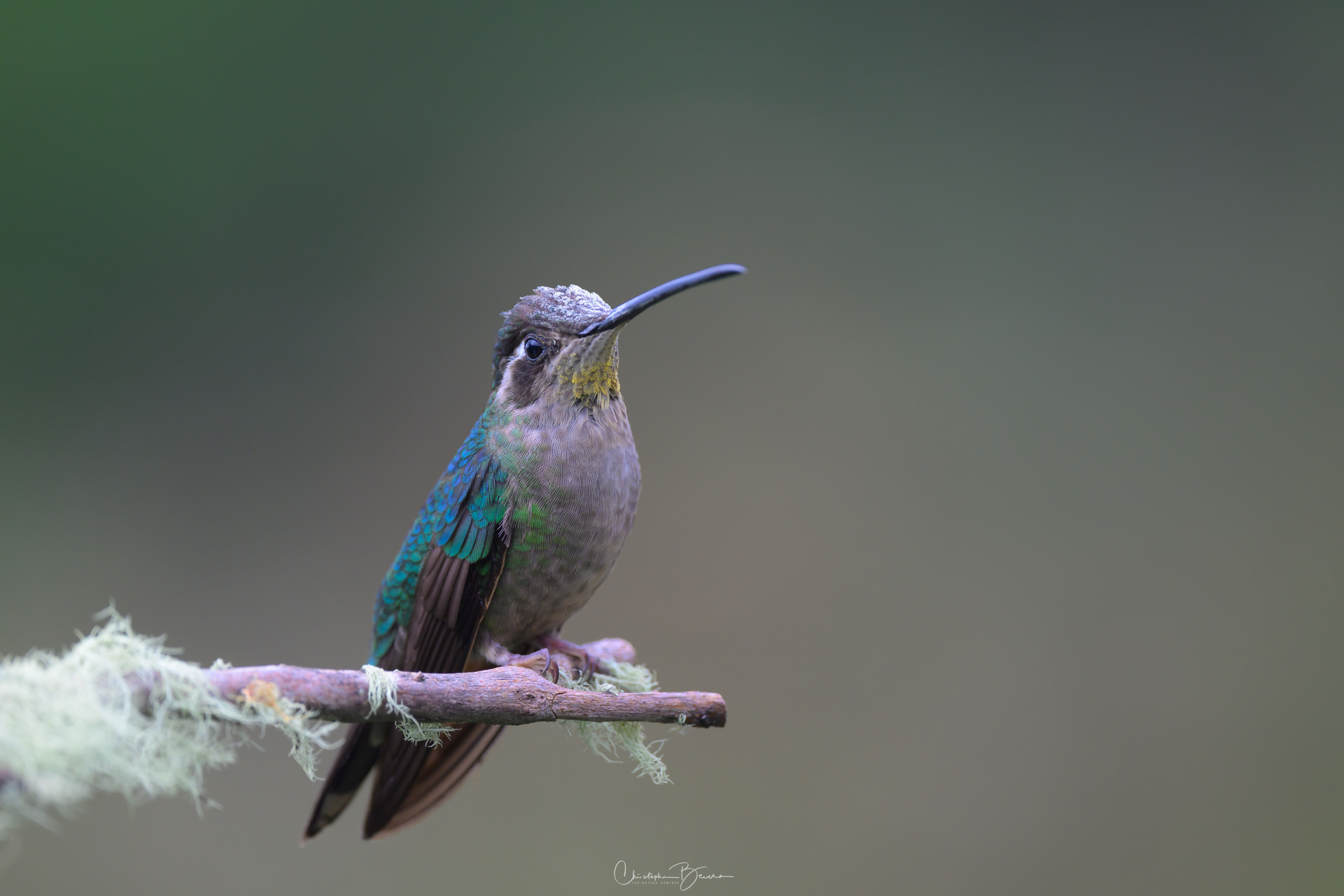
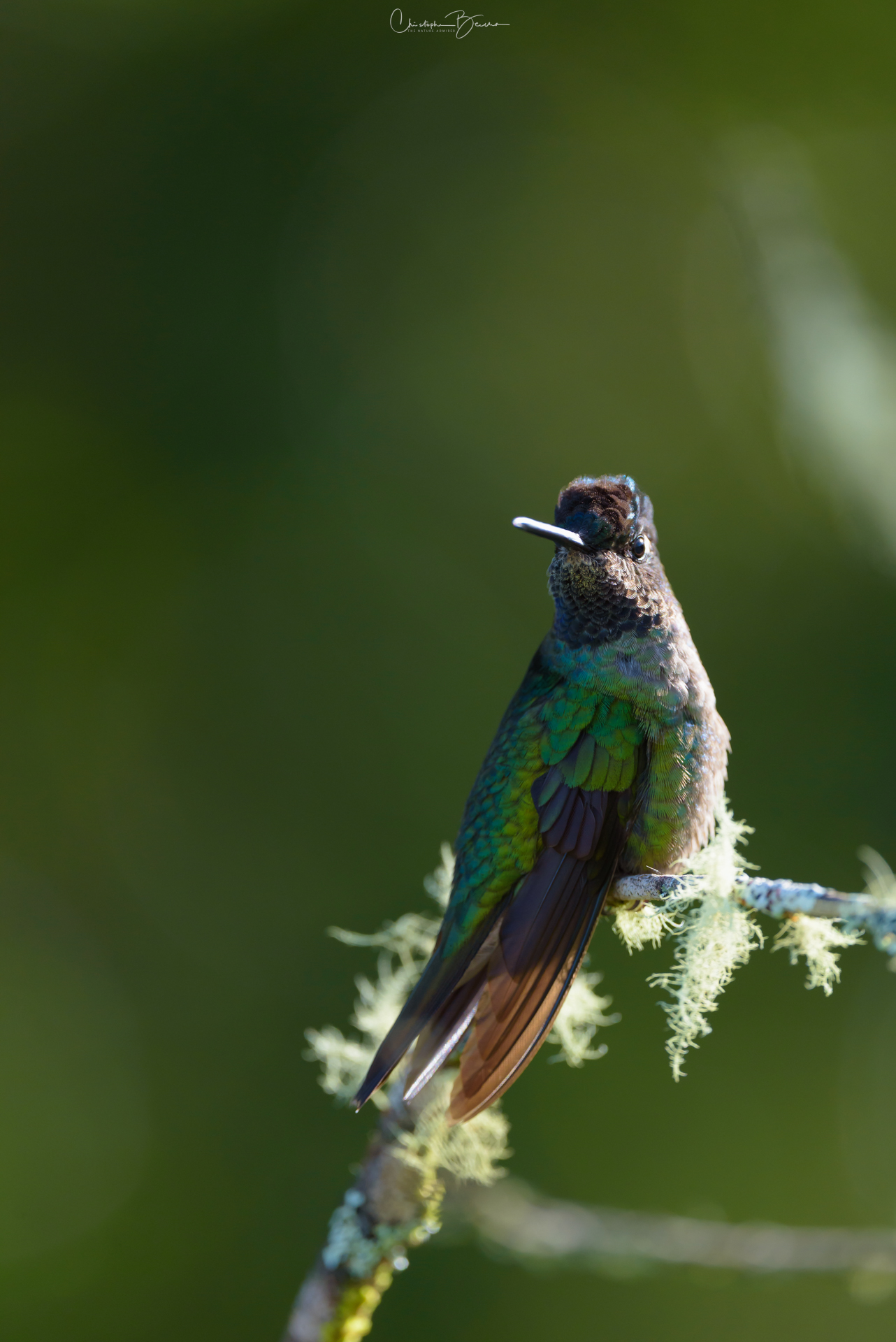
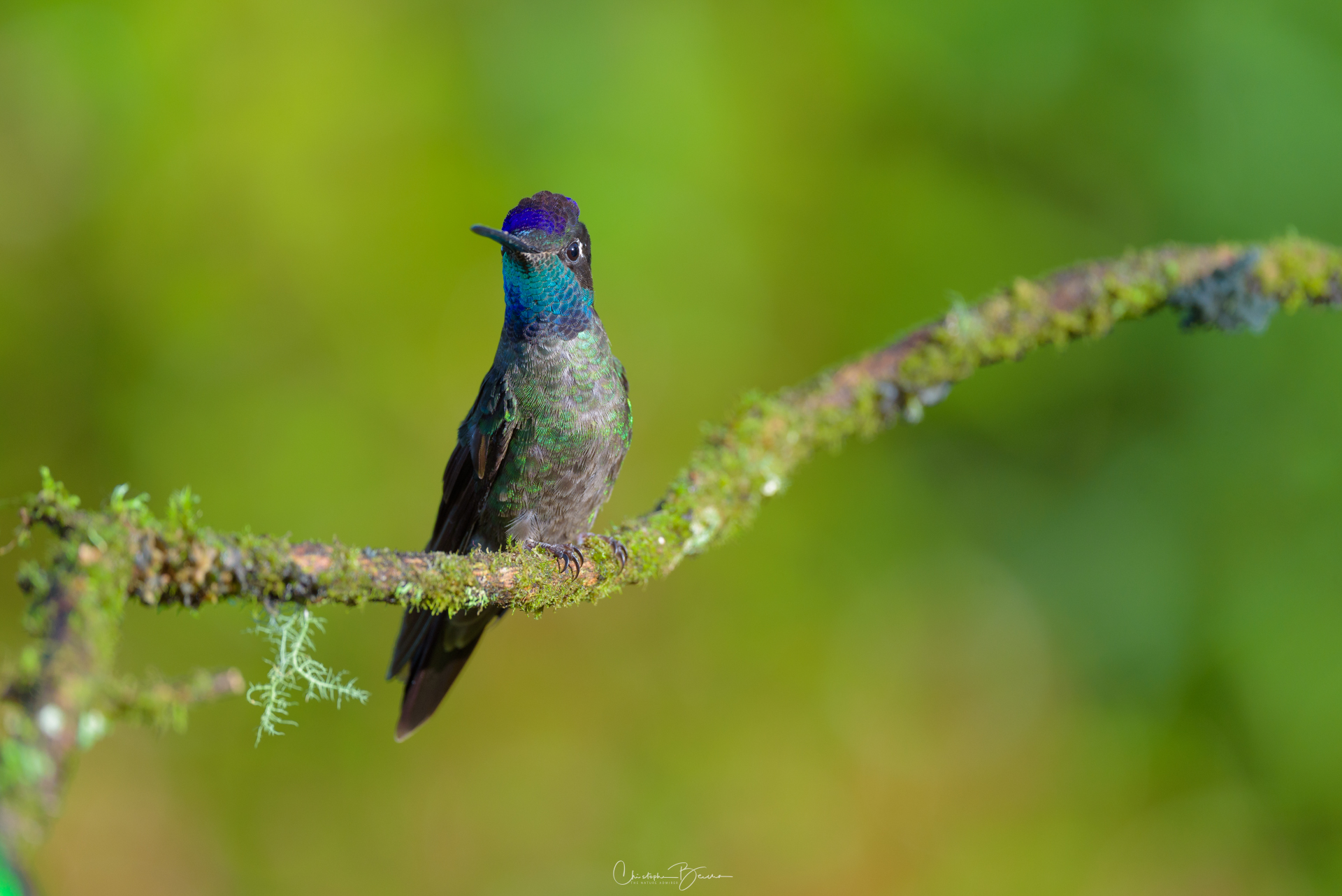
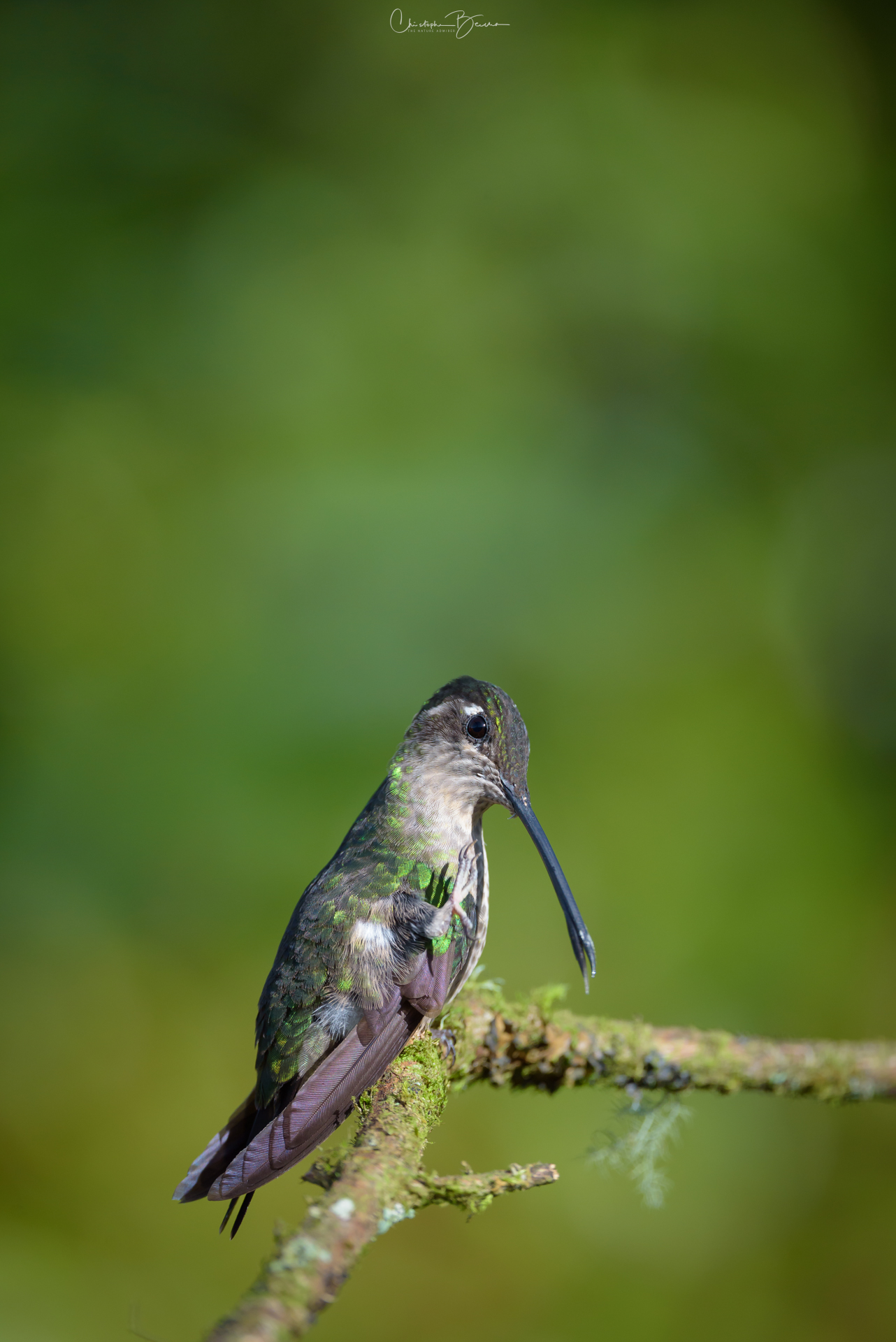
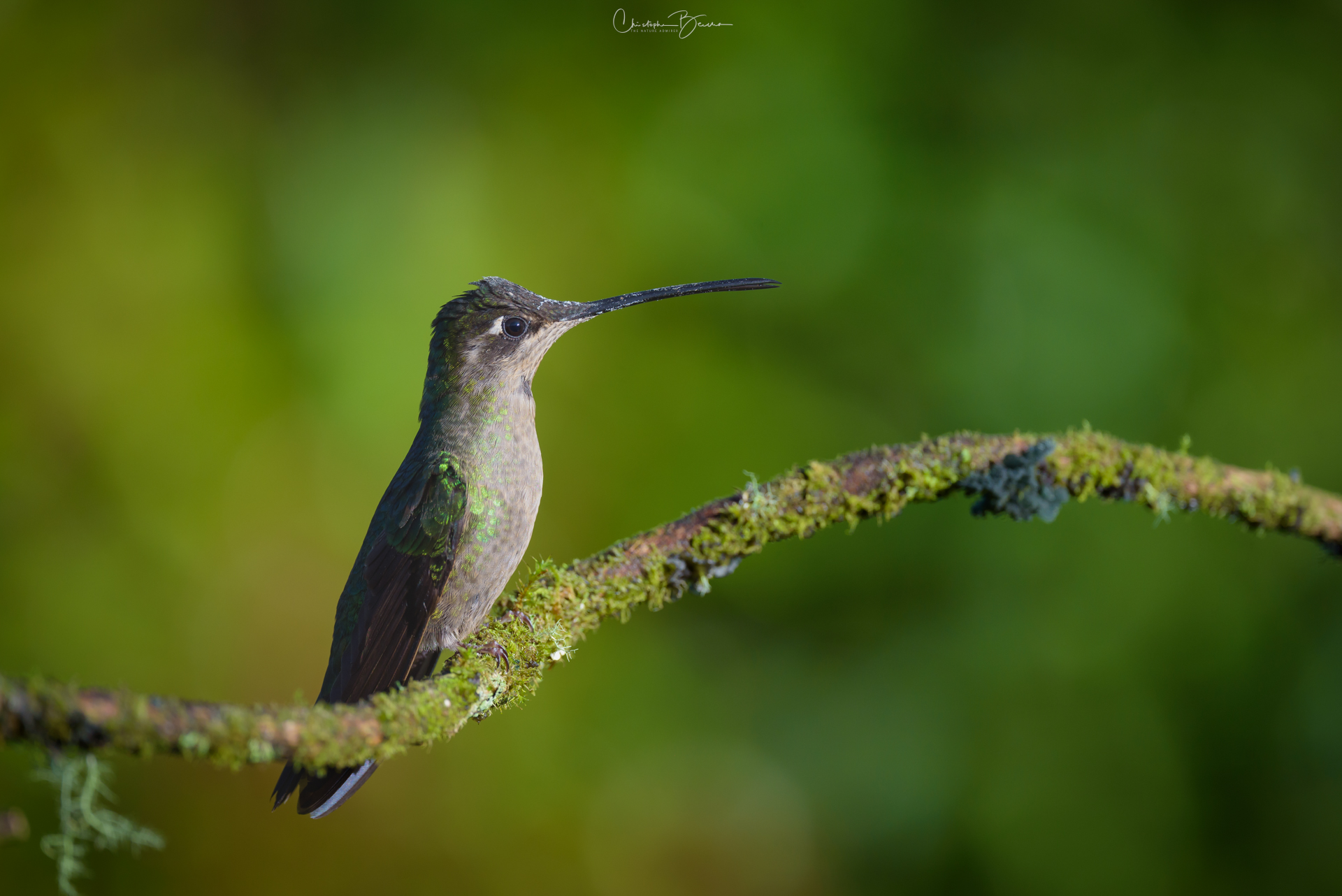
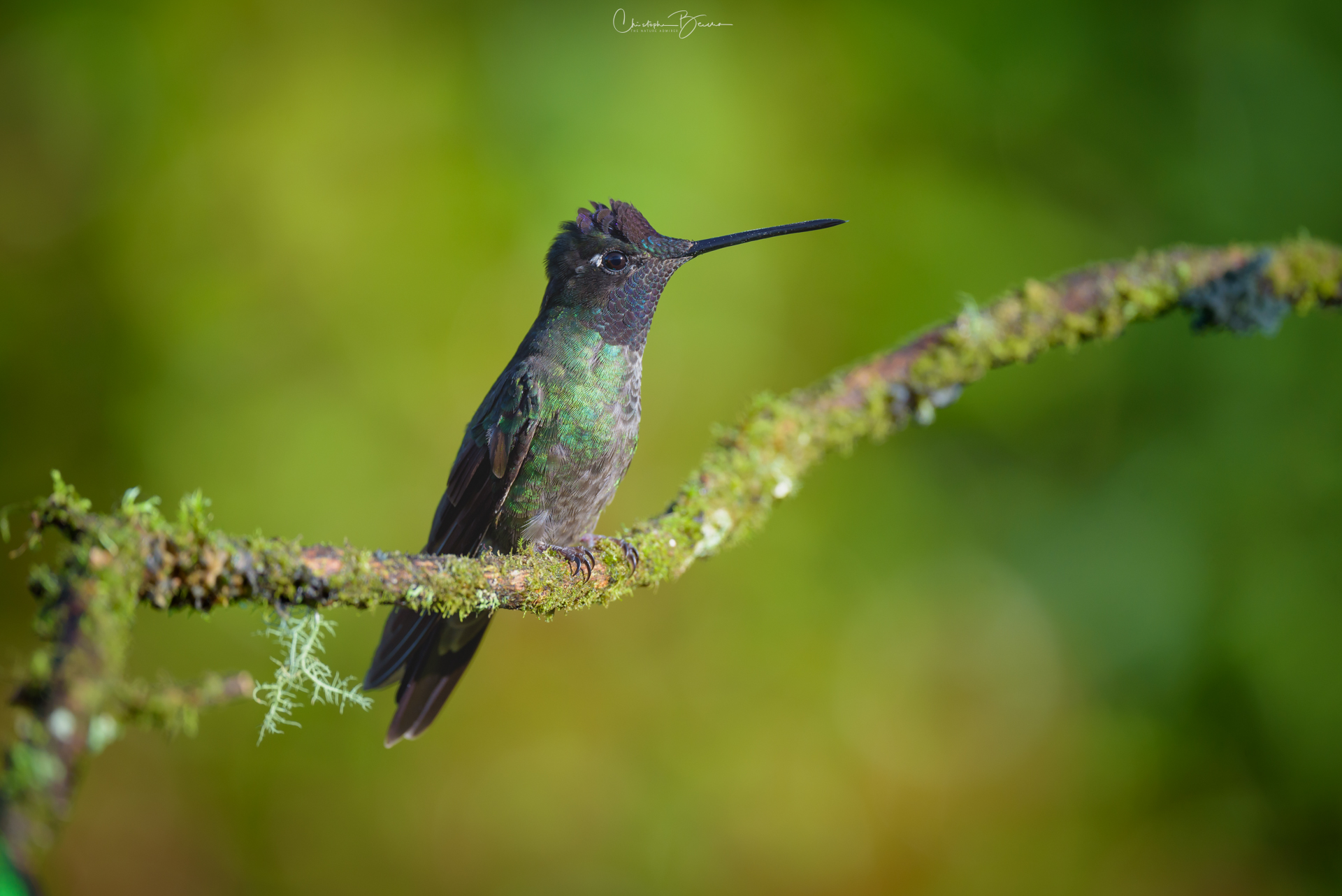
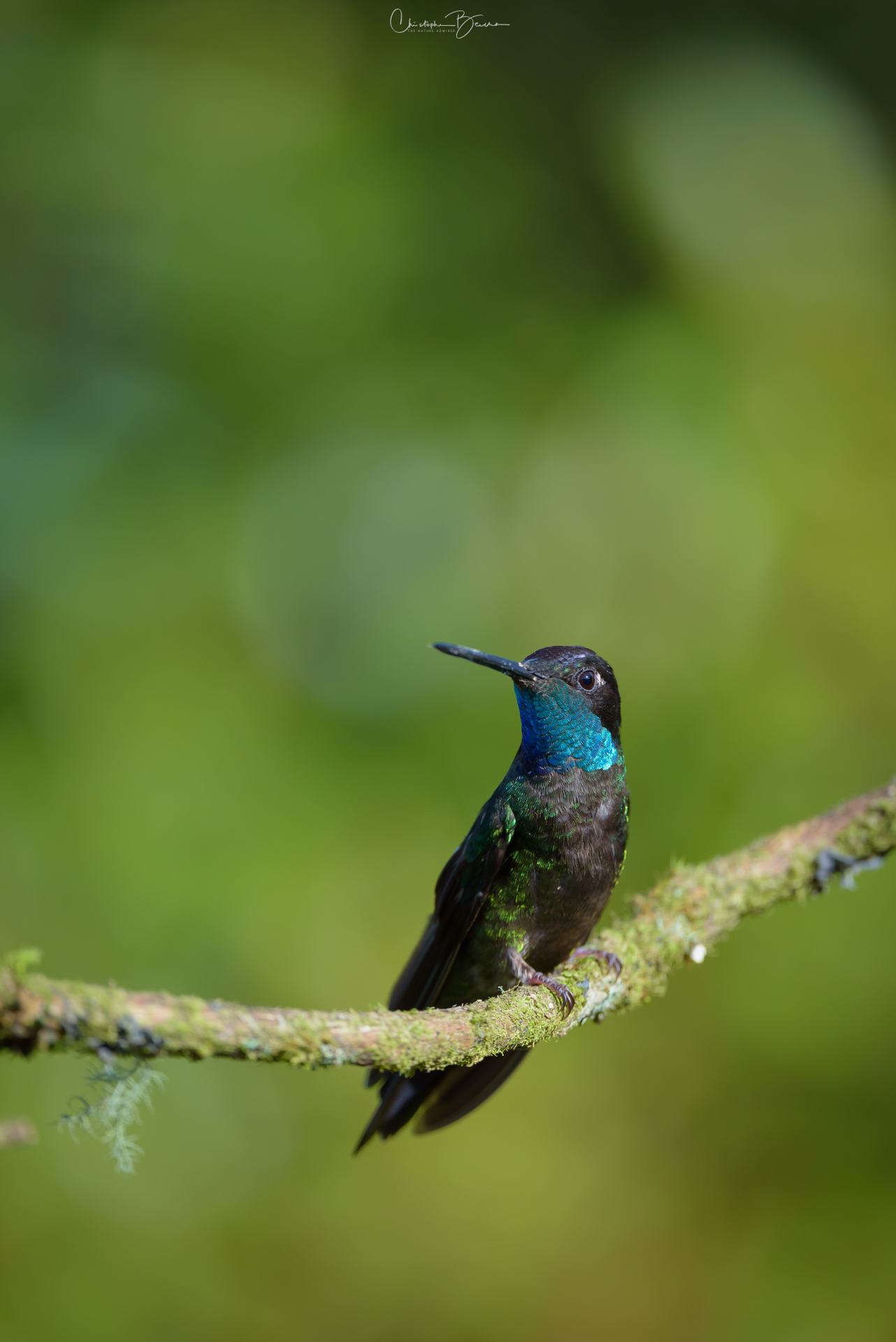
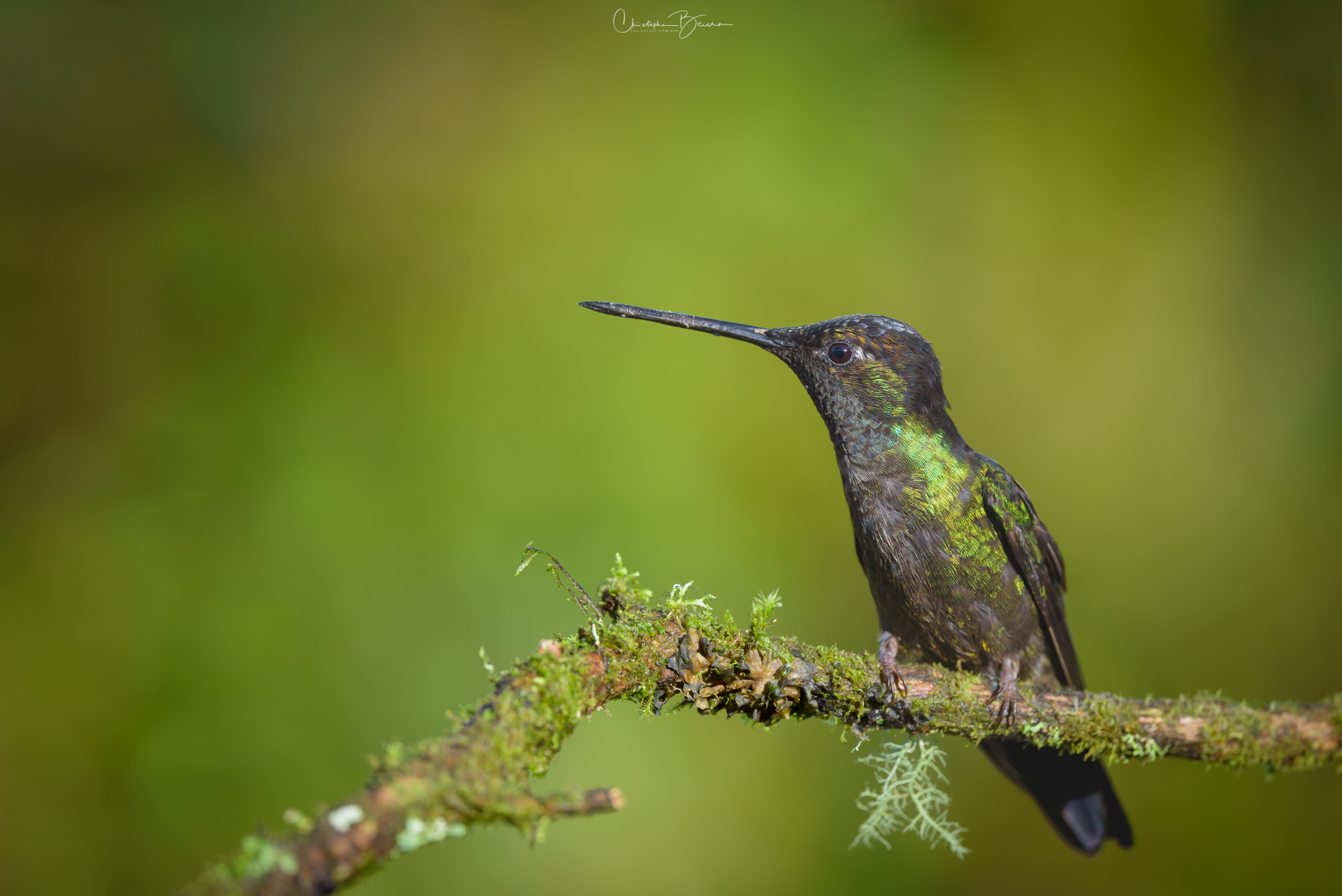
The Talamanca Hummingbird is pretty similar to the Fiery-throated Hummingbird and both inhabits similar environments, in the highlands of Costa Rica. The female has gray underparts, which makes it easier to identify against the Fiery-throated. The male is glittering green in the upperside, with iridescent throat and head that look black most of the time, but in certain angles reveal a deep turquoise-blue metallic color in the throat, and purplish-blue on the head.

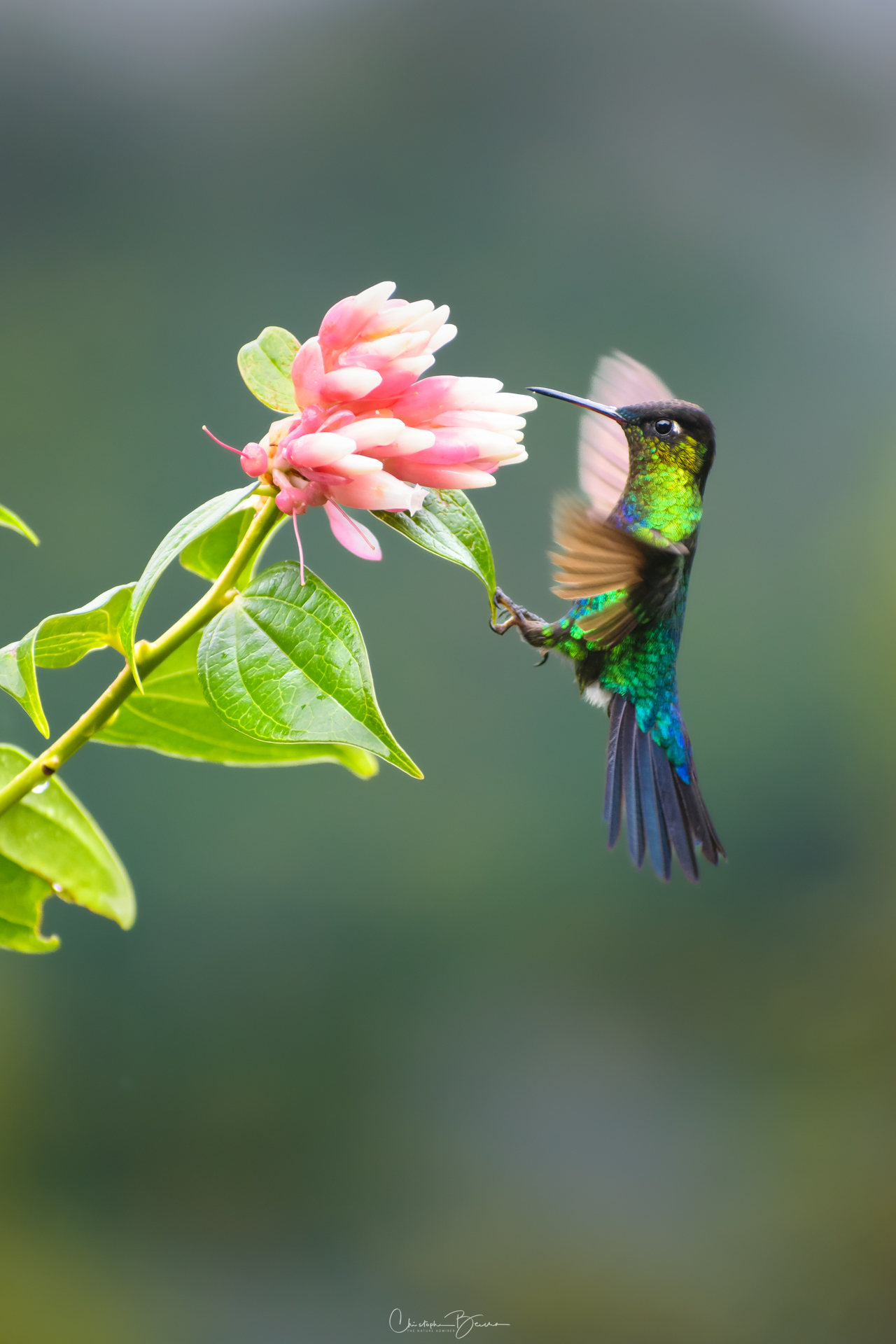
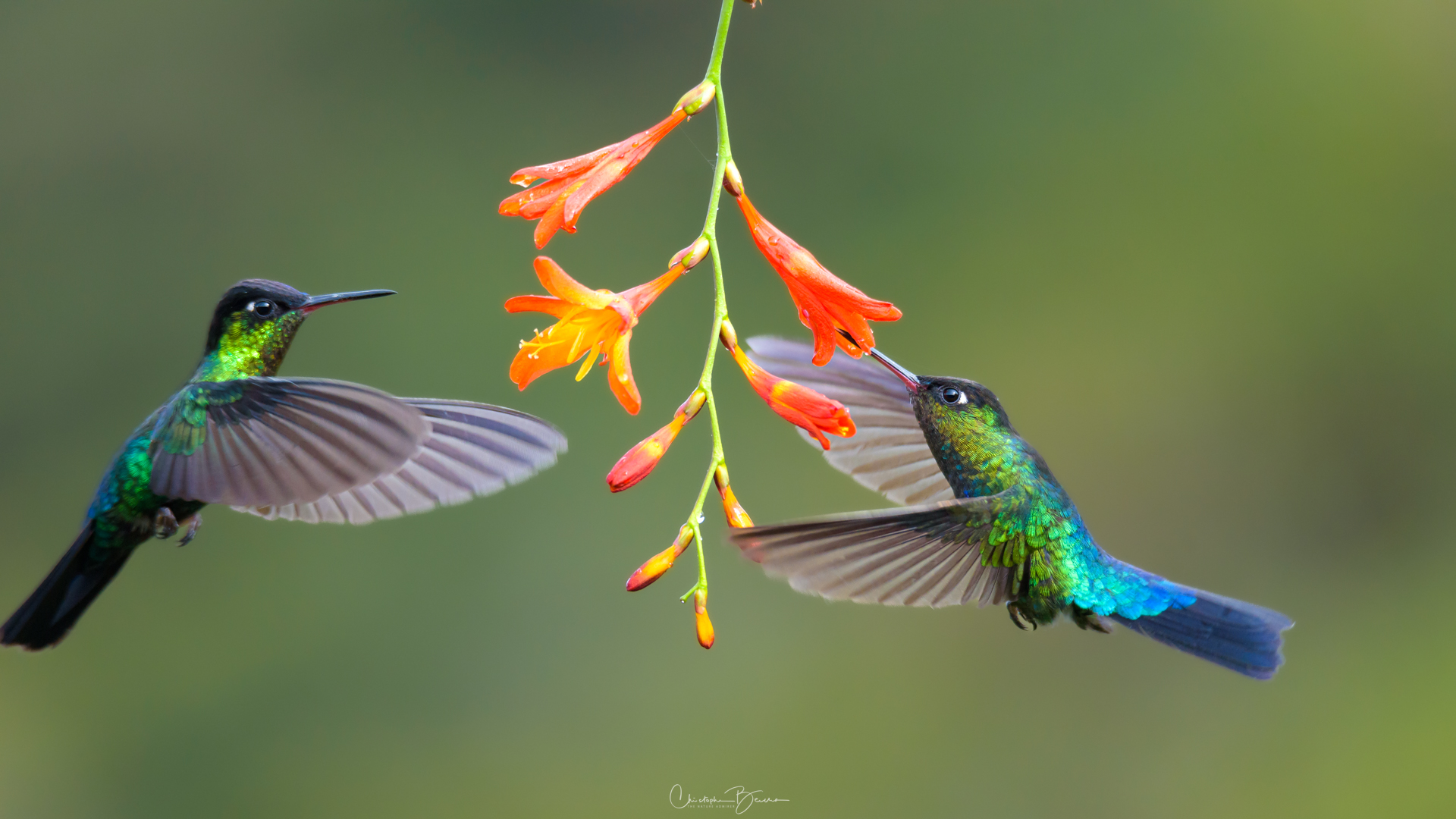
Fiery-throated Hummingbird (Panterpe insignis)

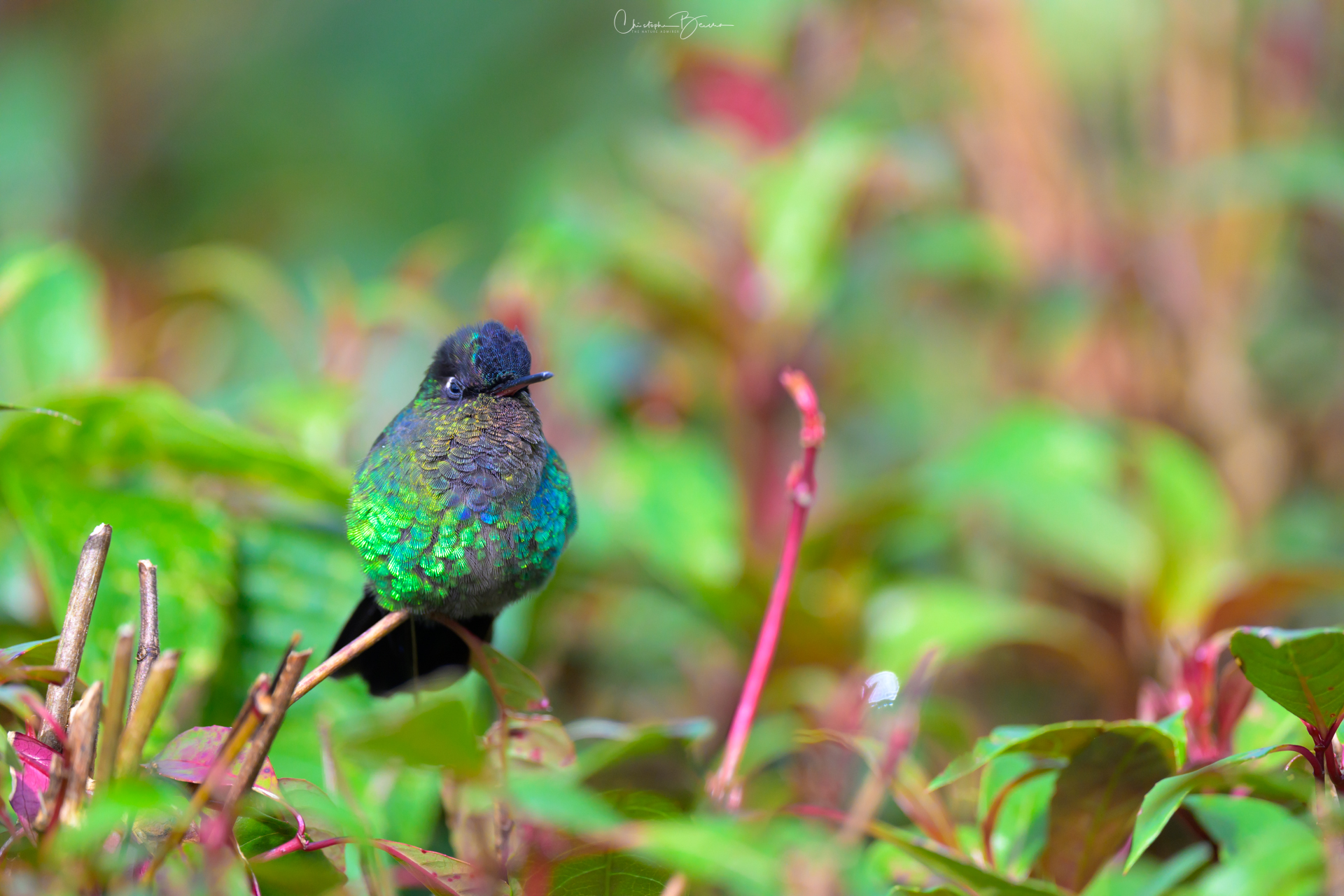
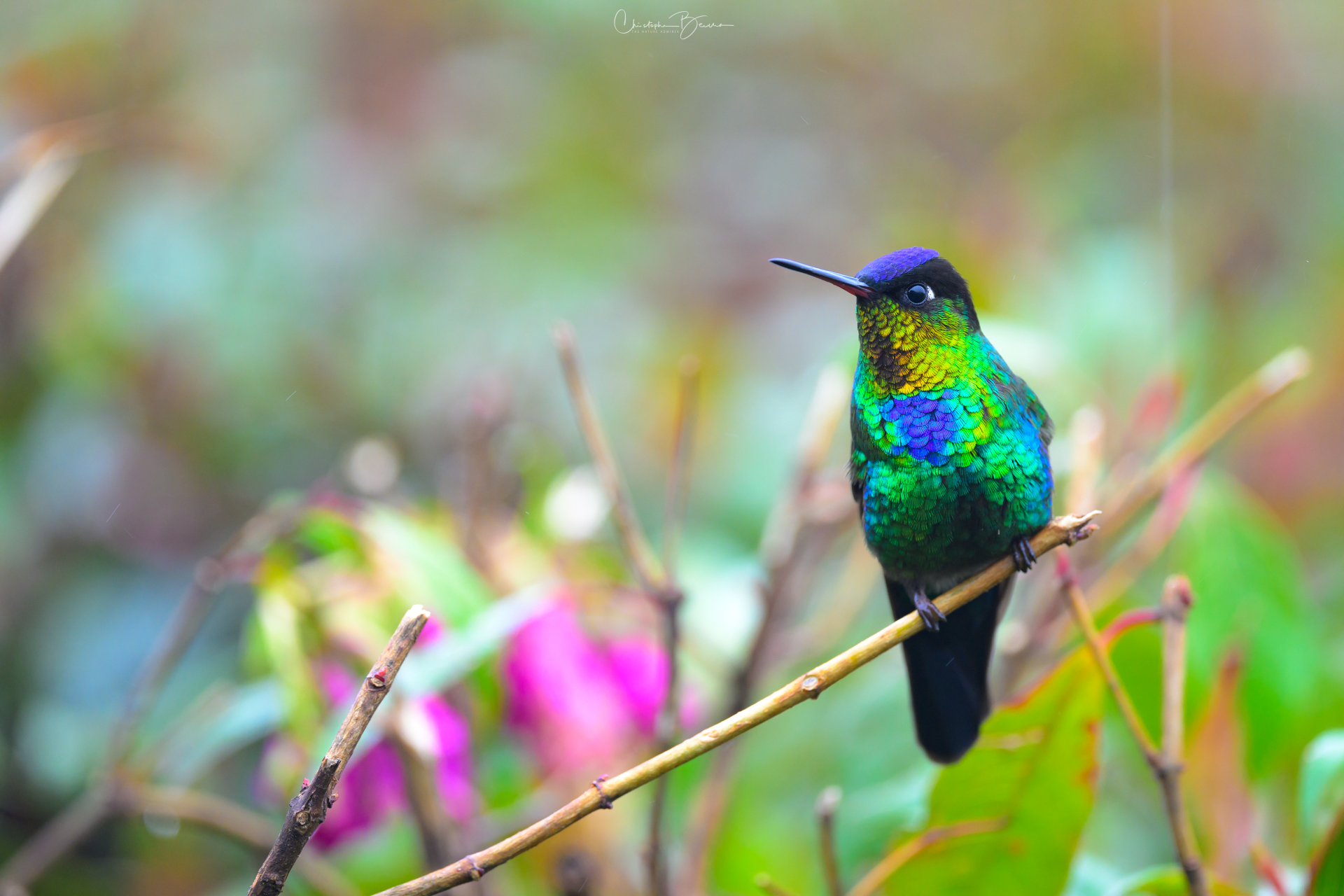
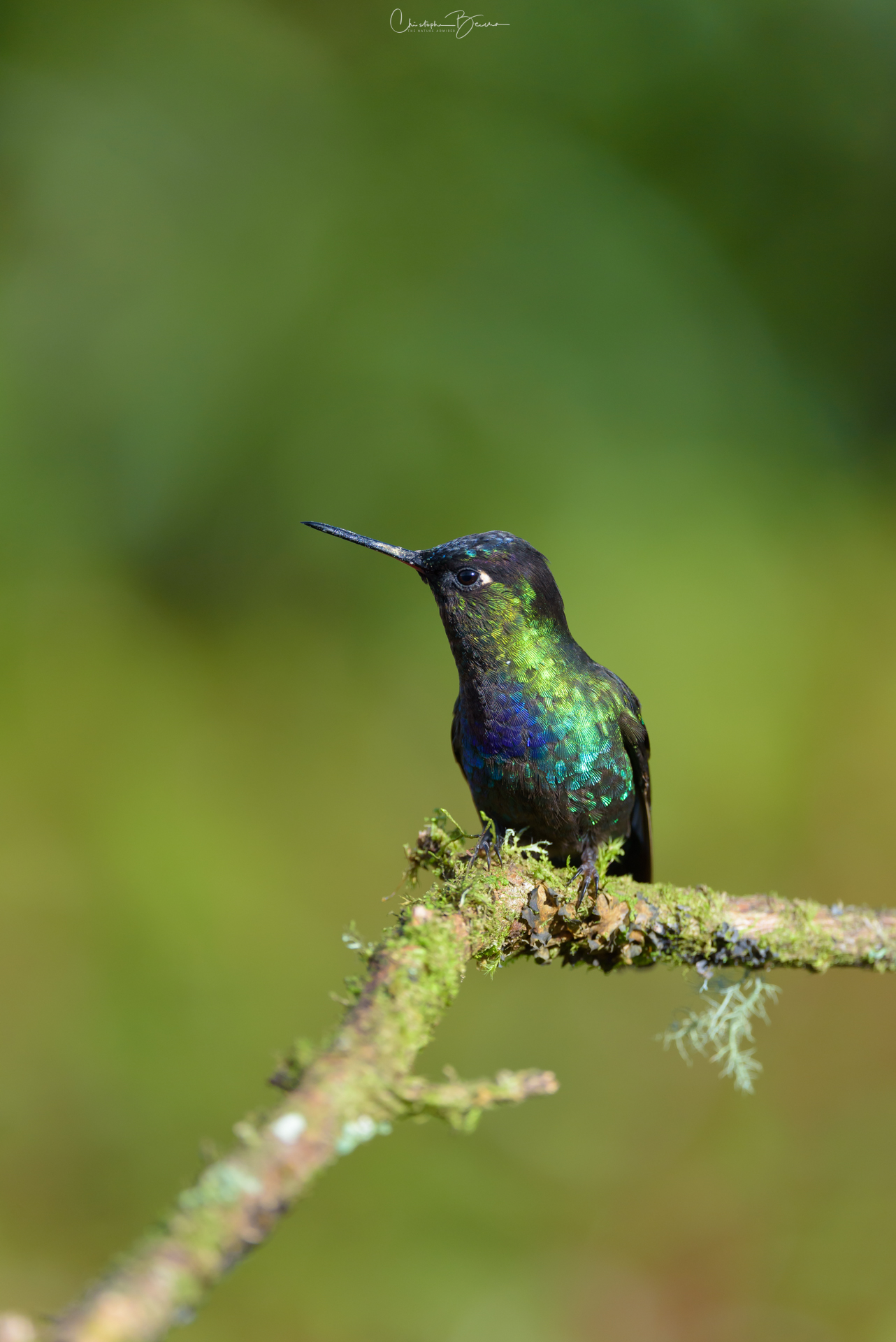
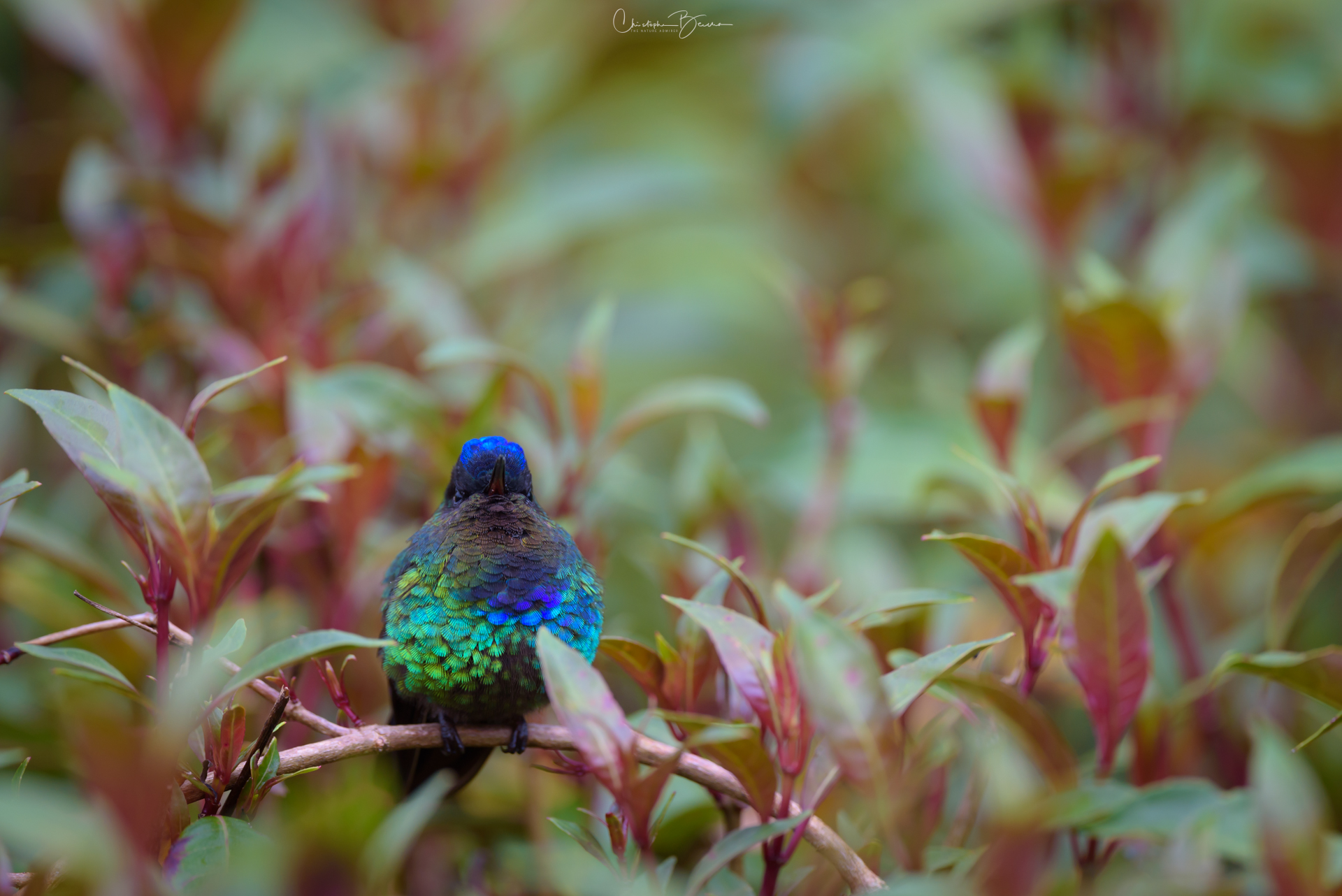
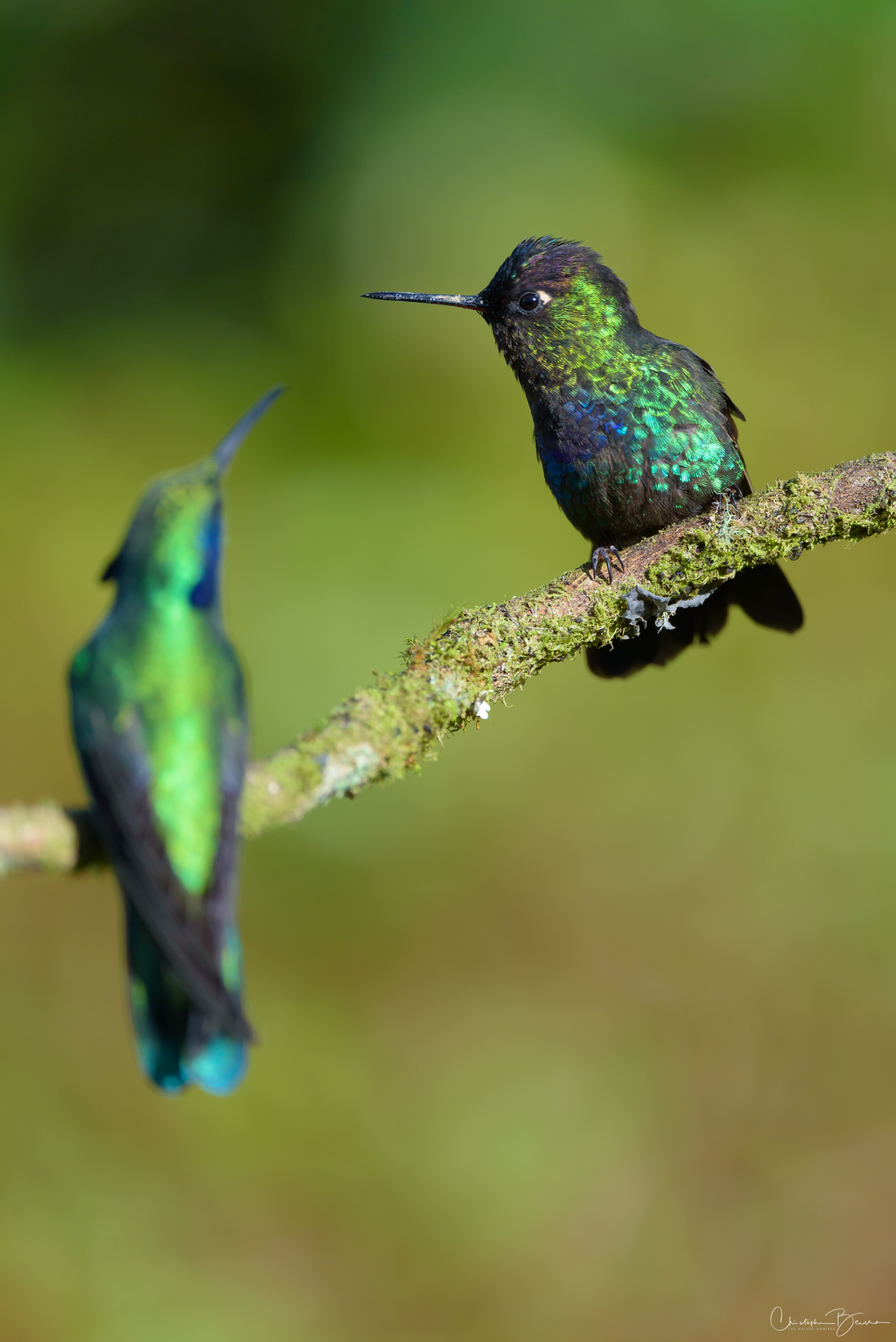
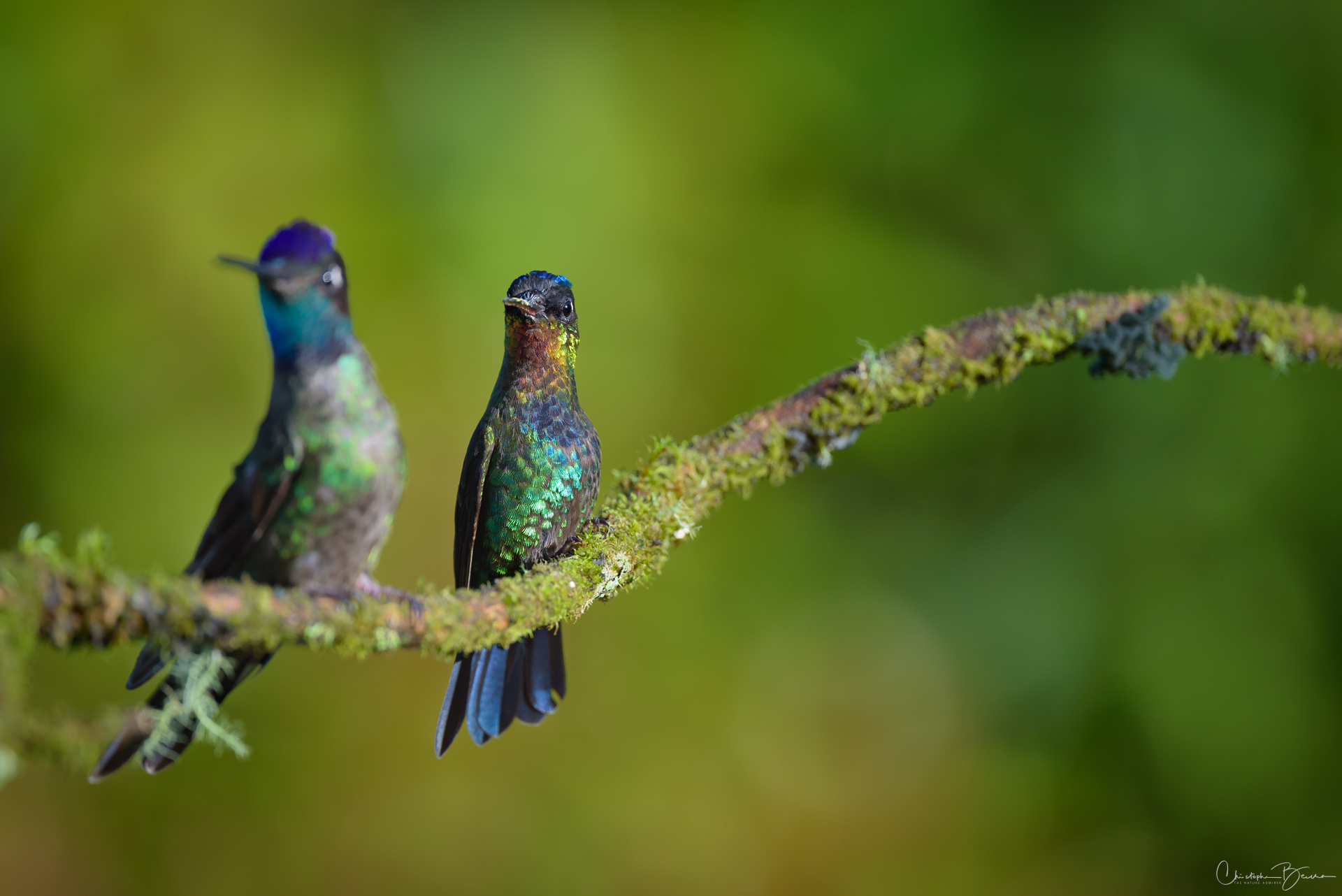
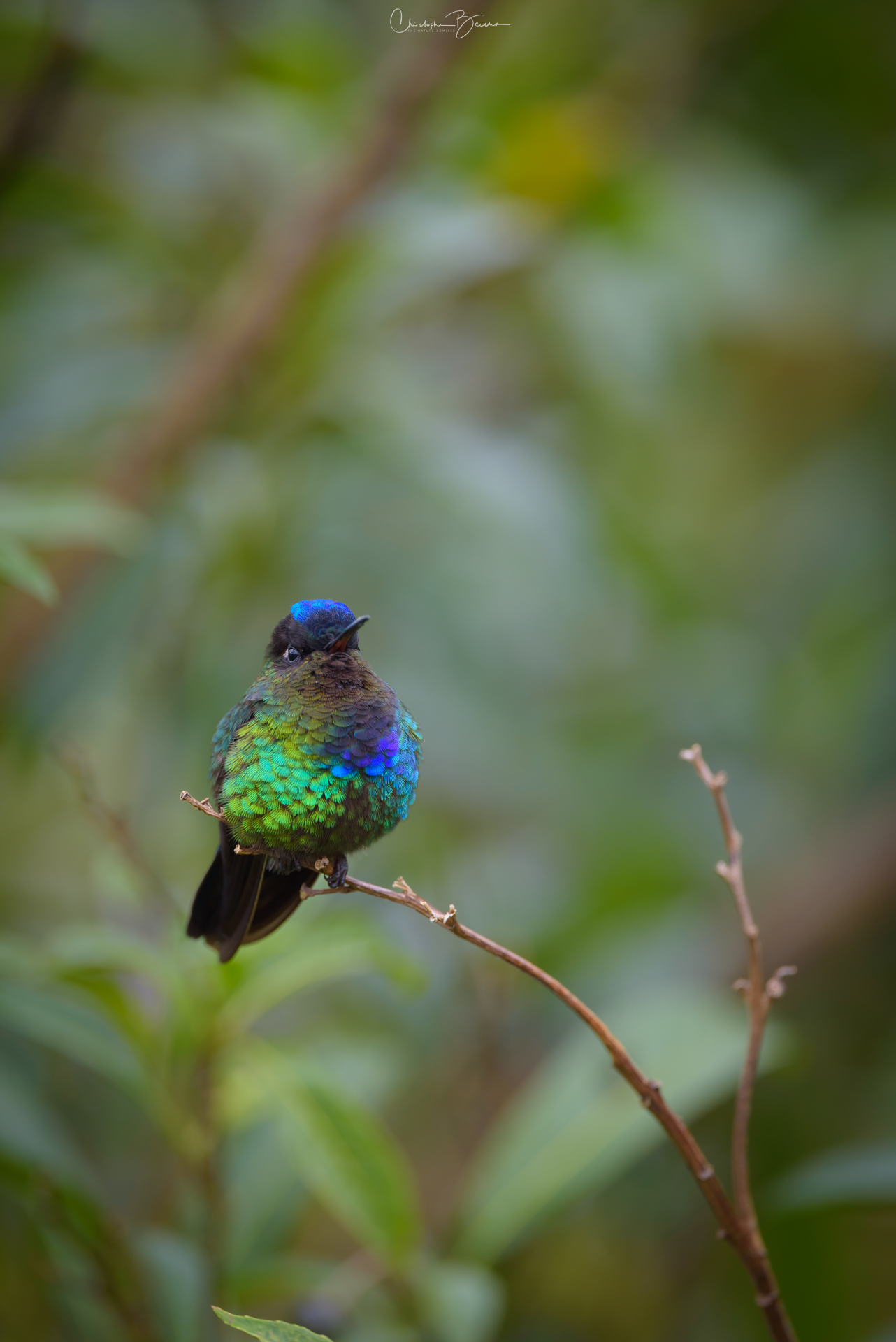
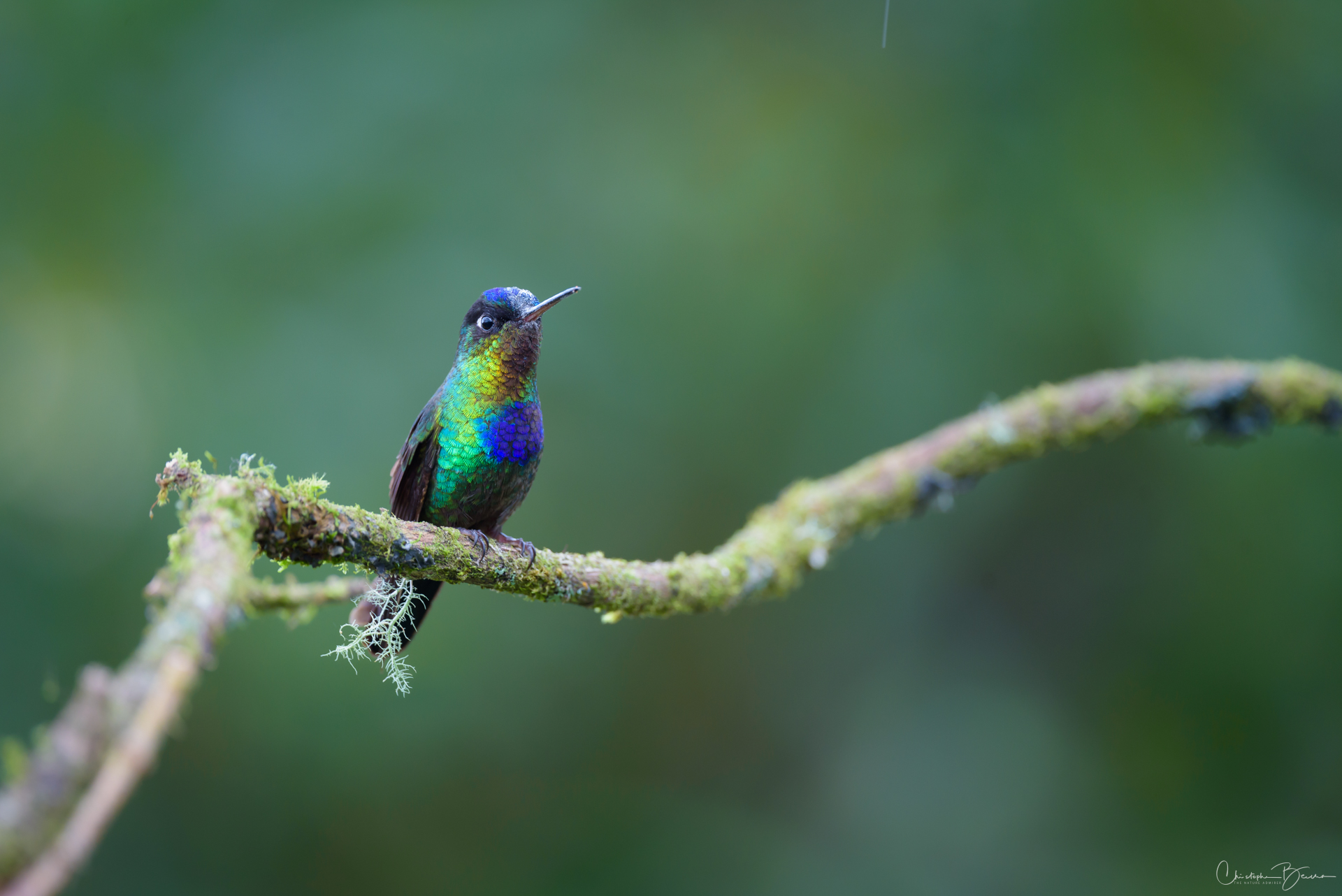
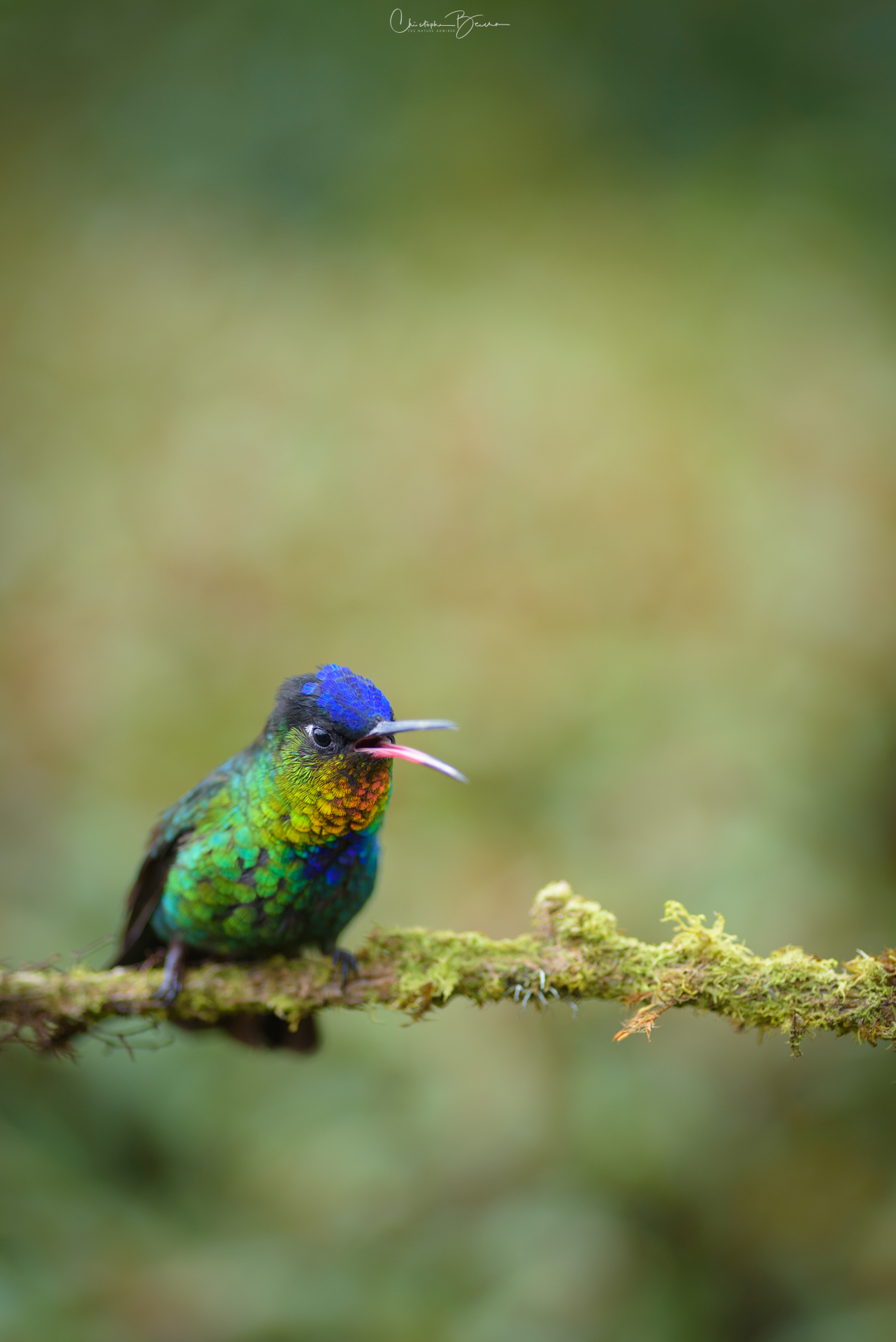
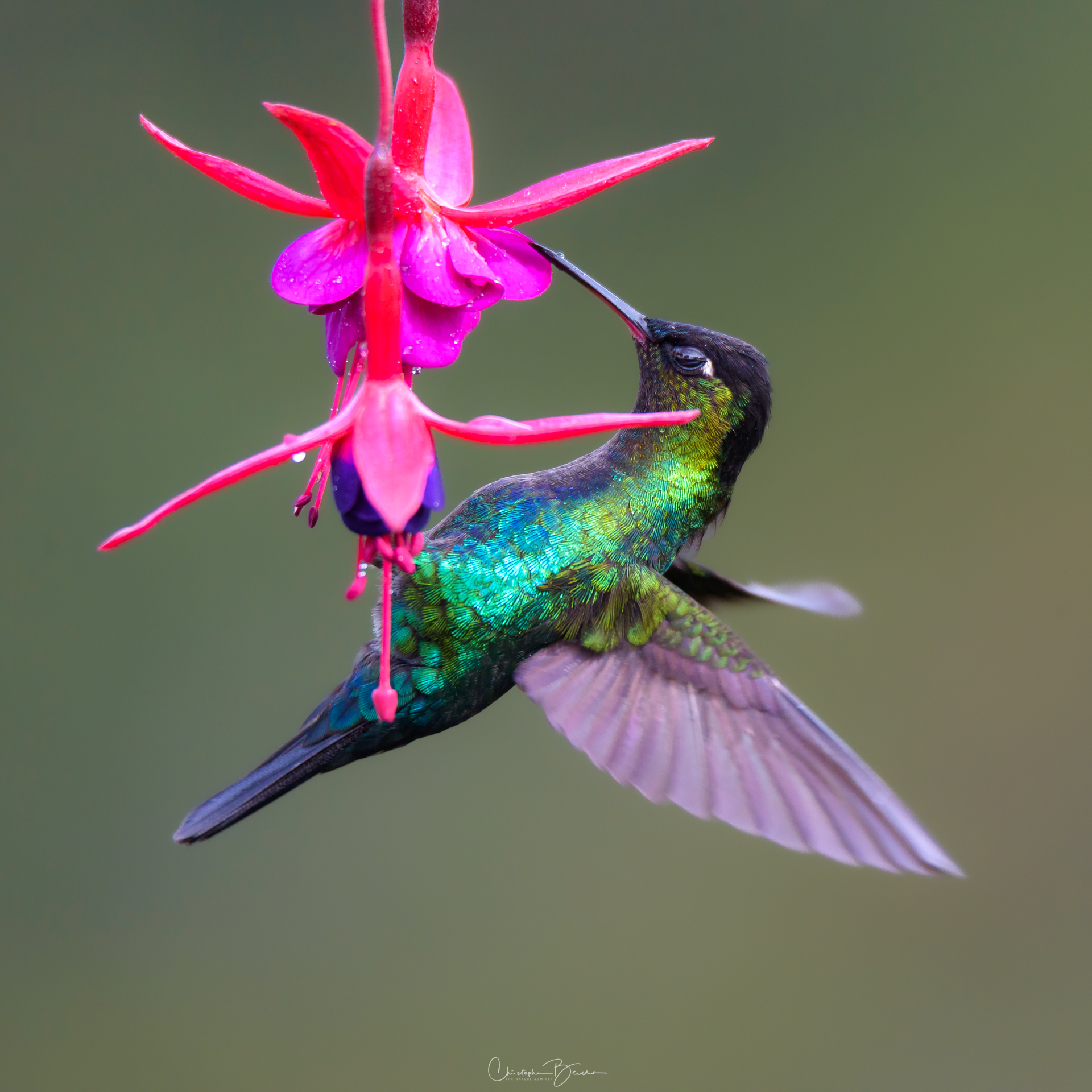
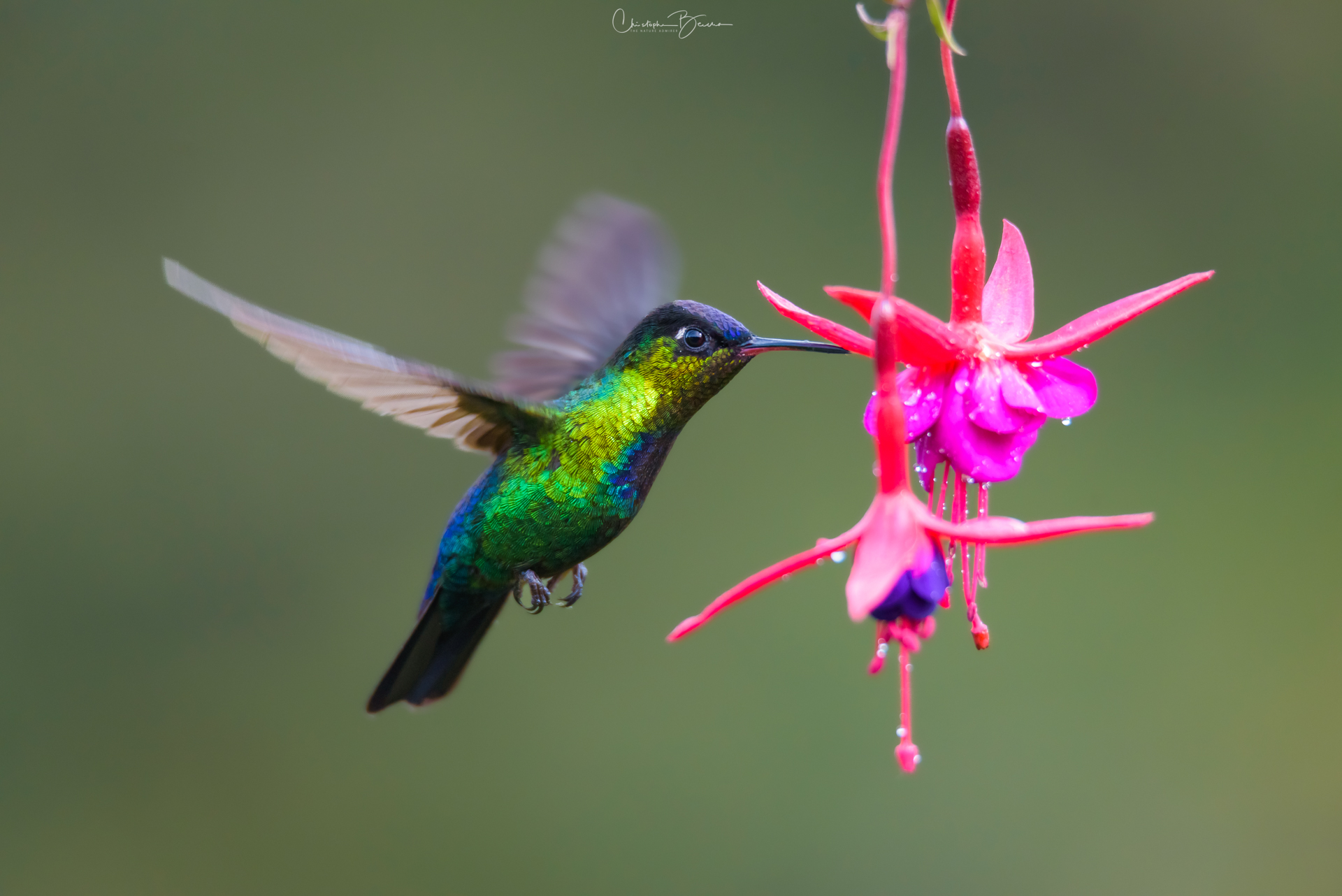
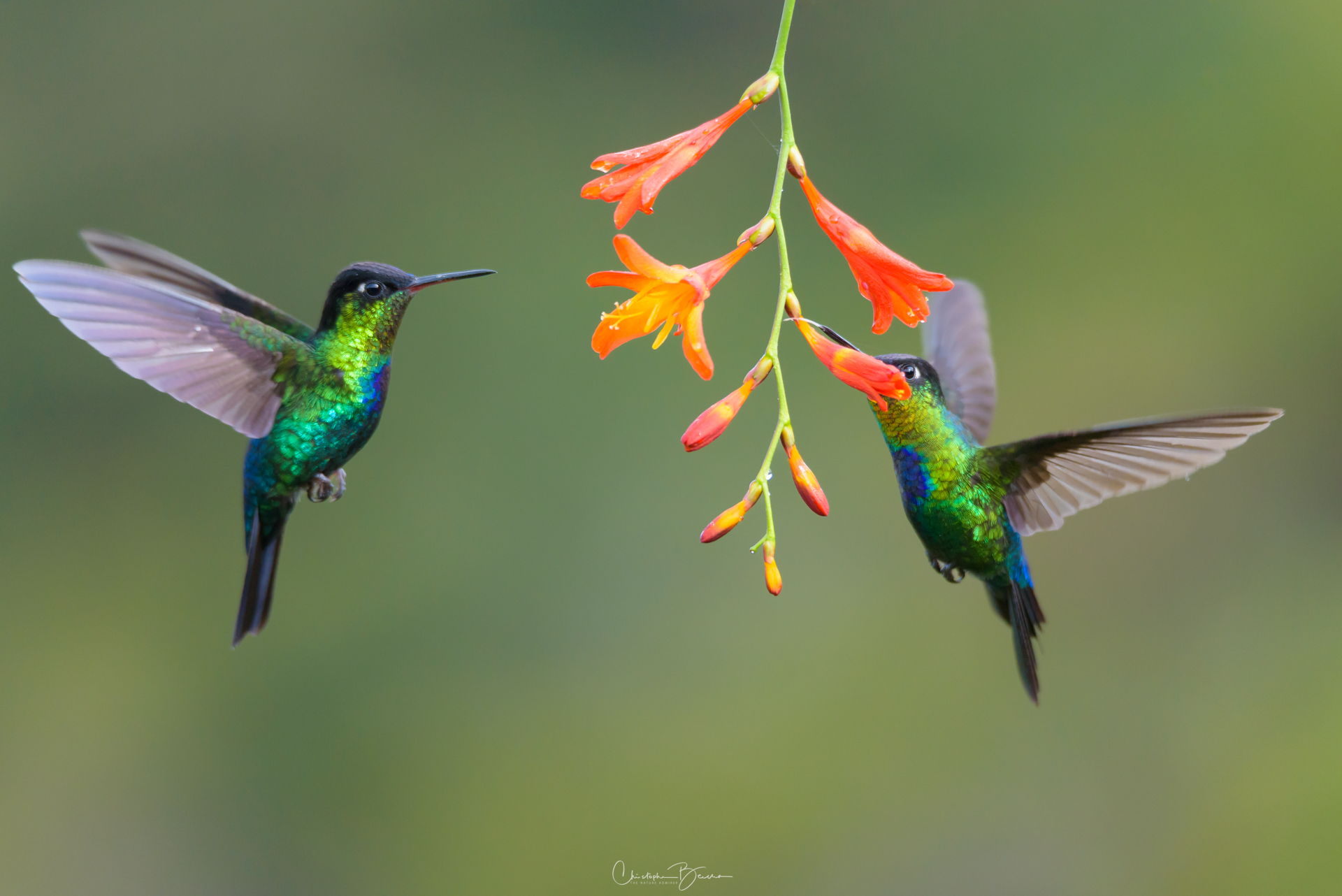
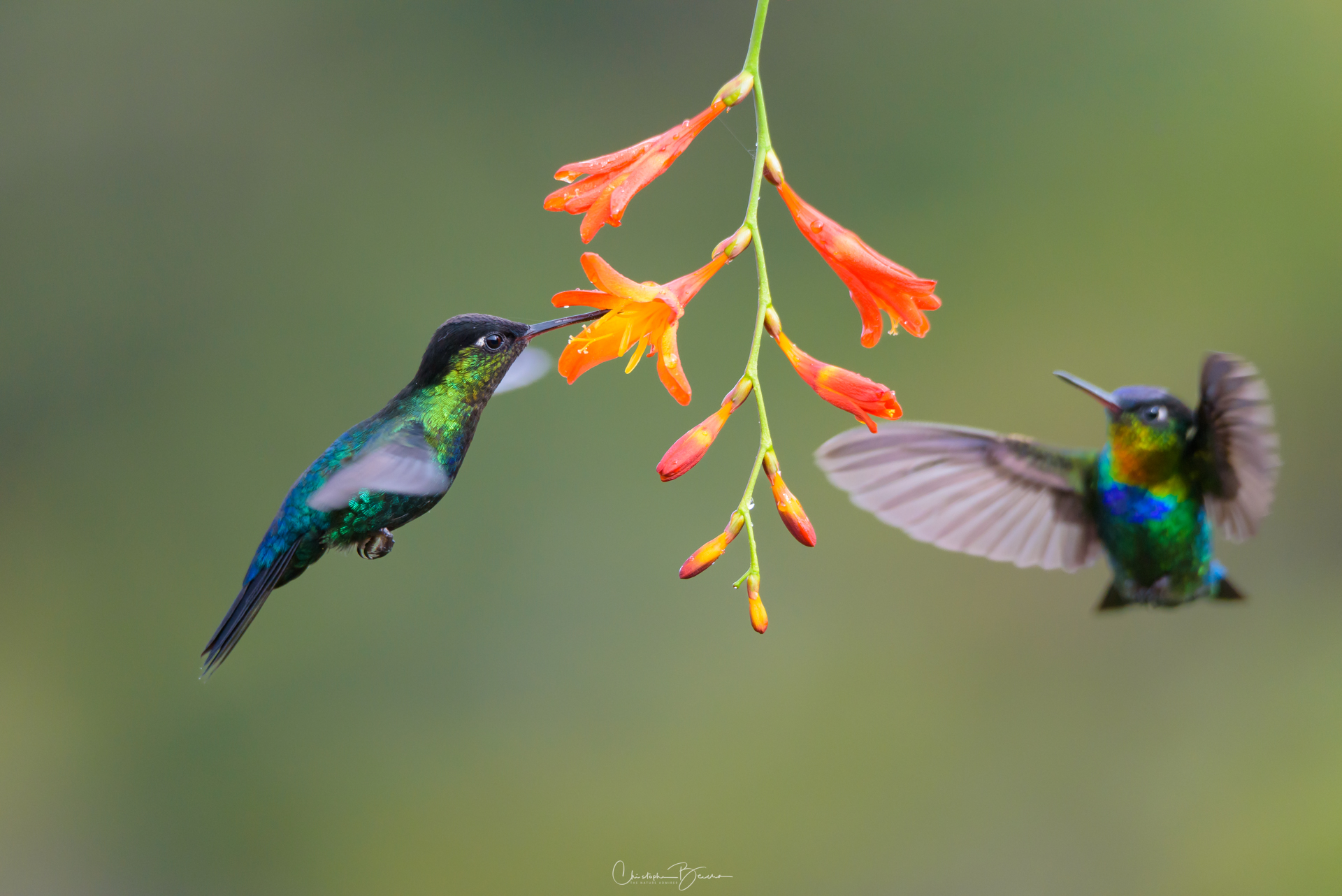
As is usual in Hummingbirds, the Fiery-throated Hummingbird shows iridescence in its plumage, by refracting light that hits in different angles and intensities. The result is a colorful plumage that changes with every so slight movement, and in the case of the Fiery-throated, it transforms into a rainbow of color. The challenge for any photographer is to obtain a picture of this active bird with the glowing yellow-red throat and blue chest. Getting that in-flight with natural light as the hummer approaches a flower with acrobatic movements is a matter of luck. To beat the odds, it is recommended to visit places like Paraiso Quetzal Lodge in Cerro de la Muerte, where these hummingbirds are abundant and have become used to people being around with their cameras. At times you can see tens of these birds in garden; they will often fight with one another and pass over your head at high speed. Other times they will perch in an almost catatonic state, ideal for classic portrait pictures.

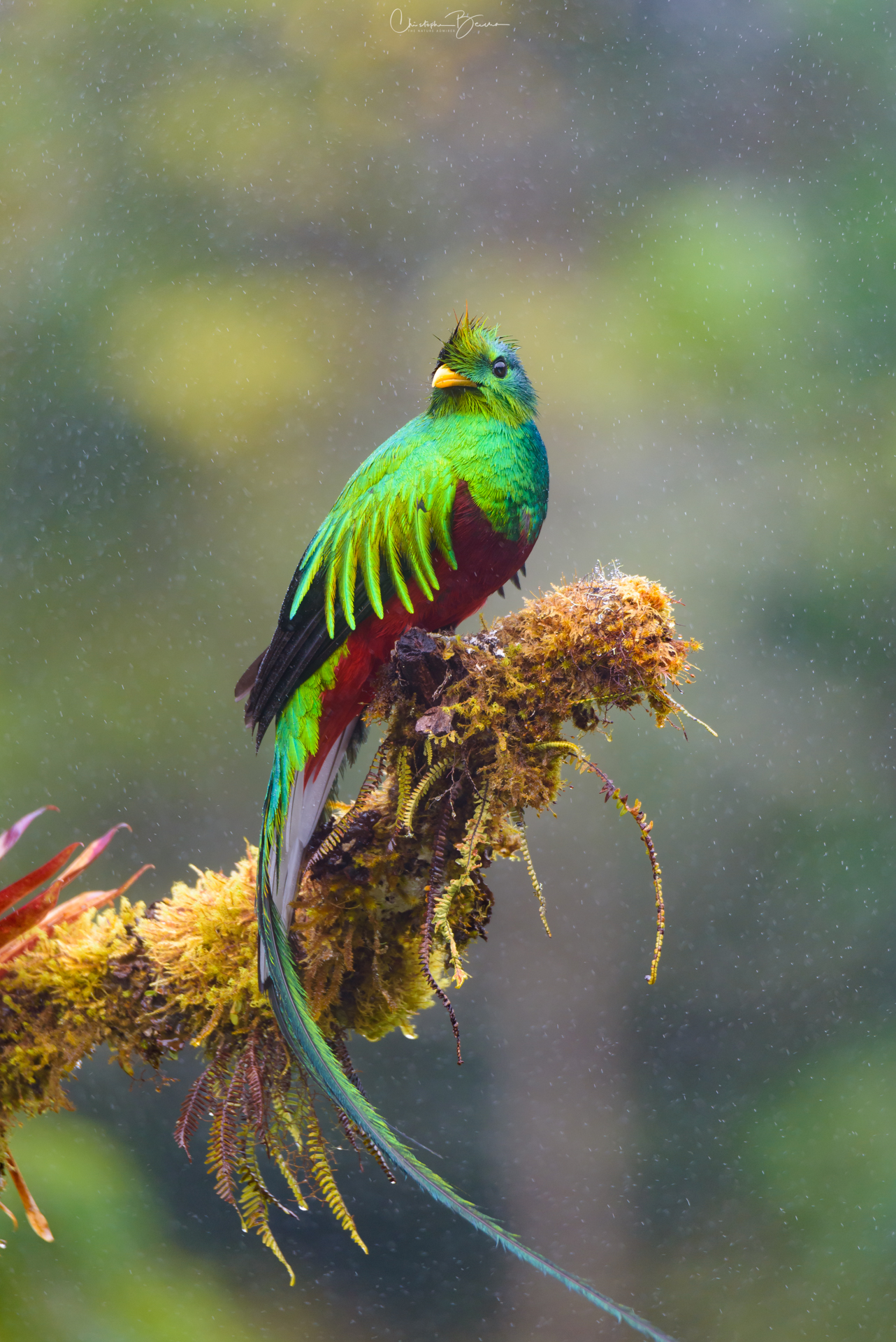
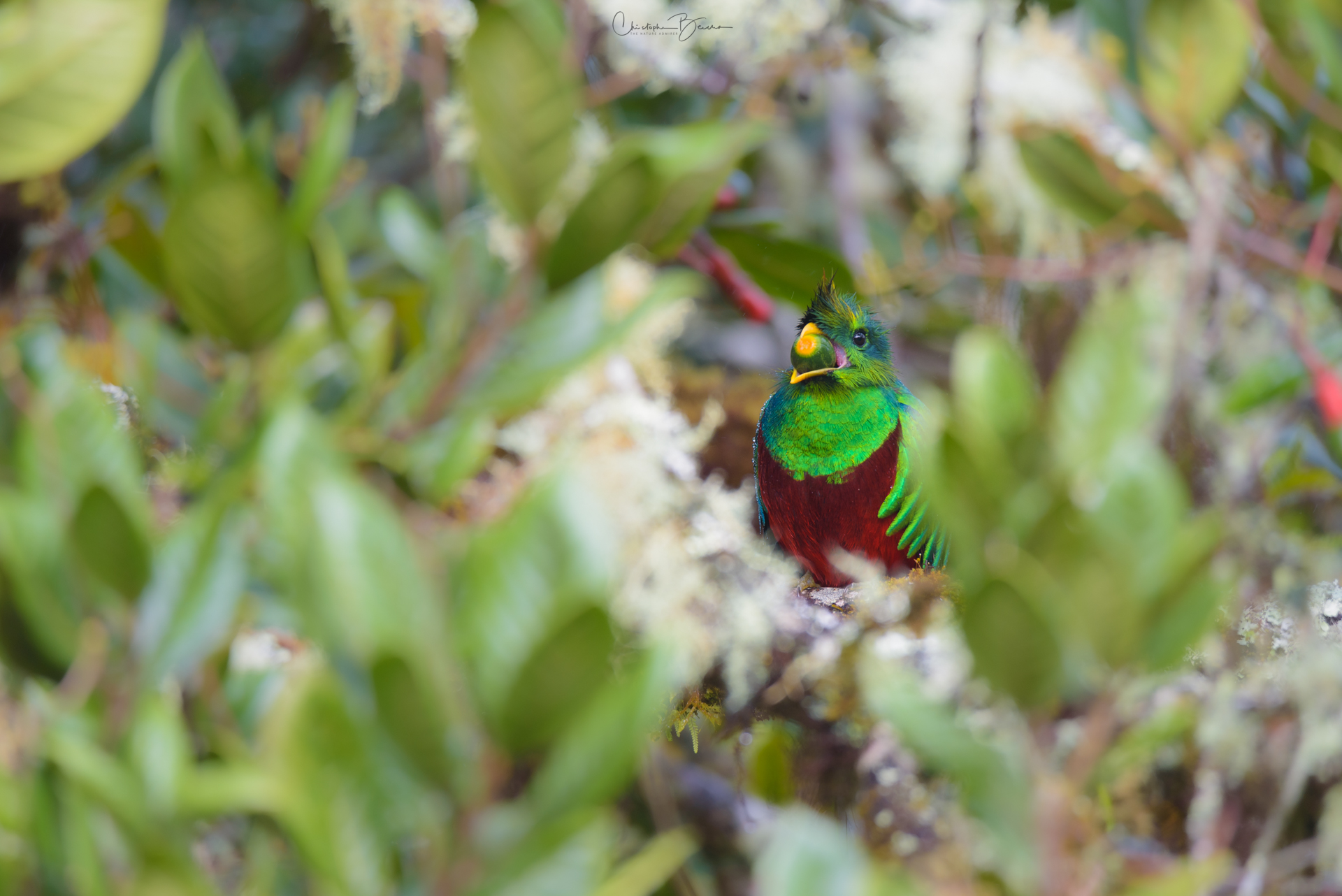
Resplendent Quetzal (Pharomachrus mocinno)

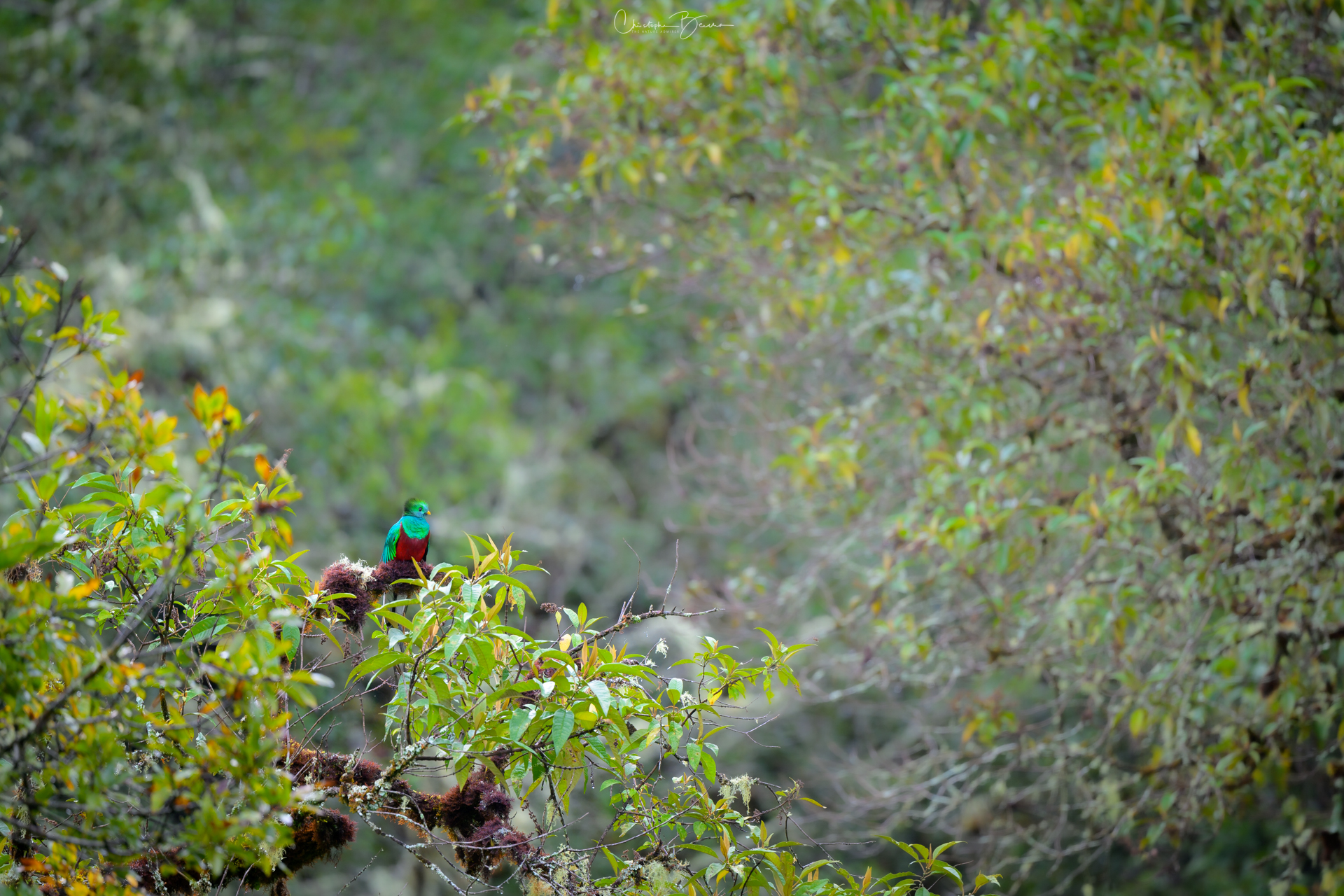
Few birds can claim legendary status, except the Resplendent Quetzal. To see it free, you have to go the Cloud Forest, either in Monteverde or in Cerro Buenavista, hike your way inside the dense canopy, and wait. Luckily, the conservation tourism efforts put forward by people in both areas ensure that we have easier access to them, while they live and nest in essentially undisturbed areas. Mountain hotels like Paraiso Quetzal Lodge are making the difference, protecting this sacred bird for the new generations to delight on their sight. The communities are also organized, with families cooperating to keep track of birds and nests, alerting the guides of its location to guarantee tourists a sight, but also raising data on activity of the birds that can be used for scientific research.
I could simply describe this bird as marvelous. The male has a scarlet belly and chest, with iridescent emerald green wing coverts, back and head. The wing feathers are actually green, while the underside of the true tail is white. The bill is yellow, and the iris is deep black. On the top of the head, some orange feathers break the green pattern. The most bizarre feature is the long “tail” feathers, measuring more than its standard body length, which breeding males carry fully grown from November to around May, at the end of the breeding season. They use those feathers to compete with other males to attract a female. While the female is not as exuberant, it is also a beauty. Their preferred food is the “Aguacatillo” fruit, which translates to “little avocado”. There are many species of this tree, which grow and bear fruit at different elevations and different times of the year, provoking what is known as altitudinal migration.