
Page 16 of 31



Red-capped Manakin (Ceratopipra mentalis)
This little pretty bird is sought after by many birders in Costa Rica, myself included. Like the White-collared Manakin, it is found in the Caribbean lowlands and foothills, but given that its preferred habitat is dense rain forest undergrowth, it is difficult to find and even more difficult to photograph. But then one can be lucky, and for me that means finding one male whose home habitat was very close to a fruiting tree, located right by the window of my room at Yatama Ecolodge; it actually came every single day to feed on the little purple fruits, sometimes having fights with a female Violet-headed Hummingbird which came to drink nectar from the tree’s white flowers. What’s even better, a female also visited a few times. We also heard other individuals as we hiked through the trails, although spotting them there is a lot more work.



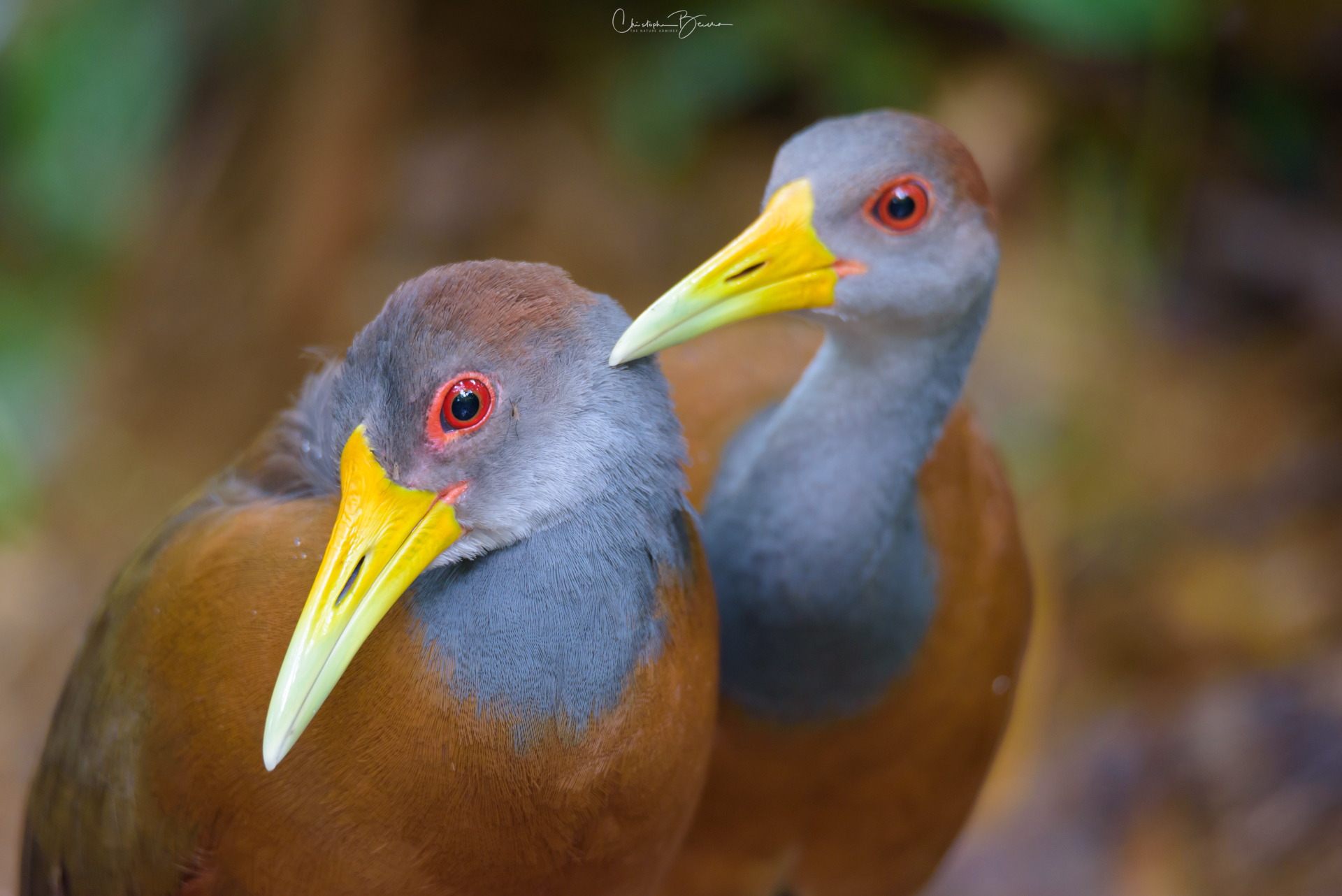
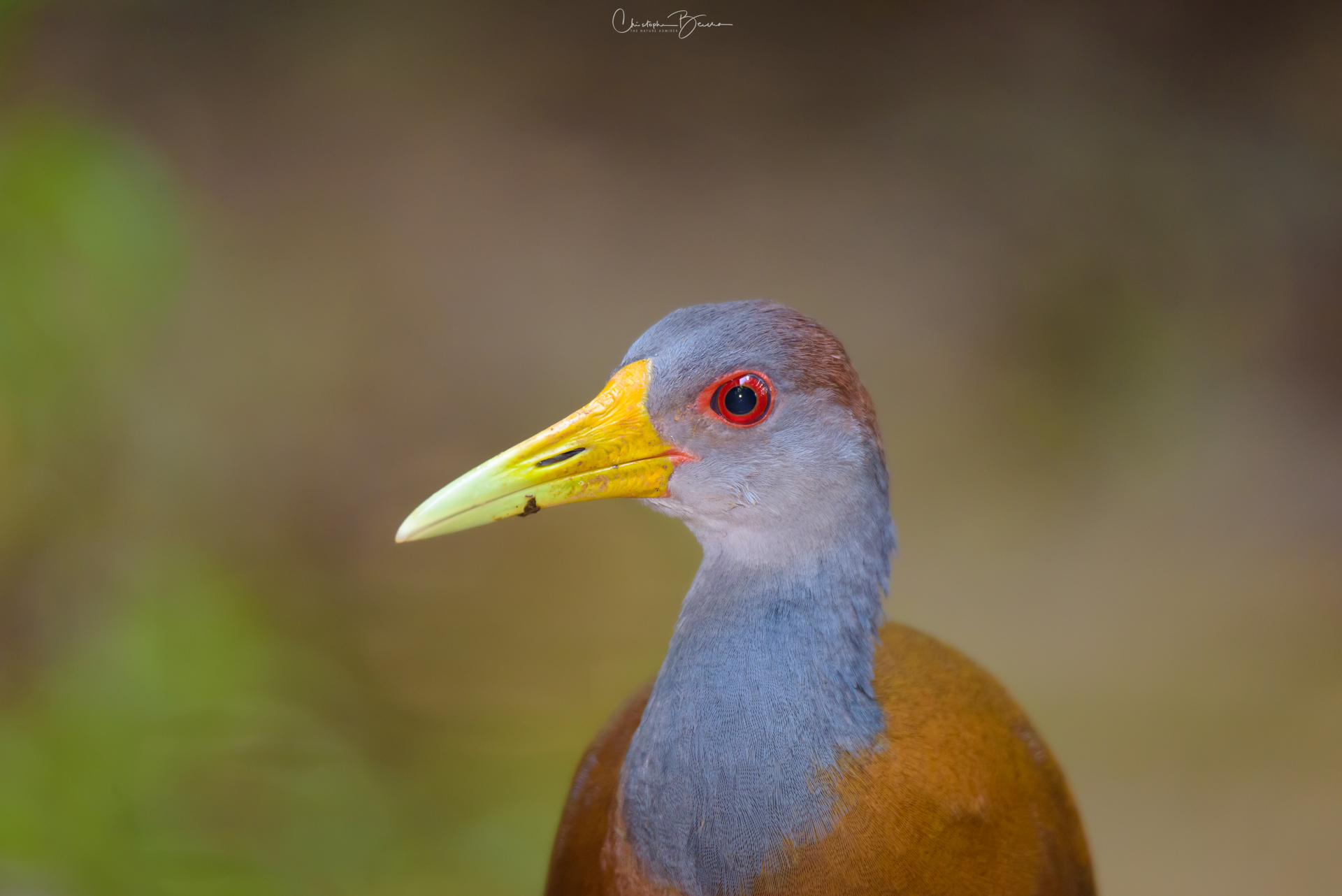
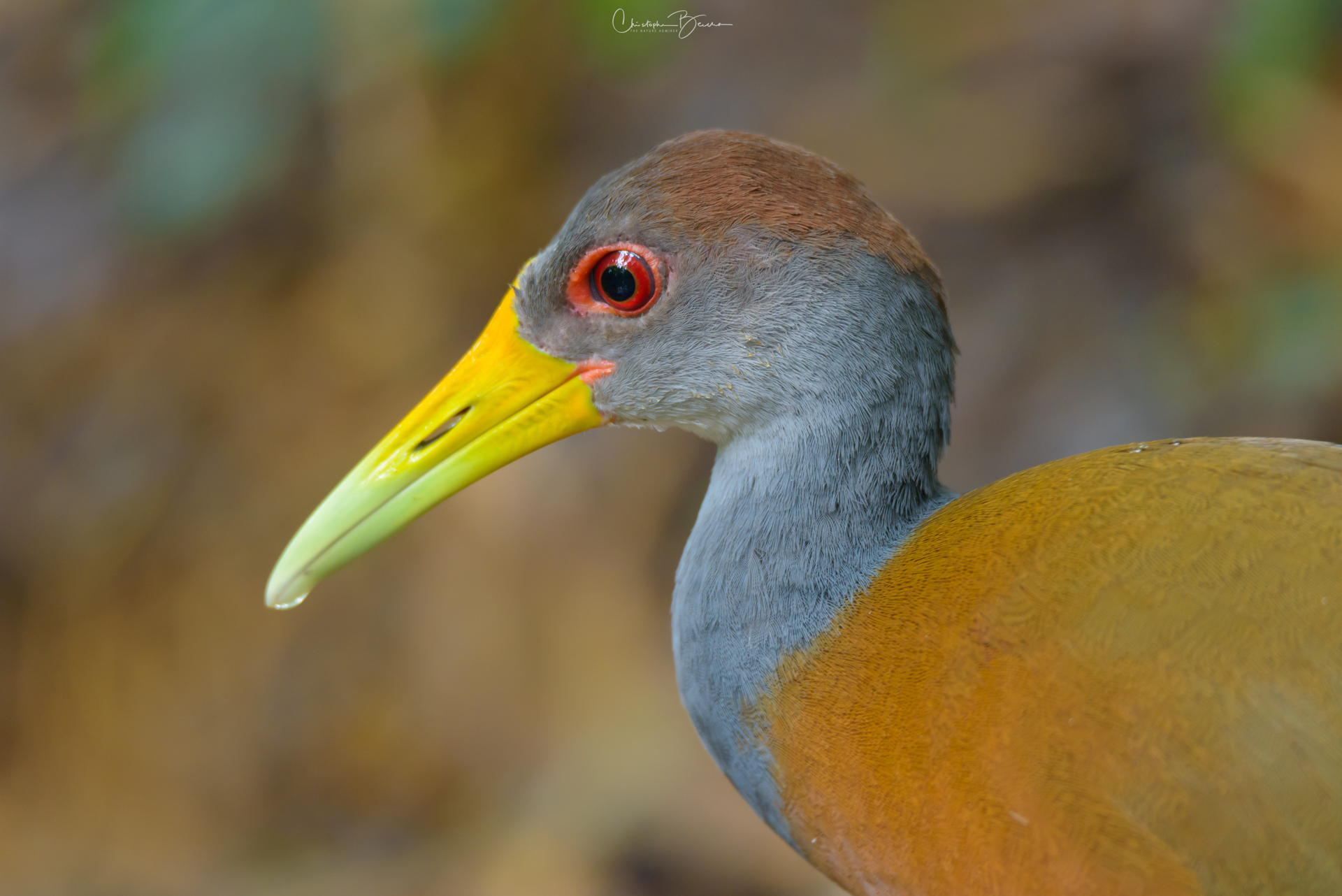
Russet-naped Wood-Rail (Aramides albiventris)
The Russet-naped Wood-Rail was recently split from the Gray-cowled, with which it obviously has a lot of similarities. As its name indicates, the differentiating feature versus the Gray-cowled is the brownish patch on the back of the neck. The rest of the body is essentially the same, starting with the yellow bill, gray neck, rufous chest and back, deep red eyes and pink legs. These are noisy birds that are usually found in pairs, presumably male and female. A pair of these birds frequently arrived to forage close to our room at Yatama Ecolodge; most of the time they would make a weird low frequency sound, similar to the noise your throat makes when drinking water very fast.


Sunbittern (Eurypyga helias)
Photographing the Sunbittern has been one of my goals ever since I started birding. This is a majestic bird, with a intriguing pattern on the wings which it flashes when flying from one rock to another. I have seen it plenty of times already, particularly in a small rocky stream 2 kms from home in San Bernardino, where it forages. Other times I have only seen the footprints on a rock, where presumably an individual stood just a few minutes before I arrived. It is very wary of people, flying away to keep at a distance when spotting them or hearing noise.


Eastern Meadowlark (Sturnella magna)
The Eastern Meadowlark is an inhabitant of grass plains in Central Valley and the Caribbean areas. I have seen this species at my home in San Rafael de Alajuela, at La Guacima, at the Santa Ana Windmills (that’s 1,600 meters above sea level!) and most recently in San Bernardino, near Guápiles. Sometimes they perch in fence posts, other times they just find a comfortable place in the grass where they forage. Their song is very high-pitched and far-carrying. Indeed, many times I have been able to spot them as I bike through by listening to their song. Their belly is bright yellow, while their back is streaked in cream and dark brown. A key characteristic is the plump body, more similar to the antpittas than to any yellow-bellied flycatcher. When startled, they fly away and land on another patch of grass where they feel safe, the continue foraging. The juvenile is somewhat duller and never strays too far from its parent.


 The Nature Admirer