
Page 19 of 31






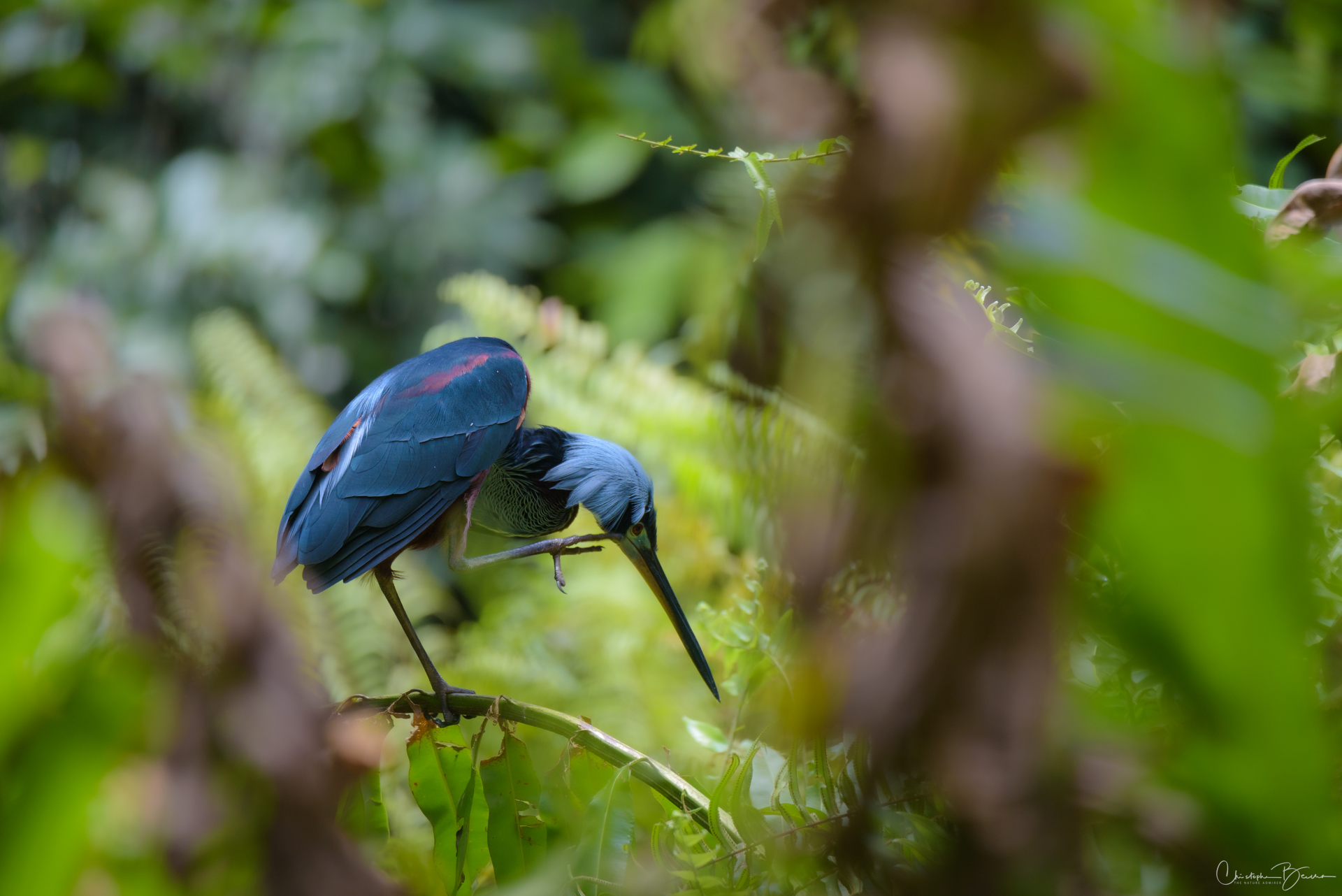
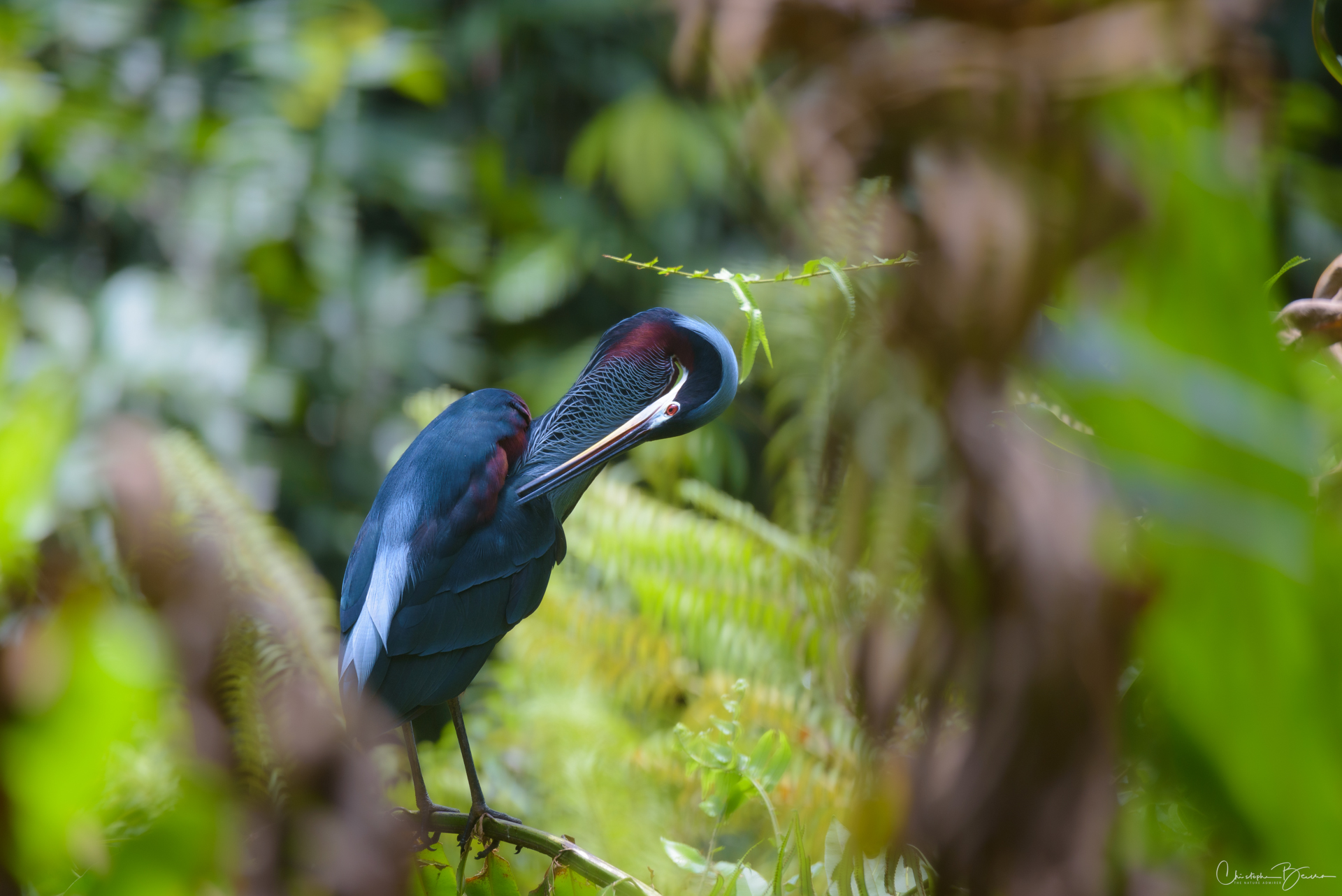
Agami Heron (Agamia agami)
The Agami Heron is simply the most beautiful heron species to be seen in Costa Rica. It is also one of the most secretive heron species in Costa Rica, rarely seen in its territory. Luckily, a colony of up to 100 pairs are nesting each year in the Pacuare Reserve, Limon, which is dedicated to marine turtle conservation and research. The nesting spot is located in a small terrain surrounded by a lagoon that is full of crocodiles, which prevents other natural predators from eating their eggs or chicks, and the eggs are laid up in the trees, out of reach for crocs. The throat is red with small light blue feathers that cover it forming a pattern. The head is blue with a light blue cap, which looks ike hair styled to the back. The bill is very long, with the upper mandible being black and the lower yellow. The upper parts are blue, with a few light blue feathers, while the feathers on the body are chestnut. The Juvenile is almost entirely brown.



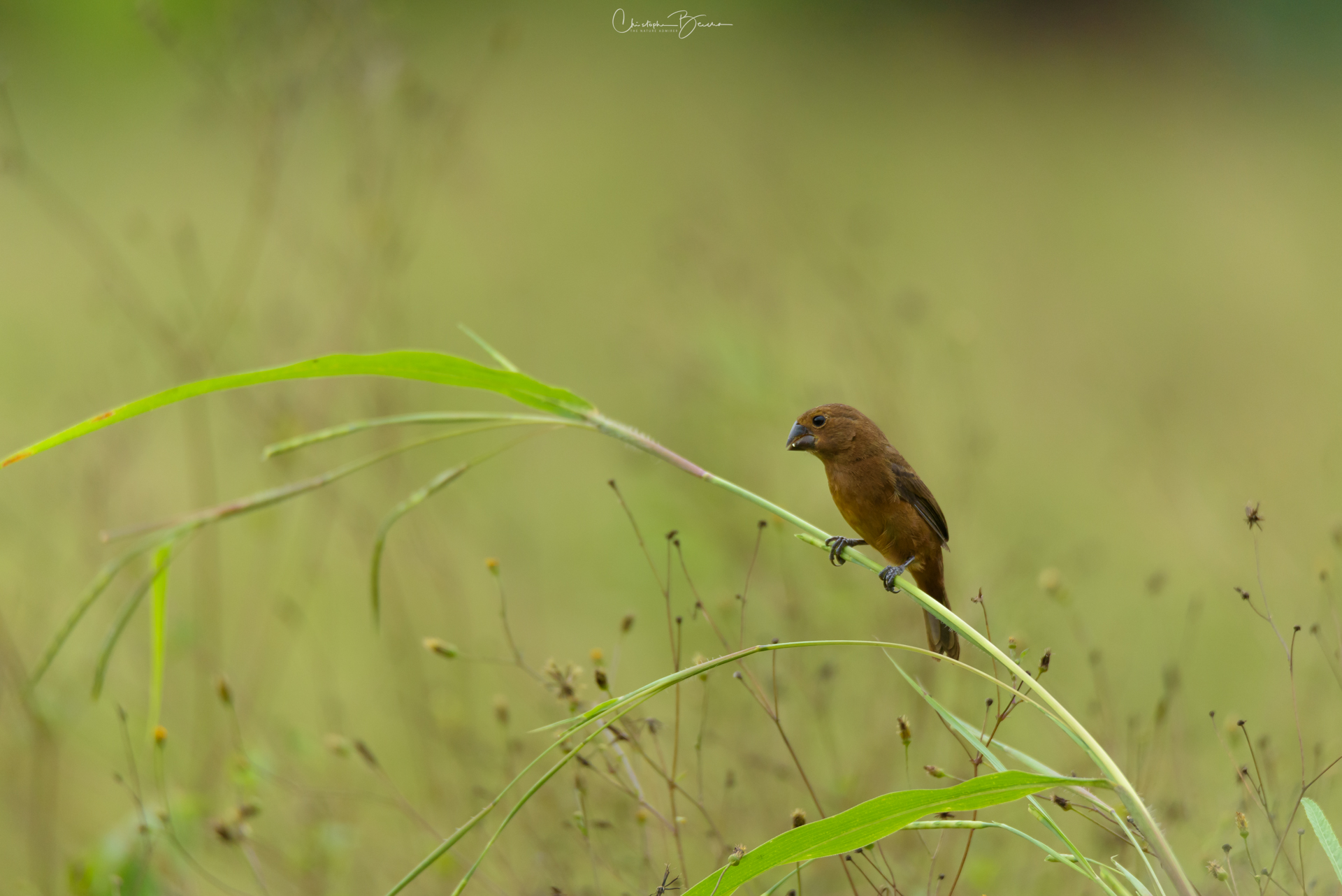
Nicaraguan Seed-Finch (Sporophila nuttingi)
The Nicaraguan Seed-Finch is one of Costa Rica’s biggest finches species, only surpassed by the Wedge-tailed Grass-Finch, which is even rarer and has a longer tail. It looks similar to the Thick-billed Seed-Finch, with the male being uniformly black and the female uniformly brown, albeit with a bigger size. Their bills are undoubtedly specialized for breaking down seeds and the male’s bill is particularly conspicuous, given its pink coloration. In Costa Rica, it can be found in lowland areas of the northern area, near the border with Nicaragua, and in a thin strip along the eastern coast of the Caribbean.
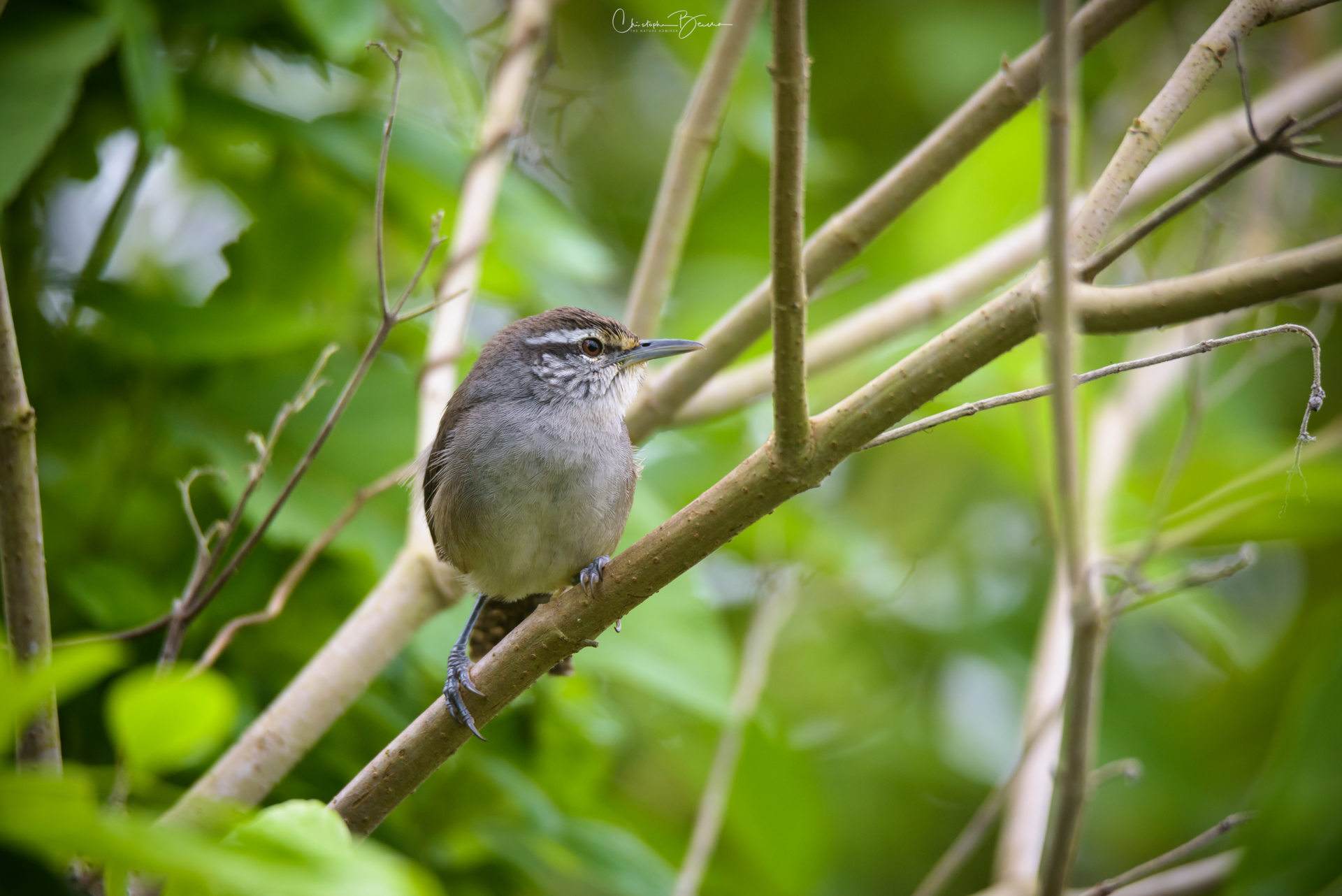
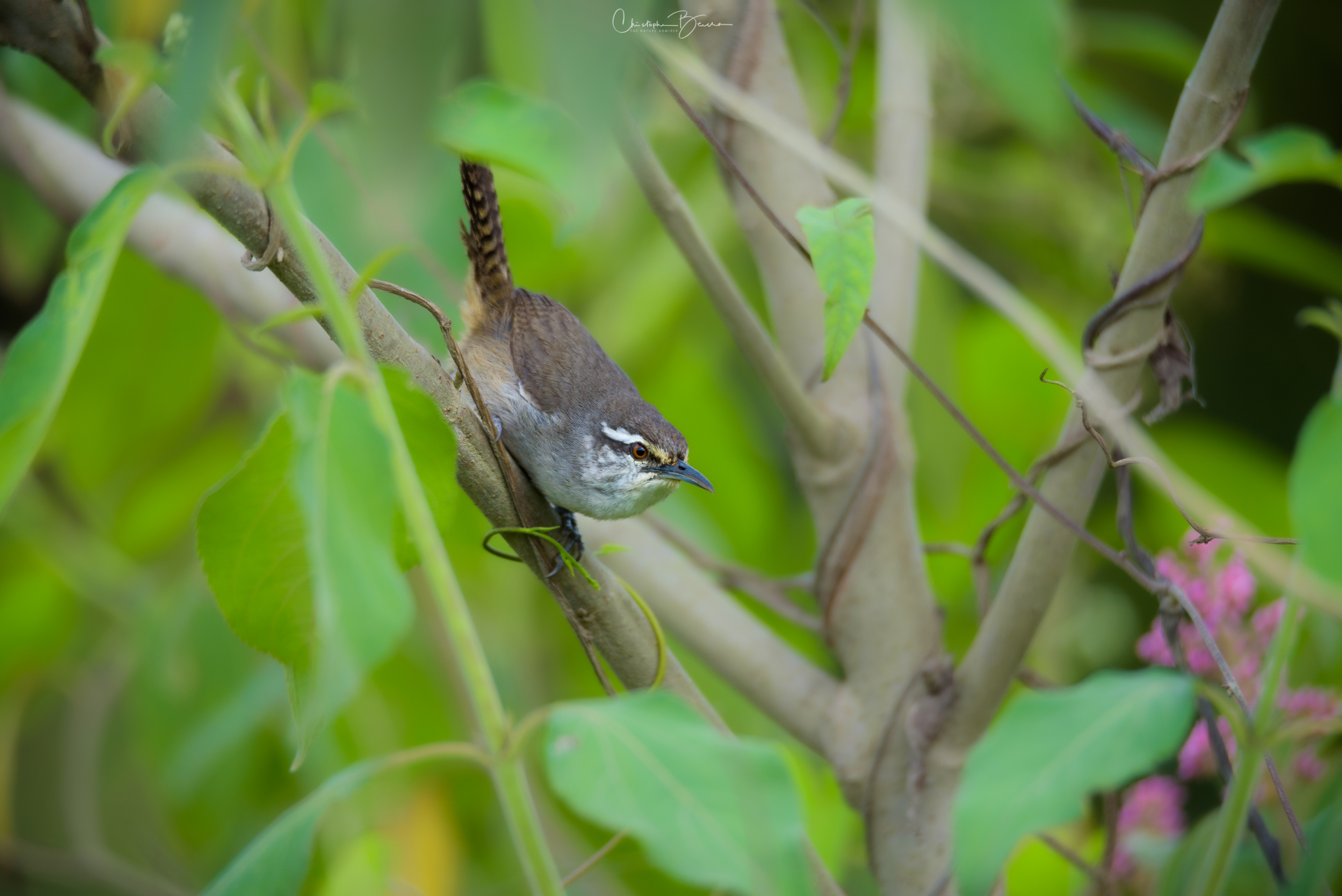
Cabanis’s Wren (Cantorchilus modestus)
A recent split from the Plain Wren, all three species held this name because of the lack of most field marks when compared with most other wrens. Along the Cabanis’s which can be found in the northwest region of Costa Rica, the Canebrake Wren occupies the Eastern portion (Caribbean), and the Isthmian Wren is found in southern region of the country. These small birds have a brown eye with white supercilliary, brown upperparts with the tail showing black stripes. The underparts are grayish to white. Like most wrens, the Cabanis’s is an avid songbird. Its song is complex, consisting of a variety of high notes and chirps that give away their presence. Even so, they are difficult to locate as their main habitat is dense forest edges, where they jump from branch to branch, camouflaged by the leafs and branches of bushes and trees.
Tropical Pewee (Contopus cinereus)
The Tropical Pewee is very similar to the Wood-Pewees (Eastern and Western), however the Wood-Pewees are migratory birds, found in Costa Rica only during two periods, August to November when they pass through in their journey to South America, and March to May when they return to the Northern hemisphere. They are difficult to differentiate, as their appeareance is very similar, however the Tropical is slighly smaller and has a yellowish belly, while the Wood-Pewees have a gray to white belly. Both Eastern Wood-Pewee and Tropical Pewee have a yellow lower mandible with dark tip, while the Western Wood-Pewee only has a small portion of the lower mandible being yellow. The Tropical Pewee has a darker crest than the Wood-Pewees as well.



 The Nature Admirer