Page 28 of 31

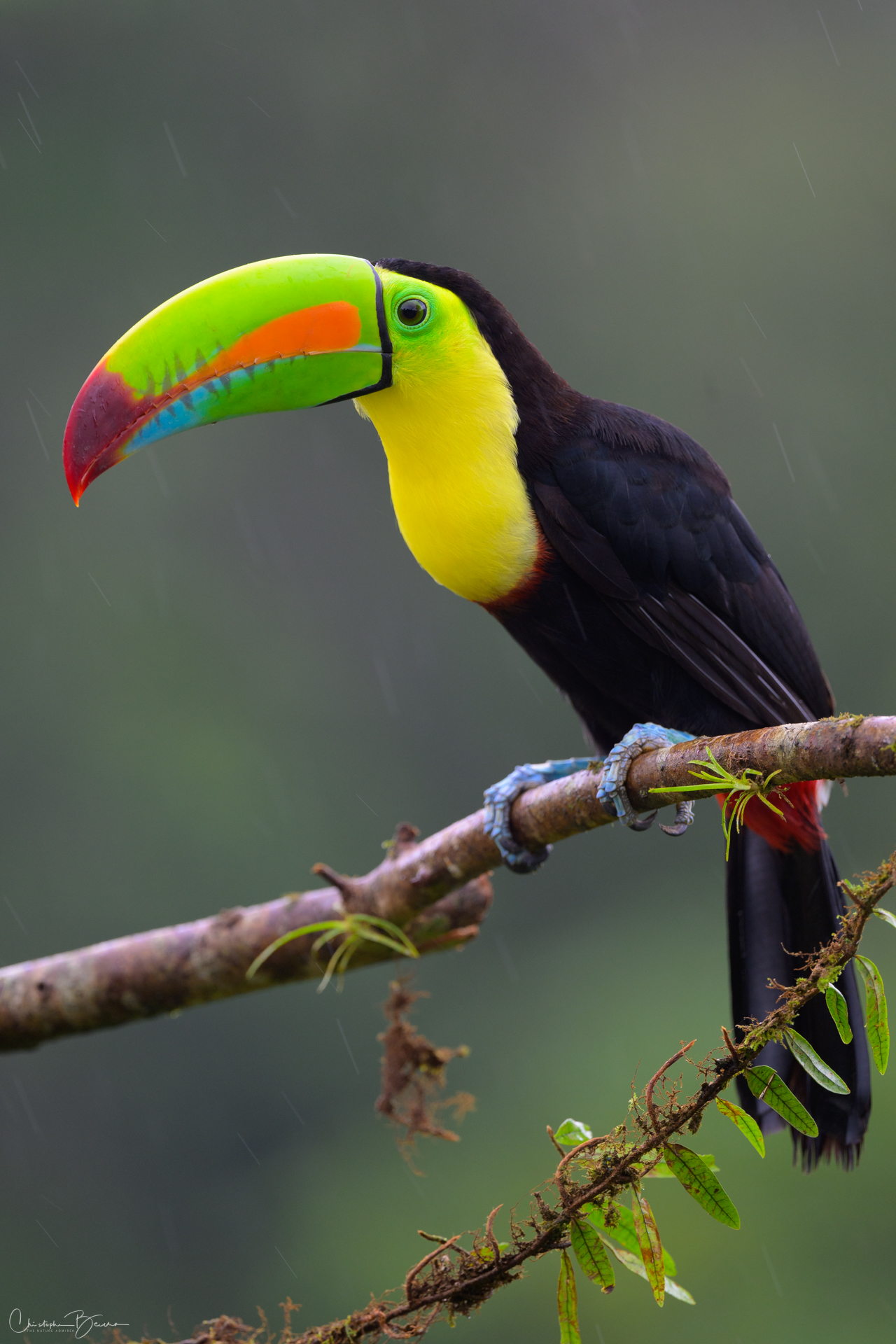
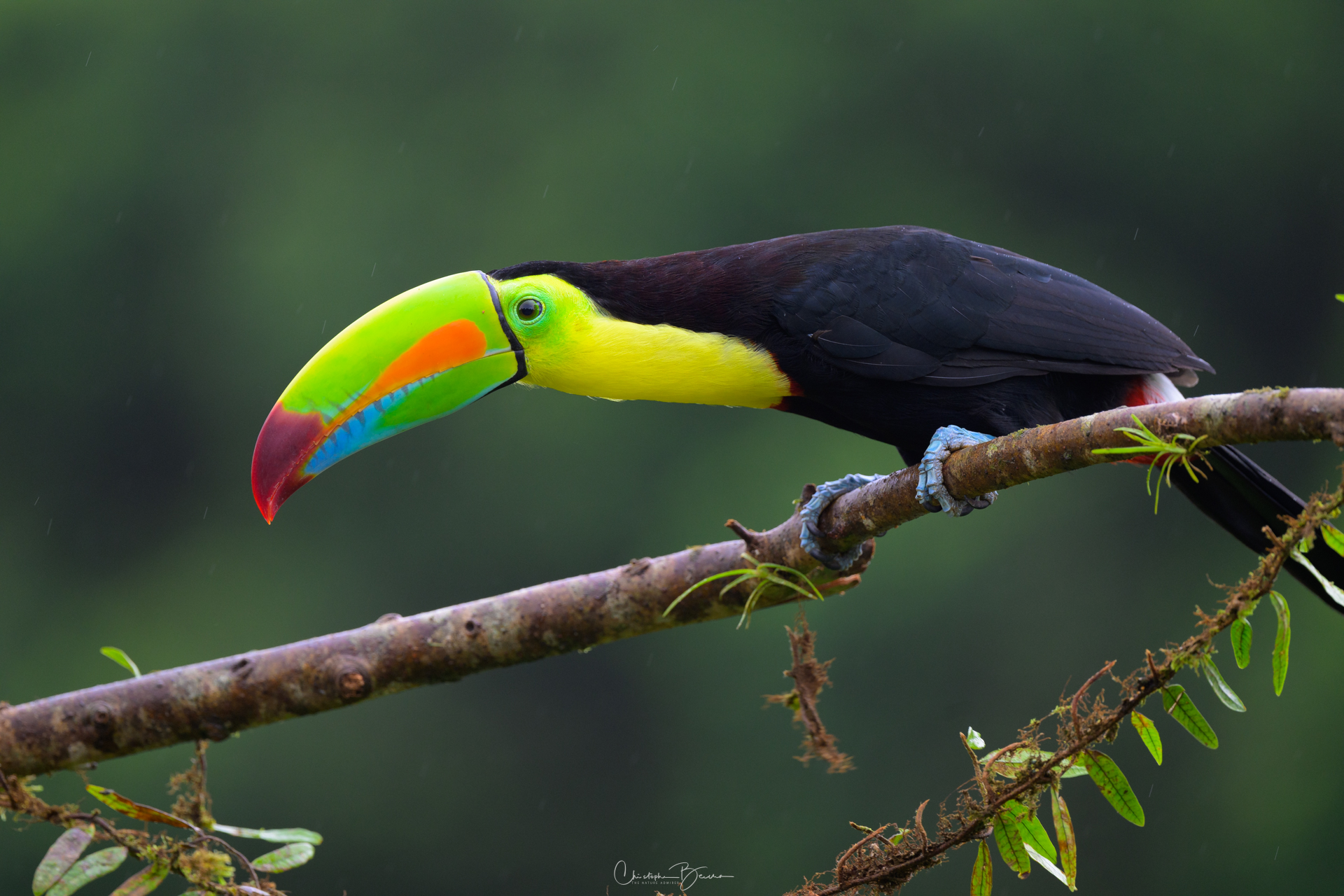
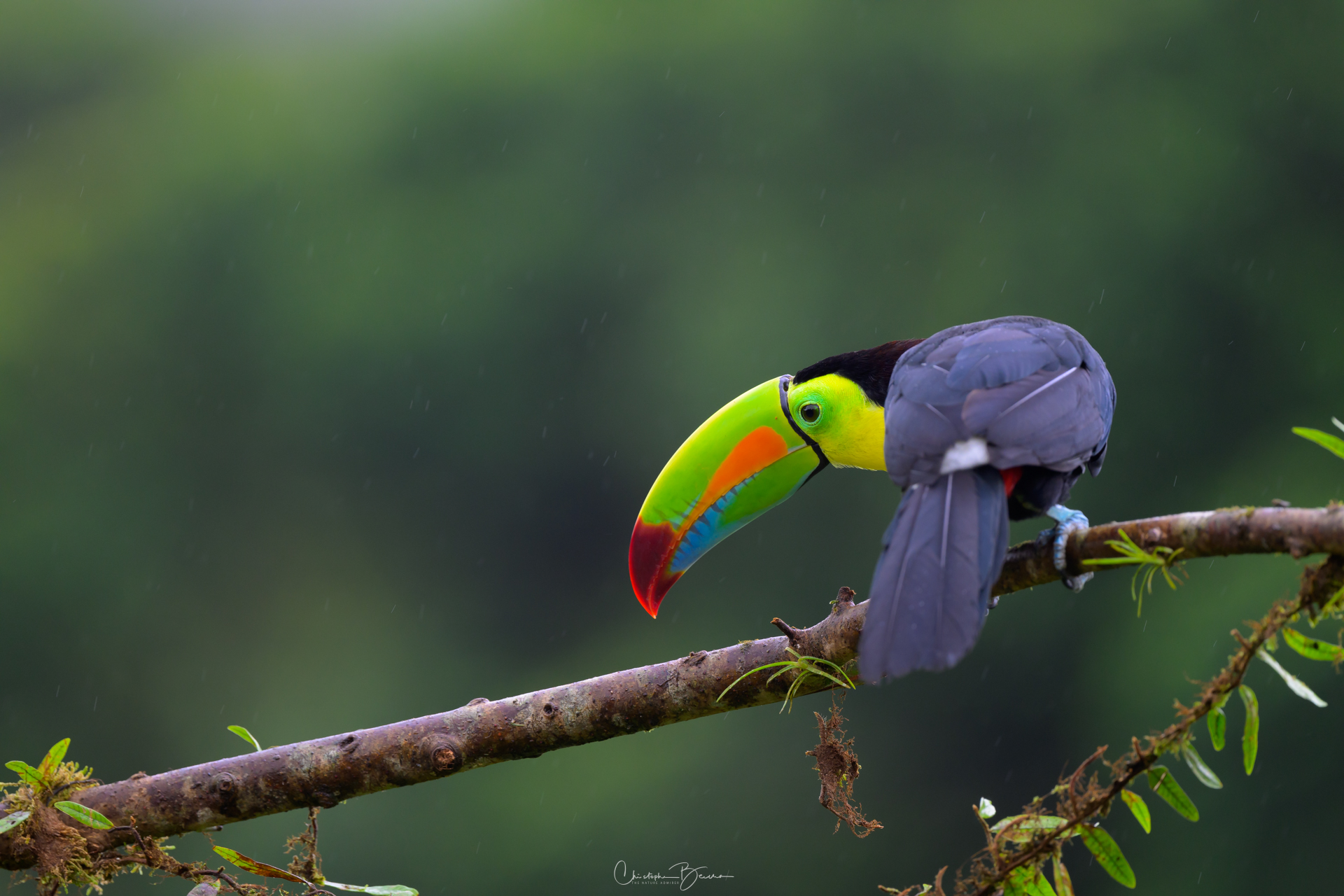
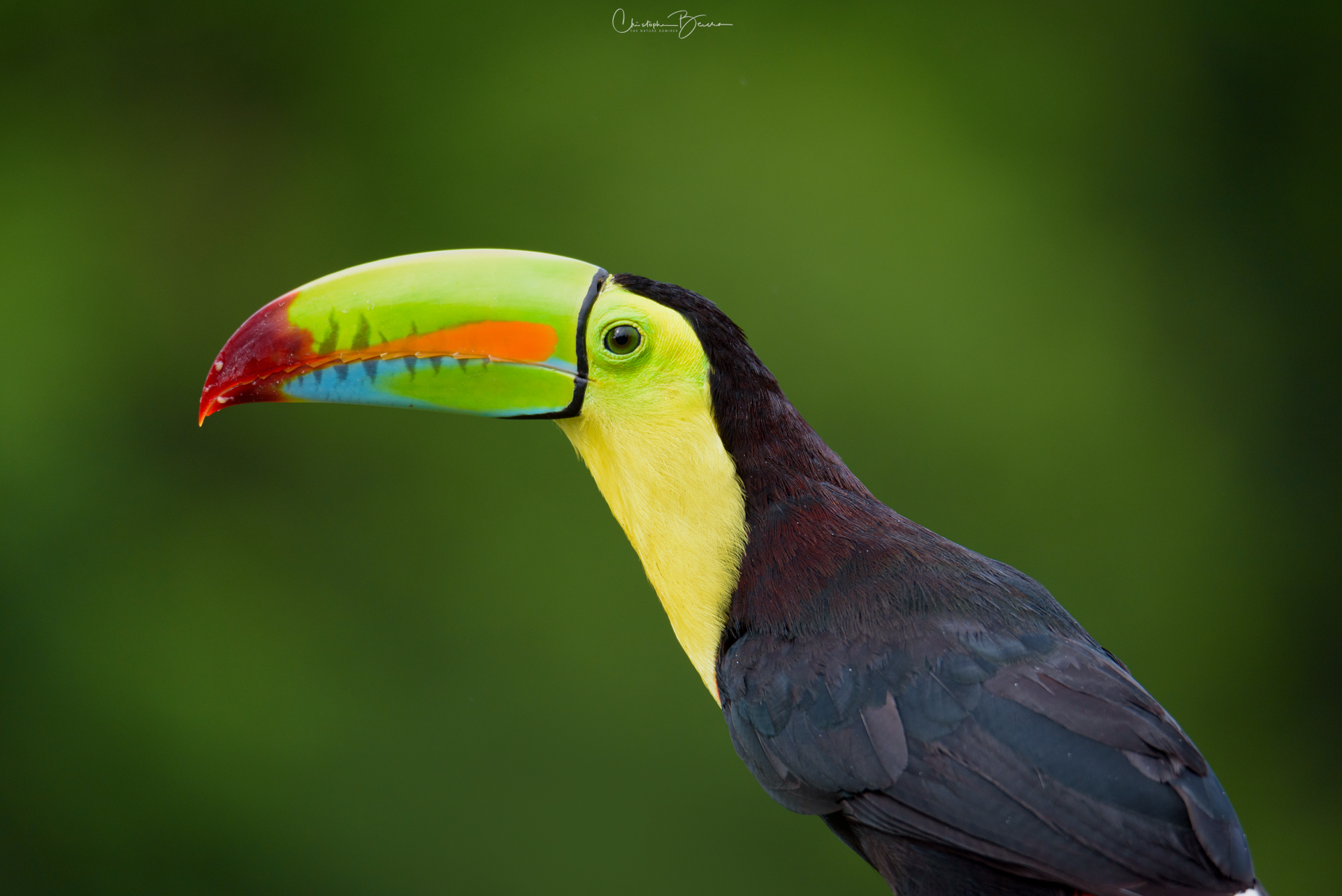
Keel-billed Toucan (Ramphastos sulfuratus)

The Keel-billed Toucan is the one bird we all know about. It is featured in all brochures and advertising around tourism in Costa Rica. It’s colorful beak is amazing. As with all Toucans species though, this bird will raid other species’ nests, so it is common to see that other birds harass them, trying to scare them away. In particular, I have seen Great Kiskadees acting aggressively towards them in an effort to divert them from their nest. They are smaller than the Yellow-throated Toucan, which has a duller beak than the Keel-billed. Both species are very common in the Caribbean lowlands, and both like to eat a variety of fruits, readily coming to fruit feeders. One of the most interesting traits of this bird is its song, which resembles the croaking of a frog. They move their heads very slowly from one side to the other, then remains motionless for a few seconds, and suddenly jumps and turns around 180 degrees before falling in the same branch, an entire spectacle.
Northern Jacana (Jacana spinosa)

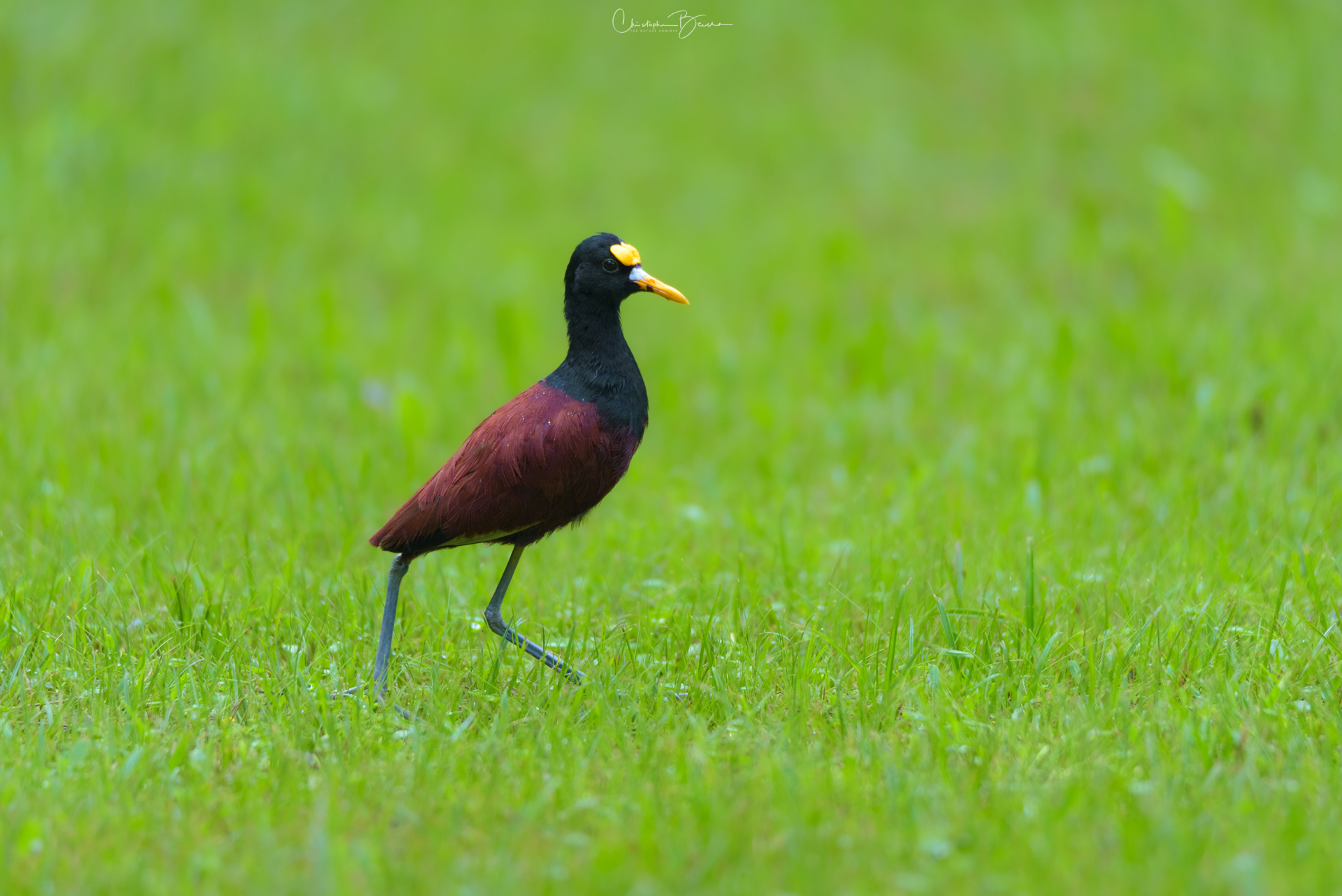
The Northern Jacana is a waterbird that inhabits swamps and marshes, where the water is not too deep. The bird walks in the shallows, looking for small fish and crustaceans. It can even walk over some water plants whose leafs are big enough to sustain this delicate bird, thanks to very long toes that help to distribute the weight across a greater extent of water surface. Another unique behavior is its polyandrous nature, meaning that females will mate with many males, and it is the males that prepare the nest and care for the eggs and chicks. It is brown overall with black throat and head, with a yellow shield on the front (Wattled Jacana’s and Common Gallinules have a red shield). The juvenile has white underparts and lacks the shield seen in the adult.

Great Blue Heron (Ardea herodias)

The Great Blue Heron is one of the largest birds that occur naturally in Costa Rica. They can be found in watery environments like rivers and ponds, even artificial ones like the one in Concasa, which has been visited by a juvenile bird almost every morning from January 2018 to March of the same year. The name is misleading though, as the blue is color is rather dull on this bird. The juvenile is mostly grayish, with a darker cap, yellow eye and lower mandible, and black upper mandible. The adult shows a light dull blue on the back and wings, with brownish neck and white cheeks, maintaining the dark cap and yellow eye, but the upper mandible changes to yellow. They stalk prey from the edge of water ponds and lakes, and launch a forceful attack as fish pass by, able to snatch fish of considerable size and swallow them in one go.
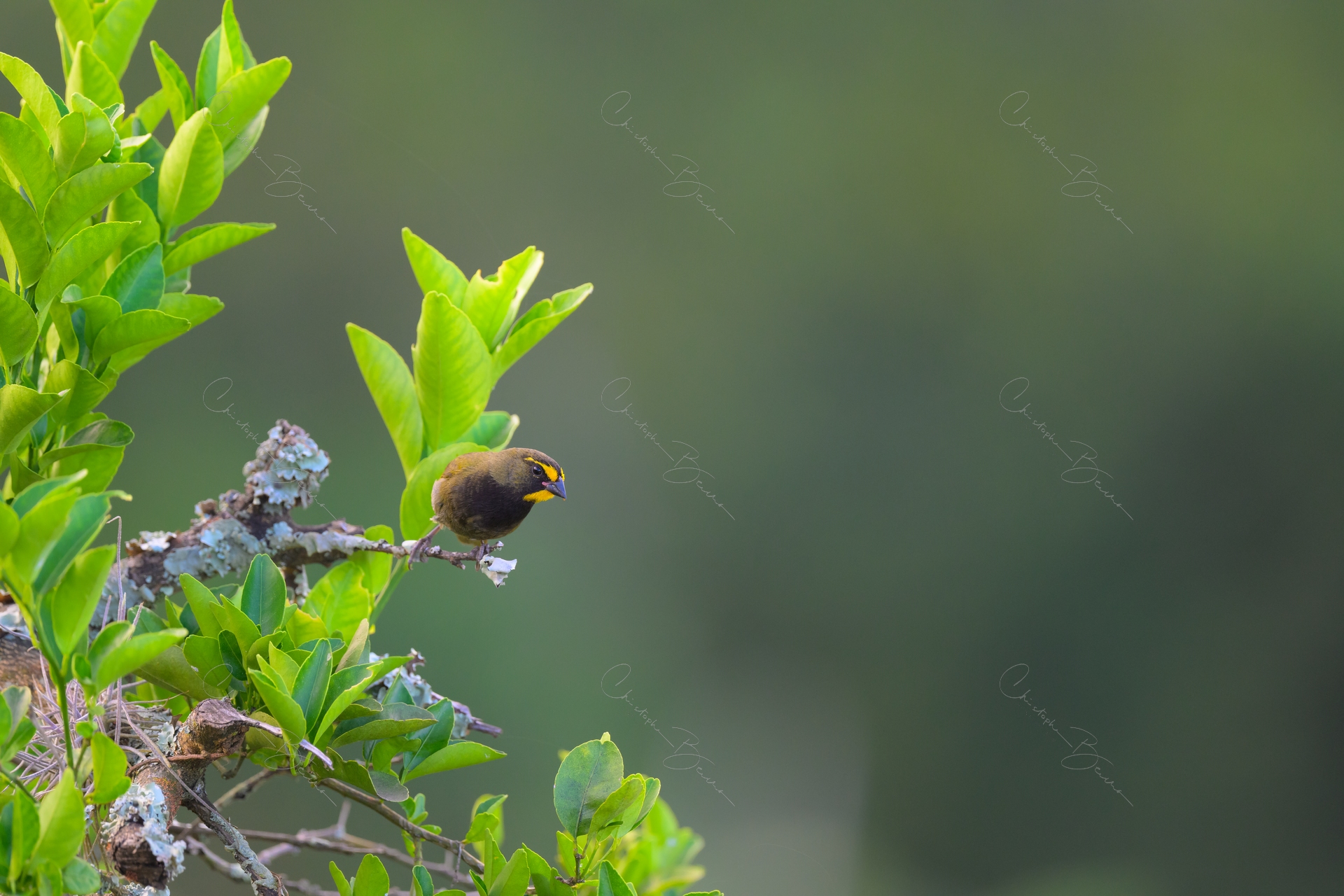
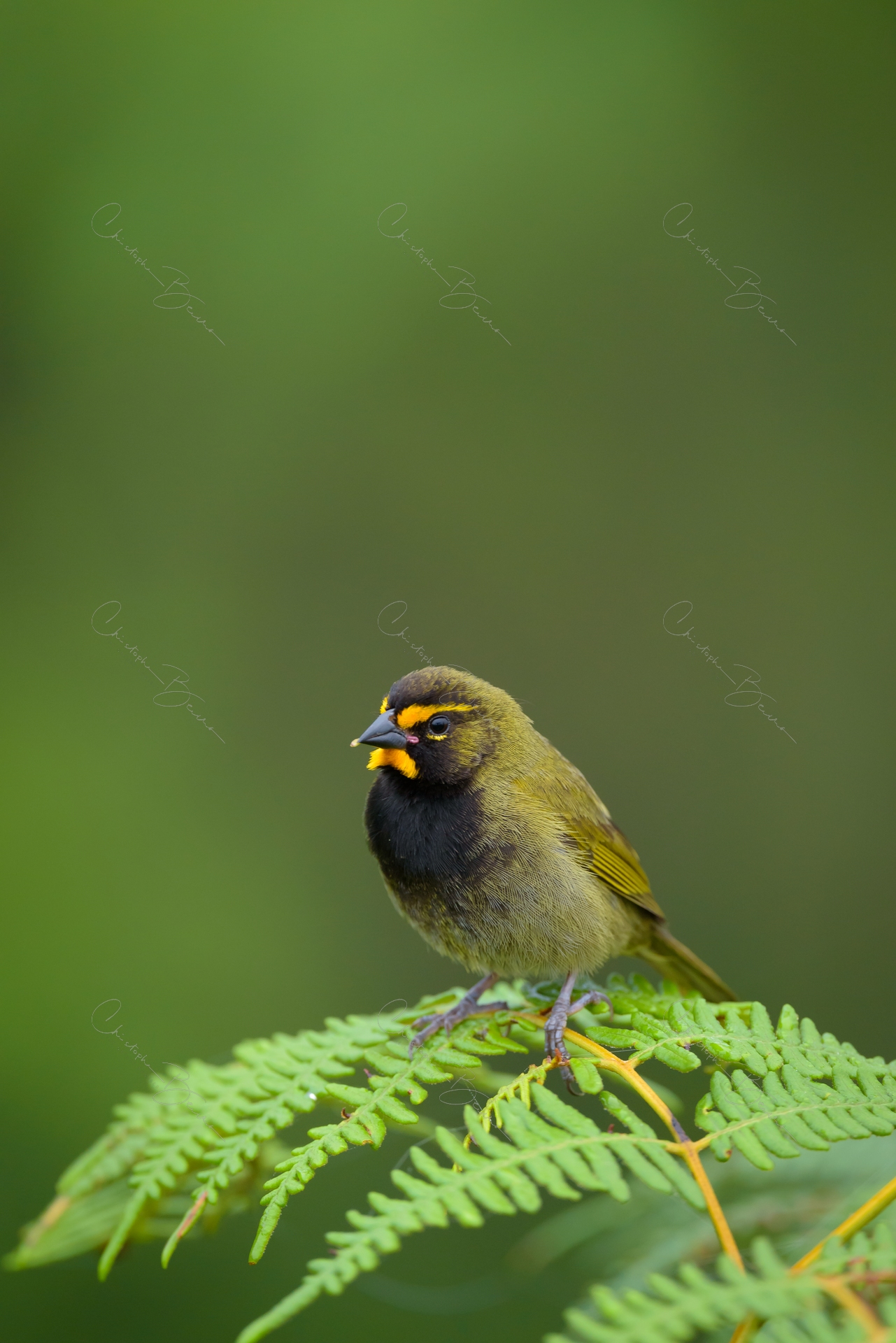
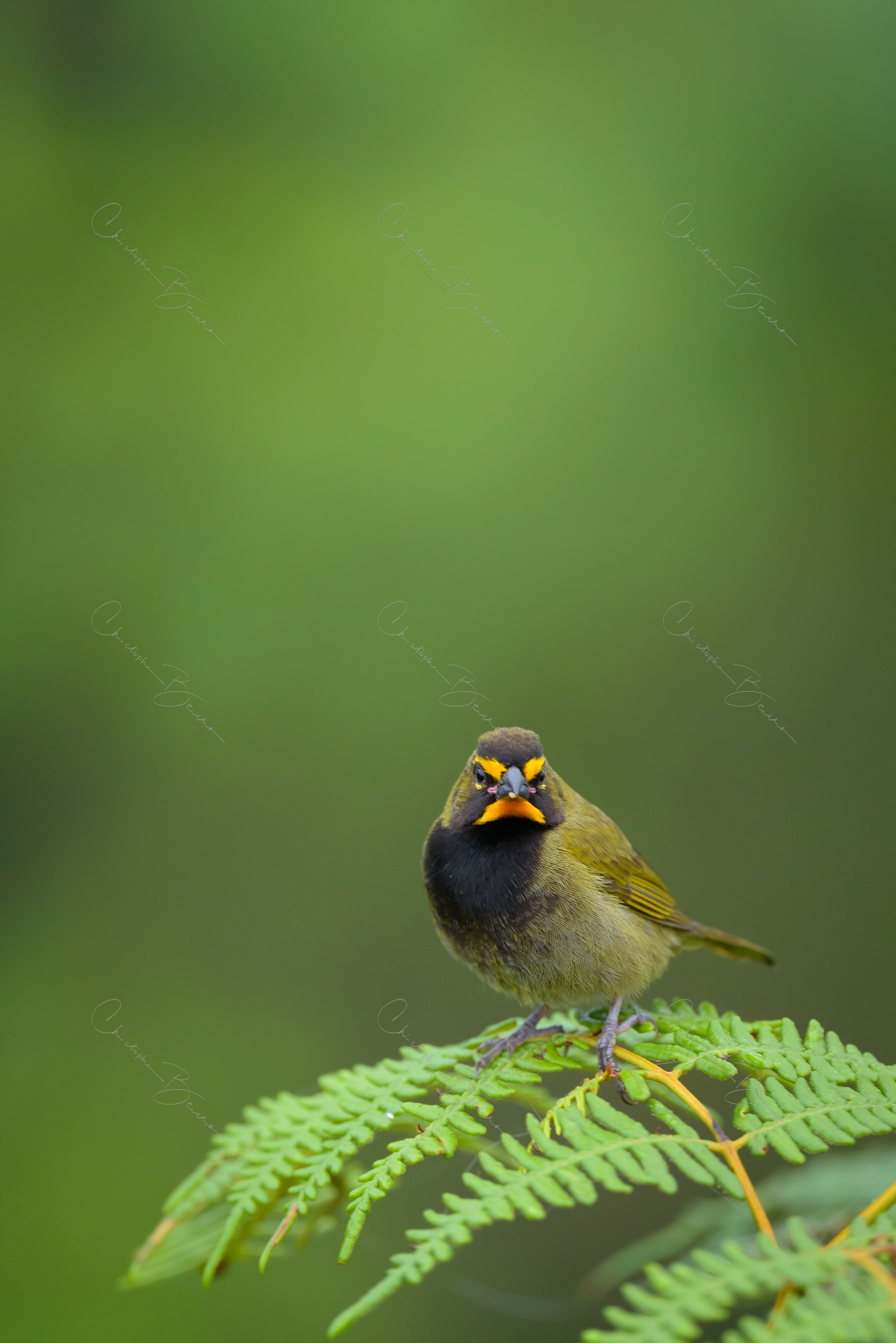
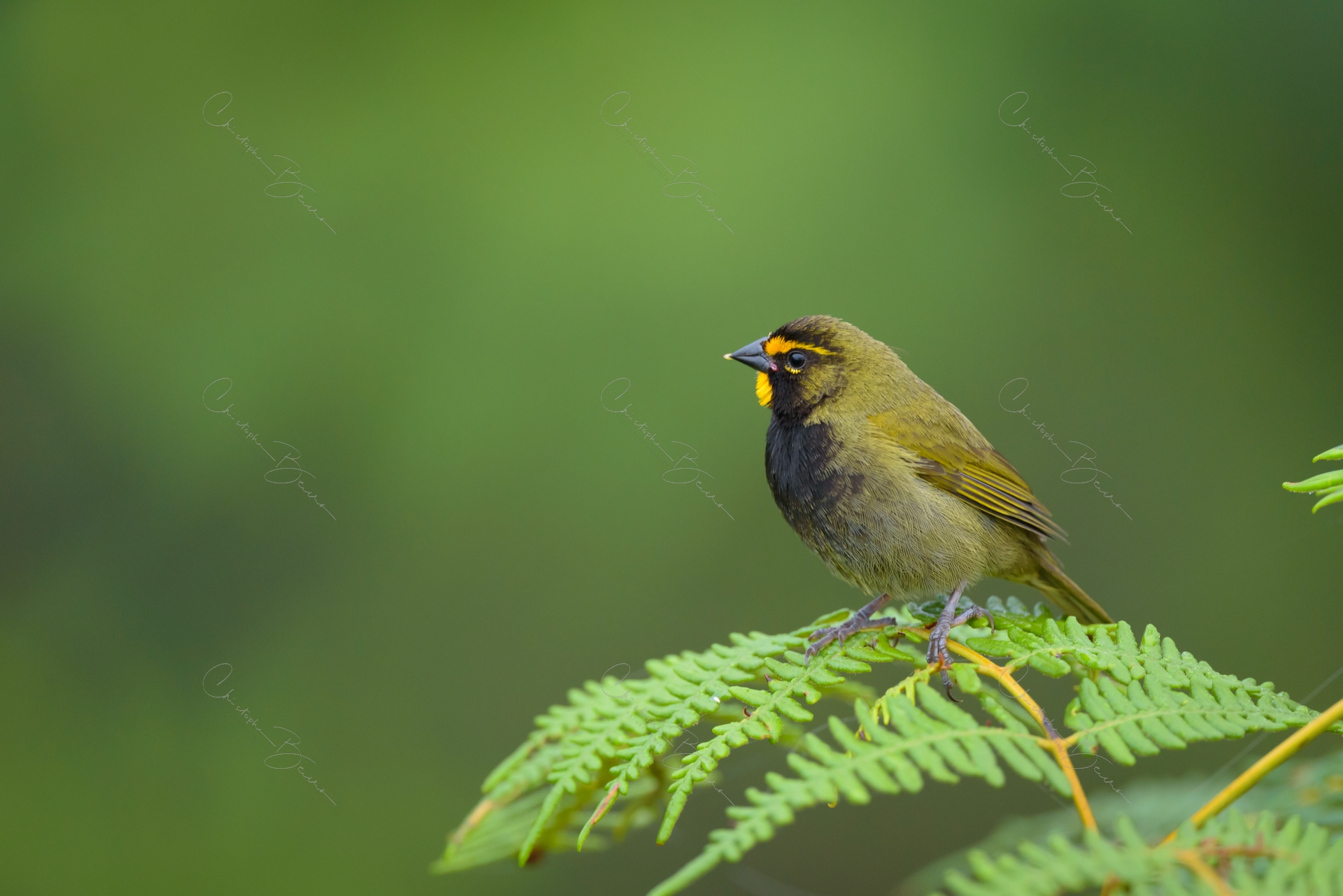
Yellow-faced Grassquit (Tiaris olivaceus)

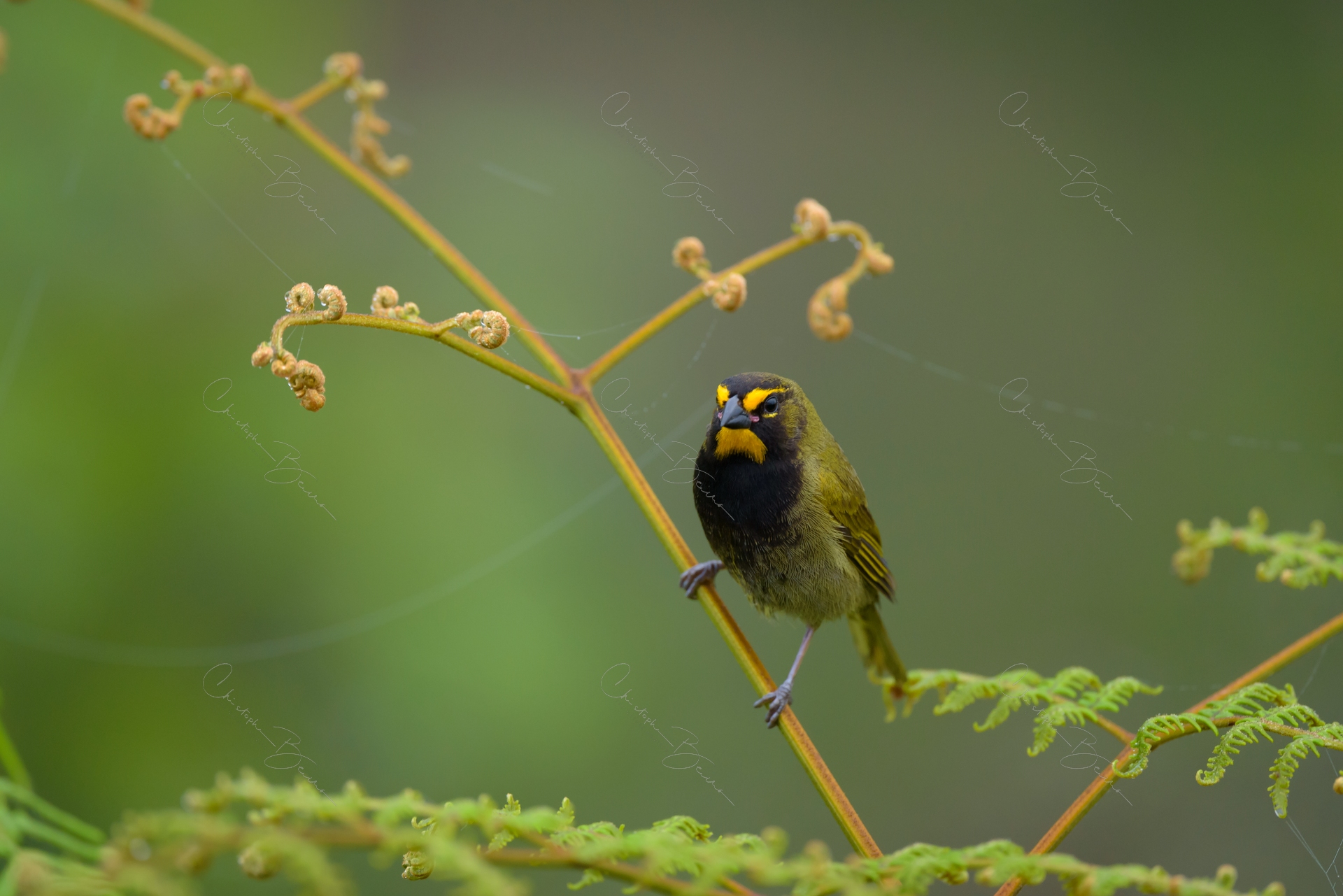
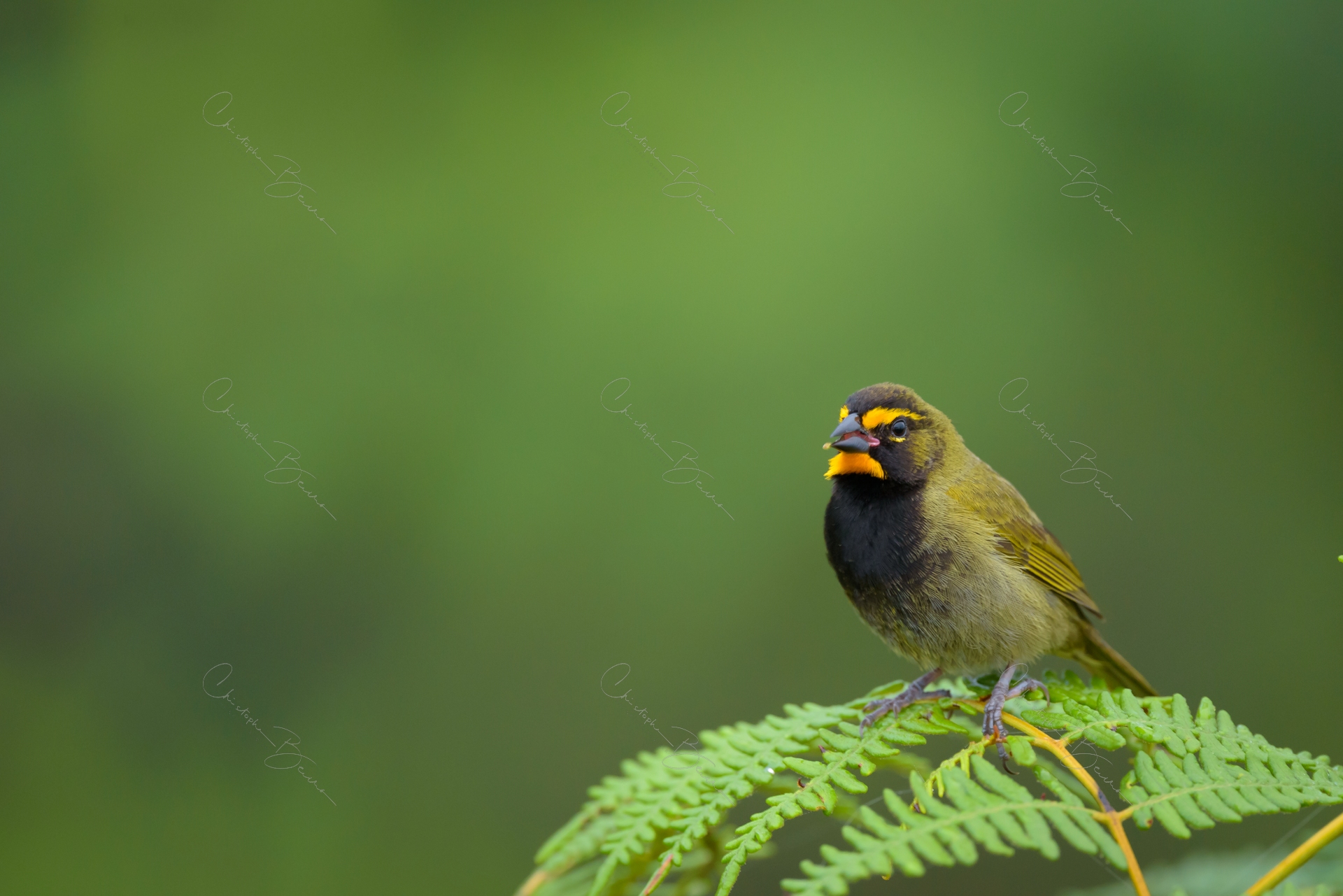
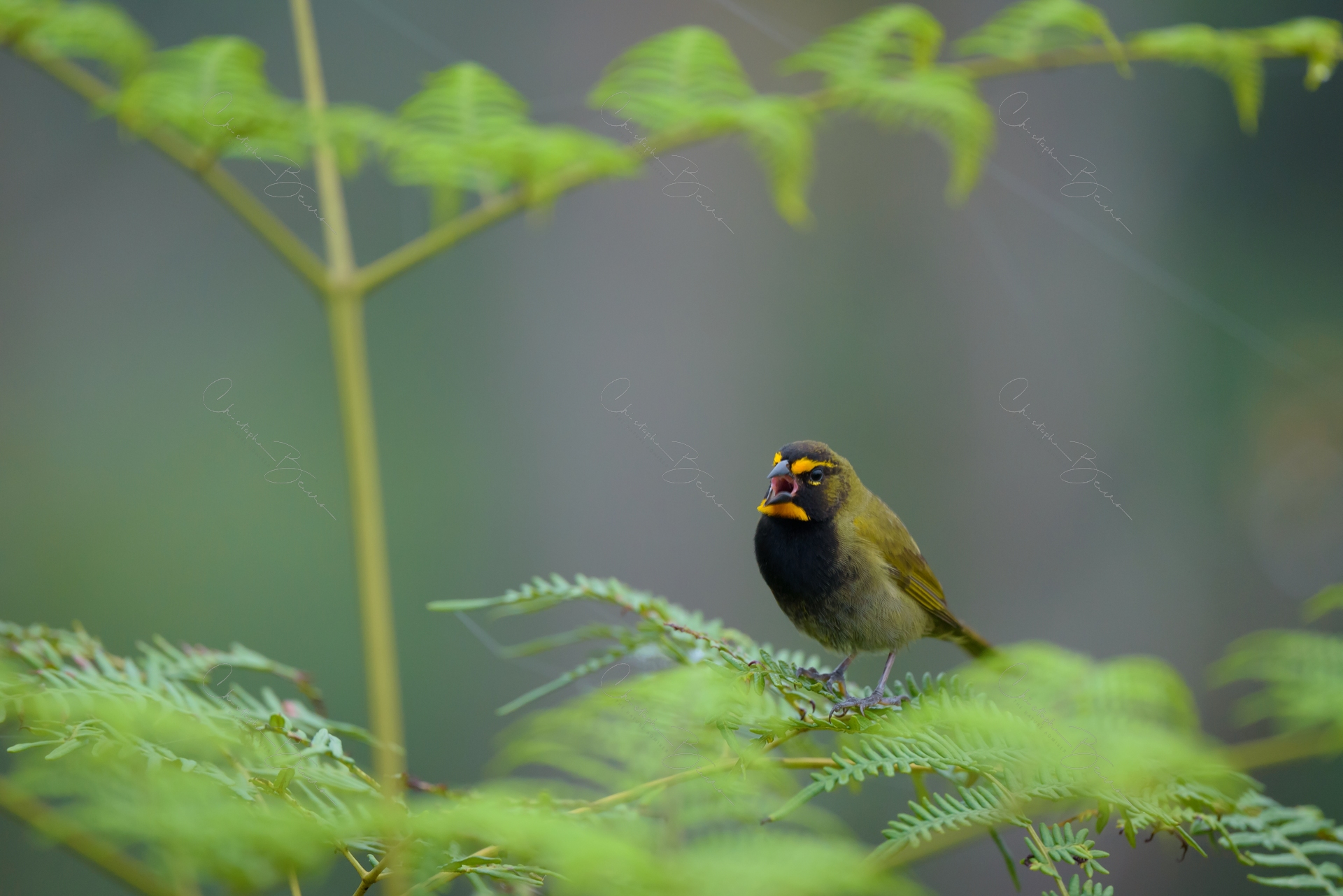
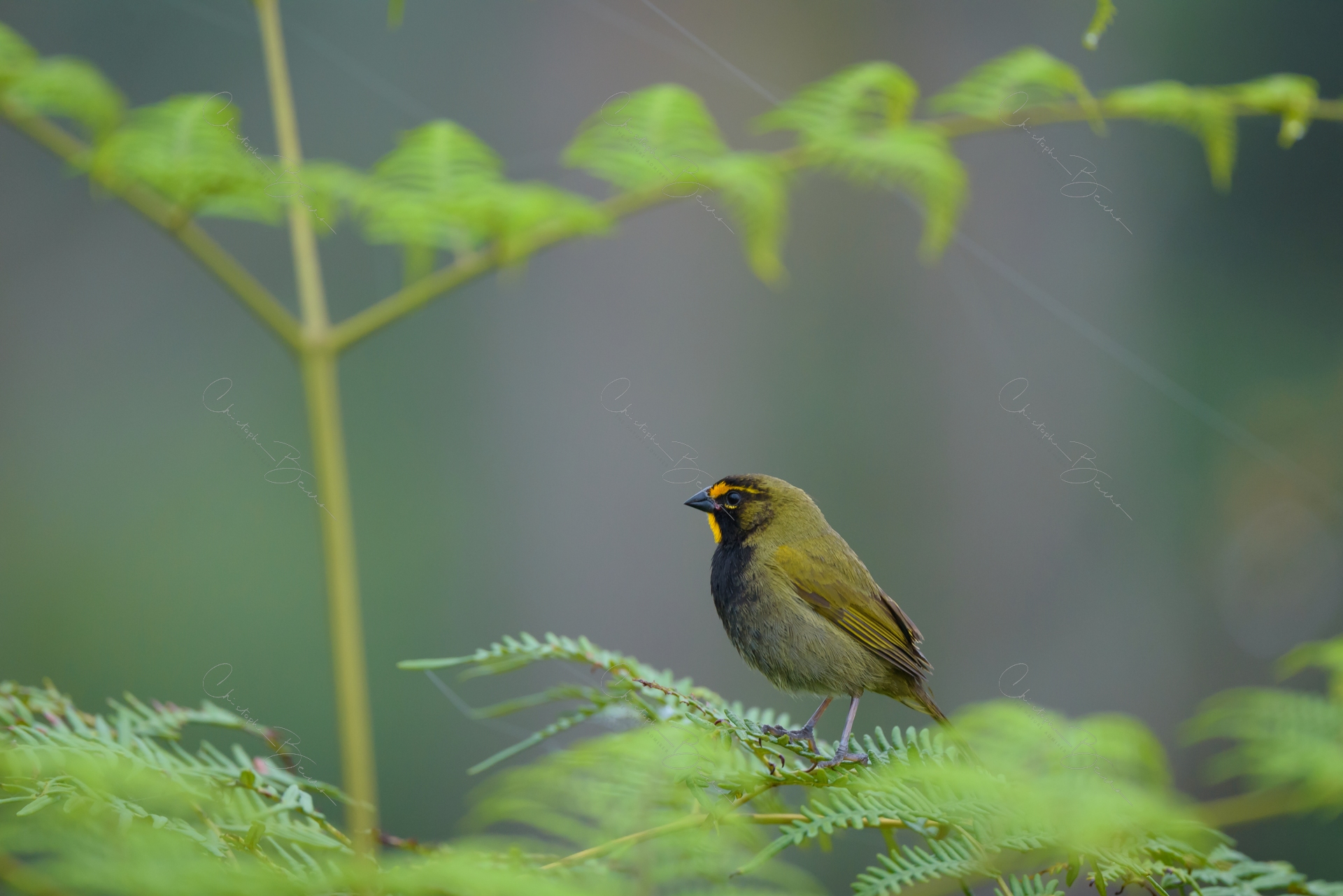
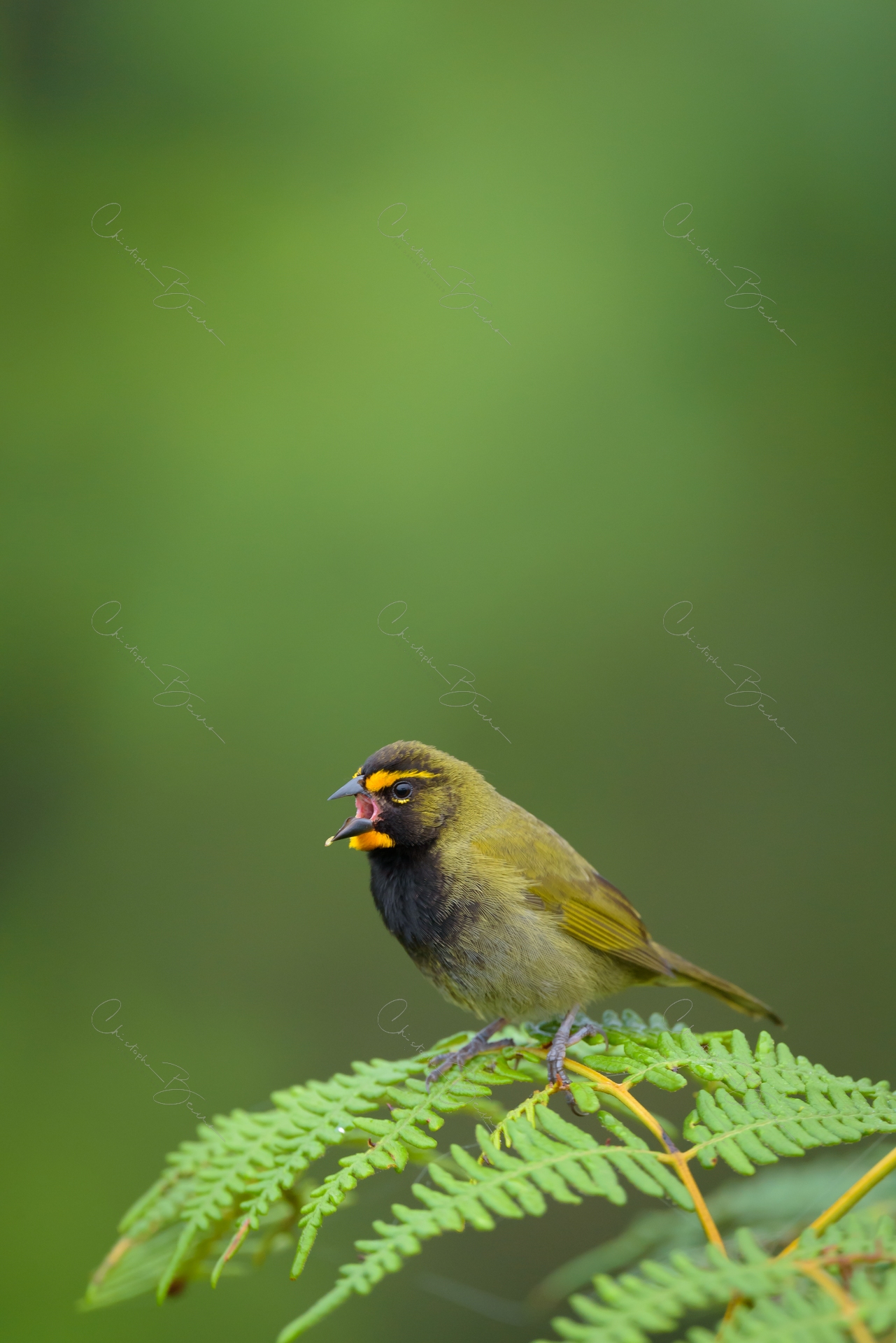
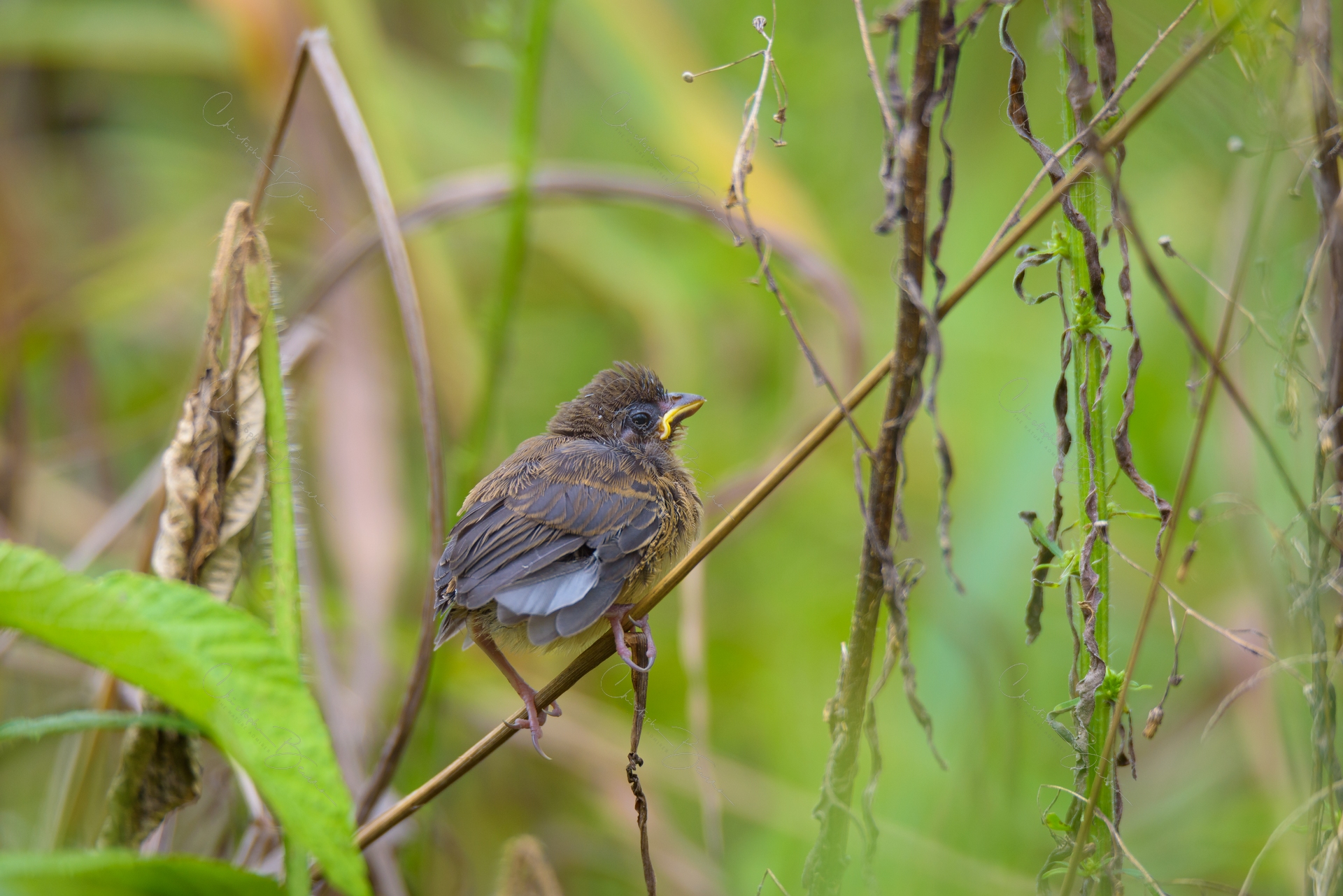
The Yellow-faced Grassquit is a seedeater found on grasslands. I have seen this species a few times at Fincas Bambuzal, Rio Frio where my parents live. The yellow face is diagnostic when trying to identify versus other seedeaters that may inhabit the same zone. They like to perch both on grass branches and in fence wires at the edge of trails and gravel roads; they will usually share space with Variable Seedeaters and Thick-billed Seed-Finches, although they are not confused easily with those species. Small juveniles take the risk to abandon the nest and call for their parents to feed them. It is very difficult to locate them in the tall grass.
Golden-hooded Tanager (Tangara larvata)

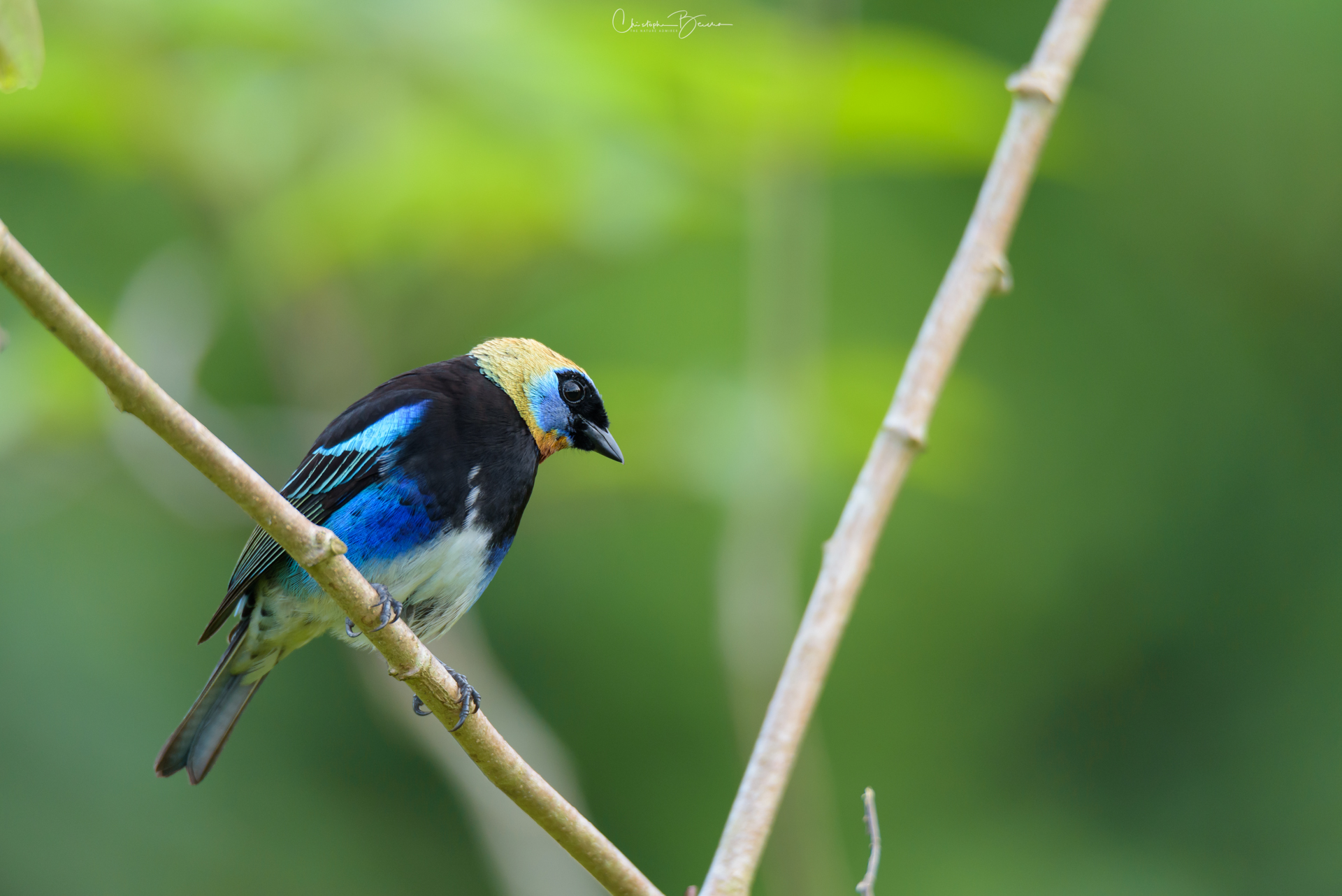
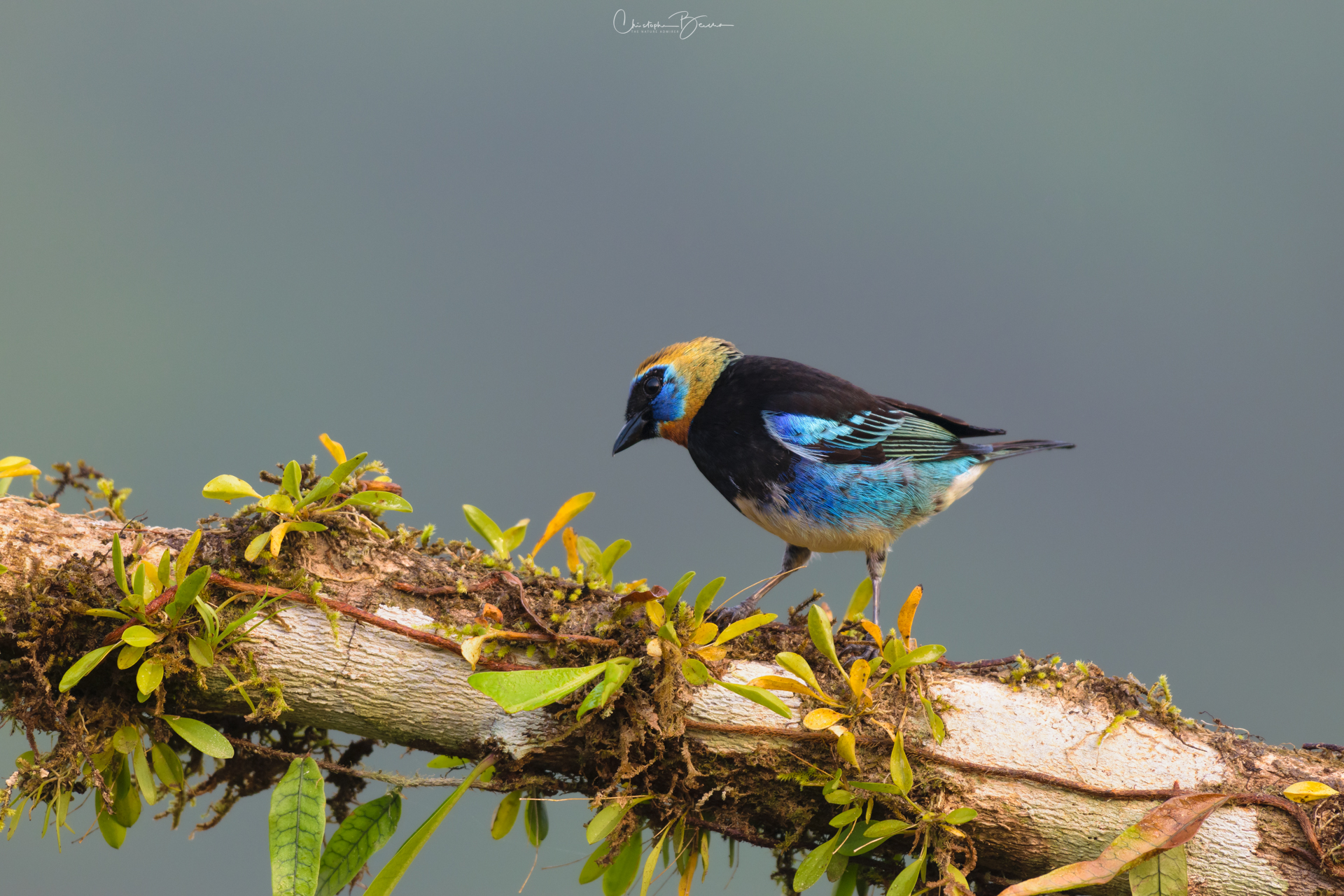
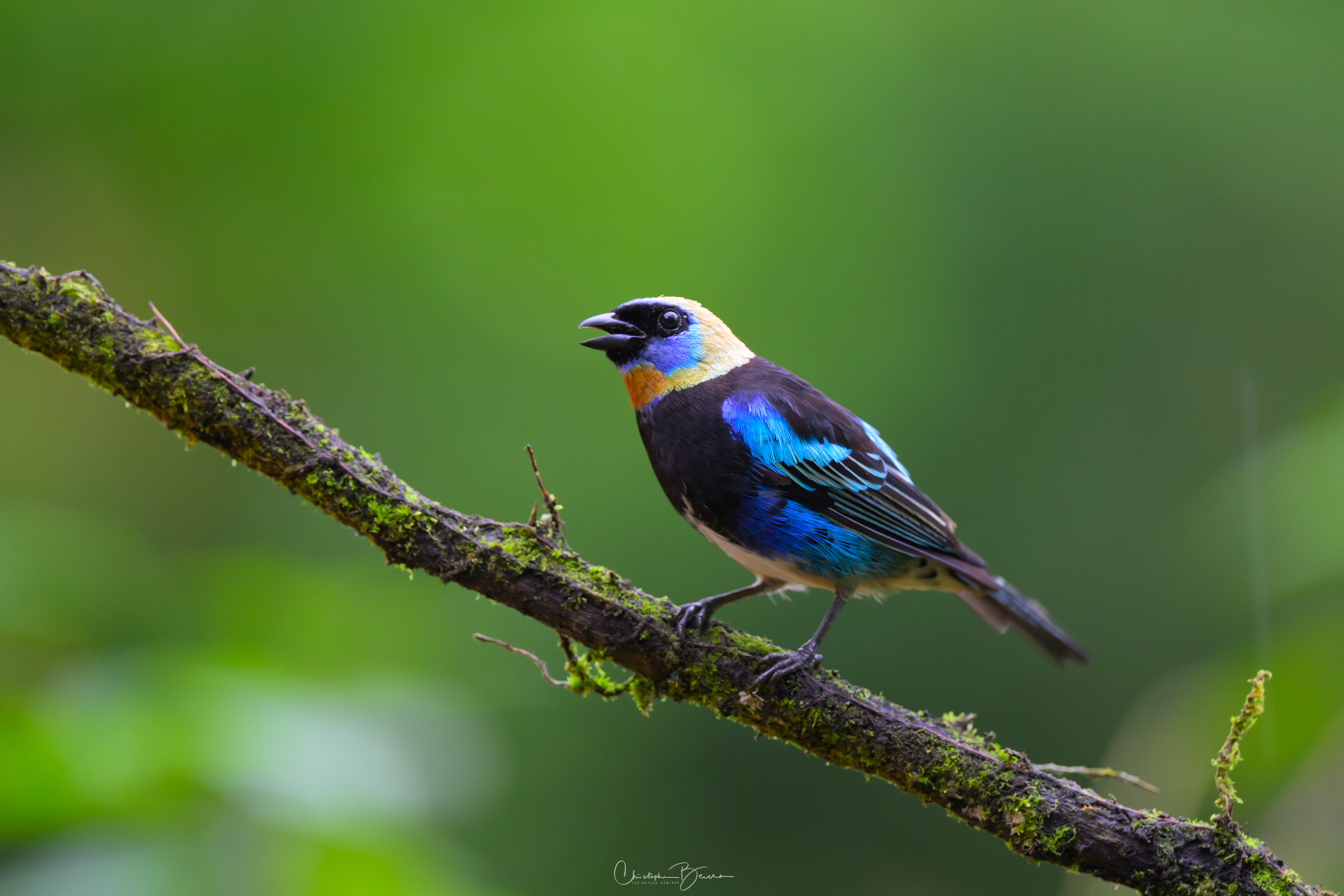
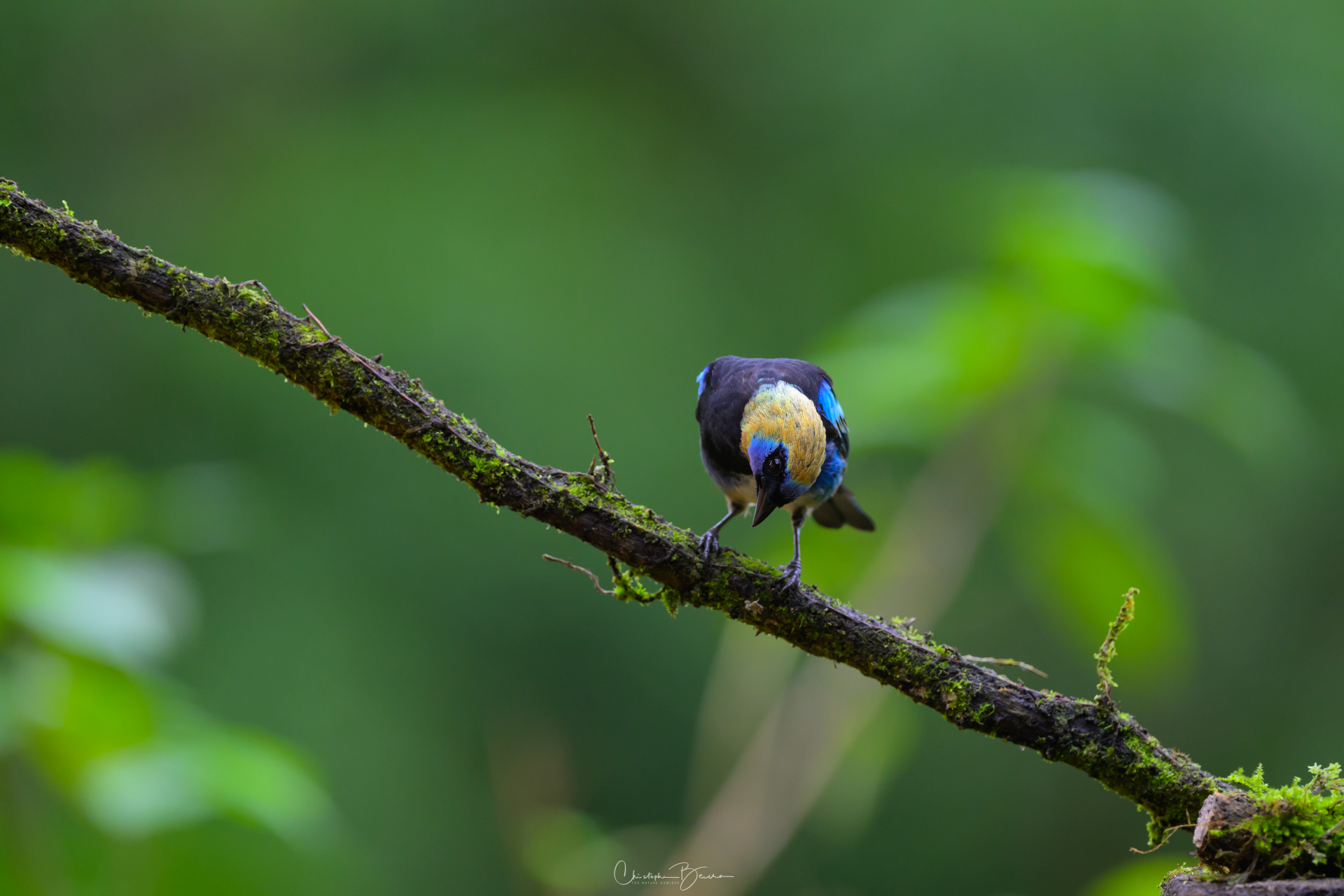
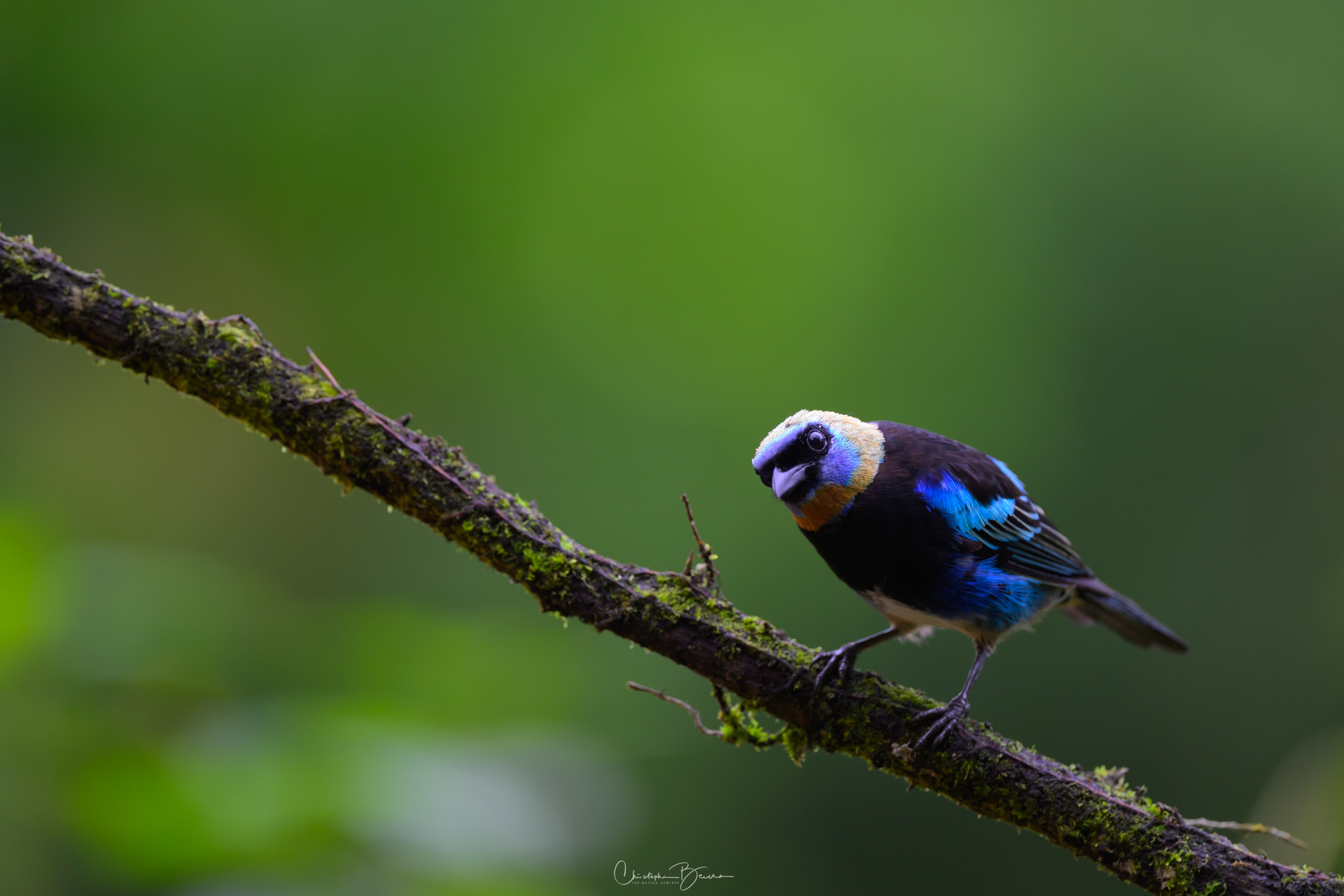
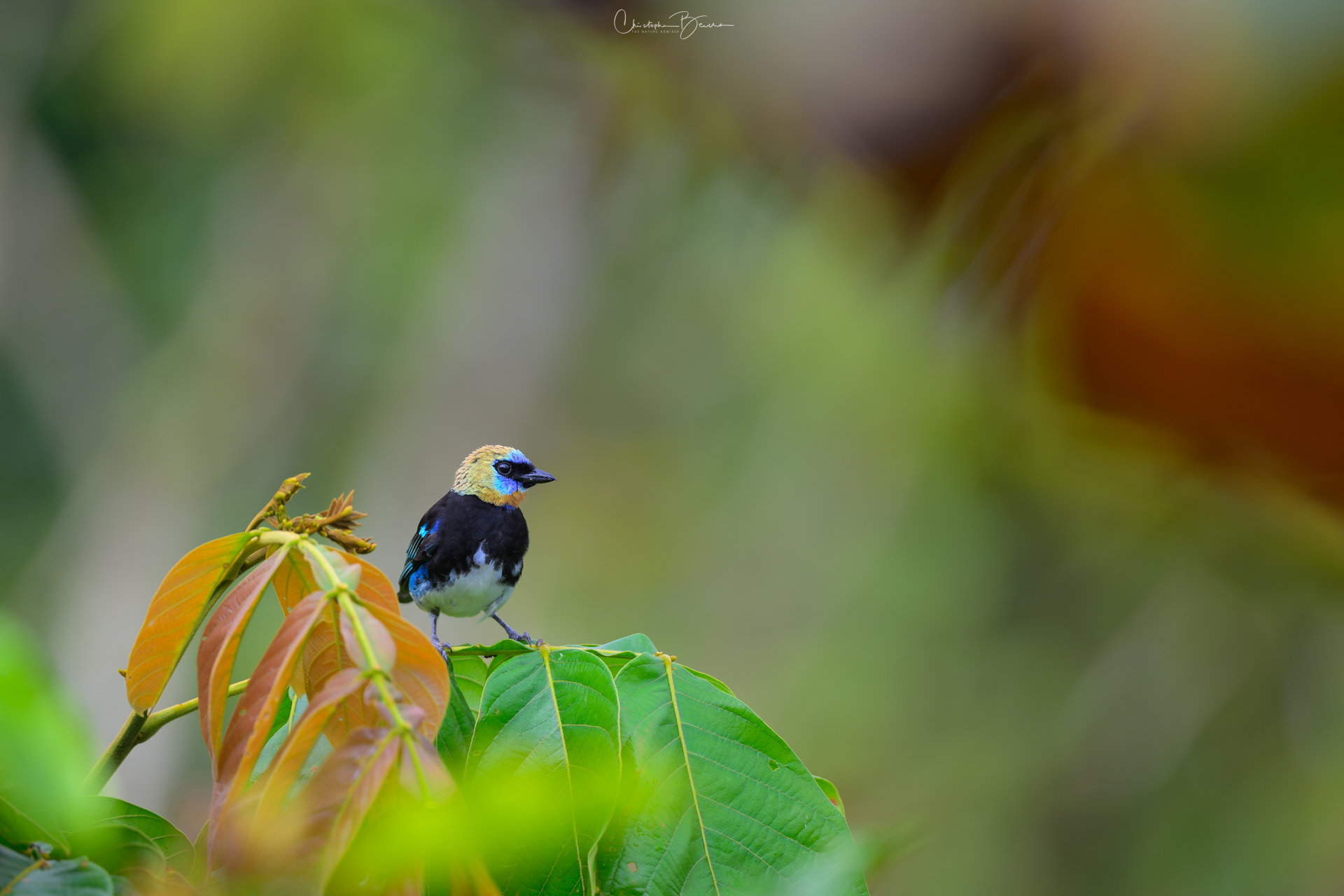
The Golden-hooded Tanager, known as “Seven Colors” (direct translation from Spanish) in Costa Rica, is indeed a colorful bird, in my opinion one of the prettiest. In direct sunlight, the contrast of the deep black with the different shades of blue, white underparts and golden hood just looks amazing, like a very saturated painting, but it is real. They are small birds, similar in size to the Honeycreepers, and belong to the Tanager family. Juvenile birds lack the golden hood, but are just as colorful as the adults. Golden-hooded Tanagers do come to fruit feeders, but they prefer to stay on seed-bearing plants.

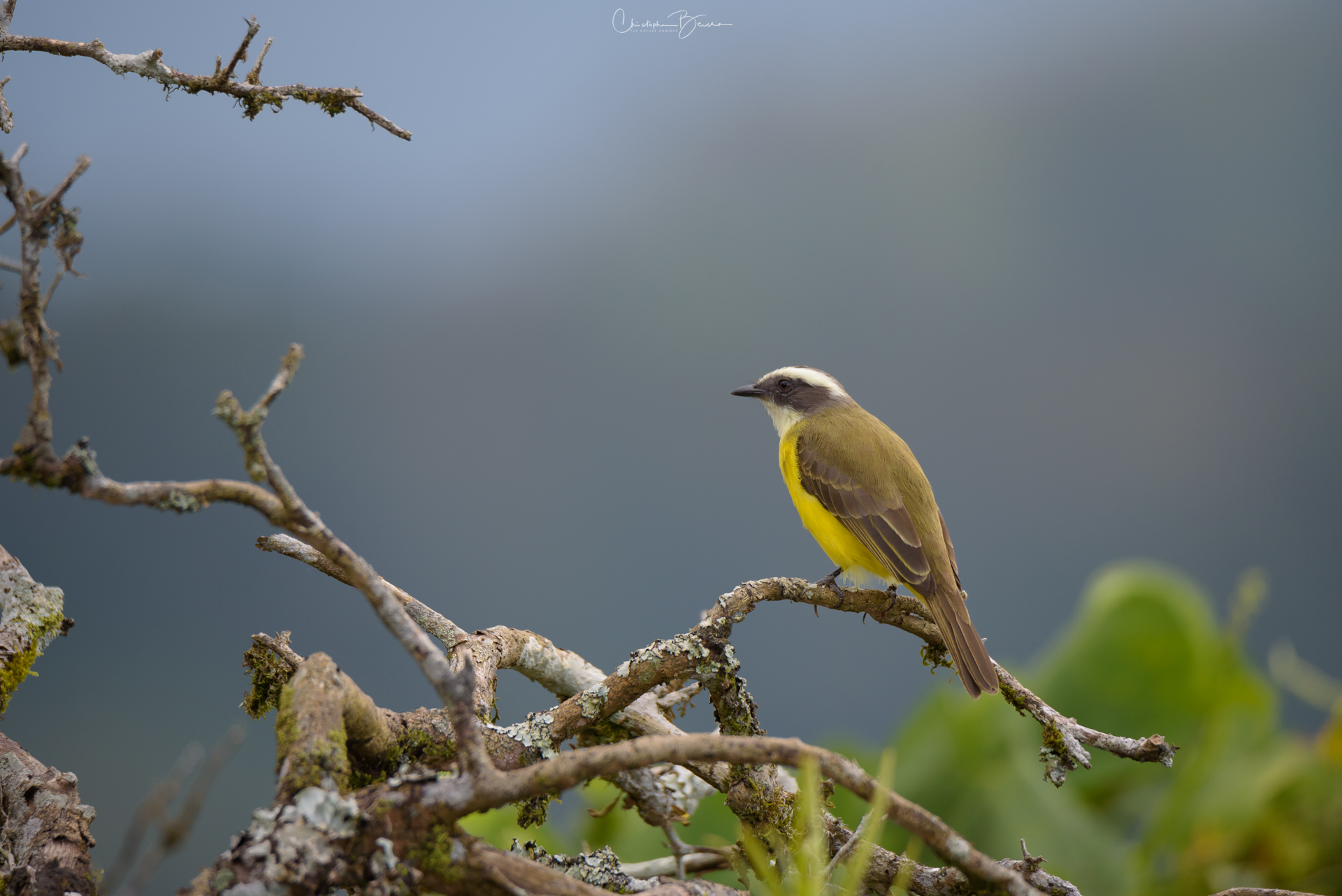
Social Flycatcher (Myiozetetes similis)

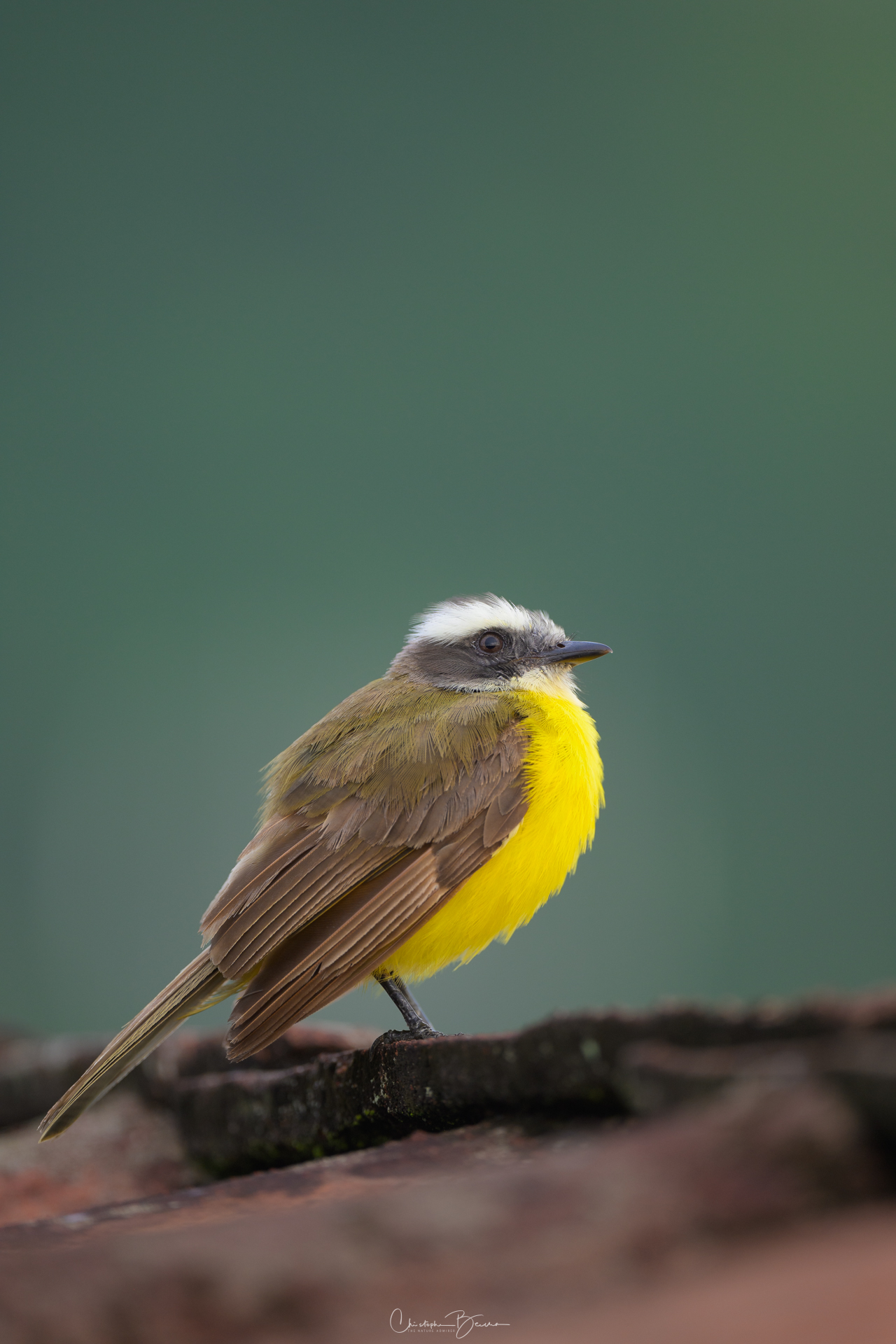
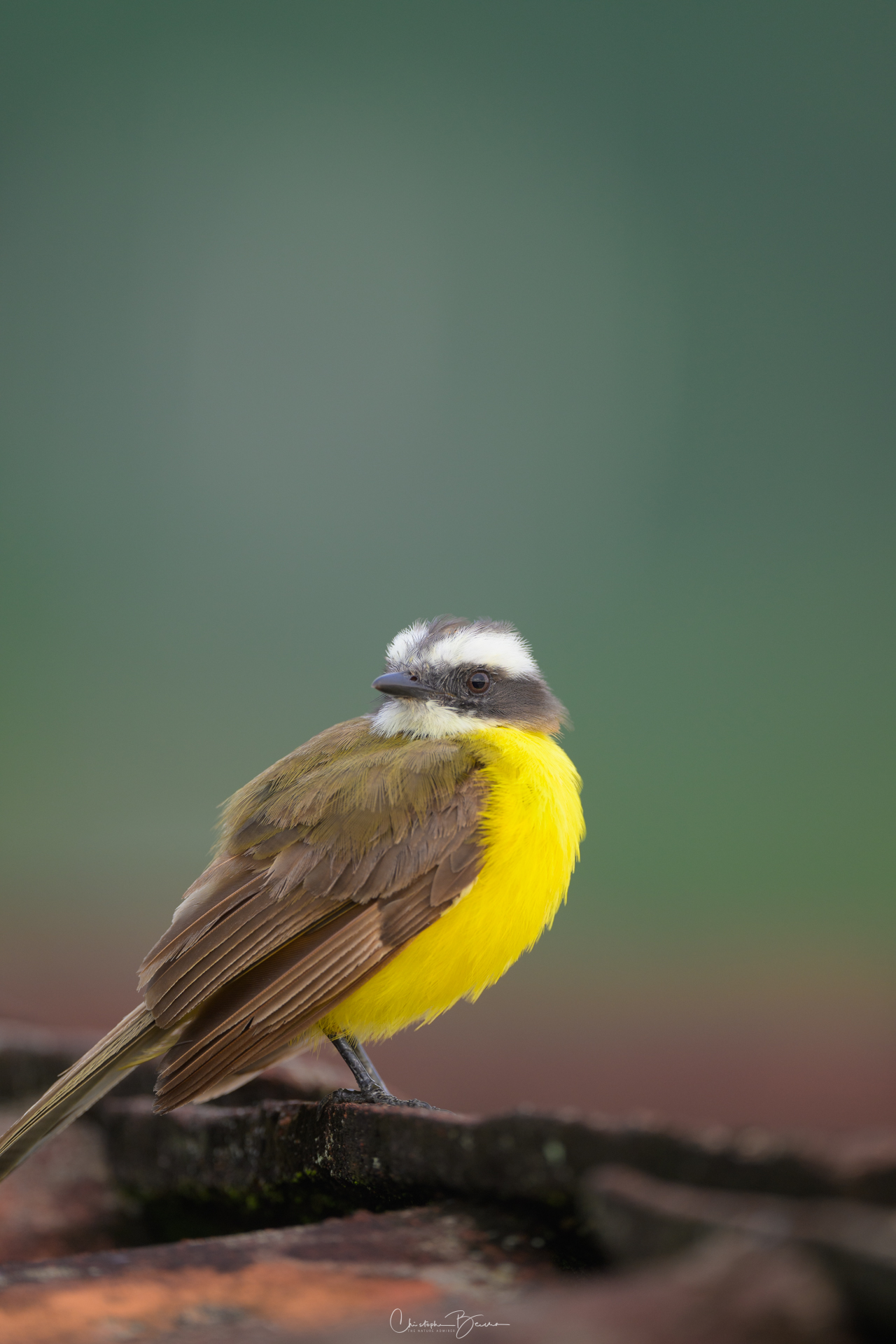
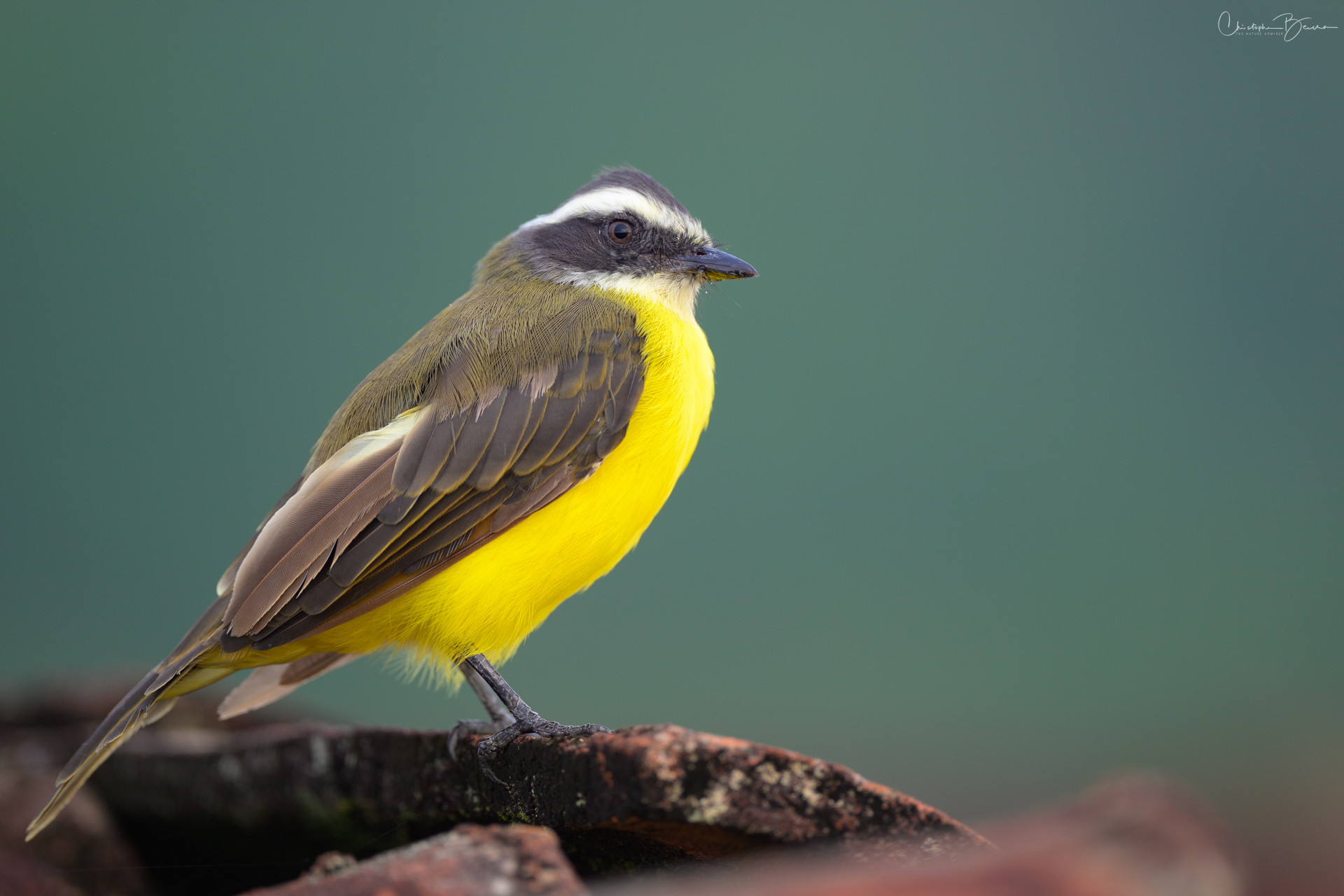
The Social Flycatcher is part of the family of “Pecho Amarillo” birds, as are locally known in Costa Rica. It is pretty difficult to identify since the birds all look alike, but they can be identified relying on size, song and head markings. My parents say that this species should be called “Shakira”, an onomatopoeic interpretation of their sound. They are almost identical in size and shape to the Gray-capped Flycatcher, however their song is very different, and the Gray-capped not just has the different head color, it also shows erect feathers which the Social does not.

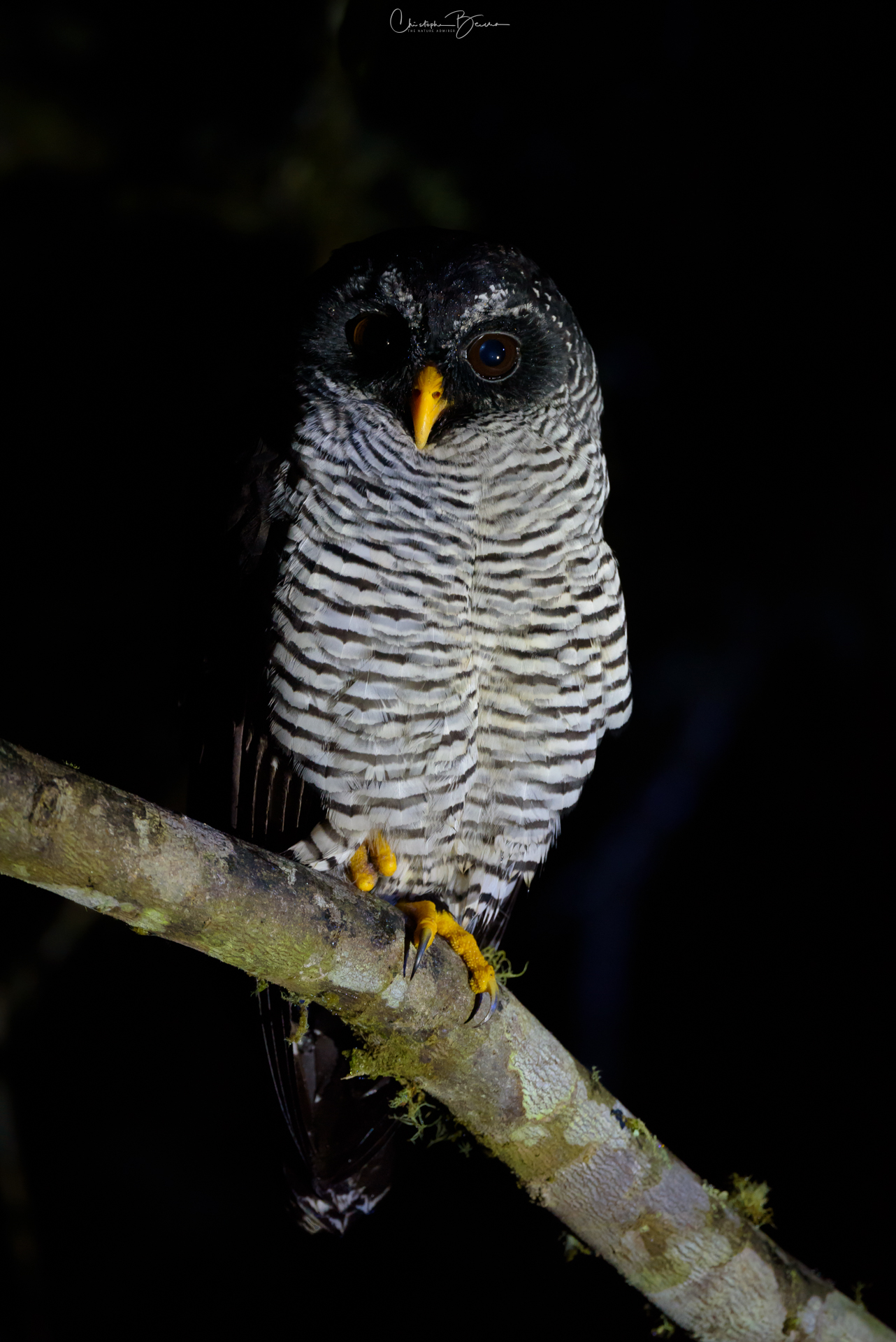
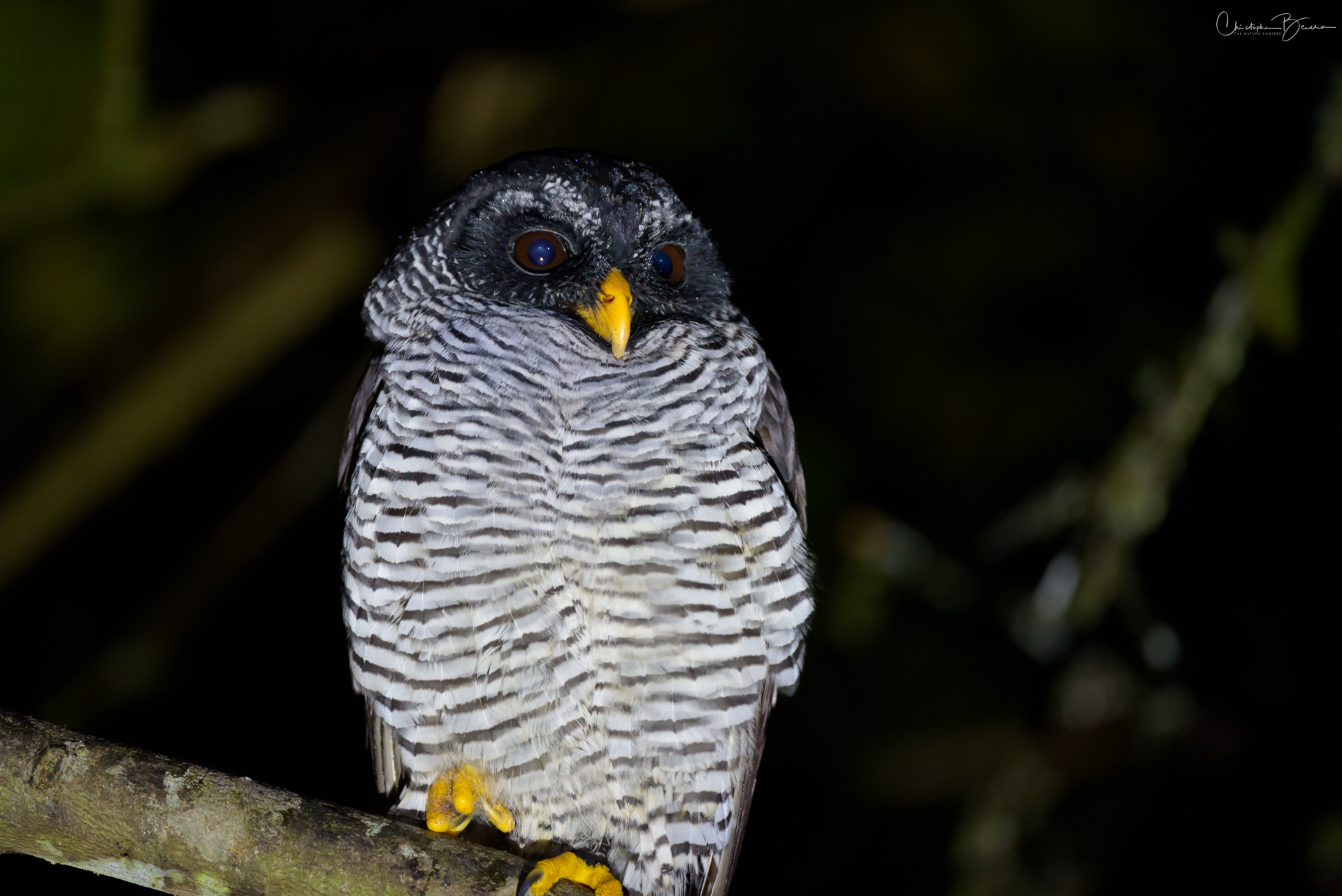
Black-and-white Owl (Ciccaba nigrolineata)

The Black-and-white Owl is very big, and usually perches high up in the trees. The face of the owl is black, with an orange beak and large black eyes, which enable the bird to hunt effectively during the night. From the throat to the vent, it shows fine barring in black and white, hence the name. We usually hear its call at my parent’s home during the evening, however this was the first time I saw it resting inside a bamboo forest during the day. I was riding my bicycle when I saw a dark blob in the bamboo, which at first I thought it was a vulture. Luckily I was carrying my camera on the backpack and when I came closer to inspect, I saw the owl.

Fulvous Whistling-Duck (Dendrocygna bicolor)

The Fulvous Whistling-Duck is a pretty duck, very similar in shape to the Black-bellied Whistling-Duck, to the point that it can be confused with a Juvenile of the Black-bellied. I was lucky because three individuals came to swim on the lake by Concasa, so I spotted them when I returned home in the afternoon. This was unexpected, because I already knew that they only inhabit the northwestern region of Costa Rica, and should be not be found in the Central Valley. I took out my camera and snapped lots of pictures, because I assumed the birds would leave next day. And so they did, in the days afterwards there was no sight of them. Since then, a single individual has returned a few times joining a flock of Black-bellied, which seems pretty unusual. I have seen the Black-bellied pecking at this Fulvous, seemingly trying to drive it away, but it stays with the flock.

Sooty Thrush (Turdus nigrescens)

The Sooty Thrush is a bird similar to the Clay-colored Thrush, the national bird of Costa Rica, but with black plumage. The bill and feet are a striking bright orange, with a light blue iris featuring an orange eye ring. It can be found in the highest mountains in Costa Rica, either flying between trees, or hopping in the ground in typical thrush fashion. Its song is delivered in intervals and has a metallic, harsh quality. In Colombia, there are two species very similar to the Sooty Thrush, one called the Great Thrush and another one called the Glossy-black Thrush, however both have dark irises and yellow eye rings, and look plumpier than the Sooty.