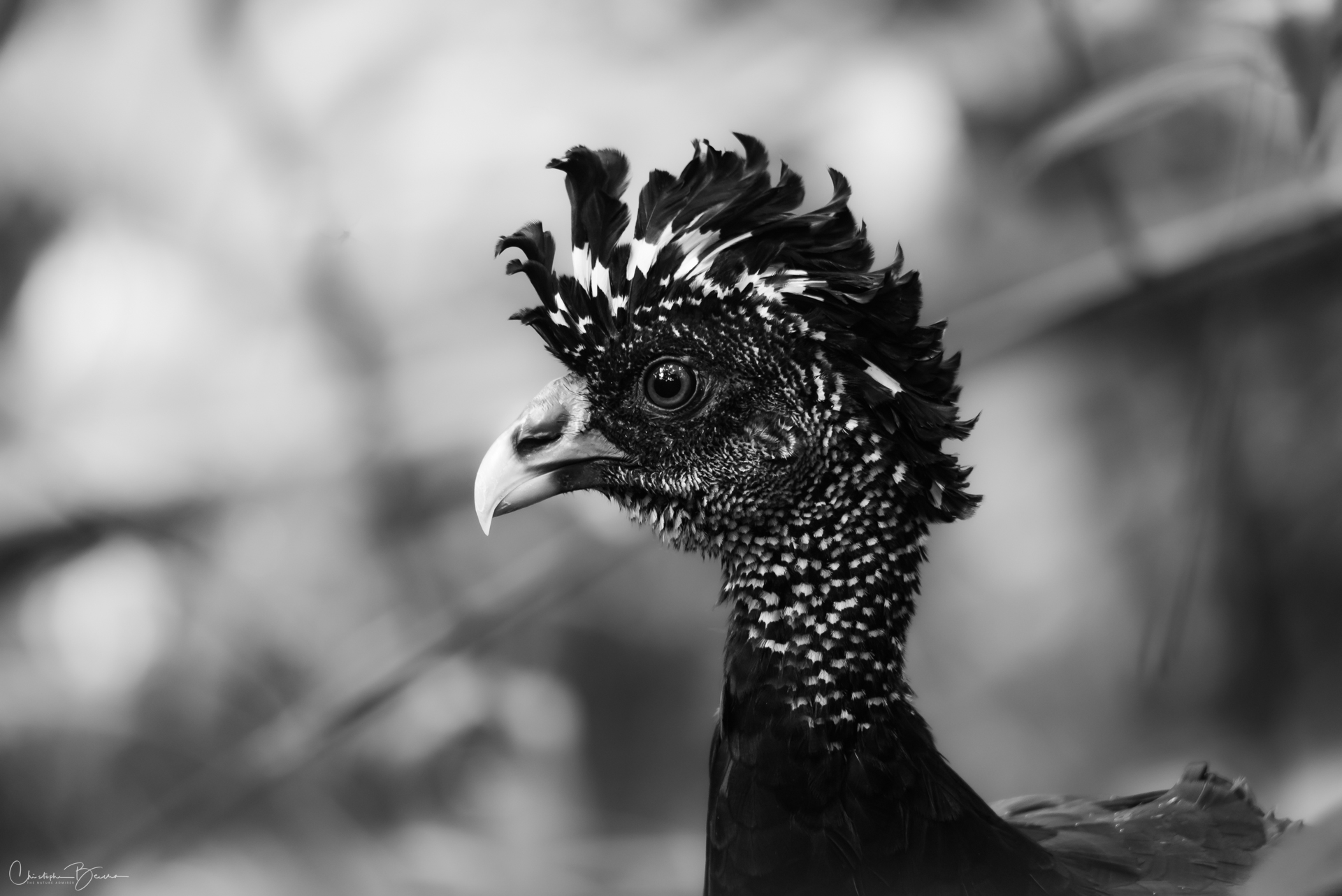
Great Curassow (Crax rubra)

The Great Curassow is a pretty unique bird among Costa Rica species. It shows marked sexual dymorphism, with the female being mostly brown on the most common morph, and the male being almost entirely black. The female has a feather crest that looks just like a Roman Soldier’s helmet and it is barred black and white. Their size is about a turkey’s, yet they have the agility to climb pretty high on trees, as they typically inhabit forested areas. There is also a “barred” morph in females, but it is not common to see in Costa Rica. As a matter of fact, the only barred individual I know of lived in Laguna del Lagarto Lodge, however a Ornate Hawk-Eagle snapped it from the place and ate it, to the astonishment of the photographers present at the day. Life always has a way to leave us in wonder.

The vertical picture was taken at Laguna del Lagarto Lodge, Boca Tapada during a birdwatching tour with Fundación Rapaces de Costa Rica, on November 25th and 26th, 2017. It is incredible that such a big bird is able to balance itself so well on perches that are pretty high above the ground. It was even able to incline the body to the front and feed while standing there. The horizontal picture was taken at Yatama Ecolodge, where a group of no less than 5 females and 2 males foraged close to the visitor rooms.
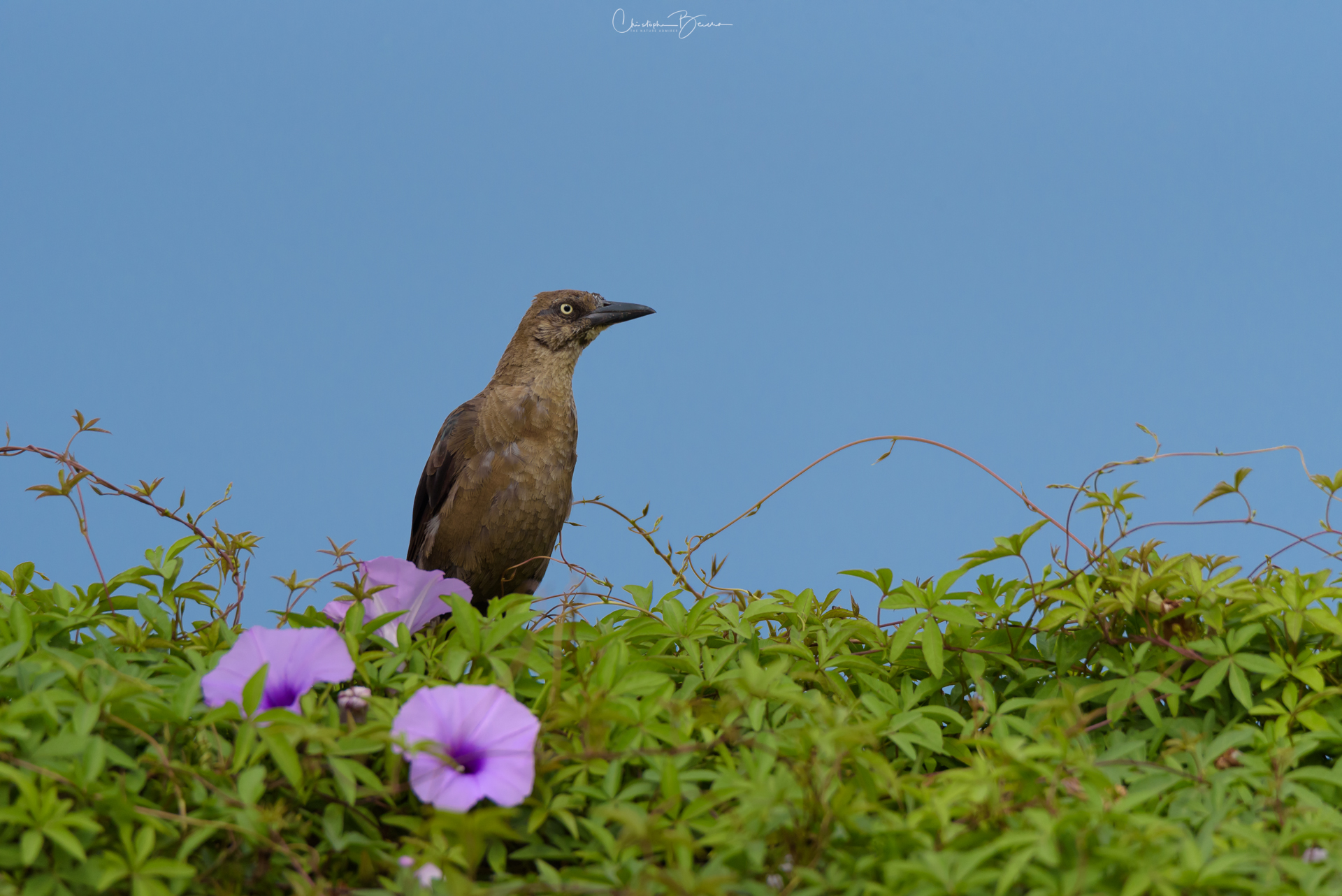
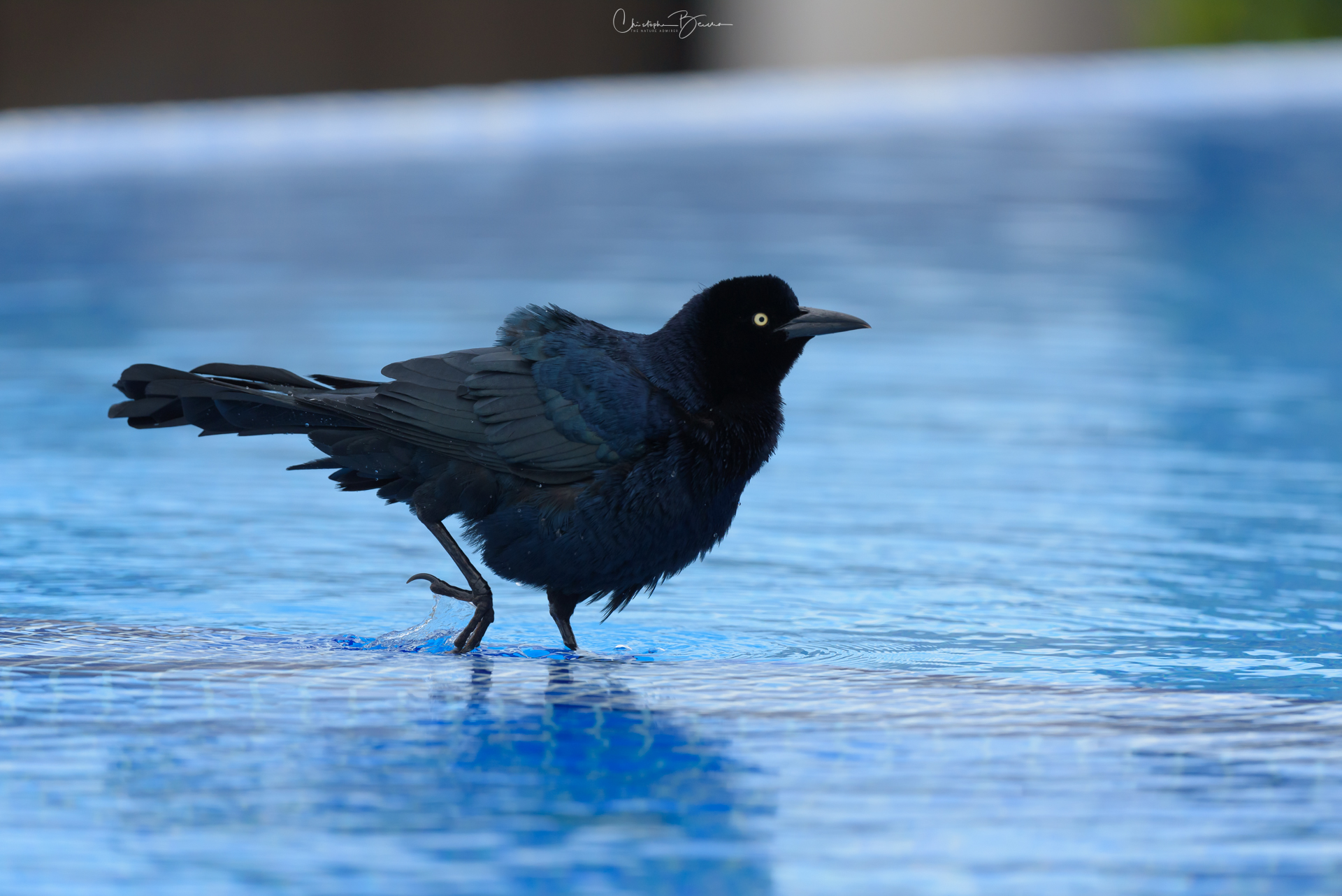
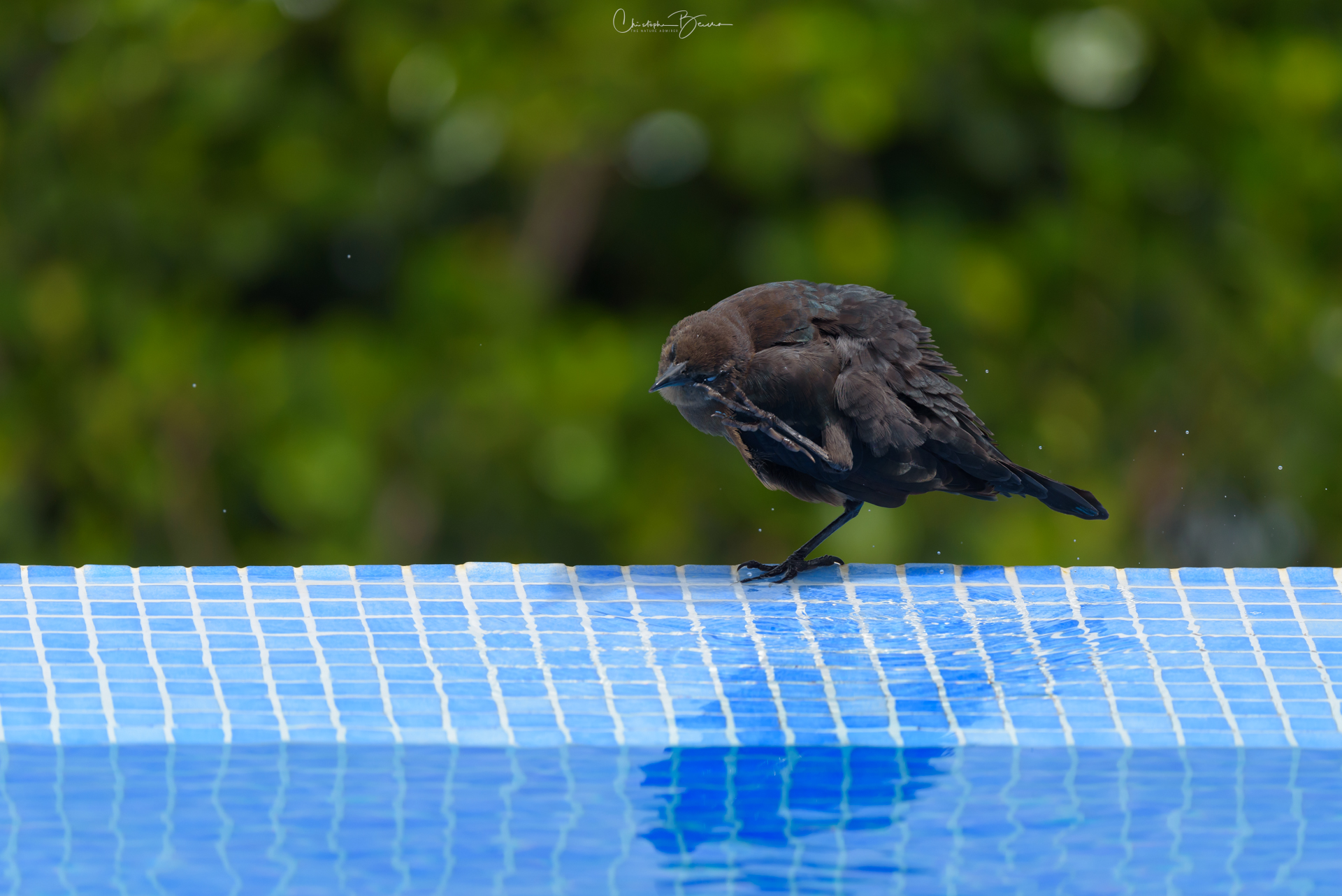
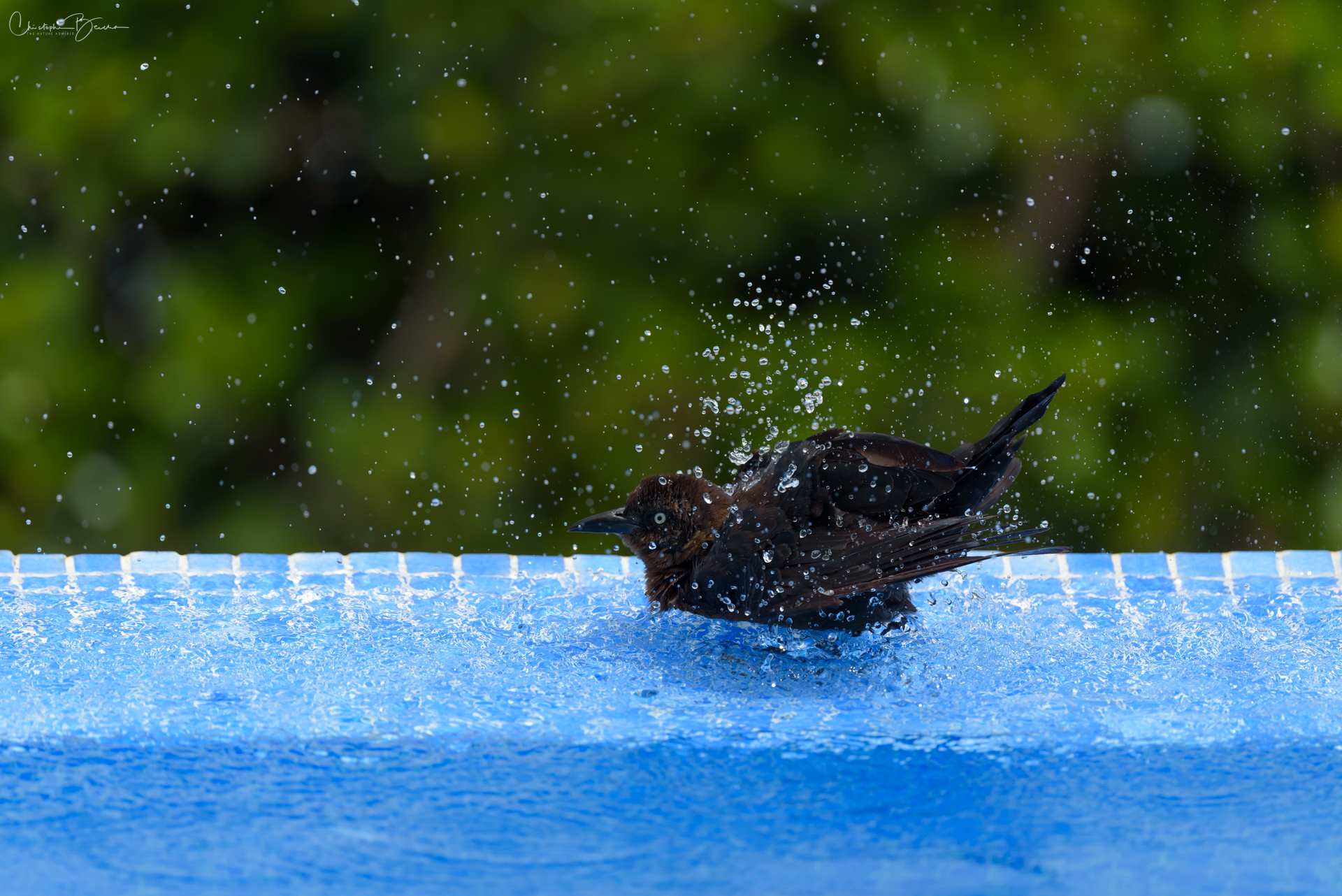
Great-tailed Grackle (Quiscalus mexicanus)

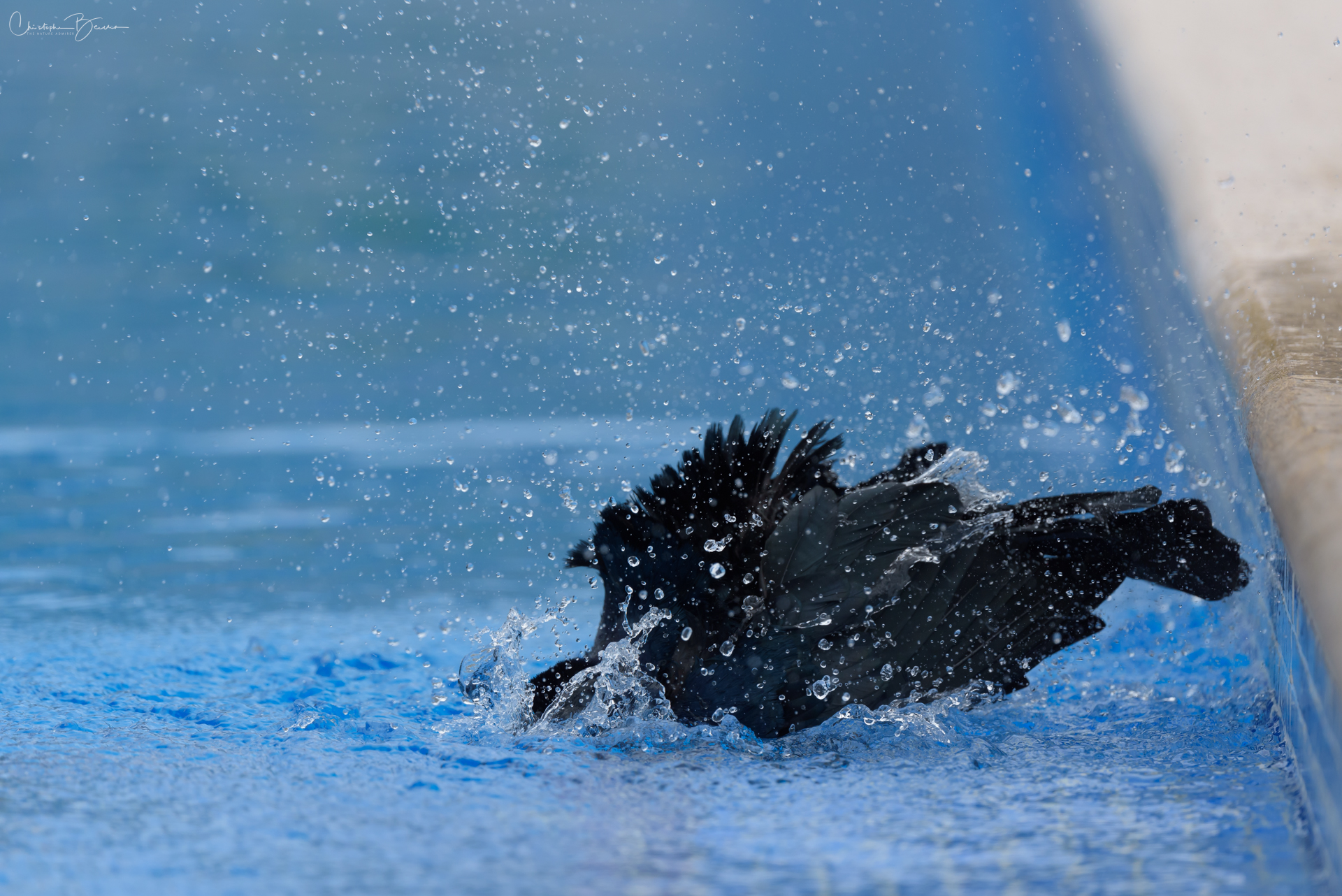
Even though the Great-tailed Grackle has become unpopular for most people due to their feeding habits, the male is a beautiful black bird that shines in blue when exposed to sunlight. Granted they cause trouble to other birds, as they will readily raid nests with eggs and hatchlings, but in some sense that’s really their role in the ecosystem, as with their predatory behavior they prevent some species to grow out of control. Males are very noisy and display as they sing their metallic tones into the air; their tails have a v-shape as they are wider in the end that in the base. The females are entirely drab brown with a yellow iris. They thrive near human settlements, eating insects, but also a variety of plants, including fruits, which has gained them the reputation of pests in many areas.

Great Green Macaw (Ara ambiguus)

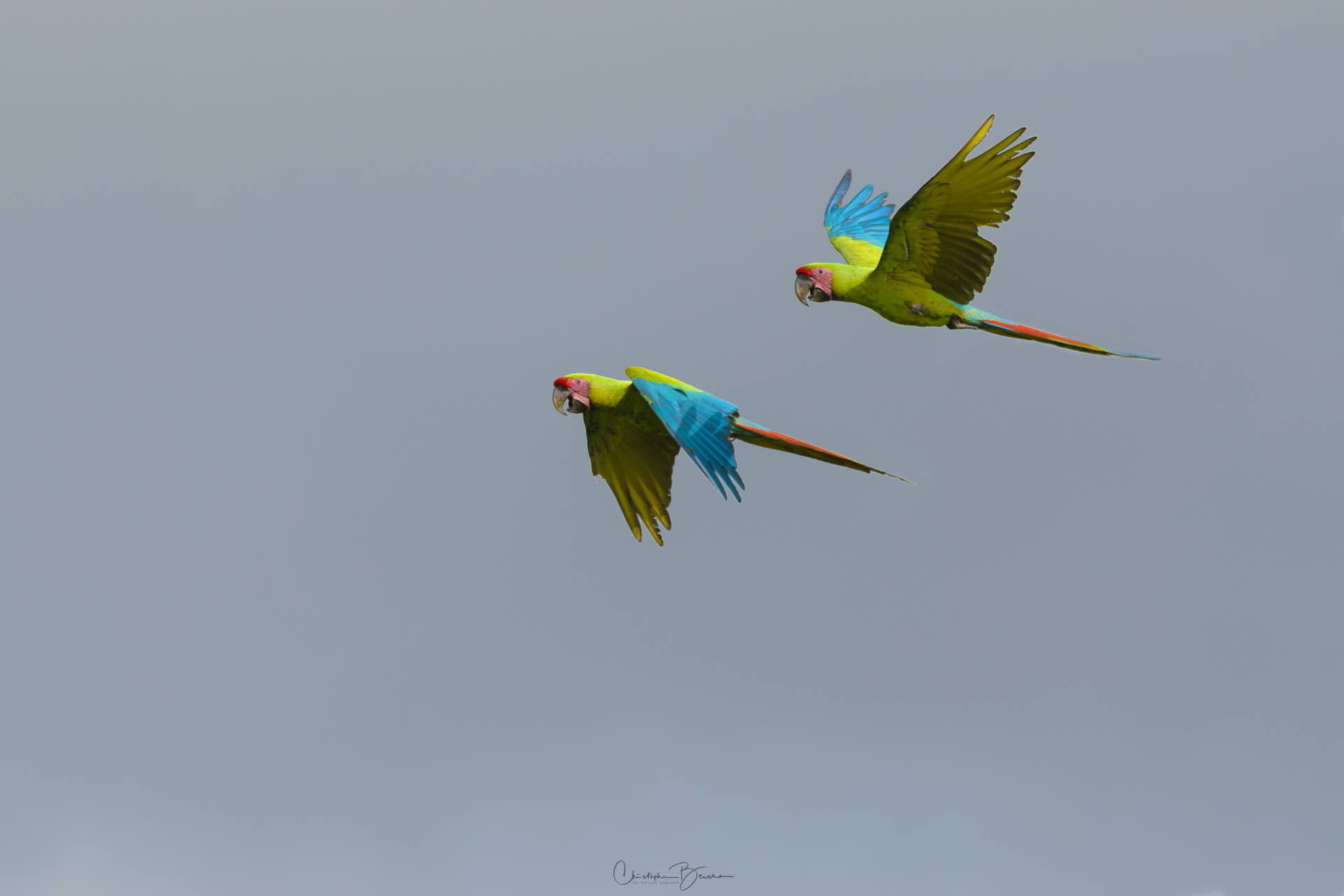
The Great Green Macaw is a pretty uncommon sight in Costa Rica. It is a huge bird, their calls are very loud. I had the opportunity to observe the birds very close in Rio Cuarto. Our wildlife photography guide explained that Green and Scarlet Macaws do not hybridize in the wild, however in this refuge, a pair of Macaws have been interbreeding in the last few years, resulting in hybrids being born. In Rio Frio, where my parents live, it is common to see a pair of these birds flying overhead most of the times I am there. Either they are more common in the area, or a single pair of birds has taken residence. They are easy to identify, as their harsh call is heard from very far away and no other parrot has such a characteristic call, other than the Scarlet Macaw. They like to feed on almond and are likely to be seen perching relatively high in those trees.

Great Blue Heron (Ardea herodias)

The Great Blue Heron is one of the largest birds that occur naturally in Costa Rica. They can be found in watery environments like rivers and ponds, even artificial ones like the one in Concasa, which has been visited by a juvenile bird almost every morning from January 2018 to March of the same year. The name is misleading though, as the blue is color is rather dull on this bird. The juvenile is mostly grayish, with a darker cap, yellow eye and lower mandible, and black upper mandible. The adult shows a light dull blue on the back and wings, with brownish neck and white cheeks, maintaining the dark cap and yellow eye, but the upper mandible changes to yellow. They stalk prey from the edge of water ponds and lakes, and launch a forceful attack as fish pass by, able to snatch fish of considerable size and swallow them in one go.