
Page 21 of 31


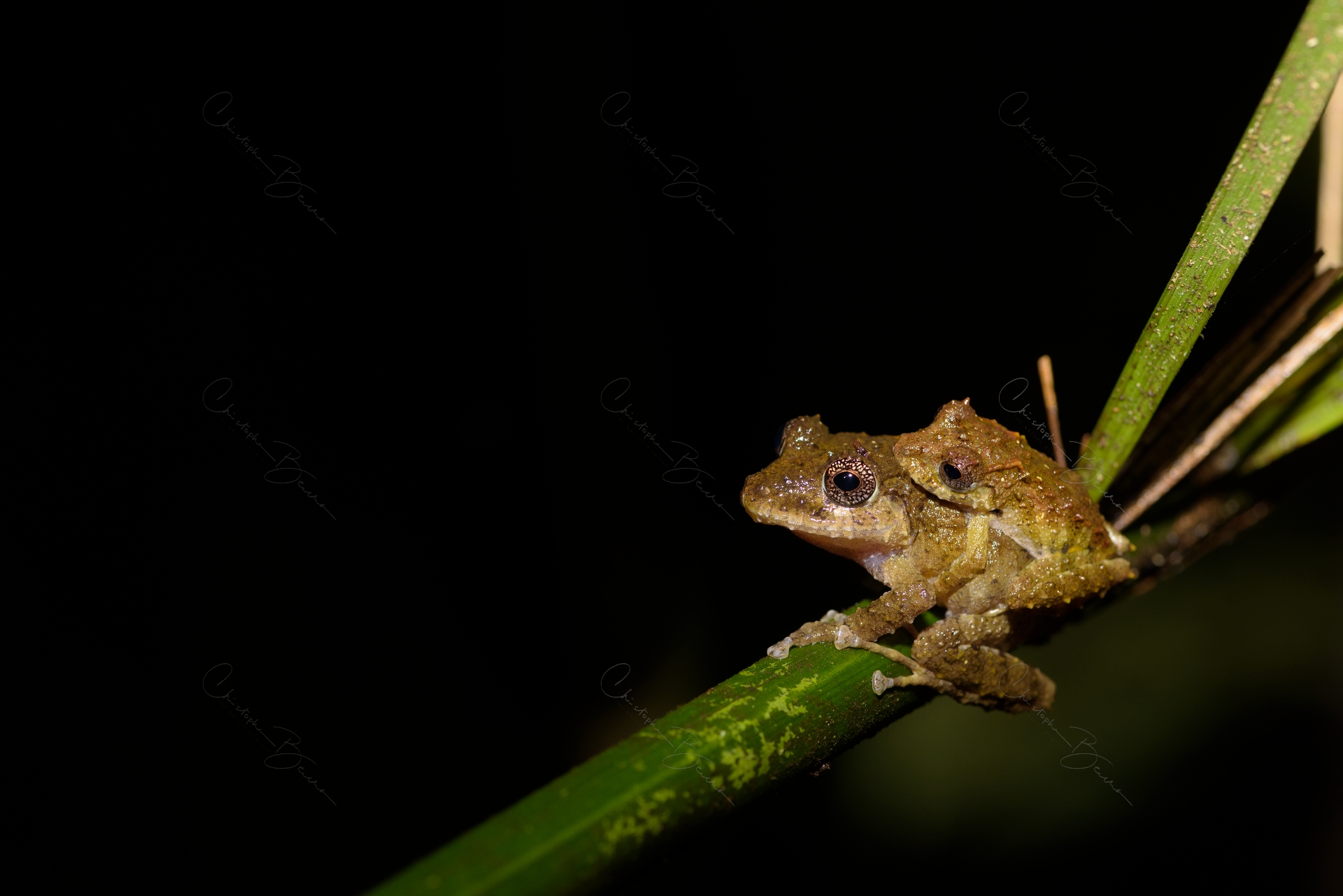
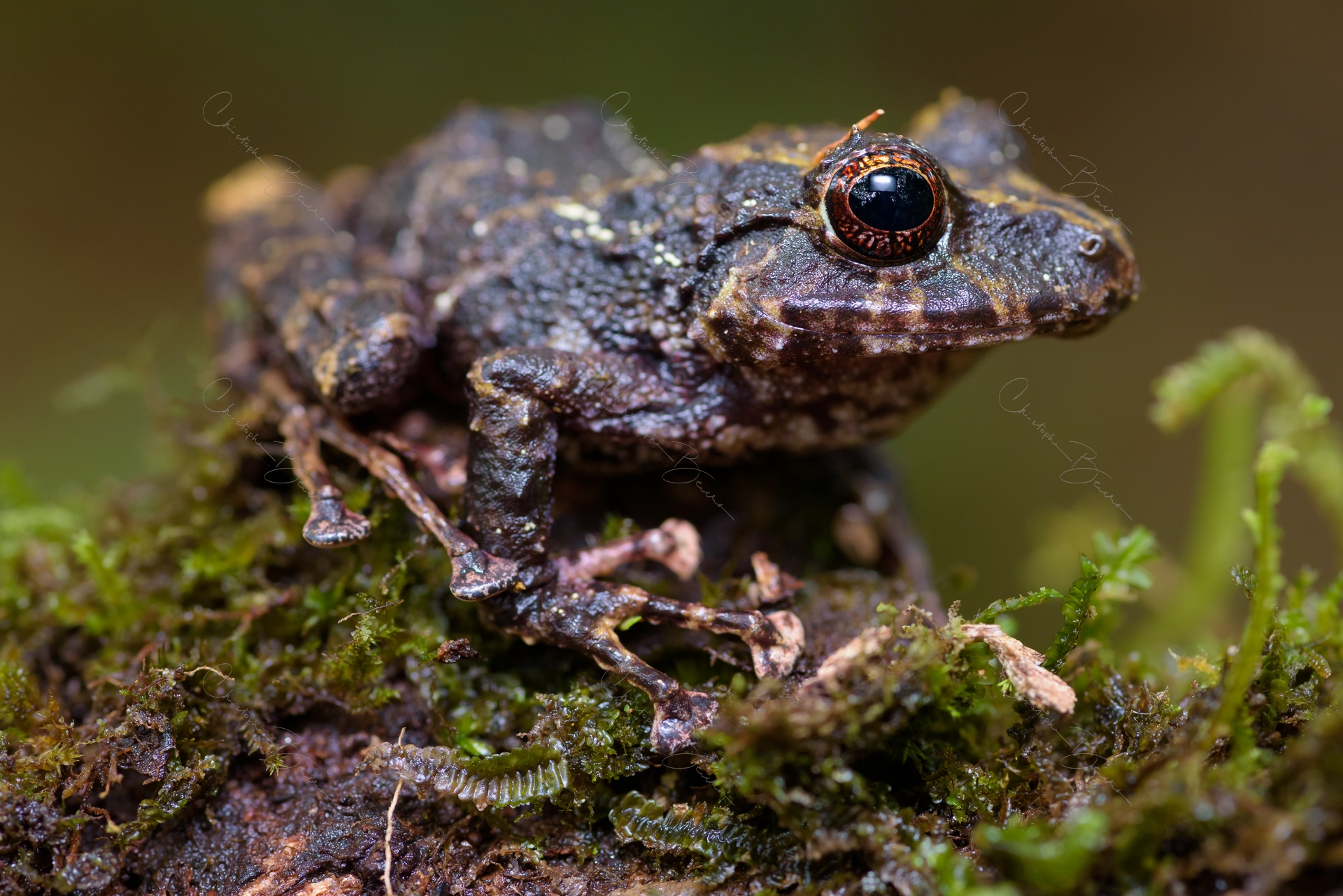
Blue-and-white Swallow (Pygochelidon cyanoleuca)
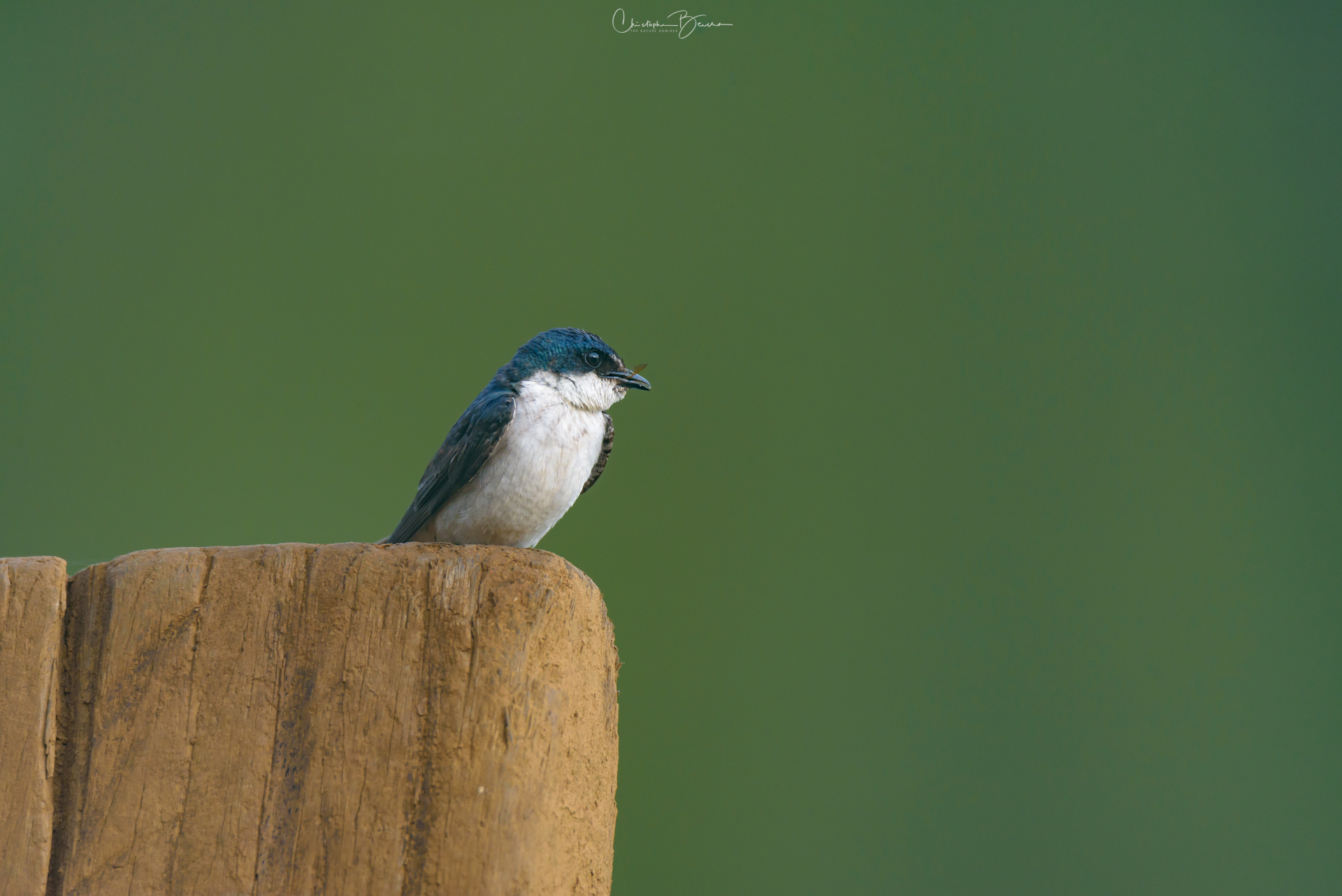
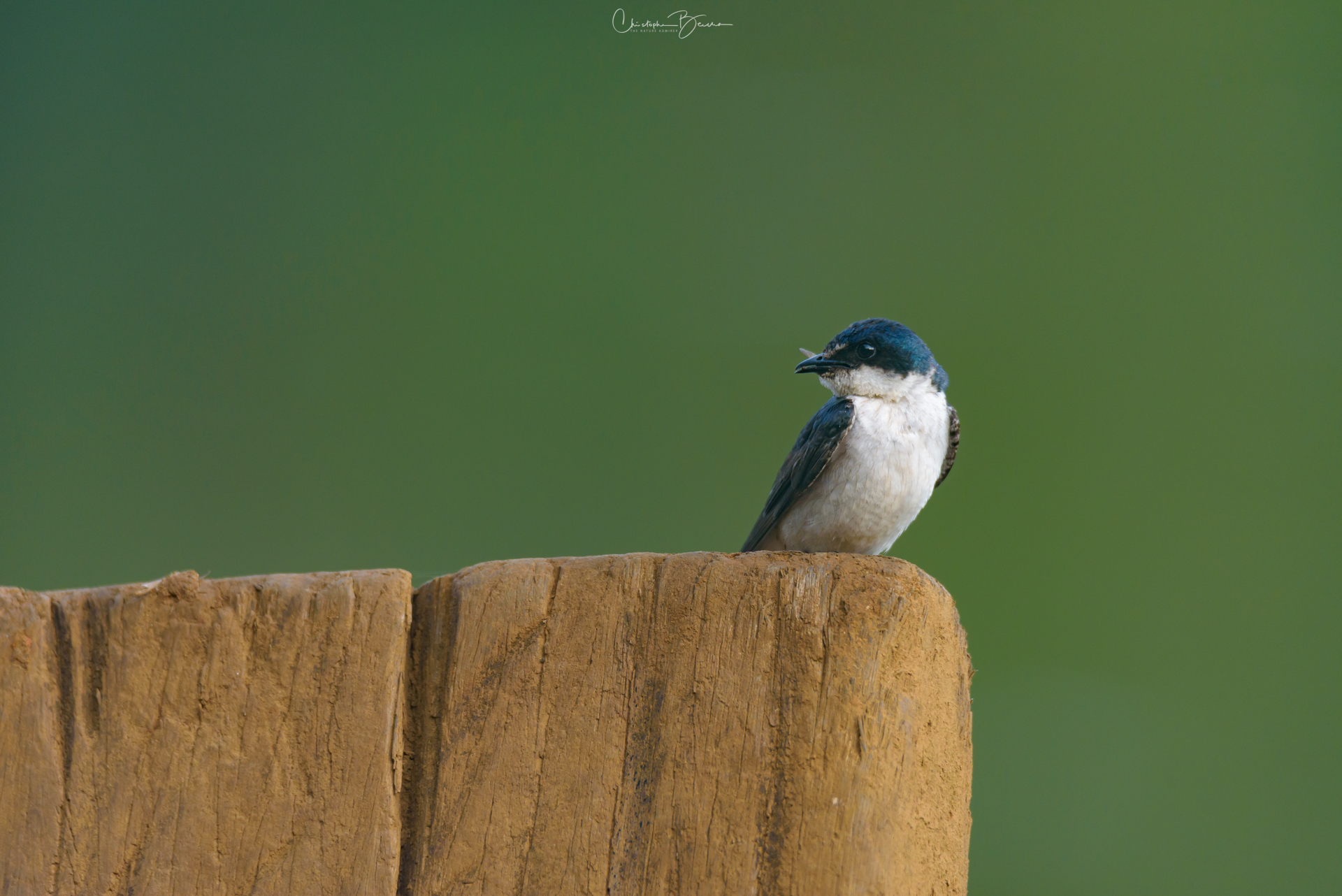
The Blue-and-white Swallow is very similar to the Mangrove Swallow, given that the Mangrove’s upperparts are green but may look blueish under certain lighting conditions, and they share the white underparts and long black wings and tail. It is distinguished by having black undertail coverts, and the fact that Mangrove Swallows are for the most part encountered in coastal areas, while the Blue-and-White can be found almost anywhere in the country. Like other swallows, they readily perch in cables to rest. They also like to construct their nests in human made structures like roofs.
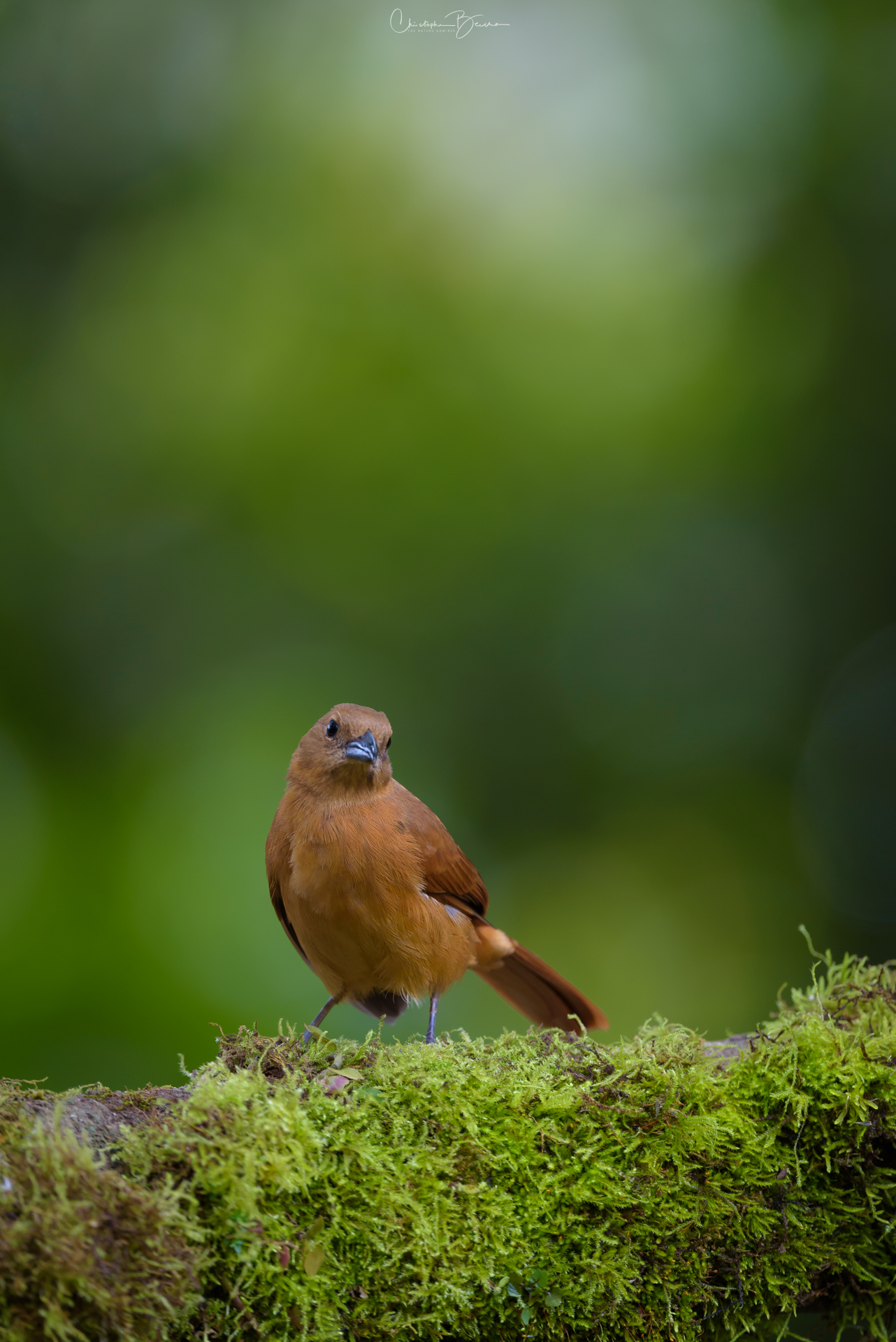
White-lined Tanager (Tachyphonus rufus)
The White-line Tanager has strong dymorphism, with the male being black with a small white line on the shoulder, and the female being entirely rufous. They normally forage in pairs, which helps in identifying them. Males can look very much like Scarlet-rumped Tanagers when the rump is not visible, but the bill is gray instead of blueish. The female is also similar to the Scarlet-rumped, however it has no marks and a black bill. They also approach fruit feeders but are more wary than Scarlet-rumped preferring to forage in the dense vegetation.




Ruddy Turnstone (Arenaria interpres)
The Ruddy Turnstone is one of the most conspicuous migratory coastal birds that pass through the Pacific coast of Costa Rica. Their plumage is fairly colorful, with white underparts, orange legs, wings that are patched in orange and black, black throat and gray head with black markings. This is true of breeding adult males, but also of females and juveniles, although with streaked face and throat instead of black. Juveniles are duller, but not easily confused with other sandpiper species, as they are generally bigger and their body shape is different.

American Oystercatcher (Haematopus palliatus)
The American Oystercatcher is the only species that reaches Costa Rica, out of 12 species that compose the family Oystercatcher family. They are all very similar, mainly varying in terms of their plumage color. The American species has a brown-gray back, white underparts, pink legs and black head. The eye is yellow with surrounding orange orbital skin, and the bill is large and slim, orange in coloration, which is used to grab and eat shellfish. The inner plumage of the wing is also white, and is shown during flight, or also during displays when wading in the shallow water.
Due to their peculiar look, they are easy to identify among flocks of migratory birds, which normally are composed of gulls, terns, plovers and sandpipers, but are not as abundant during migration and any of those families. They are among the largest of such migratory bird groups. They prefer mud and salt flats that are exposed and shallow, where they can wade to grab prey. They feed by either severing the muscles that enable the mollusks to close tight, hereby getting the meaty interior out, or by grabbing the entire body with the shell, and hitting it against rocks to slam it open.

 The Nature Admirer