Page 13 of 13

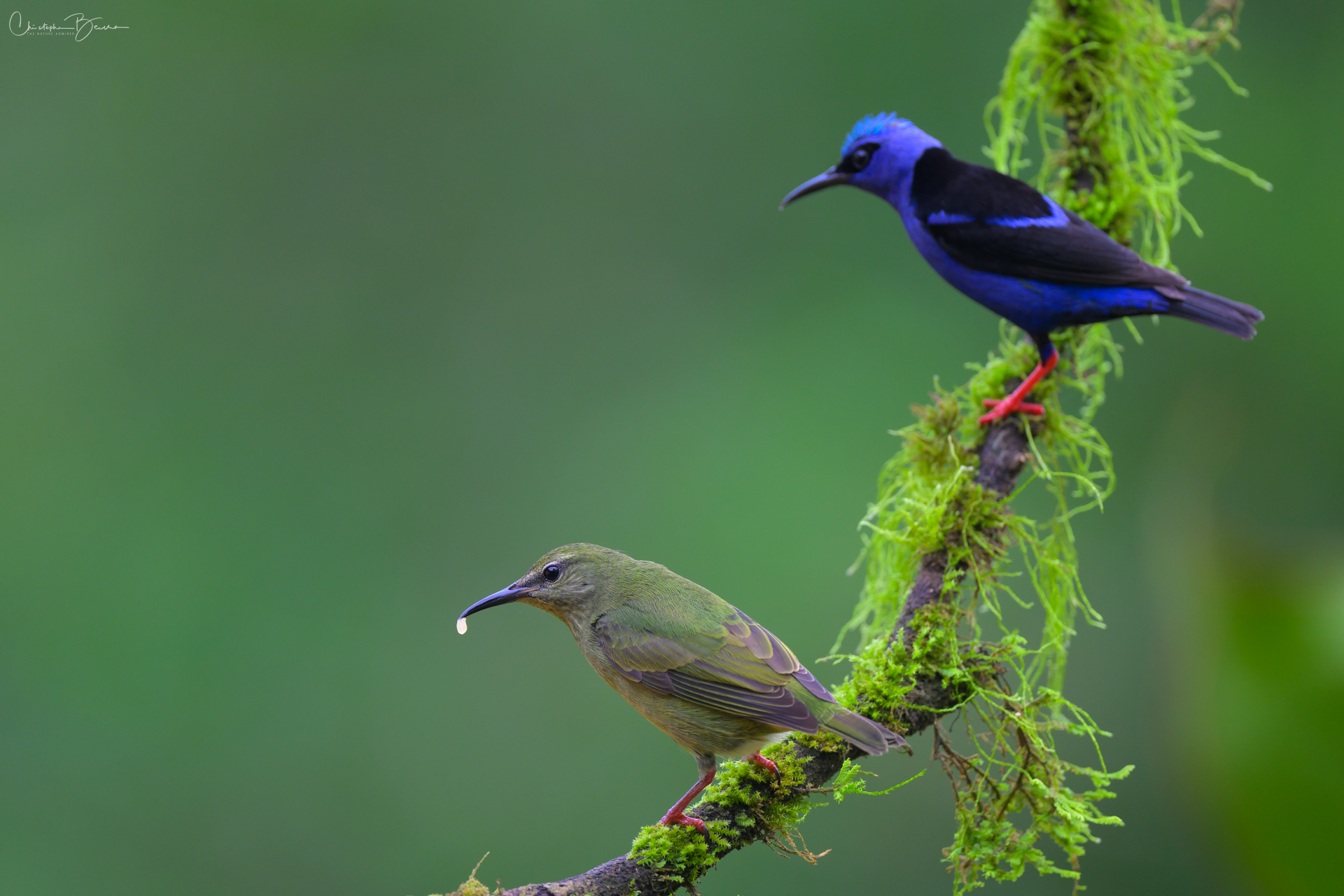
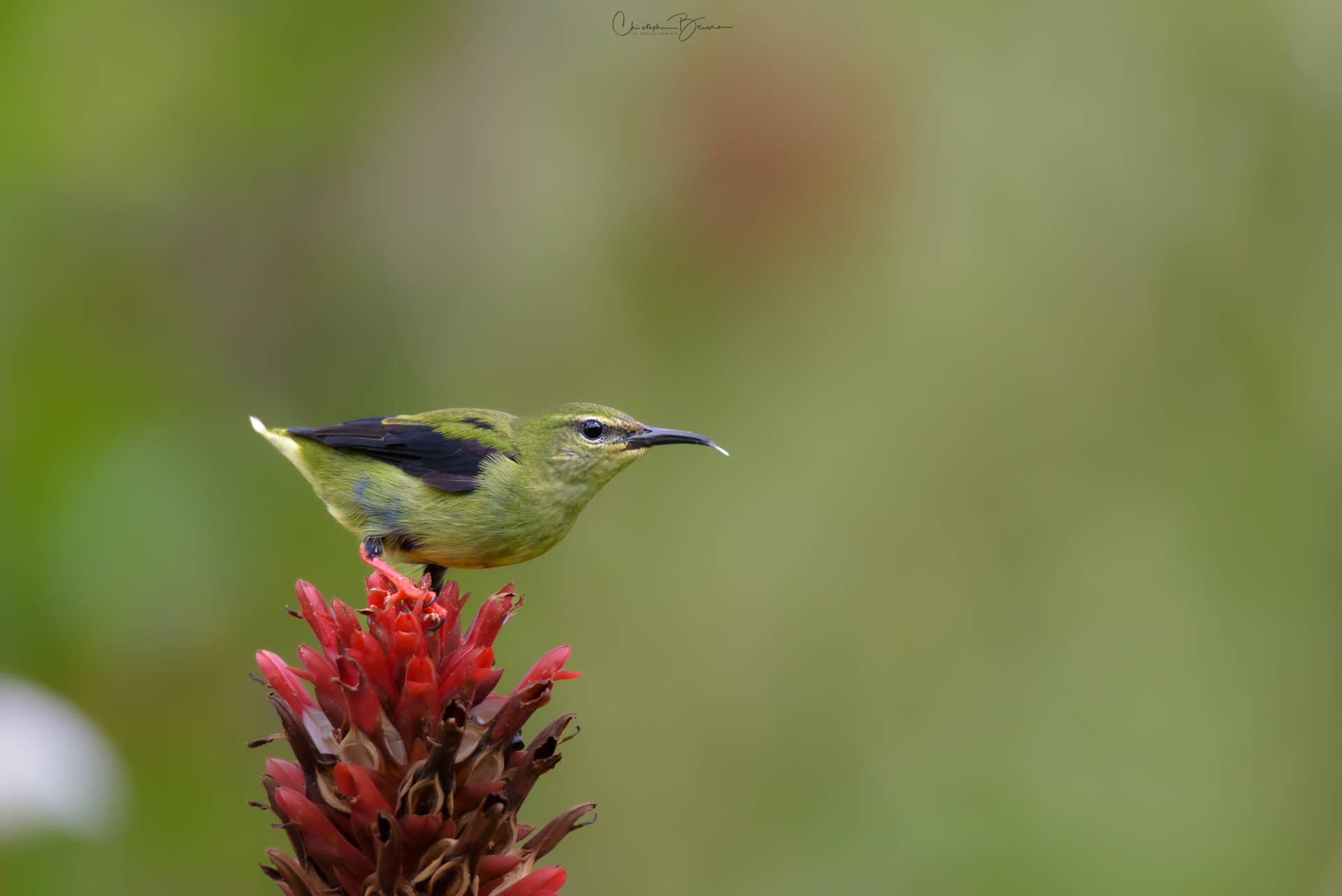
Red-legged Honeycreeper (Cyanerpes Cyaneus)

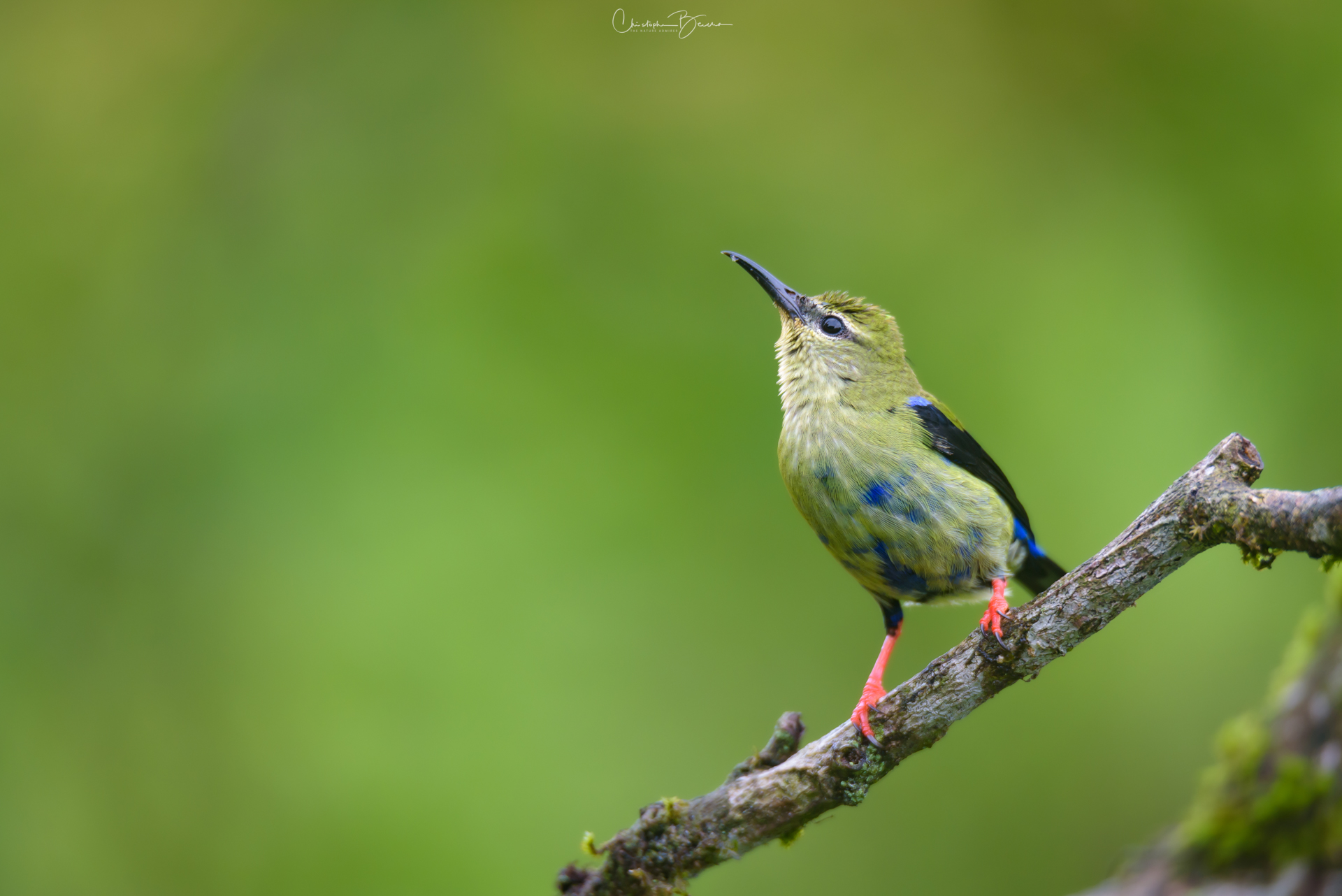
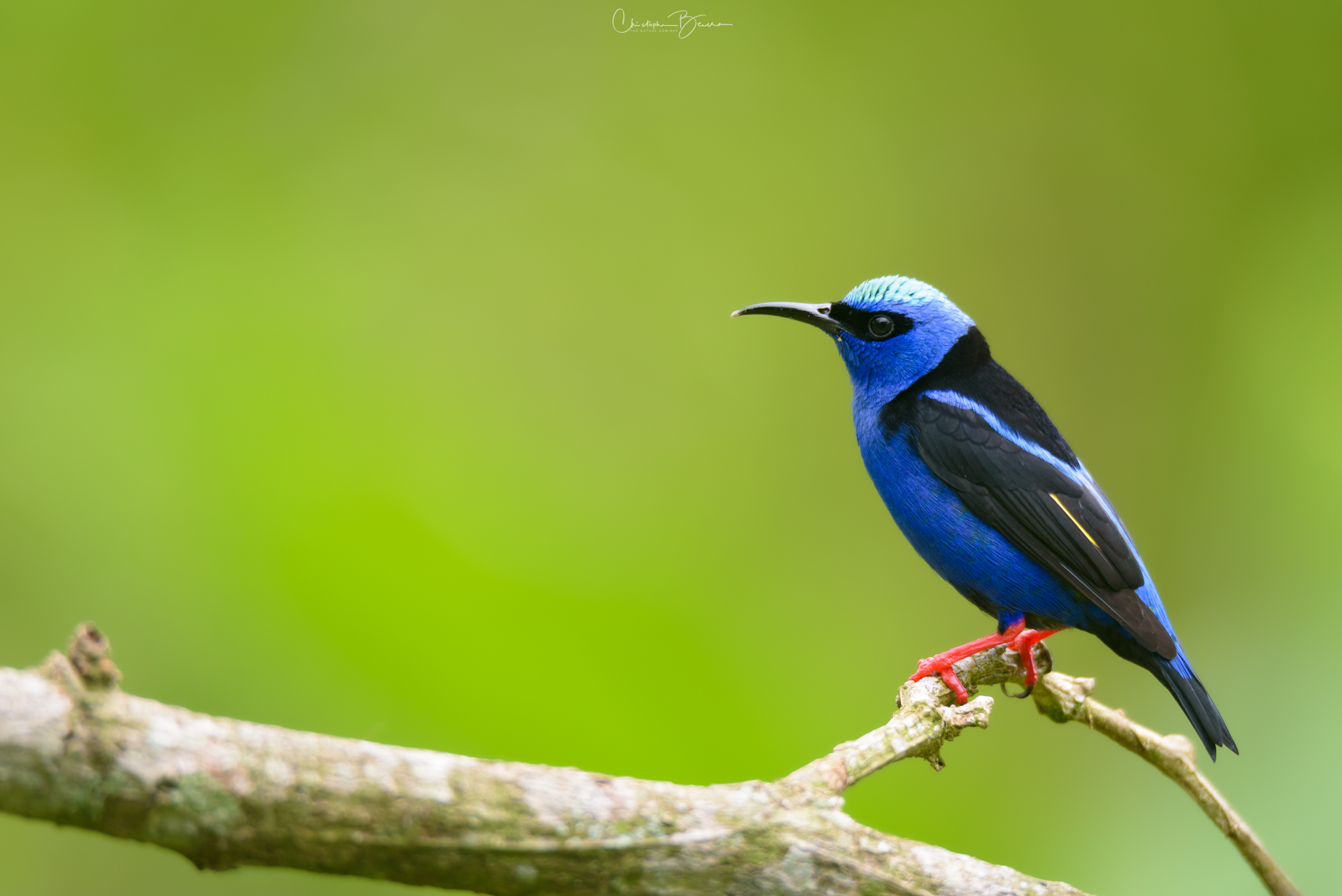
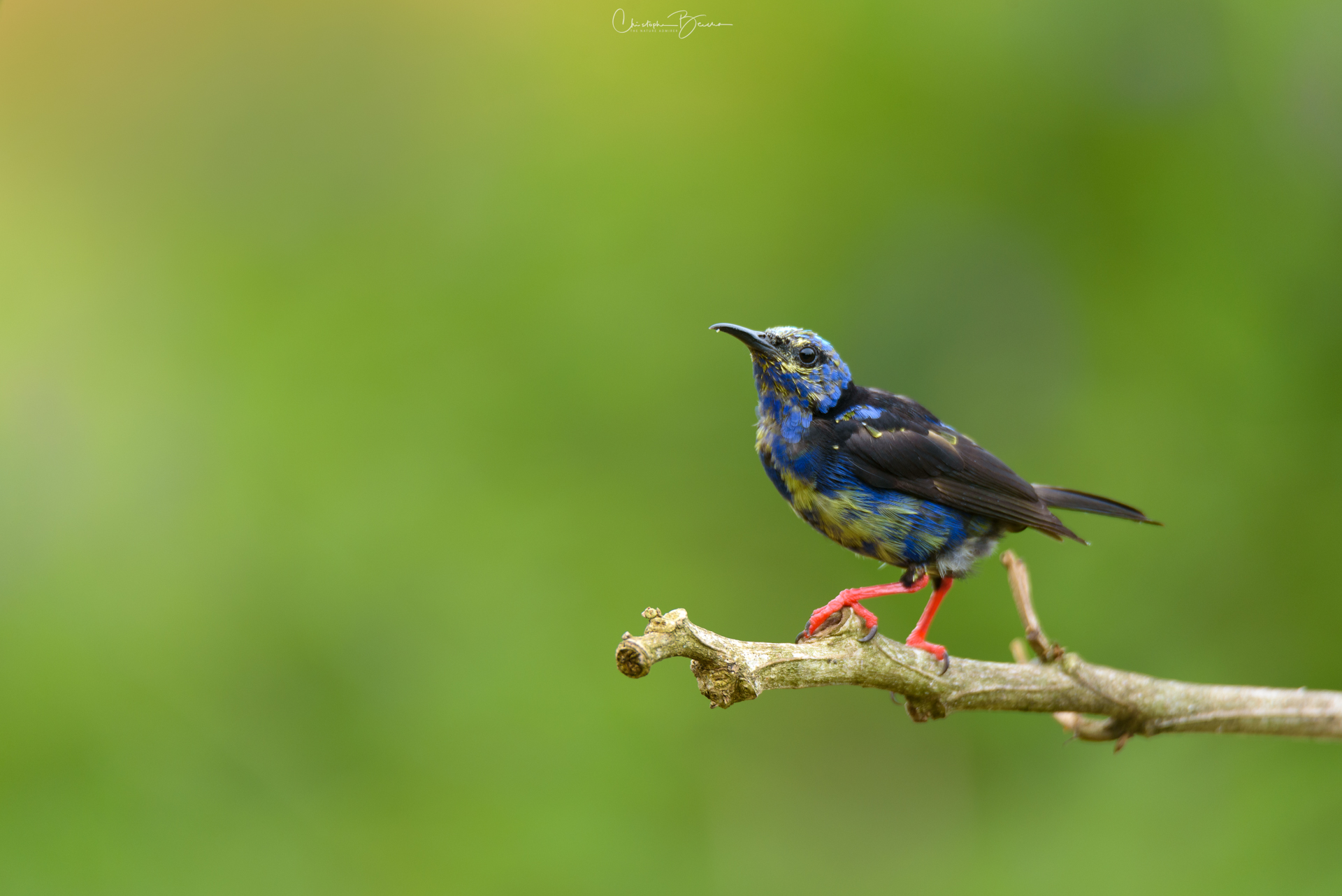
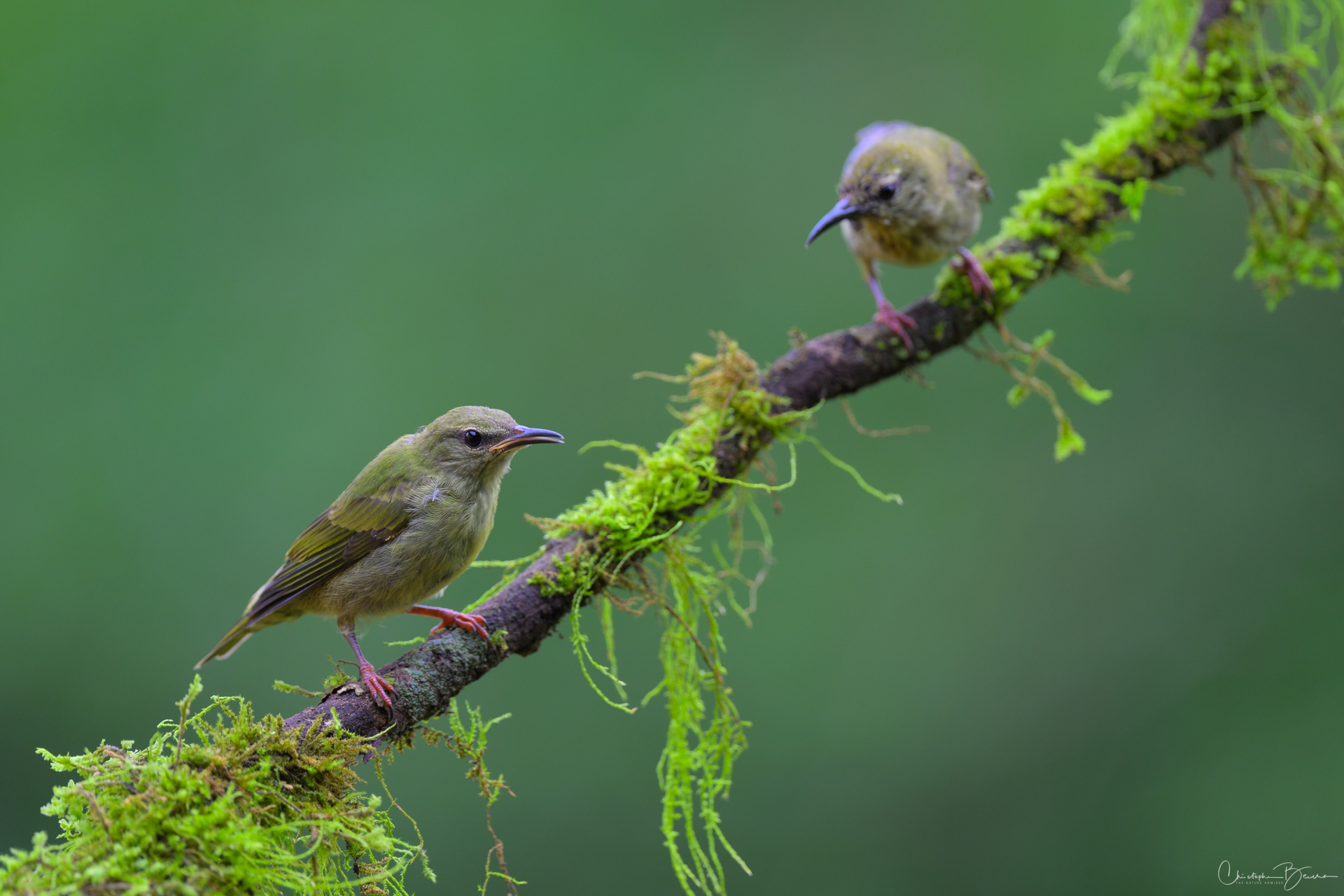
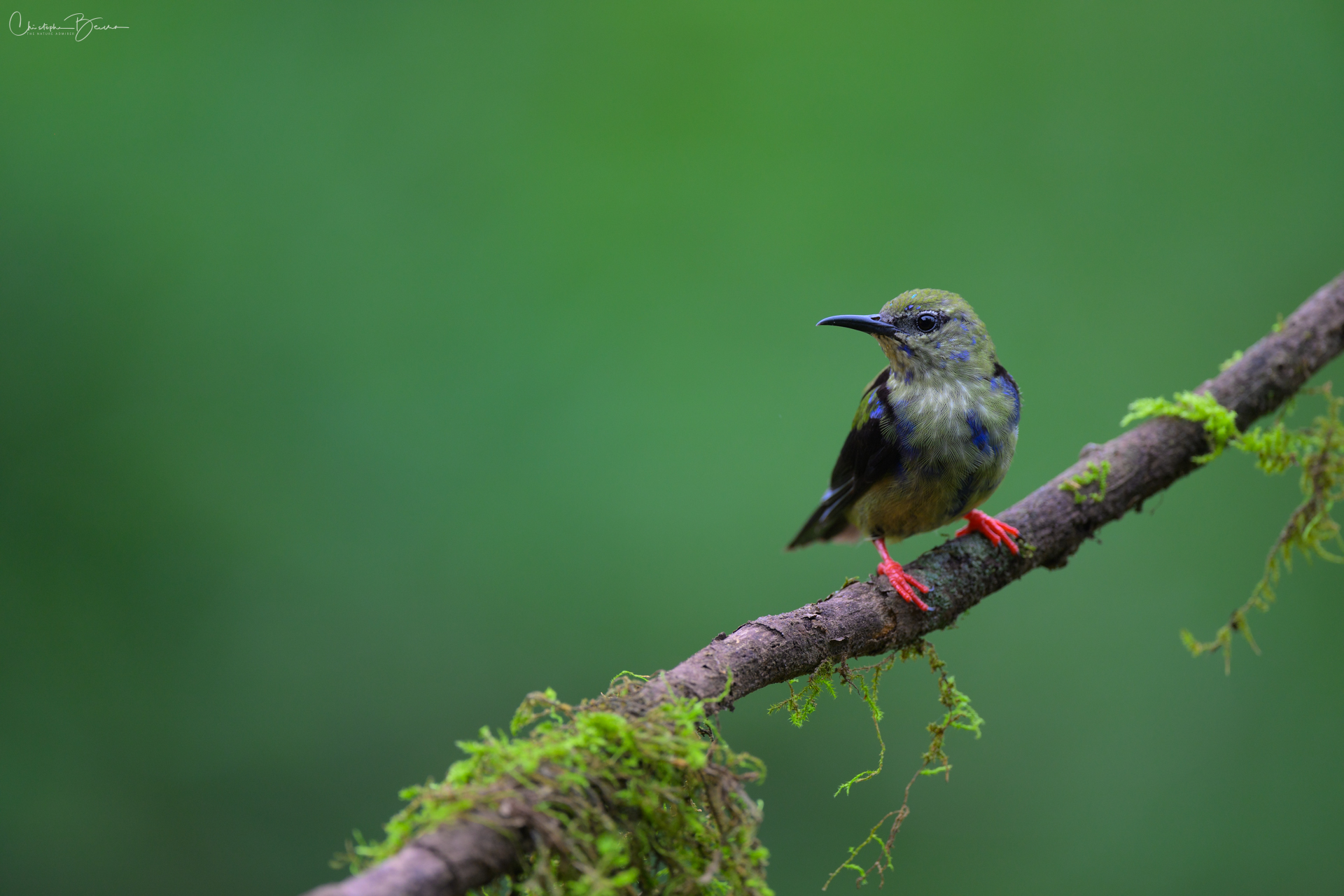
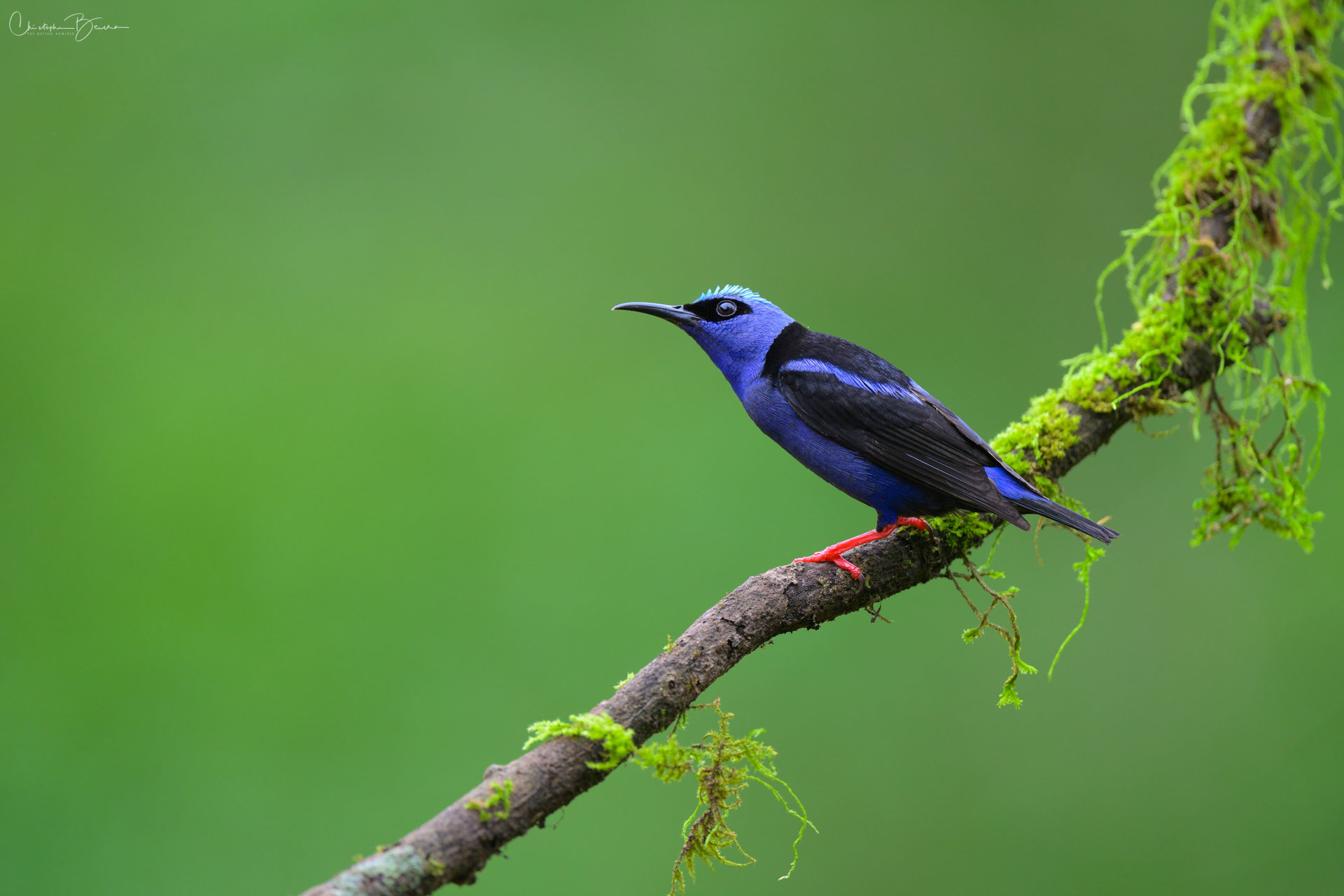
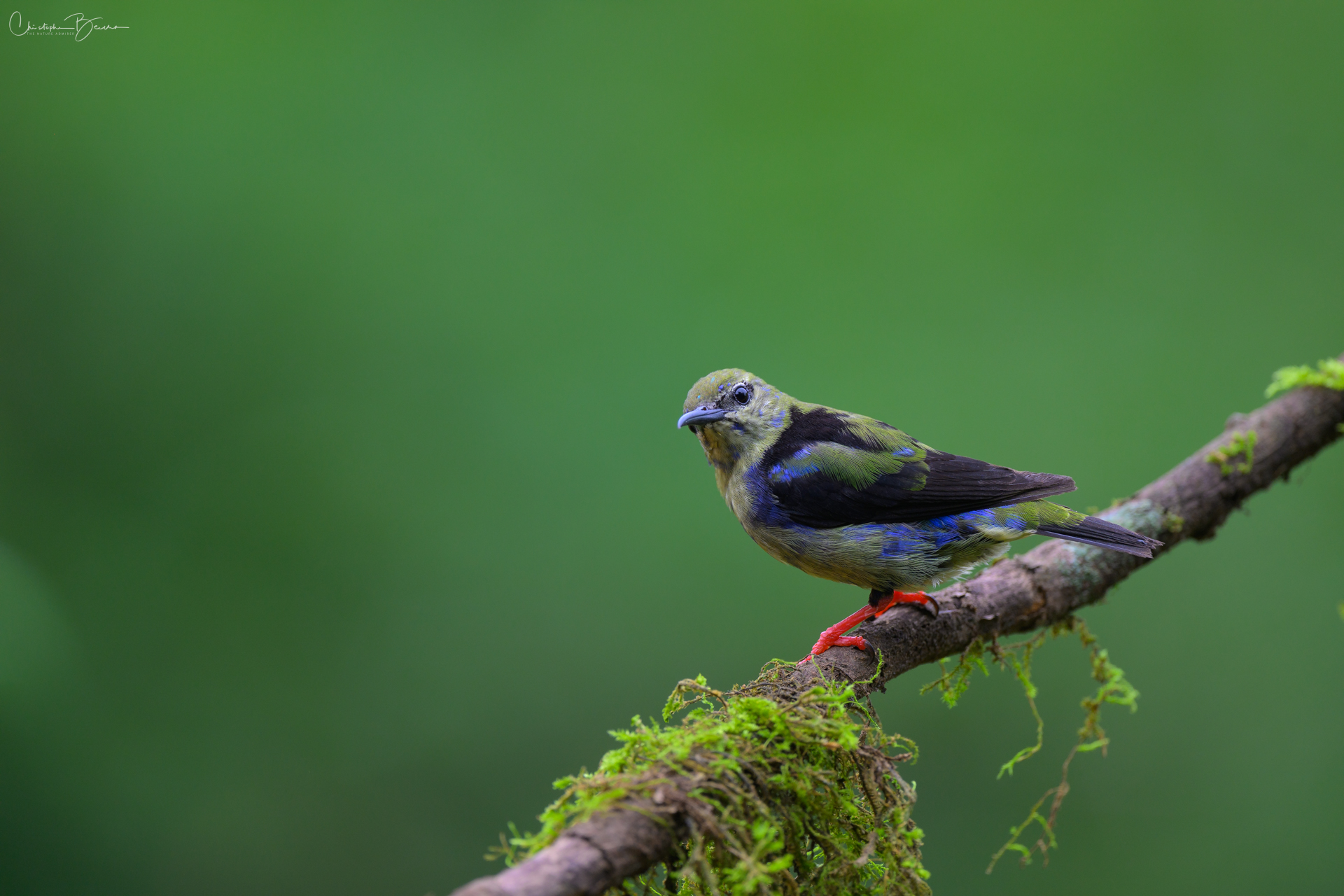
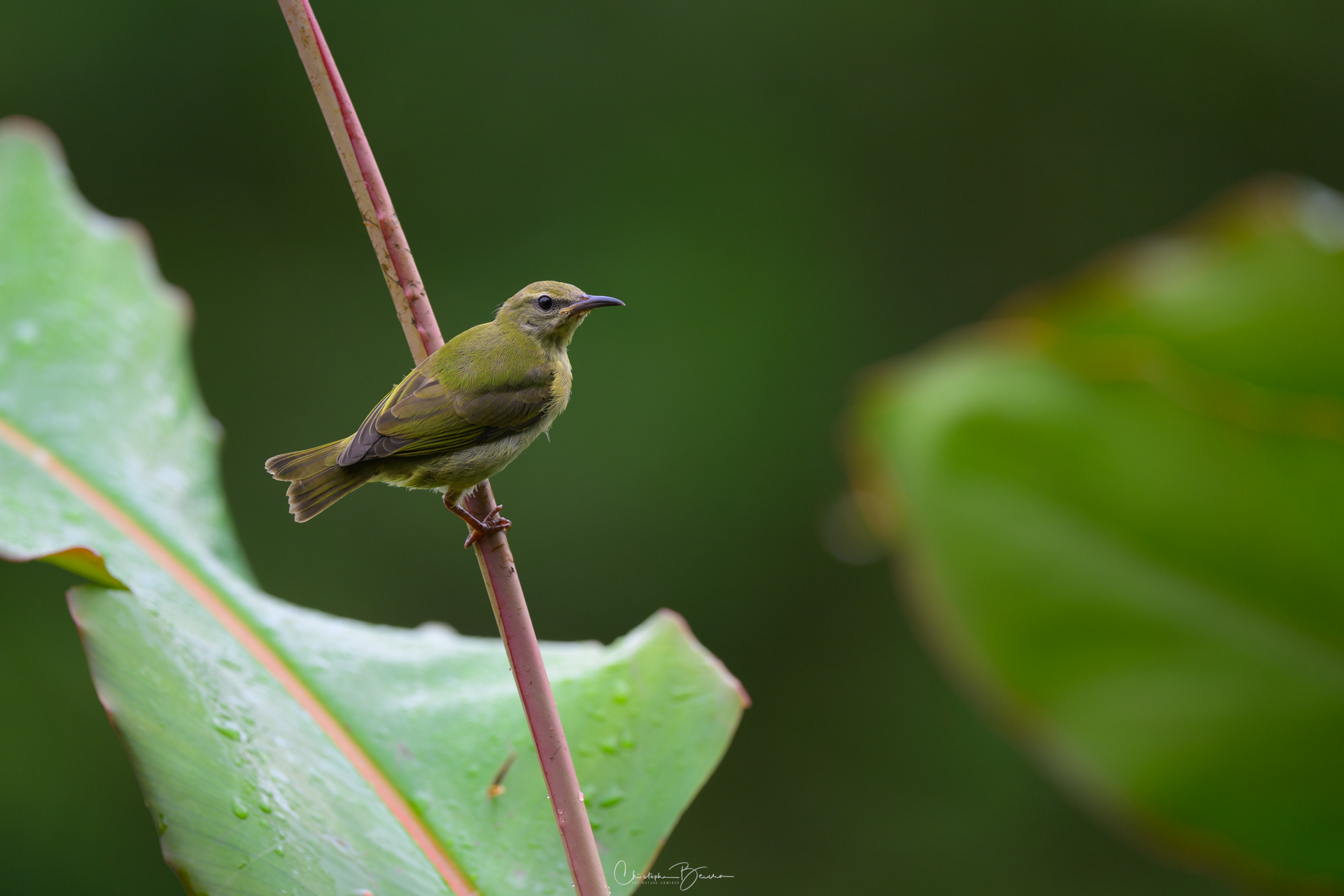
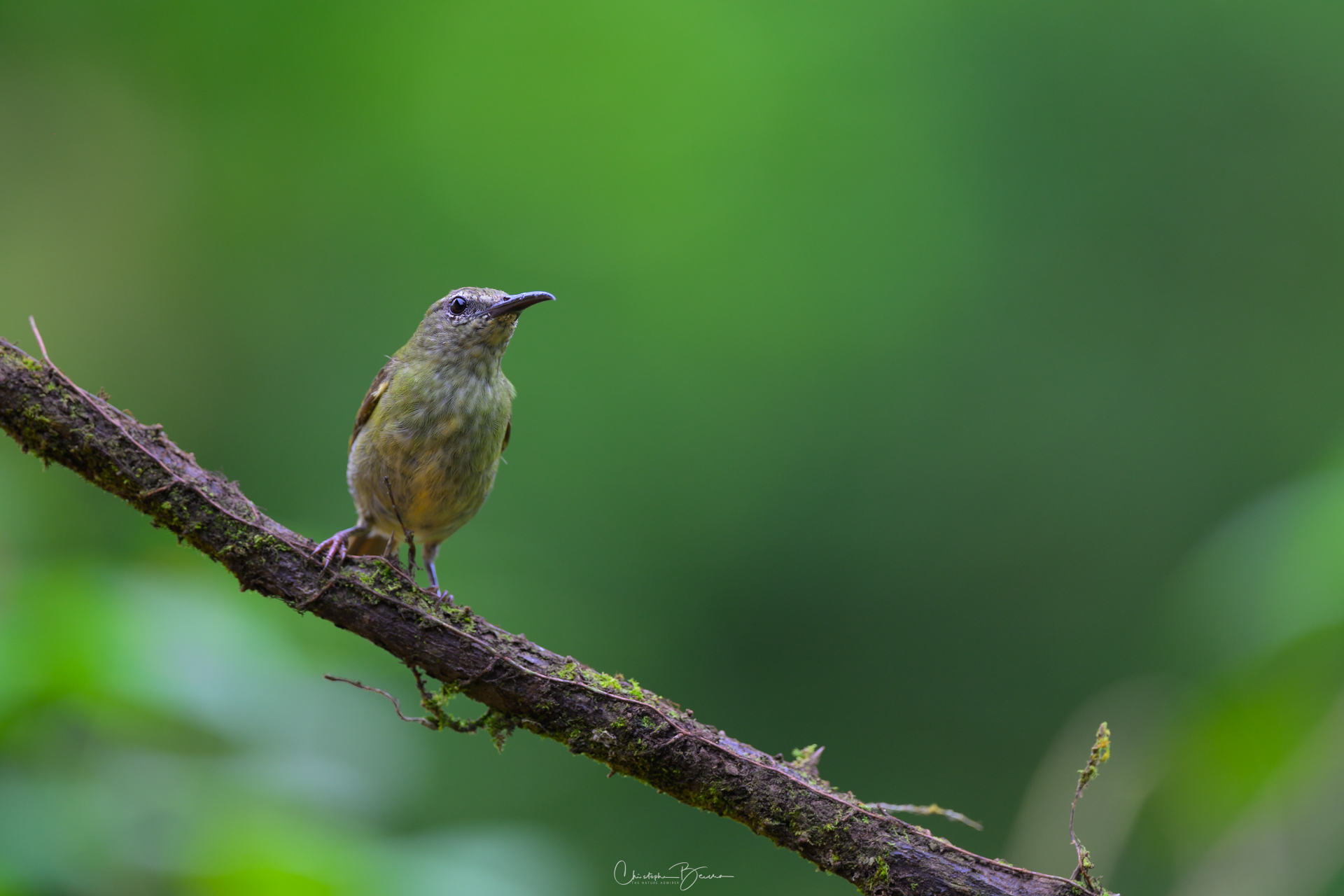
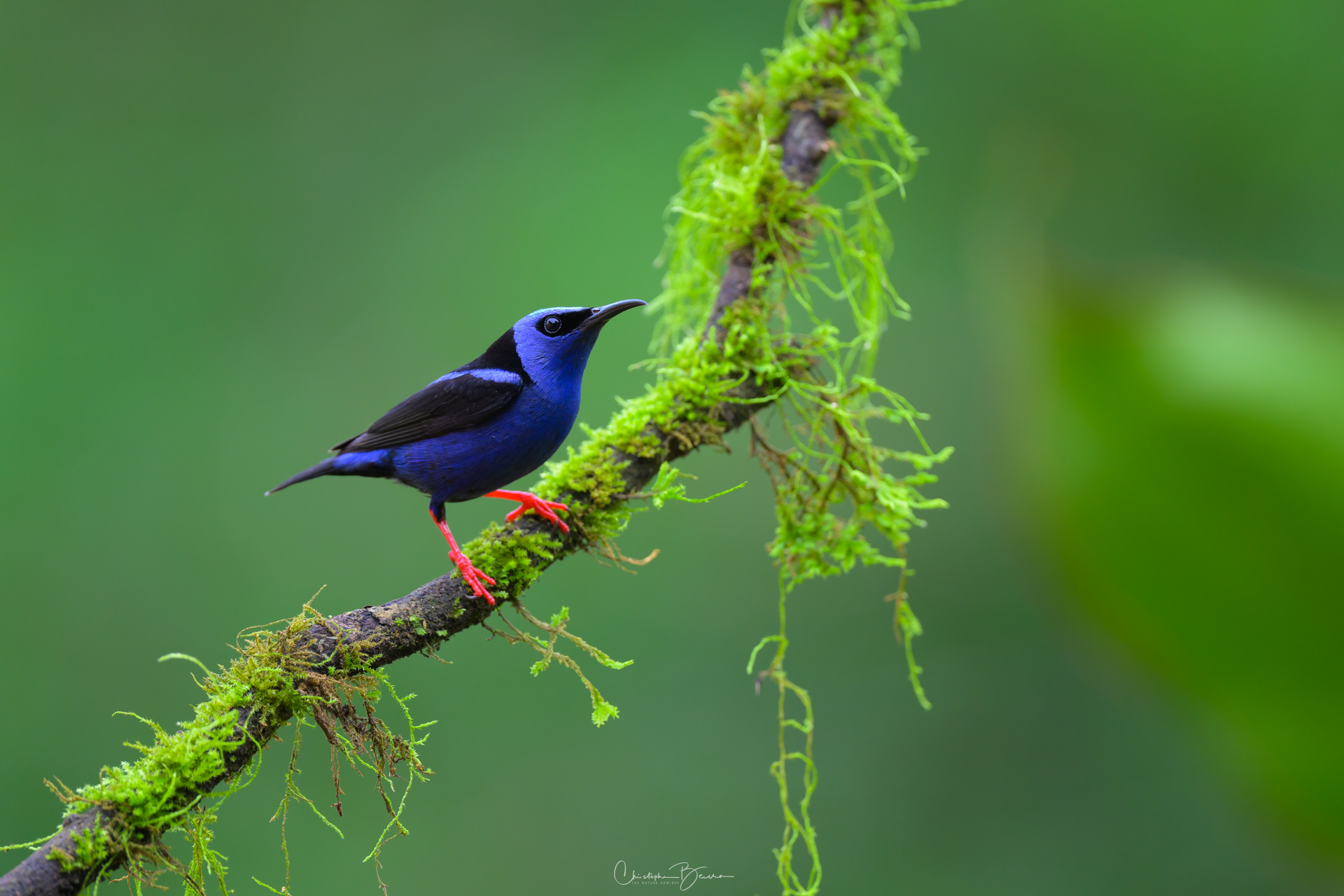
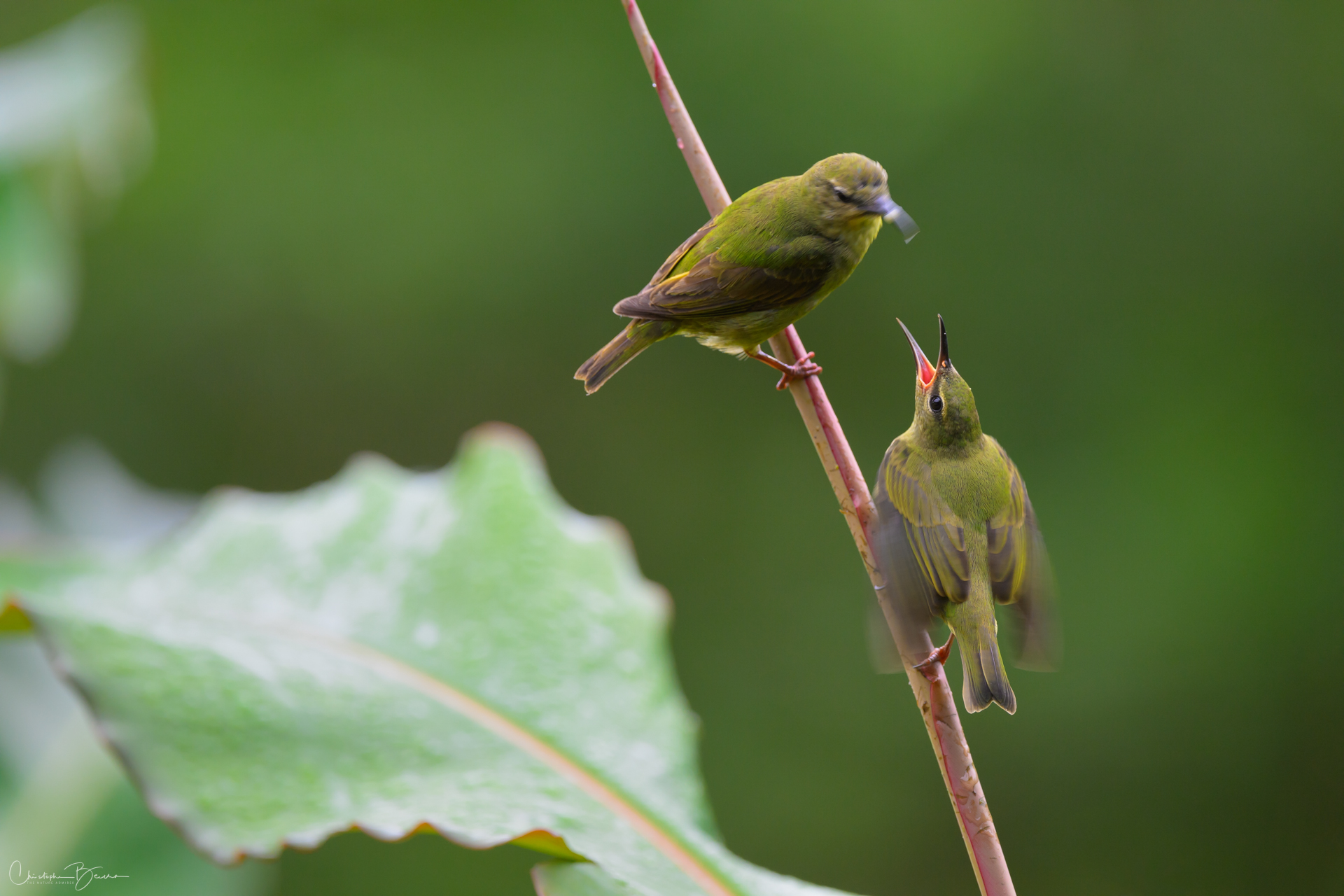
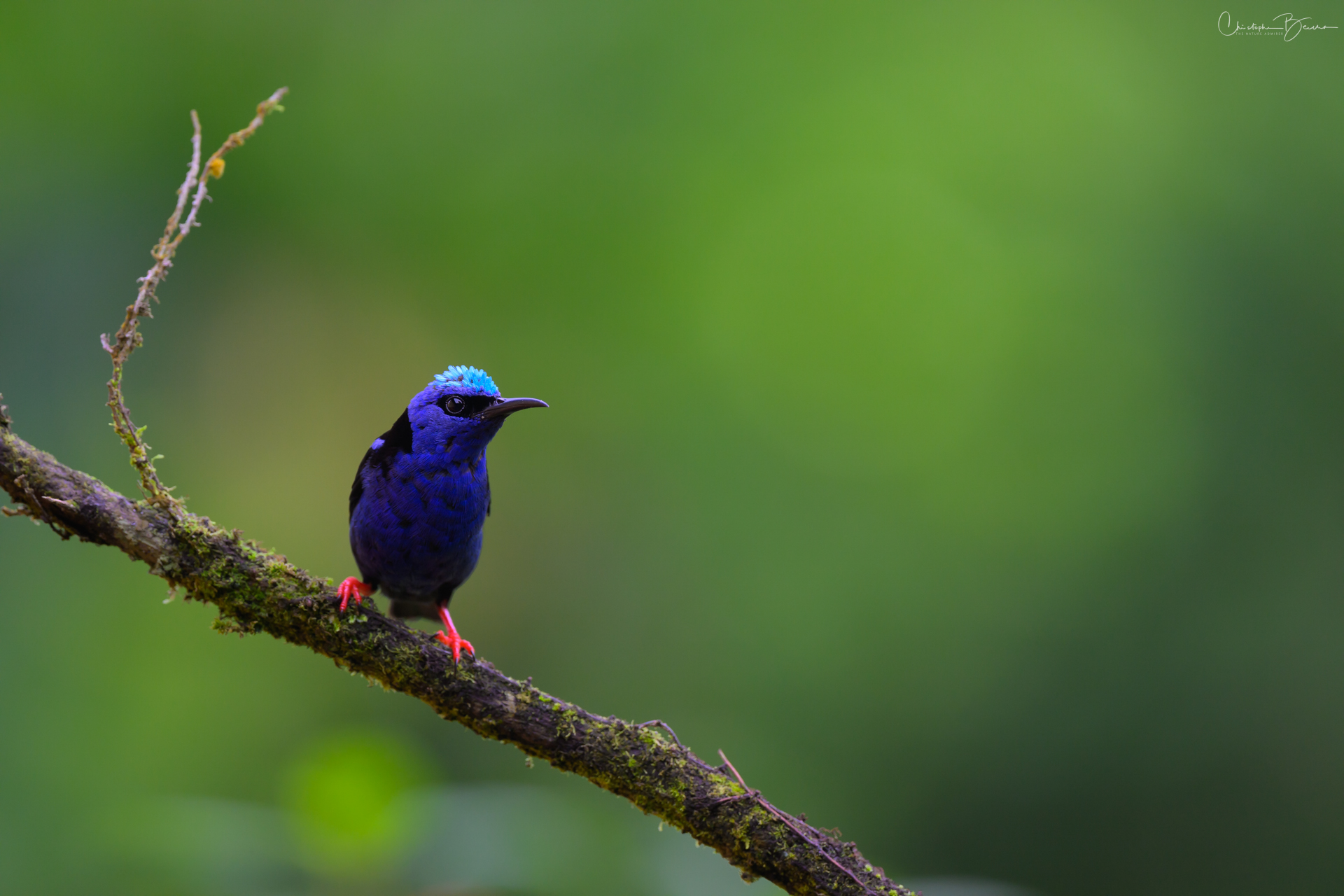
The moment I saw this bird for the first time, I knew it would become my favorite. It is fairly small, yet the blue body and red legs of the male just pop out in their normal habitat, which is fairly green. The female is more difficult to spot, since most of the body is dark green, and the legs are dull red, even brownish. And there is more, because the juvenile male starts with the same green color as the female, however as it matures it gets the blue body and bright red legs. After the breeding season, the male again turns green, but keeps the red legs. This means that males can also be seen in various molting stages, with patches of green, blue and black all over the body.

Note that while the Red-legged Honeycreeper is in the Tanager family, its body shape is slimmer and is in general smaller than the Tanagers. The closest one in size is the Plain-colored Tanager, however the body shape is entirely different, with shorter bill and fluffier plumage. In Costa Rica, there are two other Honeycreeper species, the Shining Honeycreeper (which belongs to the same Cyanerpes genus) with its yellow legs, and the Green Honeycreeper (which belongs to the Chlorosphanes genus), with a green body.
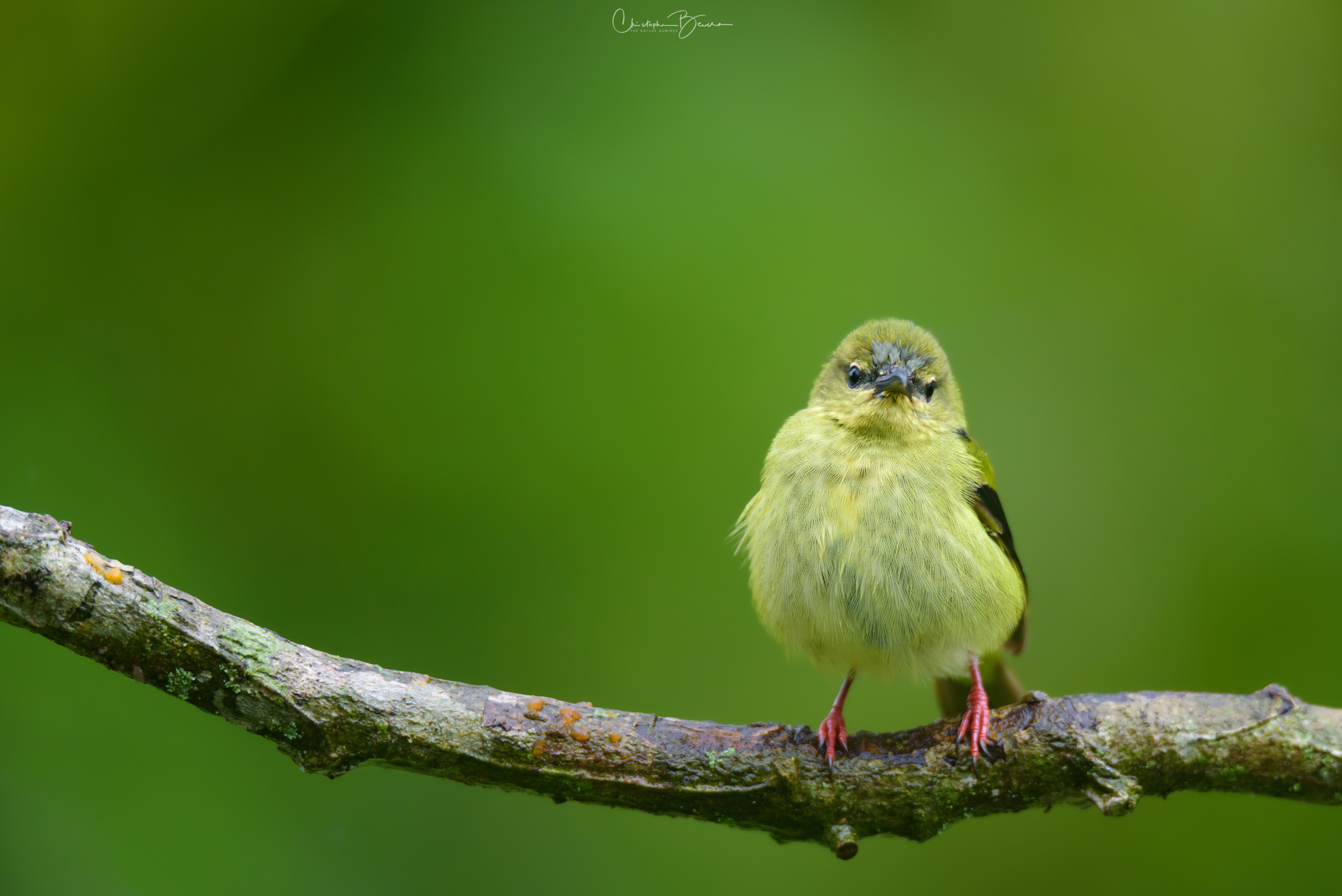
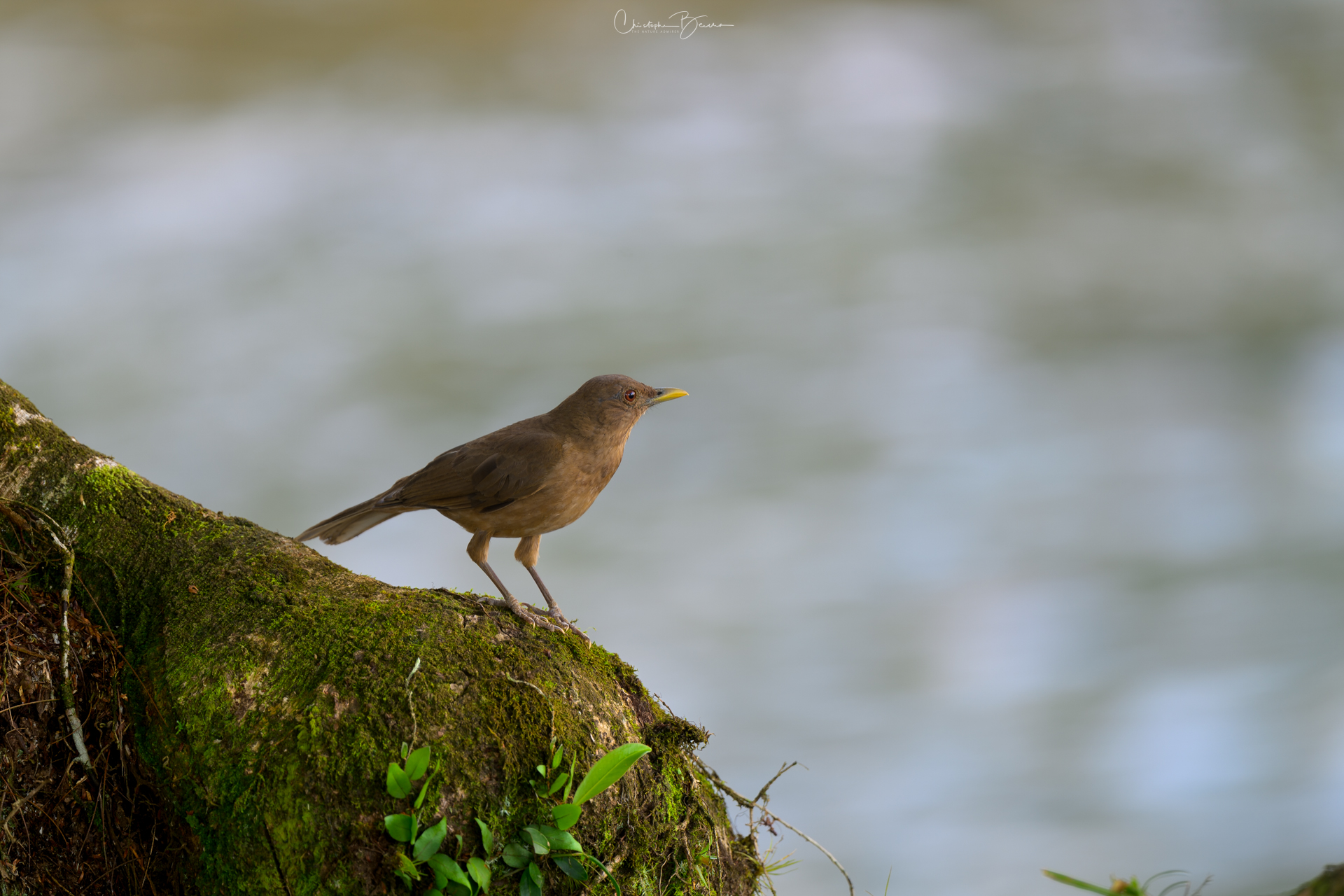
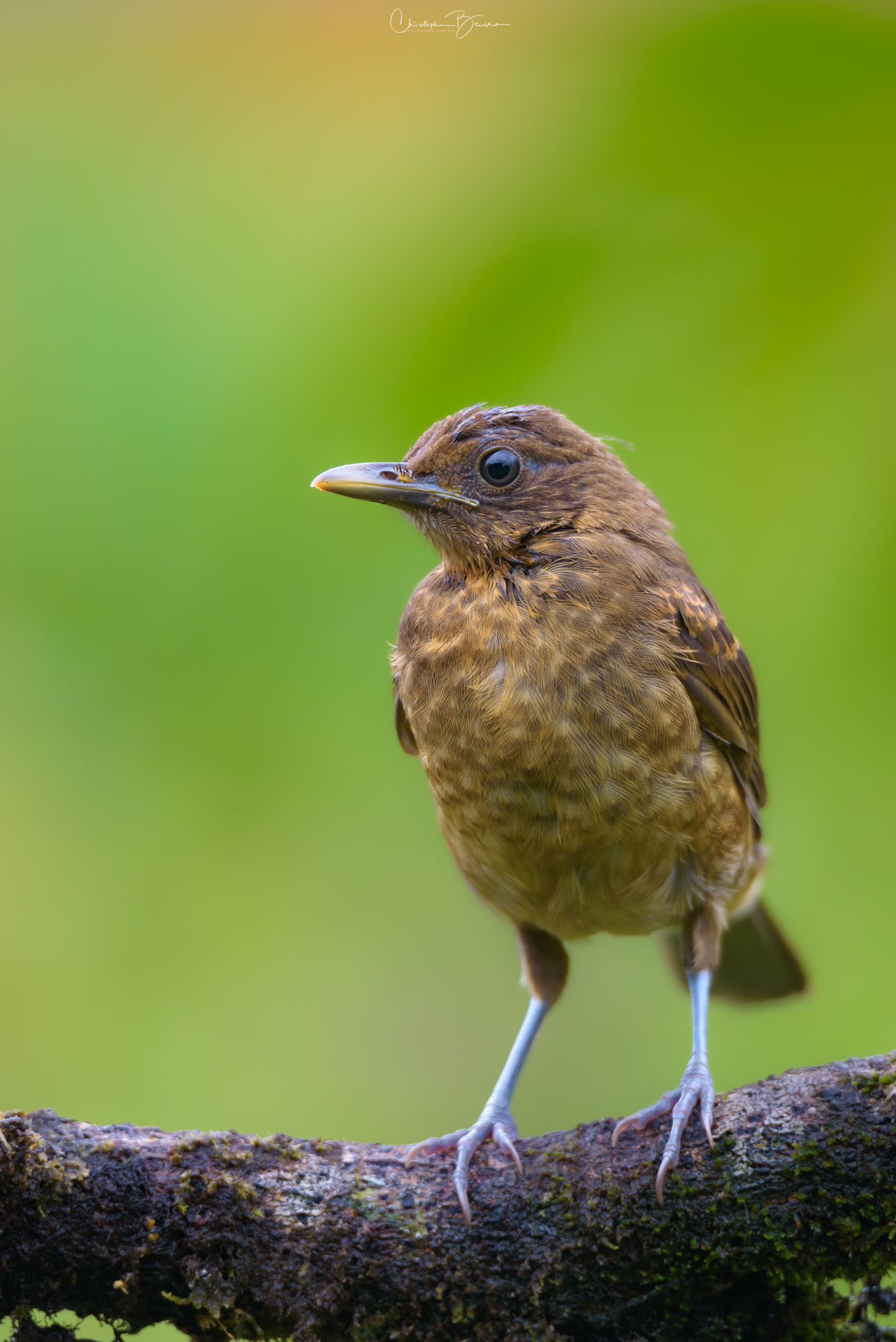
Clay-colored Thrush (Turdus grayi)

The national bird of Costa Rica, known locally as “Yigüirro”, has a beautiful song and can be found almost anywhere in the territory. It is said that their song marks the start of the rainy season, so in past century, farmers would schedule their crops accordingly. It is now known that males sing to attract females for mating, and that the start of the rainy season just coincides with the start of the breeding season for this bird. They like to eat insects, but also eat fruit like papaya and banana. They are most fond of the ground, where they move along by hopping instead of walking.
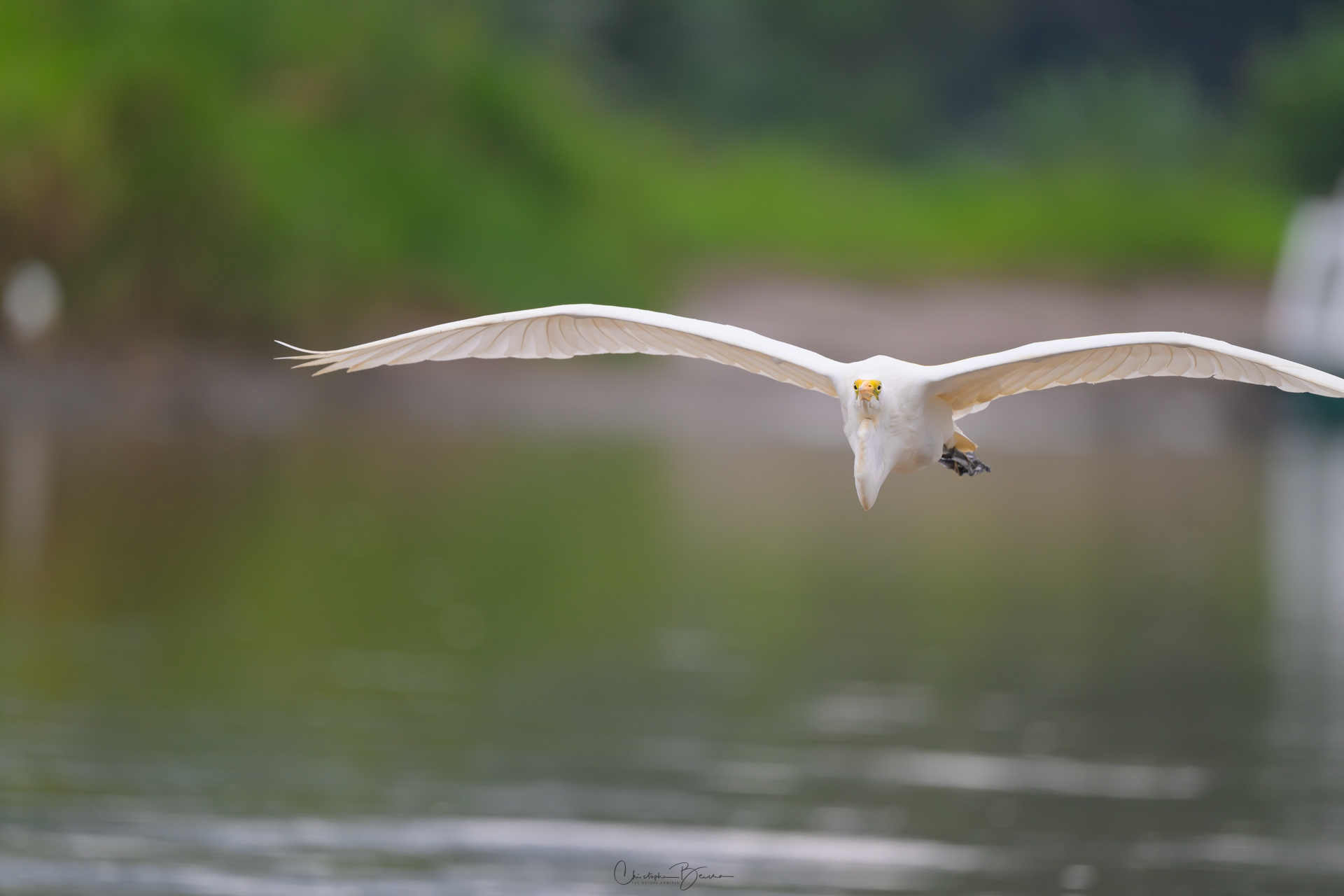
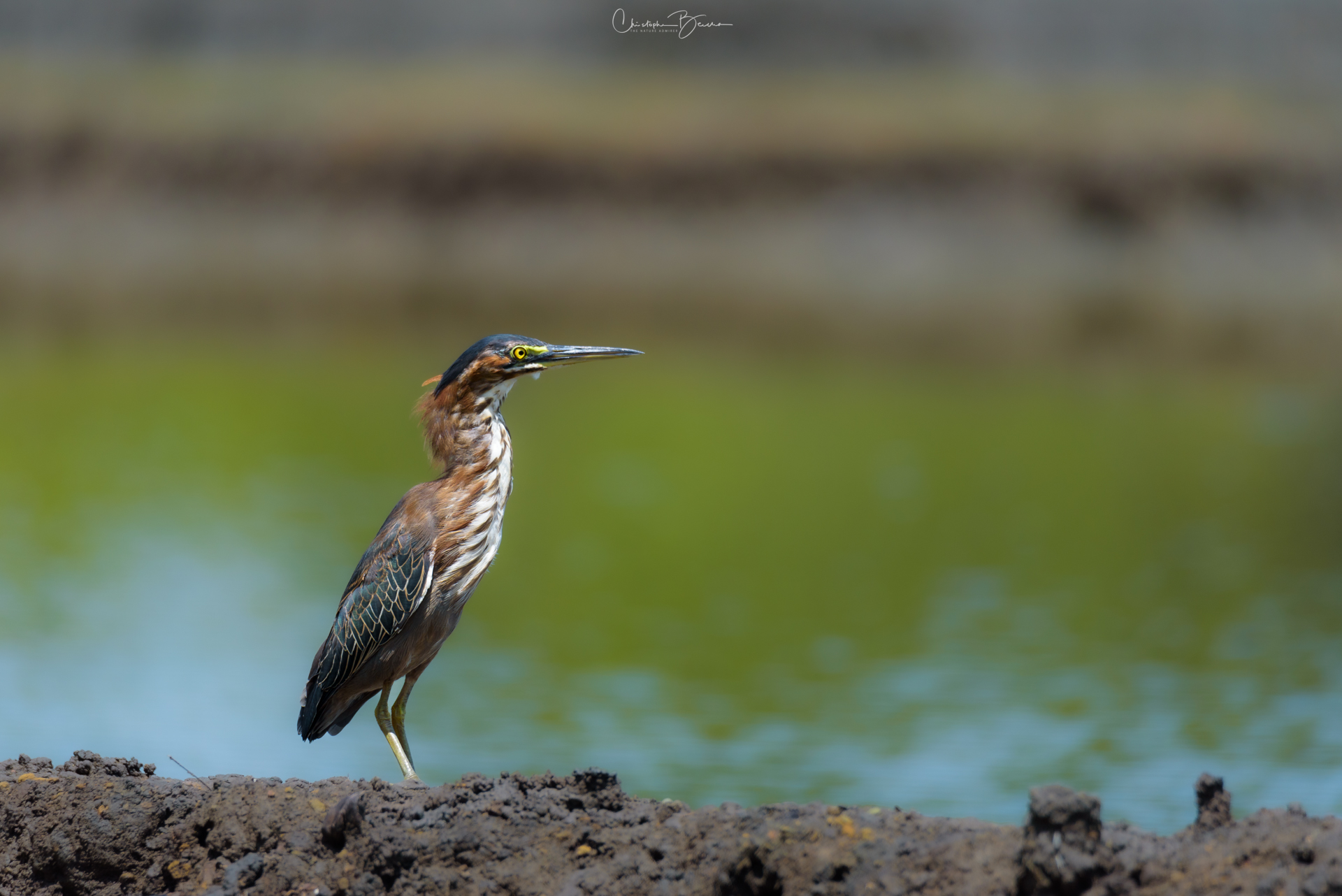
Green Heron (Butorides Virescens)

From what I have observed, the Green Heron shares some traits with the bigger Bare-throated Tiger Heron. Both maintain their necks coiled most of the time, and elongate them up to twice the size of their body when they are ready to attack. Both walk in a stealthy manner, not making a single sound, as they approach to unsuspecting prey. Both are startled easily and fly far away when you are too close. The differences are that the Green Heron is more likely to be found perching high up in the trees, and the obvious size difference; the Green Heron is pretty small, the size of a duck, while the Tiger Heron is bigger than a turkey. They stalk prey while wading in shallow waters using their long feet and toes or from the water edge, sometimes standing motionless for minutes until they launch their attach and grab their prey.