Page 4 of 13

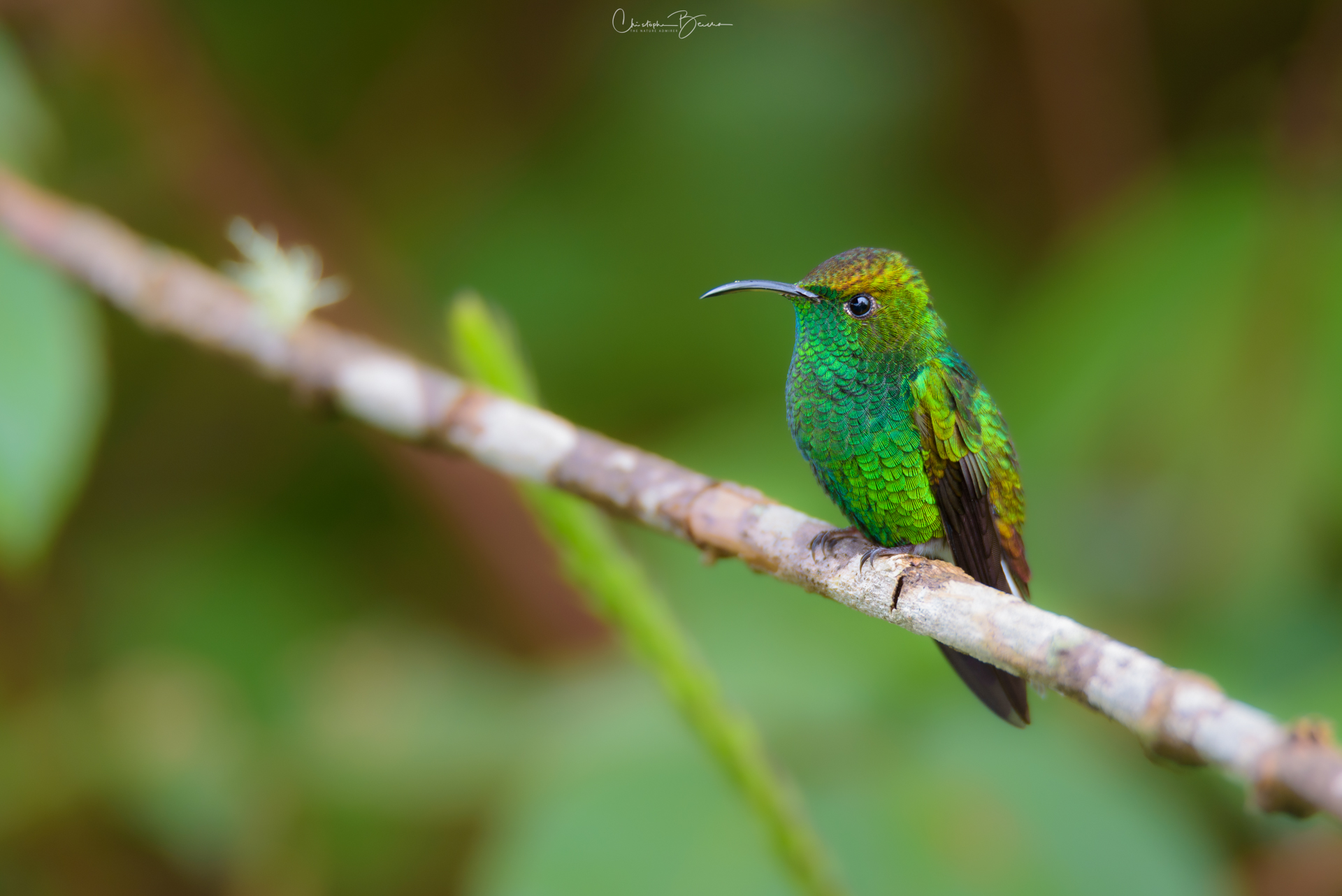
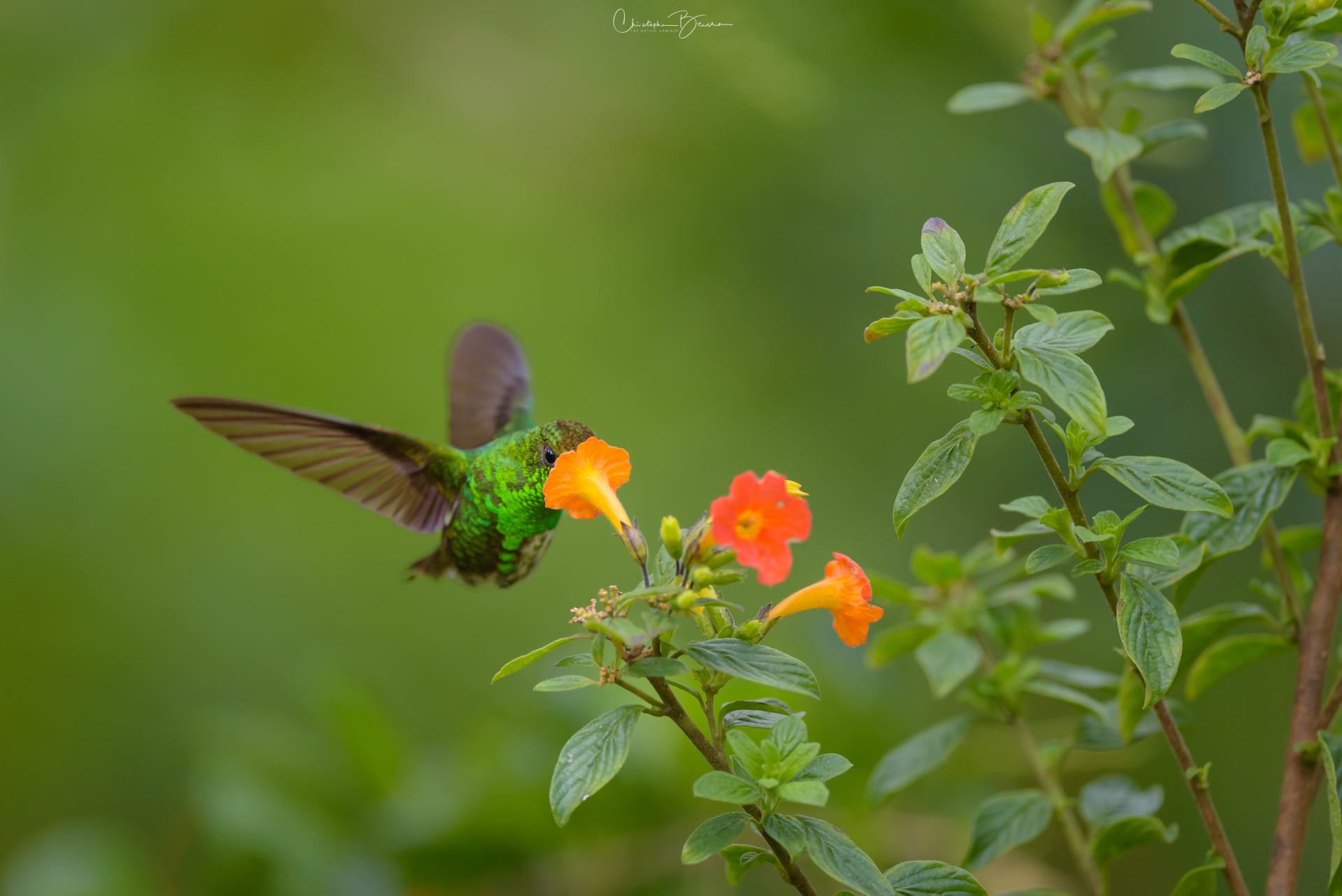
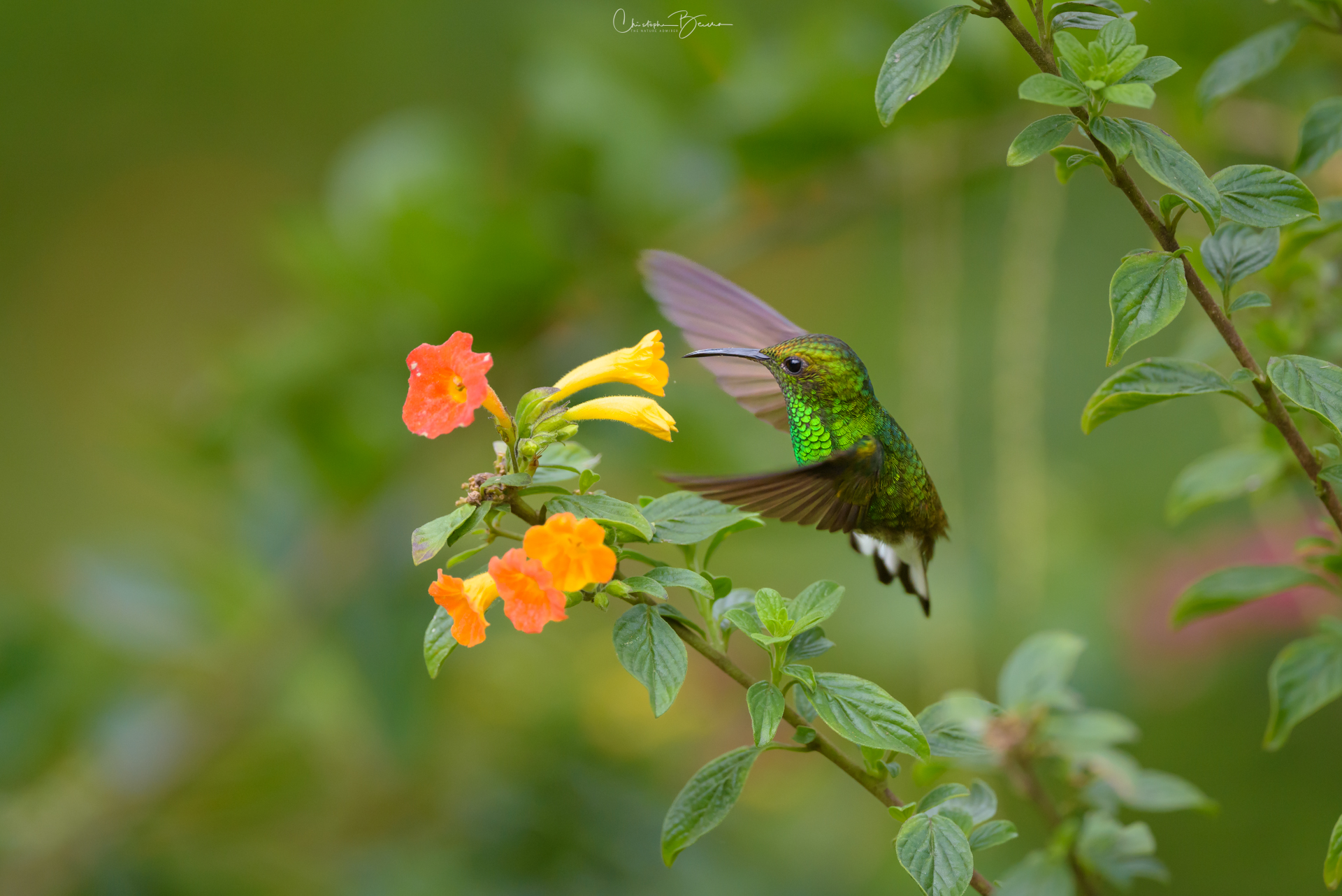
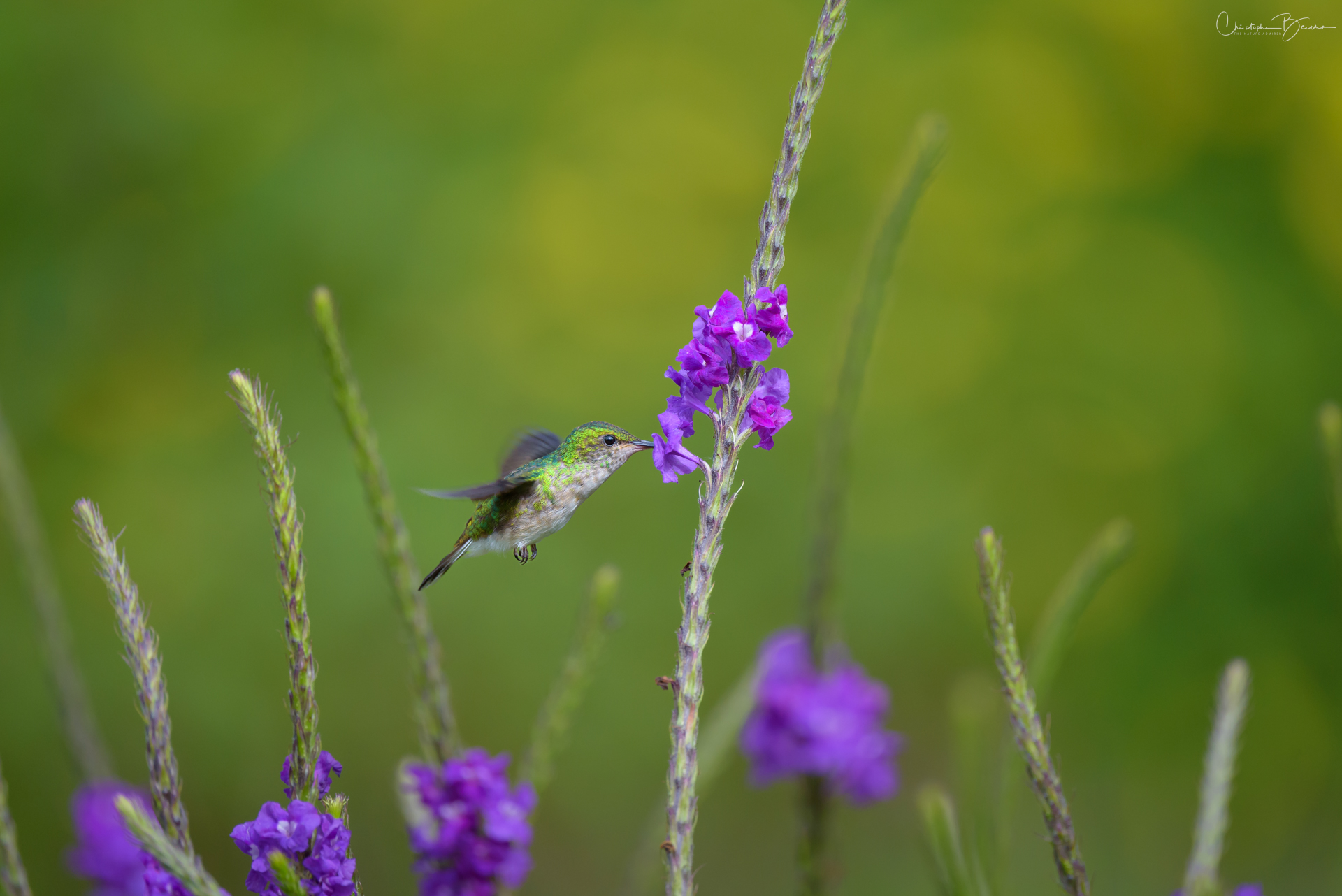
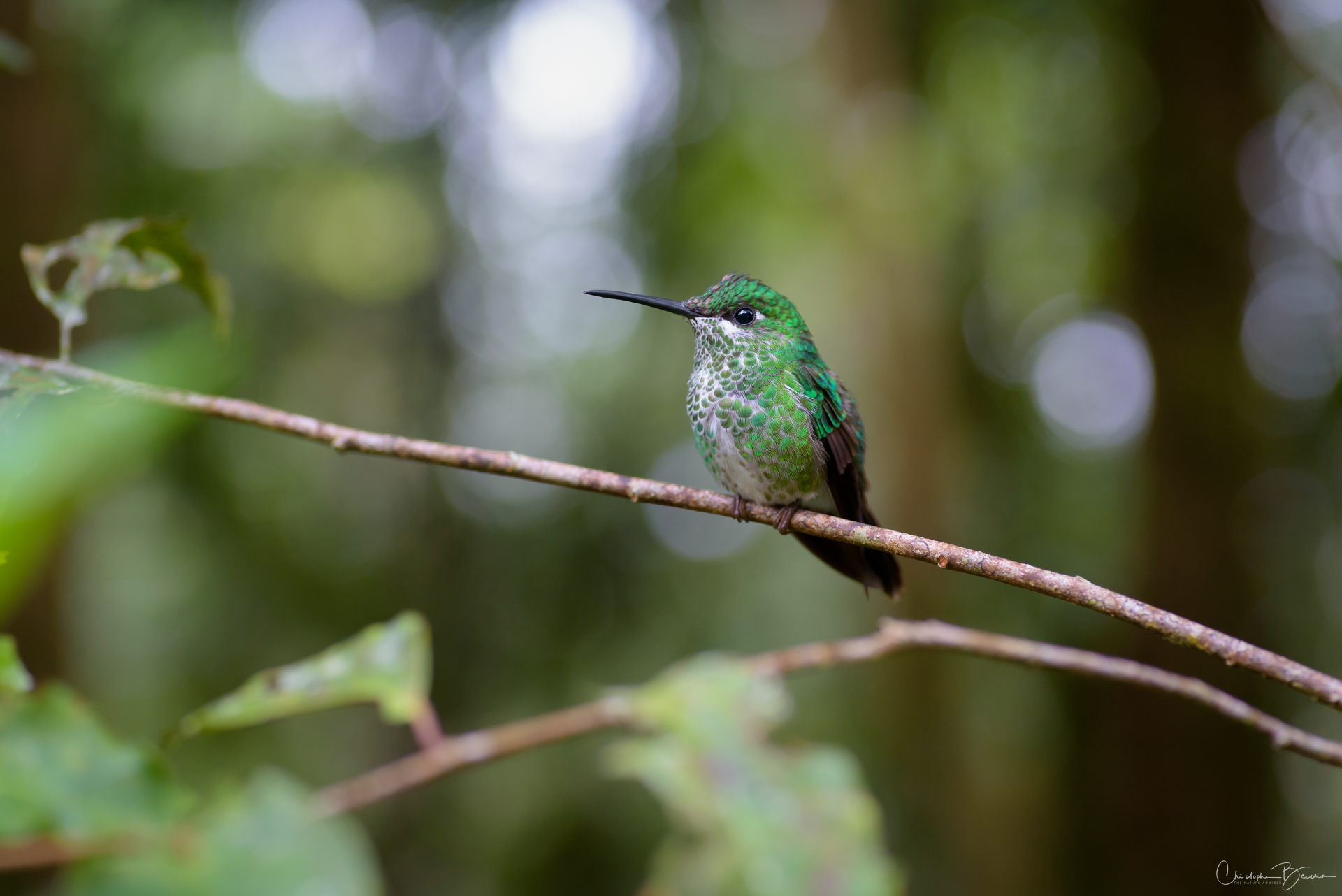
Coppery-headed Emerald (Elvira cupreiceps)

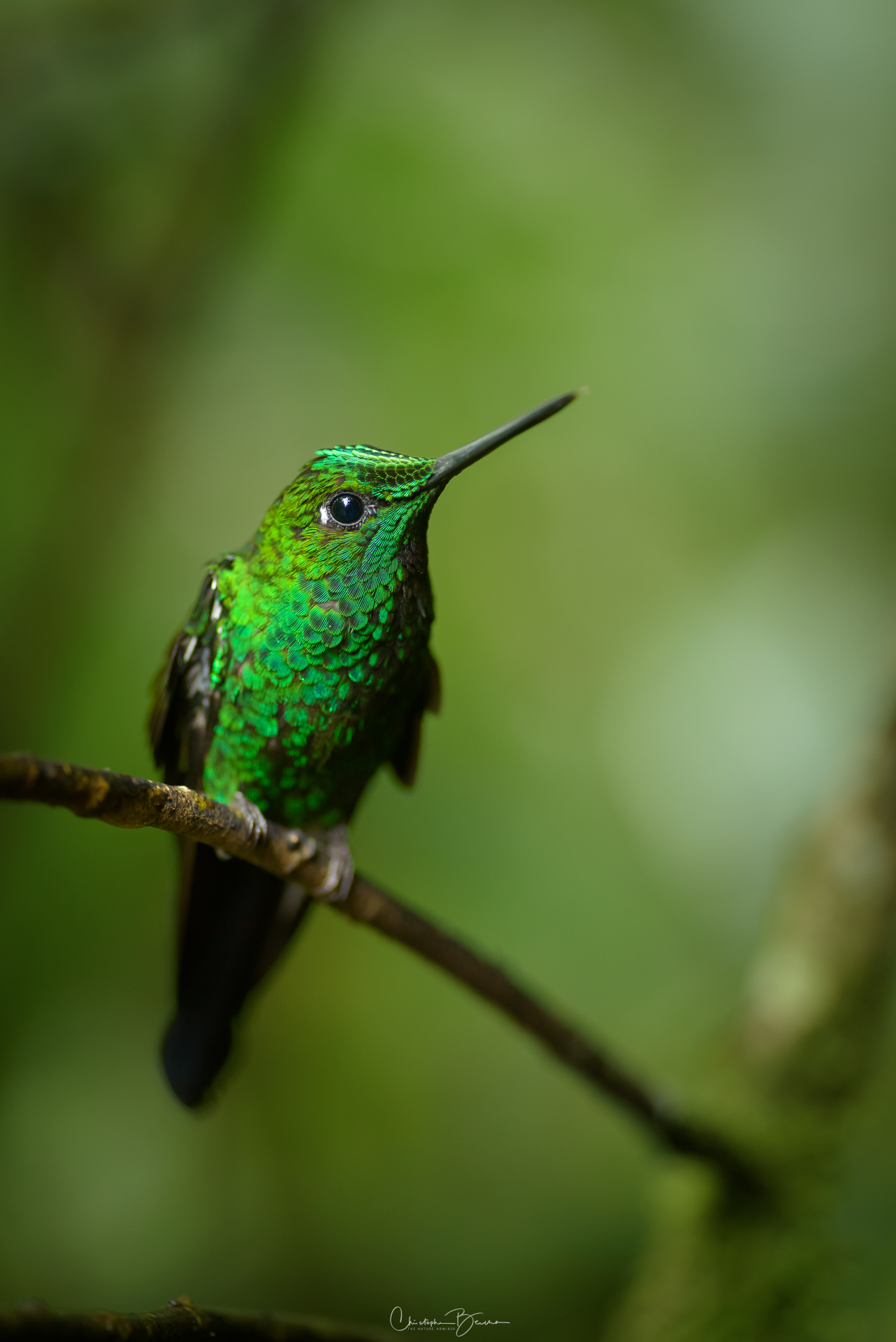
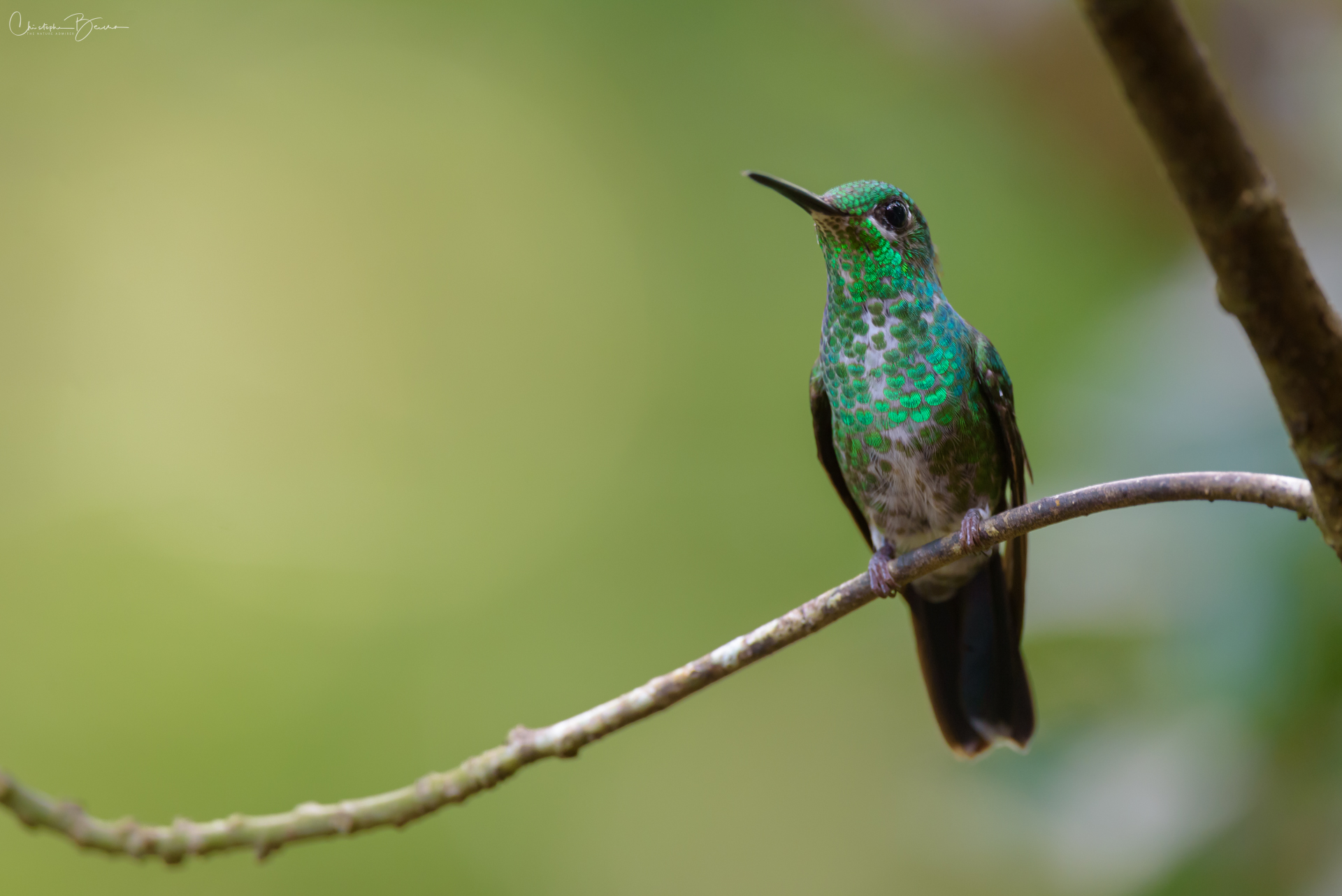
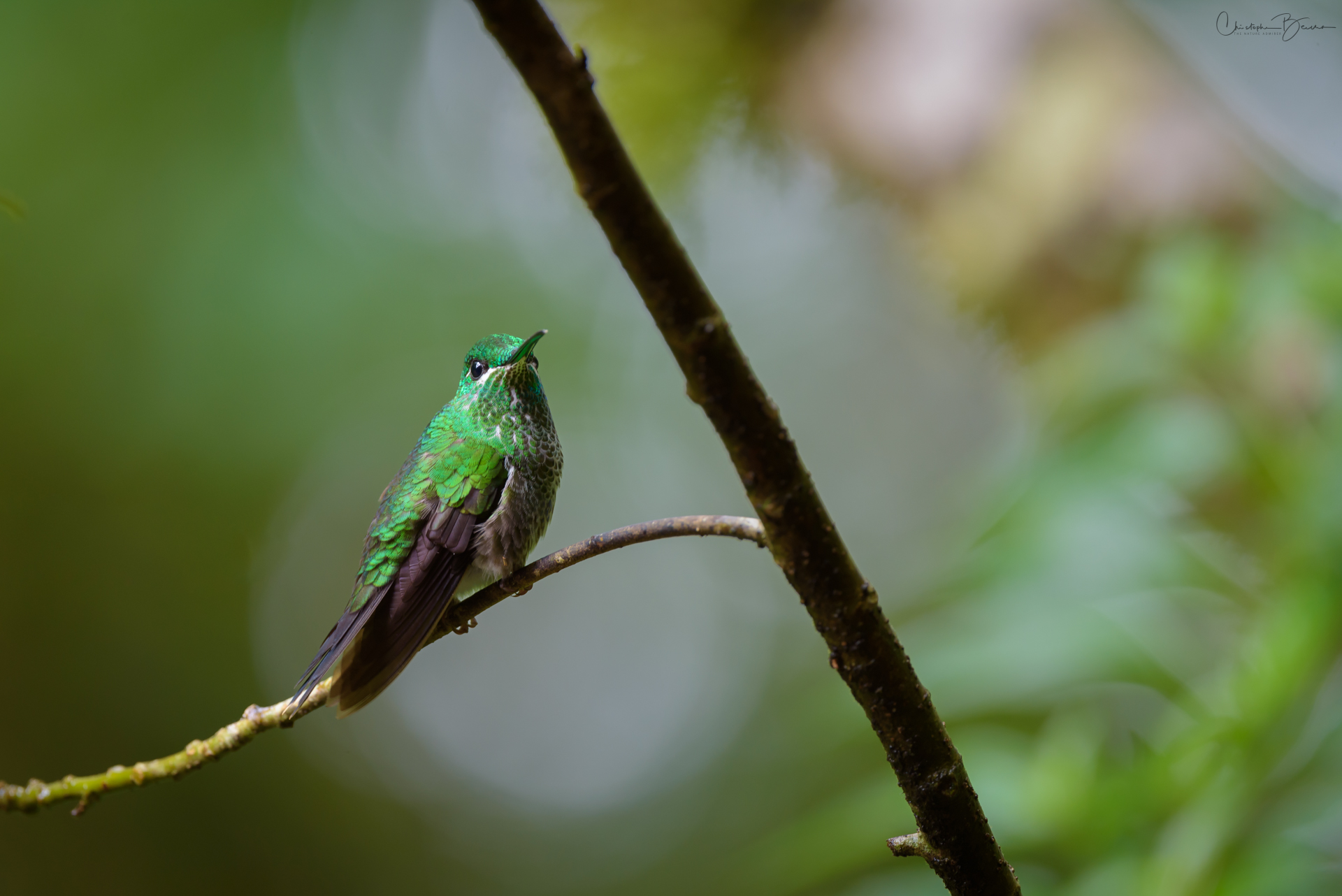
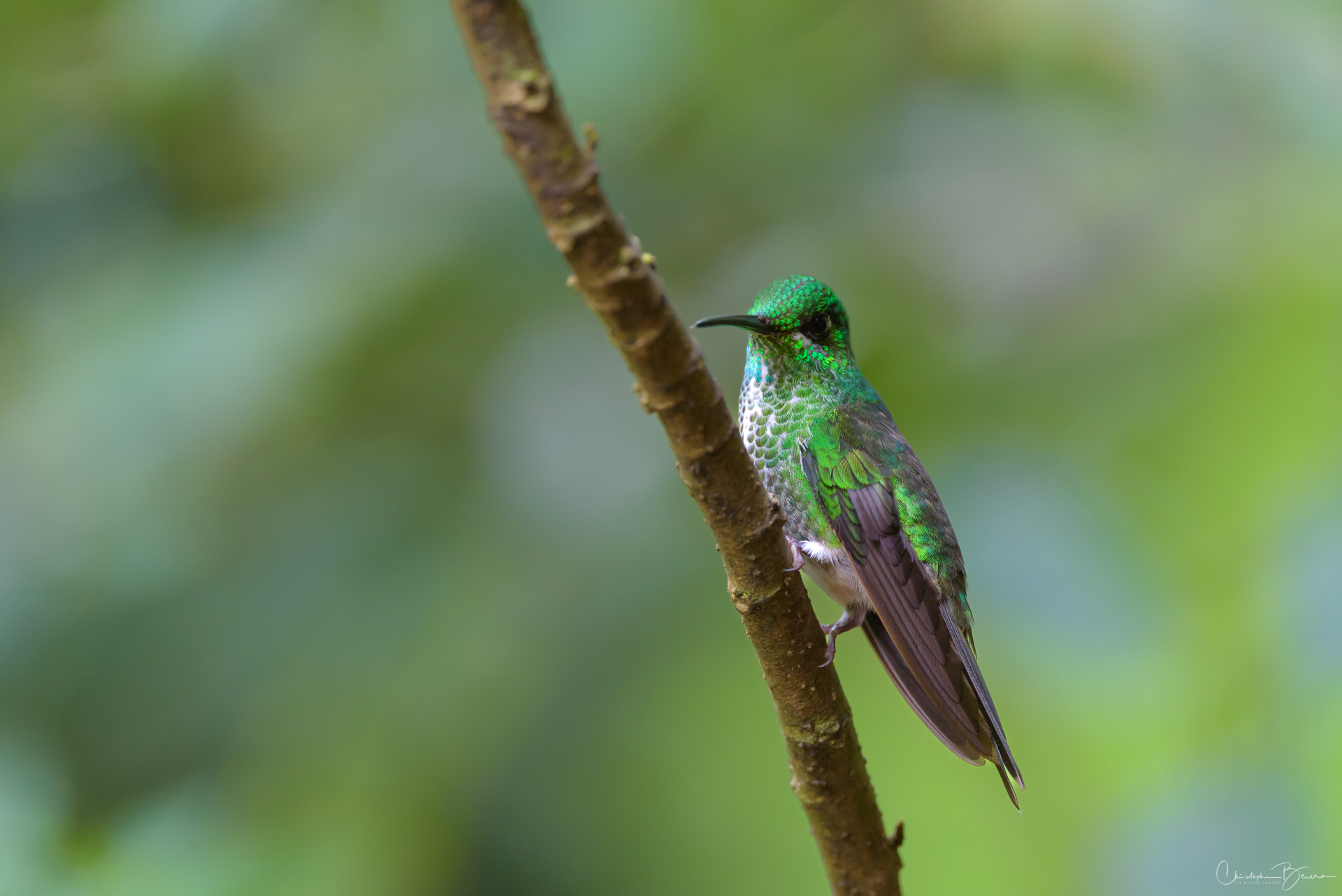
The Coppery-headed Emerald is one of the few species of birds that are true endemics of Costa Rica, meaning only found in this country. The male is mostly green, with the copper hues on the head that can only be seen in the appropriate light and angle. The female has grey underparts and lacks the copper colors on the head. Both have a black downcurved bill, which help with identification versus similar species like the Rufous-tailed Hummingbird, with which it shares the brownish-red rump. They are one of the tiniest species of hummingbirds in Costa Rica. They are seen in the mid to high elevations, in places where there is high humidity, but specially in the Cinchona and Vara Blanca zone.
Crowned Woodnymph (Thalurania colombica)

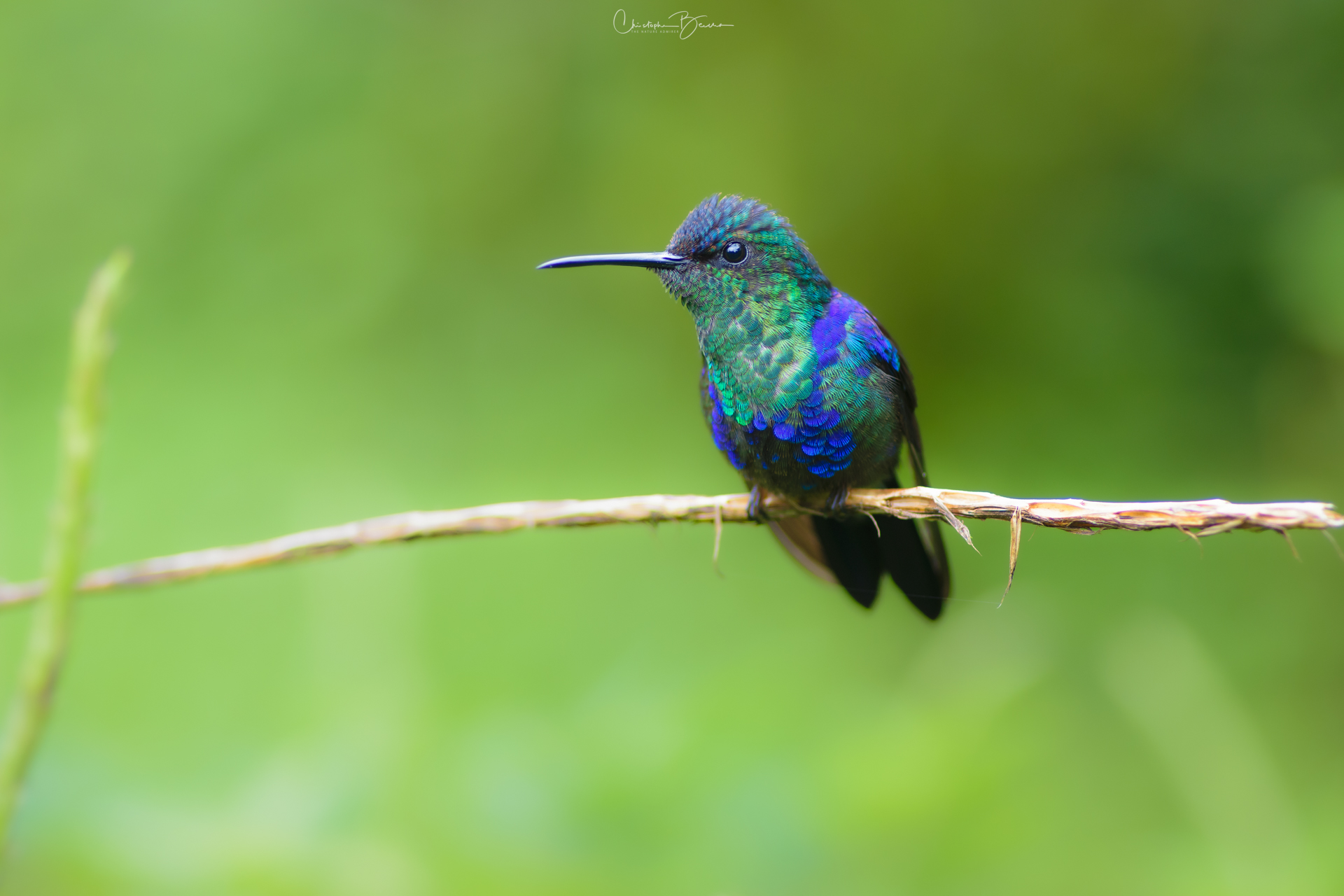
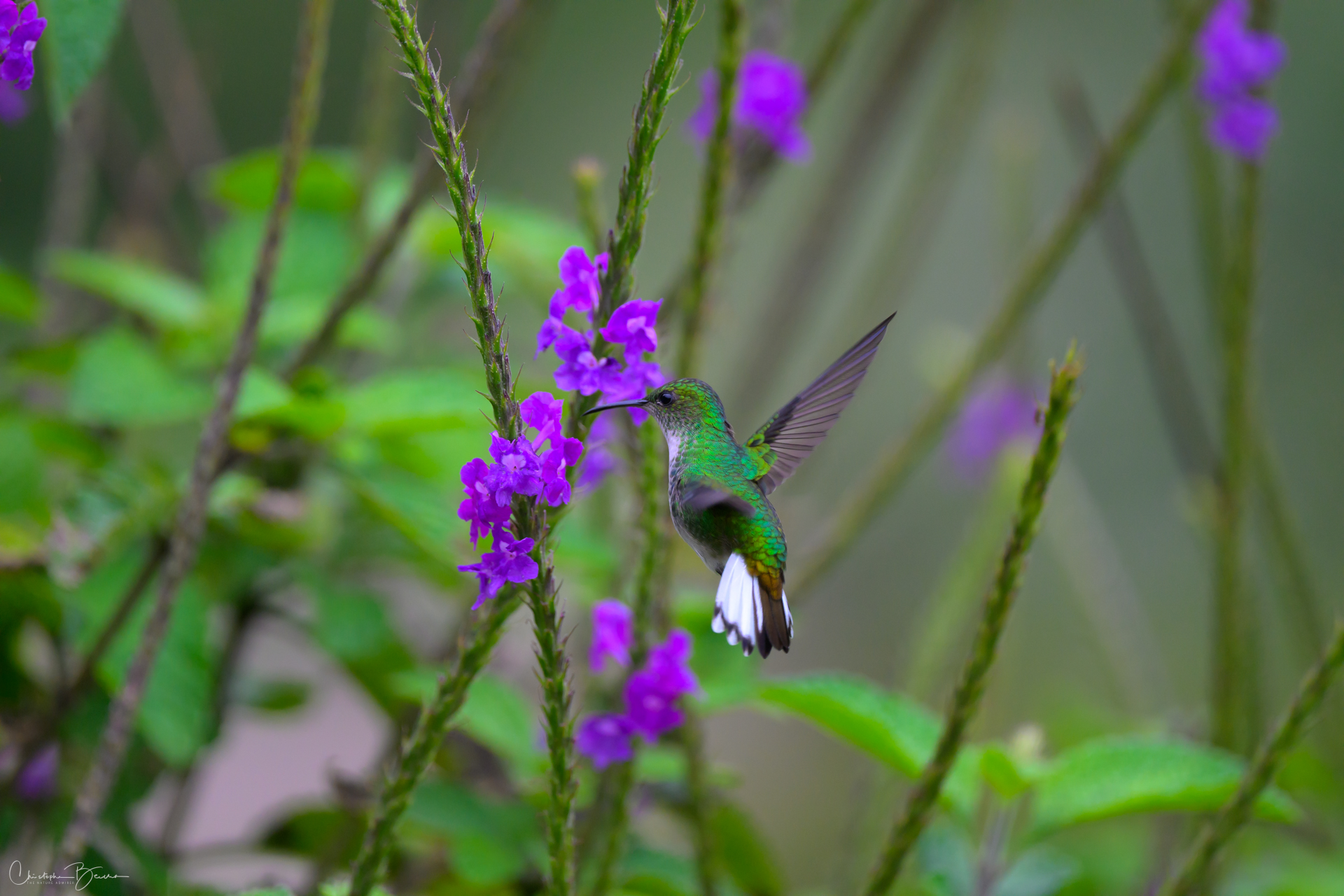
The Crowned Woodnymph is a medium sized hummingbird with a violet belly and glittering green throat, along with different shades of blue and green on the back. The female has white underparts and throat instead, with golden patches along the neck and head; the rest of the body is green like the male. They are mid sized among Costa Rican hummingbirds and might resemble a little bit the Violet-bellied Hummingbird that is found in Colombia. They inhabit low tropical rain forest locations like Braulio Carrillo and Bosque Eterno de los Niños, where they feed from the nectar of a variety of flowers, including Porter Weed.
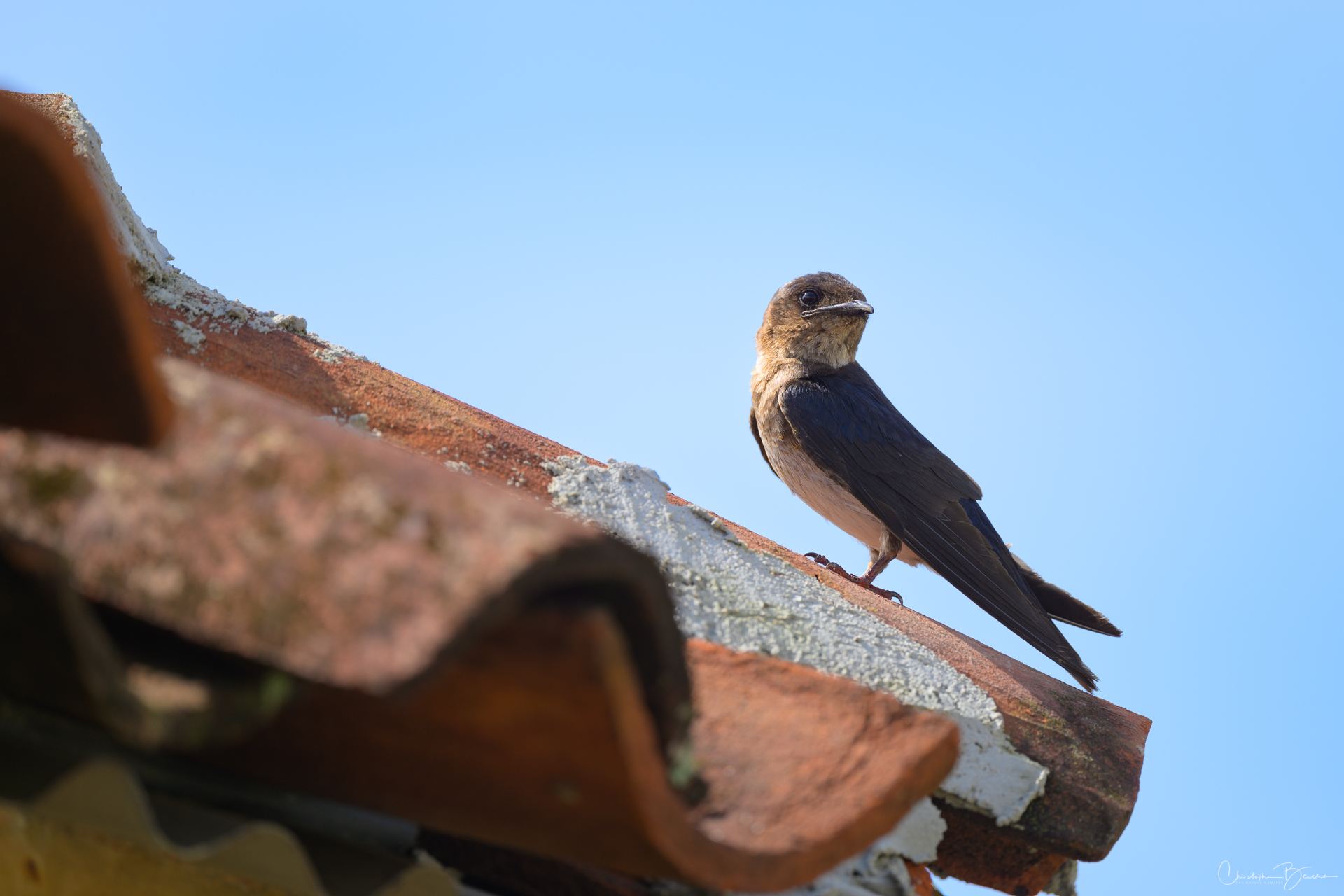
Northern Rough-winged Swallow (Stelgidopteryx serripennis)

The Northern Rough-winged Swallow is a small bird, mostly brown color in the upper parts and grey to white on the underparts. They are frequently seen, both flying and perched in lowlands in Costa Rica; they like to perch in utility wires. They are able to catch insects in mid air, during acrobatic performances. The Southern Rough-winged Swallow is very similar, however this species lacks the orange throat of the Southern.

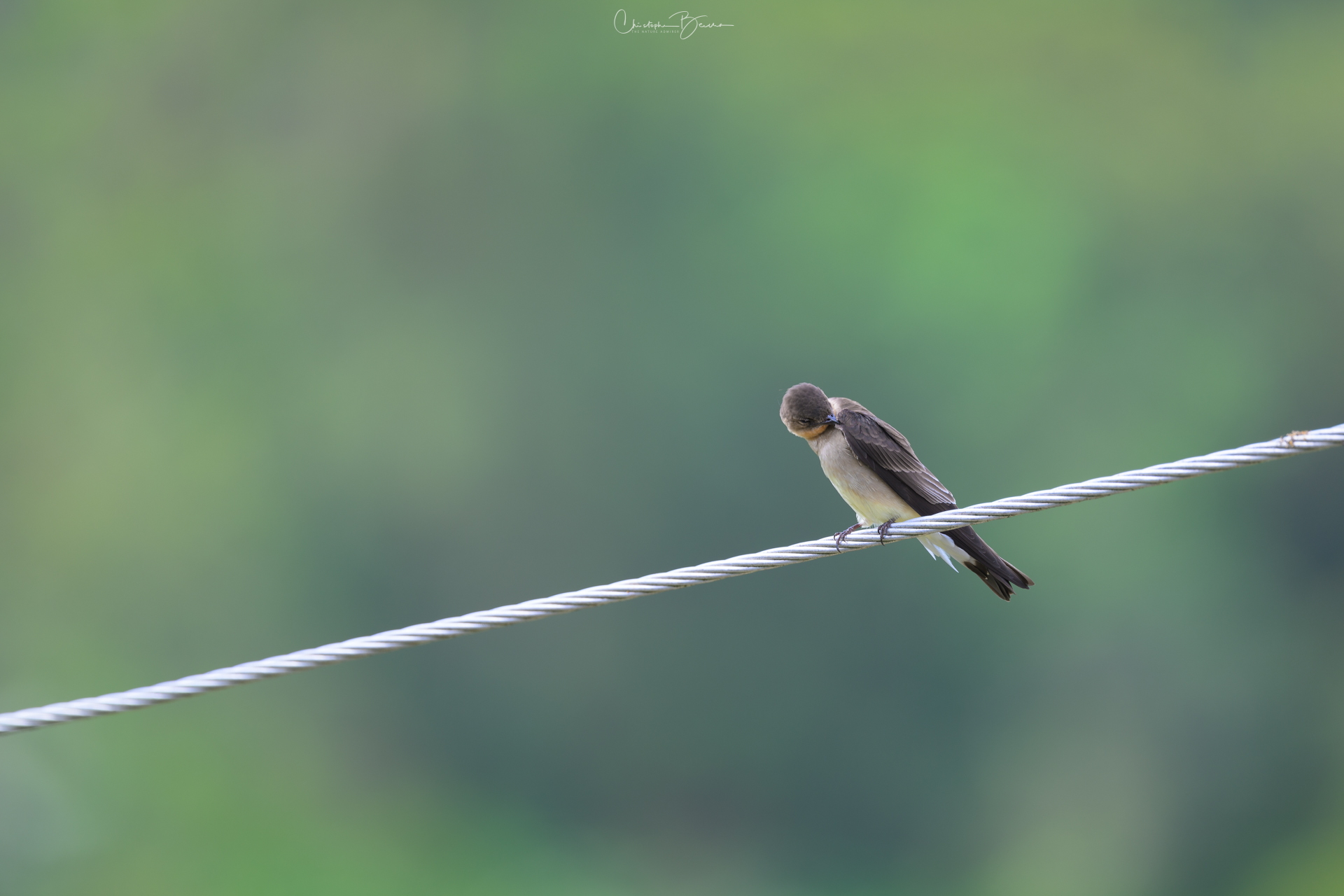
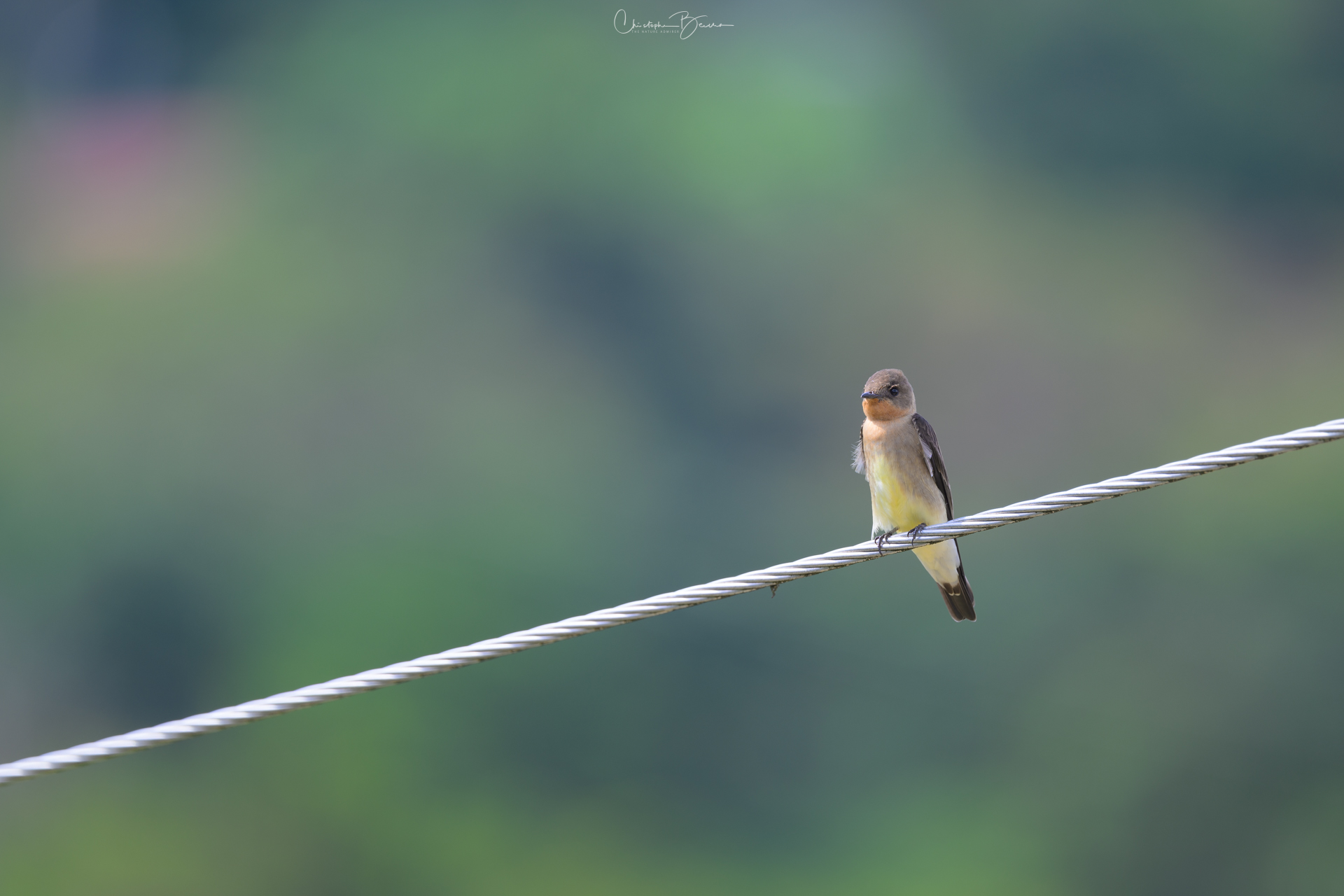
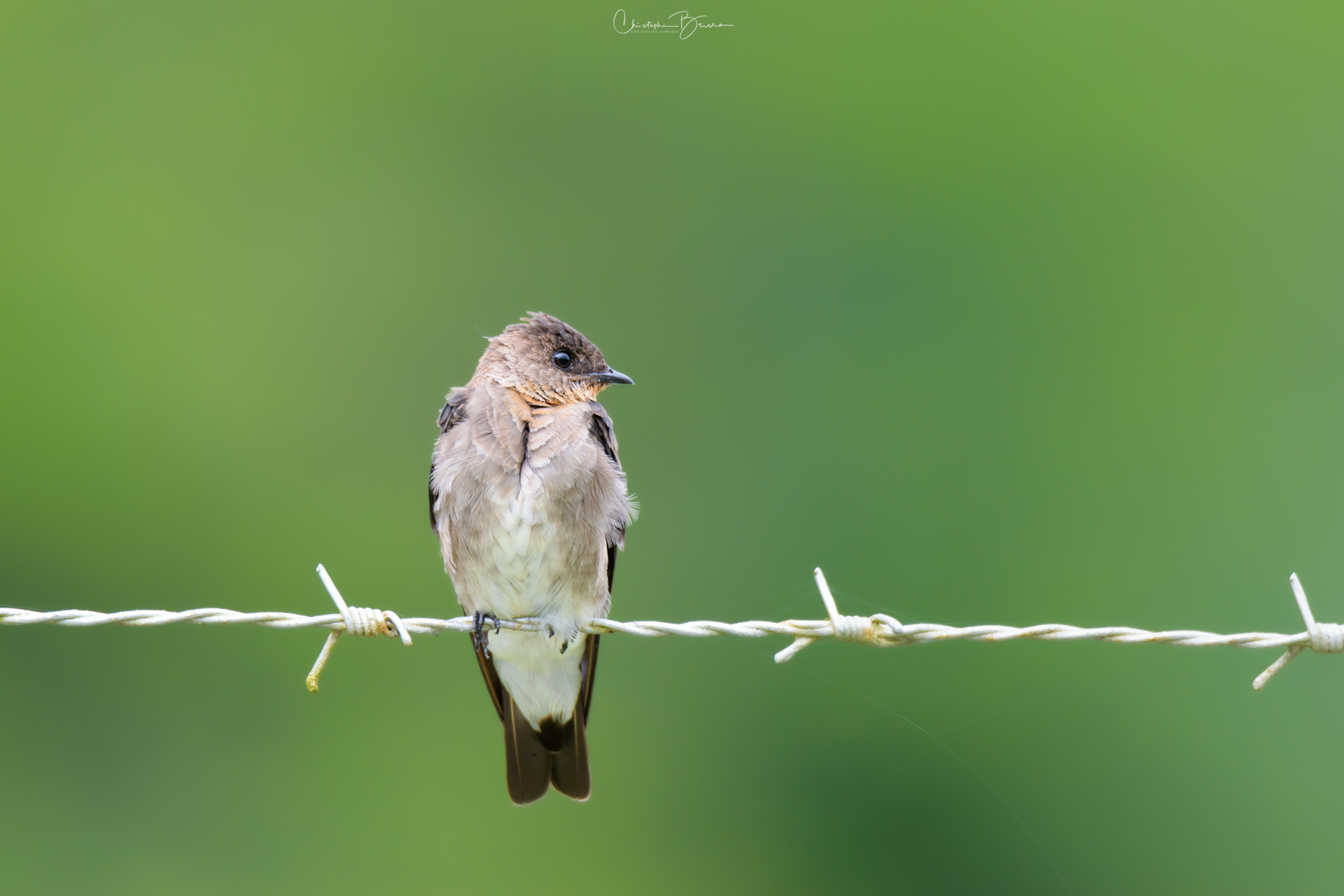
Southern Rough-winged Swallow (Stelgidopteryx ruficollis)

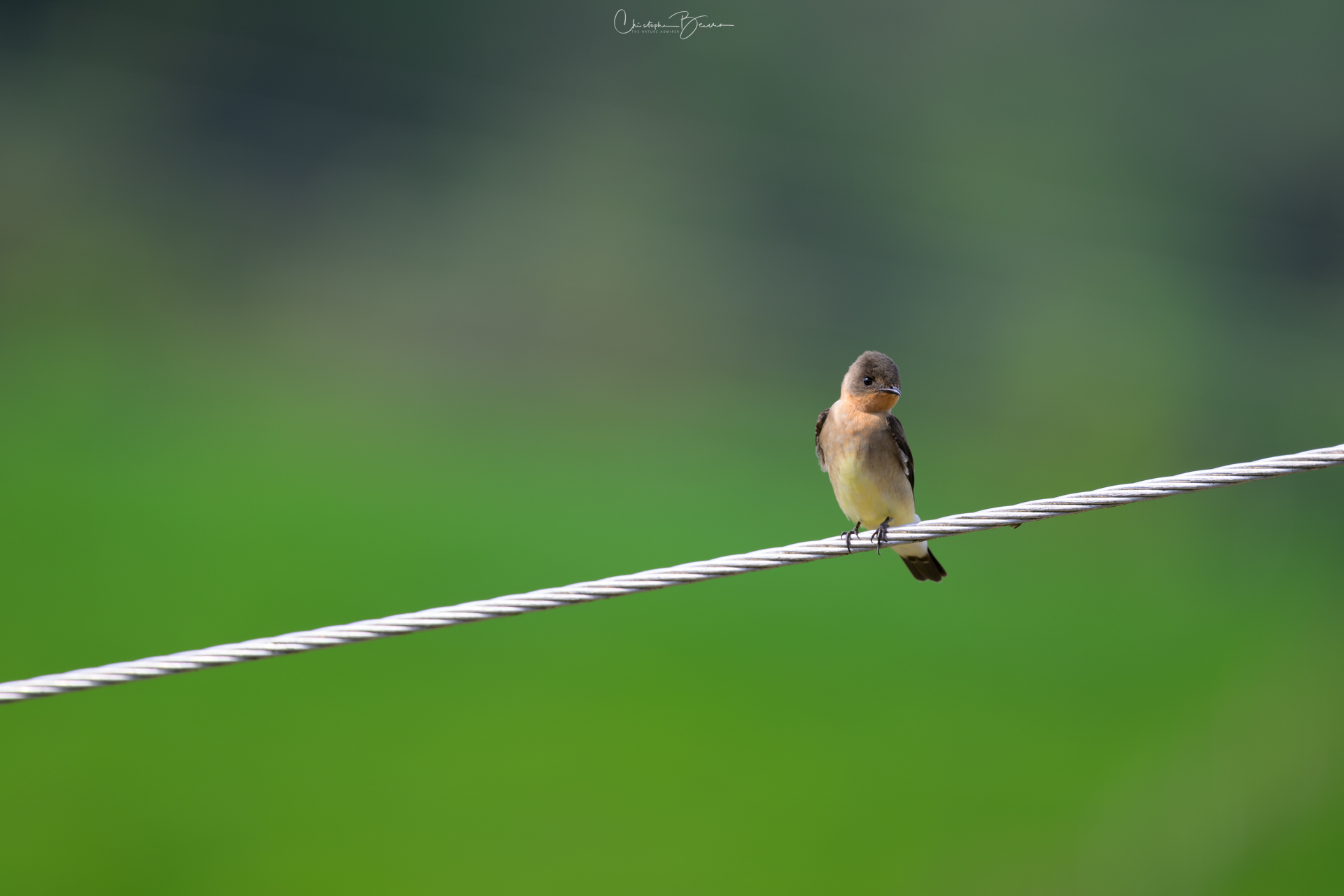
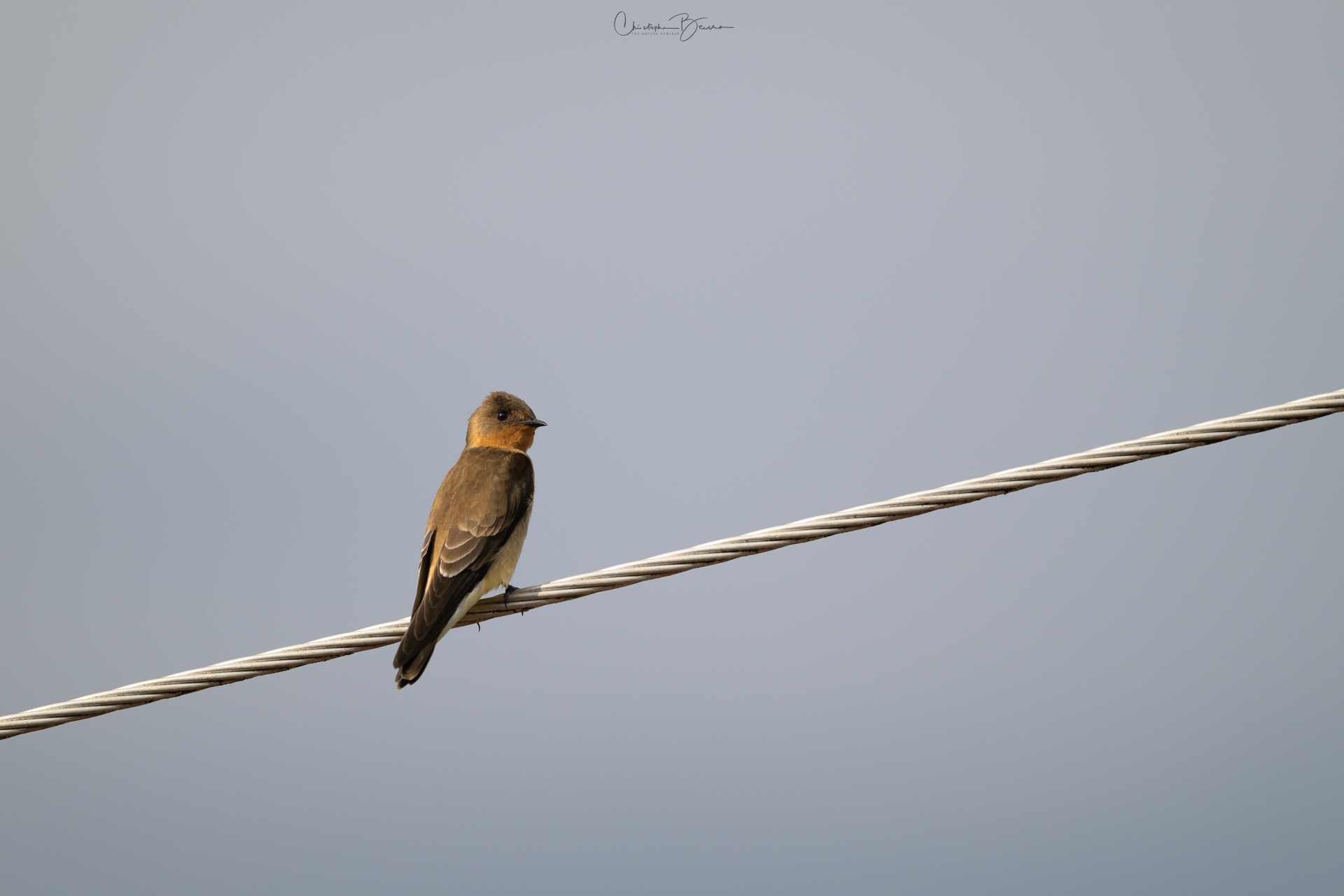
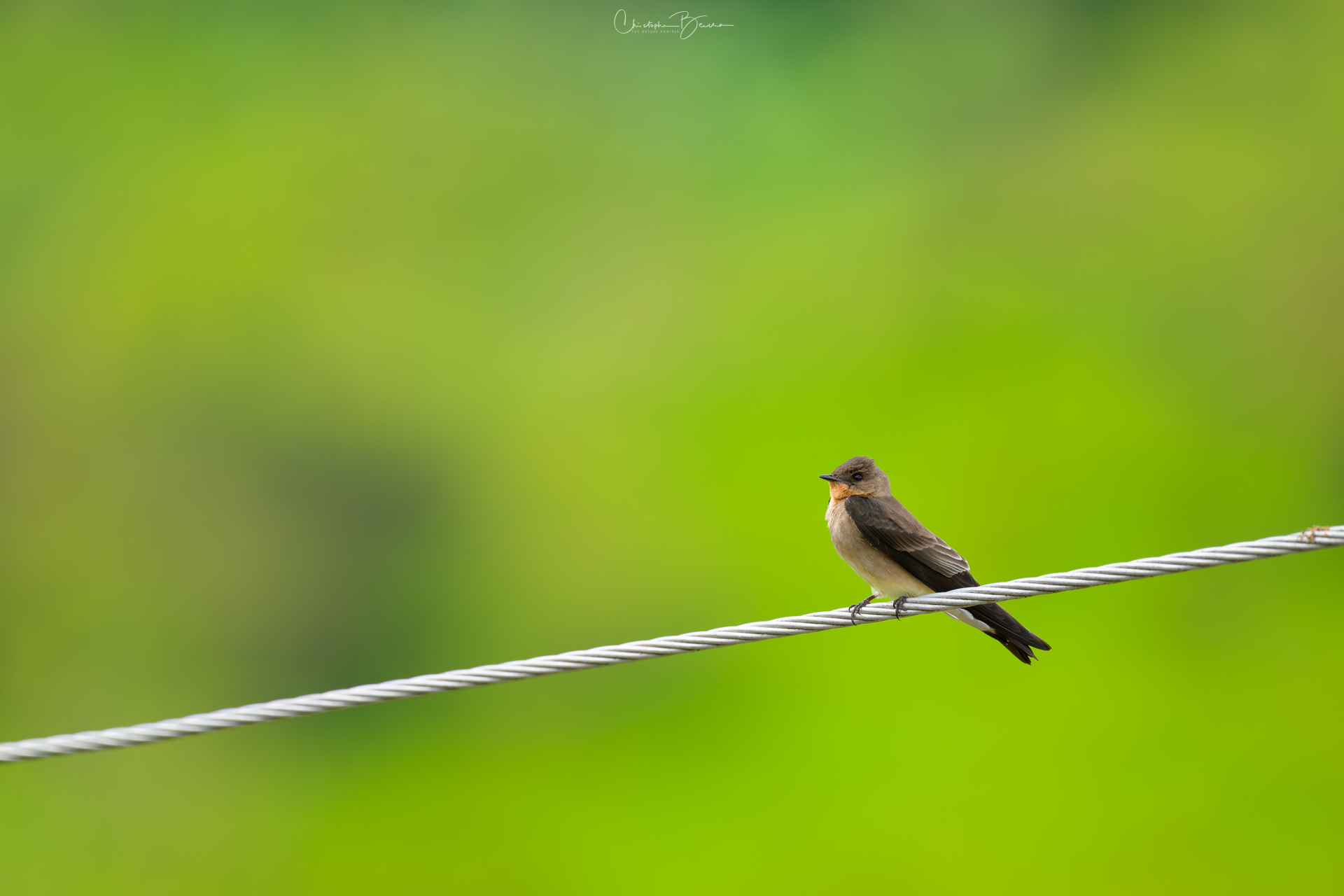
The Southern Rough-winged Swallow is a small bird, mostly brown color in the upper parts and grey to white on the underparts; it shows a light orange patch on the throat. They are frequently seen, both flying and perched in lowlands in Costa Rica. They are able to catch insects in mid air, during acrobatic performances. The Northern Rough-winged Swallow is very similar, however that species lacks the orange throat of the Southern.

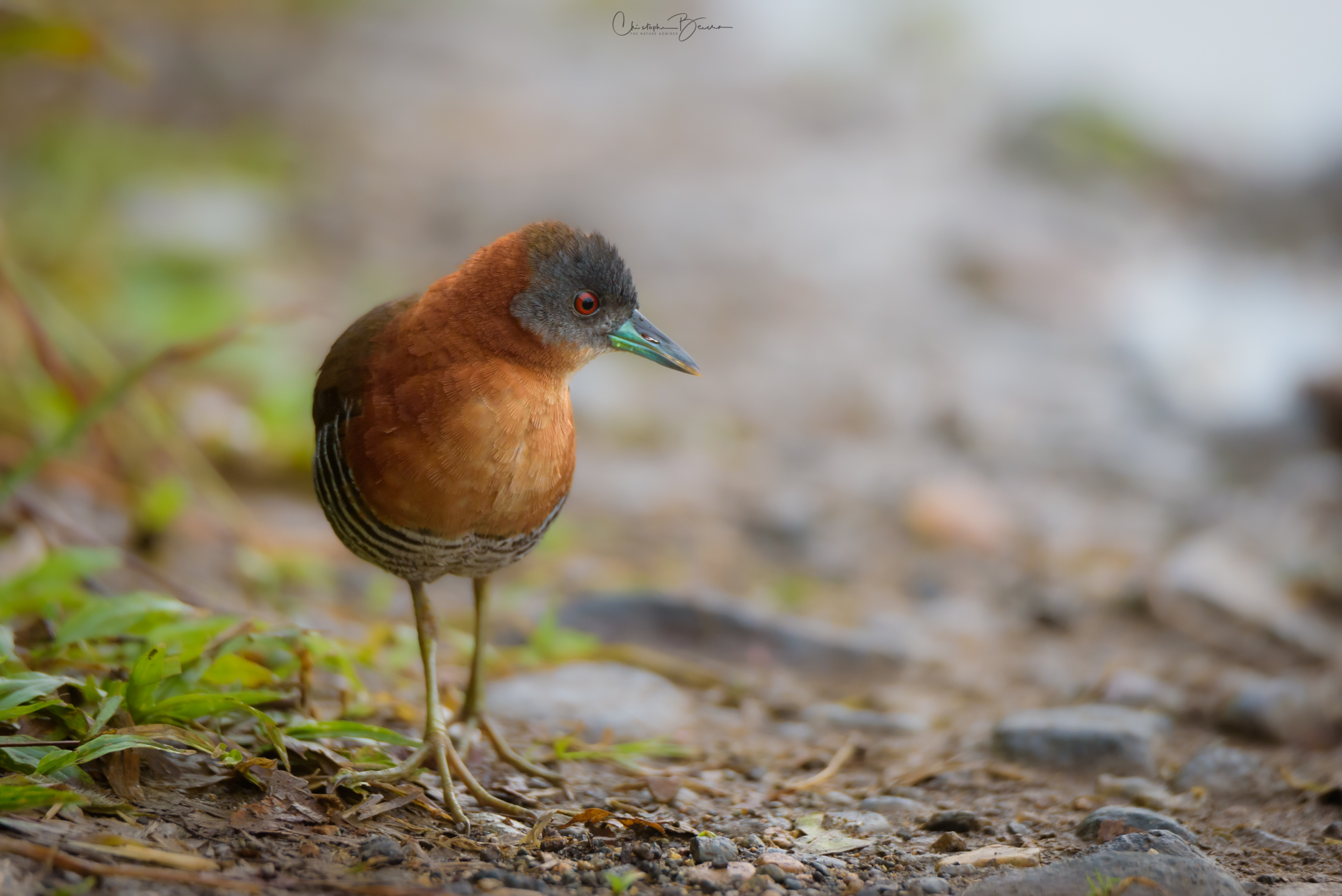
White-throated Crake (Laterallus albigularis)

The White-throated Crake is a member of the Crakes family of birds, which dwell inside deep foliage and swamps. They are frequently heard, but not easily spotted, as the dense tangle of leafs and twigs cover them completely. It is said that their call resembles and egg that is being fried, hence its Costa Rican popular name, “Huevo Frito”. The juveniles are grey, and even more difficult to spot. One very interesting behavior of this bird is that they go out of the foliage very cautiously, and if a predator seems to be nearby, they cross the trail running very rapidly, and then hop into the air, putting a lot of effort to fly, something they are not very adept at.

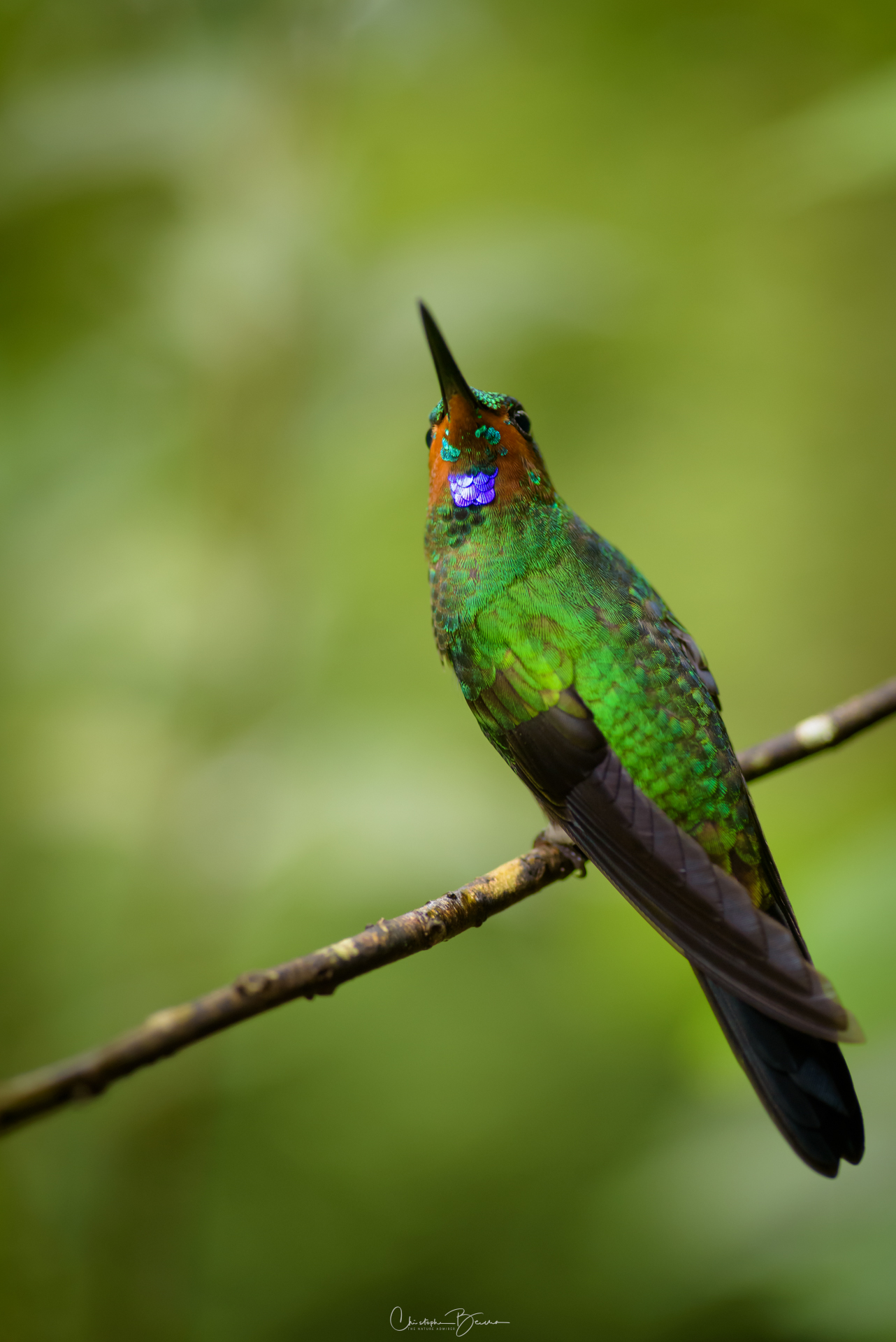
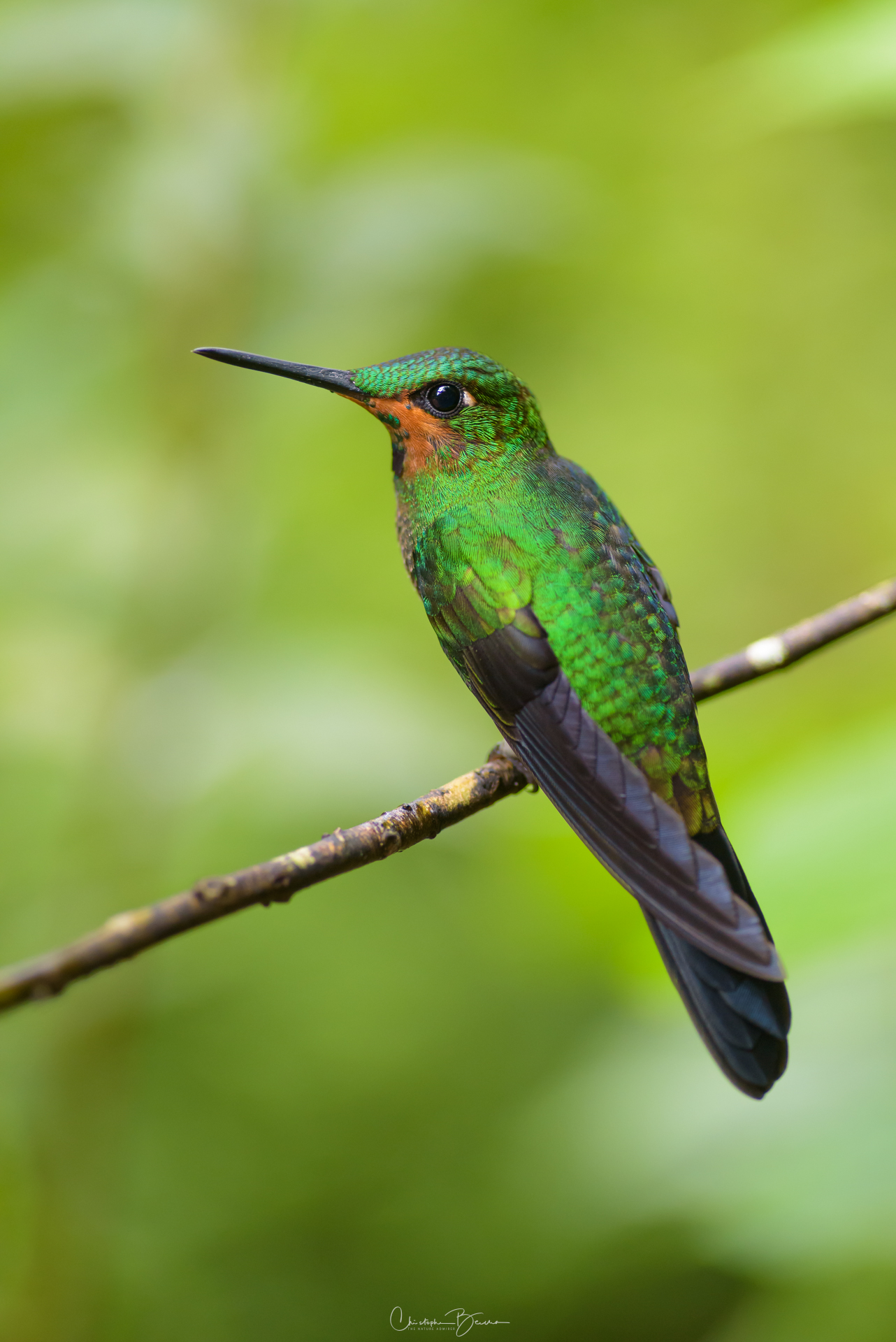
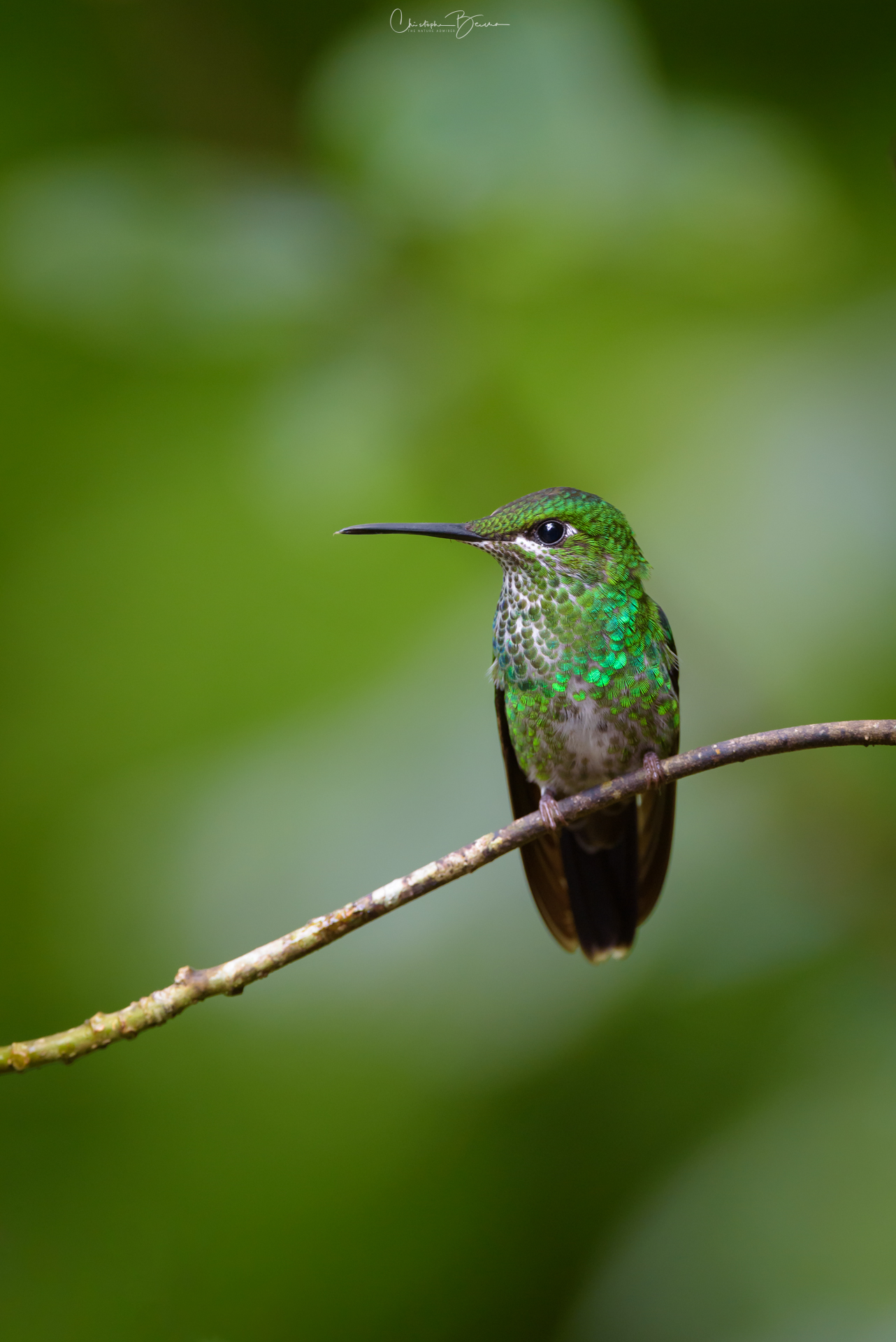
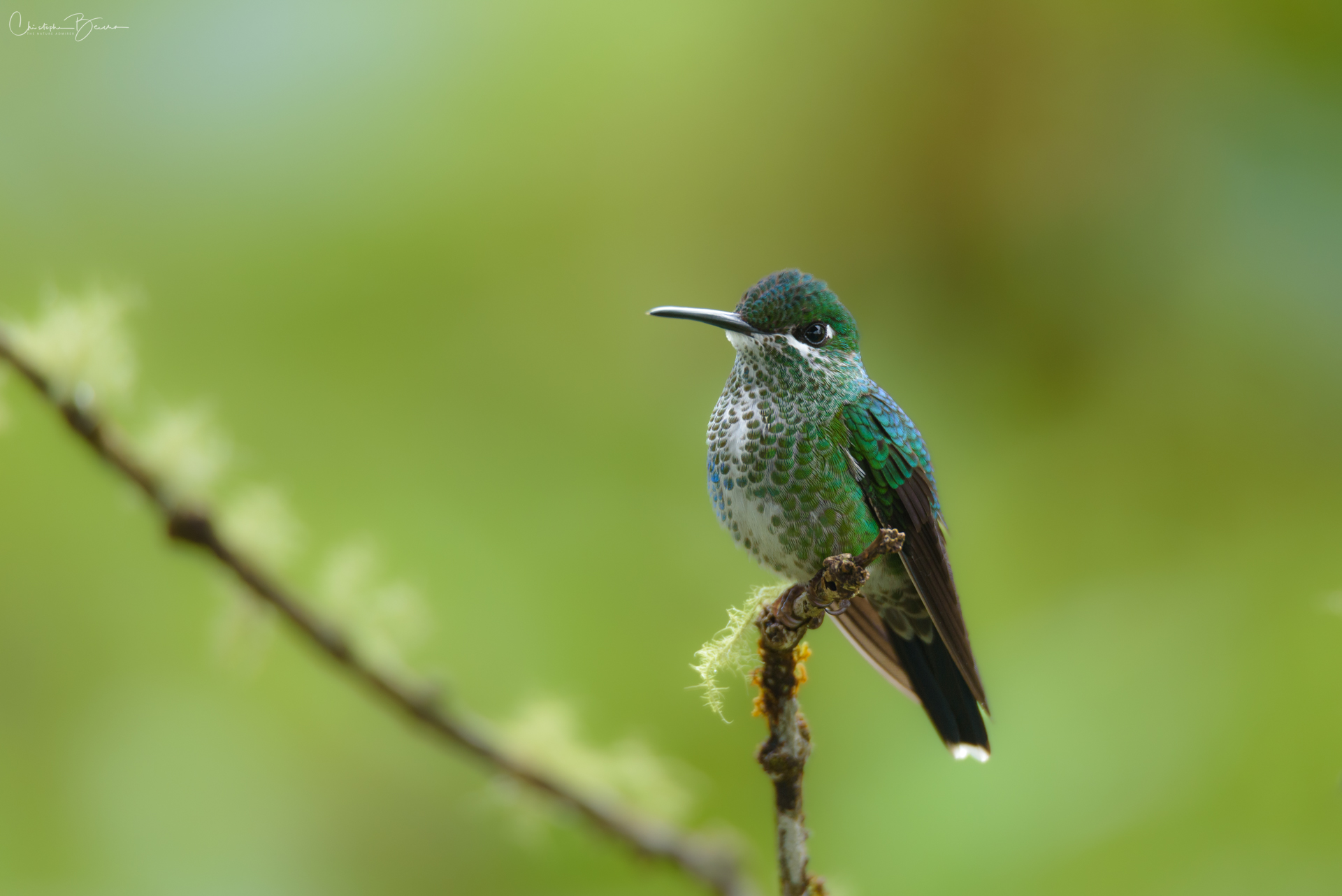
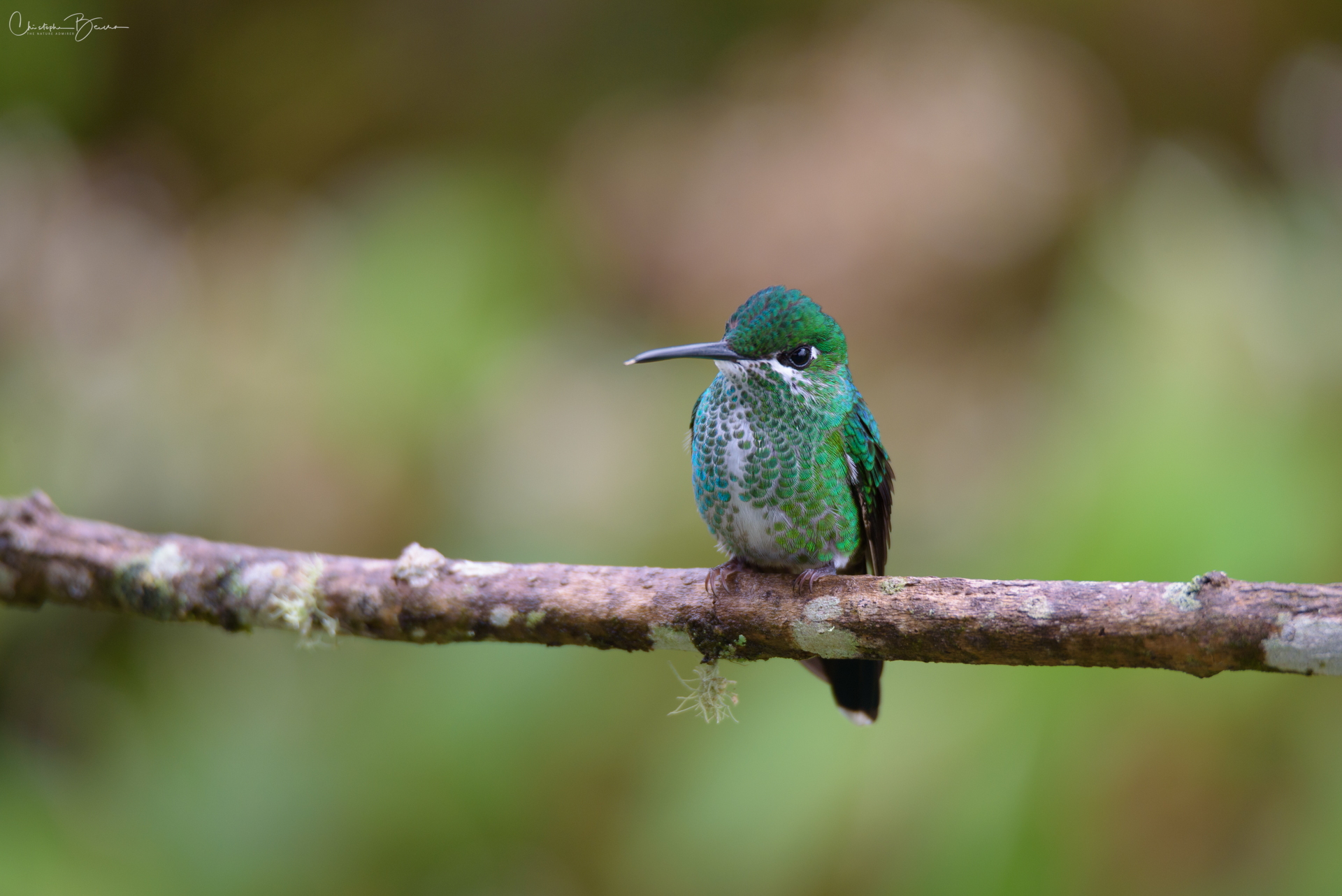
Green-crowned Brilliant (Heliodoxa jacula)

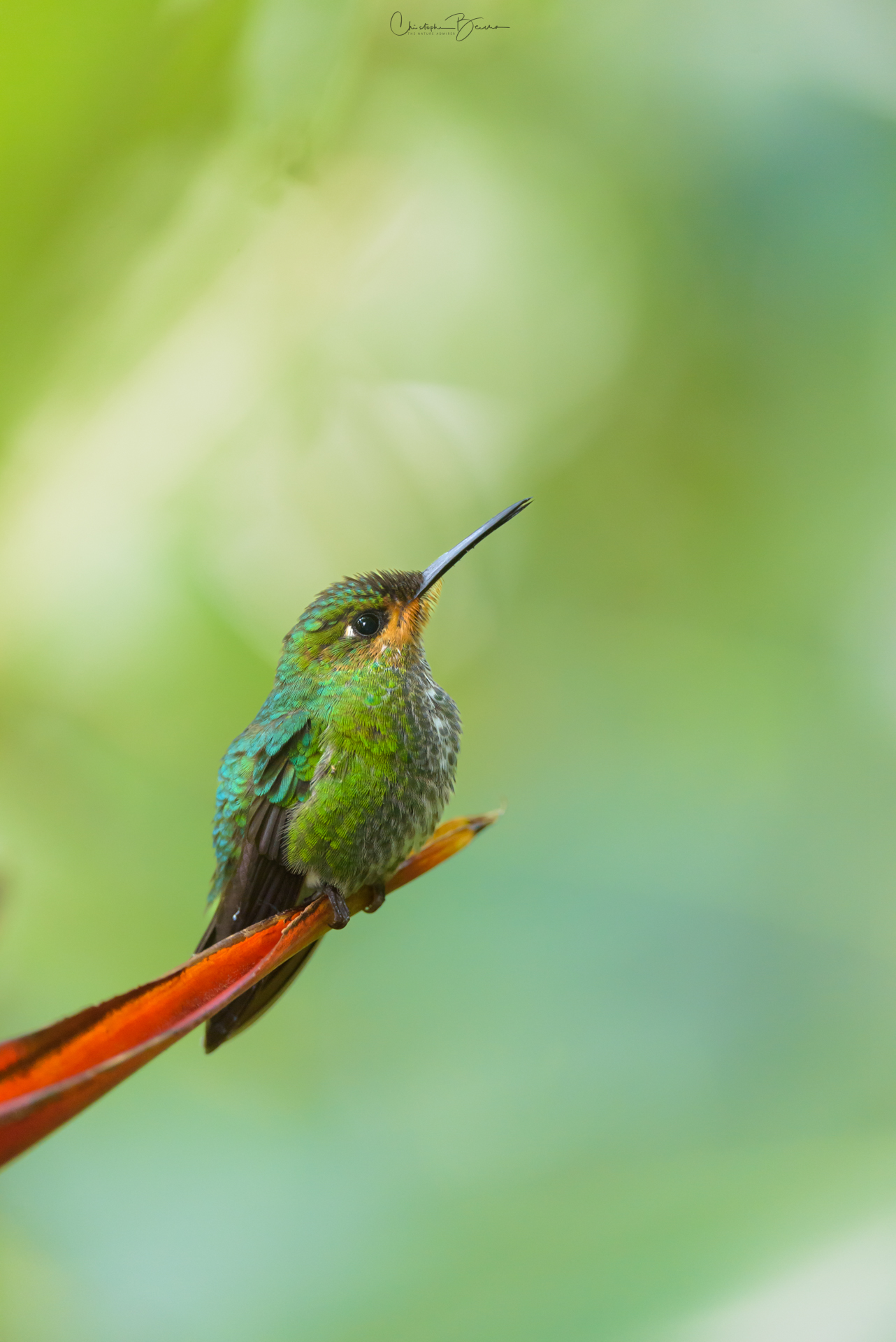
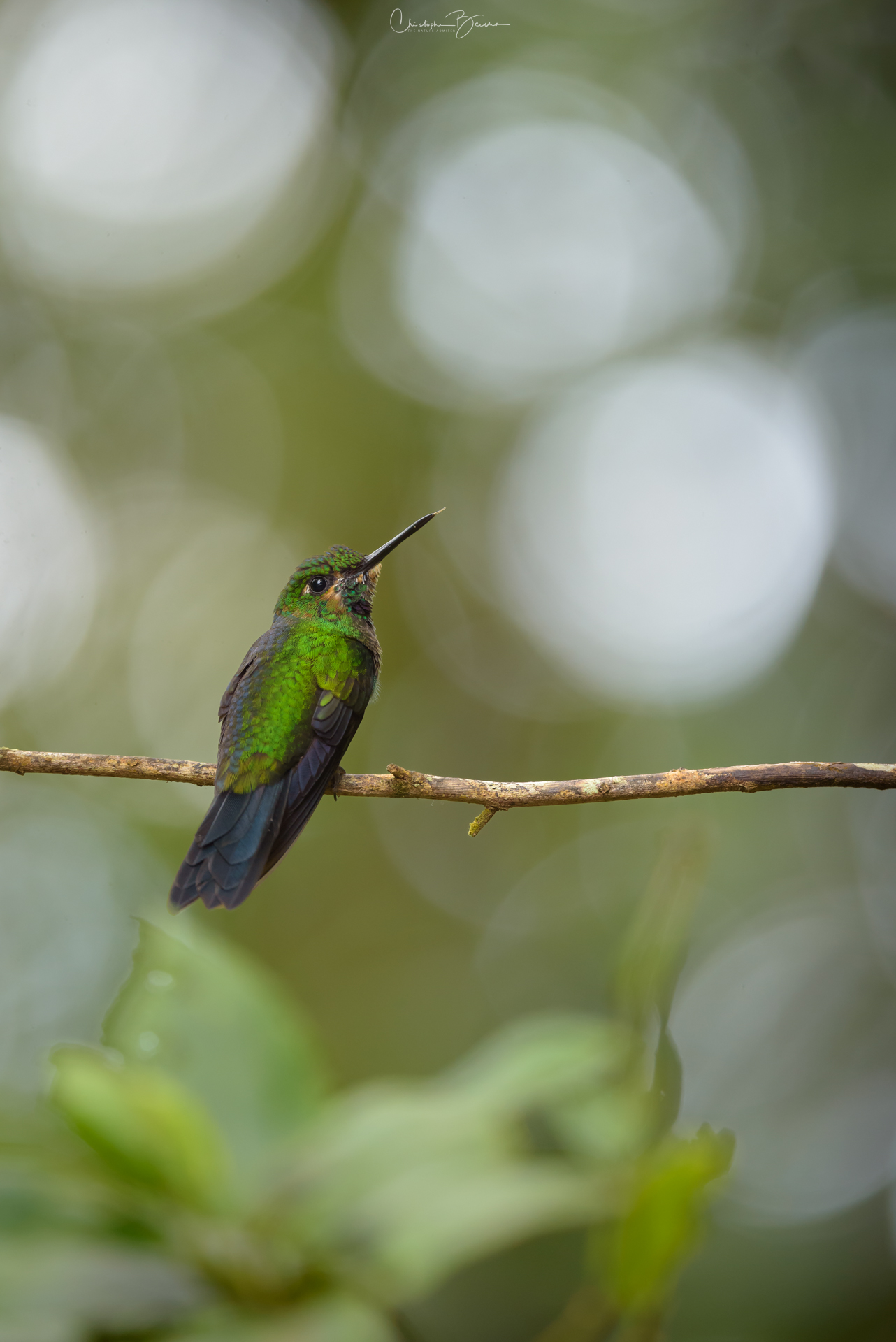
The Green-crowned Brilliant is a relatively large hummingbird of the Heliodoxa family, which contains nine species, but the jacula is the only species to inhabit Costa Rica. It has a weird face, resulting from the elongated form towards the long and thin bill. The male is mostly green with glittering metallic-green crown as the name suggests, which becomes visible only with some angles due to the iridescence phenomenon that the bird displays; it also has a small purple patch on the throat. The female is similar, but has a white belly with scaling pattern in the throat and the flanks.

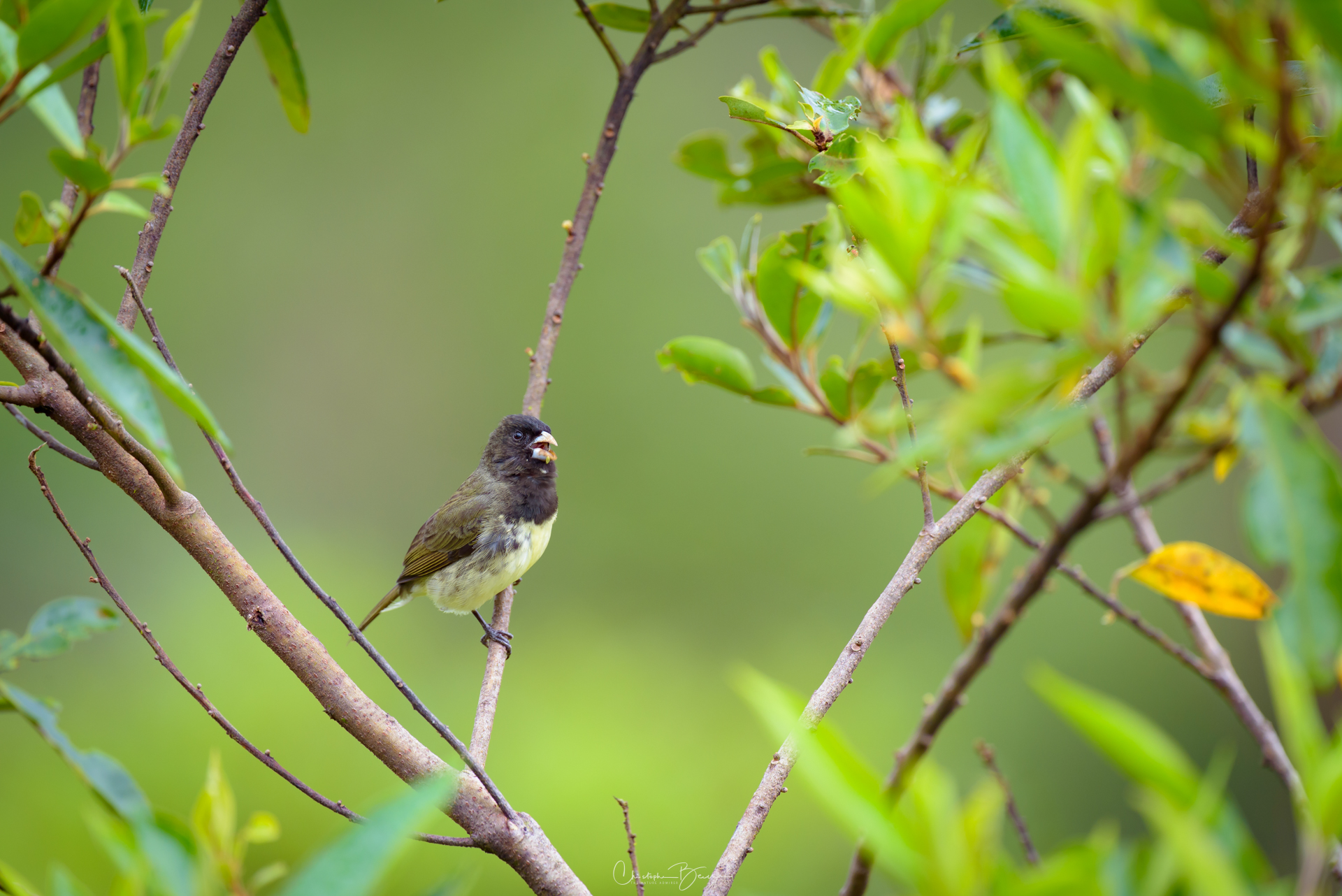
Yellow-bellied Seedeater (Sporophila nigricollis)

Yellow-bellied Seedeater seems to be a bad name for a species that has a white belly. In a true seedeater fashion, it is found eating seeds from the grass. Its upperside is gray, with a darker head. Its pale bill is short but very strong, enabling it to crack bigger seeds. It shows some dark patches on the flanks and on the separation of throat and chest.

White-capped Dipper (Cinclus leucocephalus)

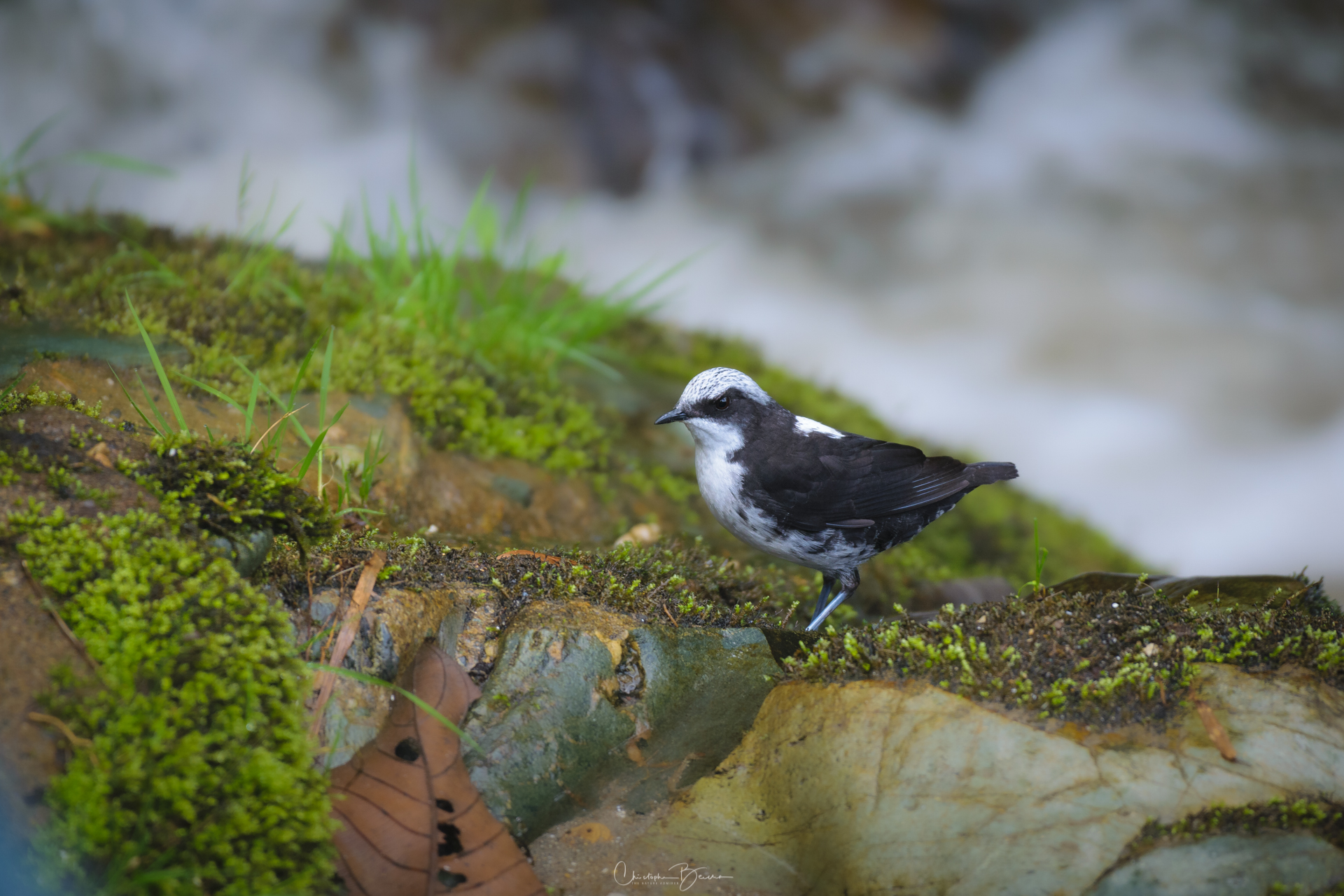
Five species of birds compose the Cinclus genus, all of which have a very unique characteristic: They dive underwater to catch small fish and invertebrates, along with their eggs and larvae. They are most commonly found along river banks and fast flowing streams. Being able to swim underwater, they bear adaptations for this purpose. For instance, their bones are solid to reduce buoyancy, while the feathers are dense and covered in oil that repels water, which has two effects: Maintaining the body dryers, and capturing a small layer of air around its body. The White-capped Dipper in particular is dark gray on the upper side, white on the underside and shows a white cap that goes well with its common name.

White-browed Spinetail (Hellmayrea gularis)

The White-browed Spinetail was the only species of Spinetails we ever saw in Colombia. It inhabits the paramo at Nevado del Ruiz, at an altitude of 4,200 meters above sea level. Its body coloration is composed of brown back and head, gray belly, chest and throat, and a gray supercilliary on top of the black eye. With this colors, it might look very dull and uninteresting, however it is an amazing fact for this little bird to withstand the lack of oxygen and low temperatures of this elevation, specially during the night.

Violet-bellied Hummingbird (Damophila julie)

The Violet-bellied Hummingbird is another of the cute hummingbirds we saw in Colombia. Its name is pretty descriptive, since the belly is a deep iridescent purple tone that looks metallic on the right light; on the shadow it looks blue instead. The throat and face also glow in light green sometimes, other times it looks dark green along with the back of the head. It has a long and thin black bill that’s used like most hummingbird to extract nectar from the deep cavities of flowers in Colombia. I saw this individual while walking down from Doña Dora’s restaurant. It was doing its early morning stretching routine.