Page 8 of 13

Black-crowned Tityra (Tityra inquisitor)

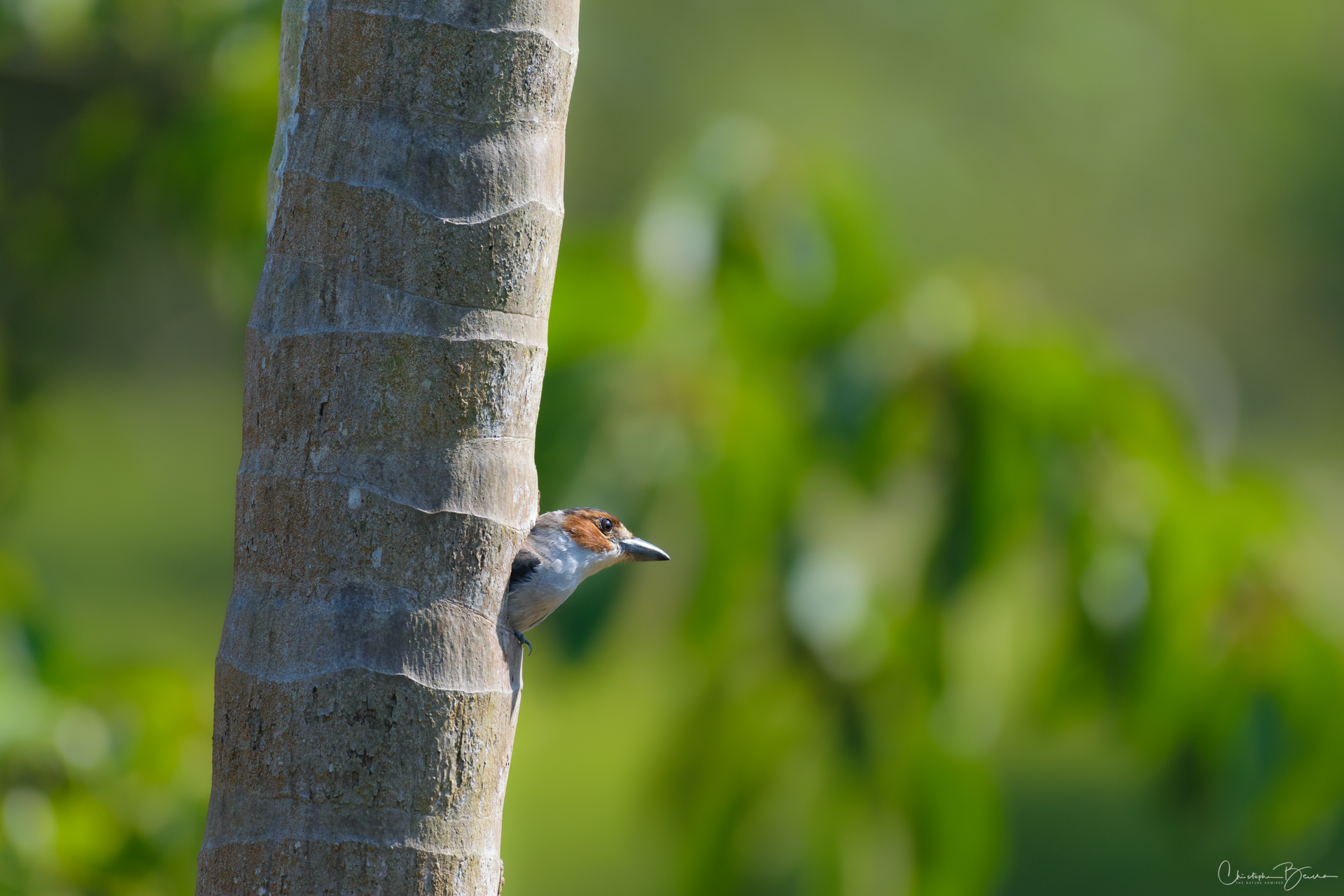
The Tityras are peculiar bird species. In spanish, they are known as the “Pájaro chancho” or Pig Birds, because of their calls, which resemble a pig´s sound. The Black-crowned Tityra has mostly white body and a… black crown, hence the name. The female has brown face, while the male has black face instead. Both have black feathers in the wing linings. They make their nests by reusing a woodpecker’s hole made into a tree, and we even saw one woodpecker coming into the nest that the tityras were preparing. The female was going out of the nest after having deposited twigs that served as construction material, then landed just outside of the nest with more twigs. The male was not far away from the female and guarded the nest when she was not present.
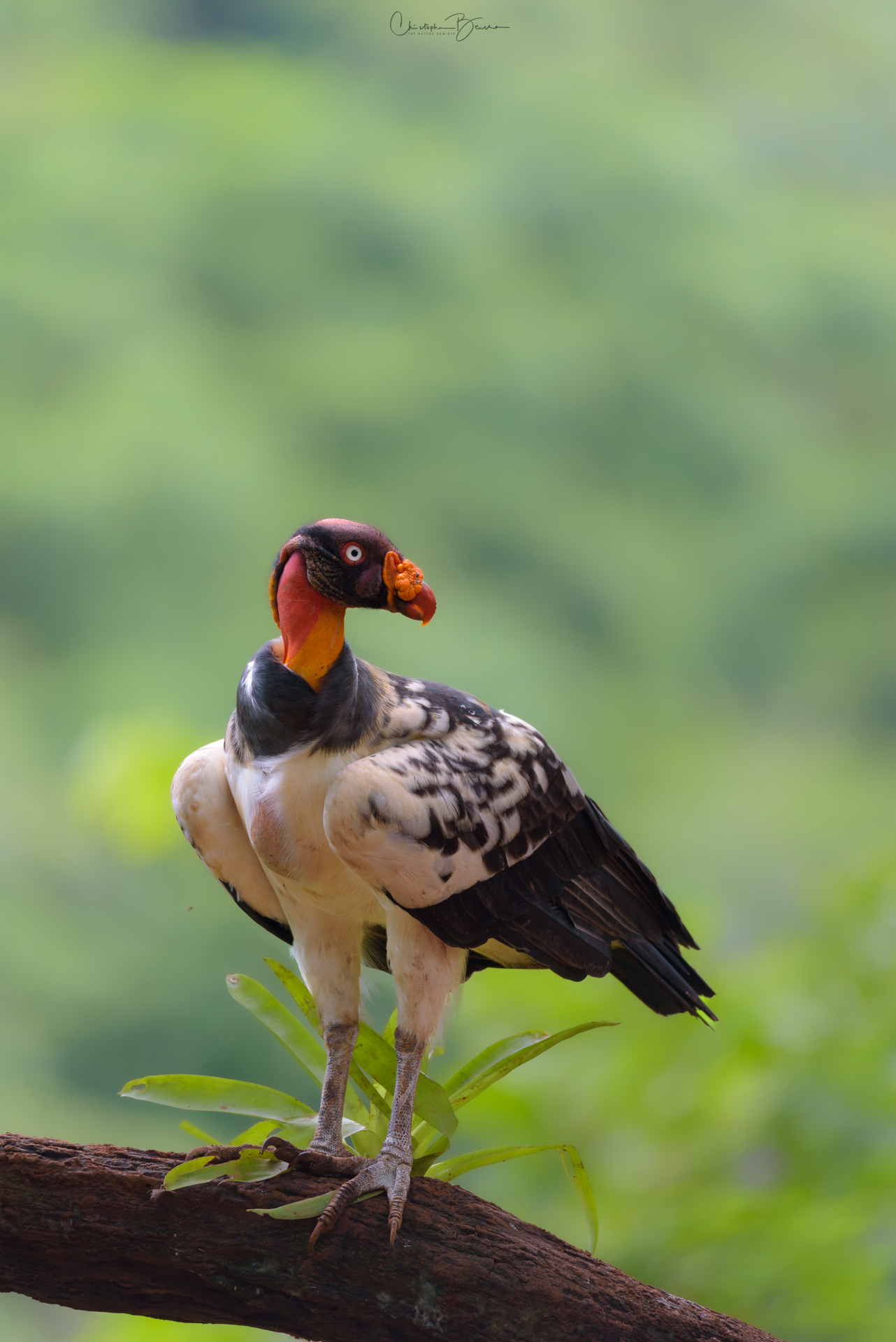
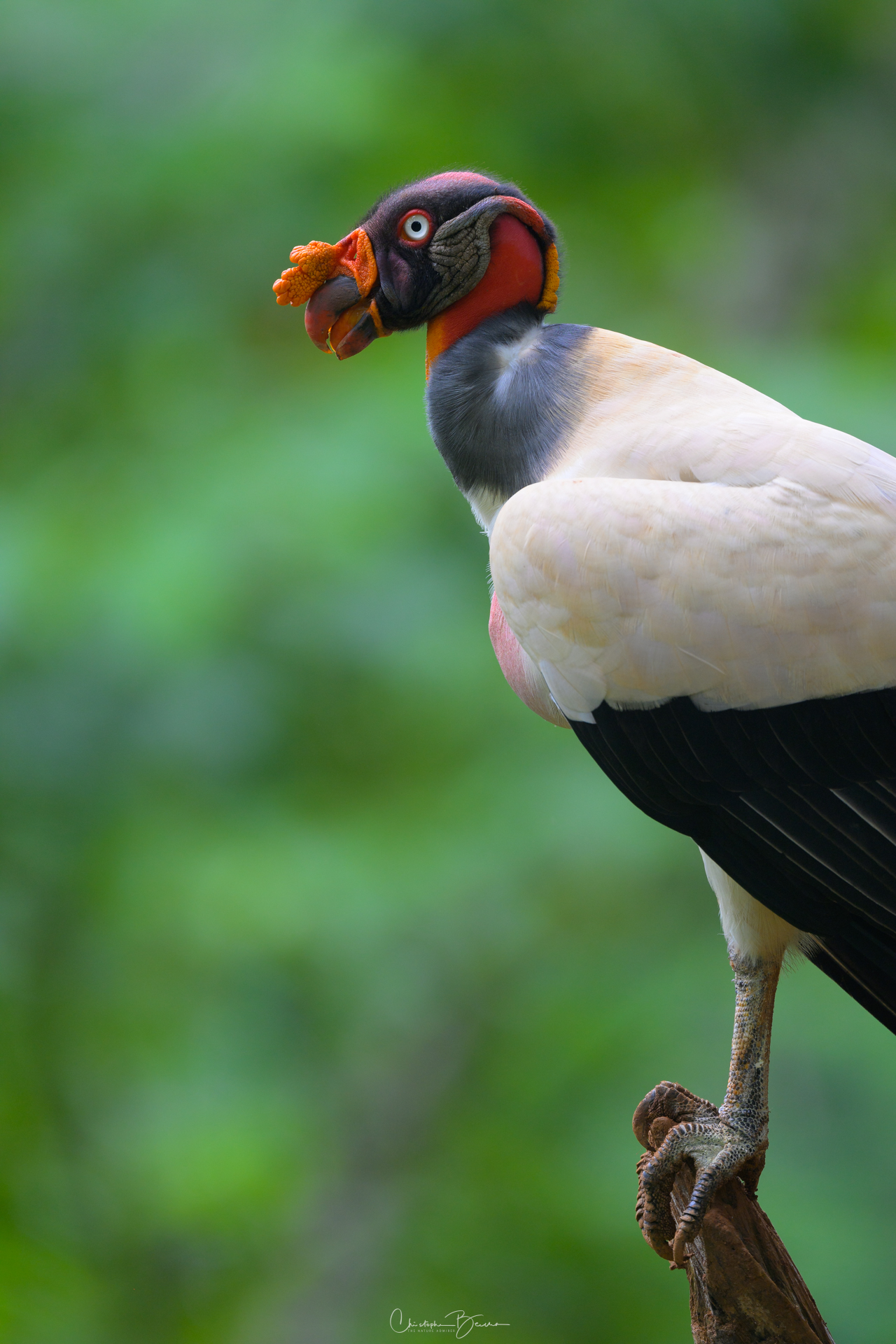
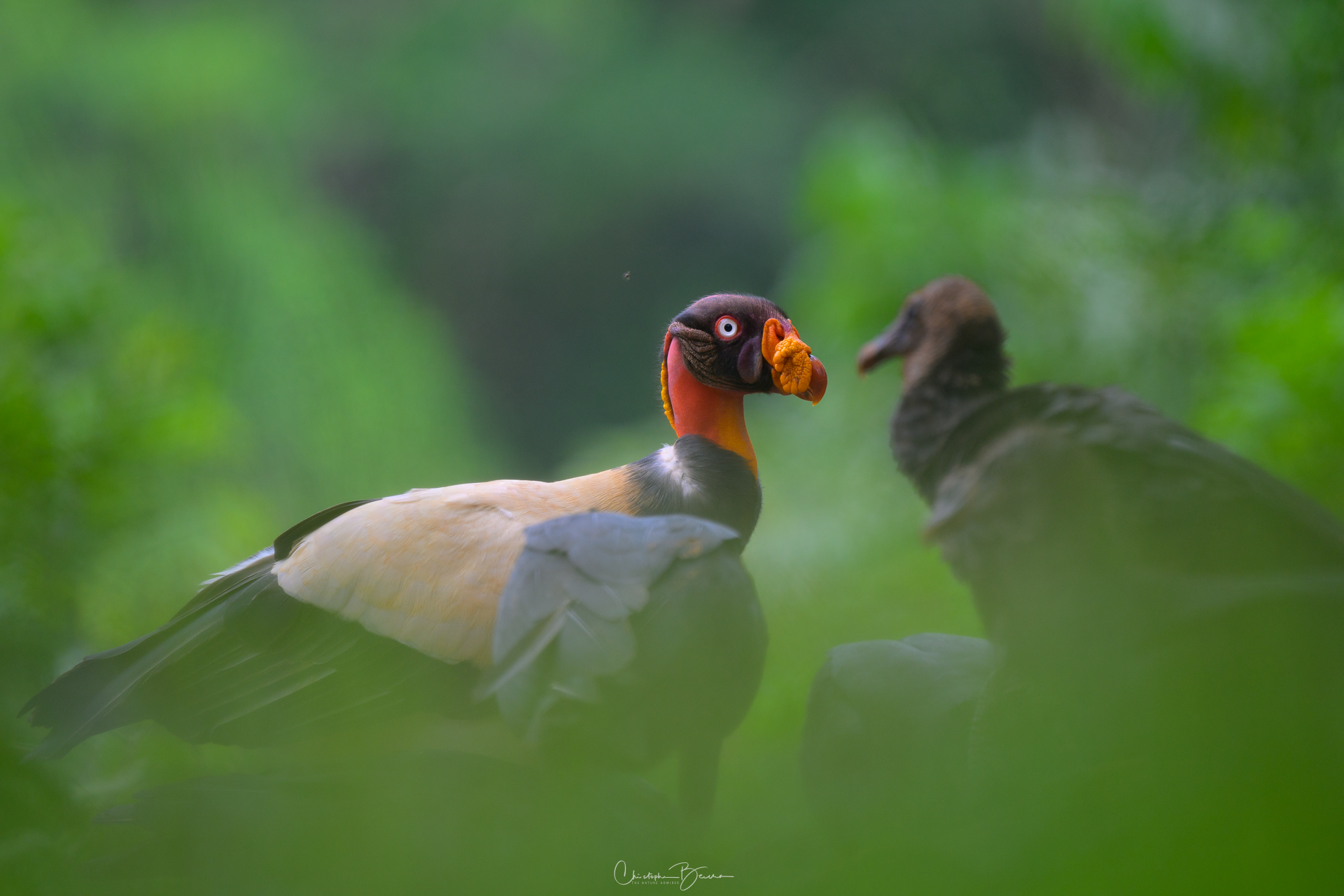
King Vulture (Sarcoramphus papa)

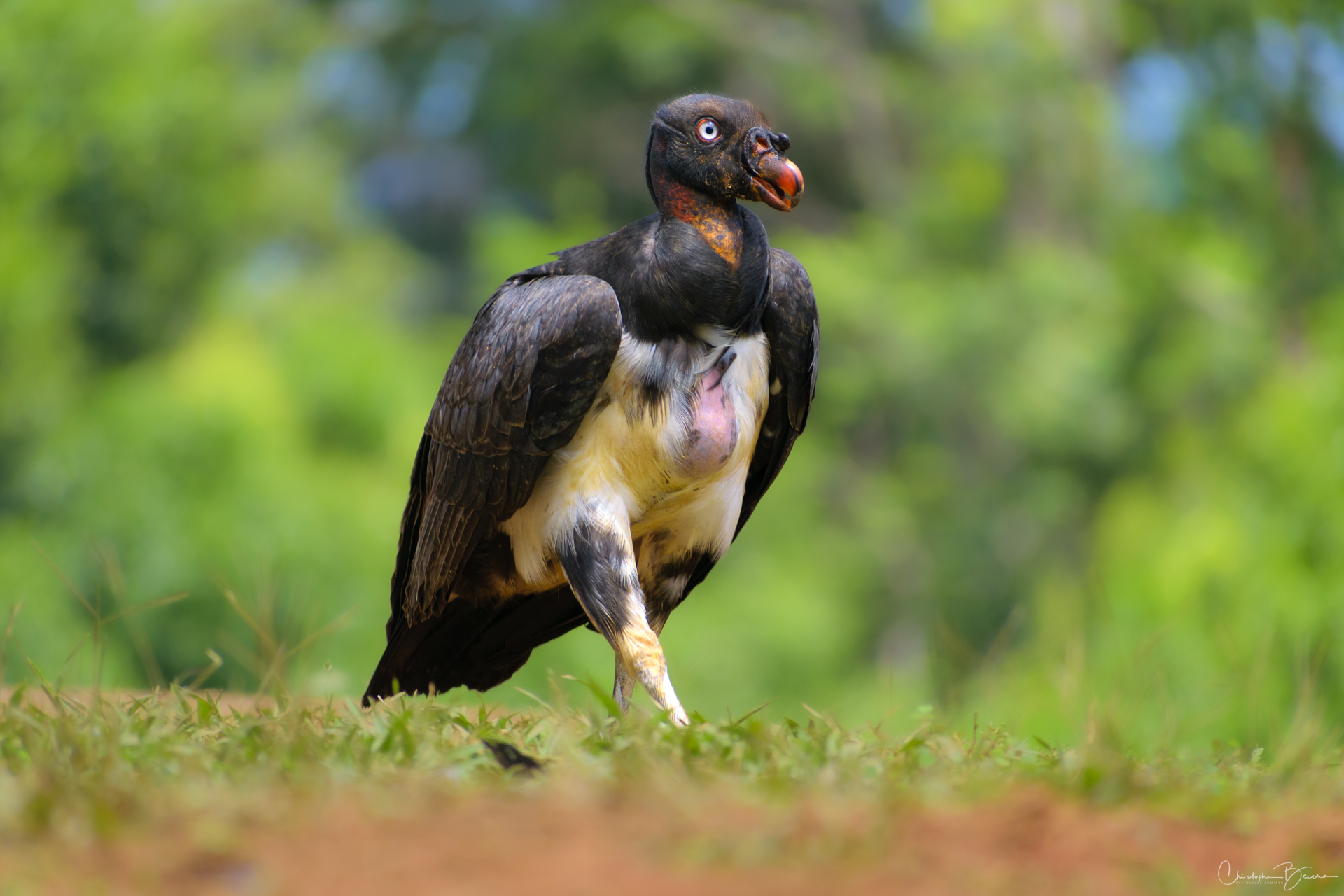
The King Vulture is a really magnificent bird. The other three species are black in general, with different color of head and neck. The Black Vulture is commonly seen soaring around the country, but the King Vulture is not seen that often. However, when you see it, you are amazed. The juvenile is mostly black, with white underparts, while the adult is mostly white, with black wing secondaries and orange to red neck. Both have white irises, which contrasts nicely with the head colors. Immature adults retain some of the black feathers from the juvenile stage, showing an intermediate color pattern. The pink maw protrudes from the chest´s feather and is a very conspicuous feature, specially when the individual is full of eating meat. I am supposing that during hot days it helps to cool off by having it outside of the feathers.

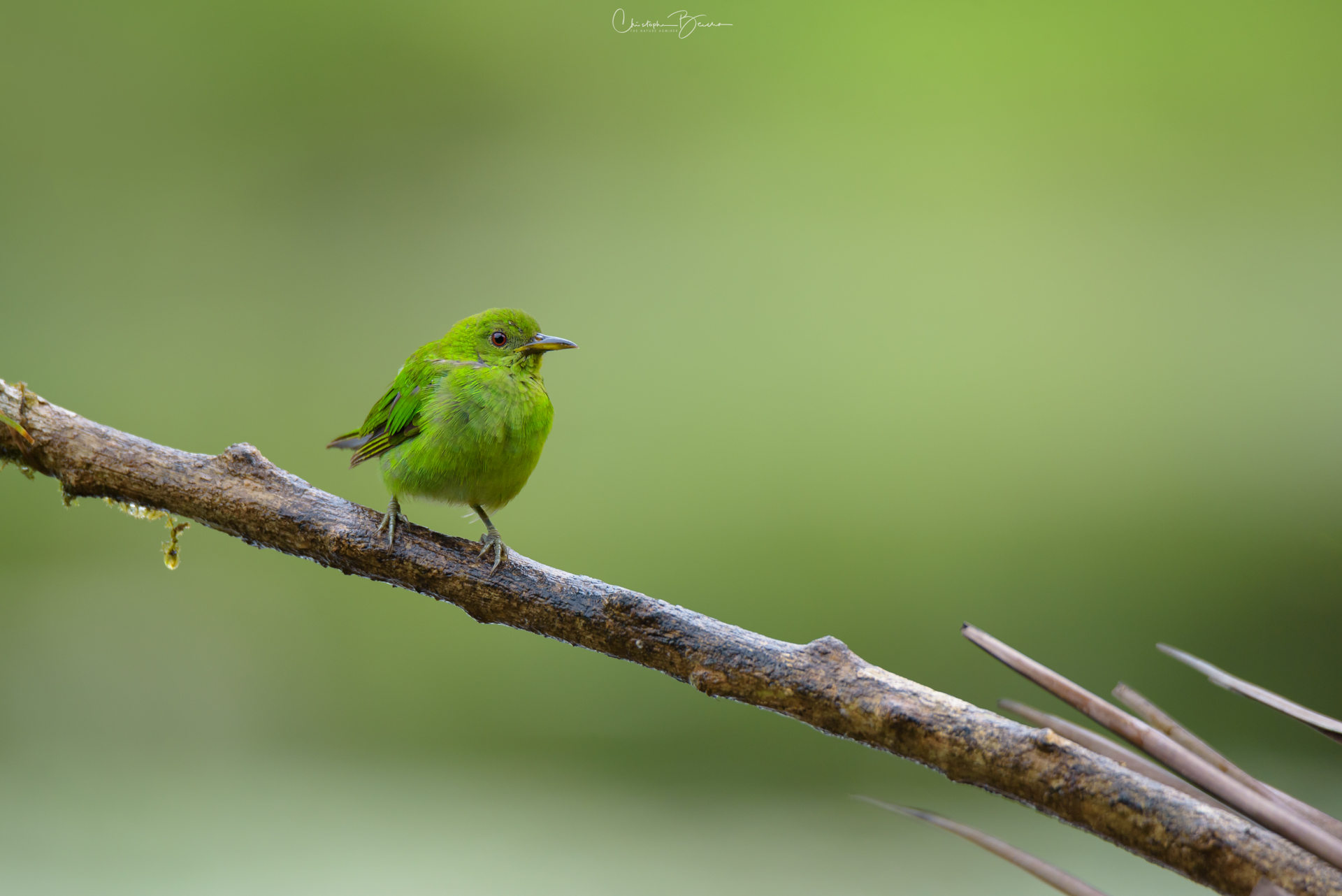
Green Honeycreeper (Chlorophanes spiza)

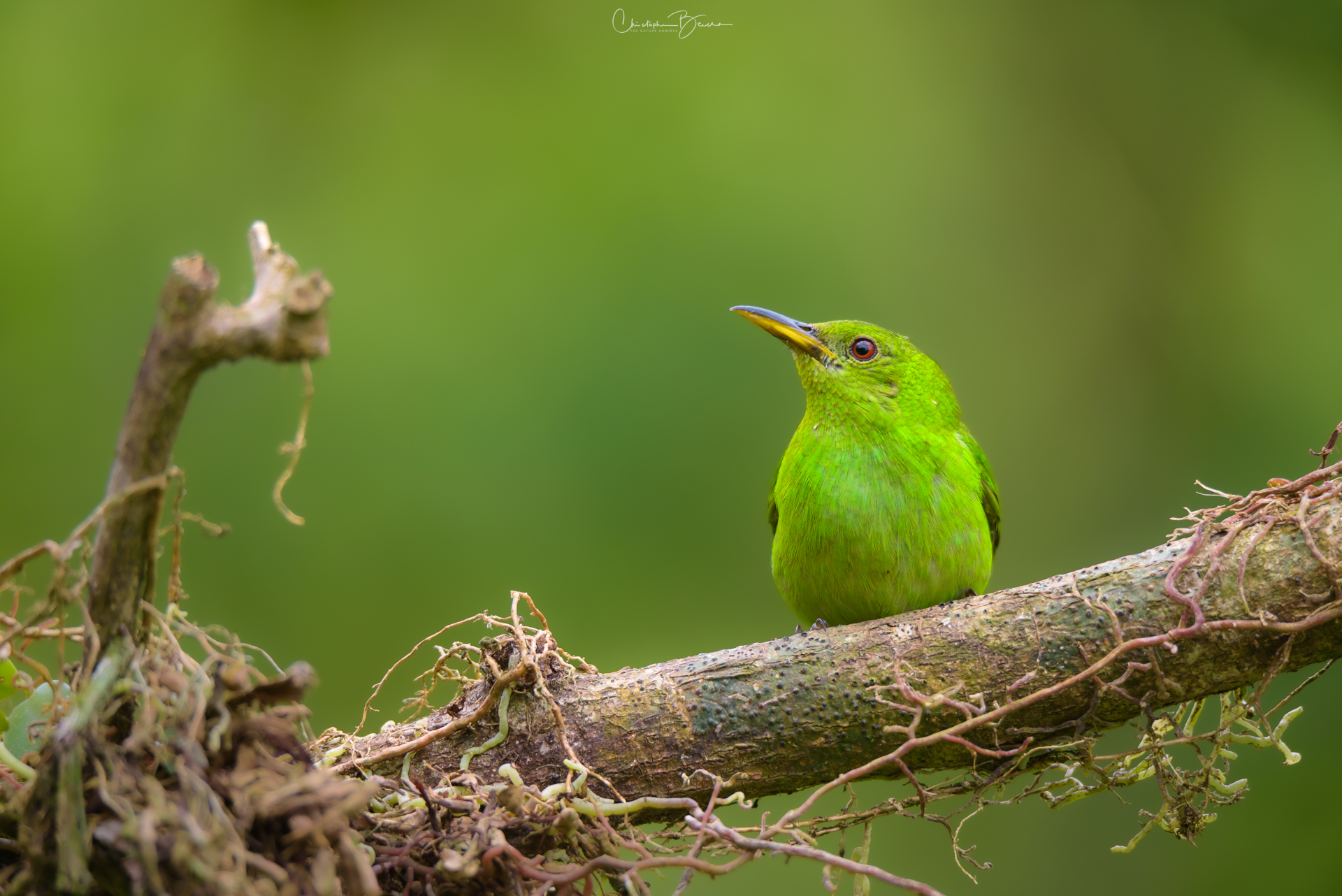
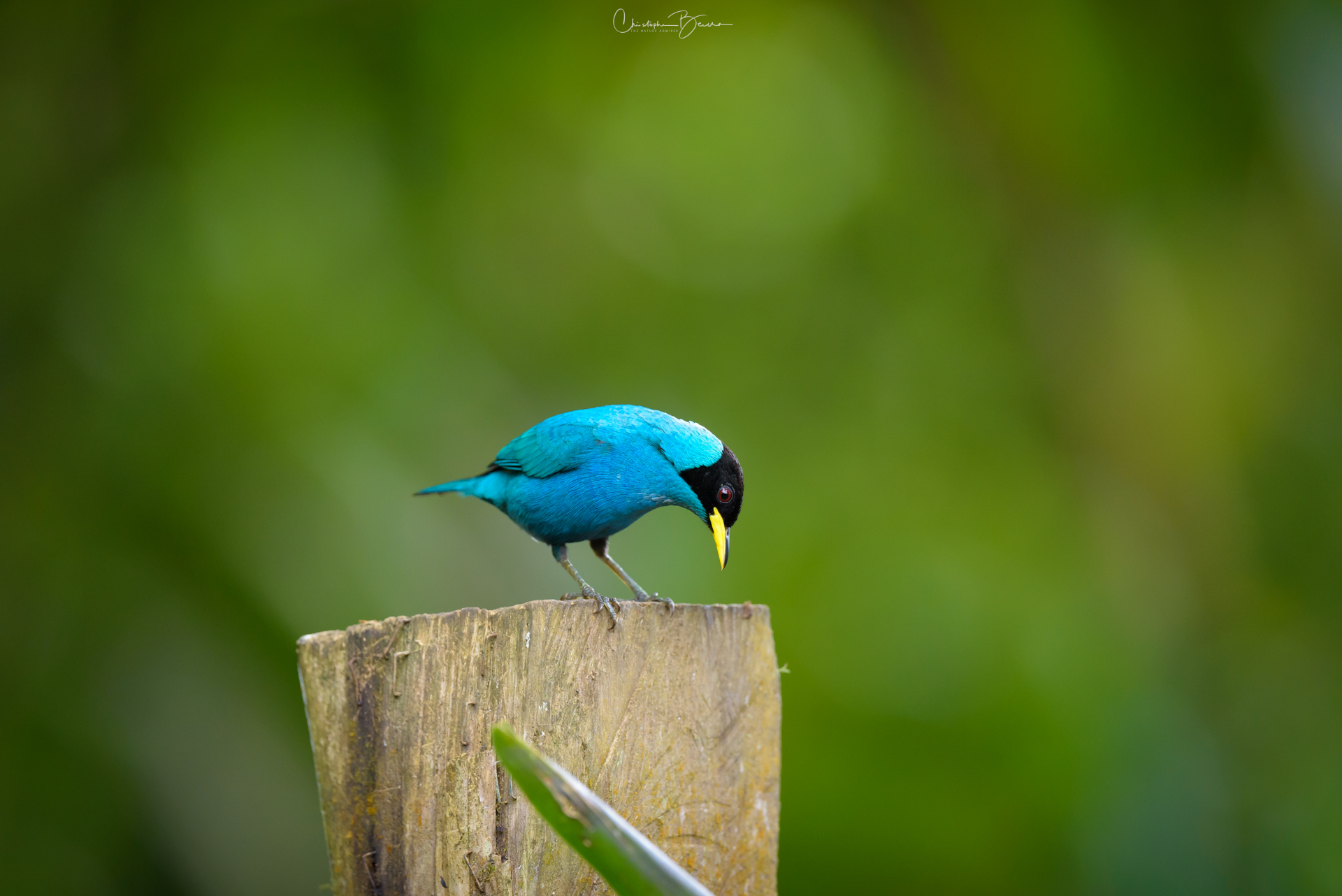
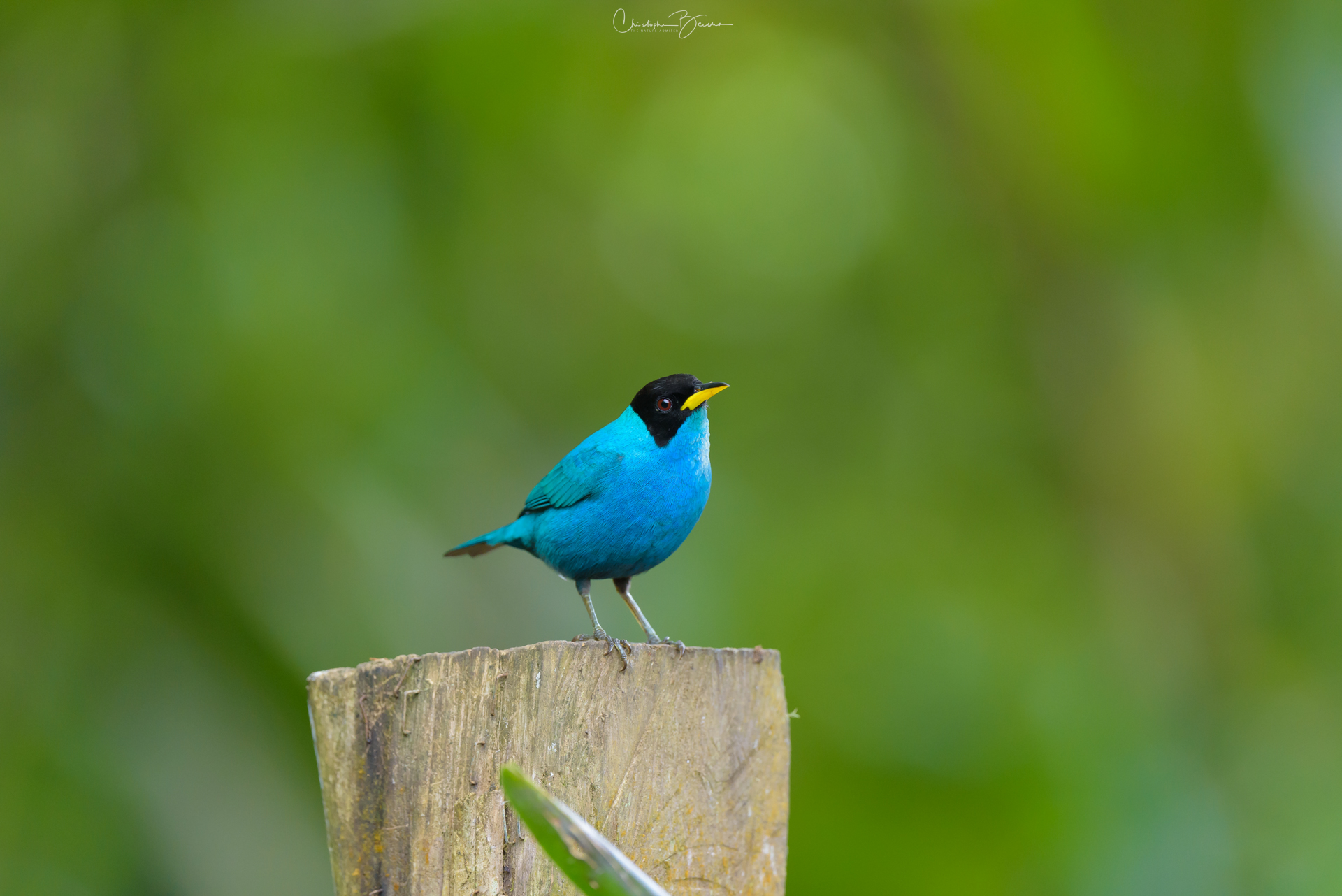
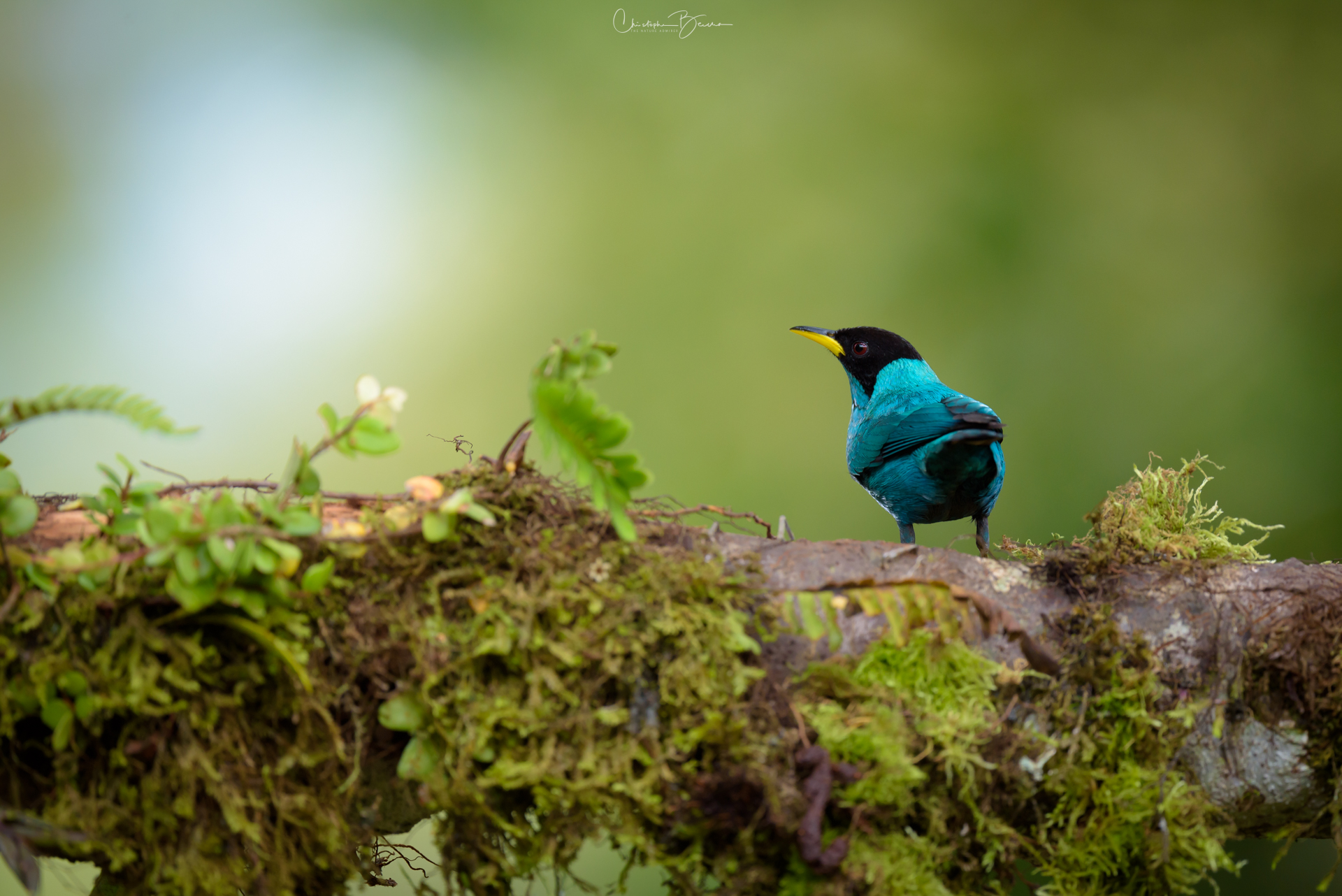
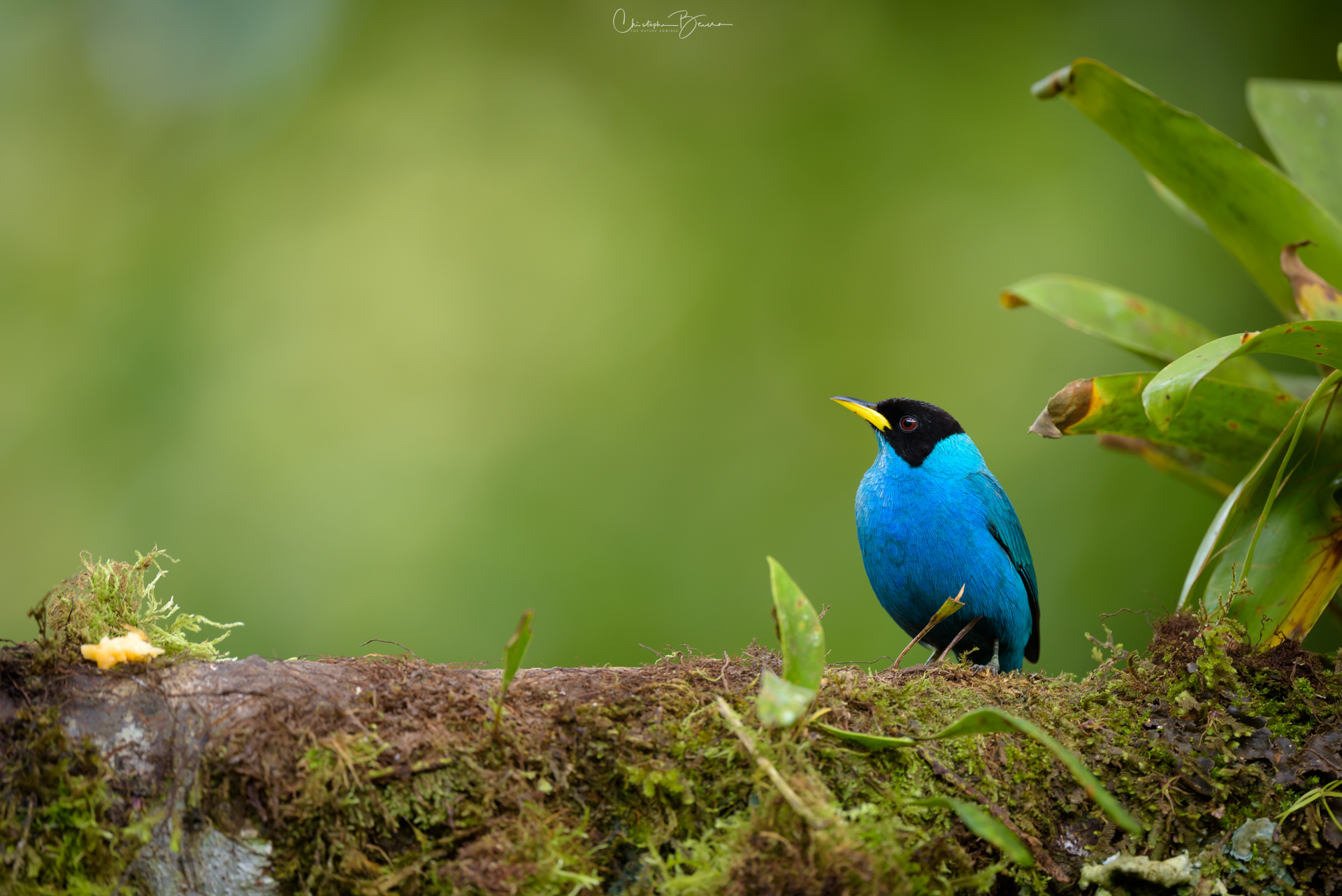
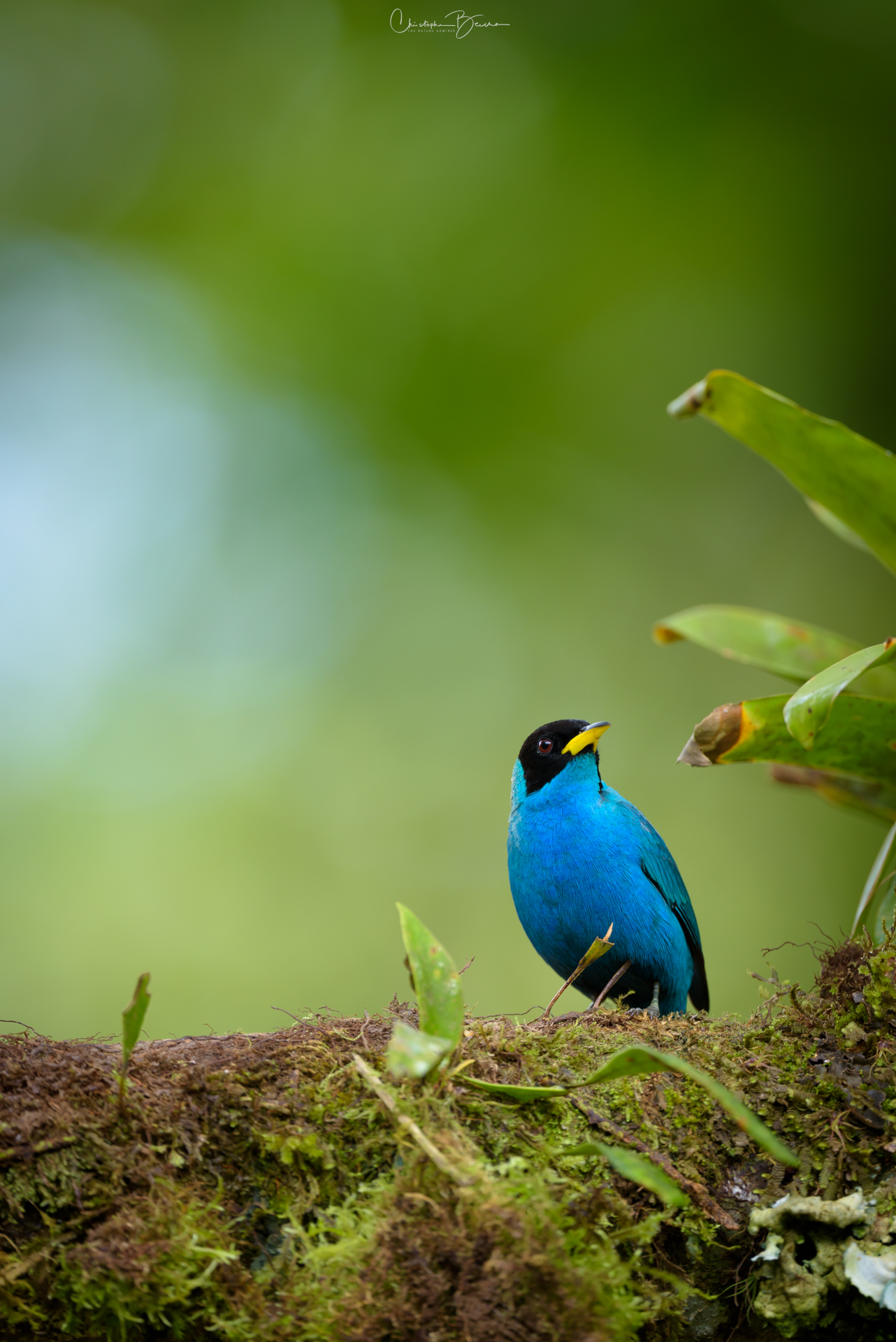
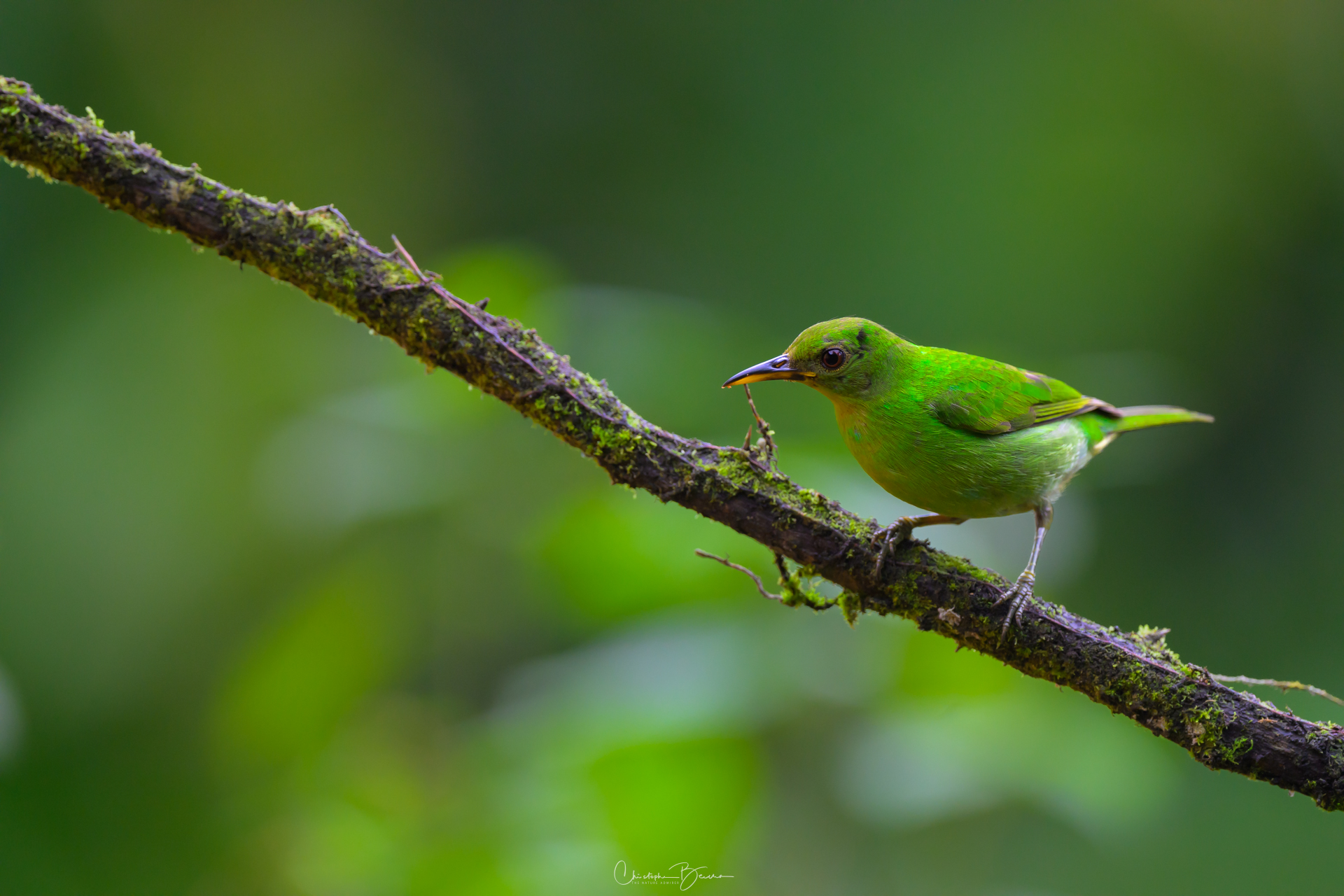
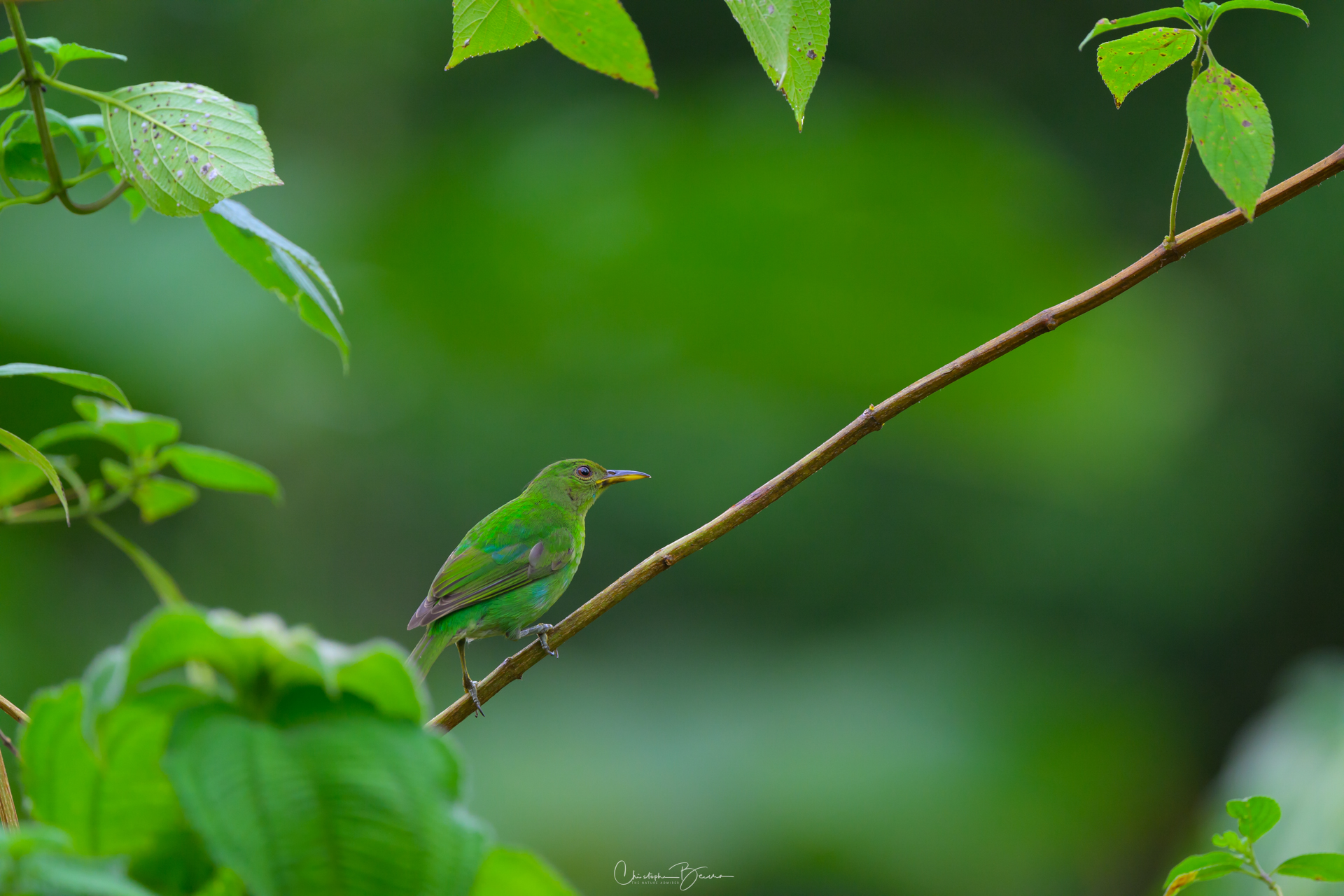
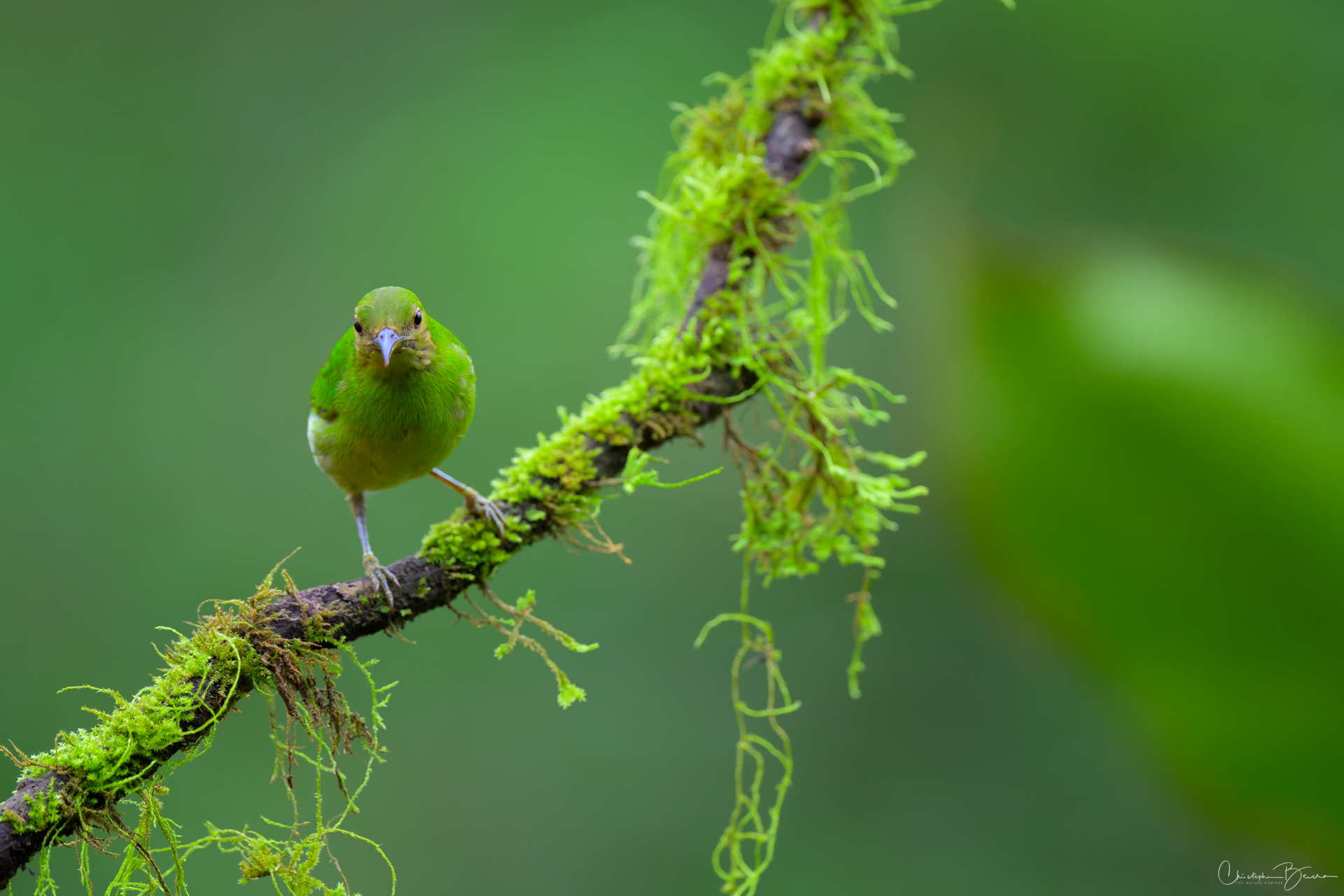
Ever since I first see the Red-legged Honeycreeper, I immediately knew I was seeing one of the most gorgeous species Costa Rica has. Then I met the Green Honeycreeper, and I stood delighted. The male has a striking combination of dark green body, deep black hood, bright yellow bill and dark red iris, which just looks amazing, even when wet. In fact, I would say a wet male screams Rain forest, that’s enough to love it. The female is not as exotic, however the green color of their feathers is so bright as to defy belief. I also spotted this species in Colombia, which seemingly looked more turquoise than green.
Black Vulture (Coragyps atratus)

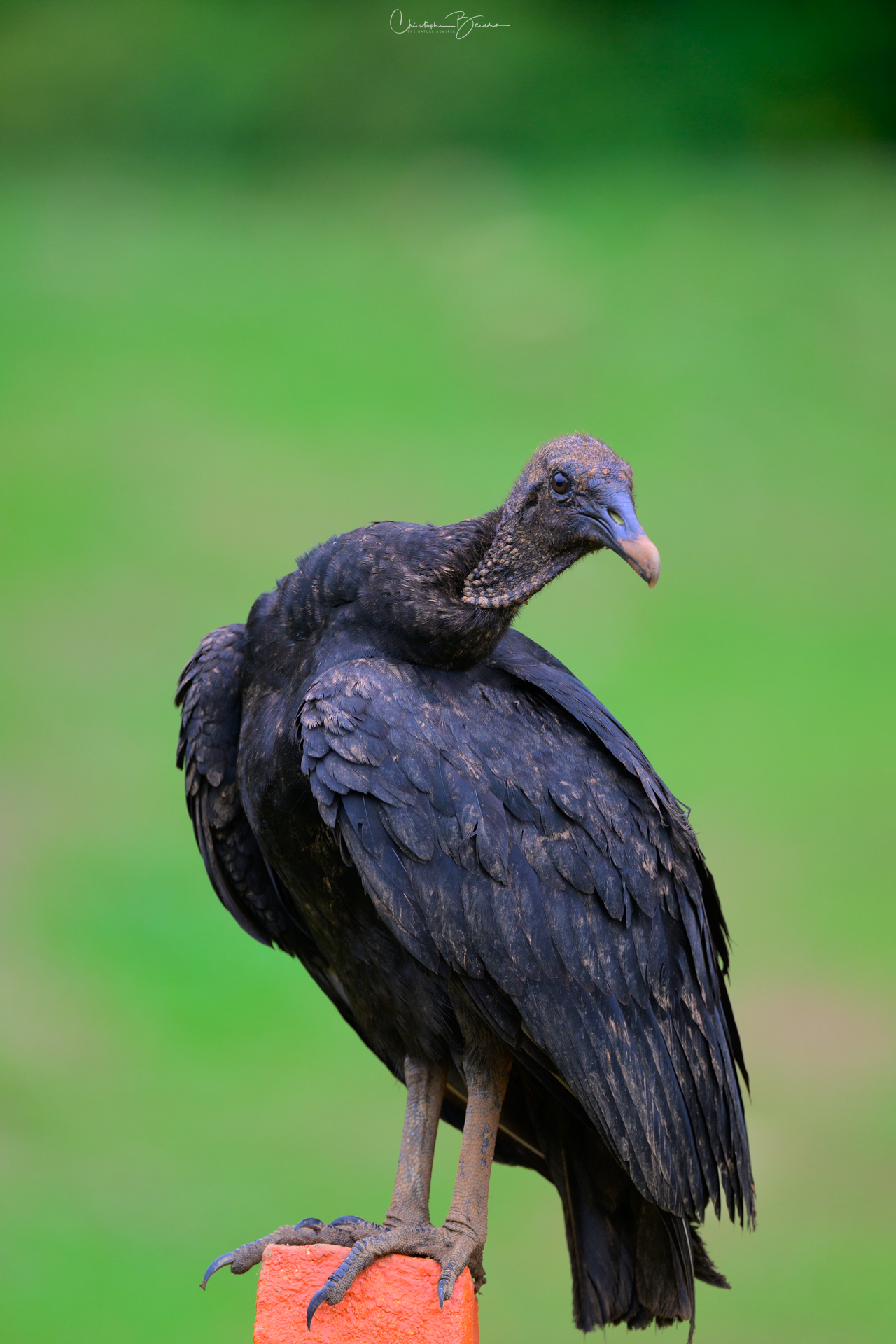
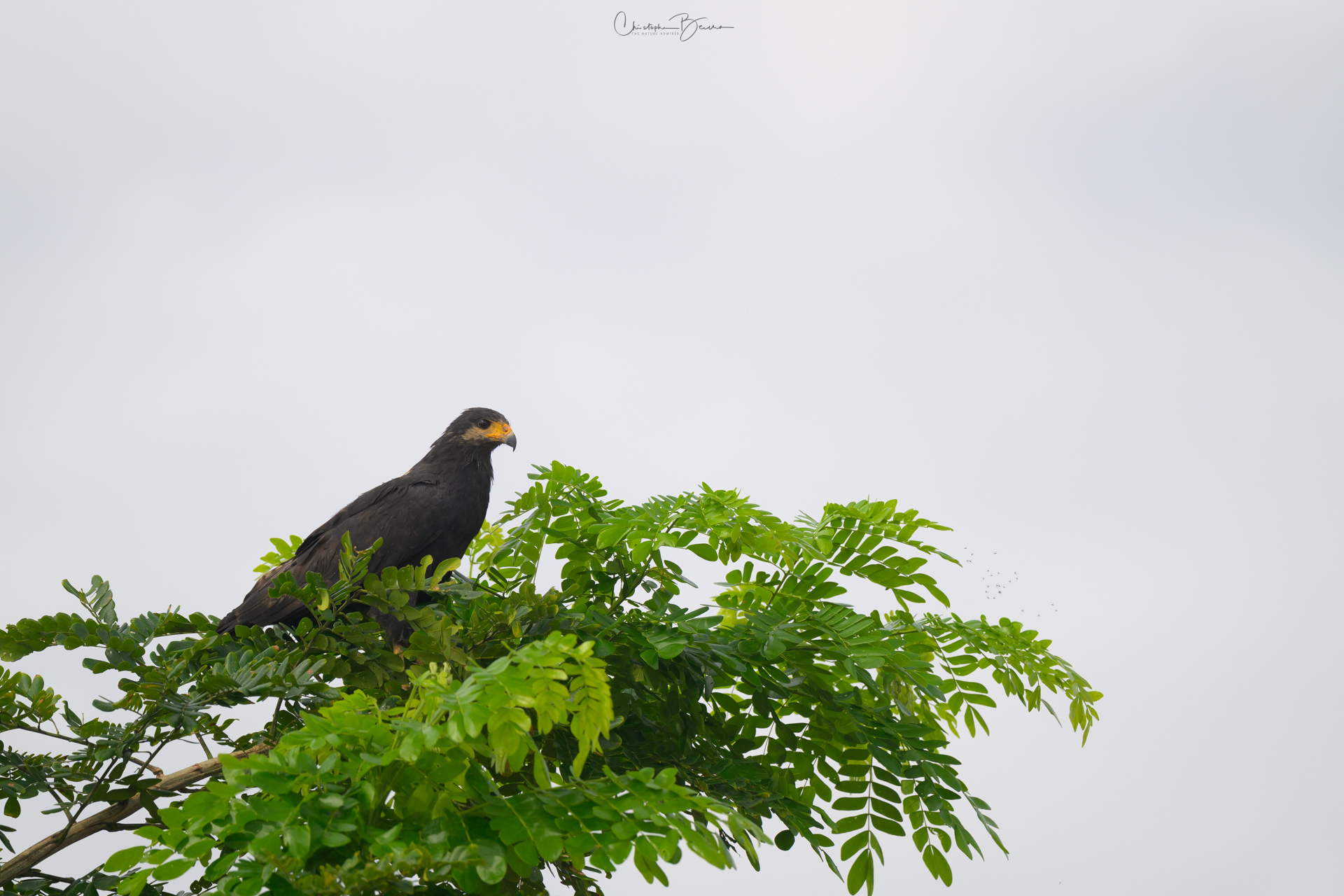
The Black Vulture is one of the most commonly seen soaring birds in Costa Rica. They glide through warm air currents, congregate in numbers on a tree during the morning while waiting for the formation of those currents. They look for dead animals through their eyes, since their smell sense is not as acute. Due to that, they sometimes follow Turkey Vultures, whose sense of smell is well more advanced. As implied by its name, they are entirely black, with their face and throat bare skinned, which together with their scavenger nature makes for a disgusting reputation. They are admired though for their ability to eat contaminated food, which has been found to be derived from strong stomach acids and resistance to bacteria toxins. This is an important trait, as it enables them to act as recyclers, eating discarded food and turning it into fertilizer for the soil.

Great-tailed Grackle (Quiscalus mexicanus)

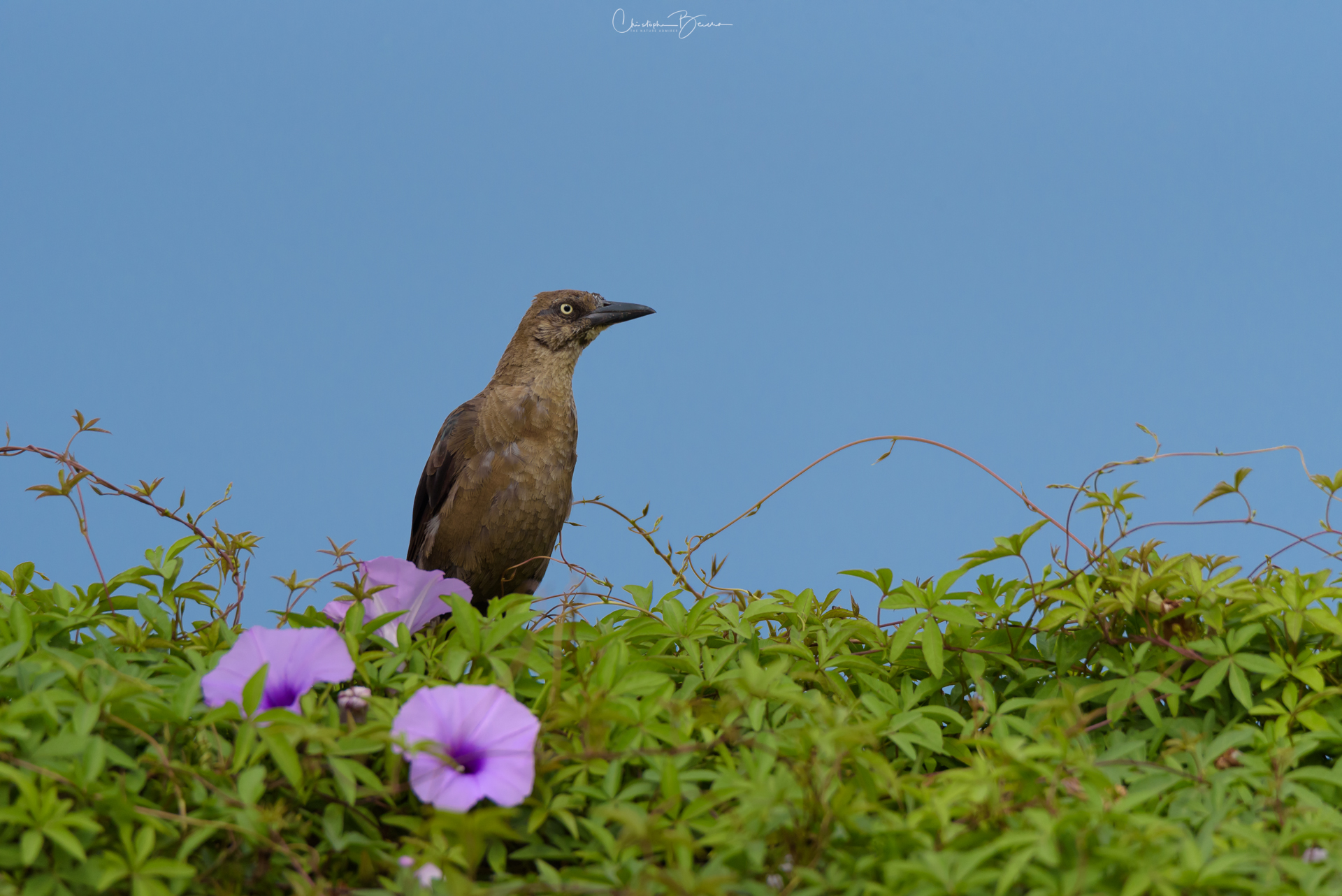
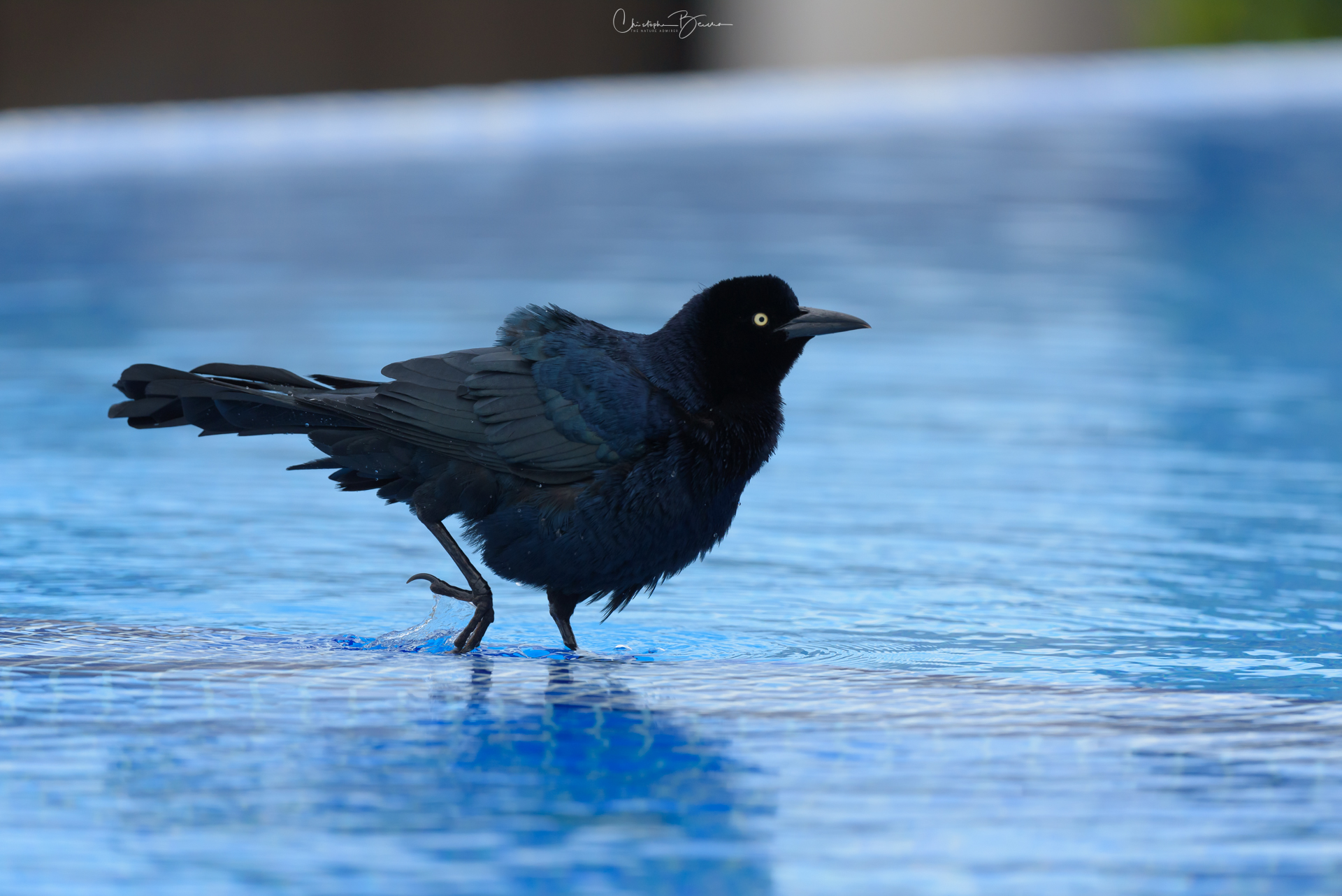
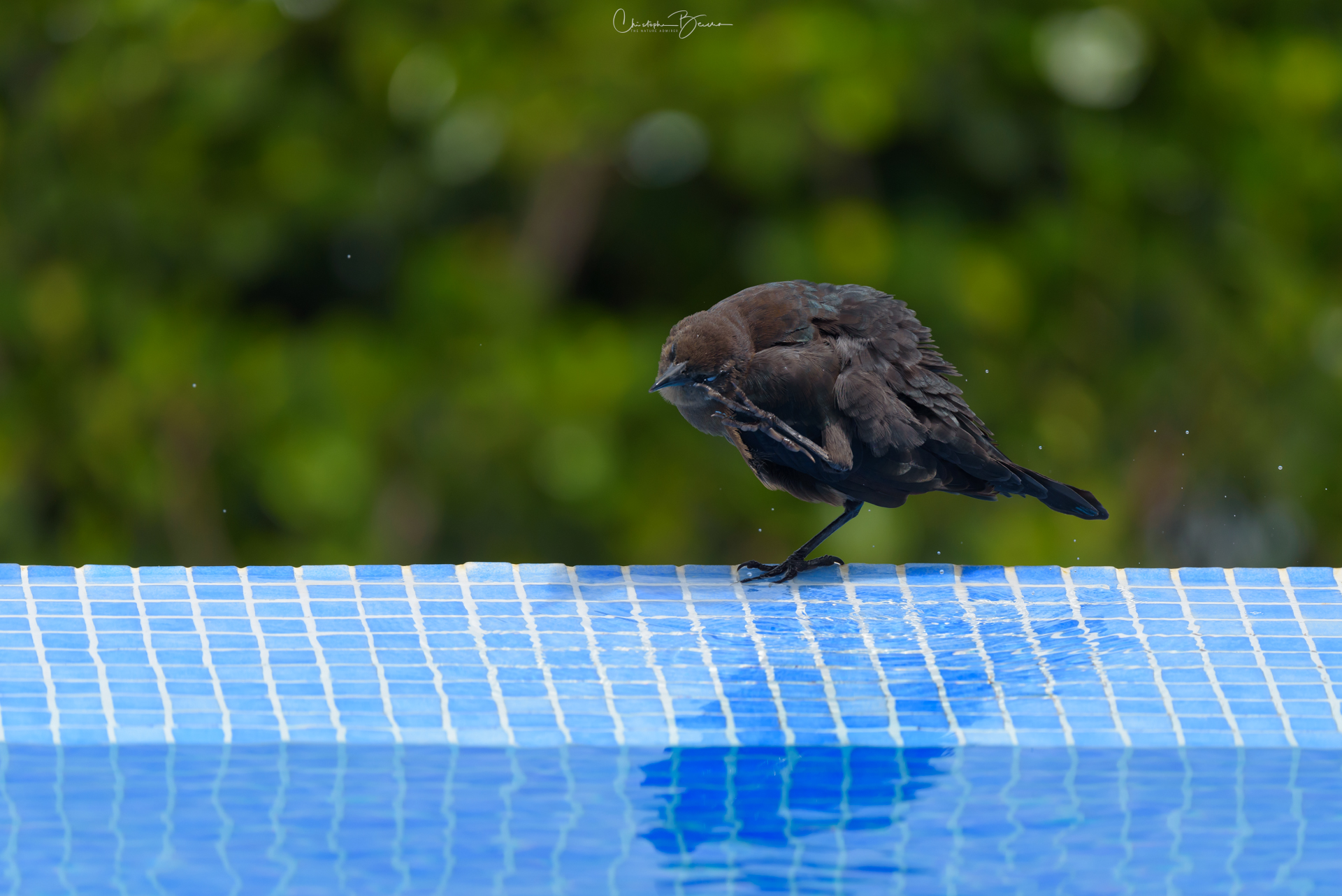
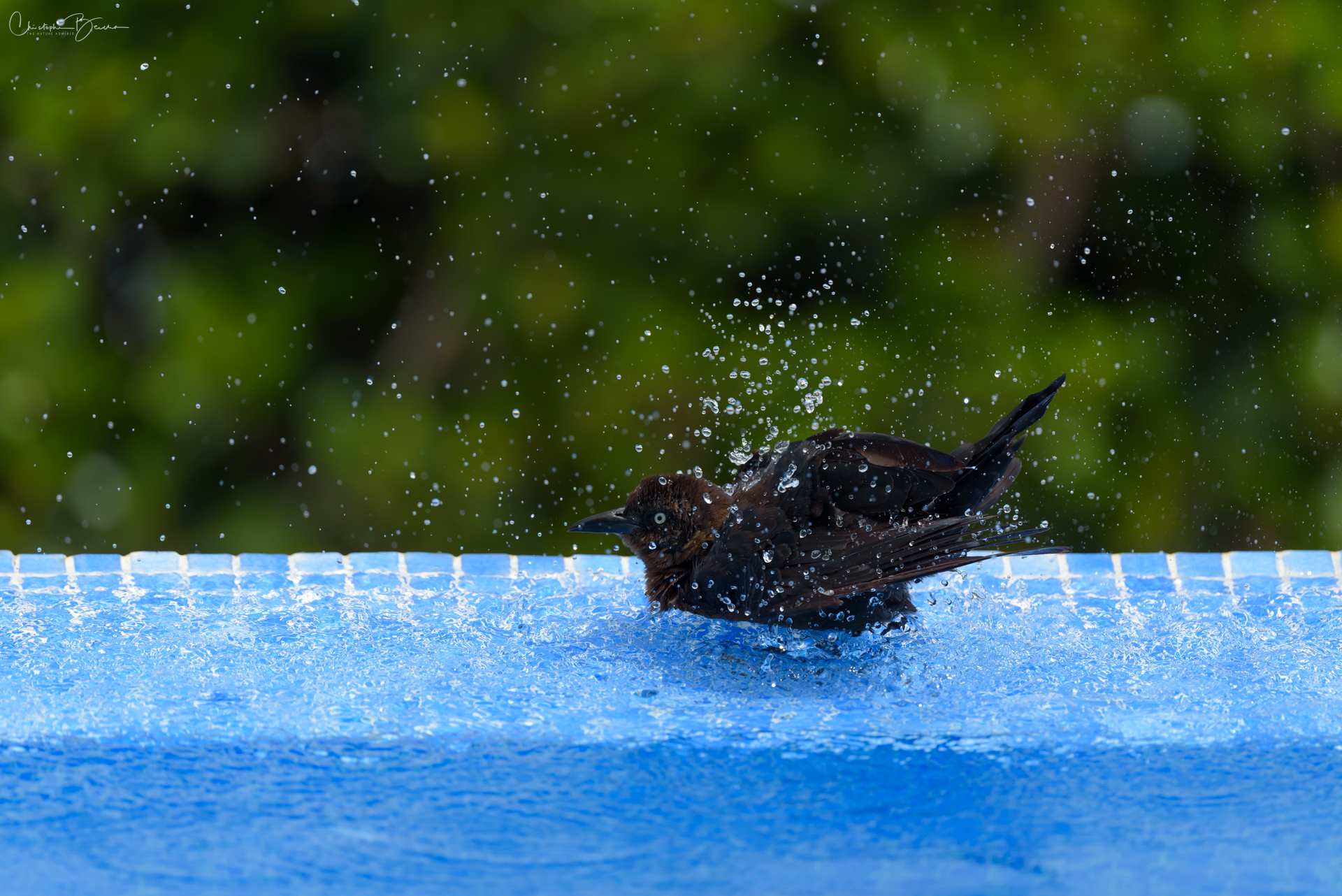
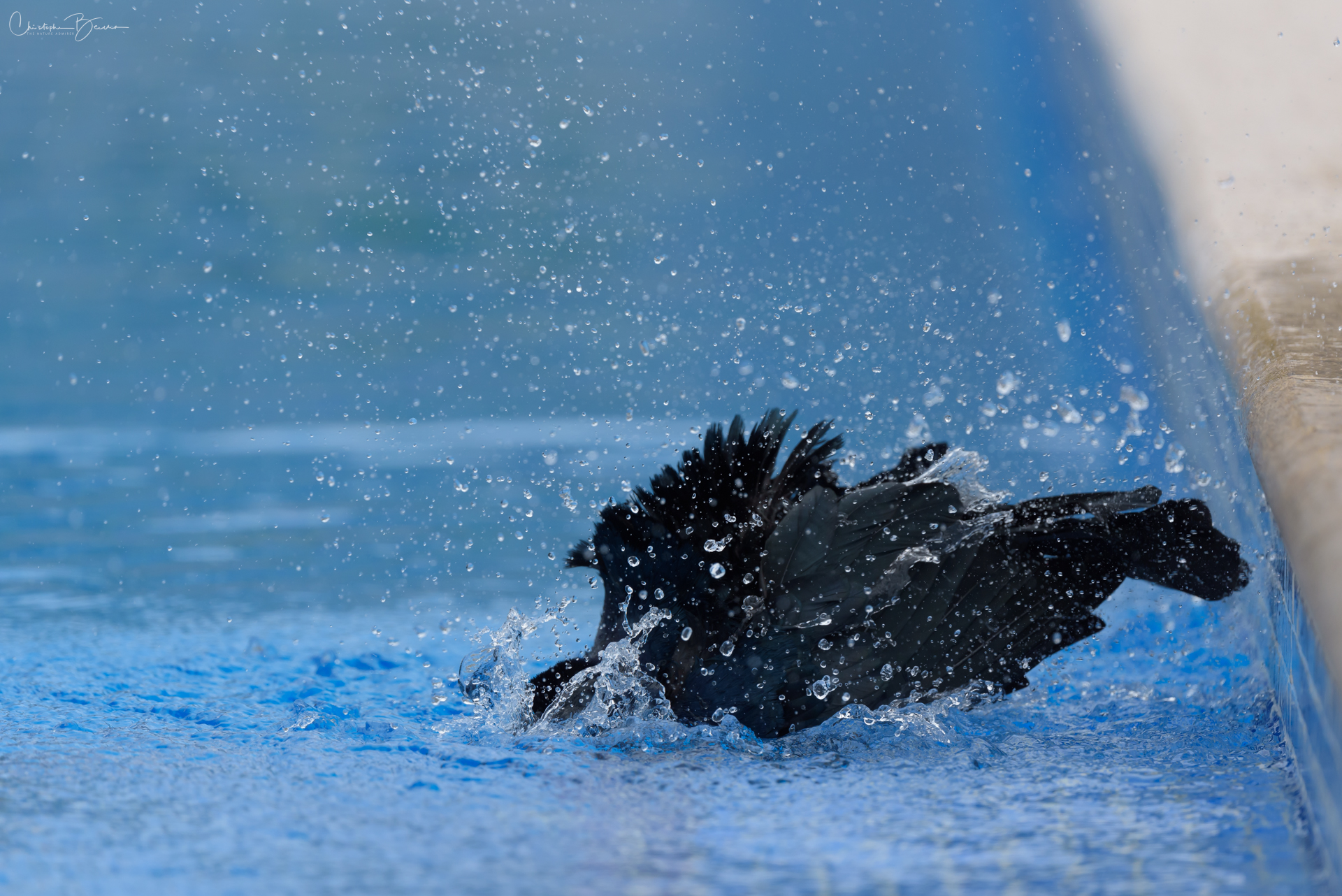
Even though the Great-tailed Grackle has become unpopular for most people due to their feeding habits, the male is a beautiful black bird that shines in blue when exposed to sunlight. Granted they cause trouble to other birds, as they will readily raid nests with eggs and hatchlings, but in some sense that’s really their role in the ecosystem, as with their predatory behavior they prevent some species to grow out of control. Males are very noisy and display as they sing their metallic tones into the air; their tails have a v-shape as they are wider in the end that in the base. The females are entirely drab brown with a yellow iris. They thrive near human settlements, eating insects, but also a variety of plants, including fruits, which has gained them the reputation of pests in many areas.

Great Green Macaw (Ara ambiguus)

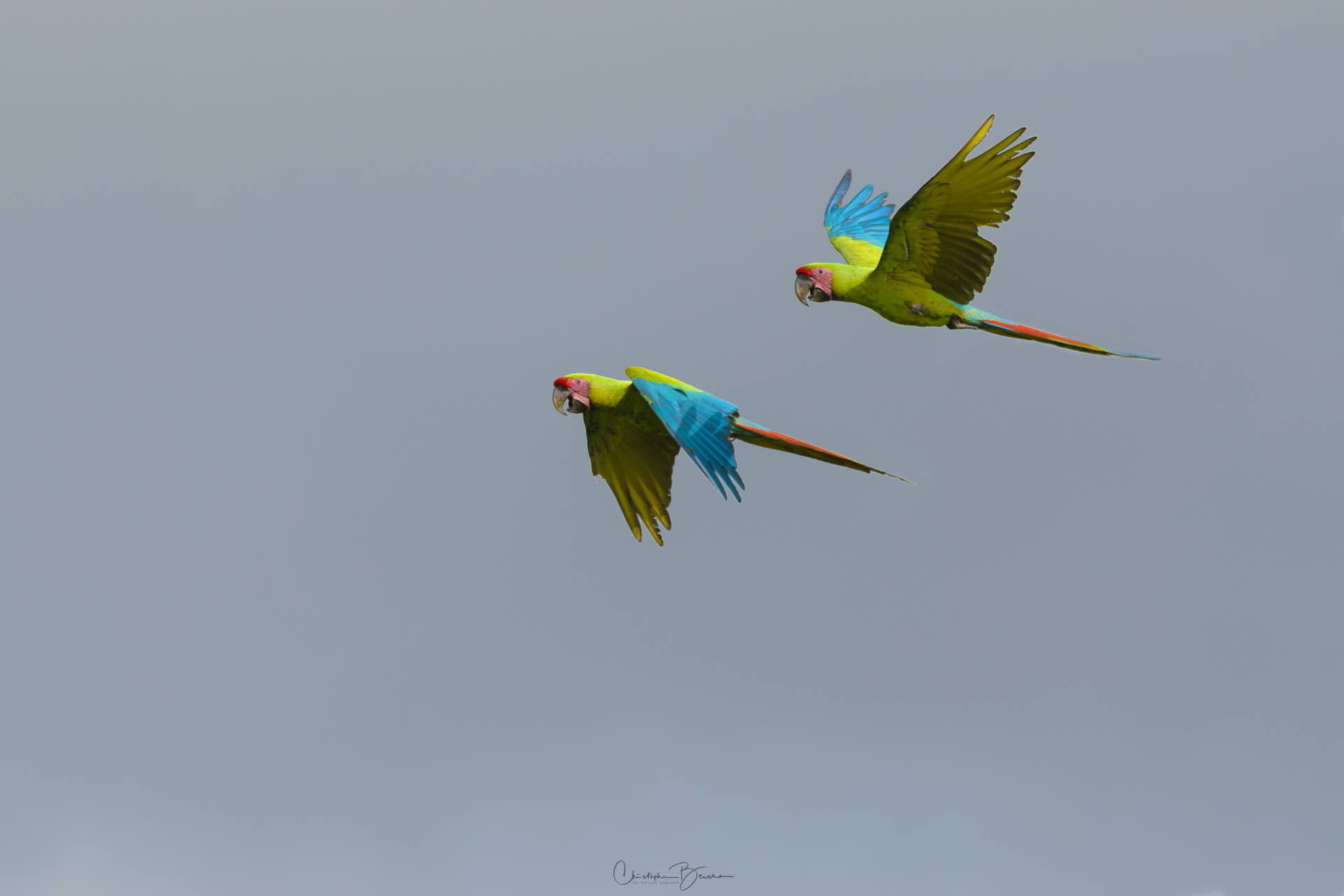
The Great Green Macaw is a pretty uncommon sight in Costa Rica. It is a huge bird, their calls are very loud. I had the opportunity to observe the birds very close in Rio Cuarto. Our wildlife photography guide explained that Green and Scarlet Macaws do not hybridize in the wild, however in this refuge, a pair of Macaws have been interbreeding in the last few years, resulting in hybrids being born. In Rio Frio, where my parents live, it is common to see a pair of these birds flying overhead most of the times I am there. Either they are more common in the area, or a single pair of birds has taken residence. They are easy to identify, as their harsh call is heard from very far away and no other parrot has such a characteristic call, other than the Scarlet Macaw. They like to feed on almond and are likely to be seen perching relatively high in those trees.

Black-billed Nightingale-Thrush (Catharus gracilirostris)

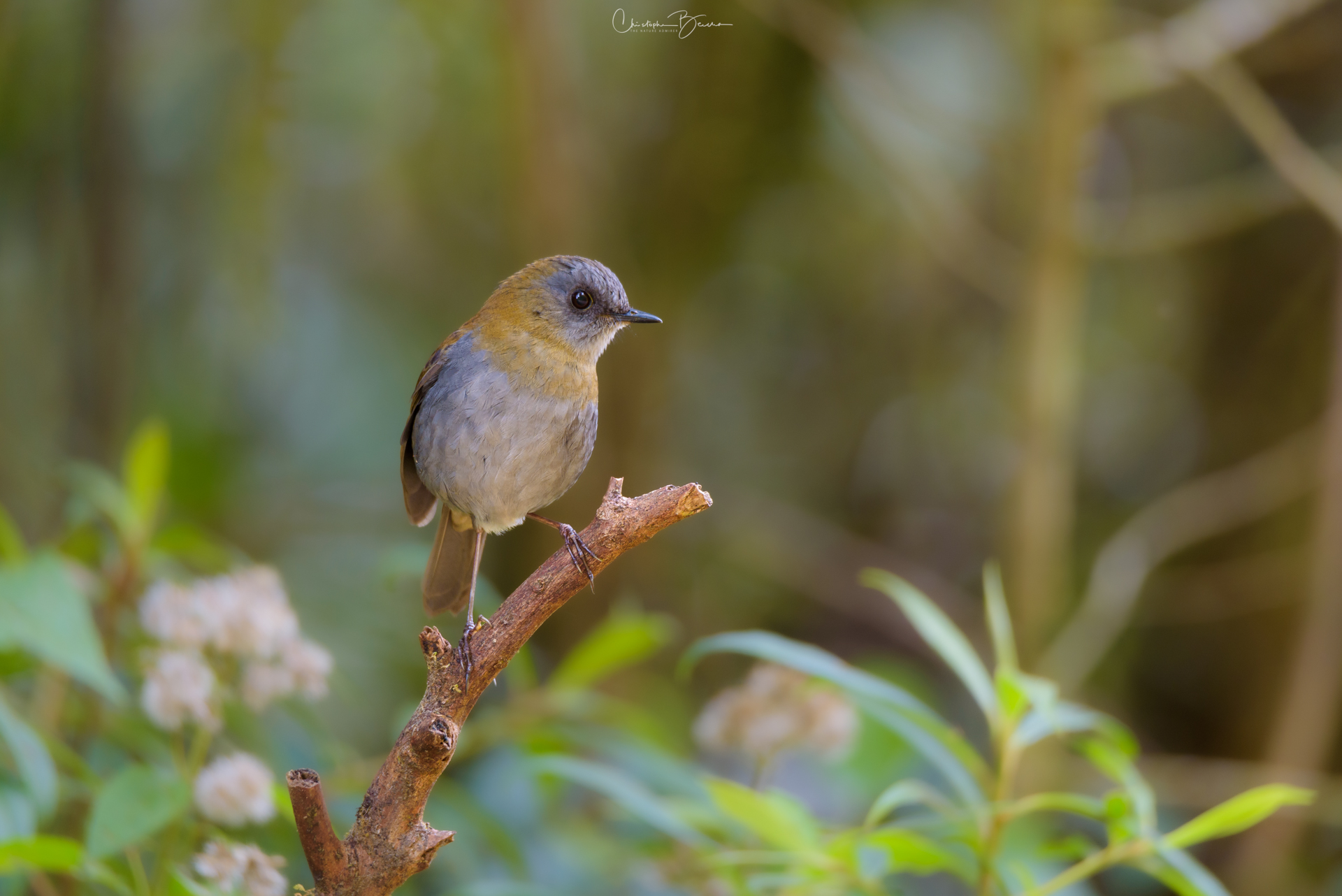
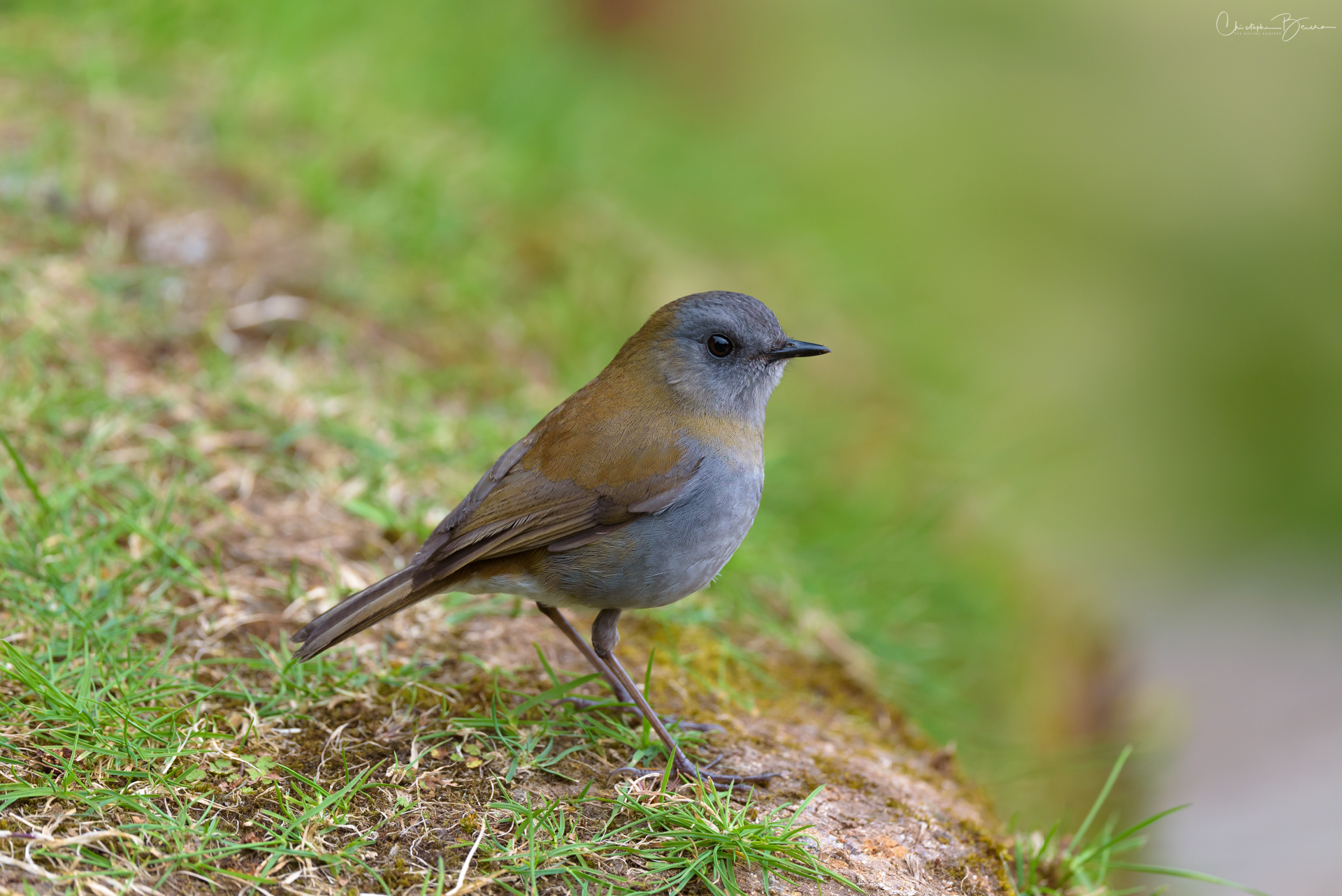
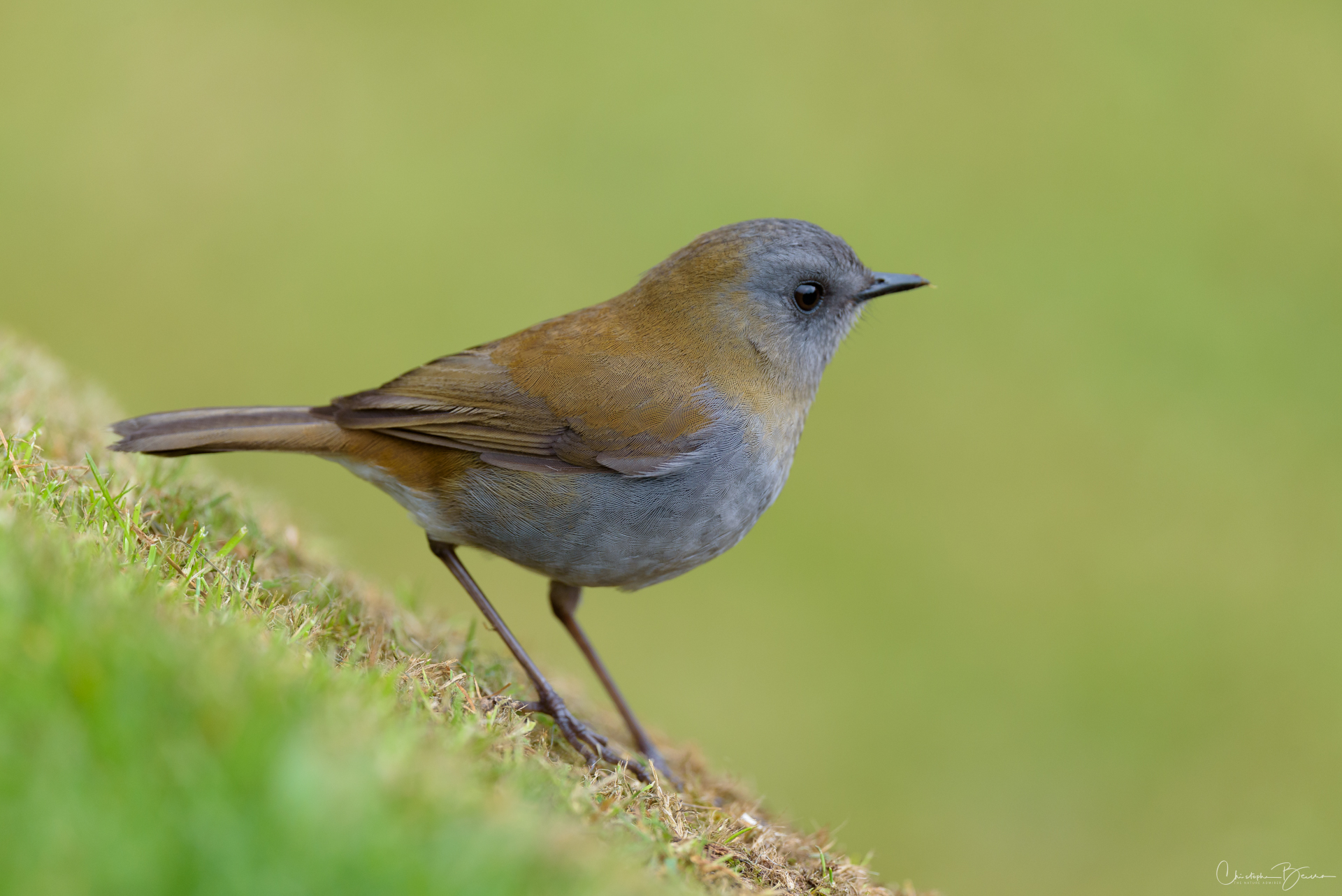
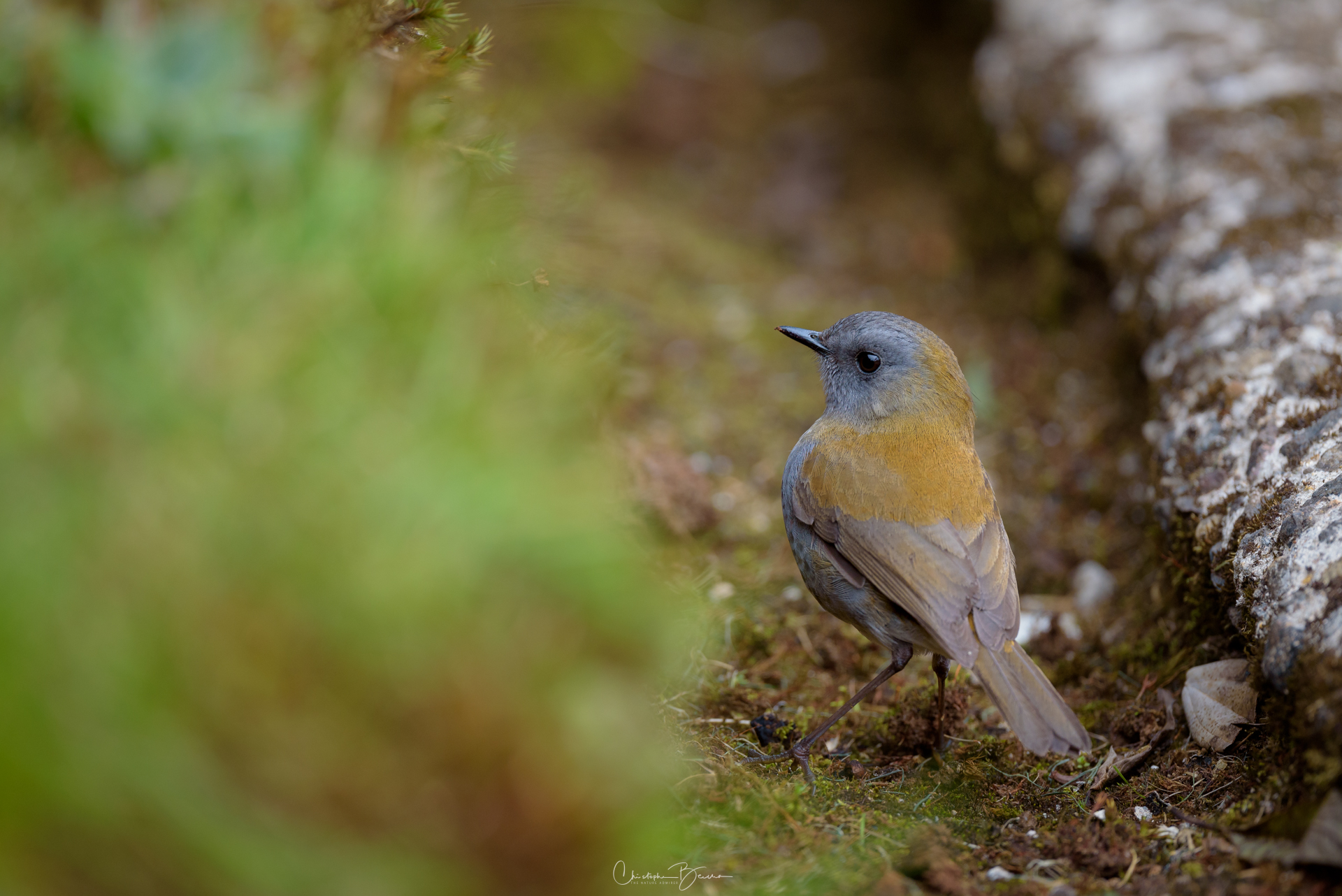
This small bird inhabits the highlands in Costa Rica. Its plumage is drab like most of the birds in its family, but its song is melodious, flute-like with a metallic quality. The belly and face are gray, with the upperparts being brown. While this colors are very similar to other birds in its family, it is identified by the black bill and the brown collar around the throat that separates the face from the belly. It perches in the understory of oak forest and can be found also hoping on the ground or through trails, in places where light is scarce. With enough patience, they will perch at eye level and remain motionless long enough for a good picture.

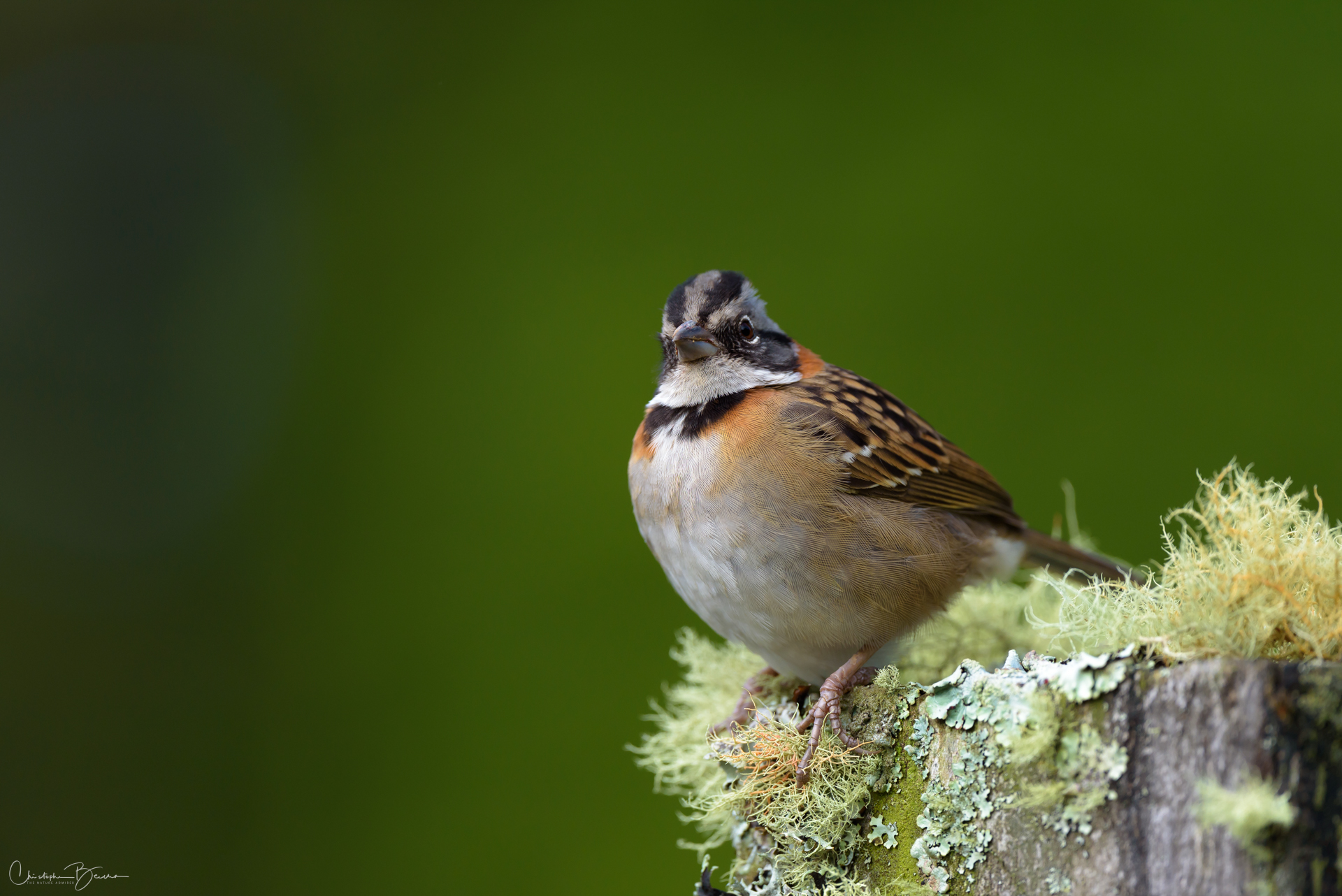
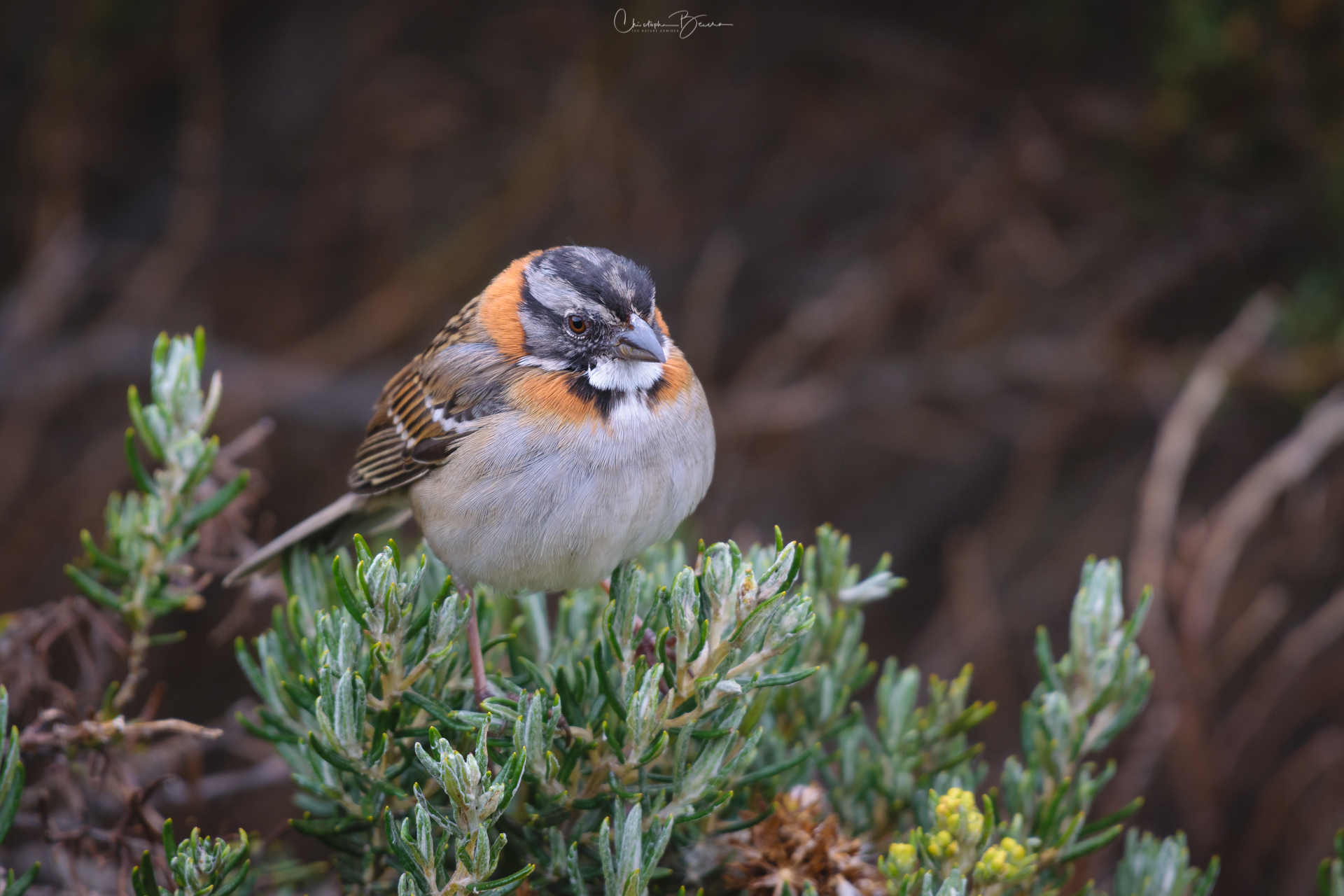
Rufous-collared Sparrow (Zonotrichia capensis)

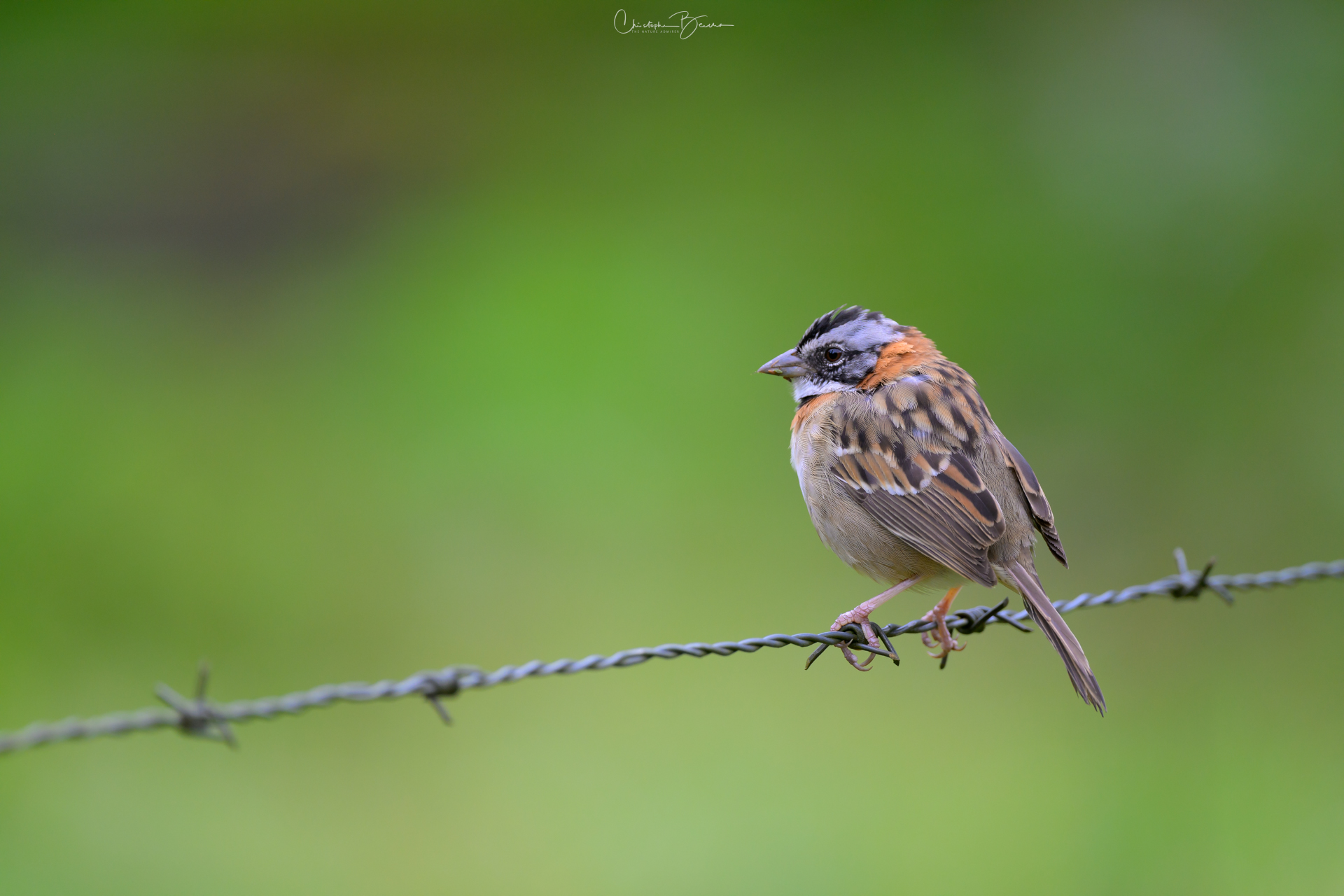
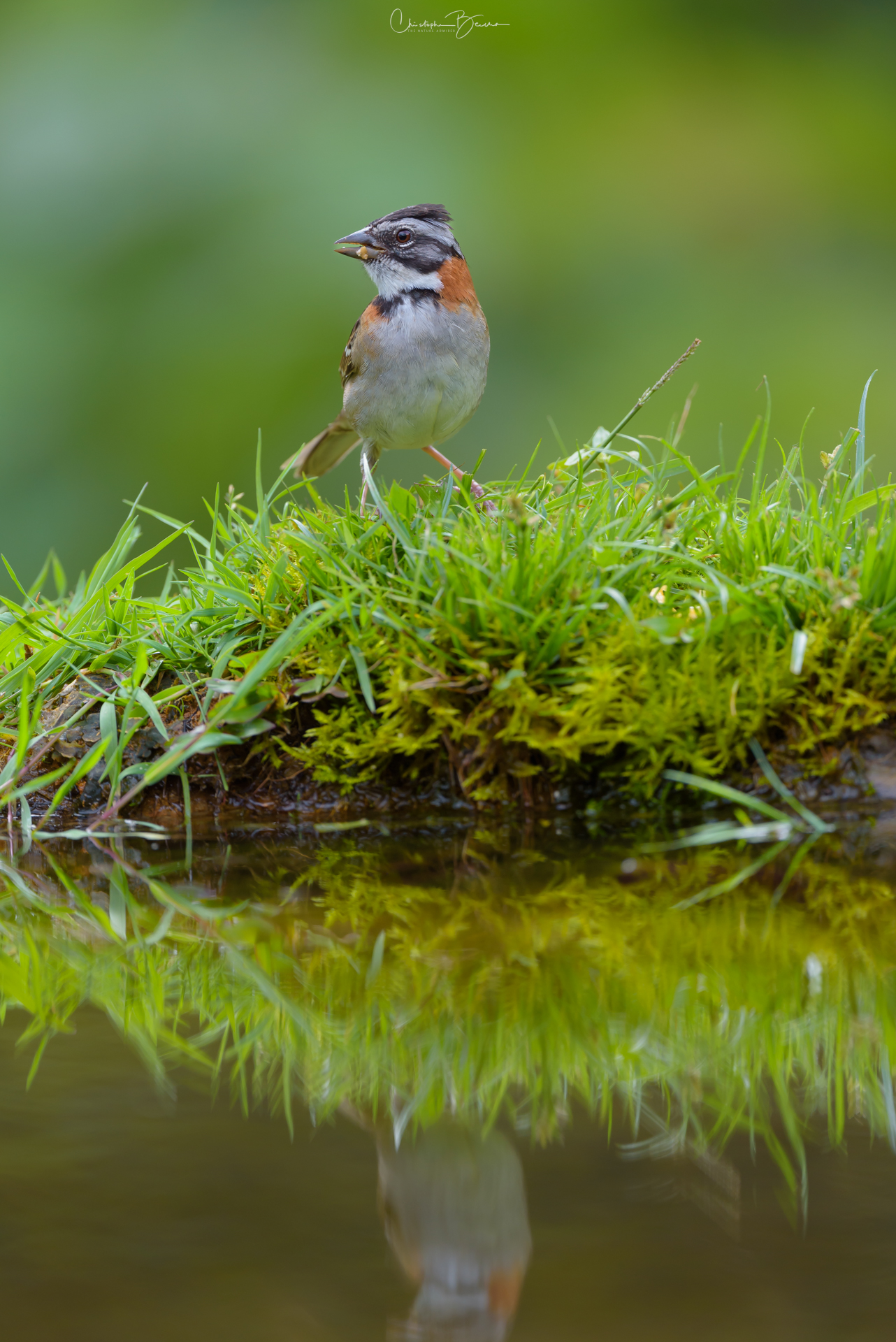
The Rufous-collared Sparrow is a common sight in the Central Valley of Costa Rica and the surrounding mountains, and it is also common in the regions of Colombia that we visited. It can be seen hopping in the grass, on the lookout for small worms and insects. They are not shy at all of people and will enter houses and buildings looking for food that may lie on the floor. The Juvenile lacks the Rufous collar around the neck and back. Common does not mean any less fascinating, and the “Comemaiz” is one of those common birds in Costa Rica that has more than one trick down its sleeve.

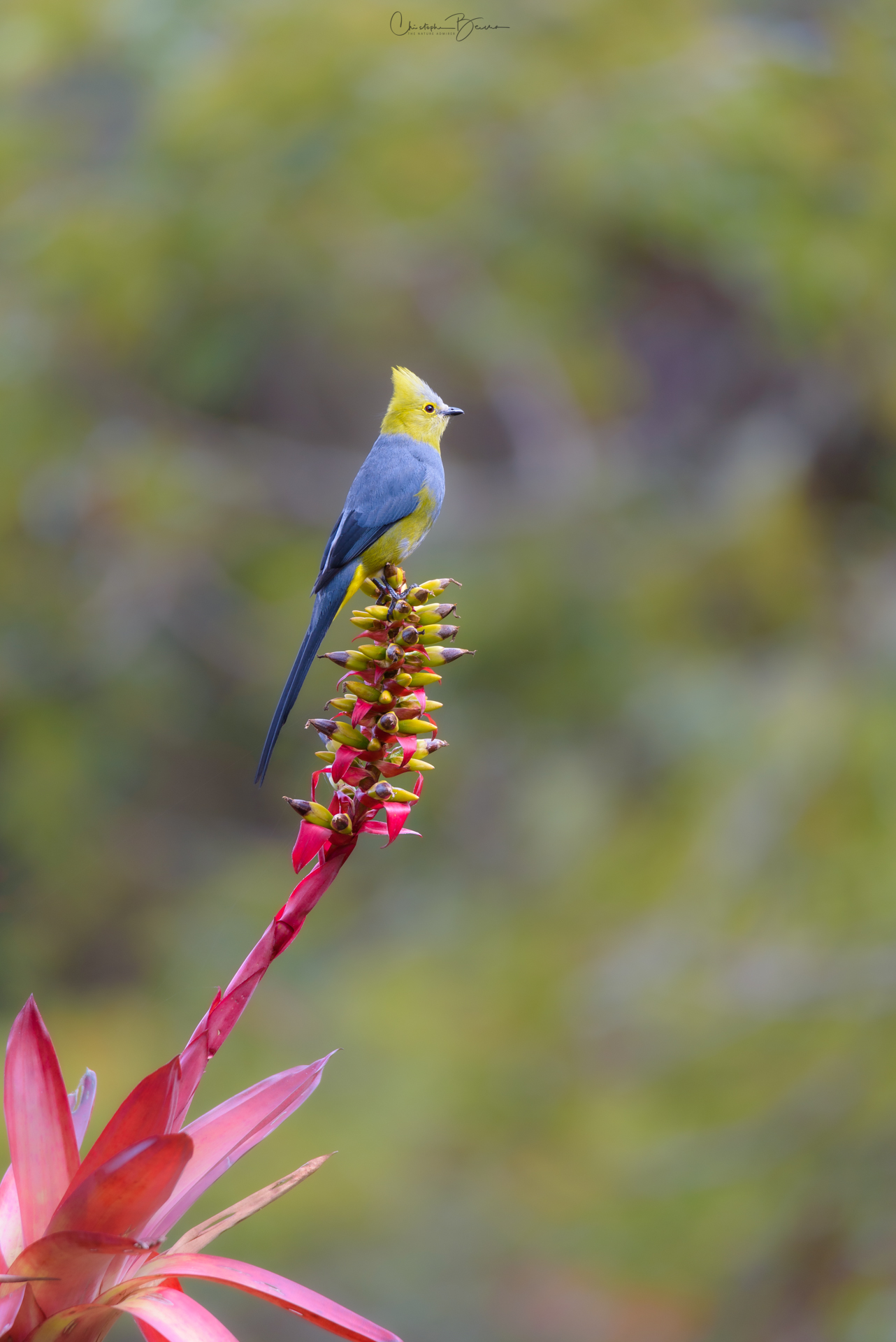
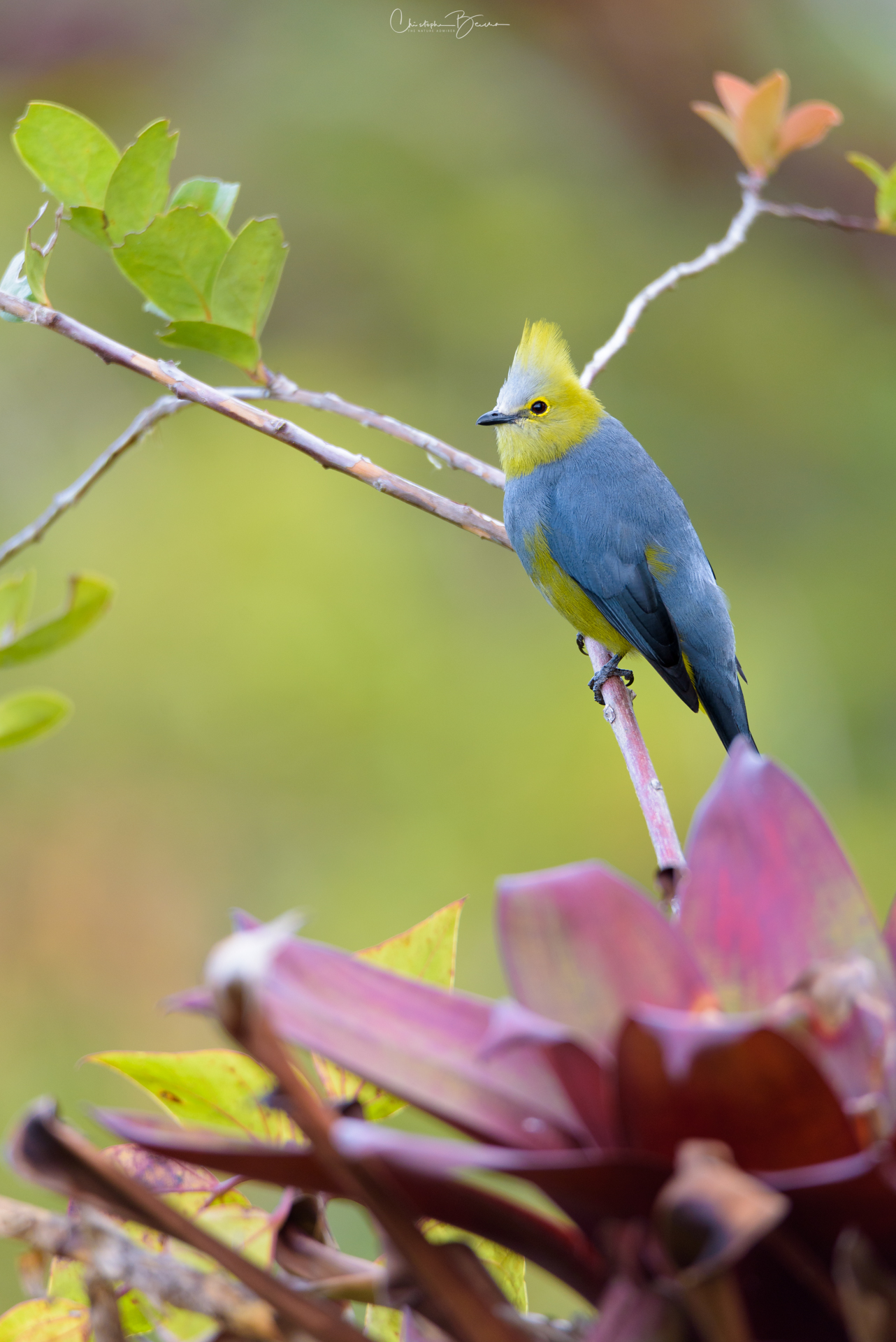
Long-tailed Silky-flycatcher (Ptilogonys caudatus)

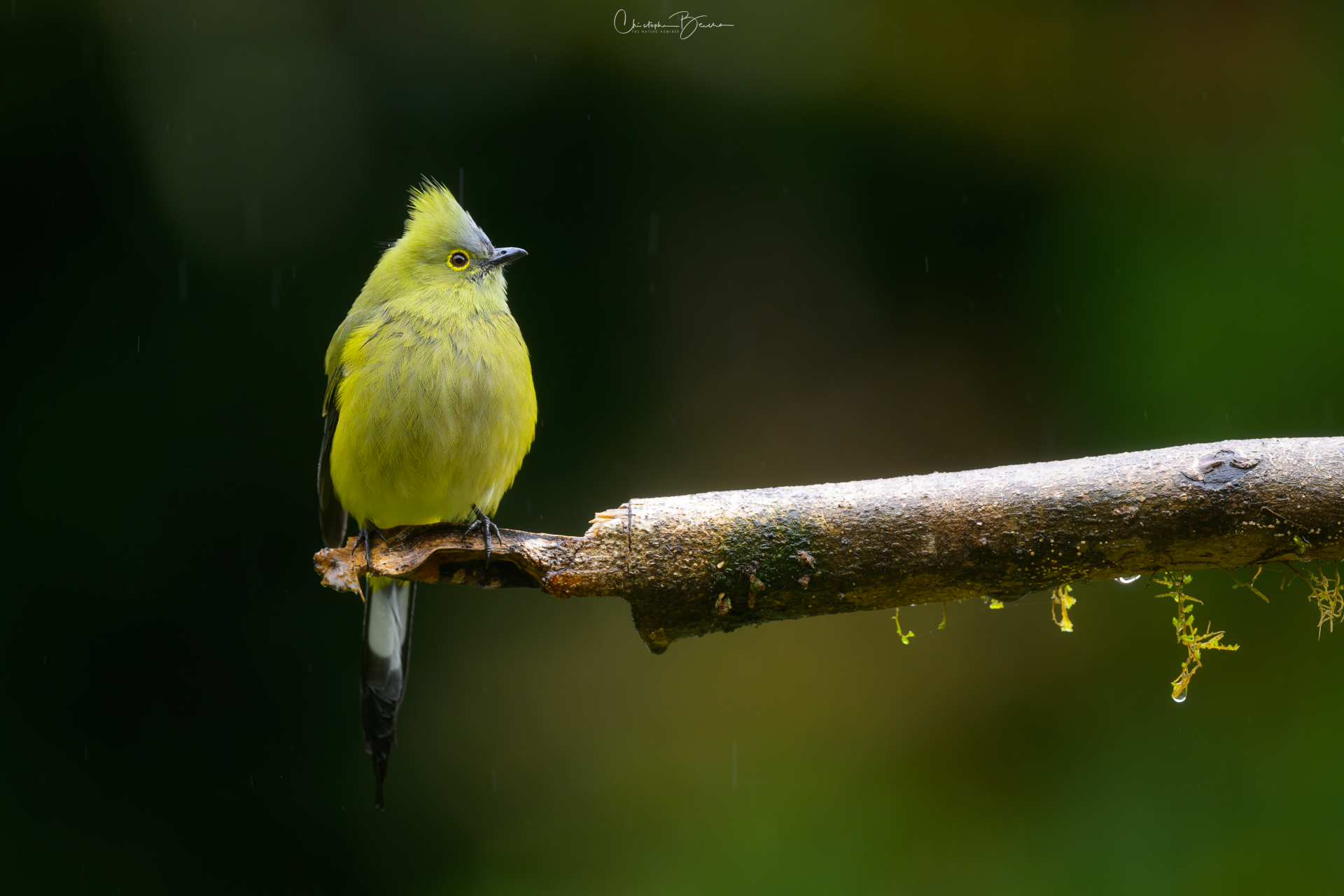
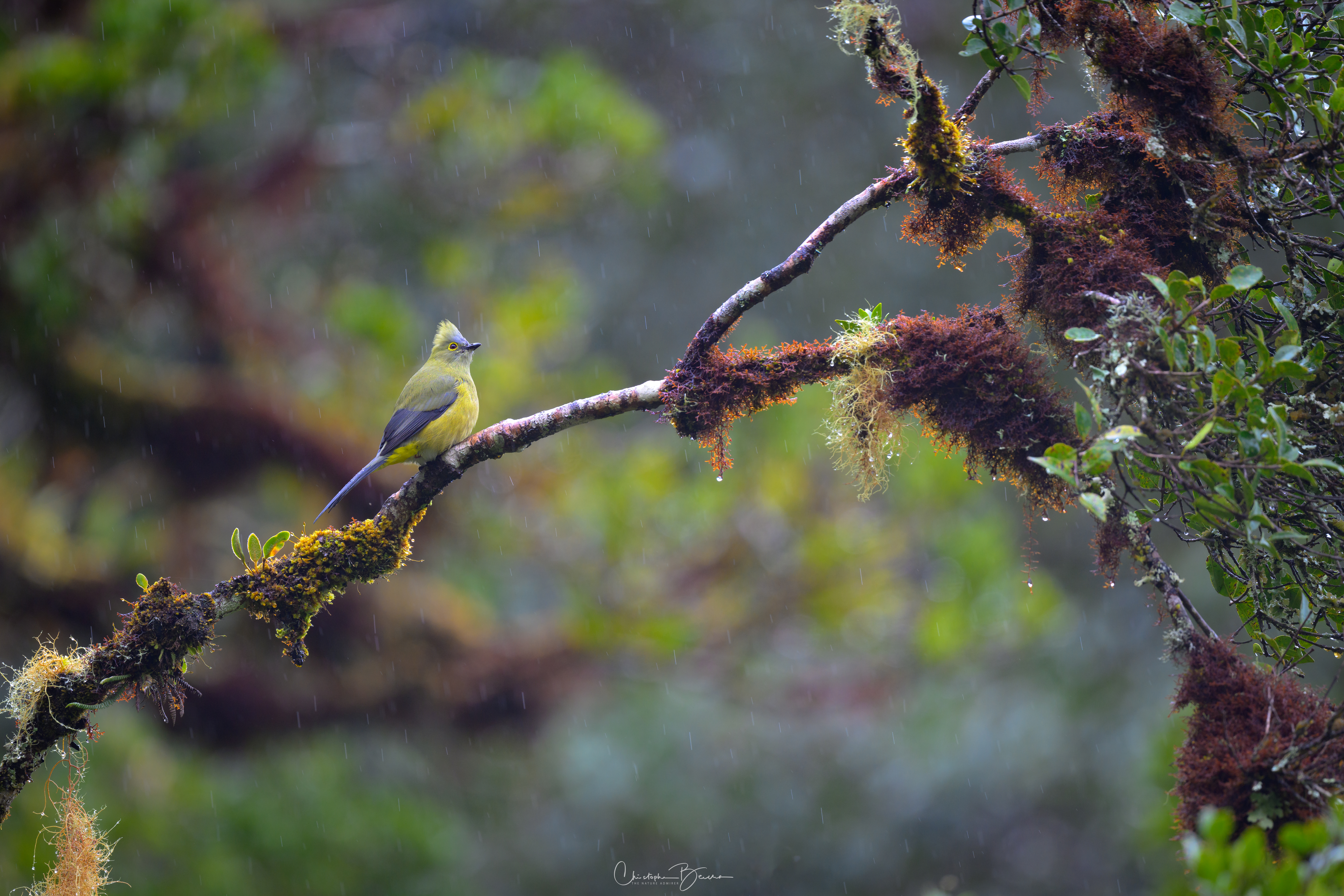
The Long-tailed Silky-flycatcher is an elegant bird that can be found in the highlands in Costa Rica. It’s long black tail contrasts with the gray and yellow body, ending with a yellow crest that is normally seen protruding from the head. The male is more colorful than the female, but overall they look similar and might be indistinguishable on bad lighting. Along the Black-and-yellow Silky-flycatcher, this species is part of a four species family around the world, with only the Black-and-yellow and the Long-tailed being present in Costa Rica, endemic to our country and western Panama.