Page 31 of 33

Yellow-throated Toucan (Ramphastos ambiguus)

The Yellow-throated Toucan is the bird most people think of when we say toucan. It is one of the species that appears on books and tourism guides, the other one being the Keel-billed Toucan, which is smaller. I had heard the calls of these birds, but I did not know it was this toucan until I got close enough to see the birds. All Toucans have a feature in common: While they like to eat fruit and small amphibians, they also predate nests, either for eggs or hatchlings. Most other bird species in Costa Rica are fearful of any kind of toucan, and some of them react violently to their presence, in an effort to steer them away from their nests. Only big predator birds (like the Crested Hawk-Eagle) are known to predate on them.

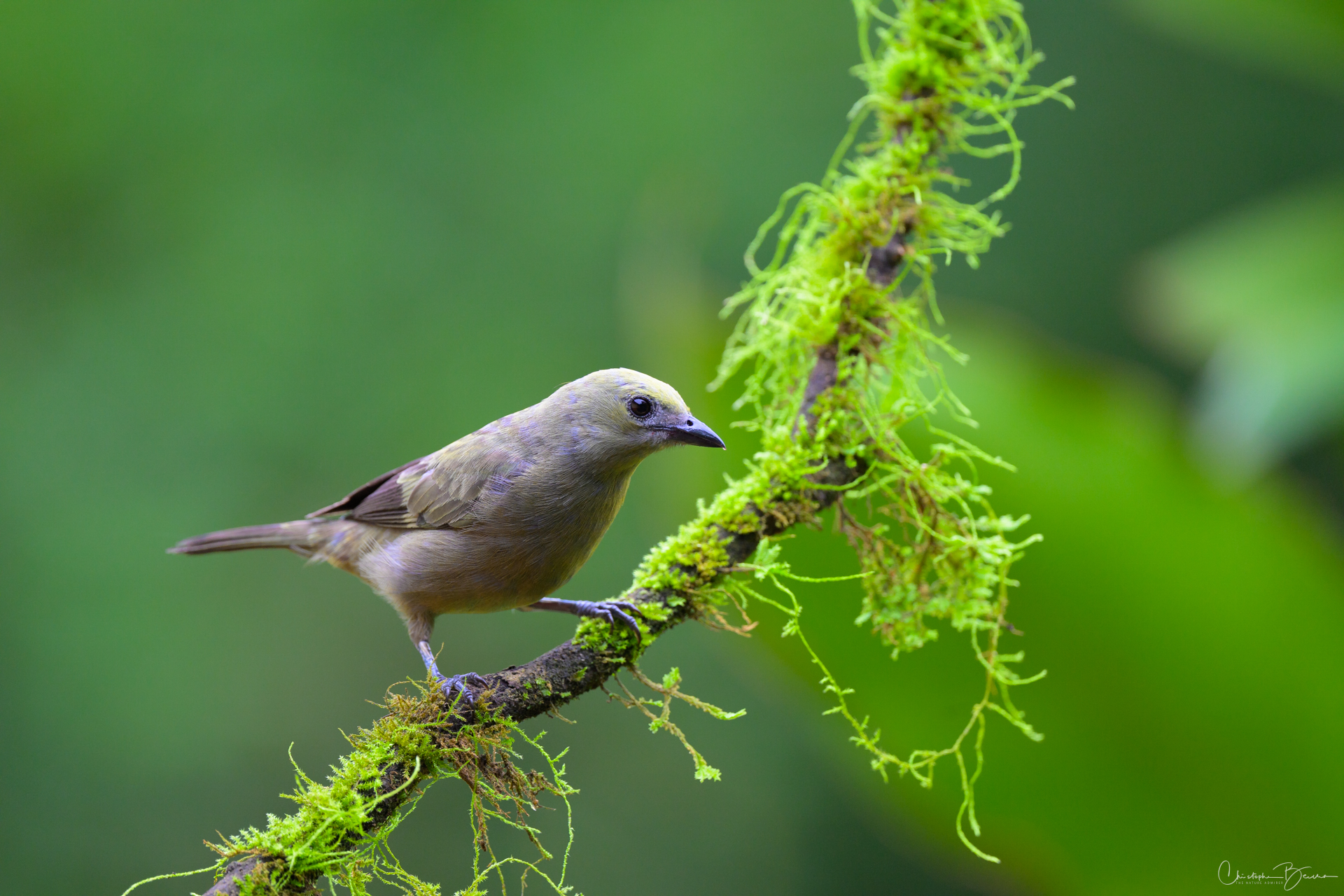
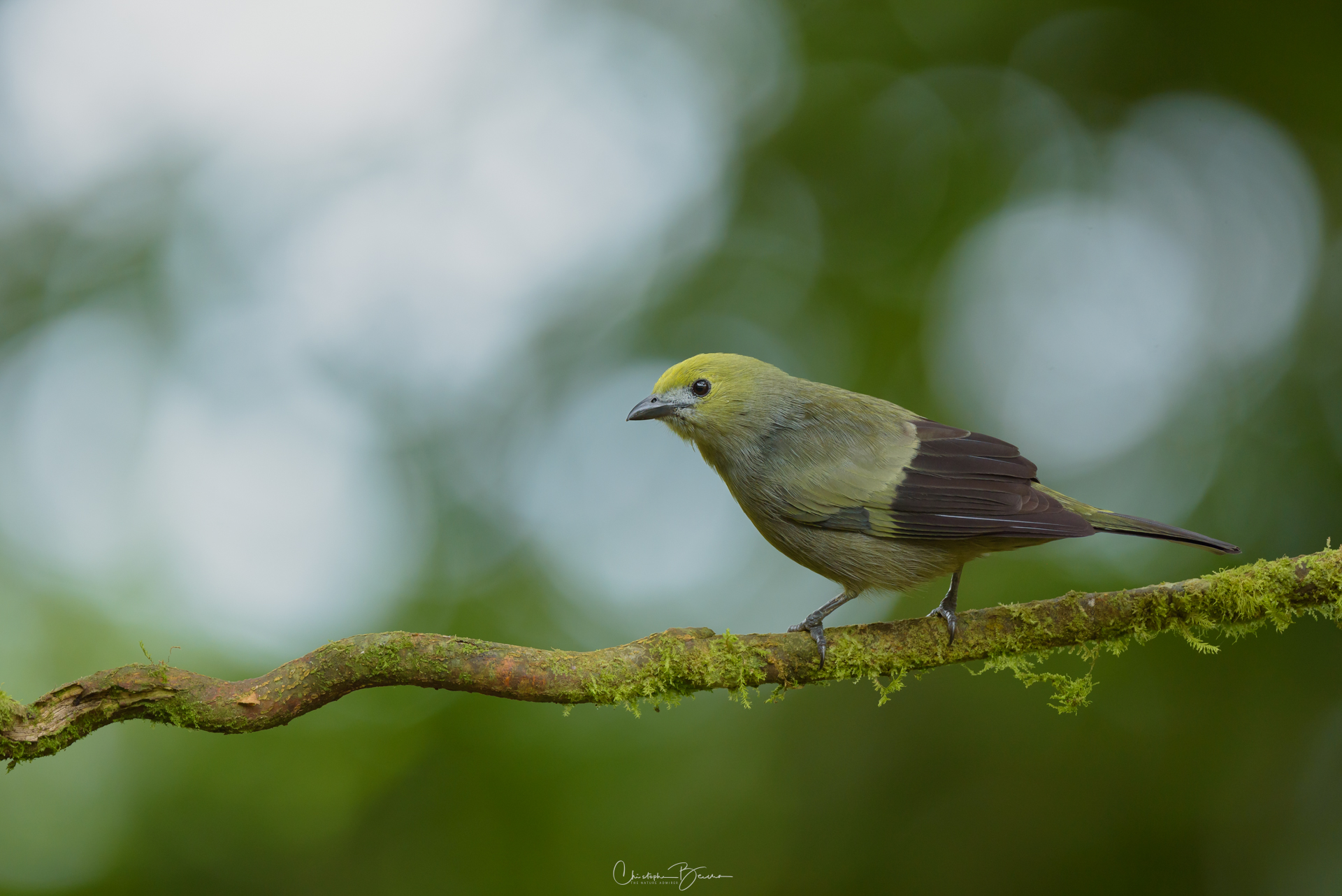
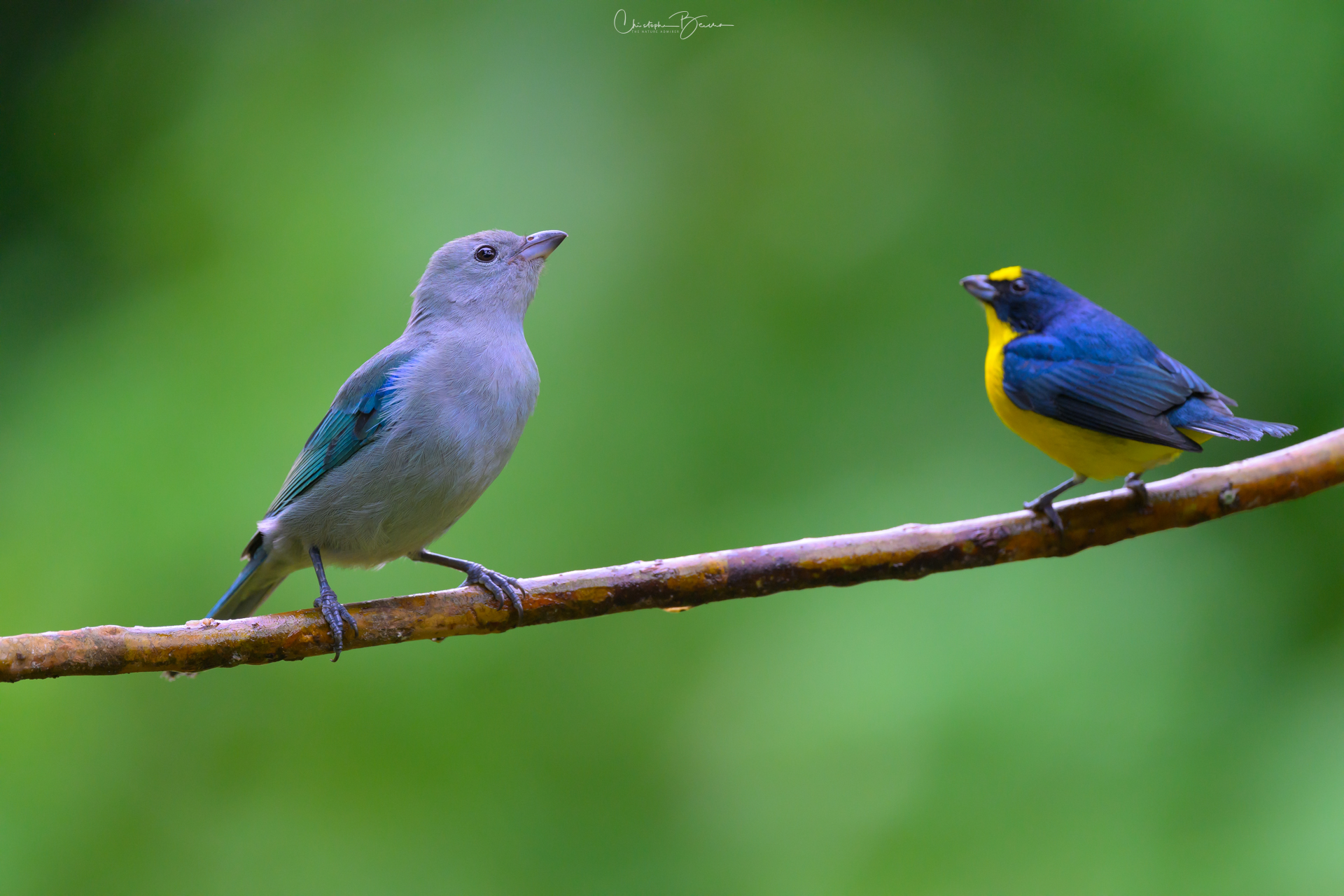
I have observed an interesting behavior many times: Tanagers, Orioles and Honeycreepers were feeding peacefully on the feeder, but whenever a Toucan closed in, all the other birds flew away and stayed in a nearby tree, calling and calling loudly. As soon as the Toucan left, all birds returned to the feeder in frenetic mode, like food was going to end soon.

House Wren (Troglodytes aedon)

The House Wren is very common throughout Costa Rica, found in many habitats from plantain crops to open pastures; indeed as its name implies, they frequently approach homes and even construct their nests under the ceilings. It almost has not distinctive features, being brown overall with very fine barring on the wings. Its song is high pitched and composed of a great variation of chips and whistles, a delight to hear such a complex melody. They usually jump from one place to another very rapidly, not remaining in a single place for long.

Baltimore Oriole (Icterus galbula)

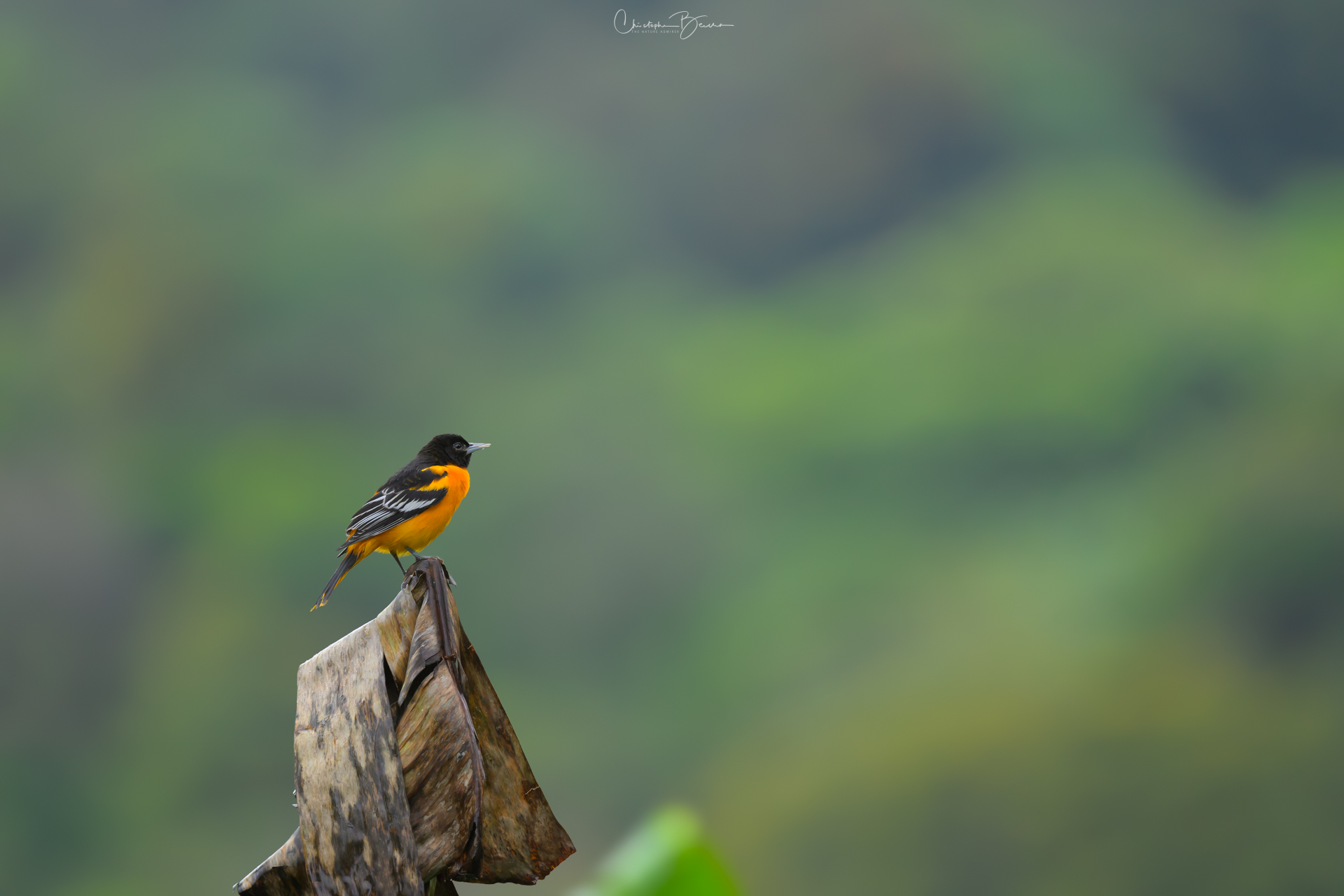
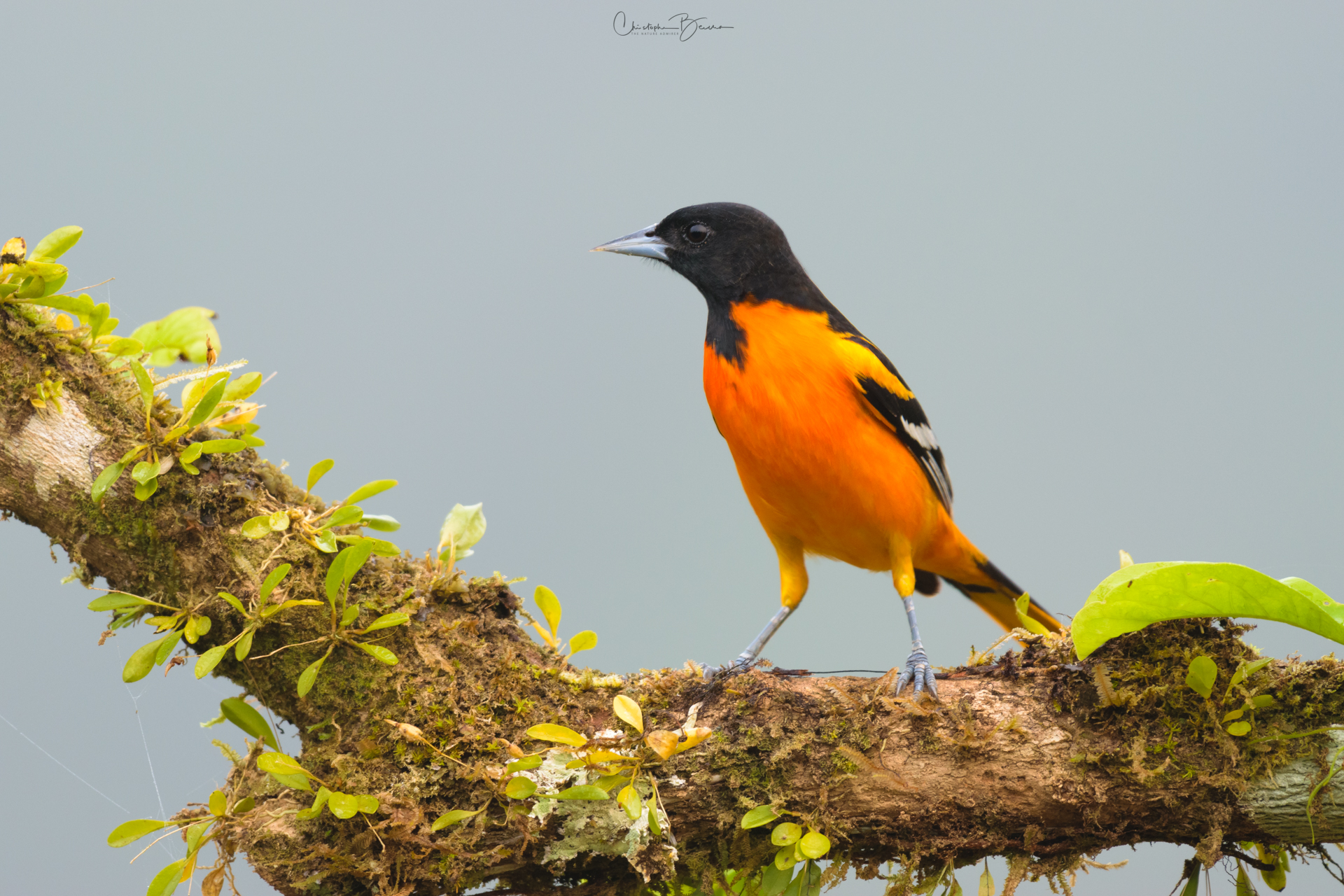
The Baltimore Oriole is a colorful, migratory bird that can be seen all around the country during migration season. With such bright orange body and black head and wings, the male almost looks like a very poisonous beetle, but no bird species is poisonous to the extent of my knowledge. The female is duller, and does not have a black head as opposed to the male. The juvenile bird is even duller or pale when compared with both adults, though in low light it can be confused with the adult female.
This species comes from North America during late autumn and winter to escape the harsh, cold weather and find the abundance of the Costa Rican Tropical Rain Forest every year. I have seen it in various places, including Ciudad Colón, Río Frío, Sarapiquí and now Boca Tapada, where a lot of individuals were feasting on the fruit that the lodge administrator puts on the feeders. They can be seen fighting for the best feeding spots with Tanagers and Honeycreepers.

Lesson´s Motmot (Momotus lessoni)

This bird feels exotic in every way. The long tail ends in two small buds; when perched it sometimes moves the tail in a pendulum fashion. The bird call is a deep, guttural “Hoop-Hoop”, which repeats itself at infinitum, though some birds will variate the sound. It will stay motionless on its perch, either in complete silence, or performing its call. When there are various individuals in the area, it seems like one bird’s call is responded by another’s, resembling a conversation between birds at a distance. The bird is nervous, but can be approached to a distance of 3 meters or less; I have successfully taken pictures of it at such a close distance, even using the flash, and the bird does not fly away.

Yellow Warbler (Setophaga petechia)

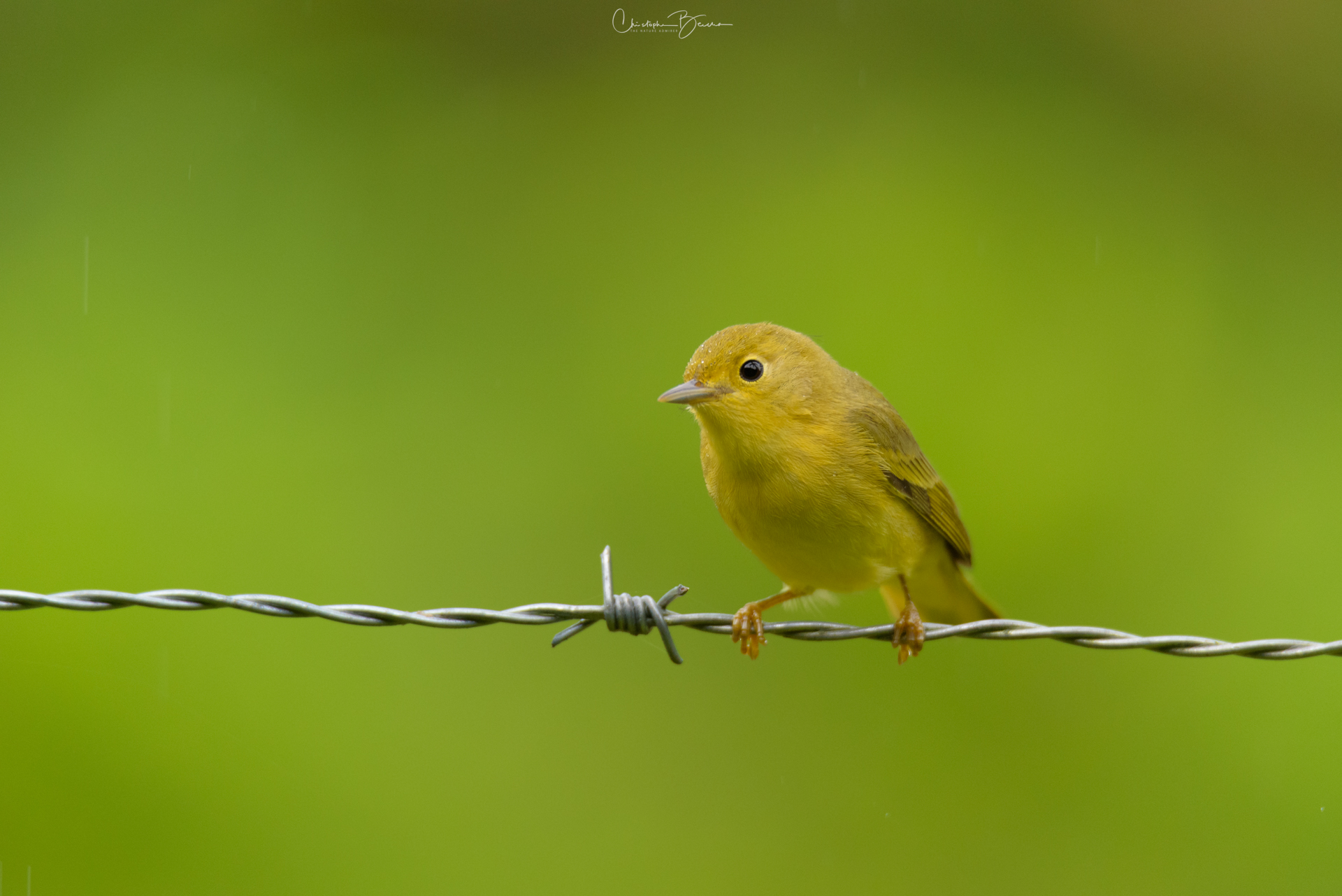
As most warbler species, the Yellow Warbler moves very fast and frantically while foraging in small trees, giving out its characteristic “chip” song, which it repeats at length. It is very difficult to keep the bird in focus as it moves from place to place. It becomes a very common sight near home during September and October, when they migrate to the south, and during March and April when they return back to North America. The eye is deep black, which contrasts very nicely with the bird´s all-yellow body.

White-winged Dove (Zenaida asiatica)

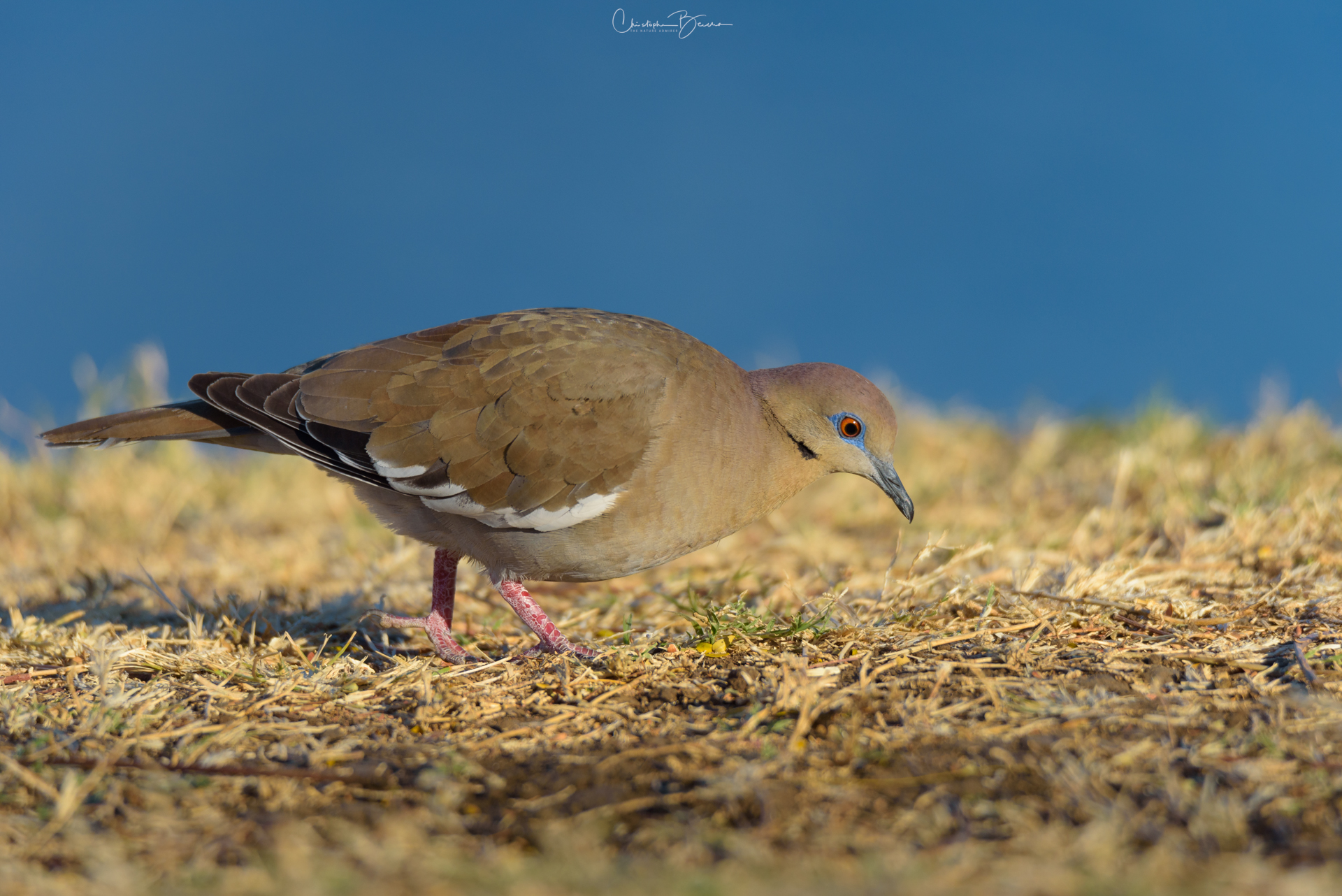
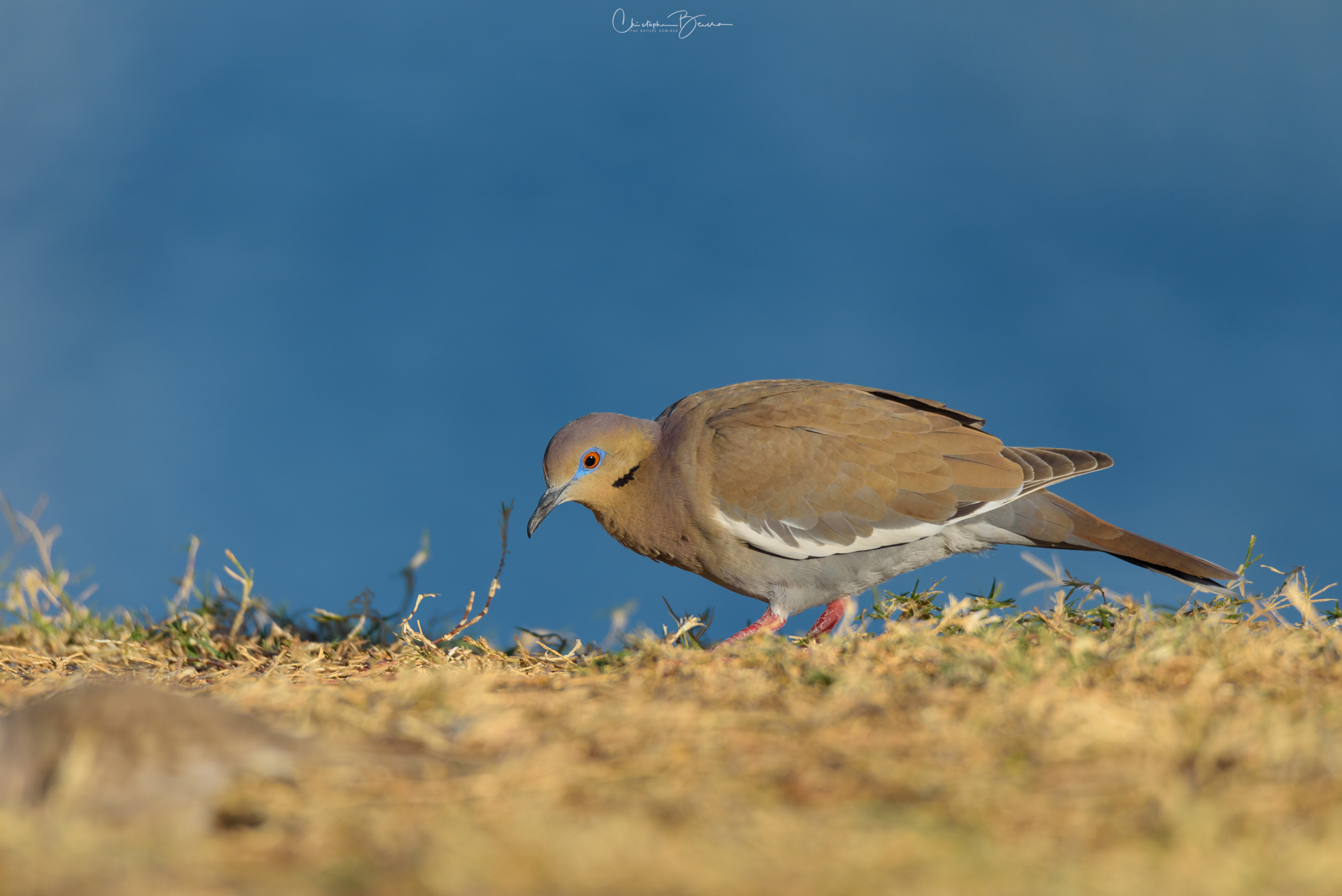
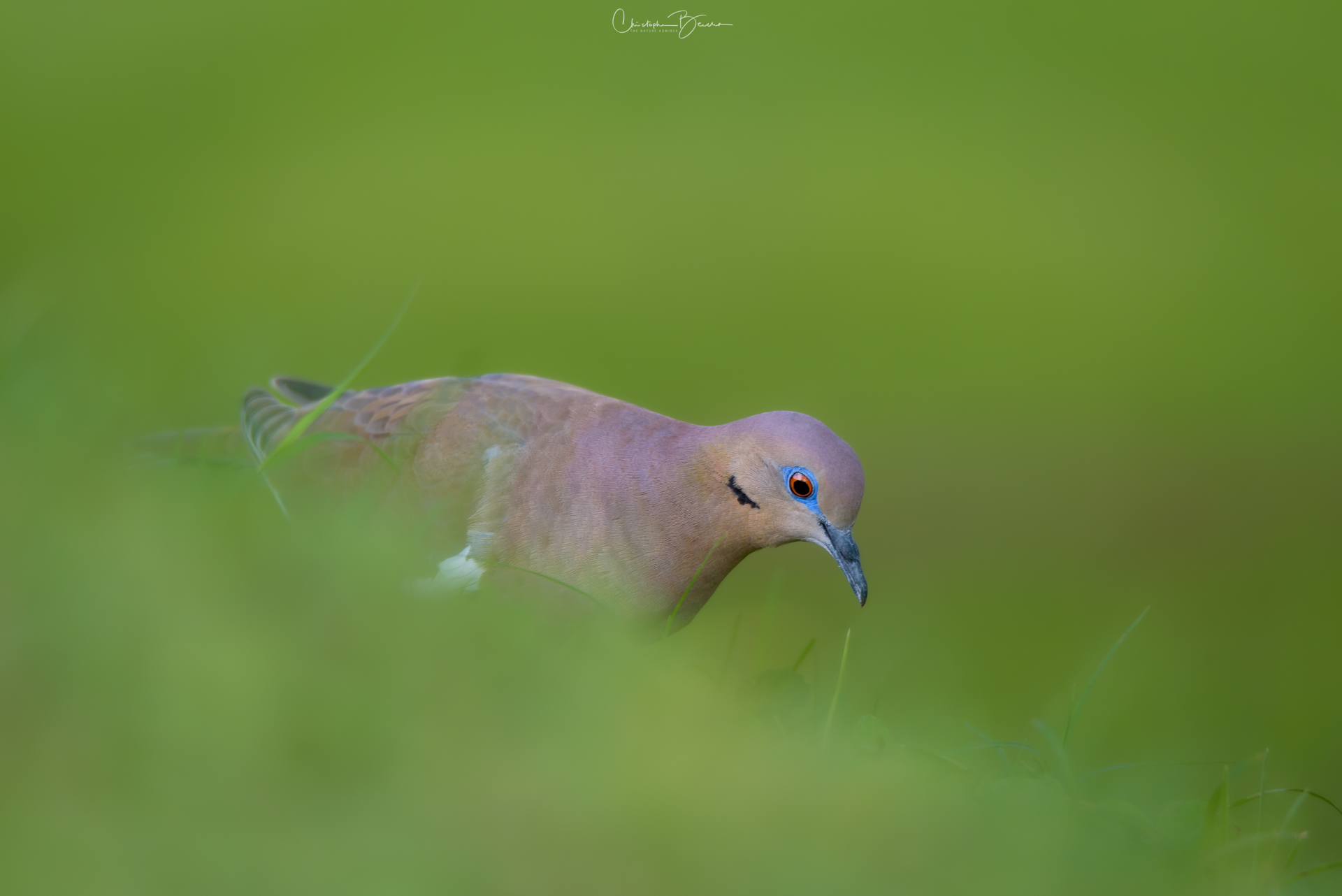
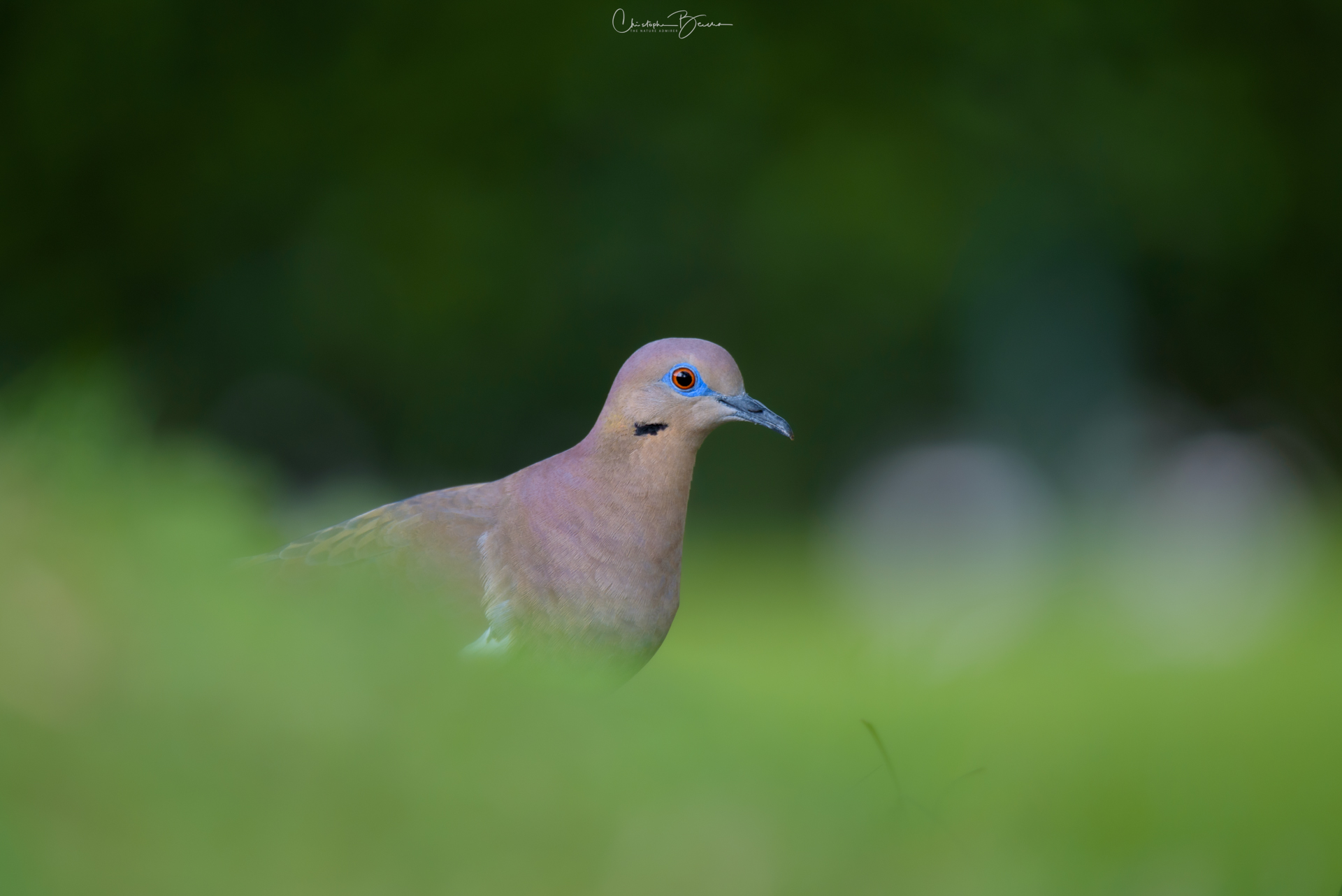
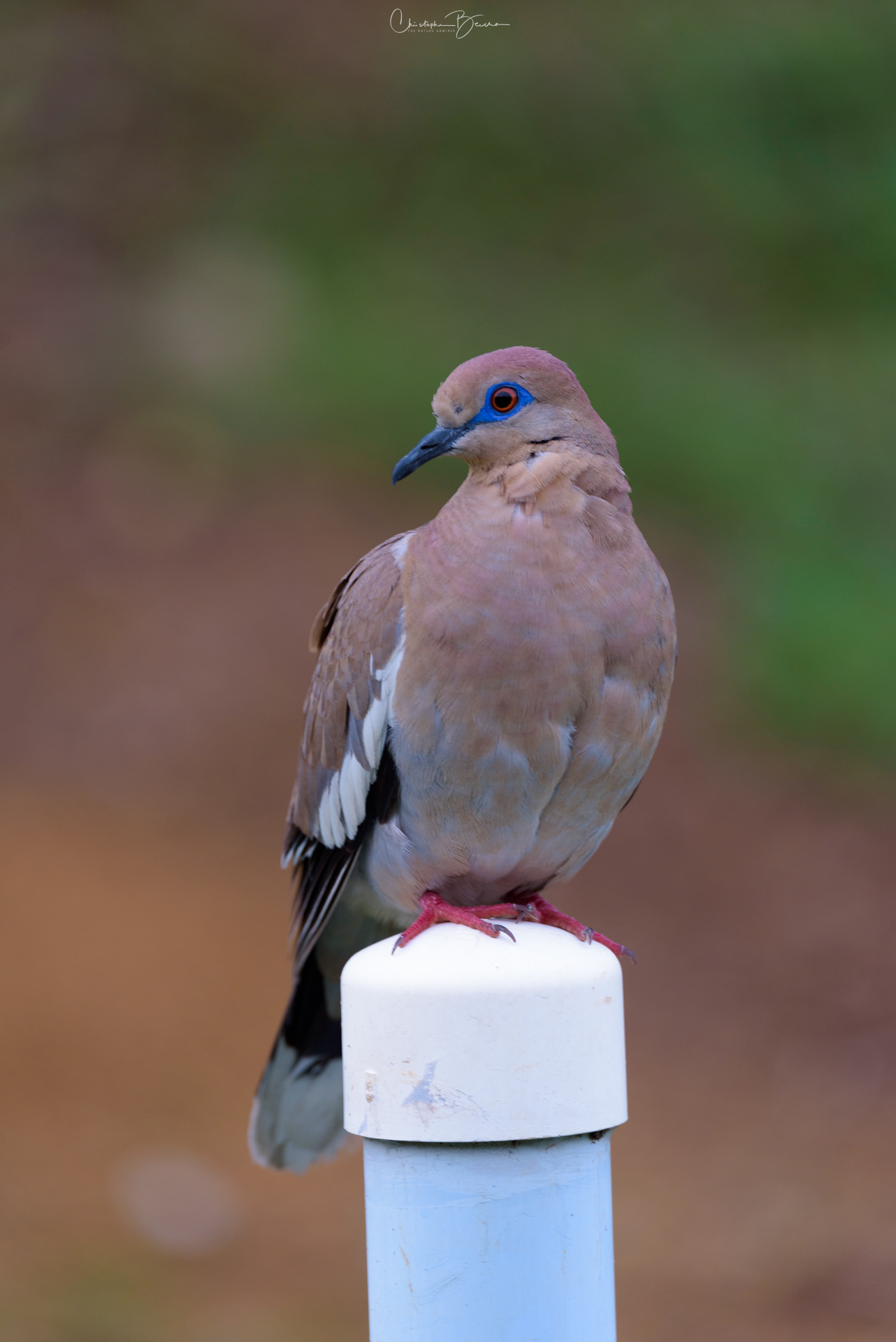
The White-winged Dove has pretty much colonized Costa Rican cities; every few meters you can hear an individual with its characteristic “Who-cooks-for-you” call. I have seen them perched in utility wires, as well as in any kind of tree. It is also interesting that as they sing, they display by raising their wings and then returning to the normal position. This is the only dove that I know makes a display together with its call. It is very similar to the White-tipped Dove in terms of size and body shape, however the White-tipped does not have white feathers on the wings, has lighter underparts and its tail feathers display white tips, from which it gets its name. The iris is red, with blue orbital skin that contrast very nicely with the dull feather pattern.

Inca Dove (Columbina inca)

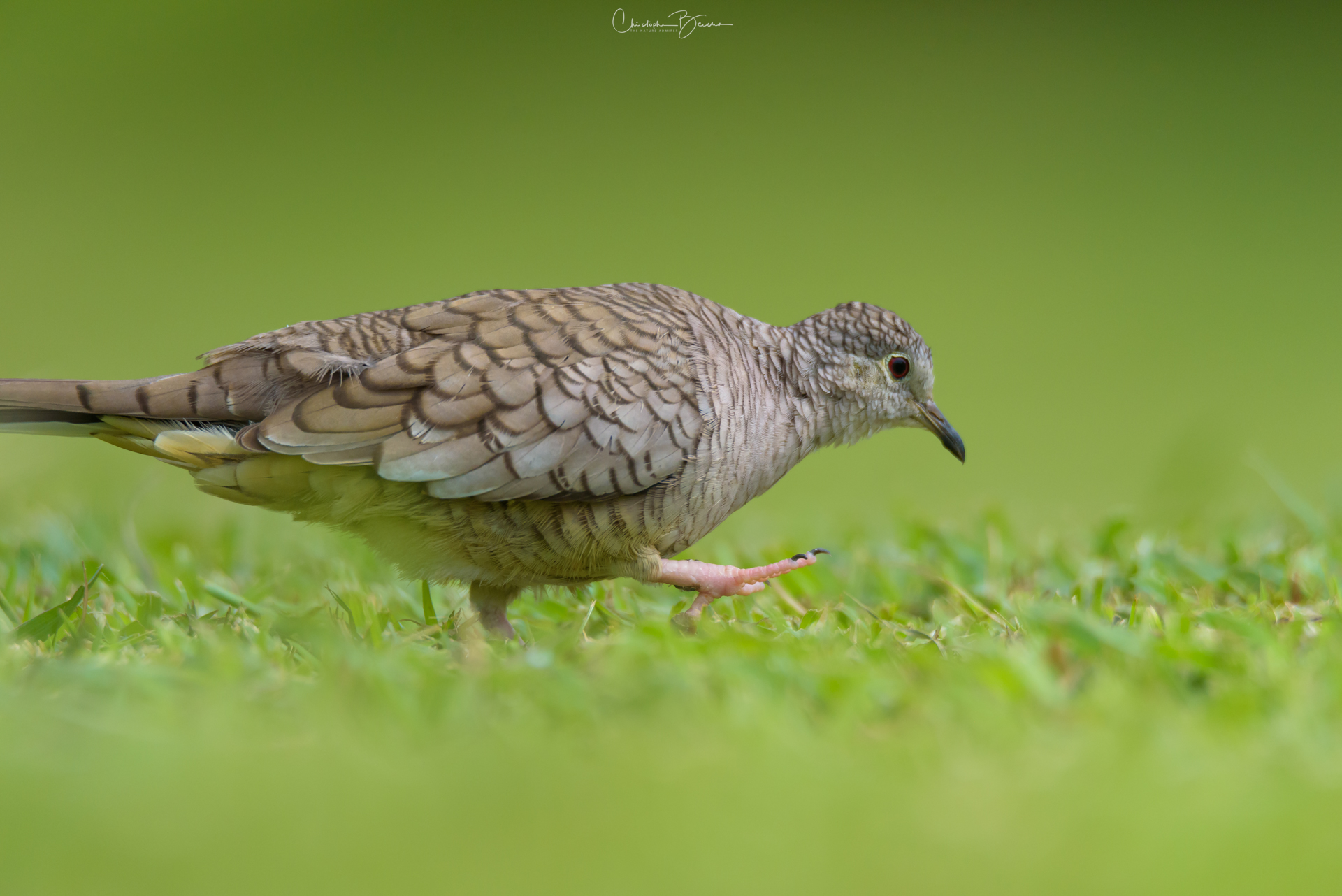
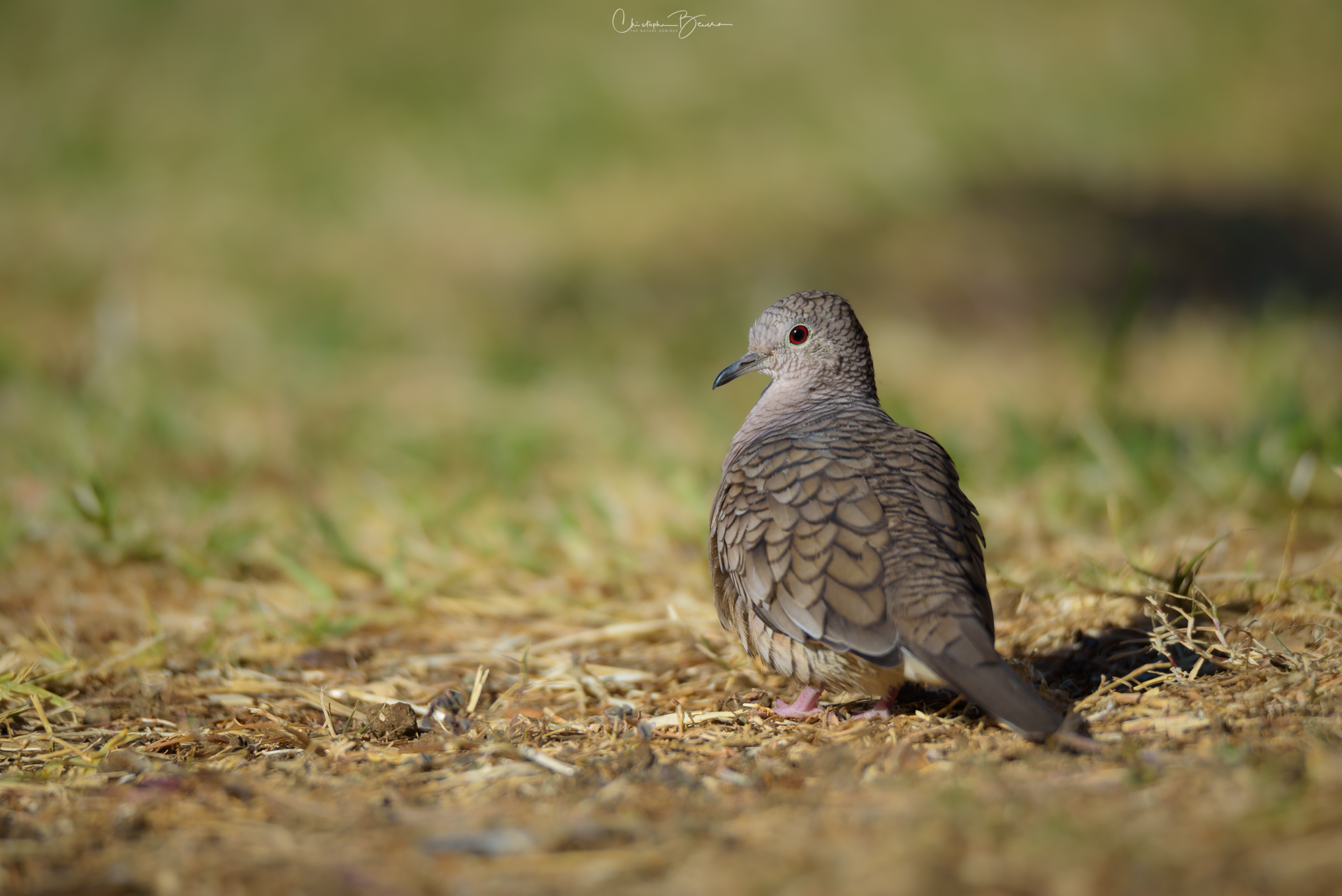
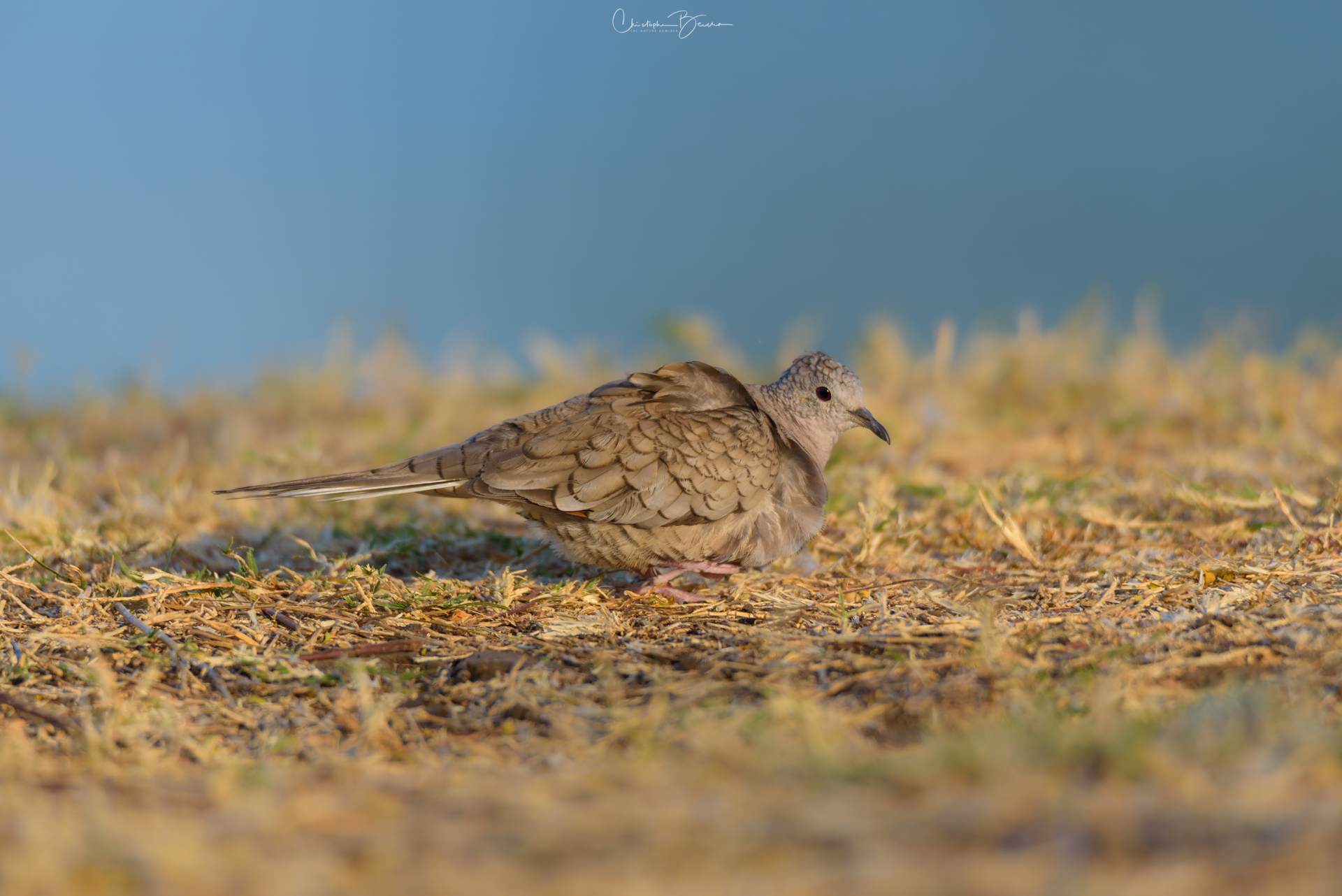
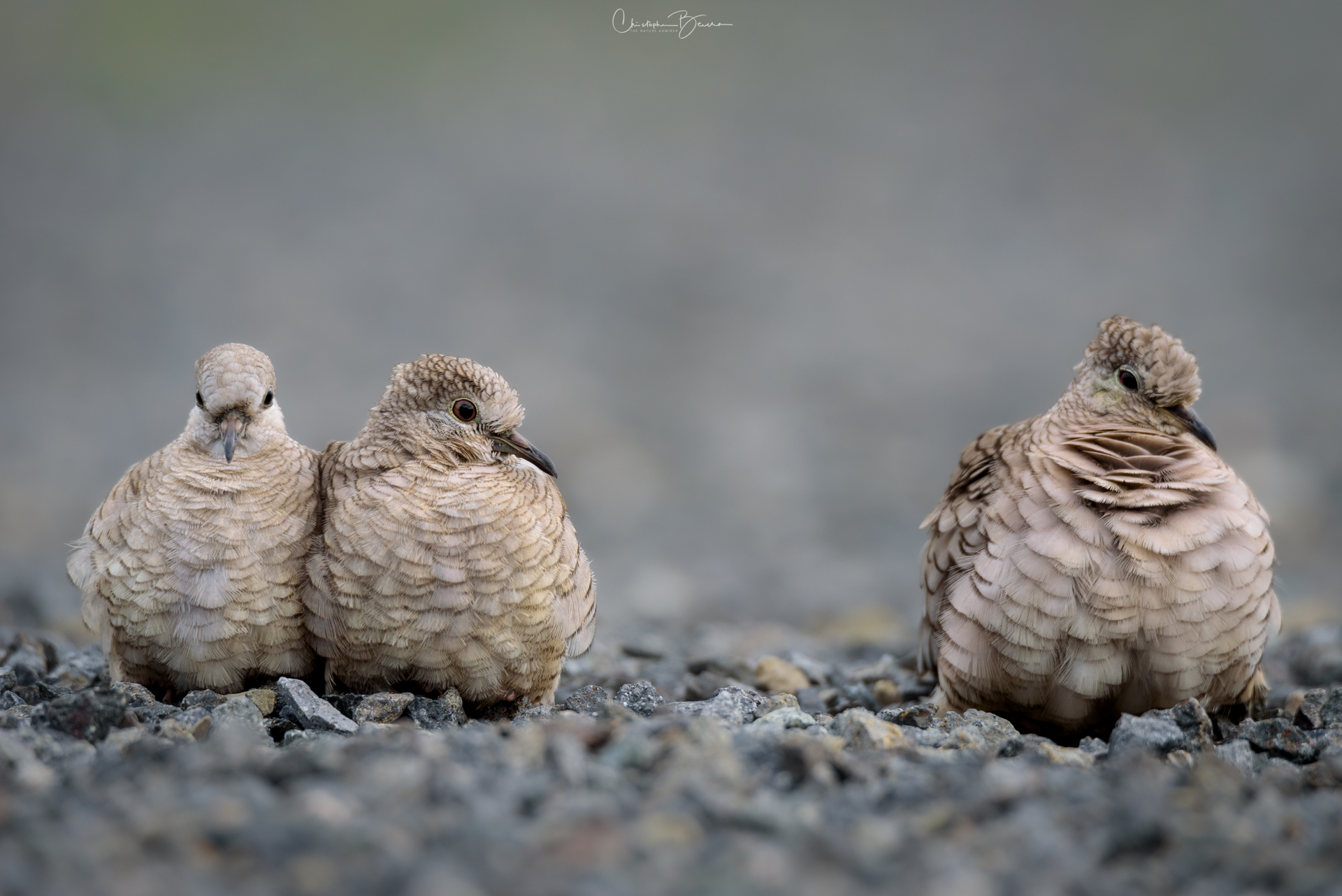
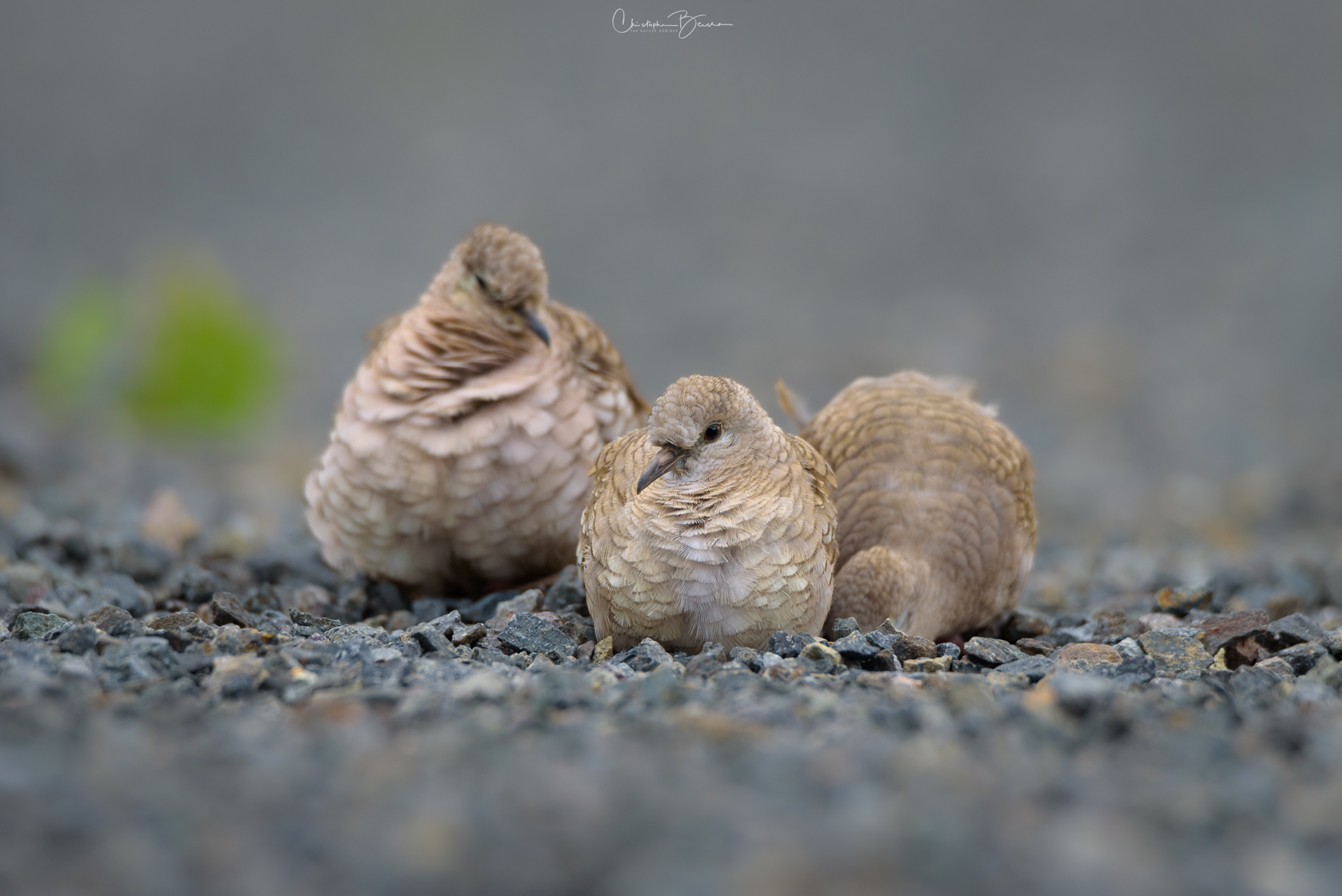
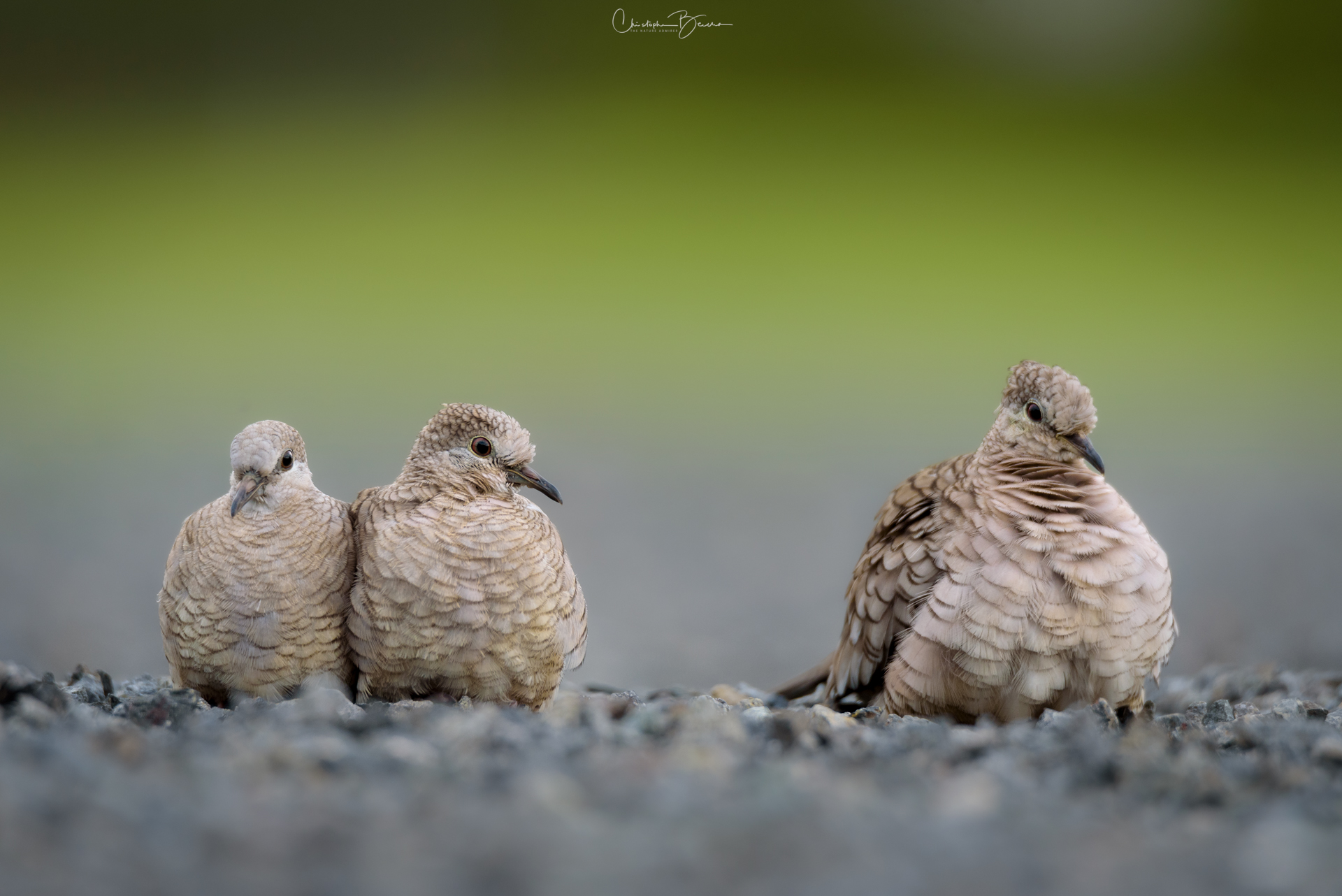
The inca dove is a small dove that forages mainly in the ground; it is very common in Ciudad Colón, along with the bigger White-winged Dove. They frequently perch in groups of three or four in branches, and groom each other with their bills. It has a scaled look, which helps them to camouflage in the ground, specially during the dry season when the grass turns yellow. Their iris is red and lacks any distinct orbital skin. In Costa Rica, there is a legend that essentially considered this species’ song a premonition of the death of a relative. Elders would say that if this dove was singing, then someone on the family would die. Due to this fame, they were hunted for much of the twentieth century by people who believed in the story. Nowadays, their song is very much melancholic, but the legend has not been carried on for the younger generations, so they no longer face this threat.

Ruddy Ground-Dove (Columbina talpacoti)

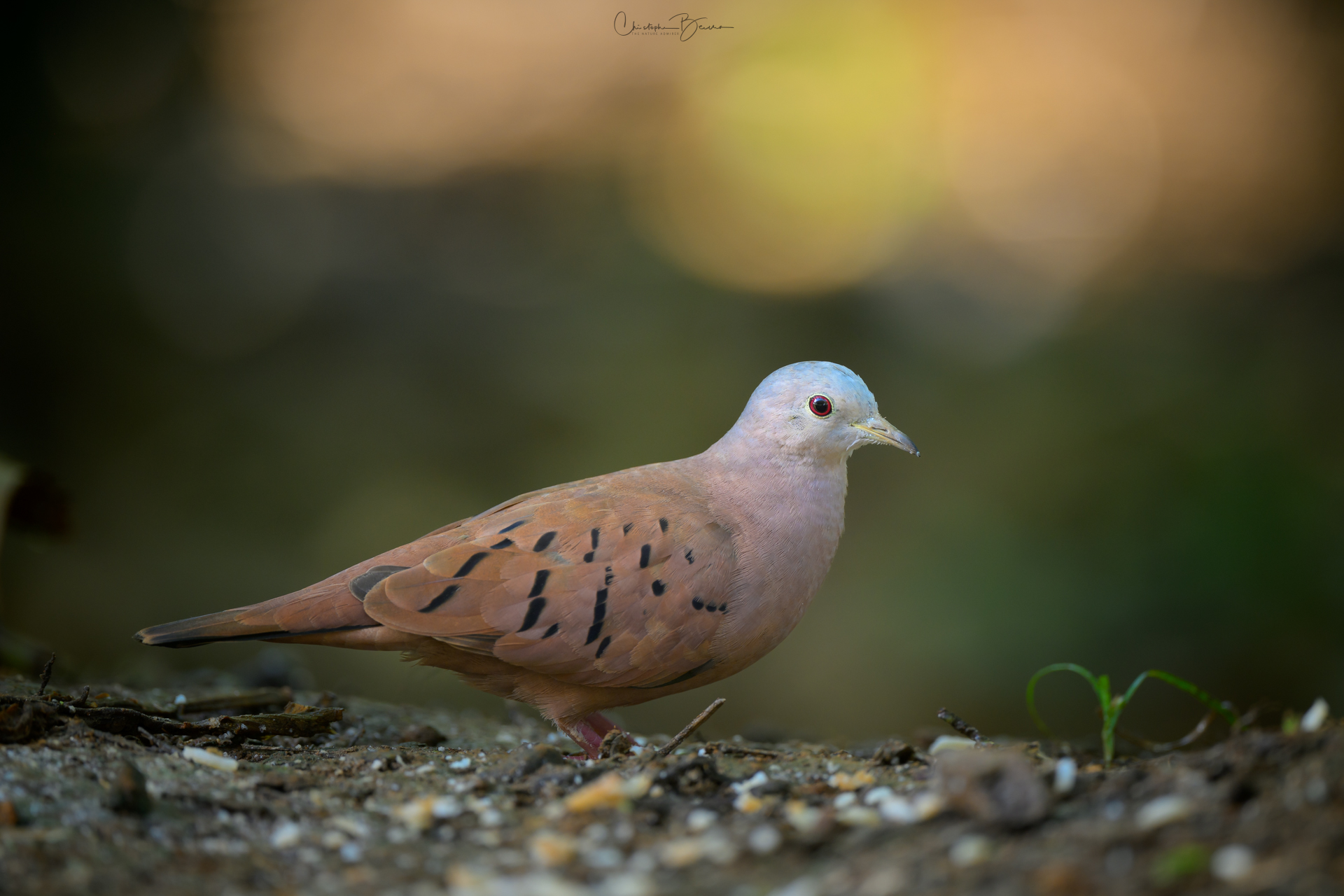
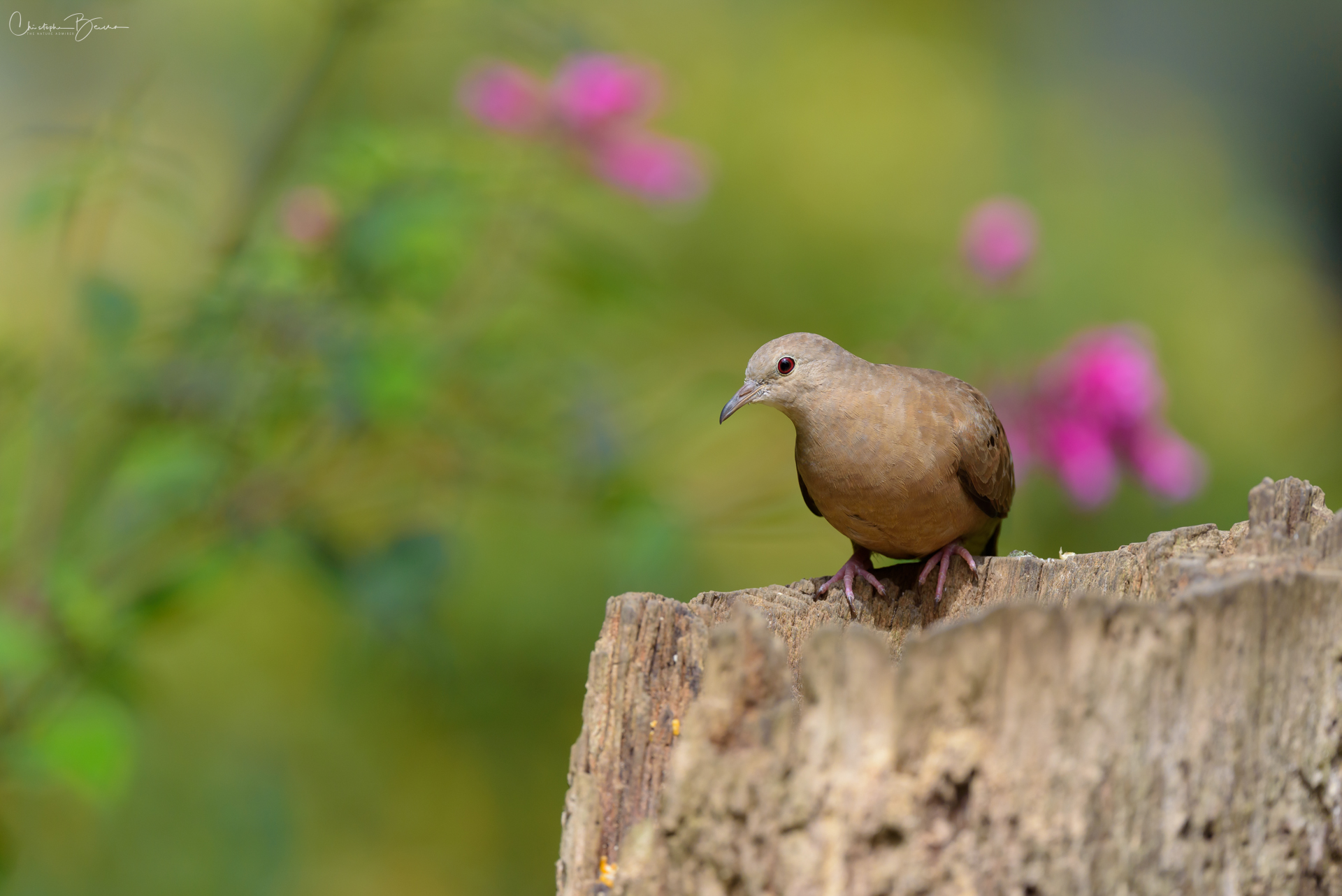
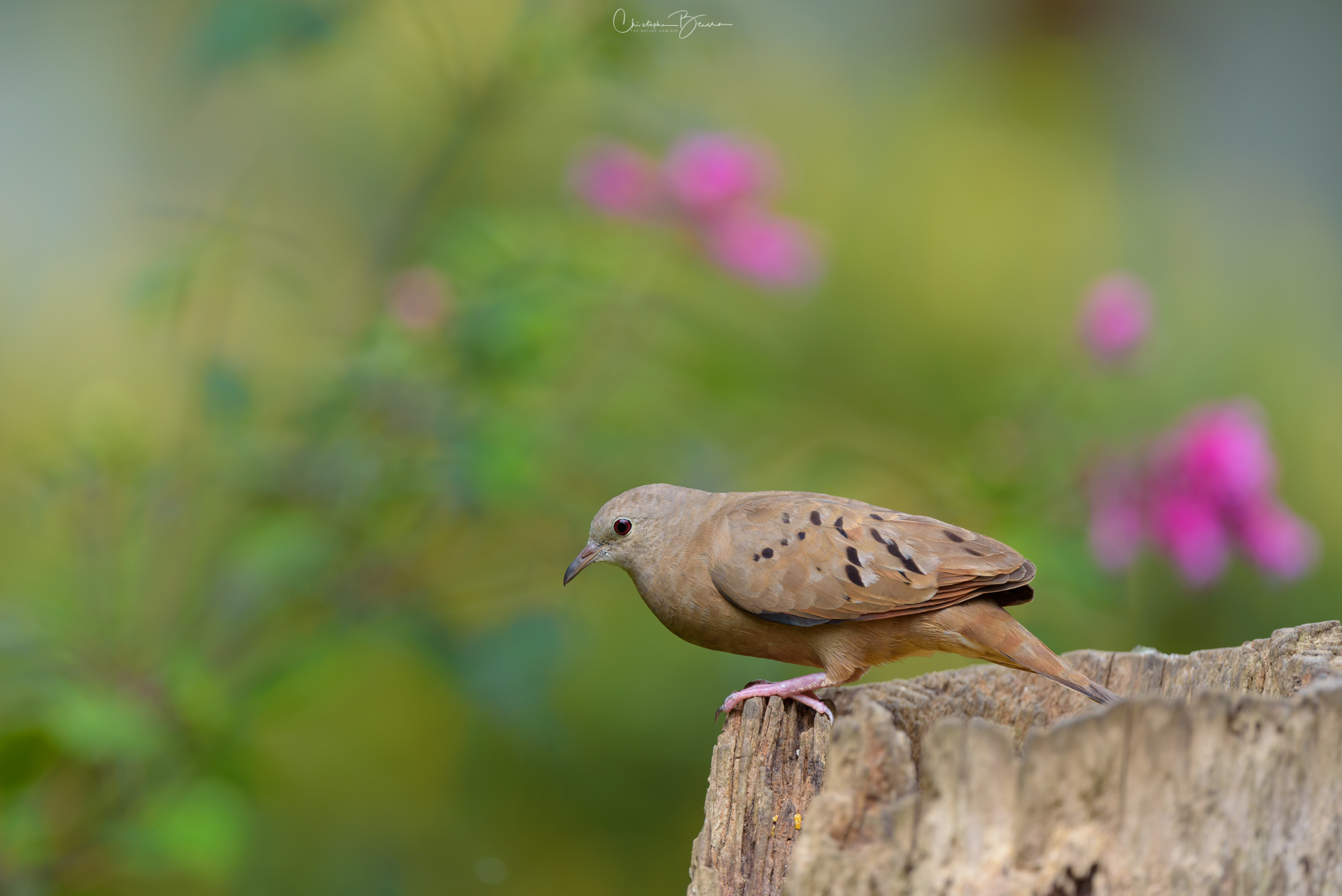
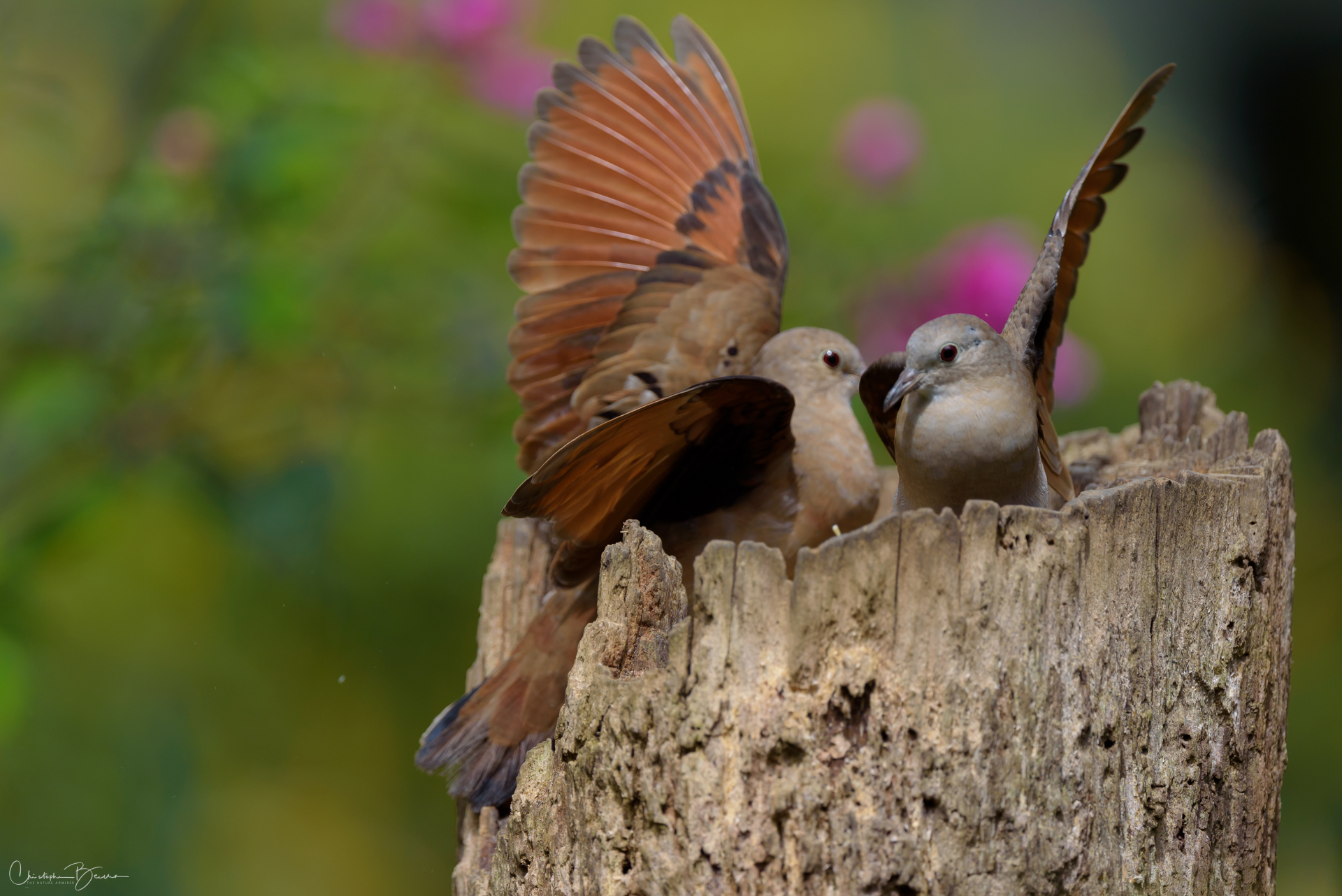
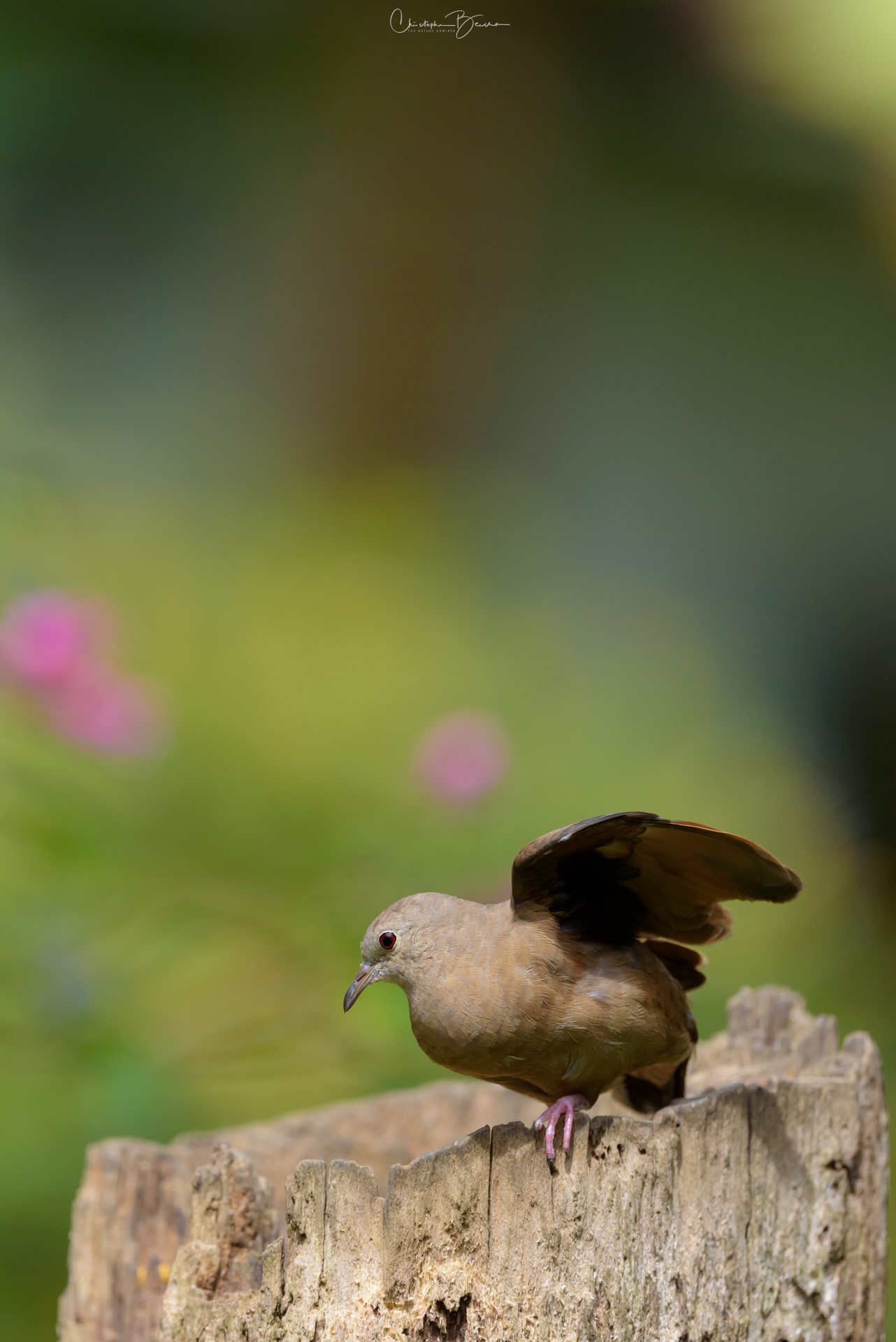
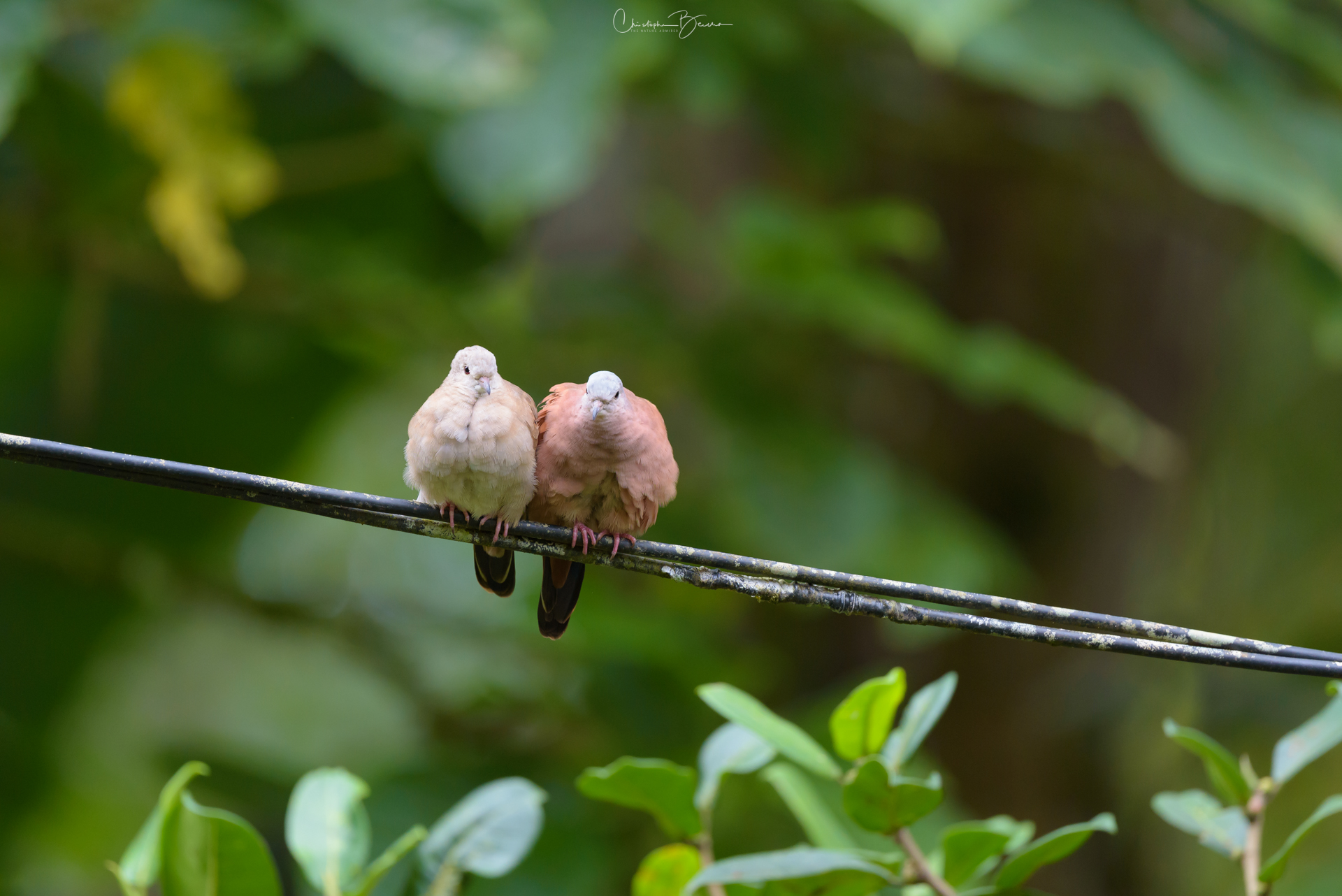
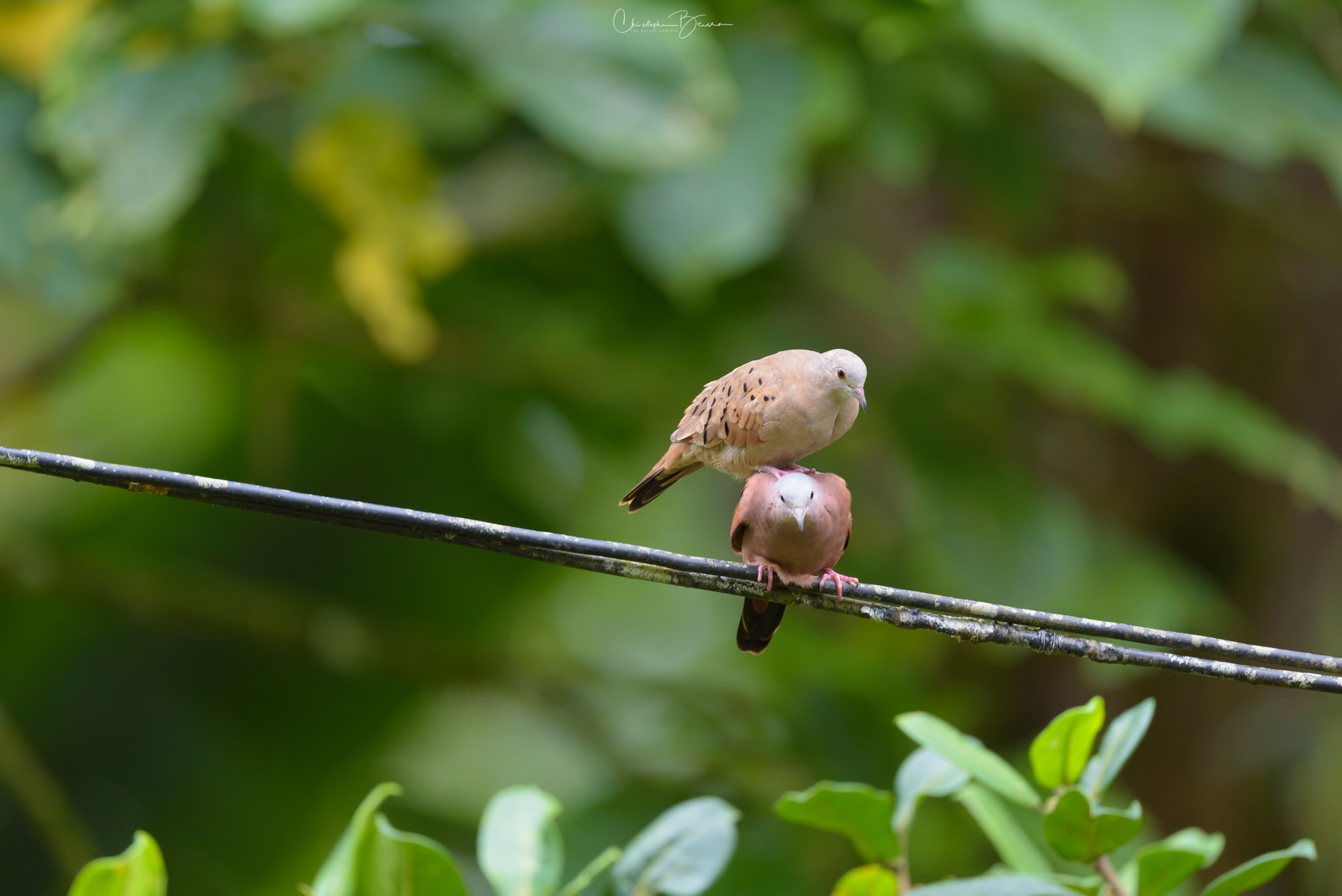
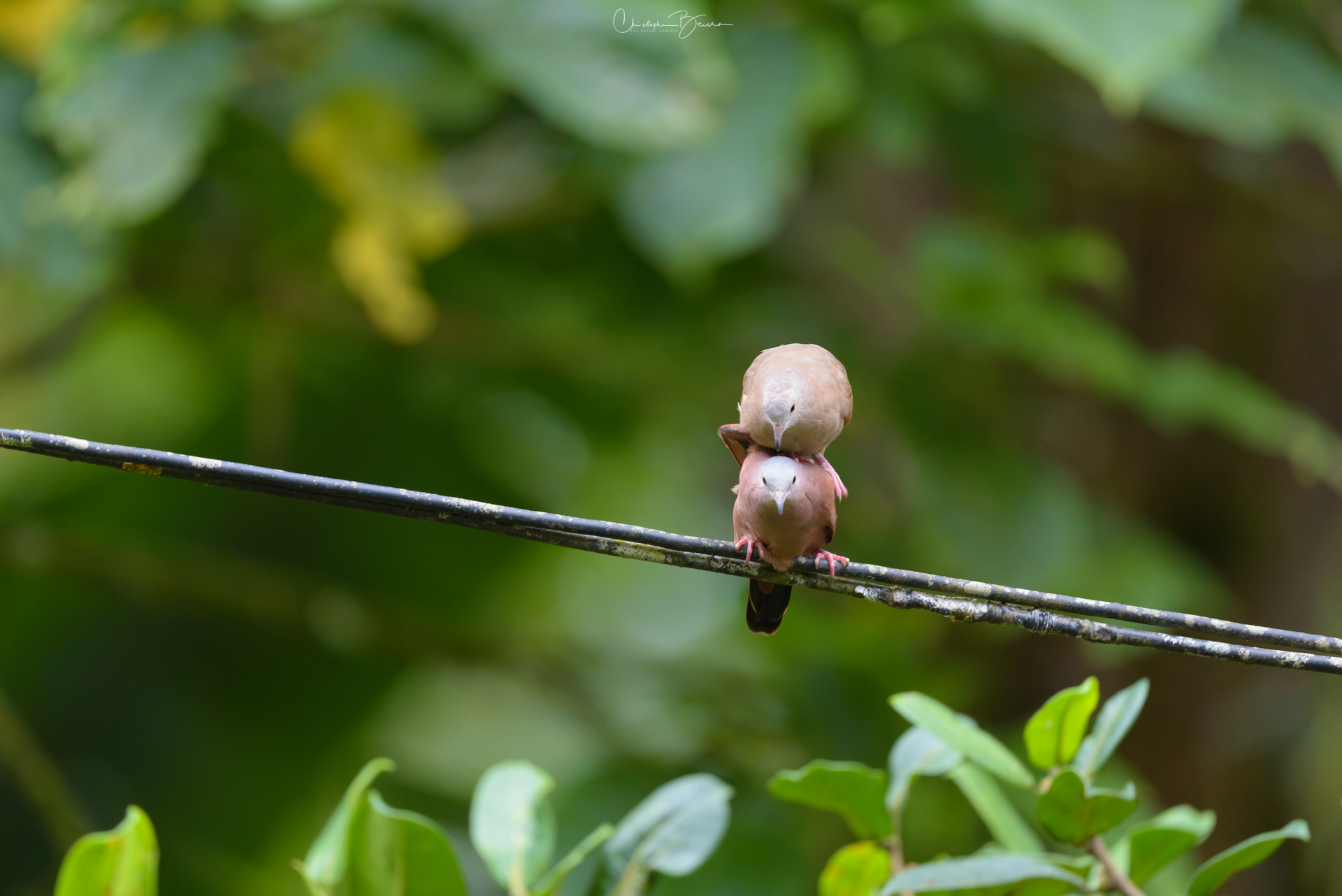
The Ruddy Ground-Dove is a small dove that as implied by the name, forages primarily in the ground, and uses perches when startled or to roost. It is found almost all around the country. The male is distinctive with its reddish color, while the female is a lot duller, nearly gray in coloration. They are very wary of people and will start walking hurriedly if one approaches, then fly away very fast if one is getting too close to be comfortable.