Page 30 of 31

Lesson´s Motmot (Momotus lessoni)

This bird feels exotic in every way. The long tail ends in two small buds; when perched it sometimes moves the tail in a pendulum fashion. The bird call is a deep, guttural “Hoop-Hoop”, which repeats itself at infinitum, though some birds will variate the sound. It will stay motionless on its perch, either in complete silence, or performing its call. When there are various individuals in the area, it seems like one bird’s call is responded by another’s, resembling a conversation between birds at a distance. The bird is nervous, but can be approached to a distance of 3 meters or less; I have successfully taken pictures of it at such a close distance, even using the flash, and the bird does not fly away.

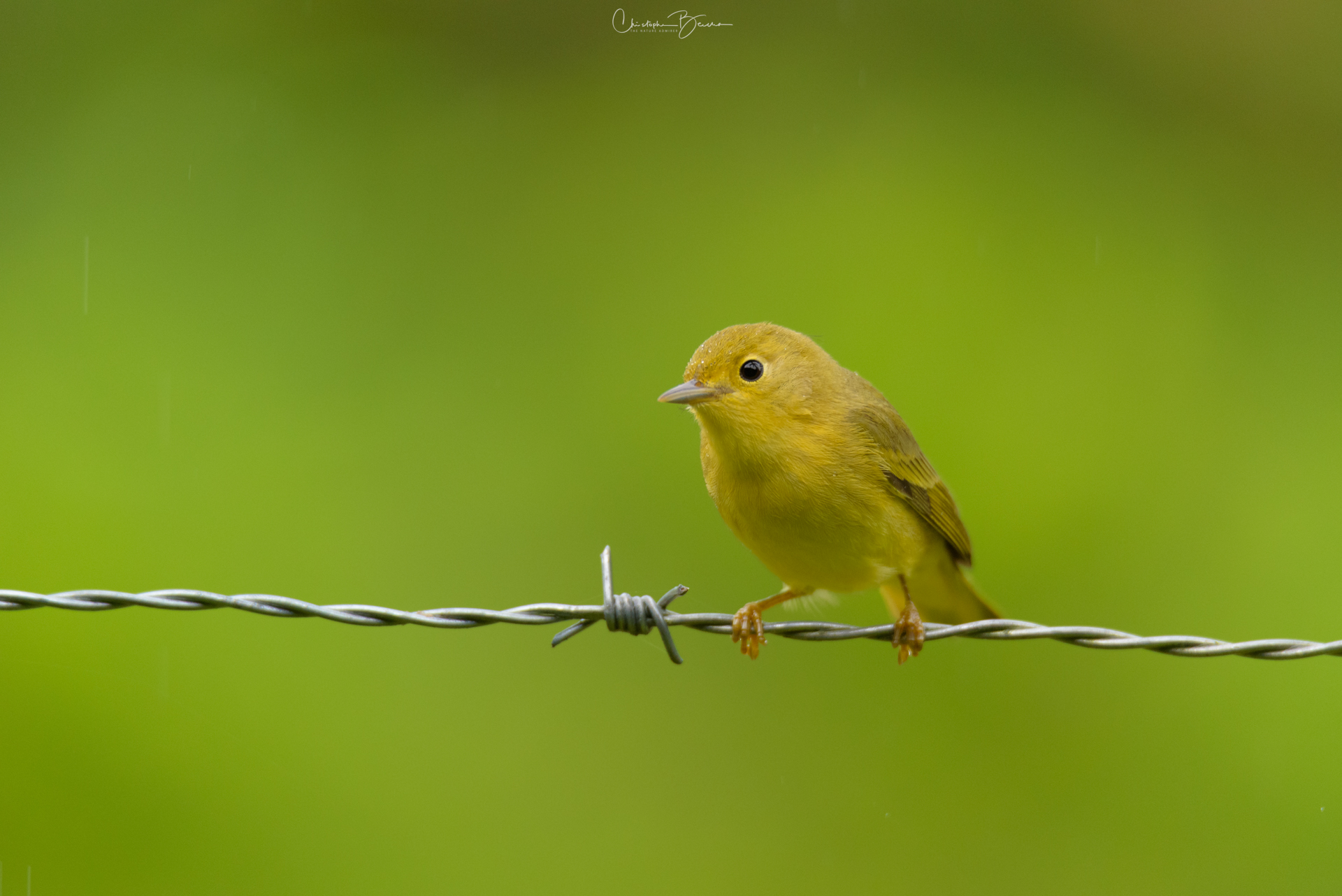
Yellow Warbler (Setophaga petechia)

As most warbler species, the Yellow Warbler moves very fast and frantically while foraging in small trees, giving out its characteristic “chip” song, which it repeats at length. It is very difficult to keep the bird in focus as it moves from place to place. It becomes a very common sight near home during September and October, when they migrate to the south, and during March and April when they return back to North America. The eye is deep black, which contrasts very nicely with the bird´s all-yellow body.
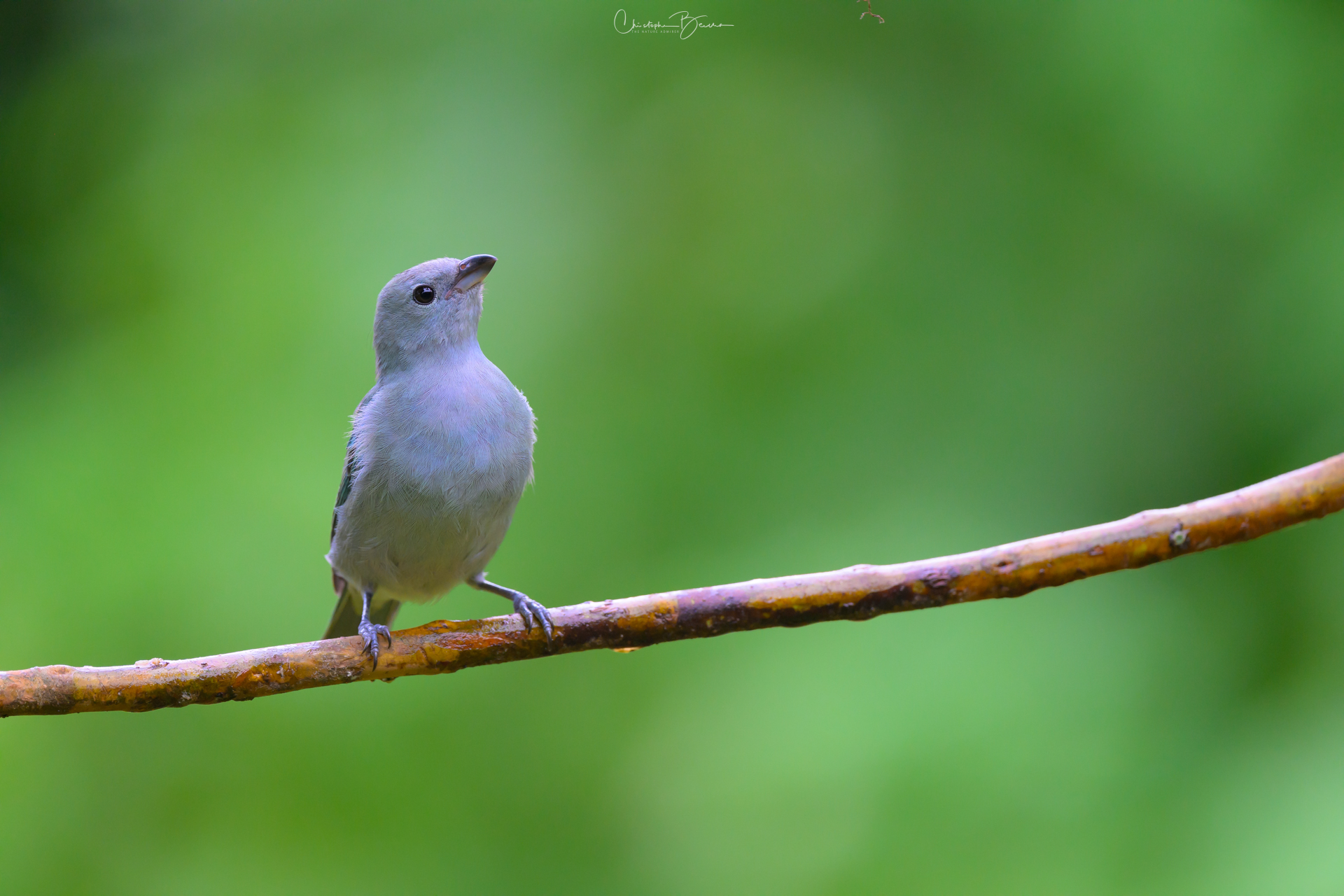
White-winged Dove (Zenaida asiatica)

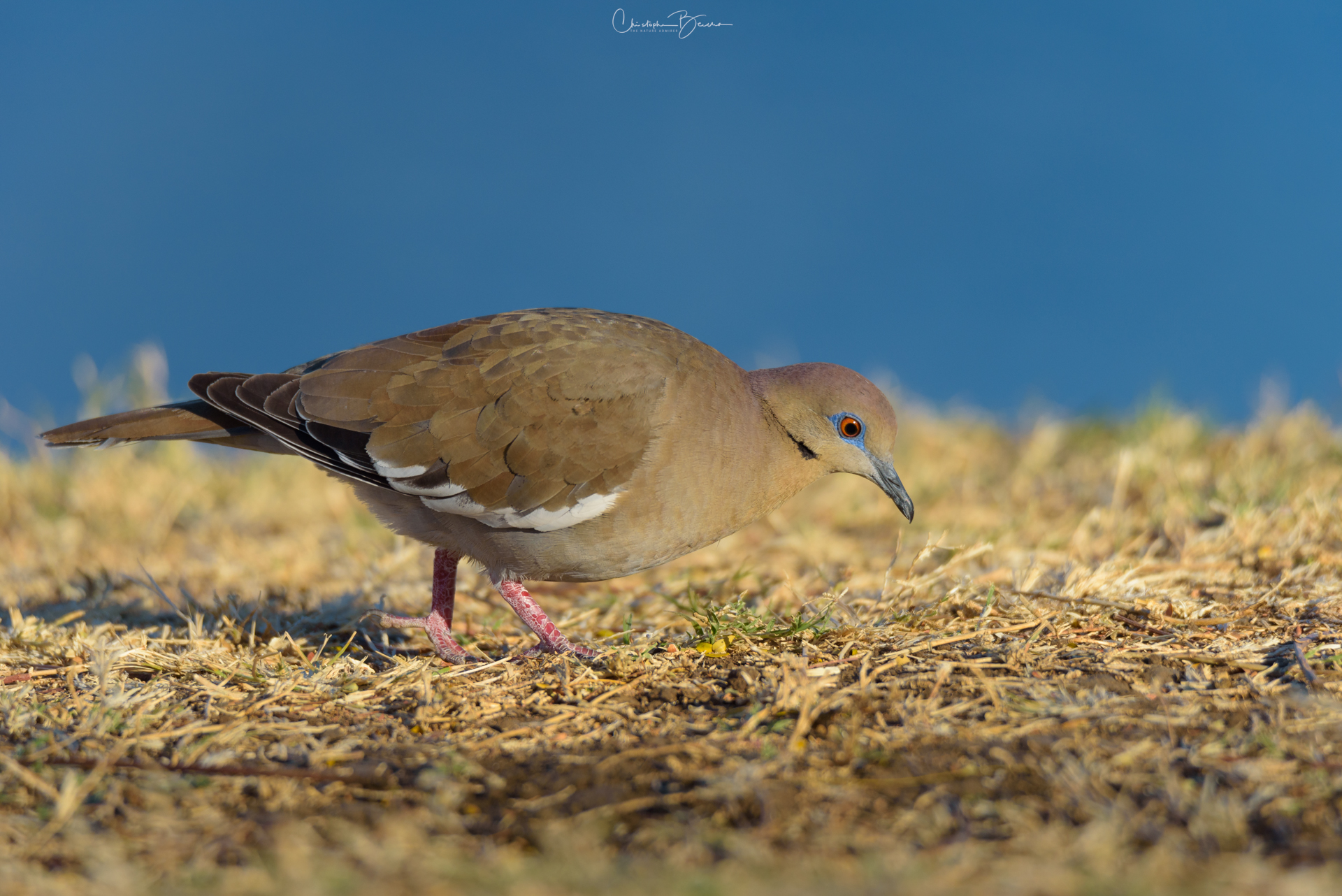
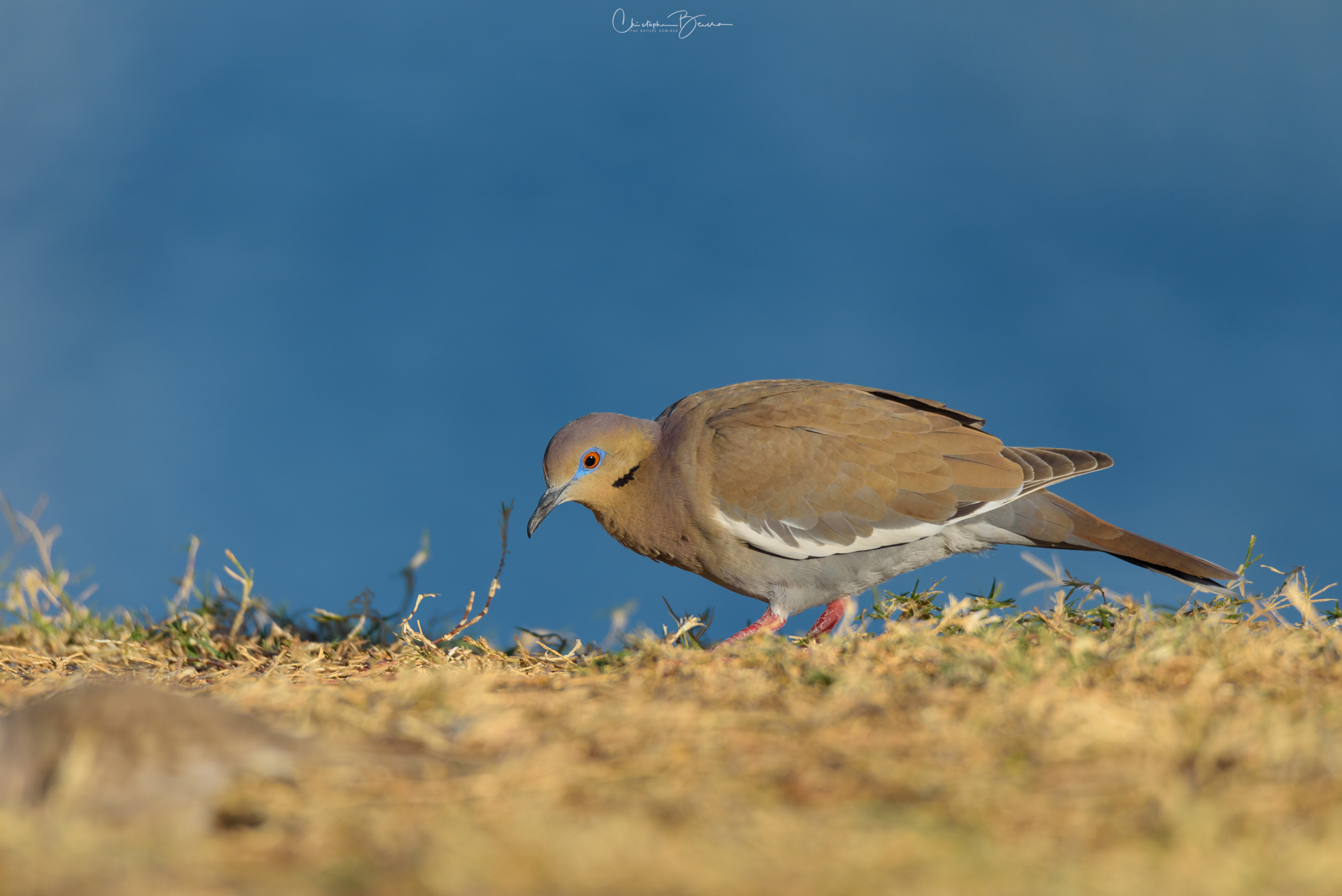
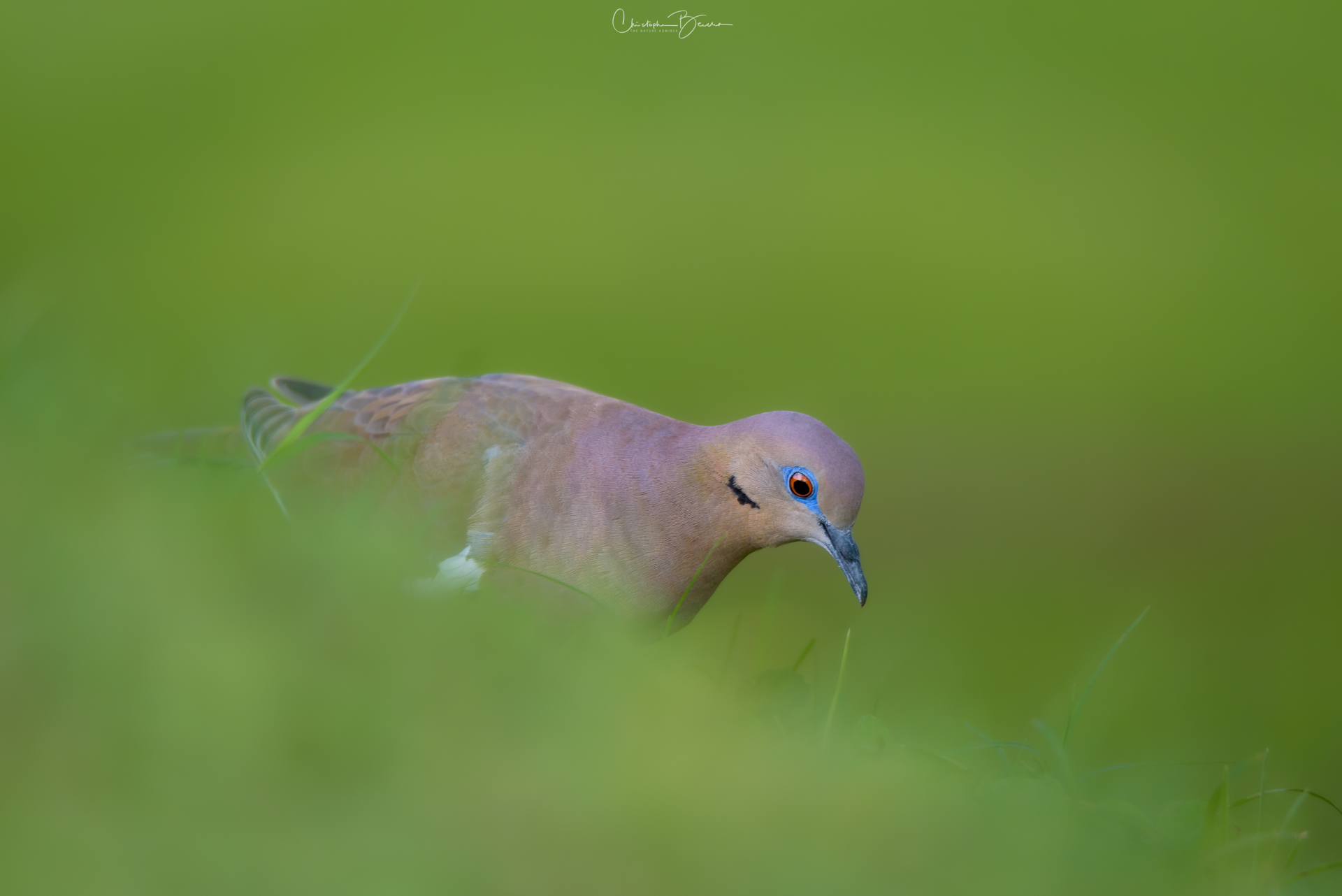
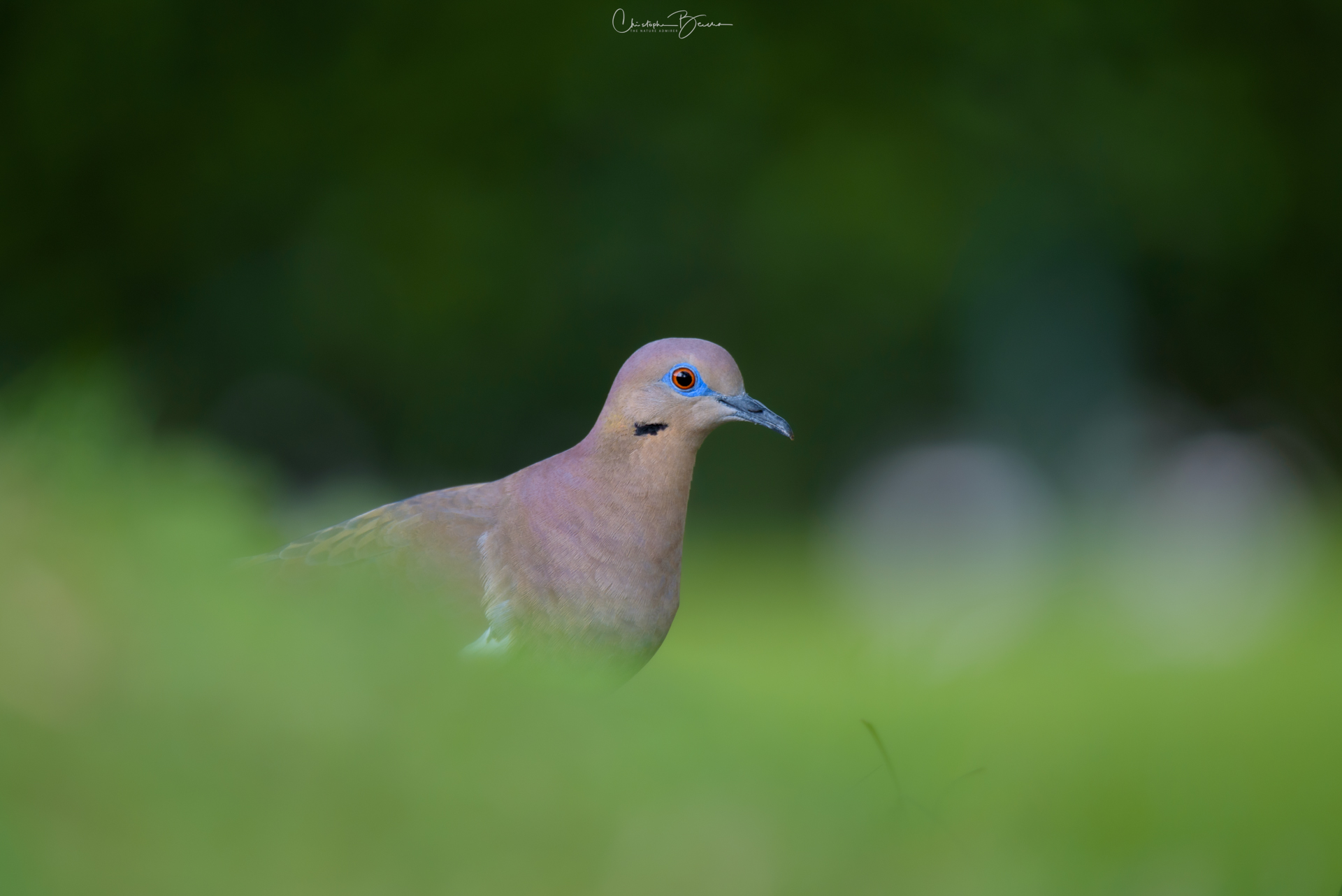
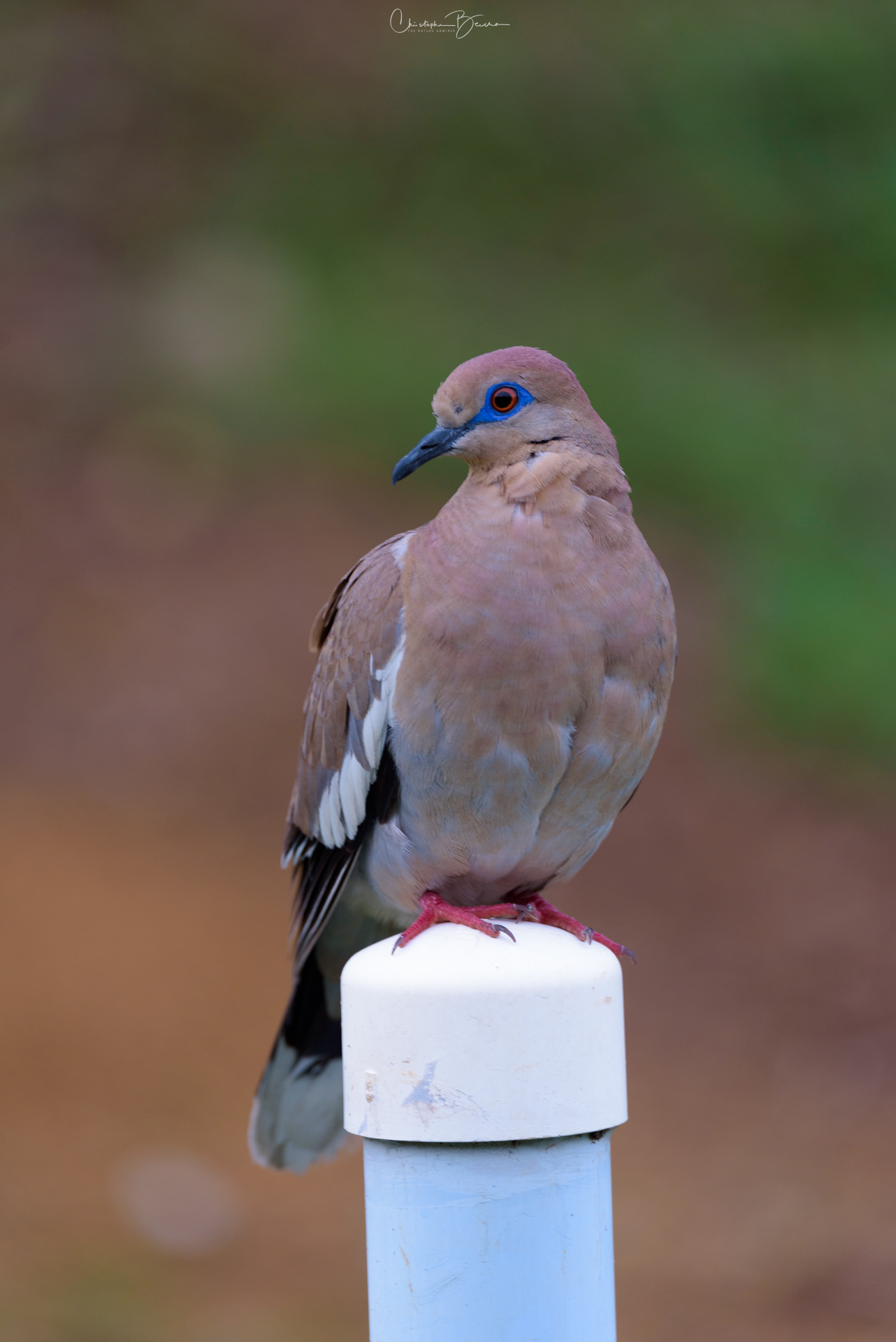
The White-winged Dove has pretty much colonized Costa Rican cities; every few meters you can hear an individual with its characteristic “Who-cooks-for-you” call. I have seen them perched in utility wires, as well as in any kind of tree. It is also interesting that as they sing, they display by raising their wings and then returning to the normal position. This is the only dove that I know makes a display together with its call. It is very similar to the White-tipped Dove in terms of size and body shape, however the White-tipped does not have white feathers on the wings, has lighter underparts and its tail feathers display white tips, from which it gets its name. The iris is red, with blue orbital skin that contrast very nicely with the dull feather pattern.
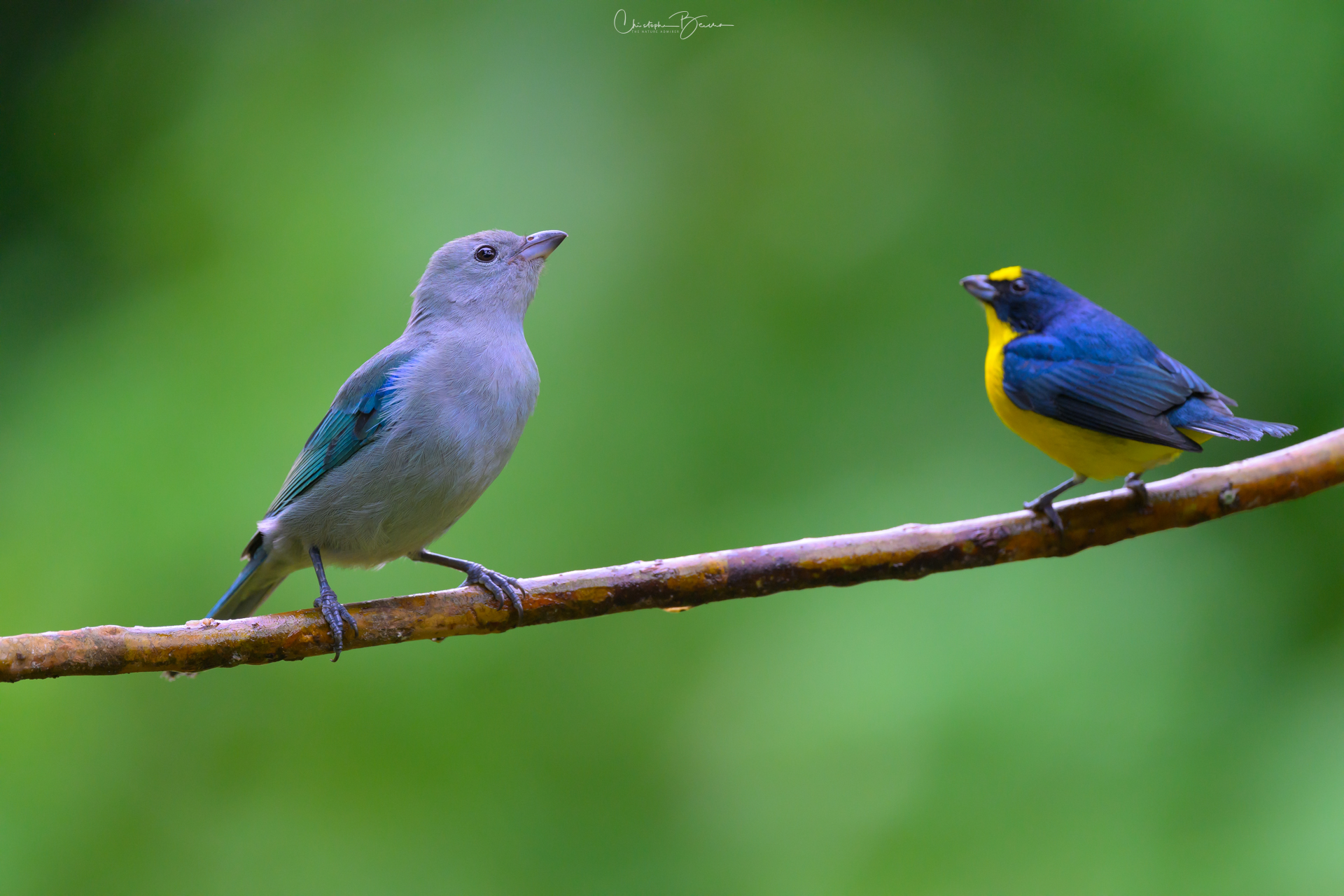
Inca Dove (Columbina inca)

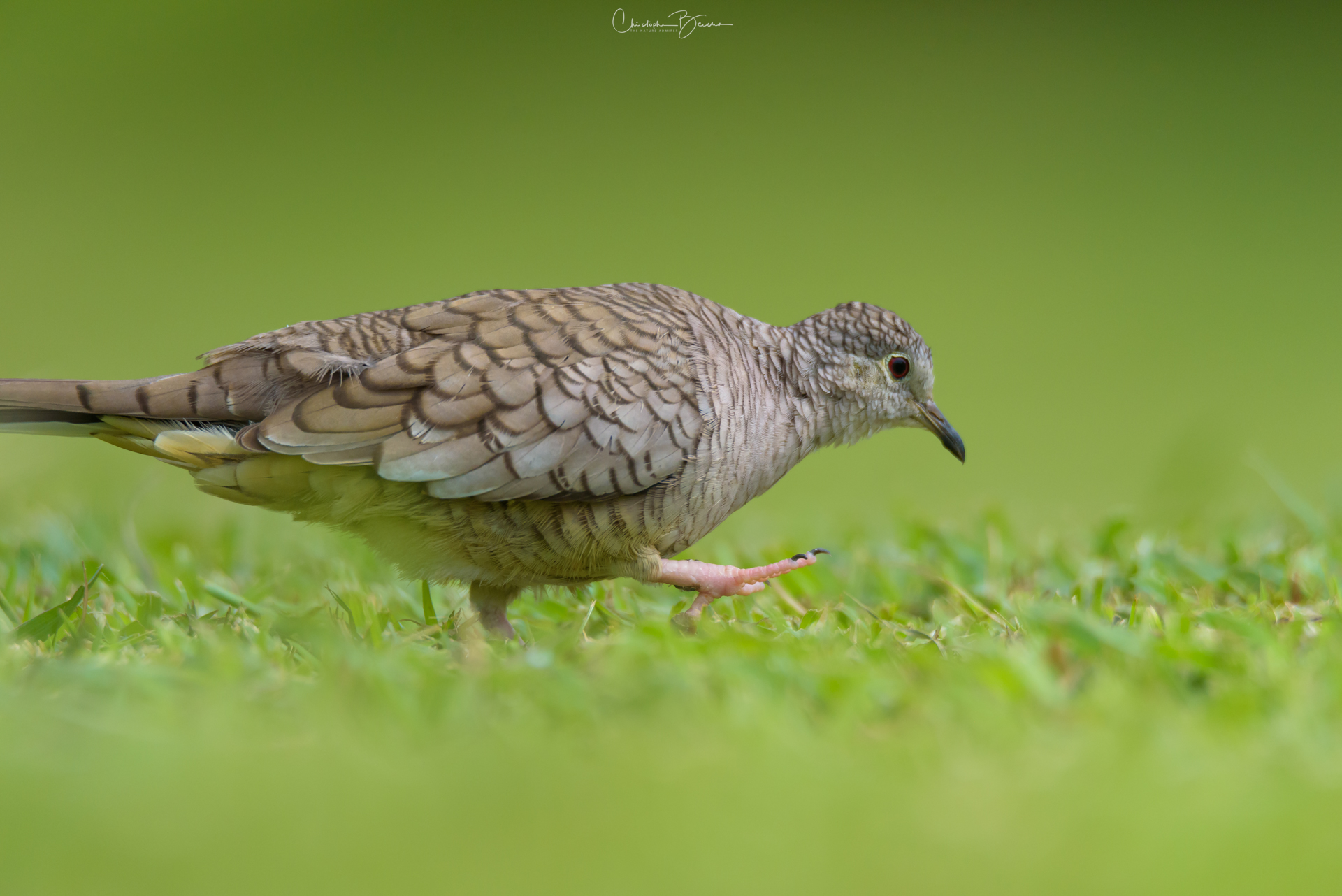
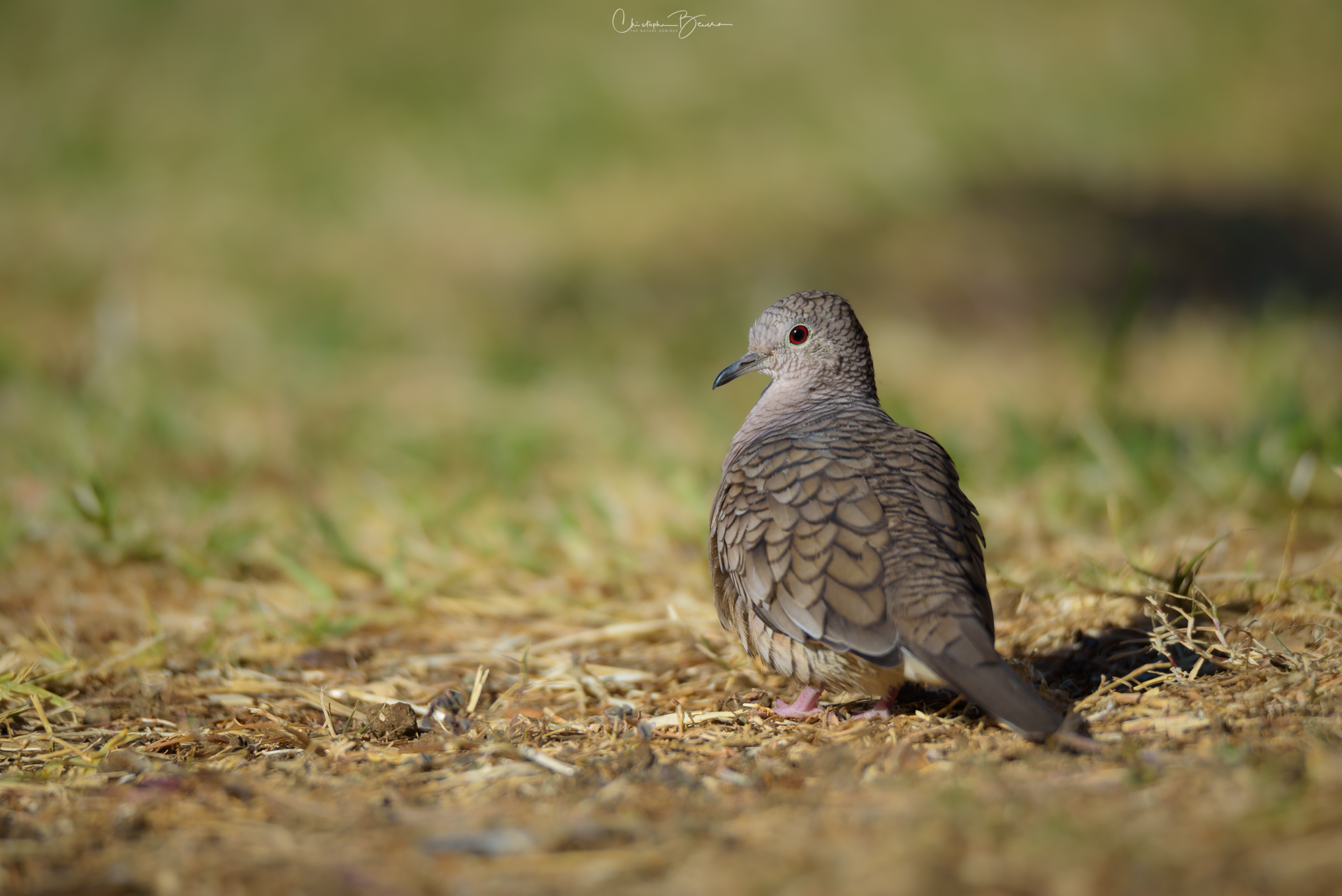
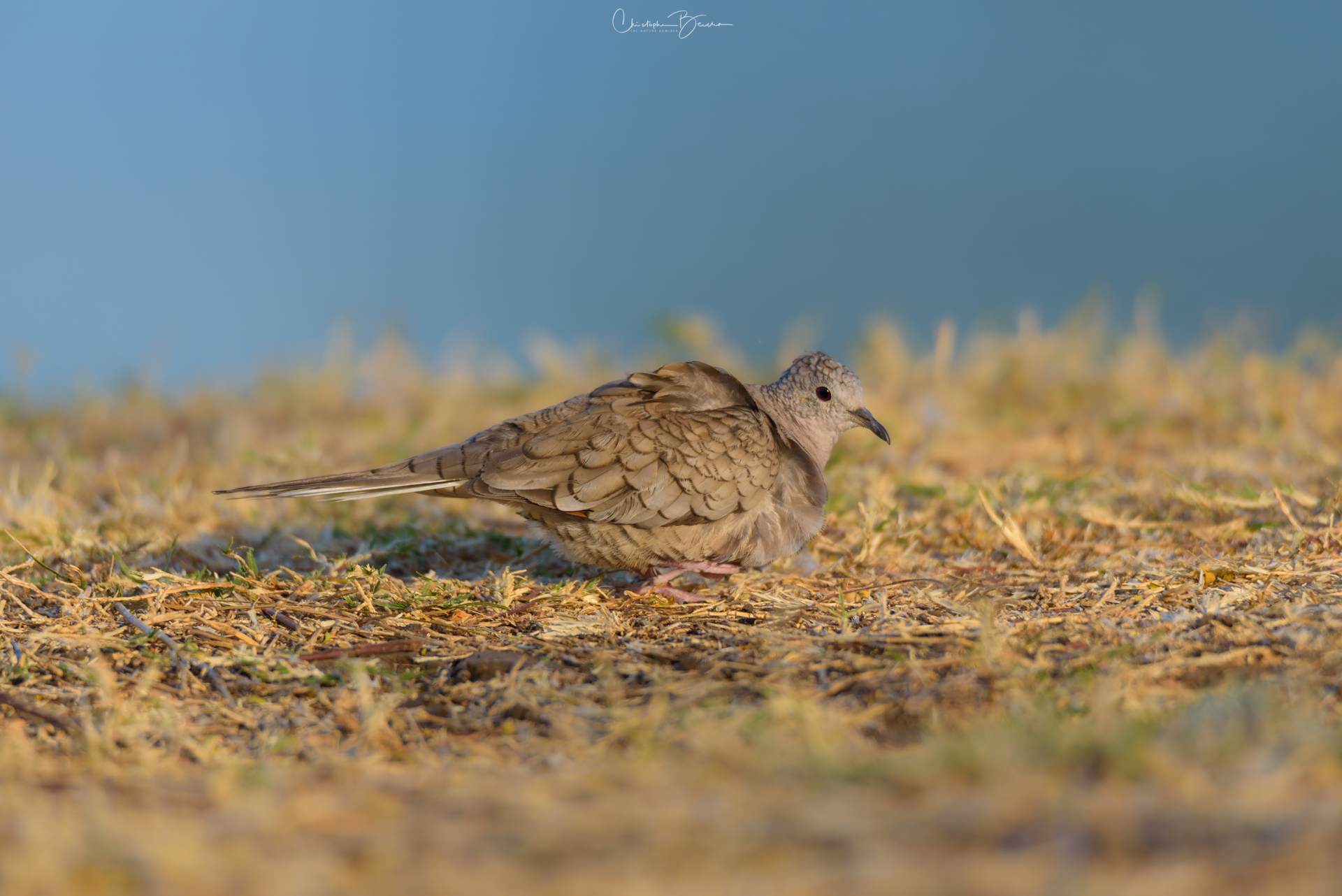
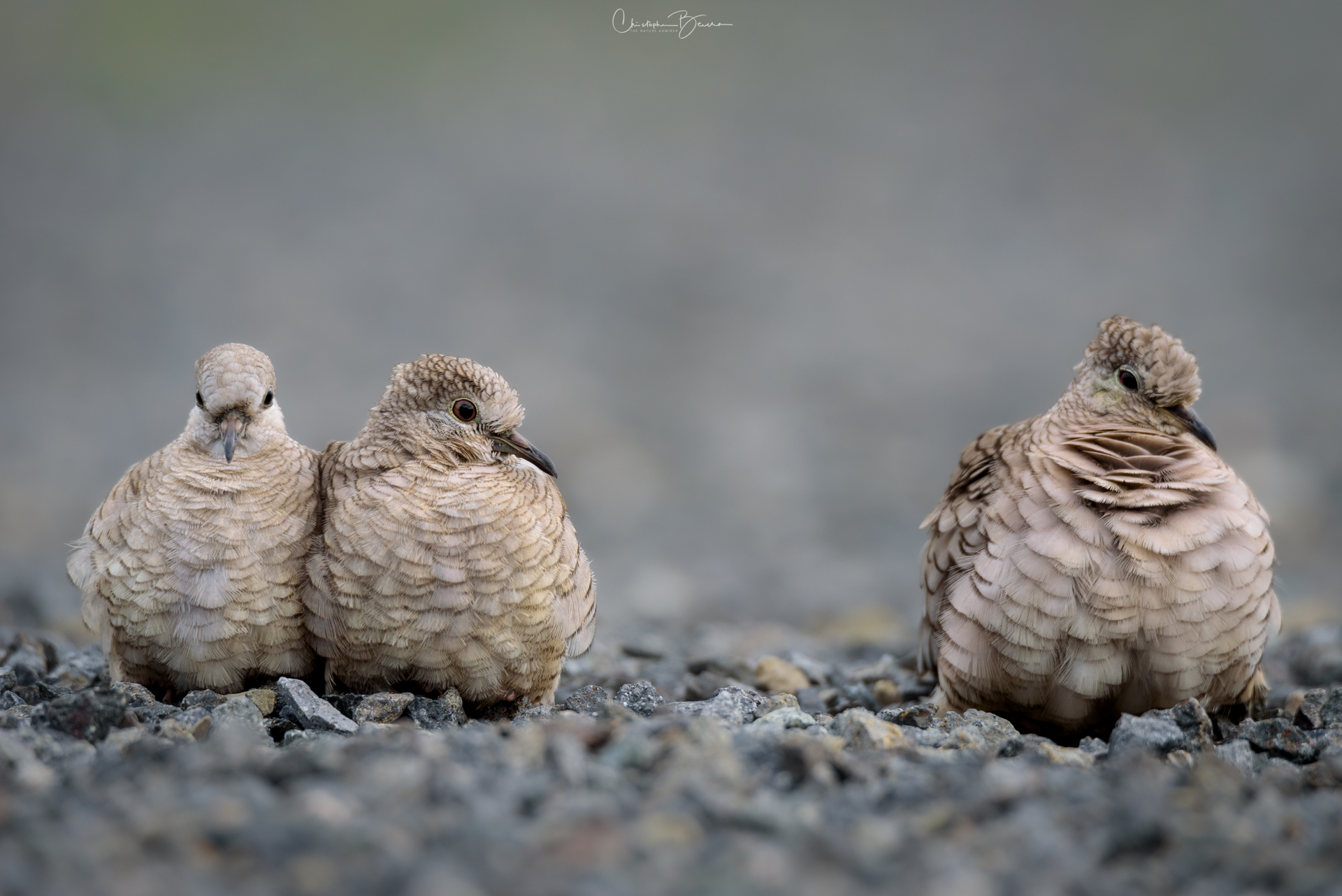
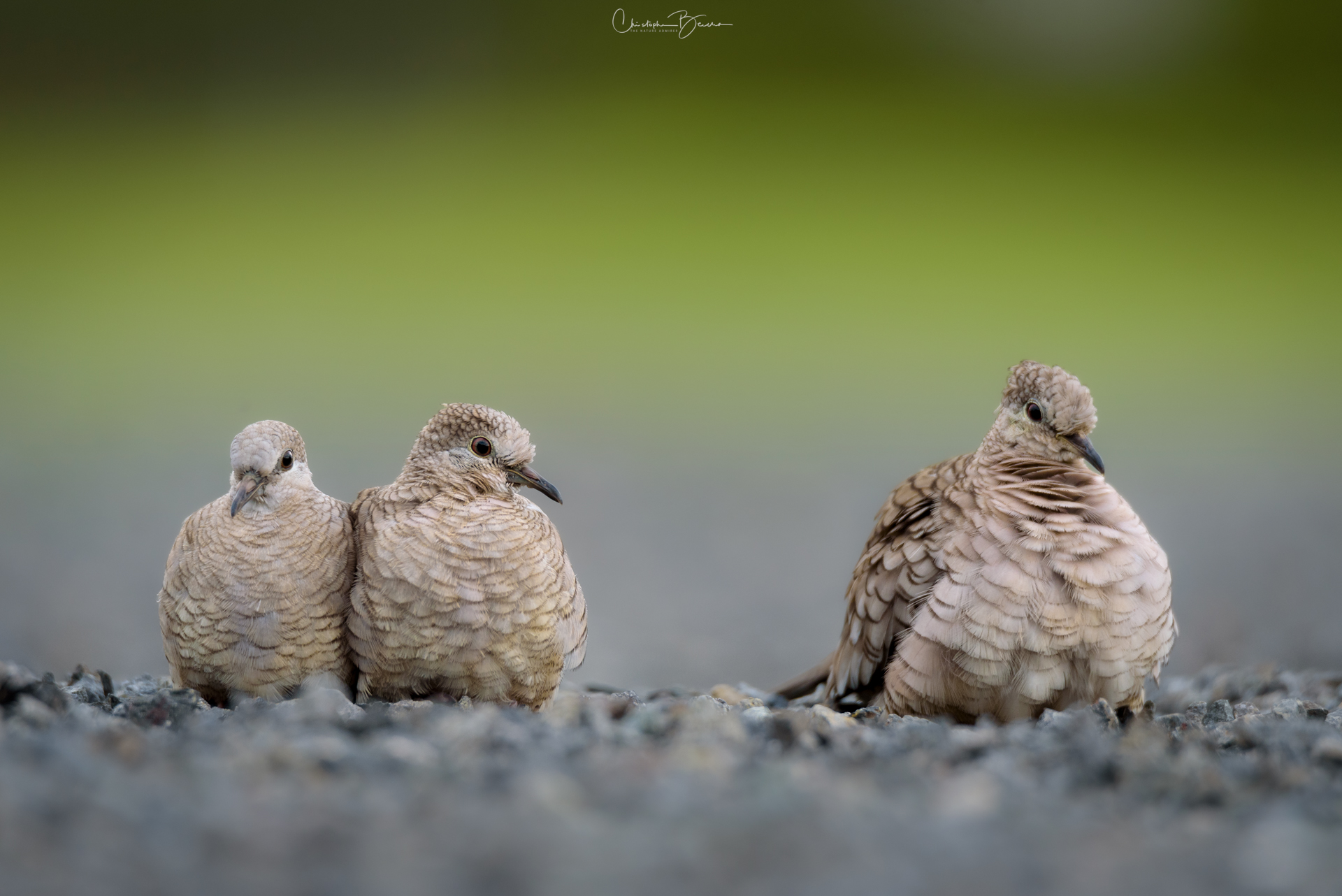
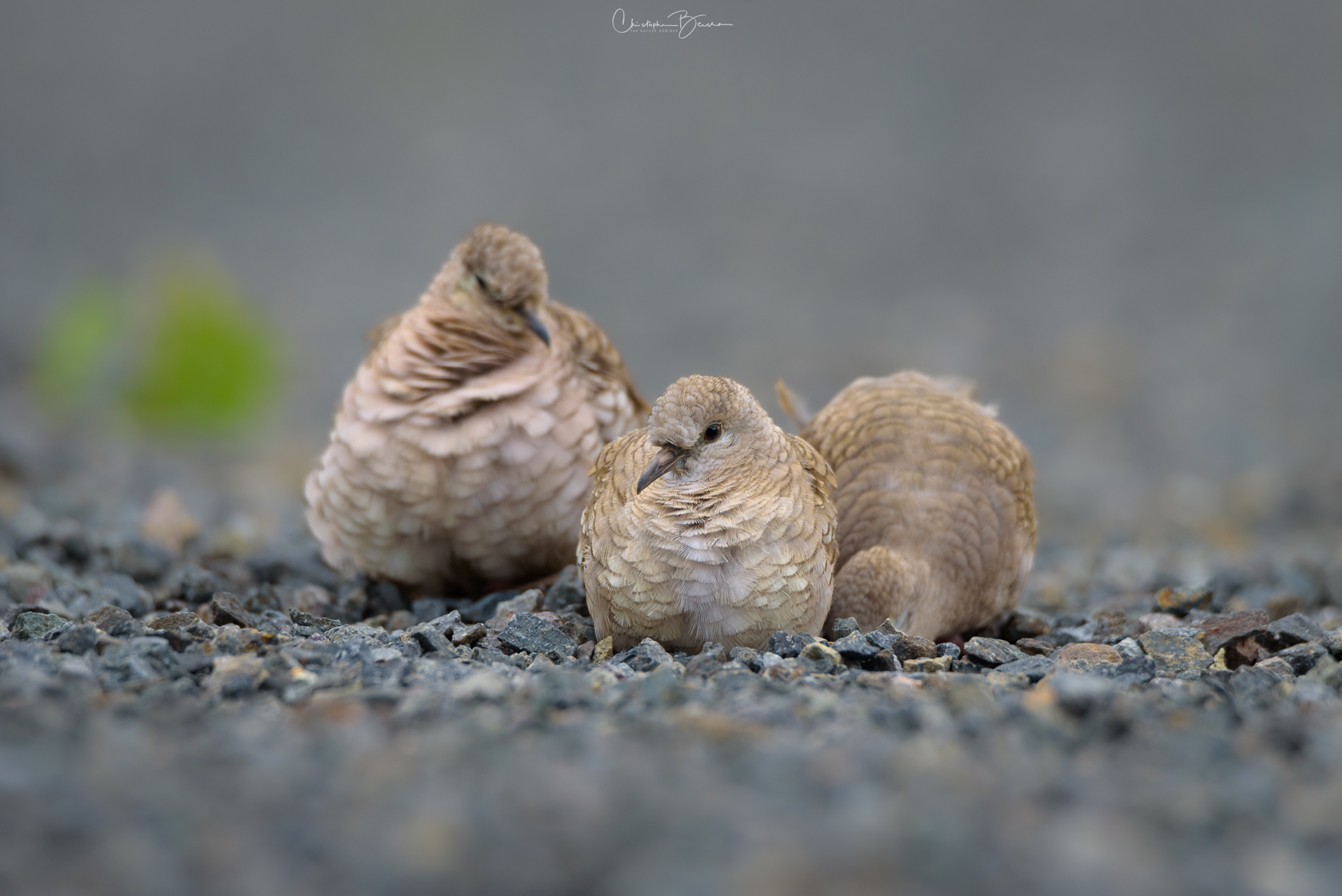
The inca dove is a small dove that forages mainly in the ground; it is very common in Ciudad Colón, along with the bigger White-winged Dove. They frequently perch in groups of three or four in branches, and groom each other with their bills. It has a scaled look, which helps them to camouflage in the ground, specially during the dry season when the grass turns yellow. Their iris is red and lacks any distinct orbital skin. In Costa Rica, there is a legend that essentially considered this species’ song a premonition of the death of a relative. Elders would say that if this dove was singing, then someone on the family would die. Due to this fame, they were hunted for much of the twentieth century by people who believed in the story. Nowadays, their song is very much melancholic, but the legend has not been carried on for the younger generations, so they no longer face this threat.
Ruddy Ground-Dove (Columbina talpacoti)

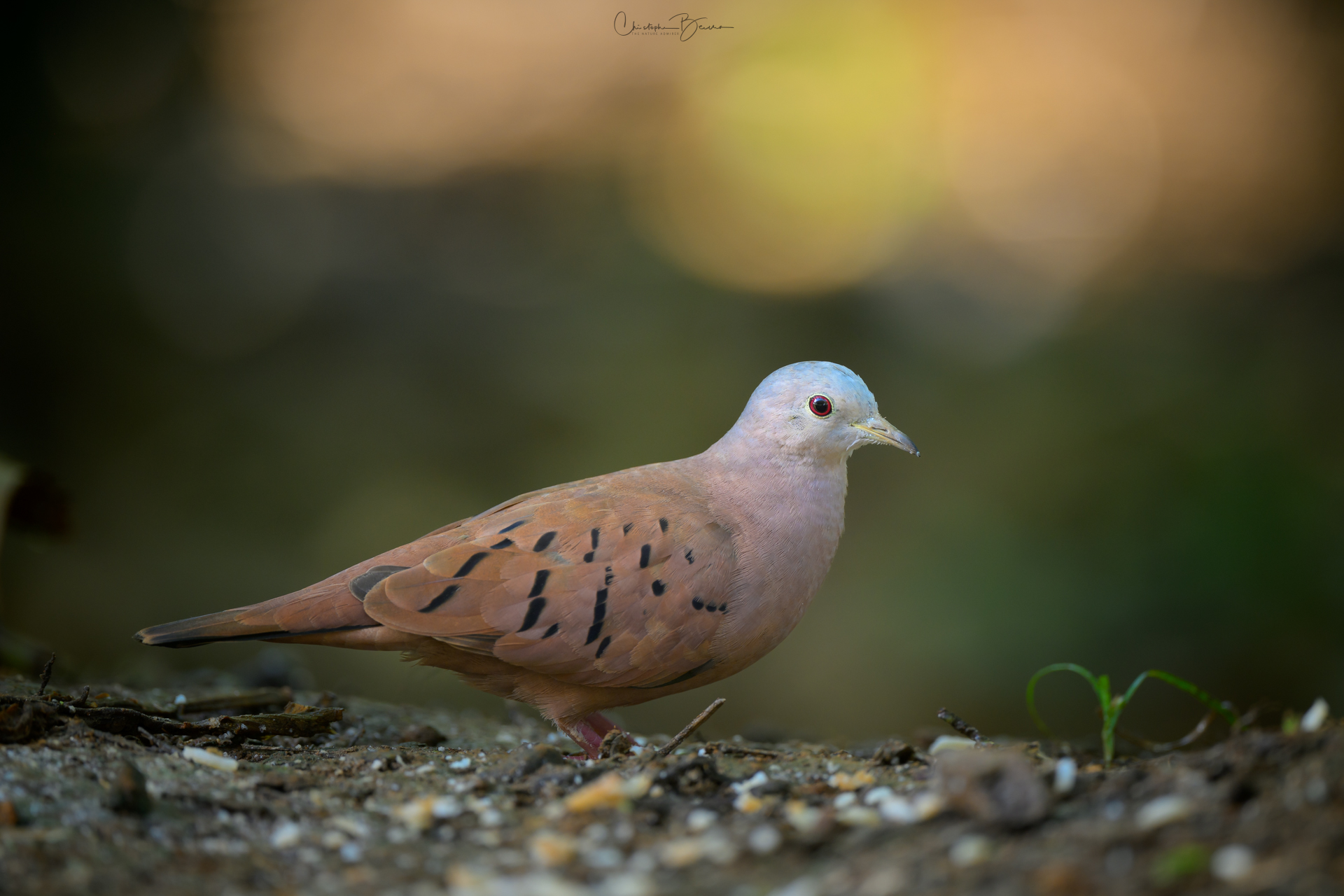
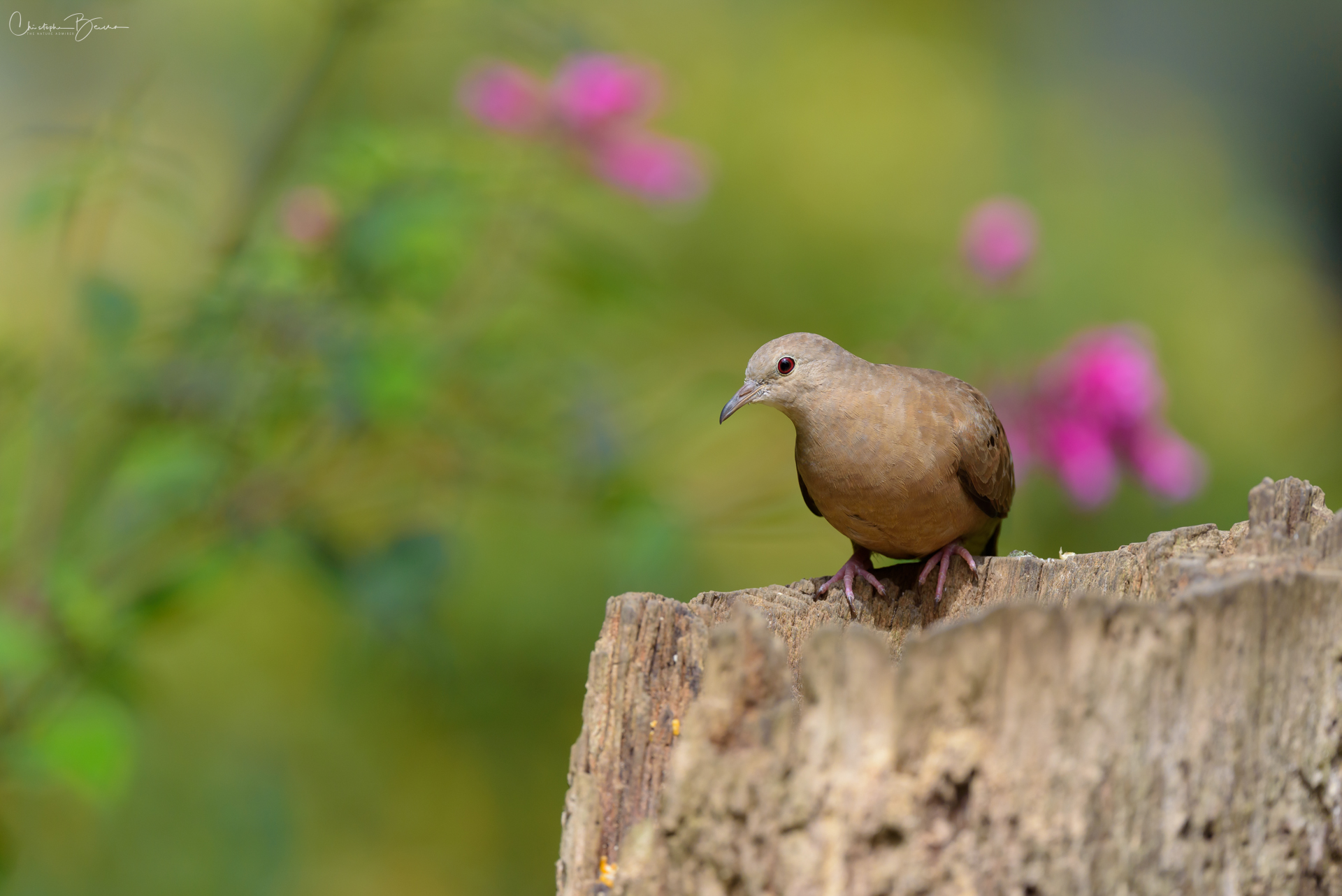
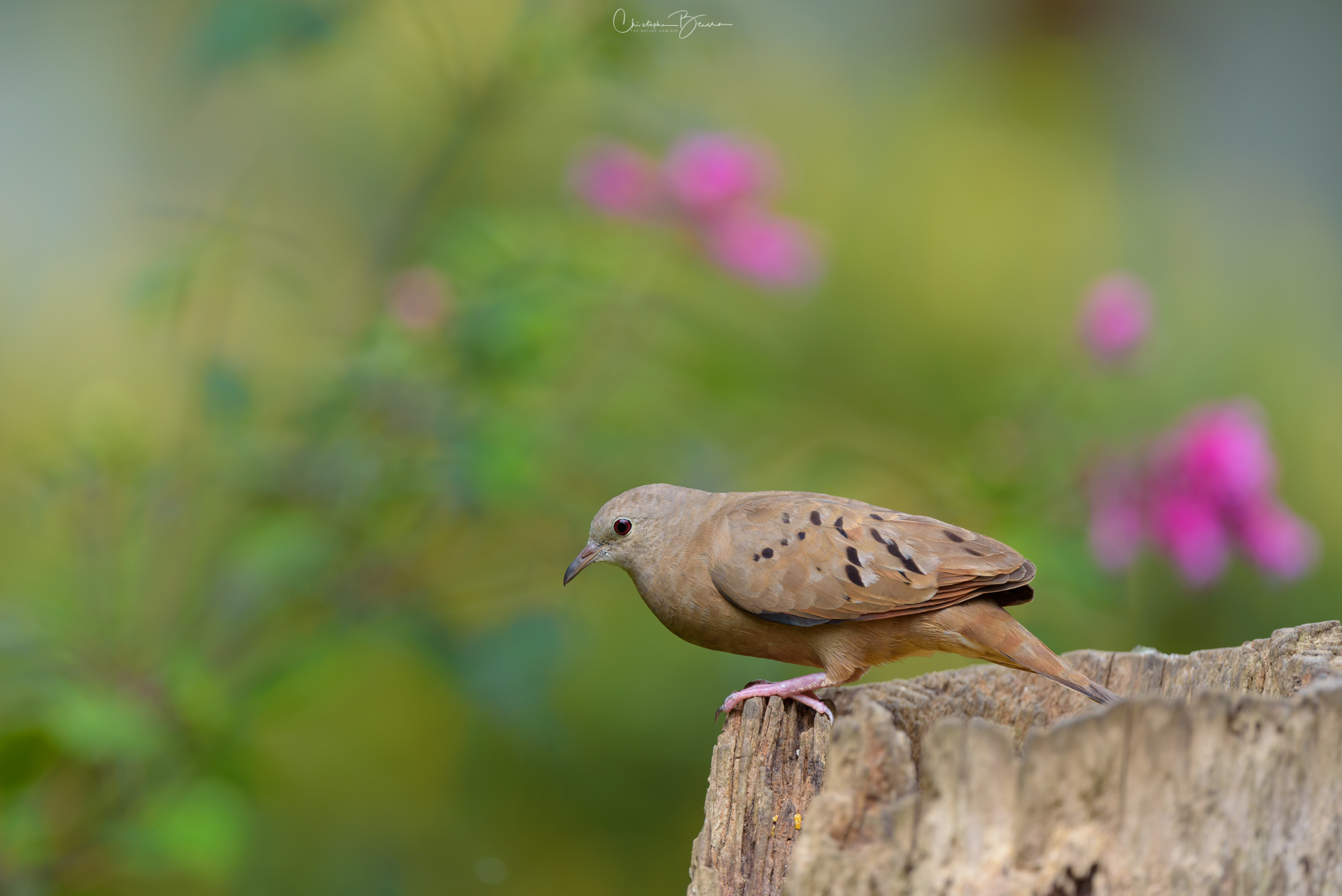
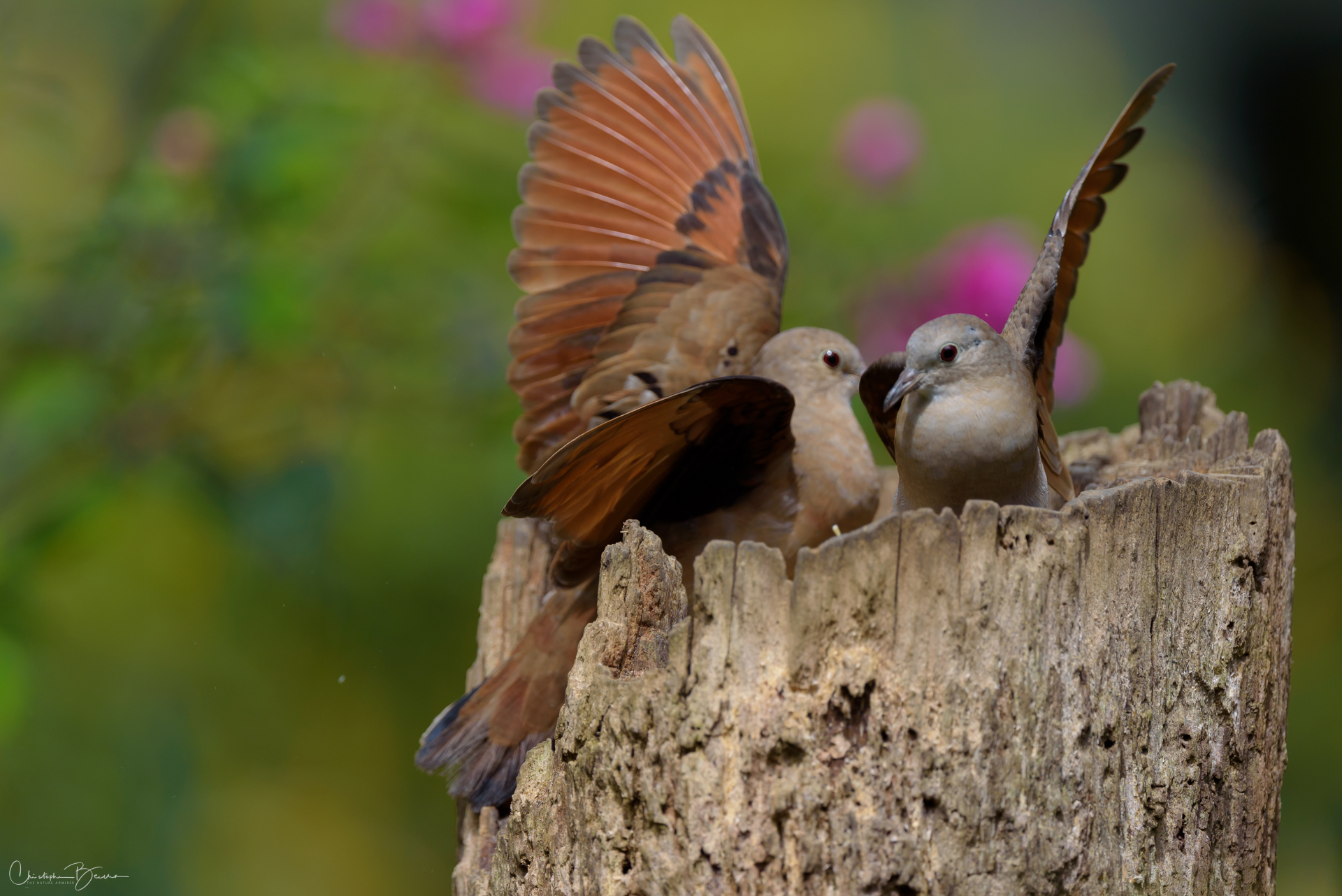
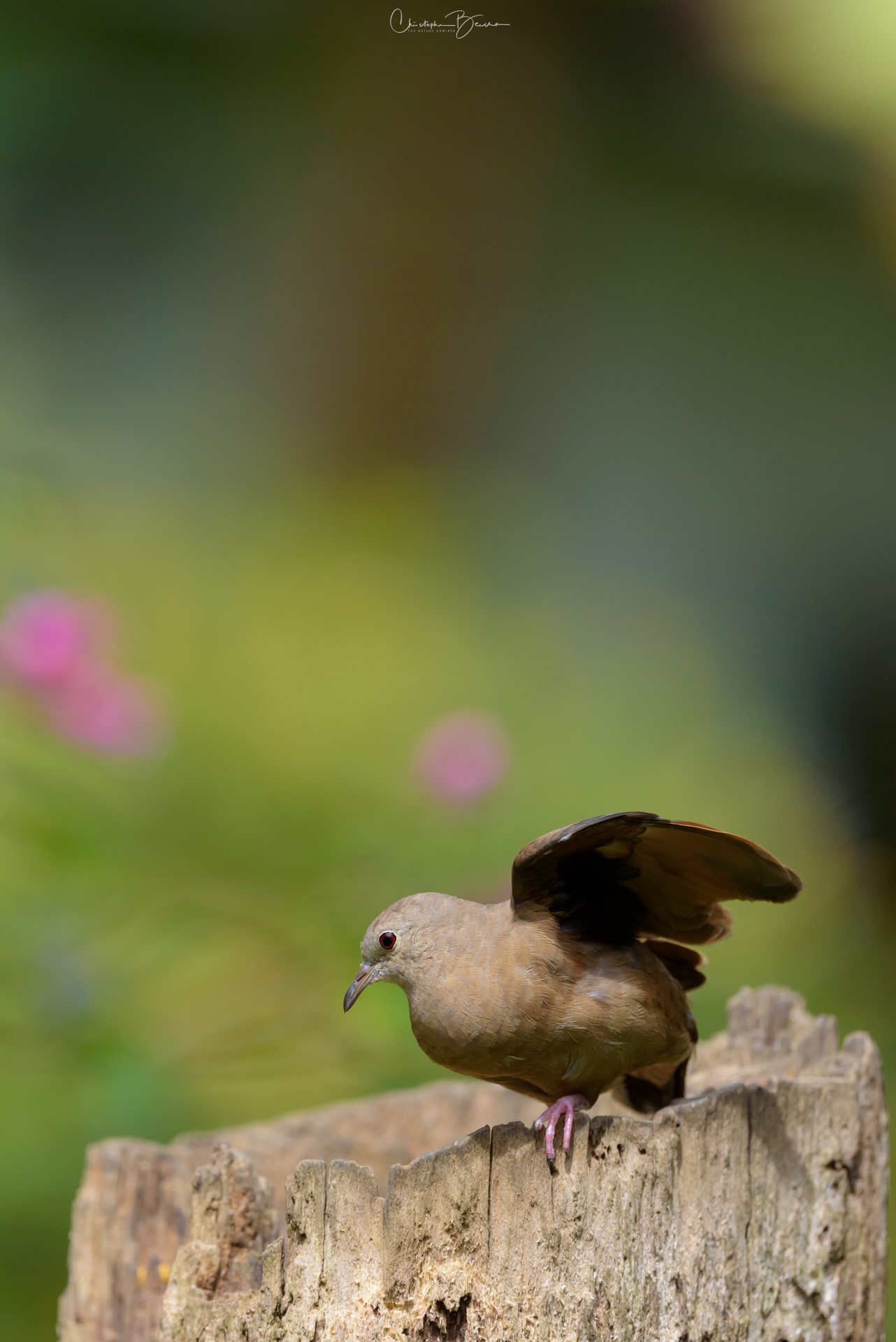
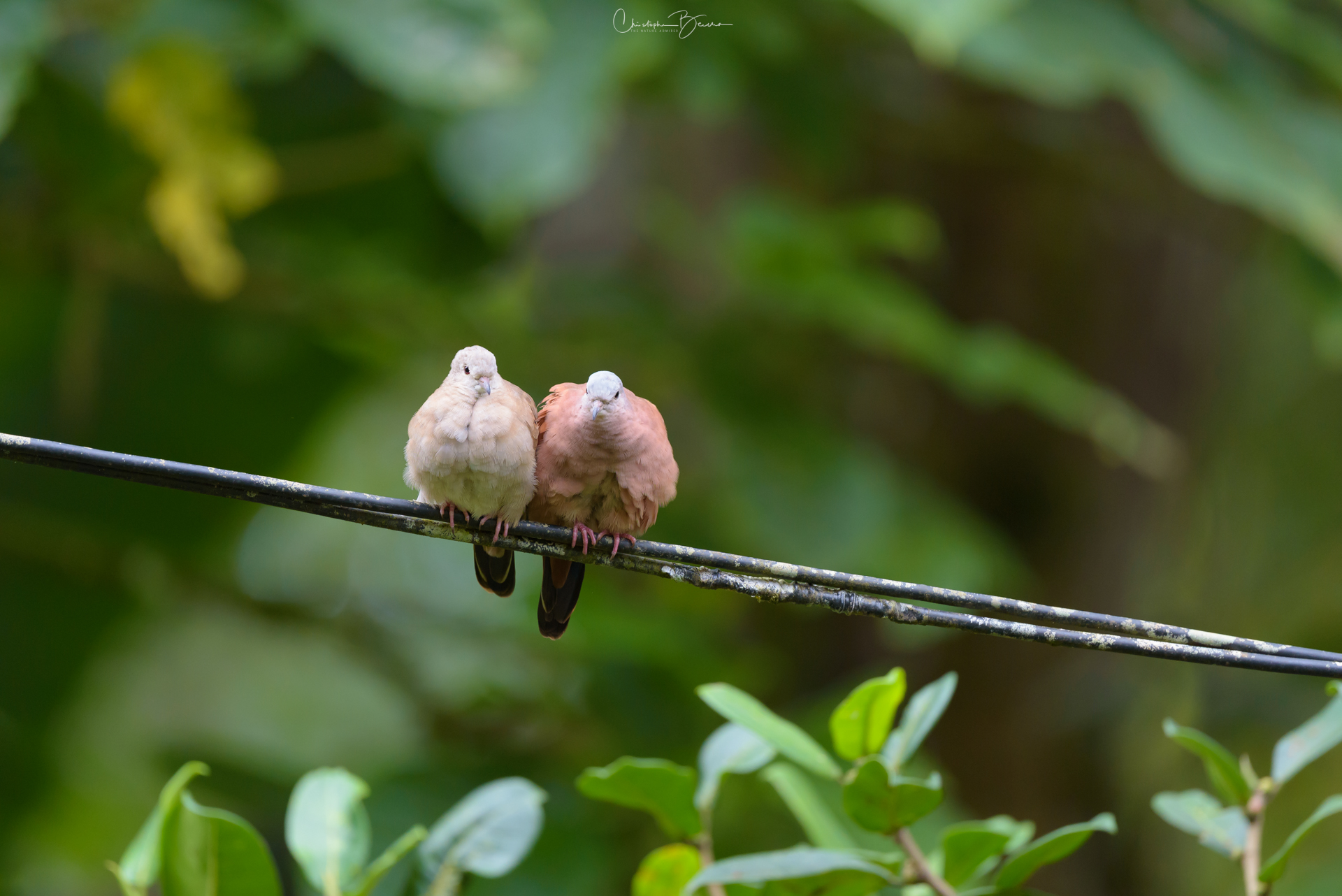
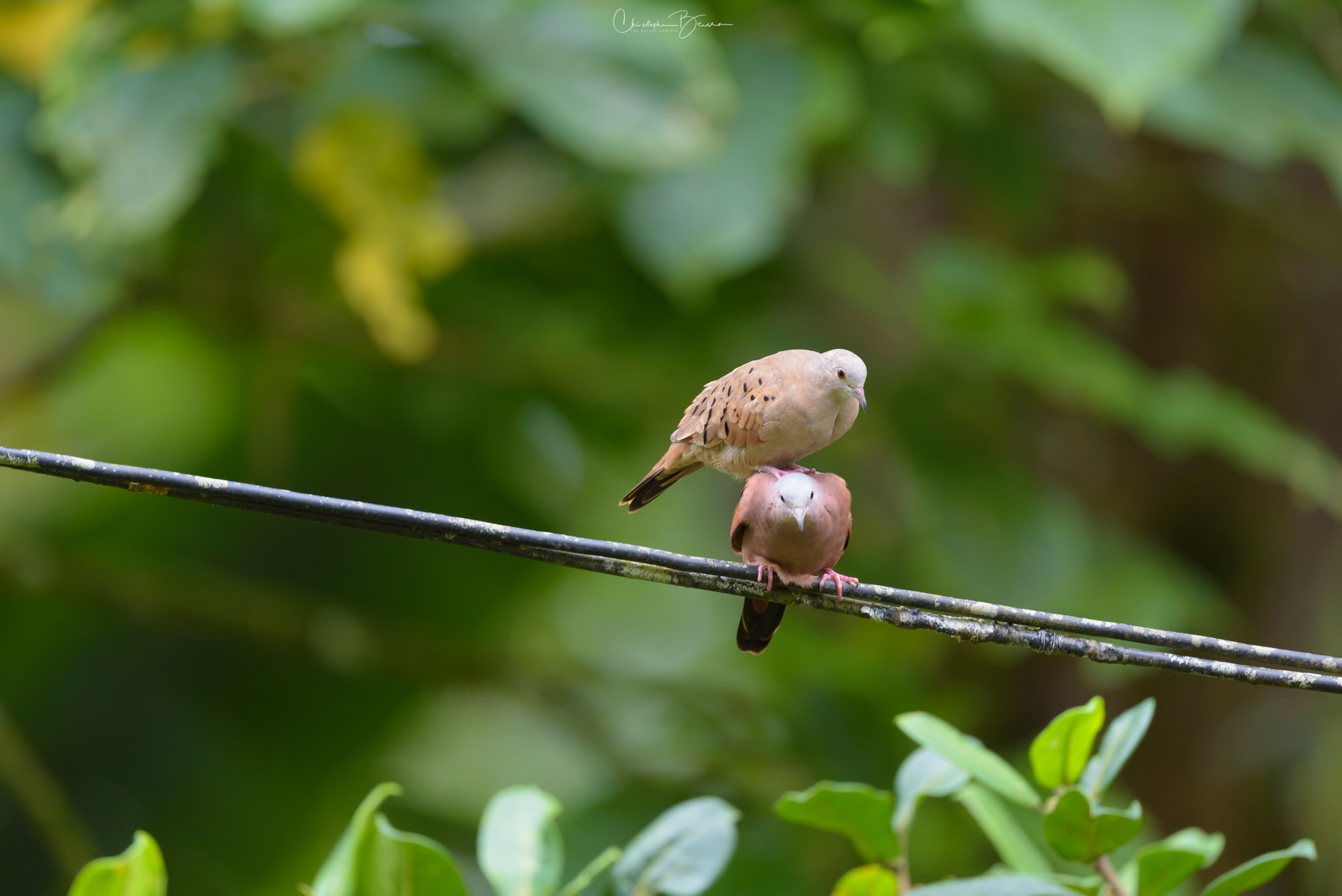
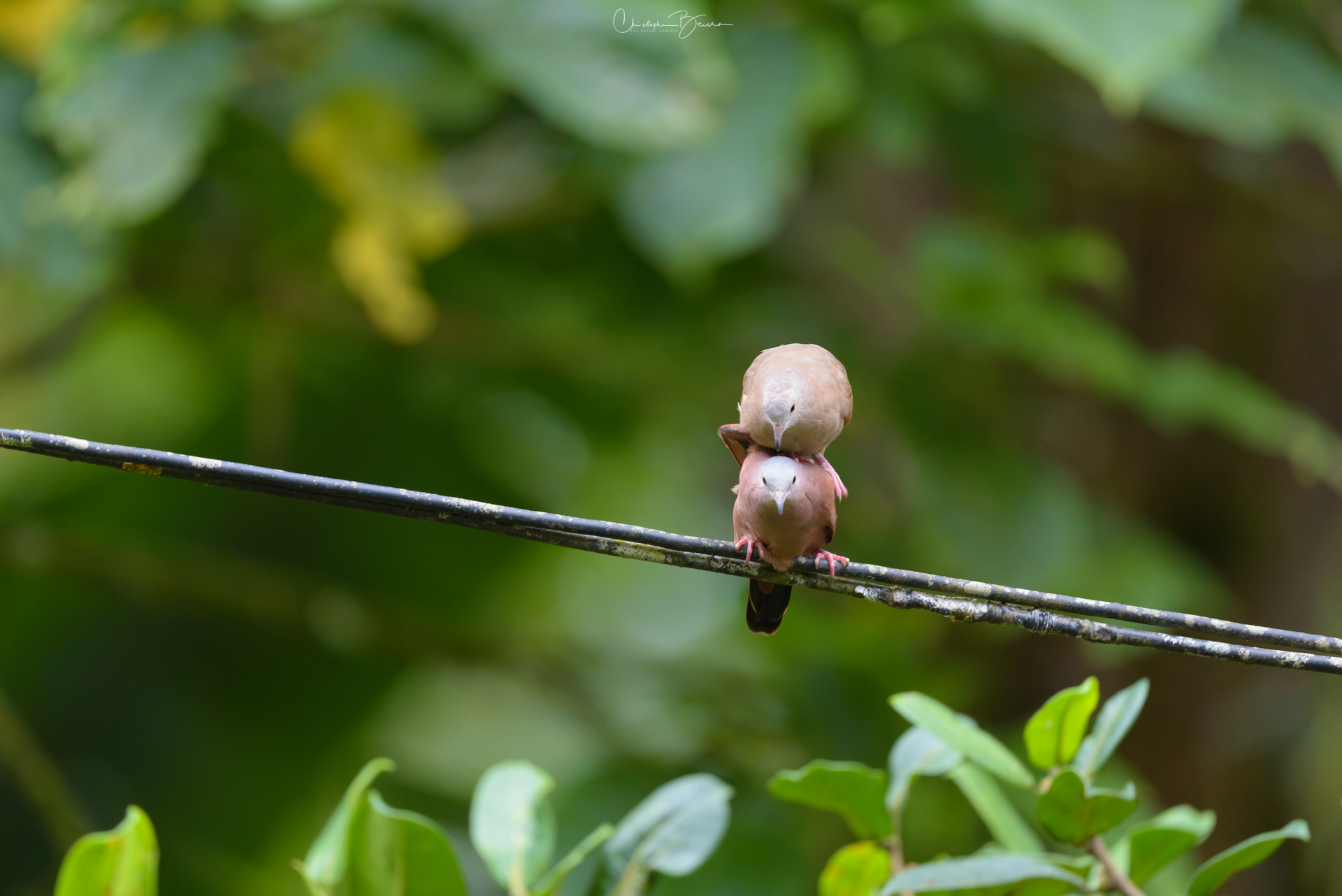
The Ruddy Ground-Dove is a small dove that as implied by the name, forages primarily in the ground, and uses perches when startled or to roost. It is found almost all around the country. The male is distinctive with its reddish color, while the female is a lot duller, nearly gray in coloration. They are very wary of people and will start walking hurriedly if one approaches, then fly away very fast if one is getting too close to be comfortable.

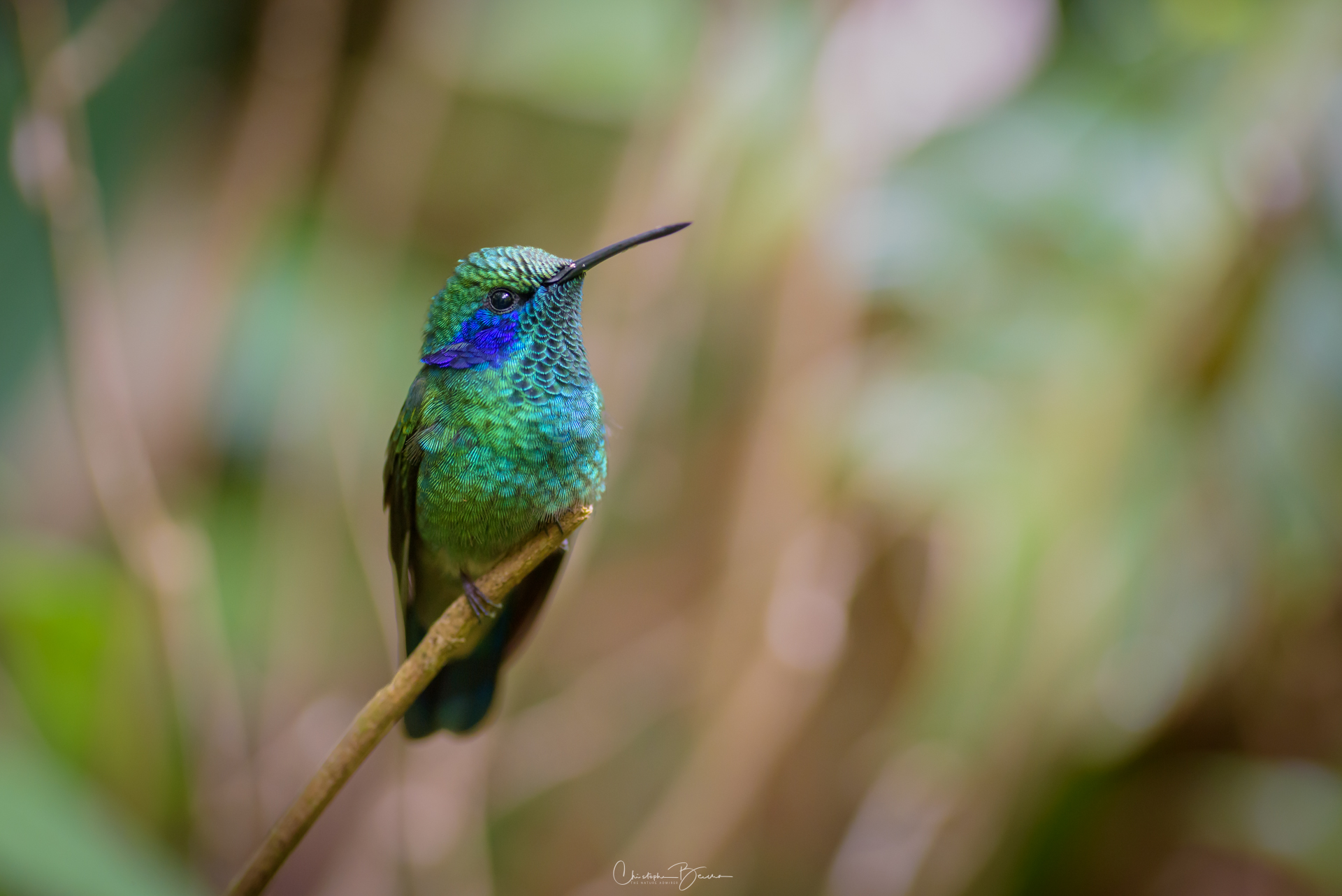
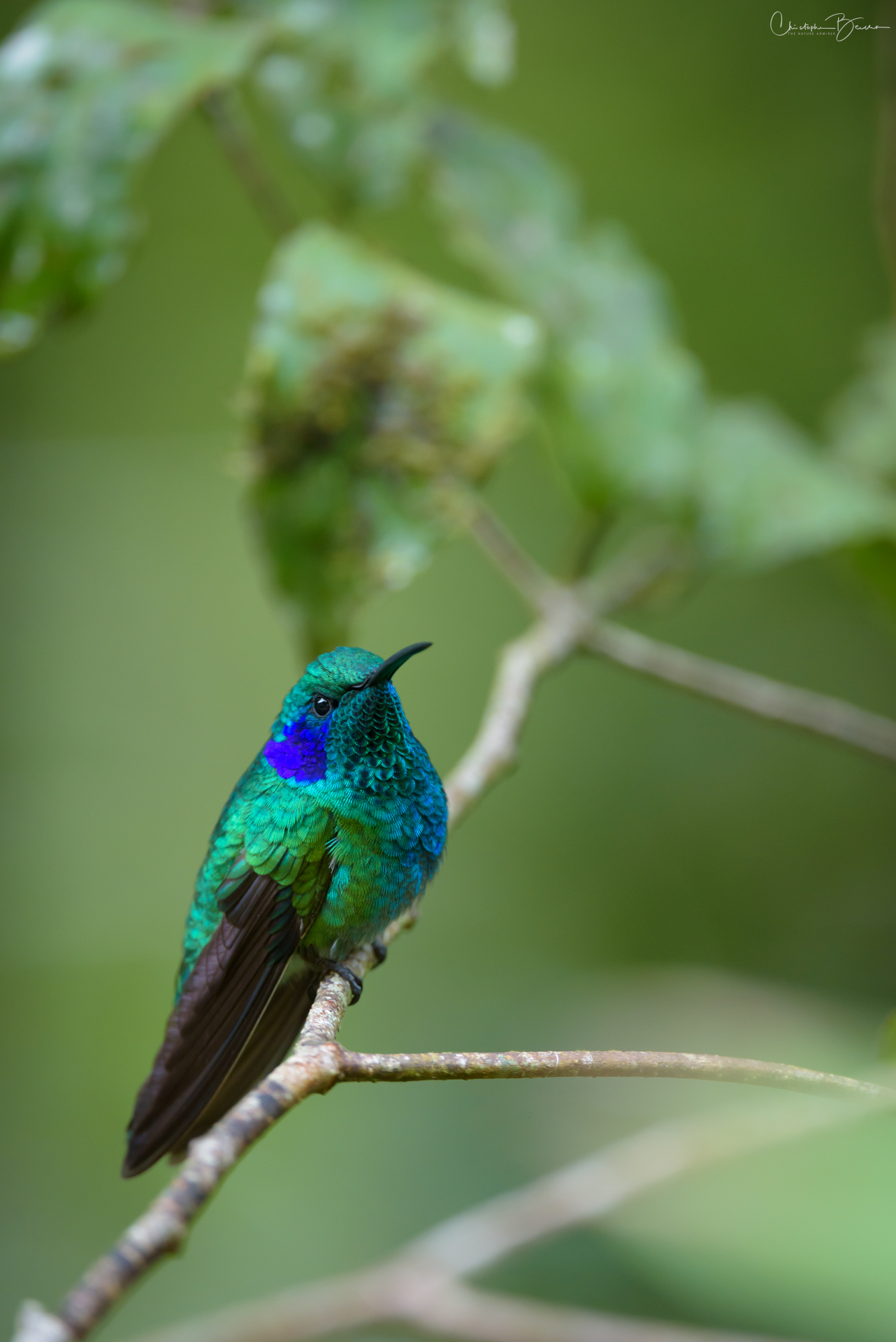
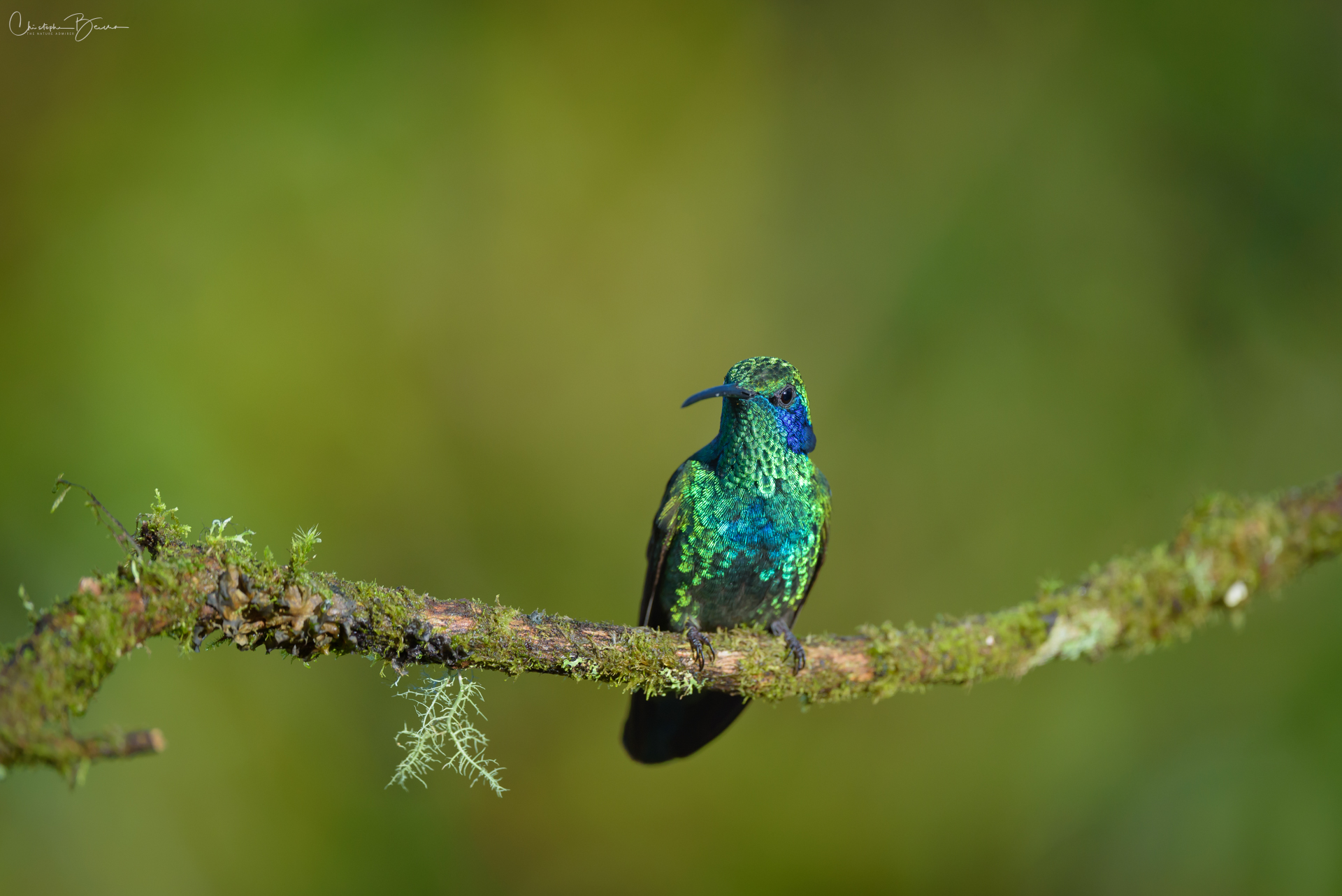
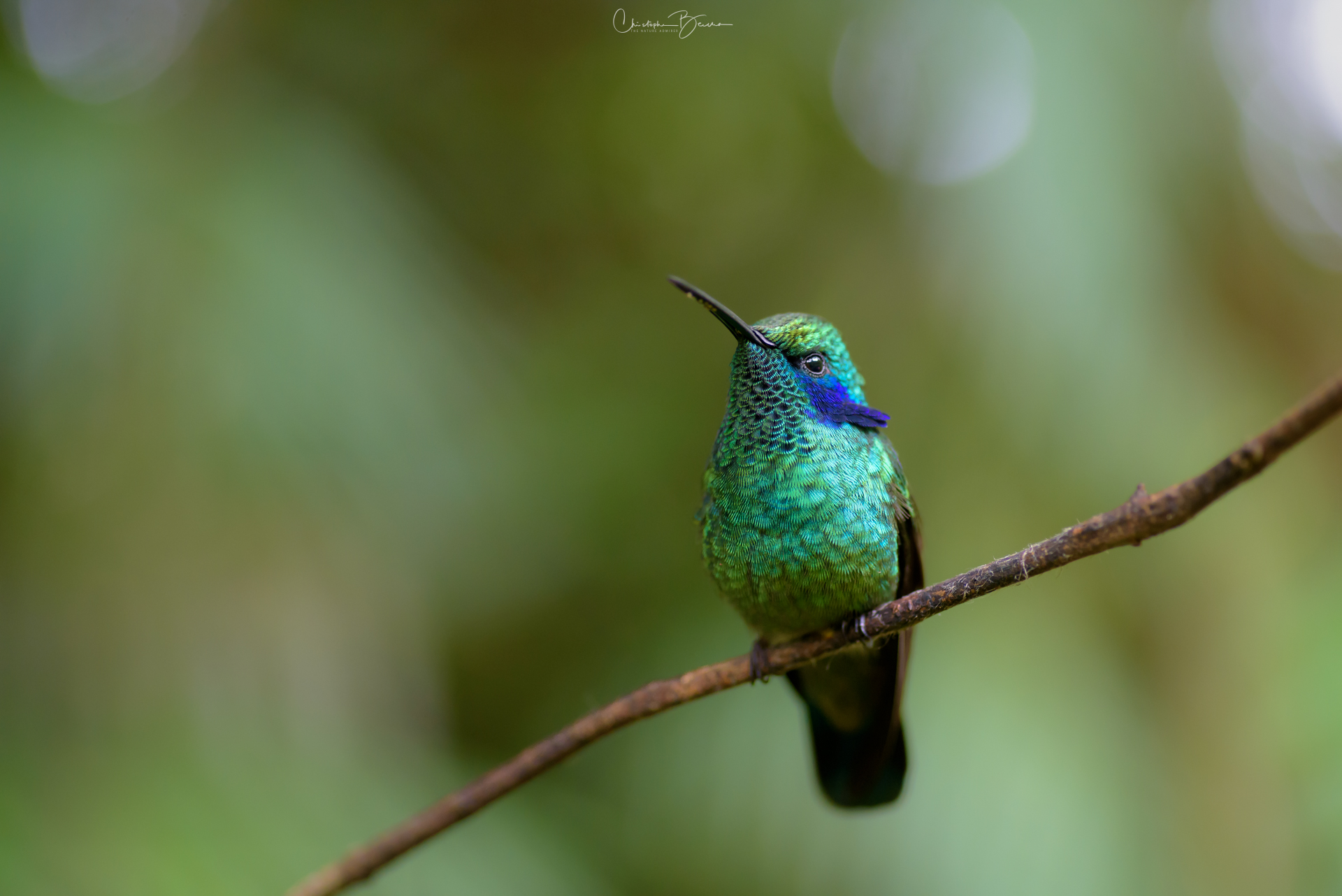
Lesser Violetear (Colibri cyanotus)

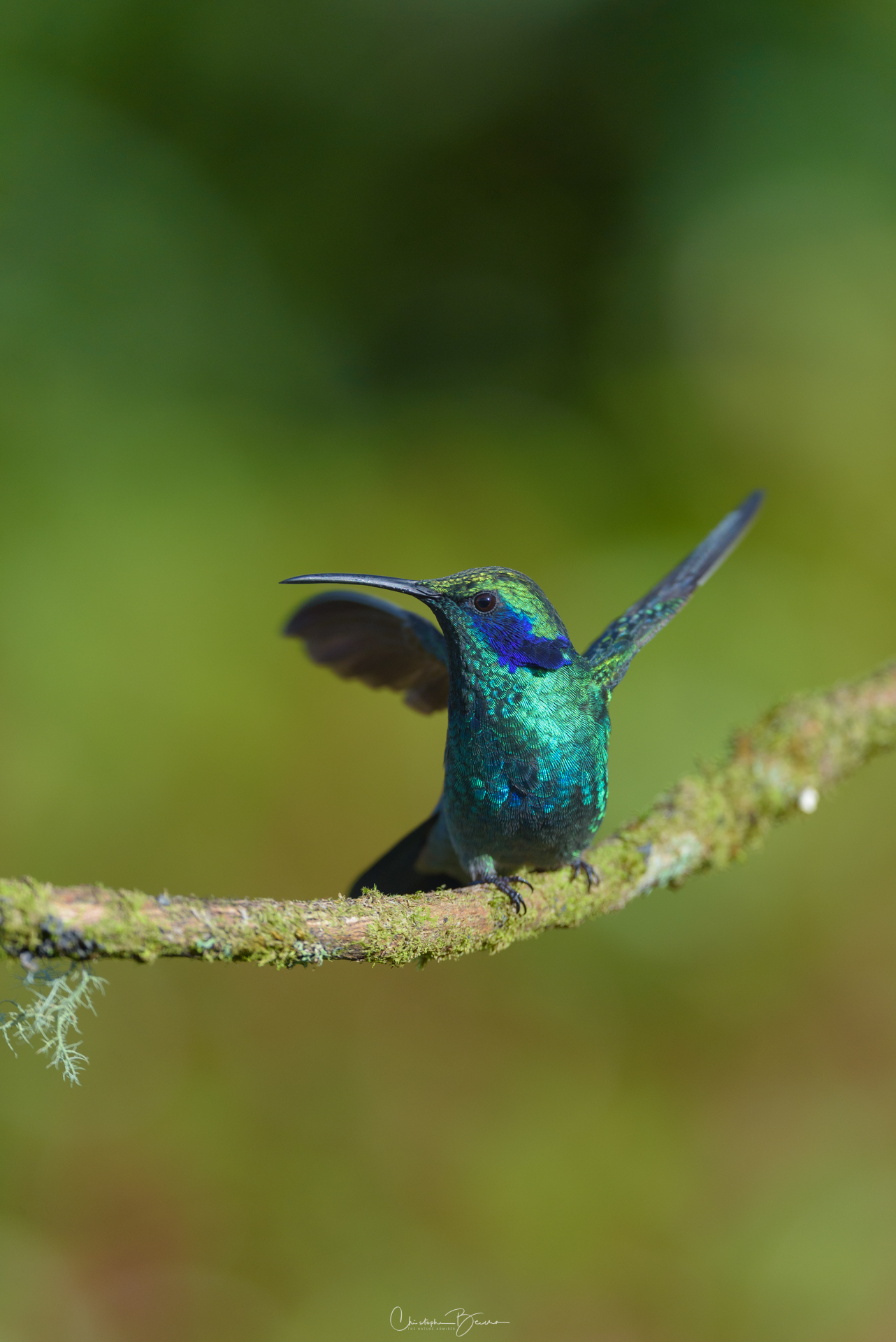
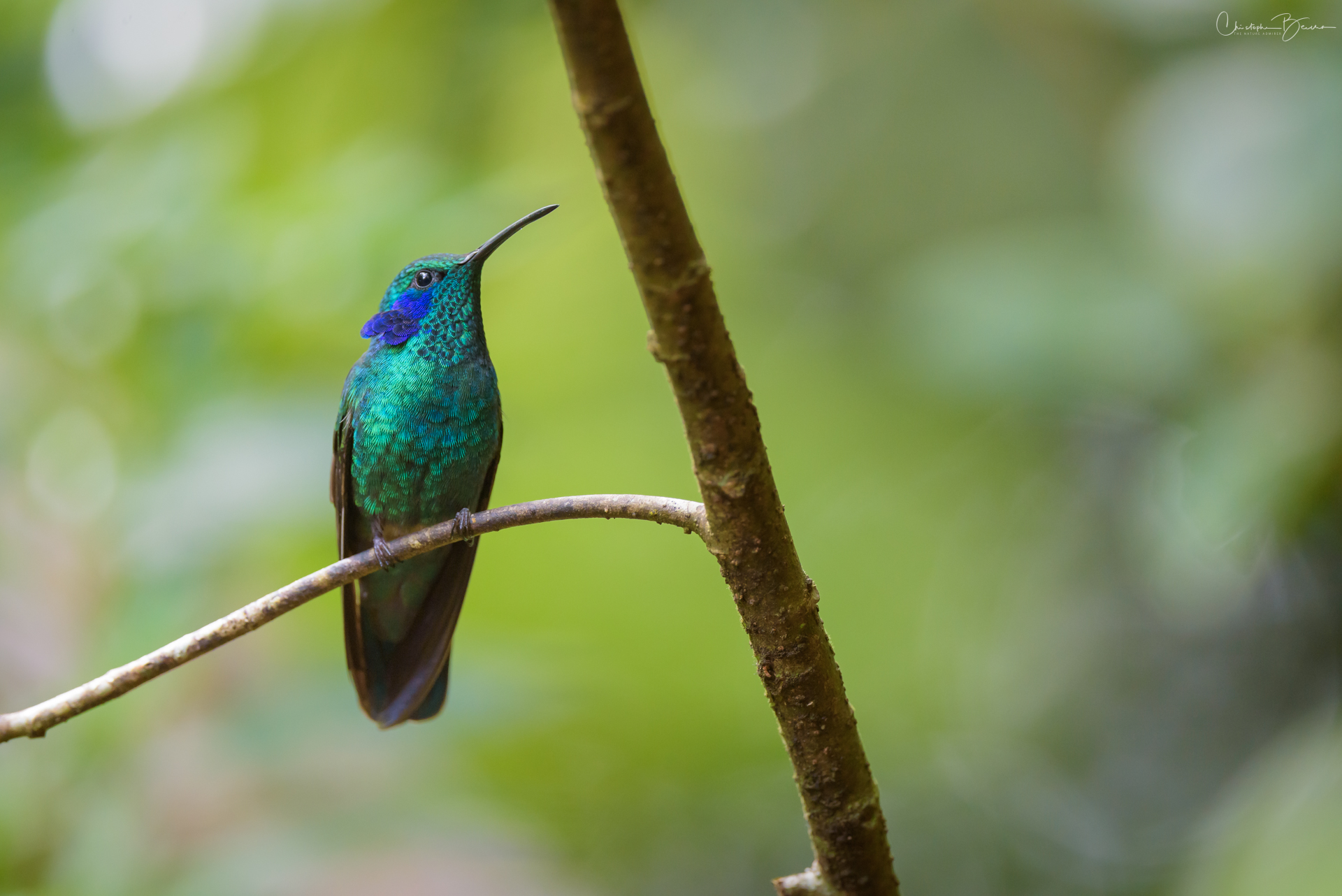
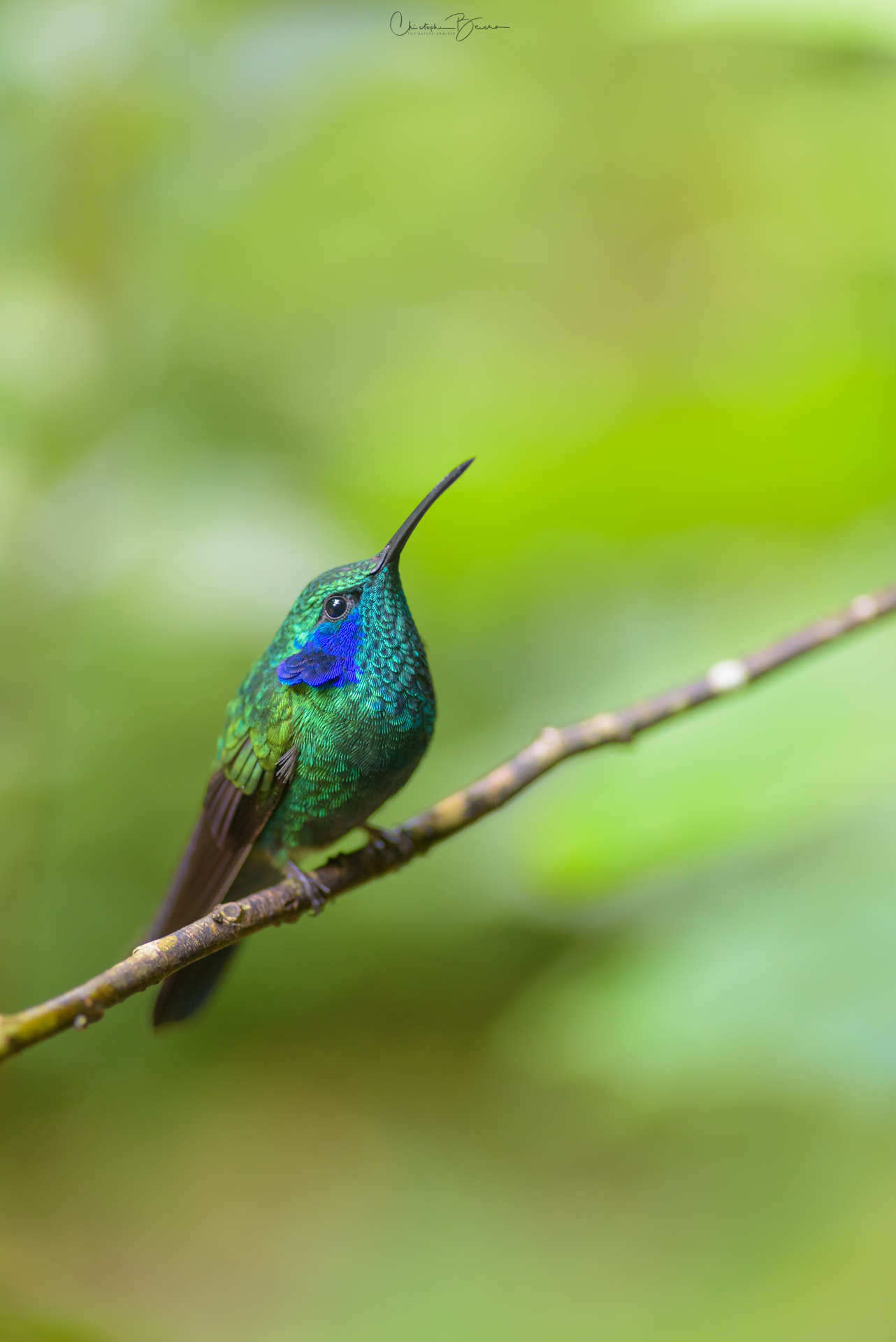
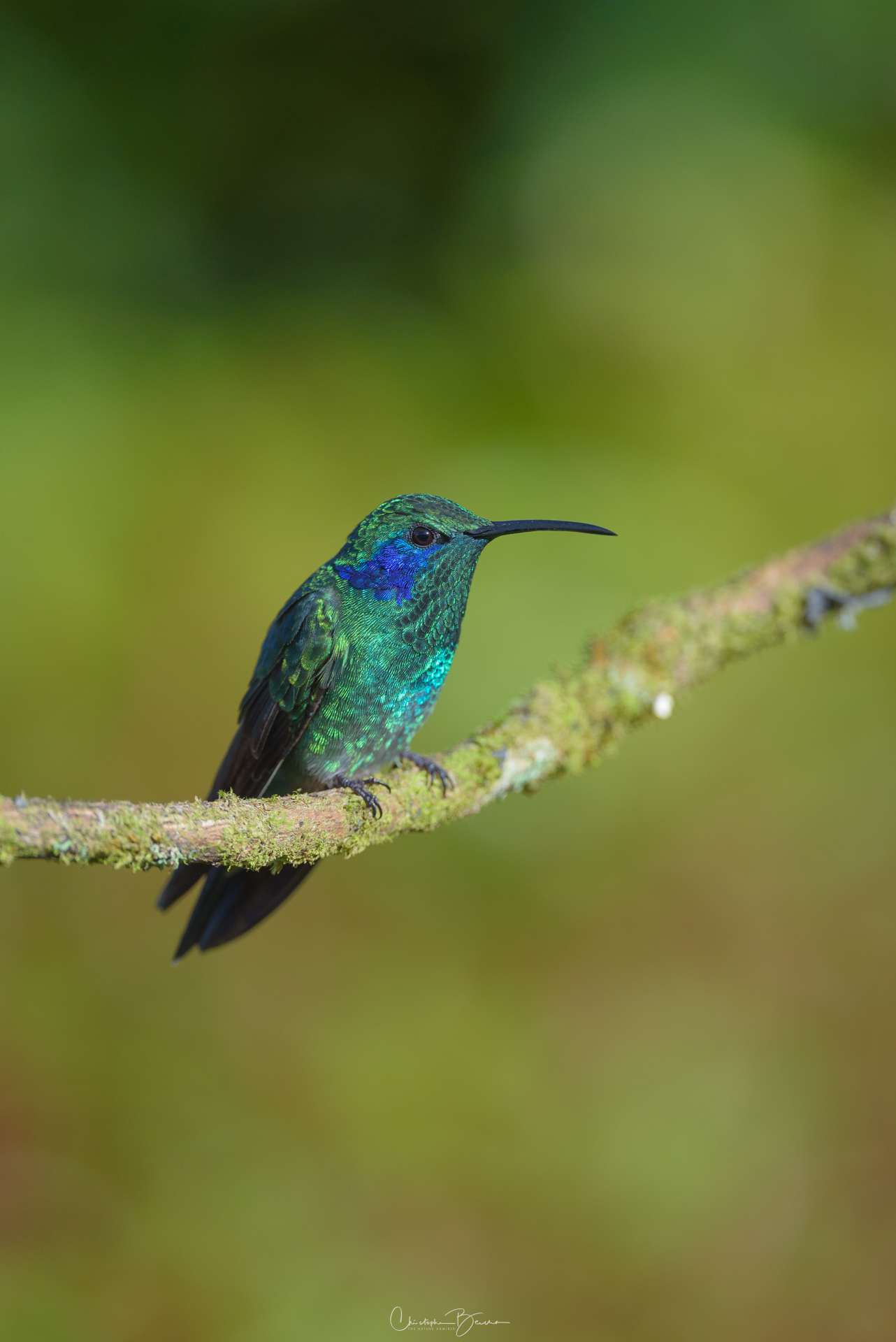
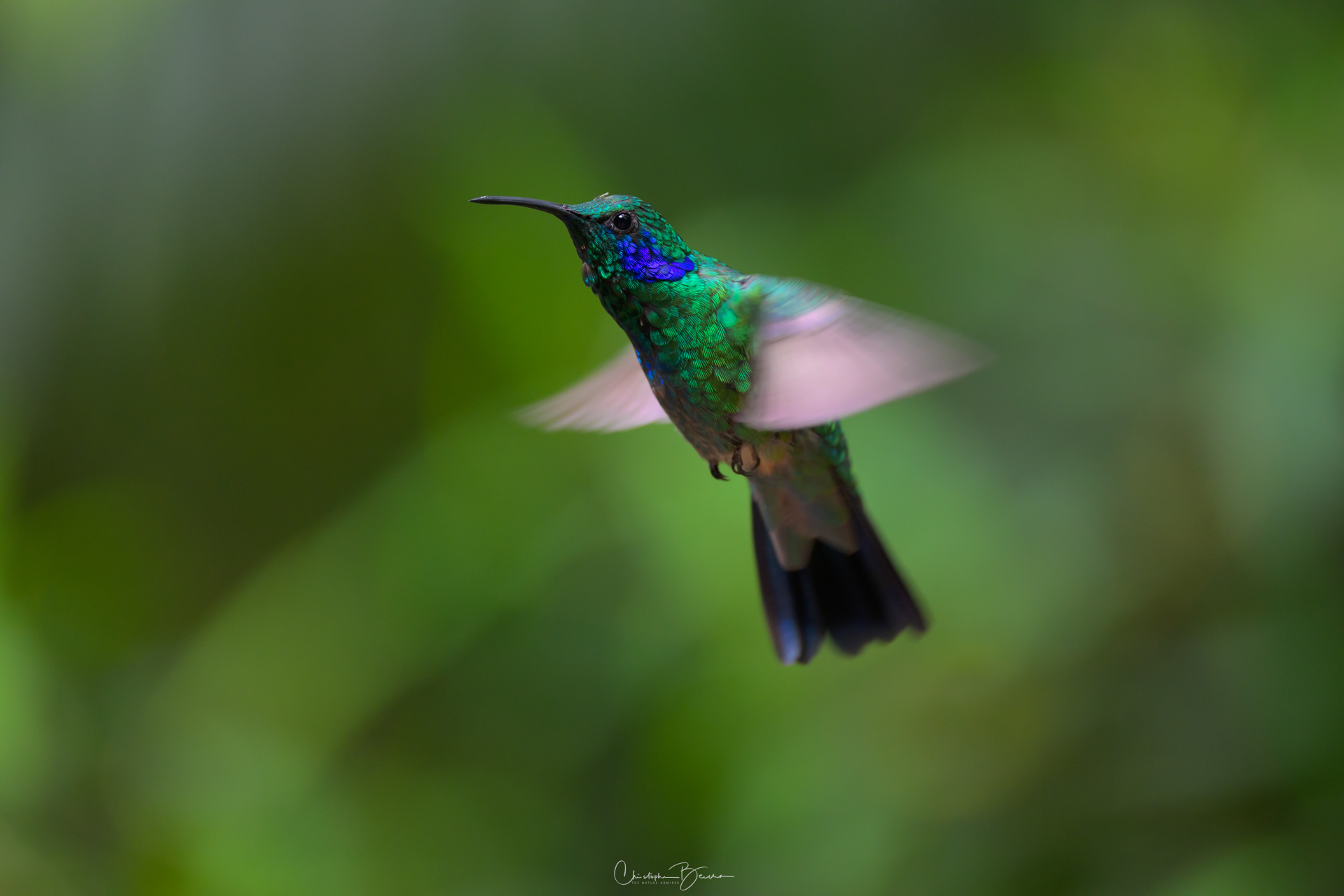
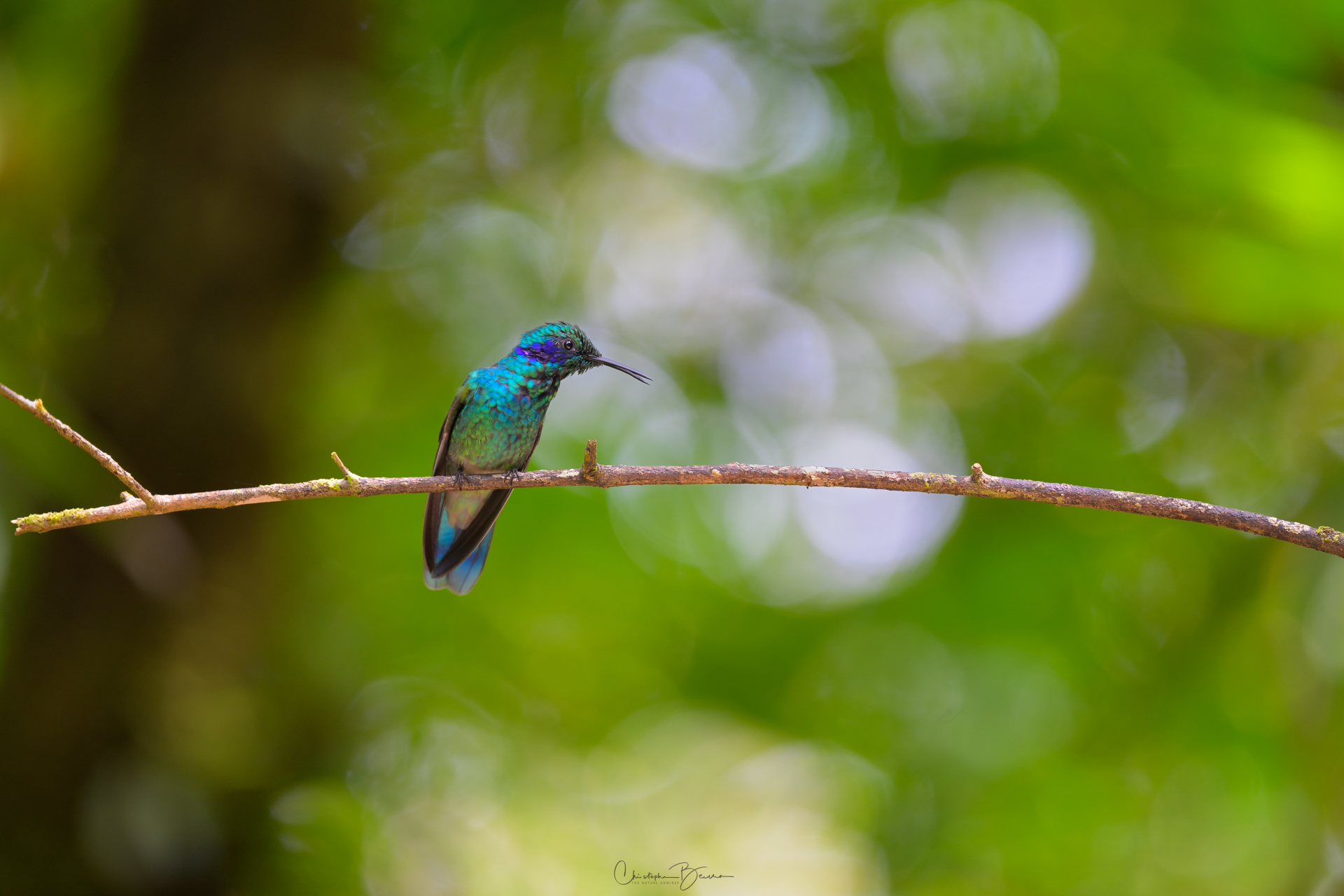
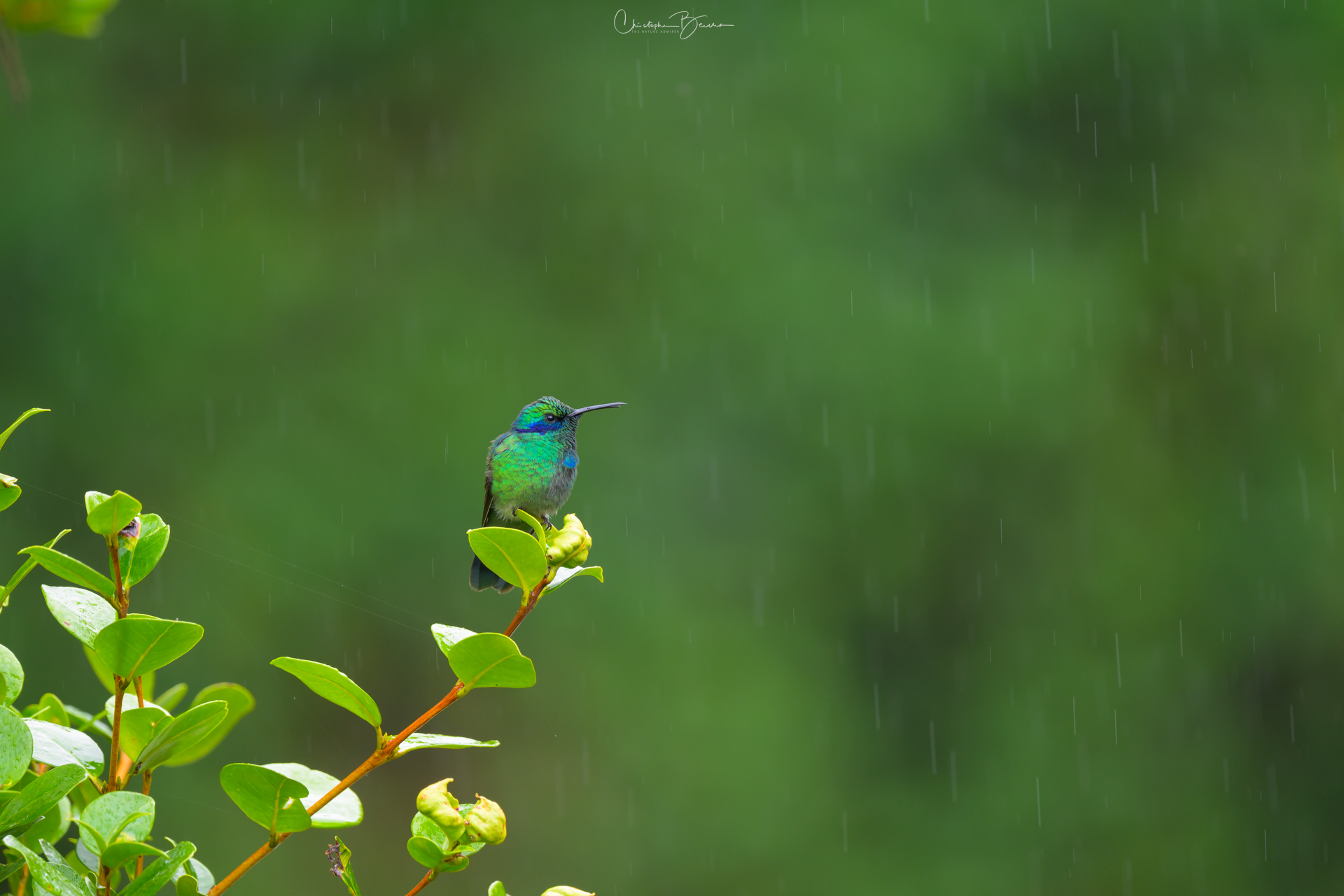
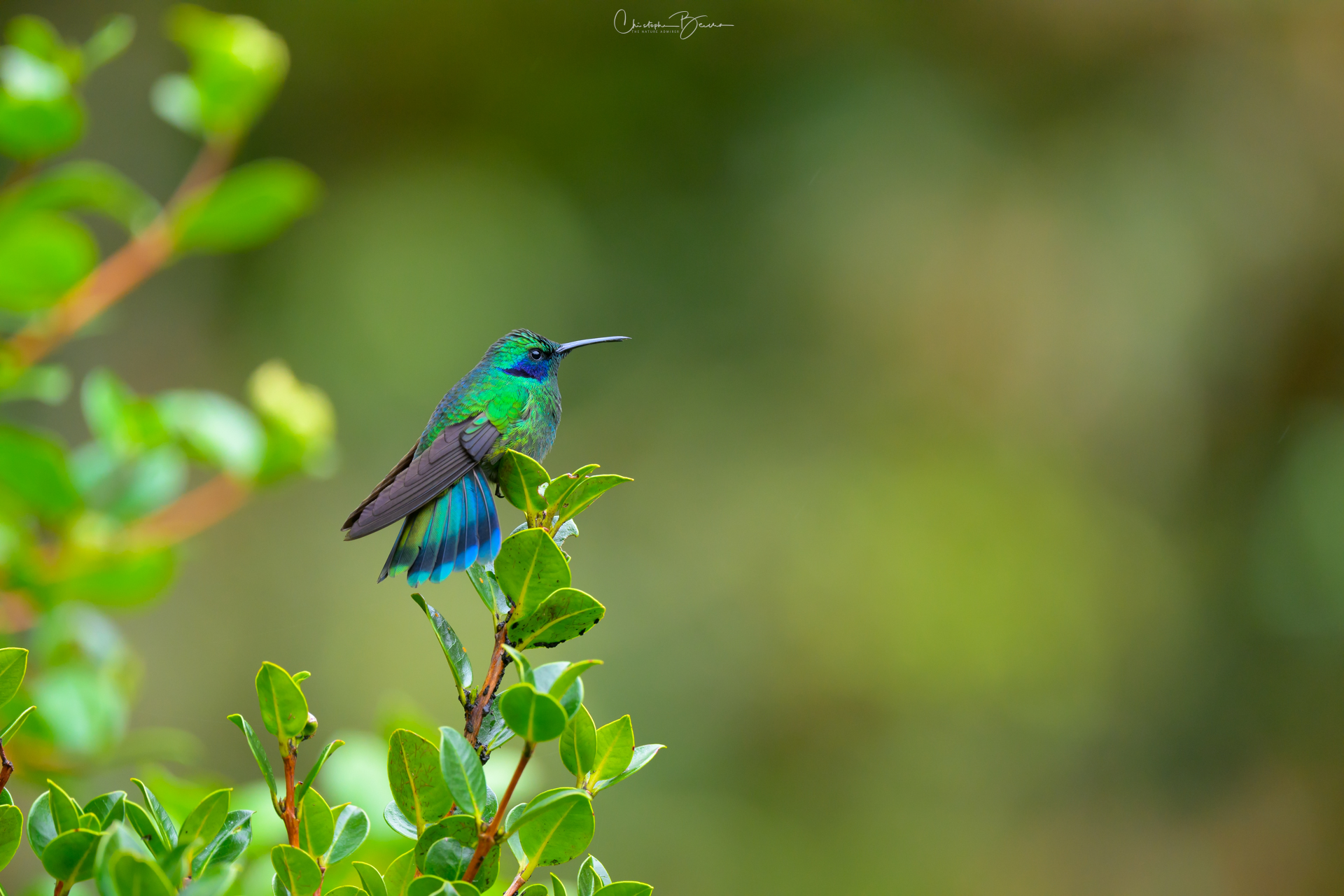
The Lesser Violetear belongs to the same genus as the Brown Violetear, however they look pretty different due to the overall color. This species is by the most part green, however it has a big violet ear patch that is visible from any angle (not caused by iridescence) and also shows some blue-violet glow on the chest. The wing is dark brown above and light brown on the underside. After perching, this species of hummingbird has an habit of stretching its wings to the back for a moment.

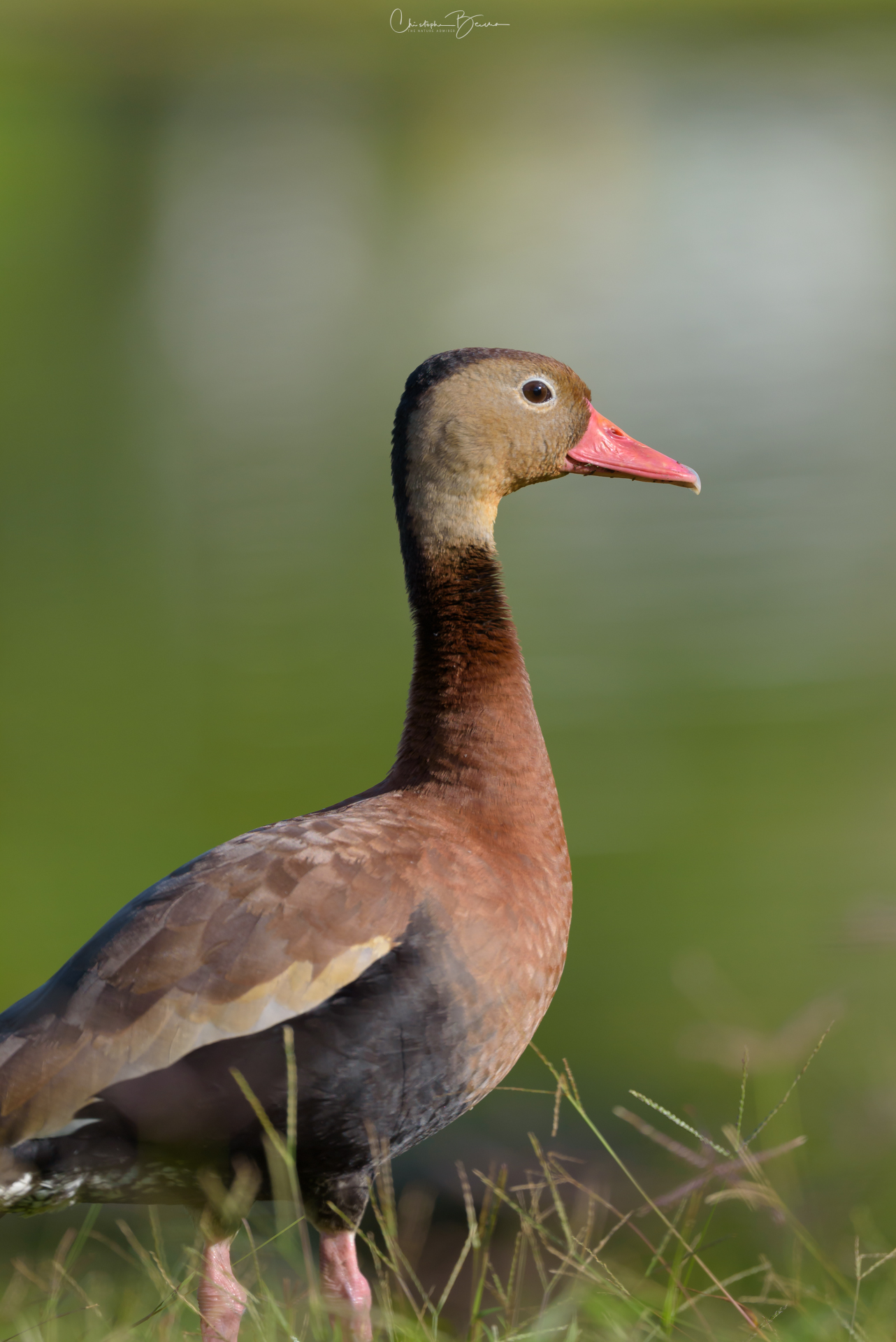
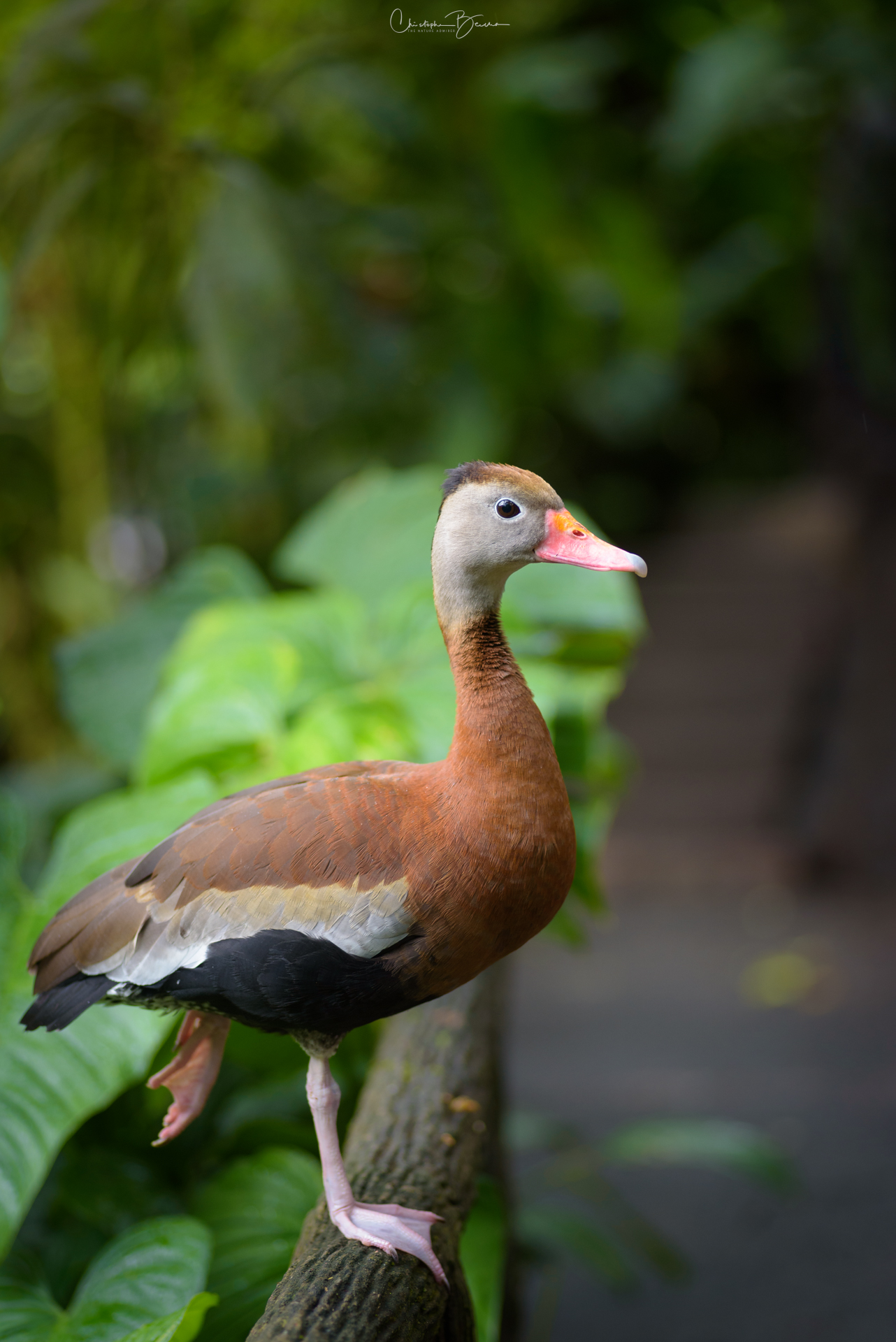
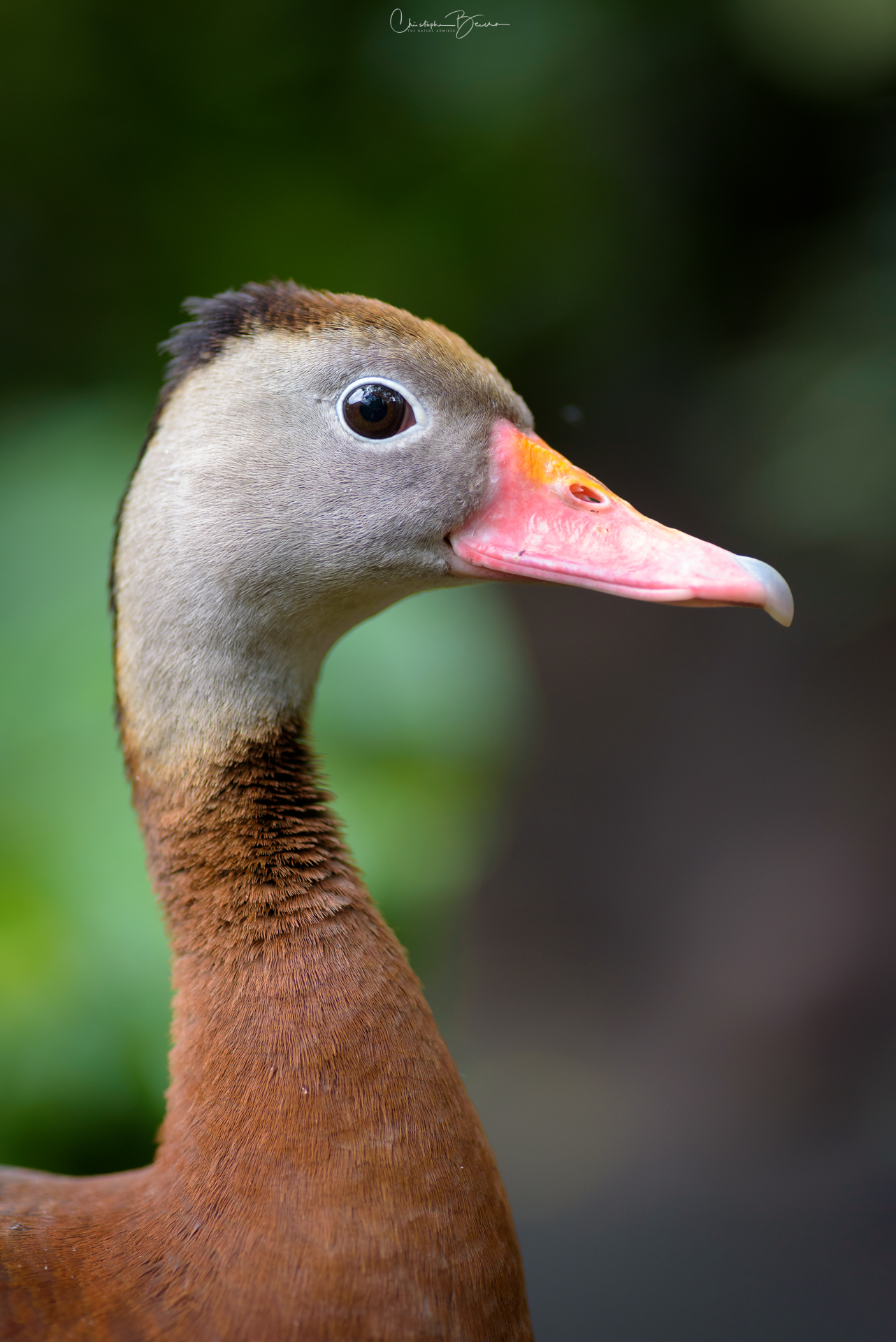
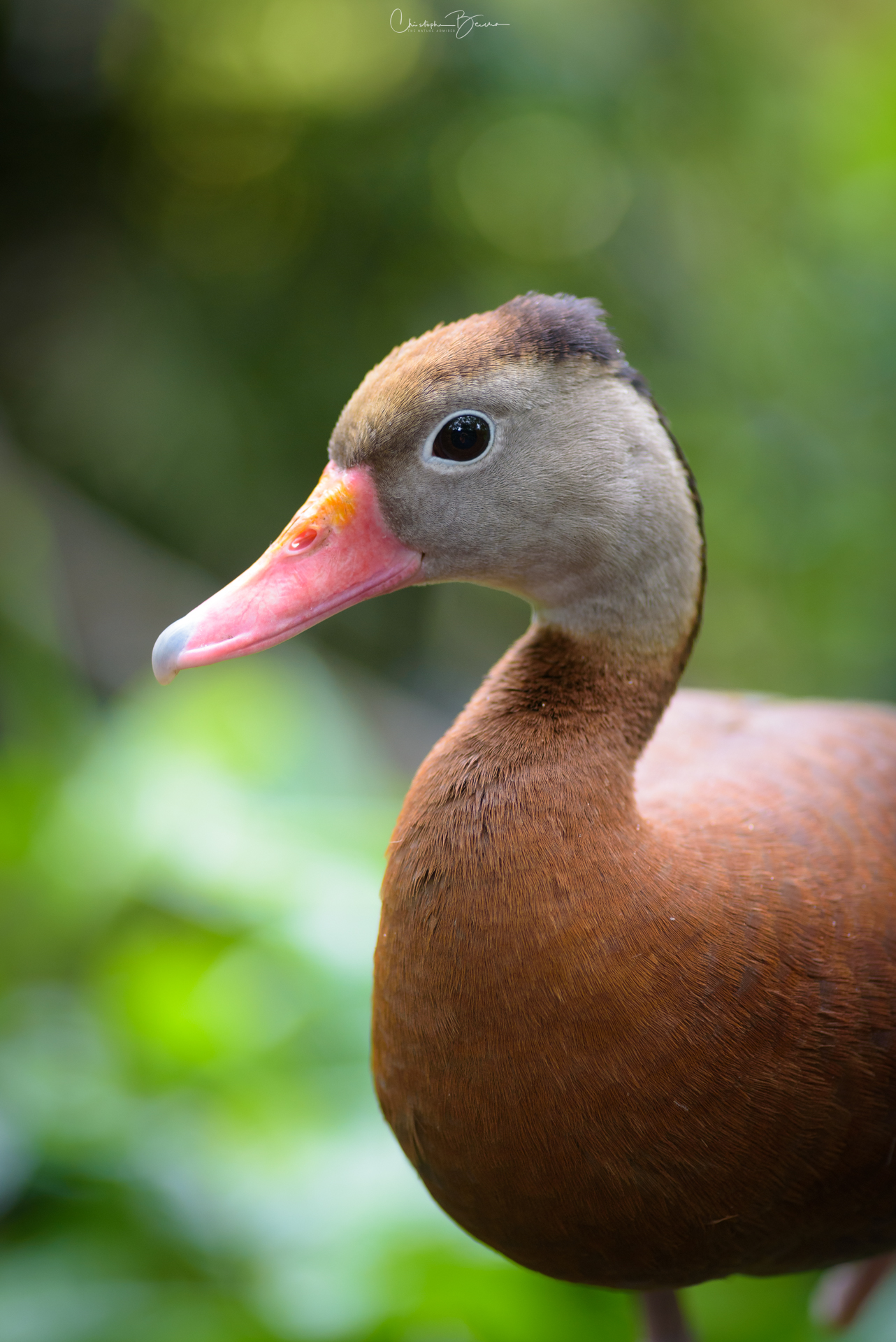
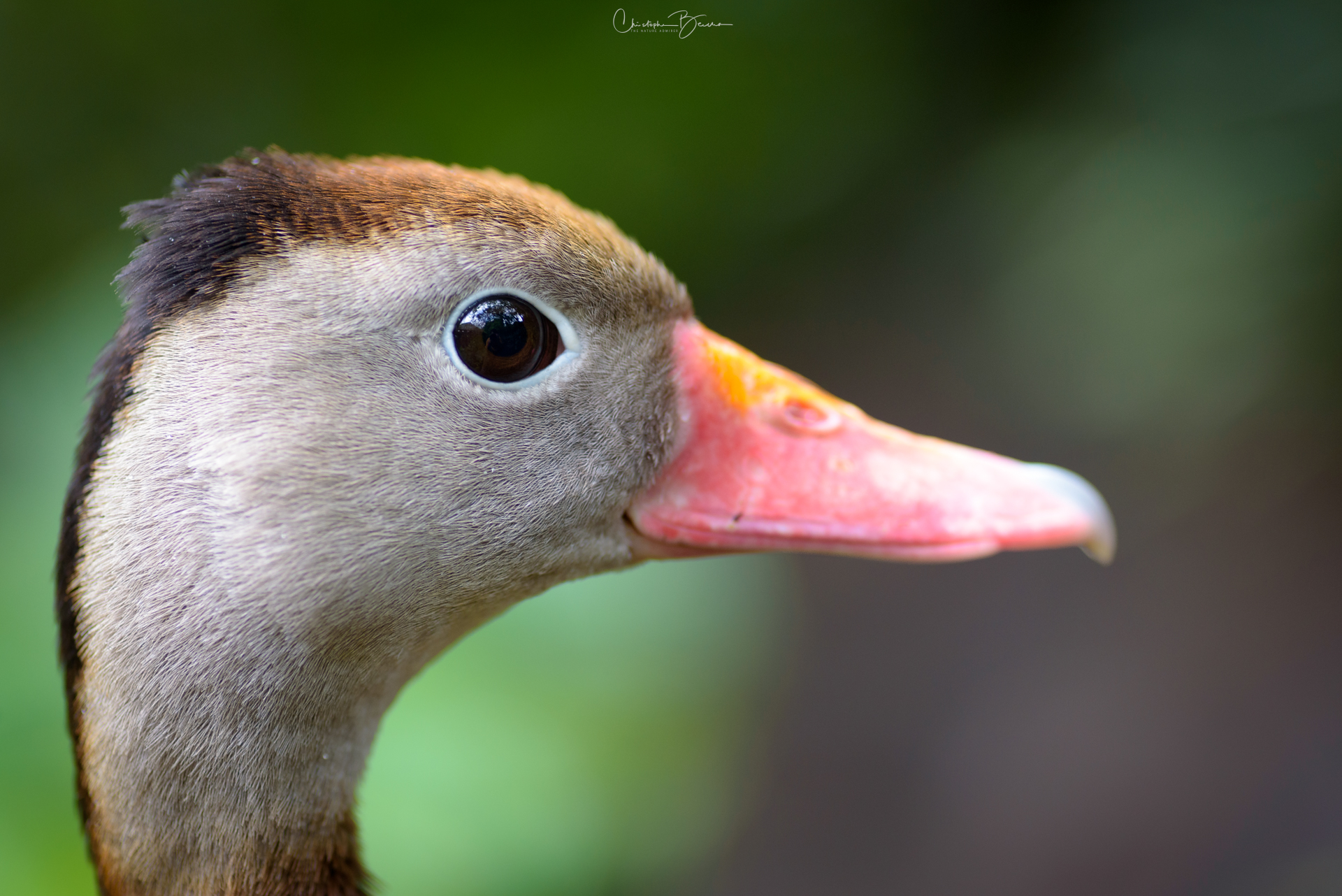
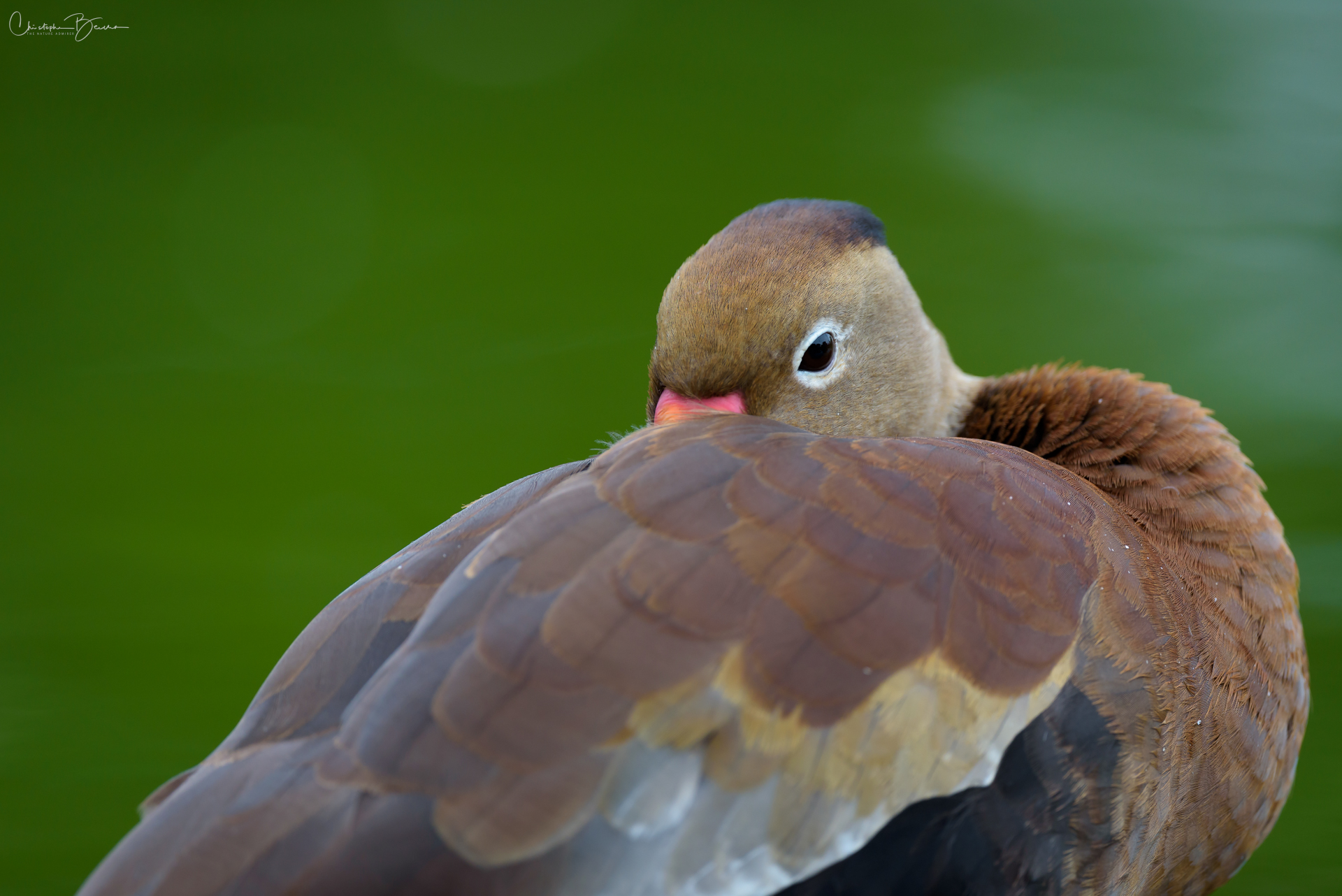
Black-bellied Whistling-Duck (Dendroygna autumnalis)

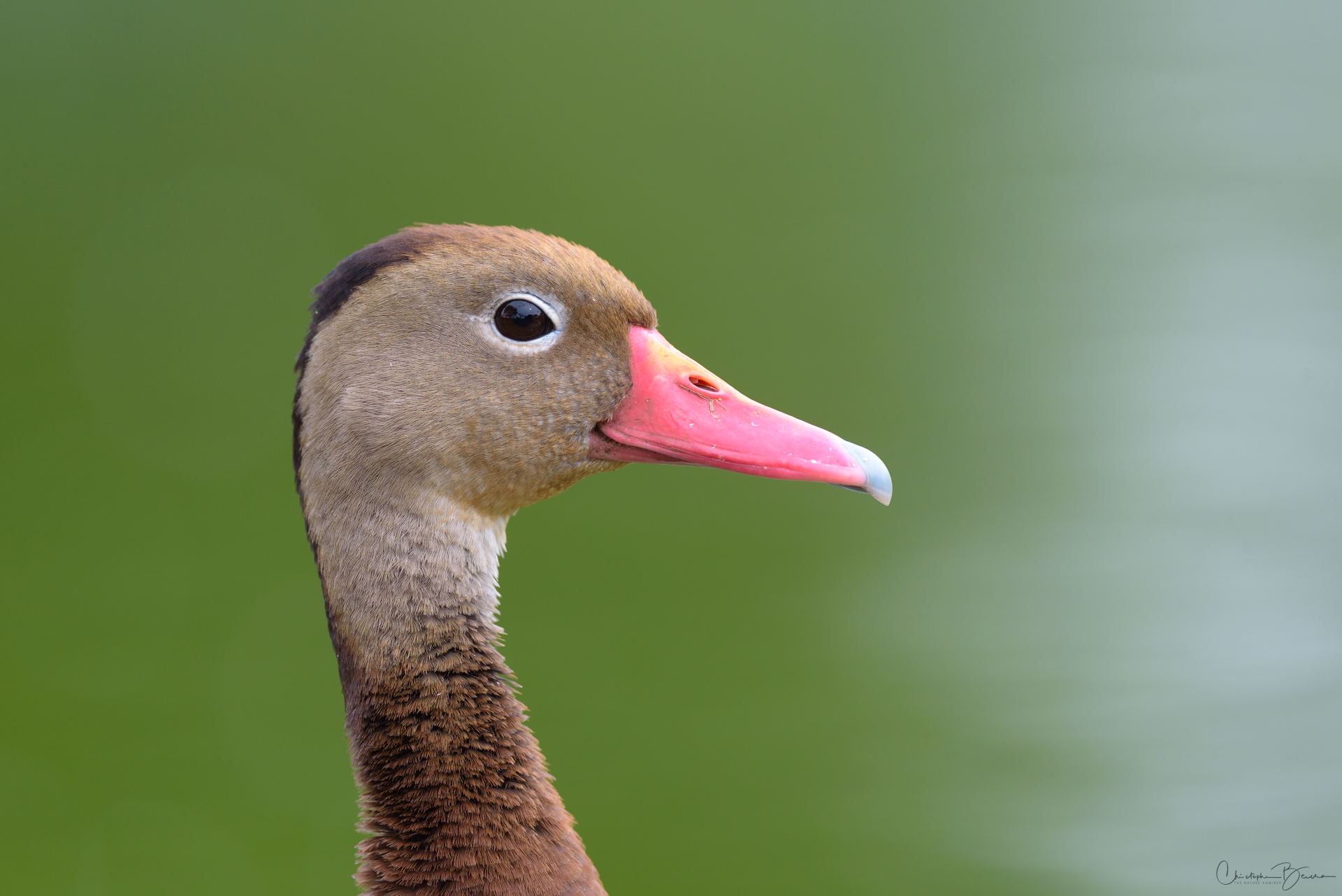
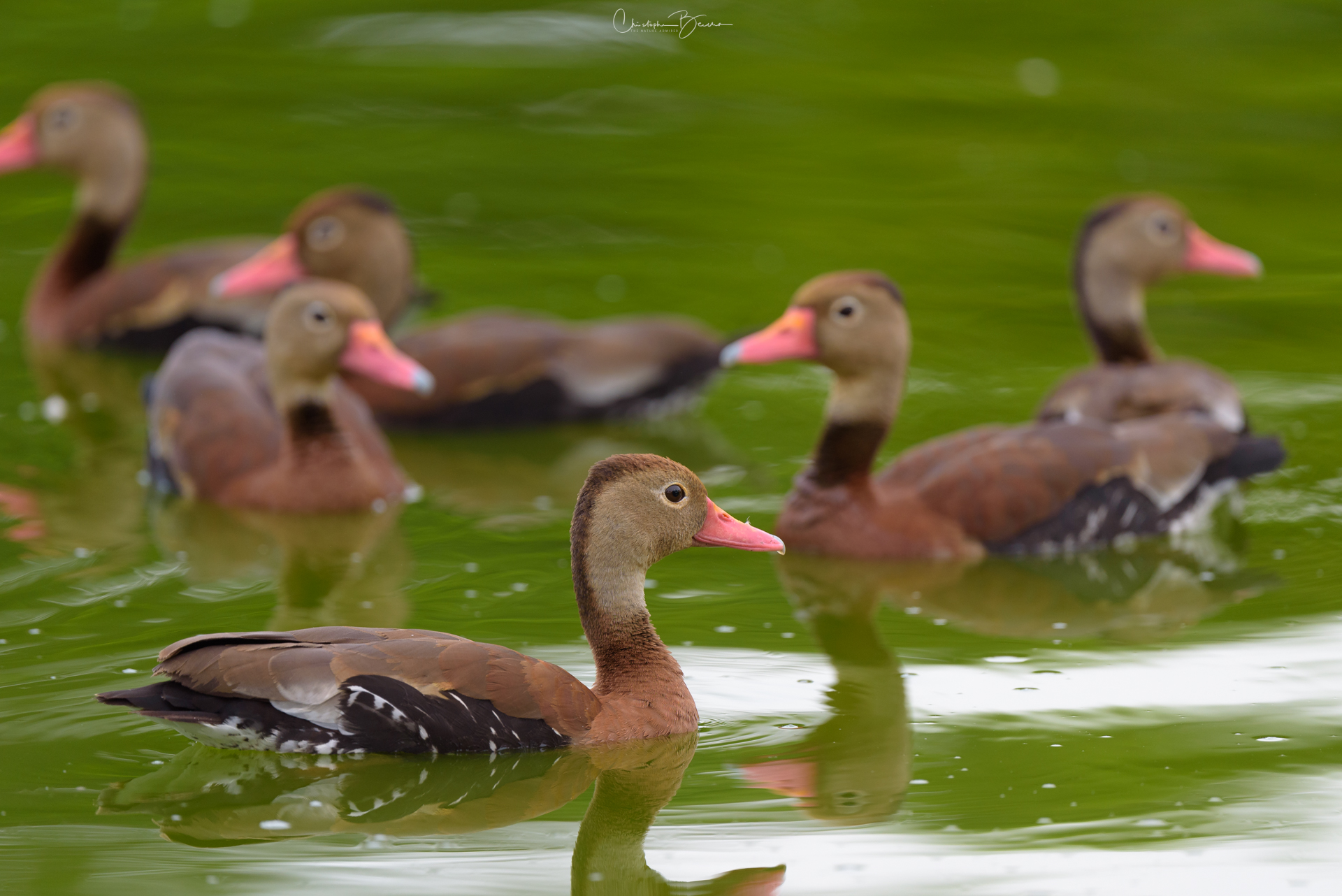
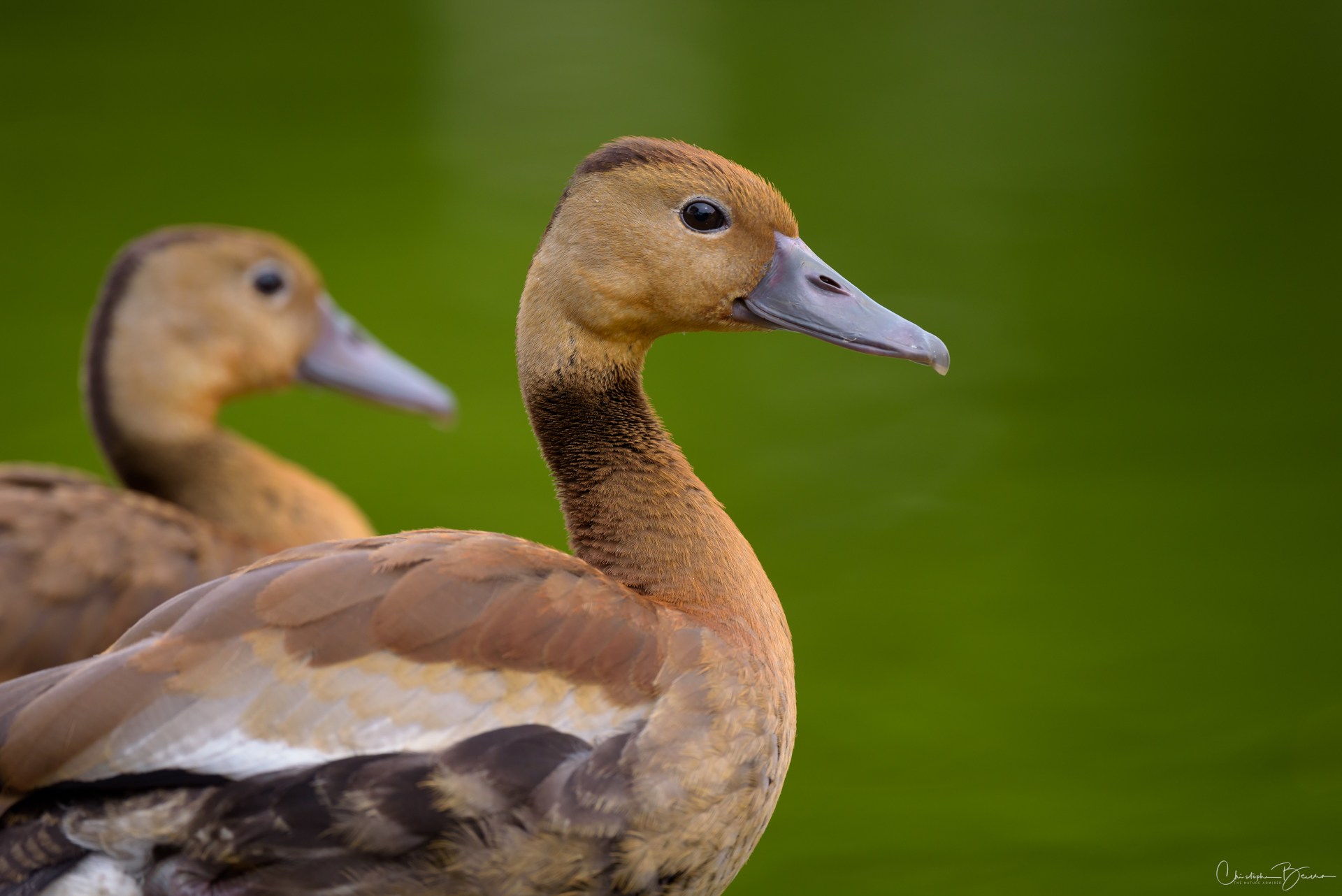
The Black-bellied Whistling-Duck is found in flocks taking residence around small ponds and lakes, becoming accustomed to people and relatively approachable. At dusk, they usually flock to the air, making circular trajectories and a lot of noise, and finally descending again into their watery home. Their calls are very high pitched and loud. Their necks are very flexible, so when resting, they normally turn their heads back and tuck they into the middle of their wings; they also like to stand up in one foot, with the other one hidden inside their belly feathers. Their bills are characteristically pink, as well as their legs. Juveniles are duller and have brownish bills instead. The Fulvous Whistling-Duck belongs to the same family and is very similar in shape, but has a different plumage coloration and gray bill and legs.

Blue-black Grassquit (Volatina jacarina)

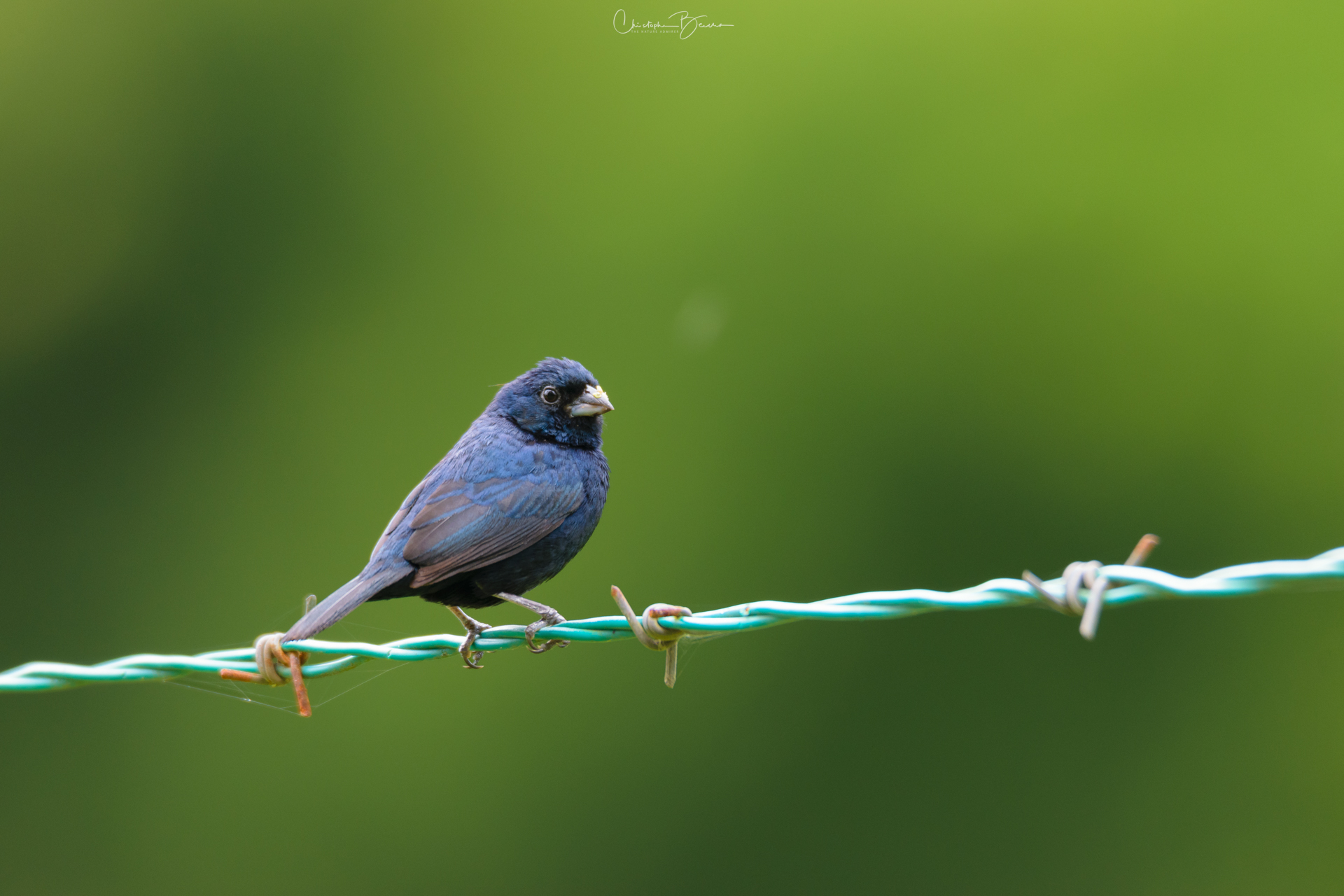
This is a very small and nervous bird. Taking a close up picture of this bird proved to be difficult, even during sunny days with great light available. The male in low light it looks black, but in sunlight it glows in a metallic blue color. The female is rather drab, sporting a brown look. The male perches in fence wire and posts, then suddenly starts jumping while making its call, doing acrobatic maneuvers in mid air, all to attract nearby females.