Page 2 of 3

Black-and-chestnut Eagle (Spizaetus isidori)

The Black-and Chestnut Eagle was one of the highlights of our trip to Colombia. While we were not able to see it in the wild (it is said to occur in Yarumo Blanco SFF), but one individual was in display at CRARSI (Centro de Reabilitación de Aves Rapaces de San Isidro). It is a large bird of prey with a meter and a half wingspan, able to grab and eat Guans (which are big birds), monkeys and coatis, along other medium-sized mammals. Their plumage is black overall, with a chestnut belly and chest. Their piercing eyes are bright yellow, and its gaze can be scary to see from up close. It is very sad to know that birds this magnificent are held as pets in cages on people’s houses. They should be born to be free.

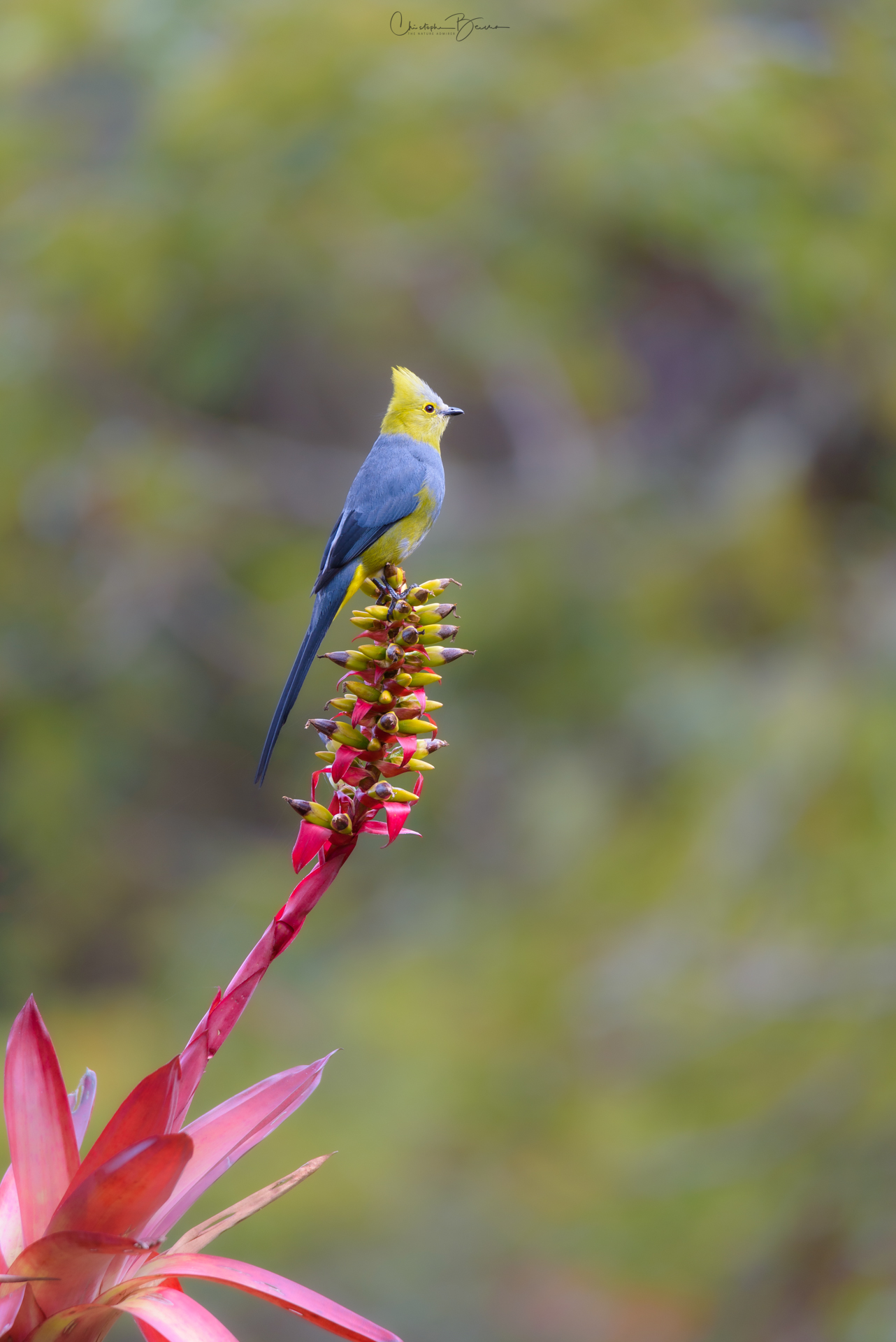
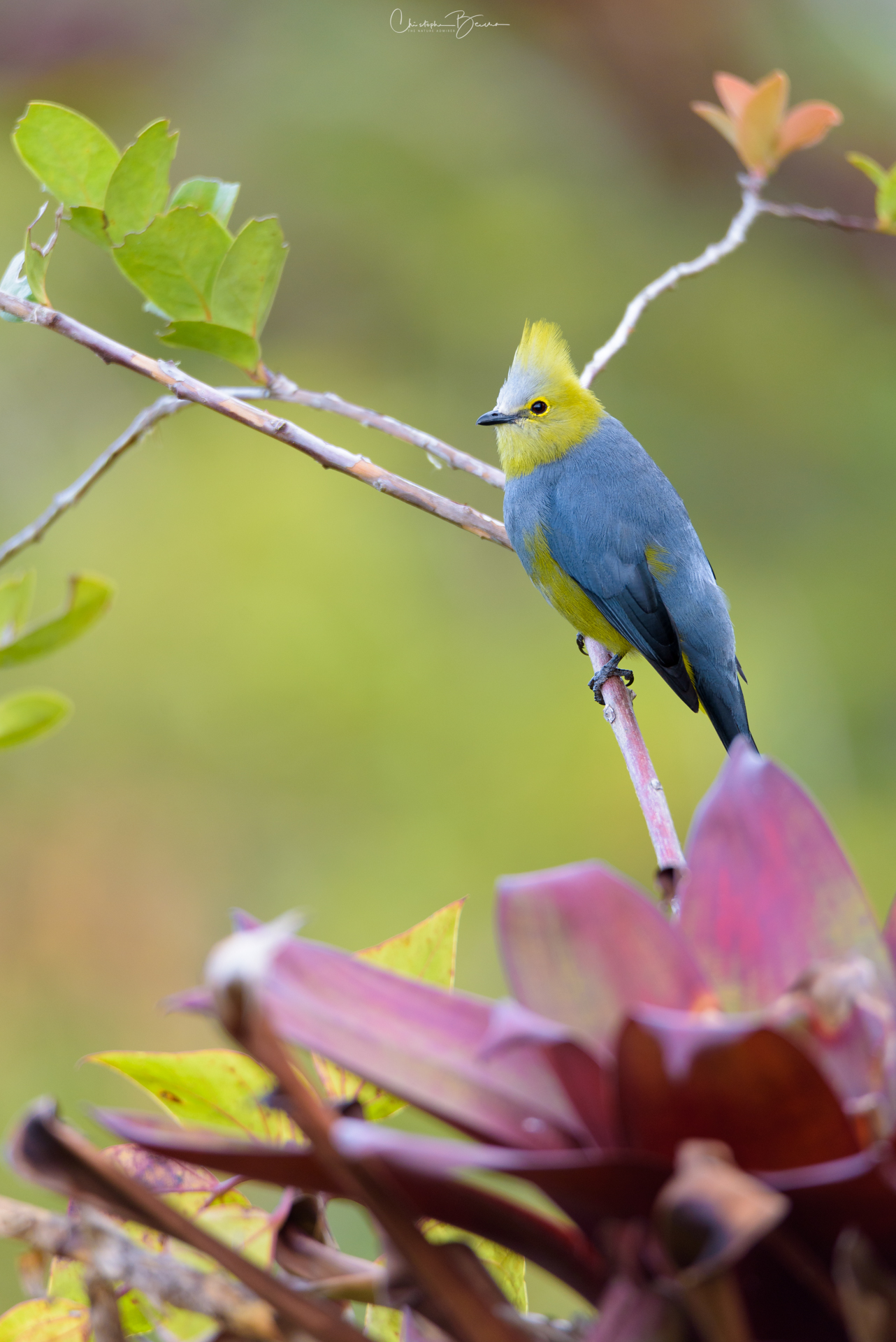
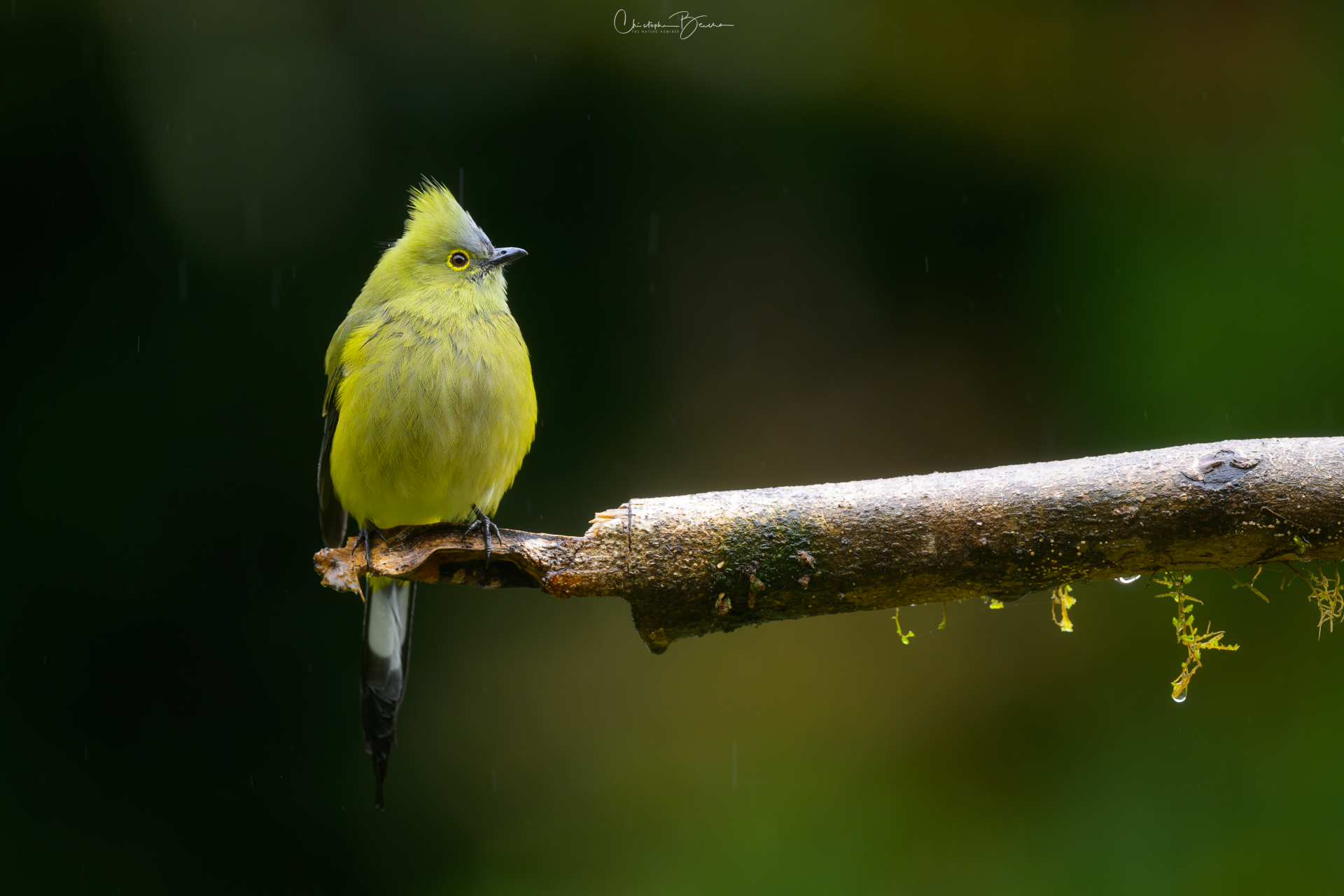
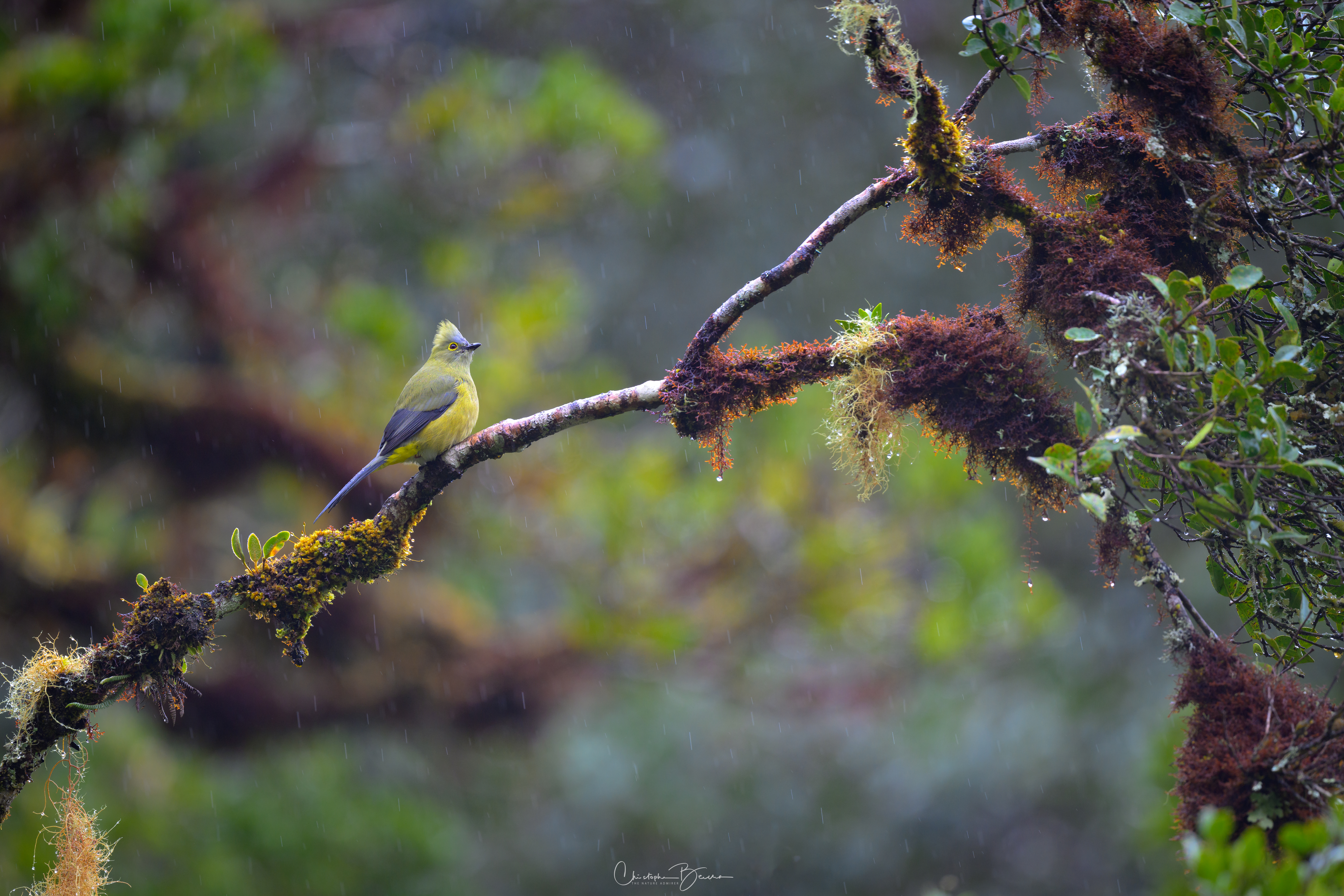
Long-tailed Silky-flycatcher (Ptilogonys caudatus)

The Long-tailed Silky-flycatcher is an elegant bird that can be found in the highlands in Costa Rica. It’s long black tail contrasts with the gray and yellow body, ending with a yellow crest that is normally seen protruding from the head. The male is more colorful than the female, but overall they look similar and might be indistinguishable on bad lighting. Along the Black-and-yellow Silky-flycatcher, this species is part of a four species family around the world, with only the Black-and-yellow and the Long-tailed being present in Costa Rica, endemic to our country and western Panama.

Summer Tanager (Piranga rubra)

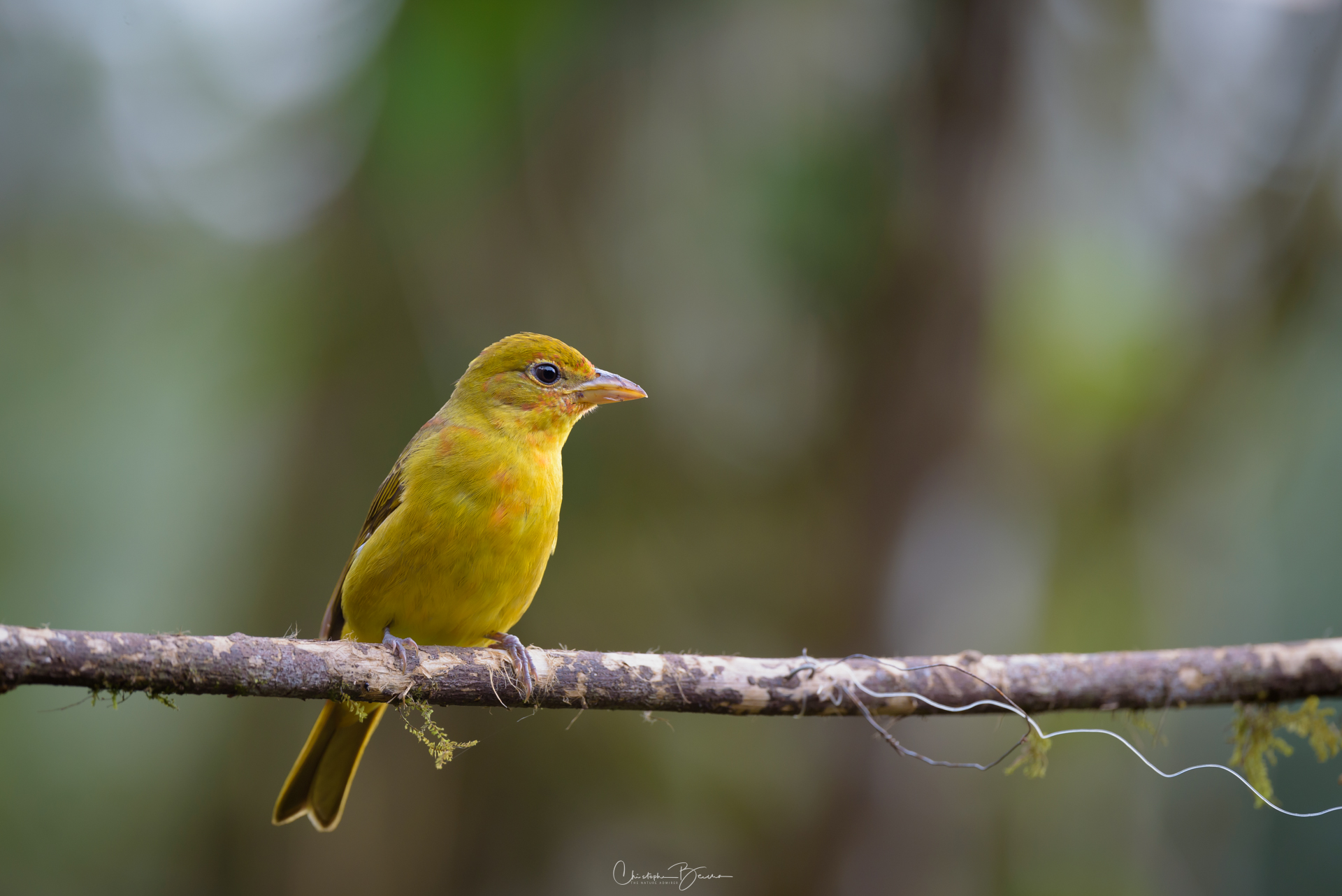
If there is one bird that represents migration in Costa Rica, is the Summer Tanager. The bright red coloration of the male is marvelous, and the orange of the female is equally striking. I have seen males in Santa Ana while riding my bike, perched on the electricity wires. I have seen the females on a number of places, including El Copal (Tucurrique), Estación Biológica La Selva (Sarapiquí), my parent’s home (Río Frío), and most recently at Laguna del Lagarto Lodge (Boca Tapada), during a birdwatching tour with Fundación Rapaces de Costa Rica, on November 25th and 26th, 2017. The pictures below were taken at the lodge, where the Summer Tanager shared the feeders with Honeycreepers, Orioles and other Tanagers.

It also became apparent to me that the Summer and Scarlet Tanagers are very much alike. Female Summer Tanager’s resemble a lot the Female and non-breeding male Scarlet, however the Scarlet has black wings, which render them unmistakable if seen side by side. Body size and shape are almost identical, so depending on the posture it was difficult to identify them accurately.
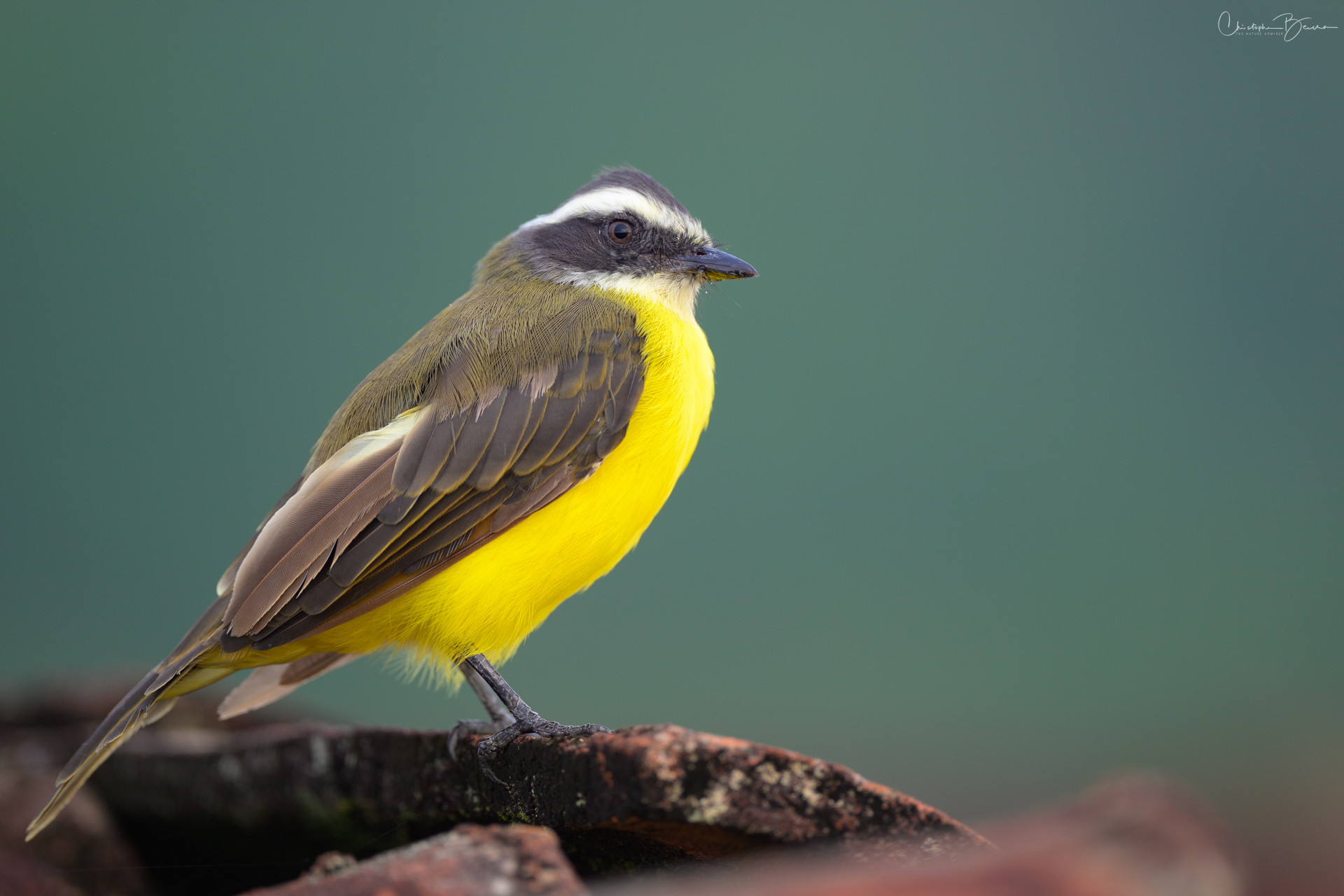
Gray-capped Flycatcher (Myiozetetes granadensis)

The Gray-capped Flycatcher is one of the birds with yellow chest that can easily be mistaken by one another. Size and a gray cap (as the name implies) are the main identification marks, tough it can be difficult to recognize the gray cap if the bird is perched above eye level. They look very similar to the Social Flycatcher, although it is more streamlined and the gray head is diagnostic, along the song more similar to the Great Kiskadee’s. It also resembles both the Great Kiskadee and Boat-billed Flycatcher, but both of those species are bigger and stockier, featuring different songs as well. The Tropical Kingbird is also similar, given its gray head, but it is bigger and has grayish upperparts, while the Gray-capped’s upperparts are brownish.

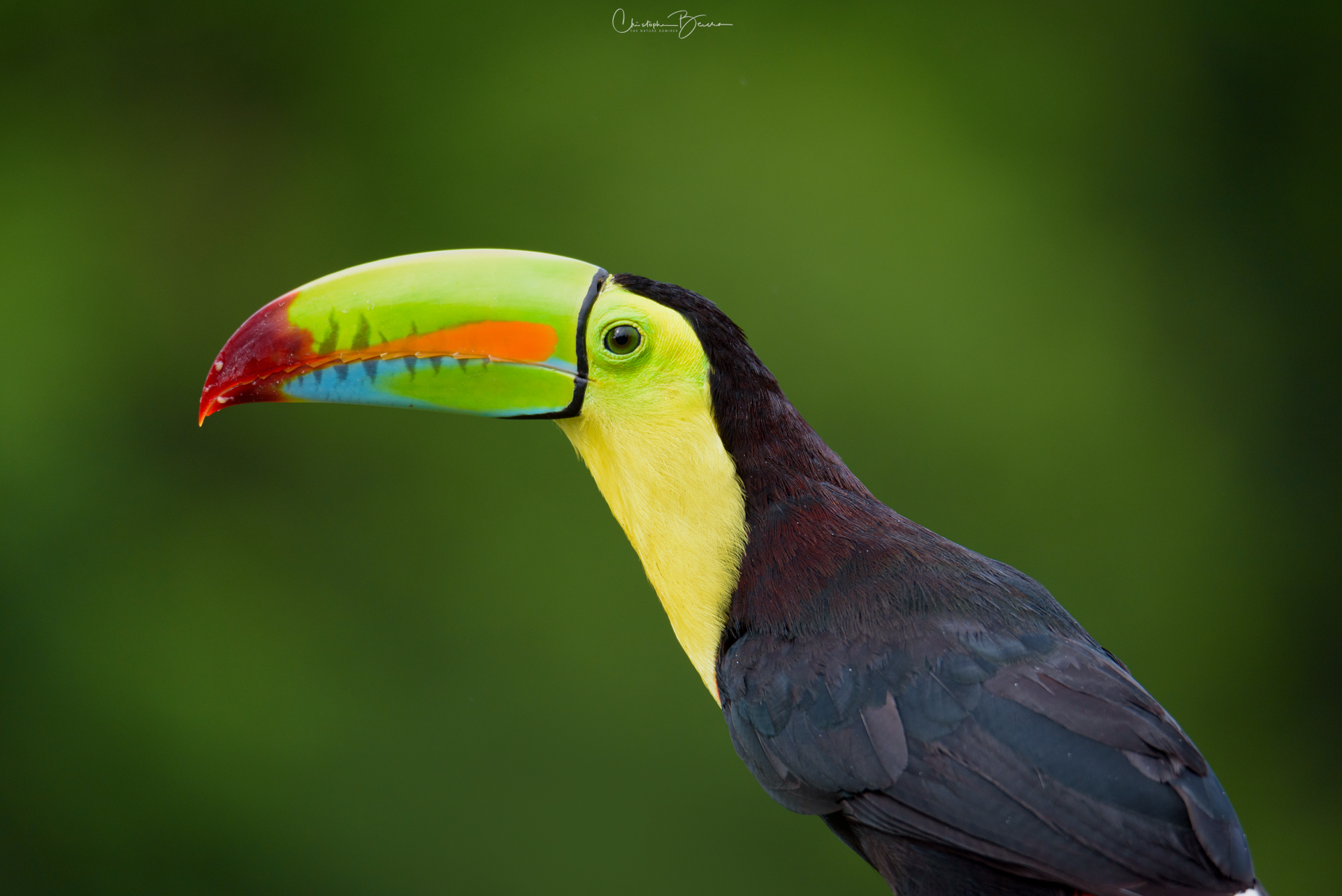
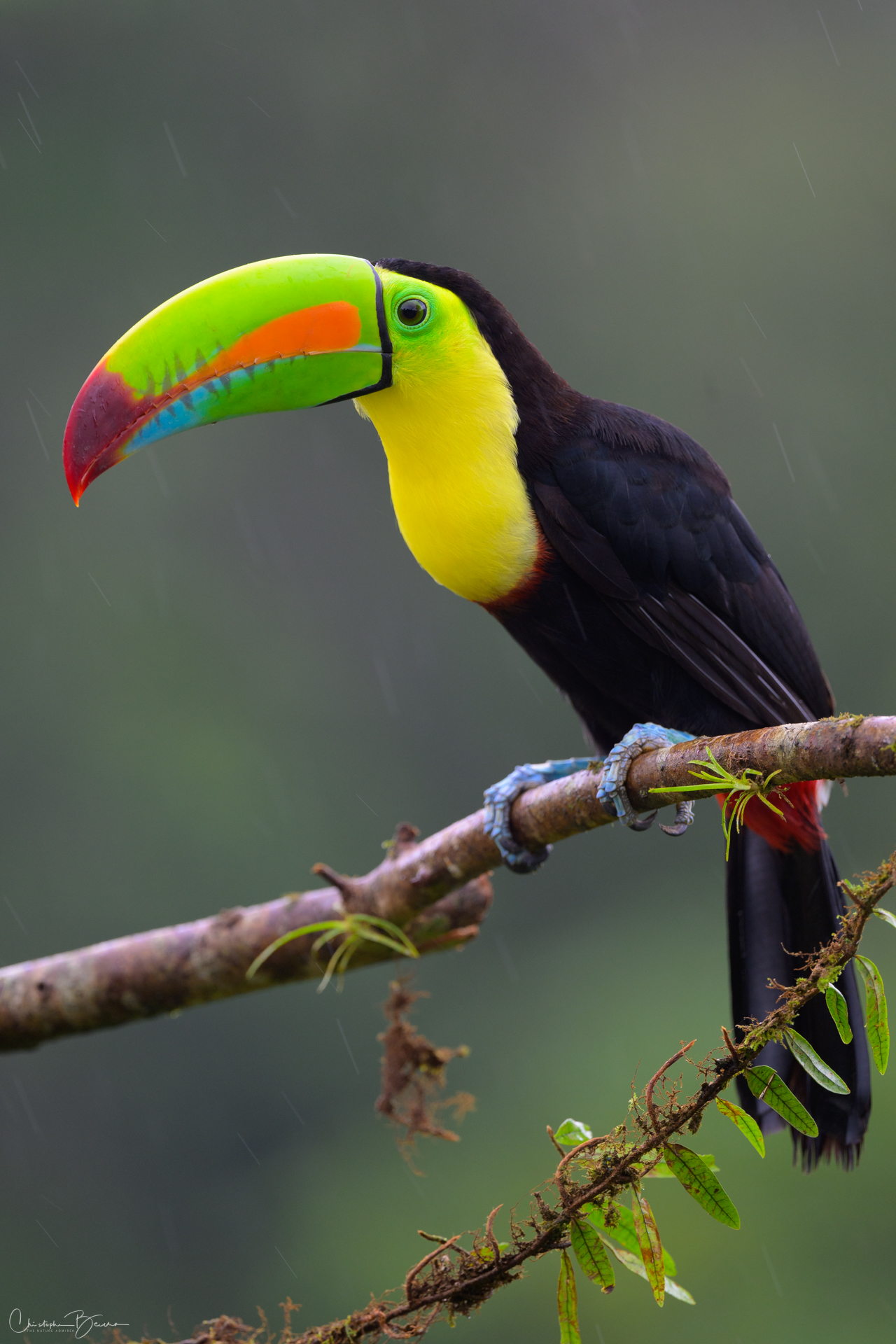
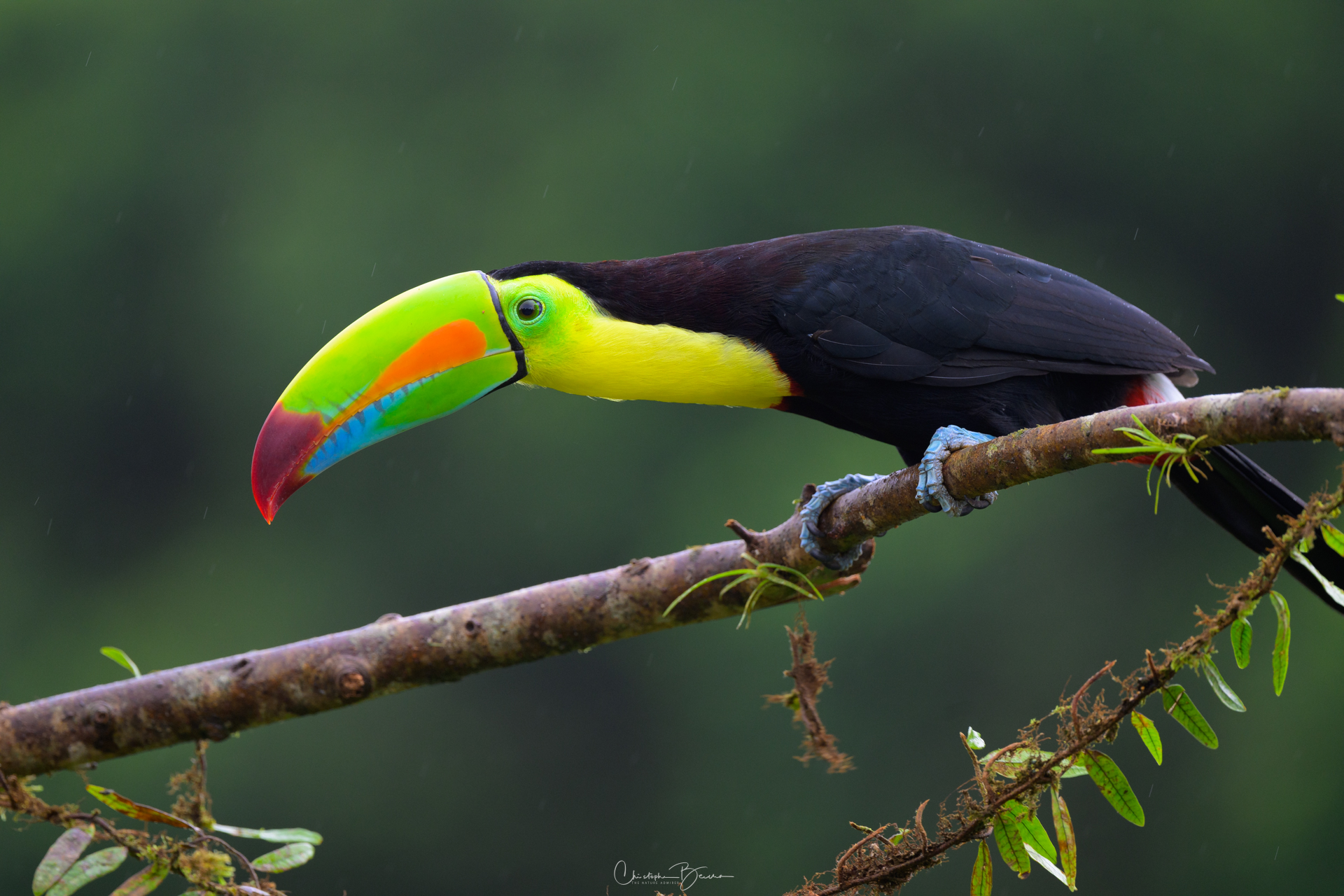
Keel-billed Toucan (Ramphastos sulfuratus)

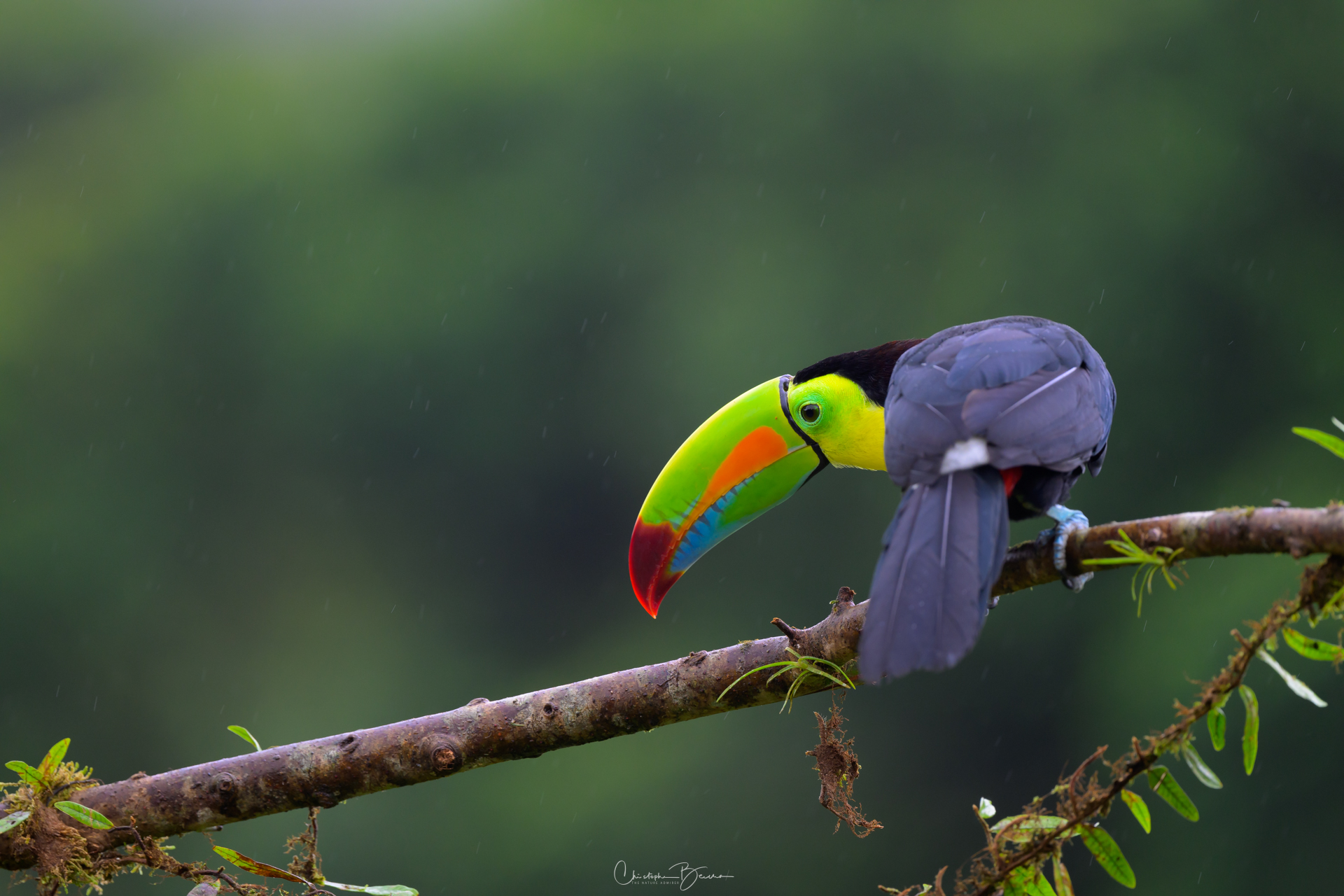
The Keel-billed Toucan is the one bird we all know about. It is featured in all brochures and advertising around tourism in Costa Rica. It’s colorful beak is amazing. As with all Toucans species though, this bird will raid other species’ nests, so it is common to see that other birds harass them, trying to scare them away. In particular, I have seen Great Kiskadees acting aggressively towards them in an effort to divert them from their nest. They are smaller than the Yellow-throated Toucan, which has a duller beak than the Keel-billed. Both species are very common in the Caribbean lowlands, and both like to eat a variety of fruits, readily coming to fruit feeders. One of the most interesting traits of this bird is its song, which resembles the croaking of a frog. They move their heads very slowly from one side to the other, then remains motionless for a few seconds, and suddenly jumps and turns around 180 degrees before falling in the same branch, an entire spectacle.

Social Flycatcher (Myiozetetes similis)

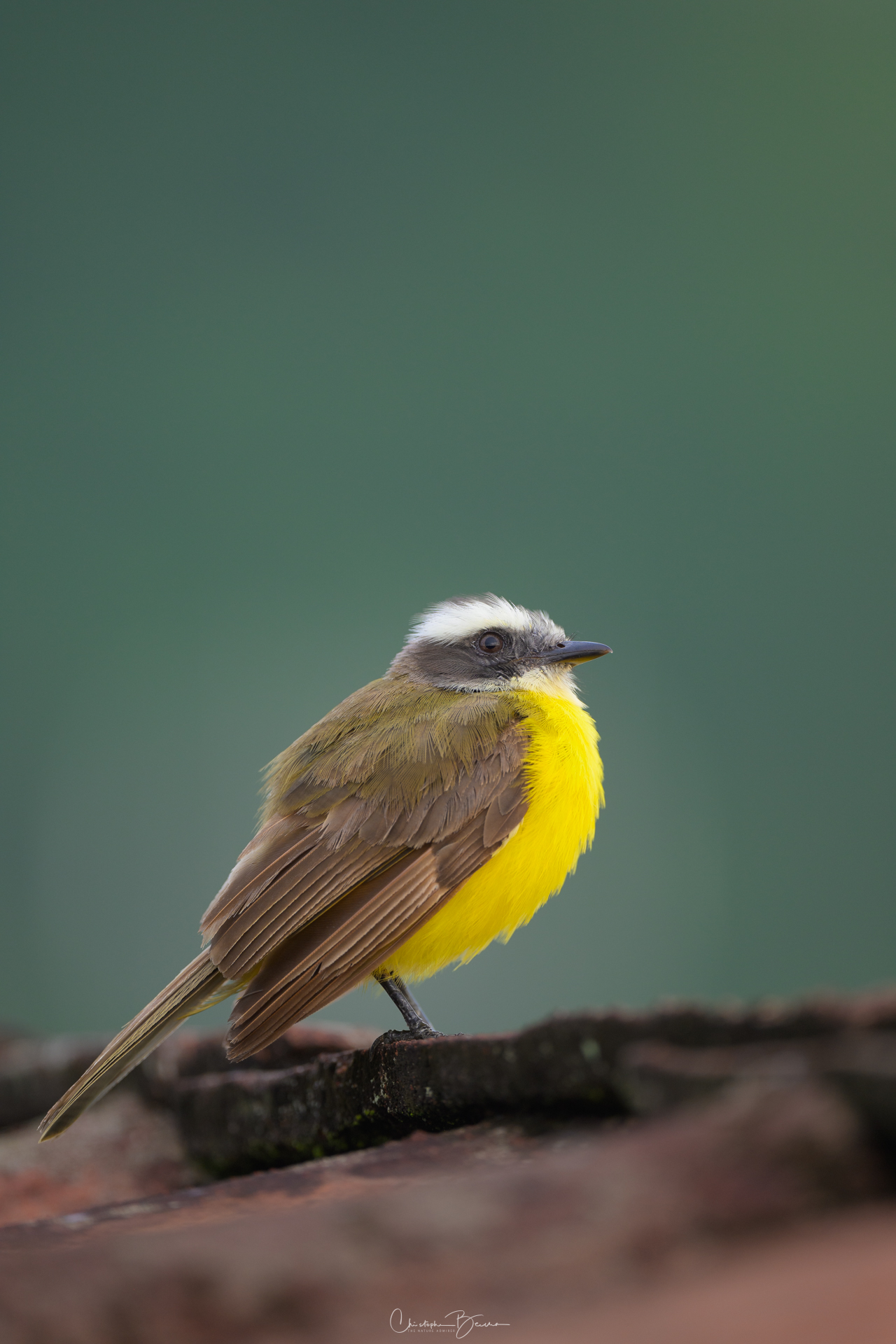
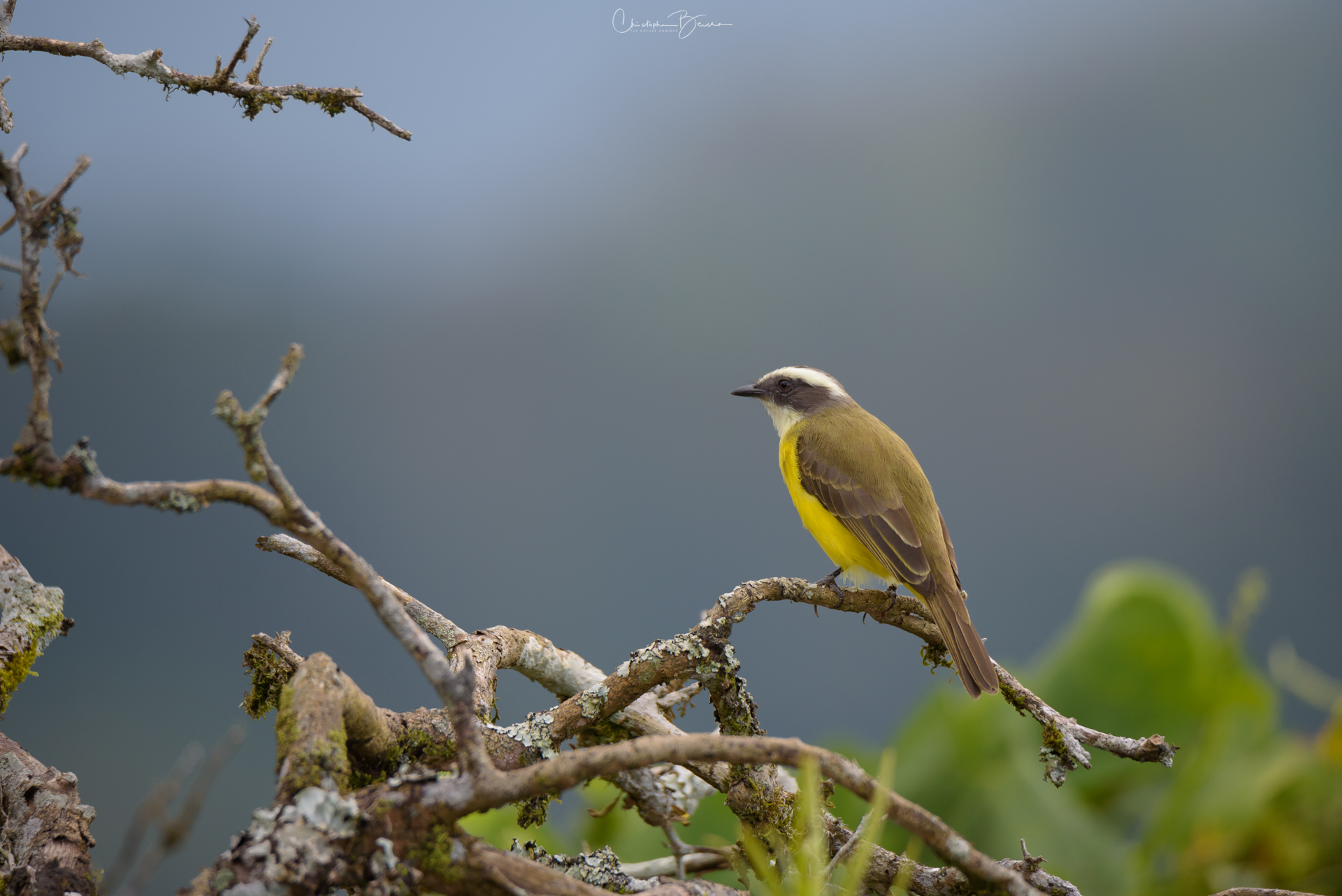
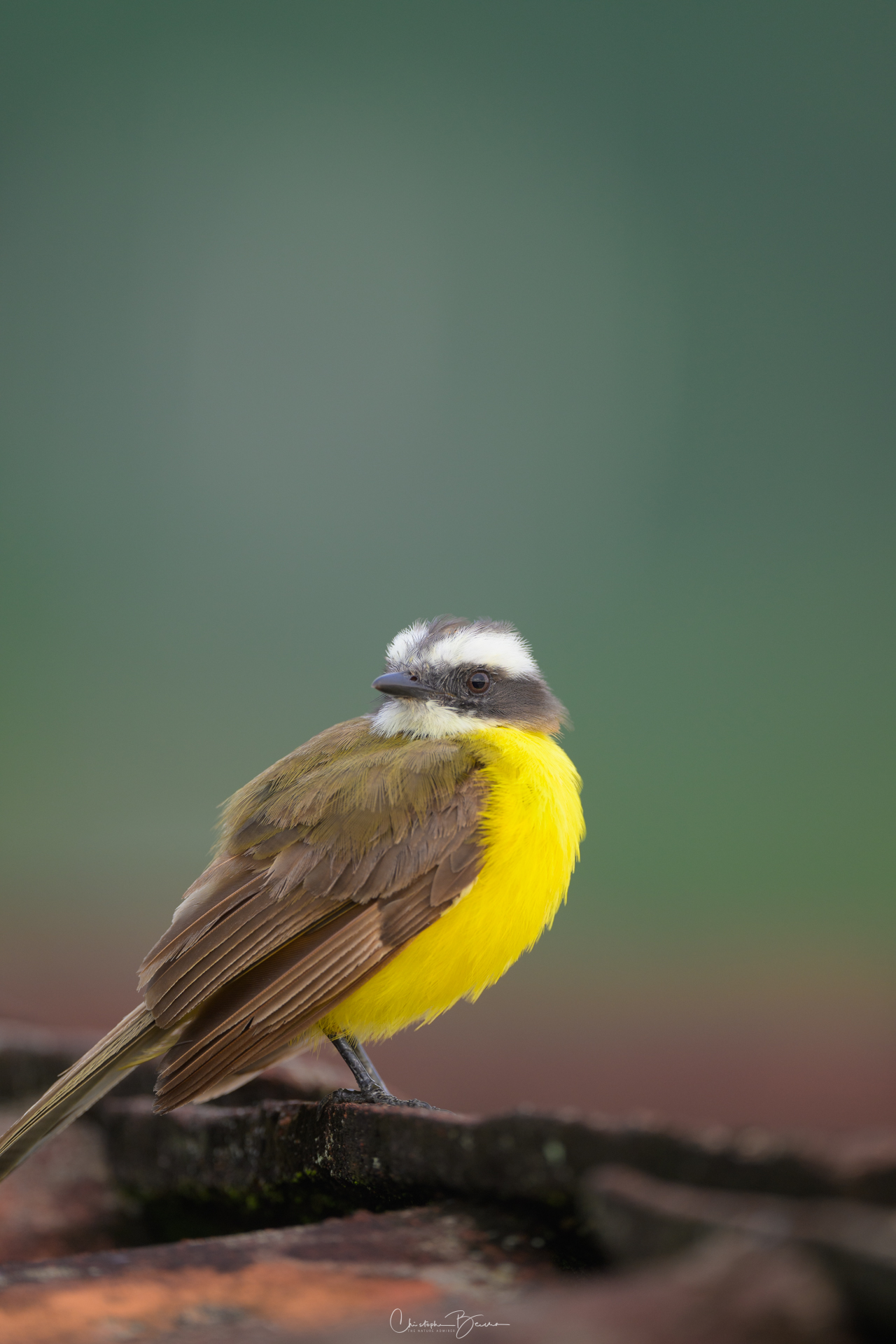
The Social Flycatcher is part of the family of “Pecho Amarillo” birds, as are locally known in Costa Rica. It is pretty difficult to identify since the birds all look alike, but they can be identified relying on size, song and head markings. My parents say that this species should be called “Shakira”, an onomatopoeic interpretation of their sound. They are almost identical in size and shape to the Gray-capped Flycatcher, however their song is very different, and the Gray-capped not just has the different head color, it also shows erect feathers which the Social does not.

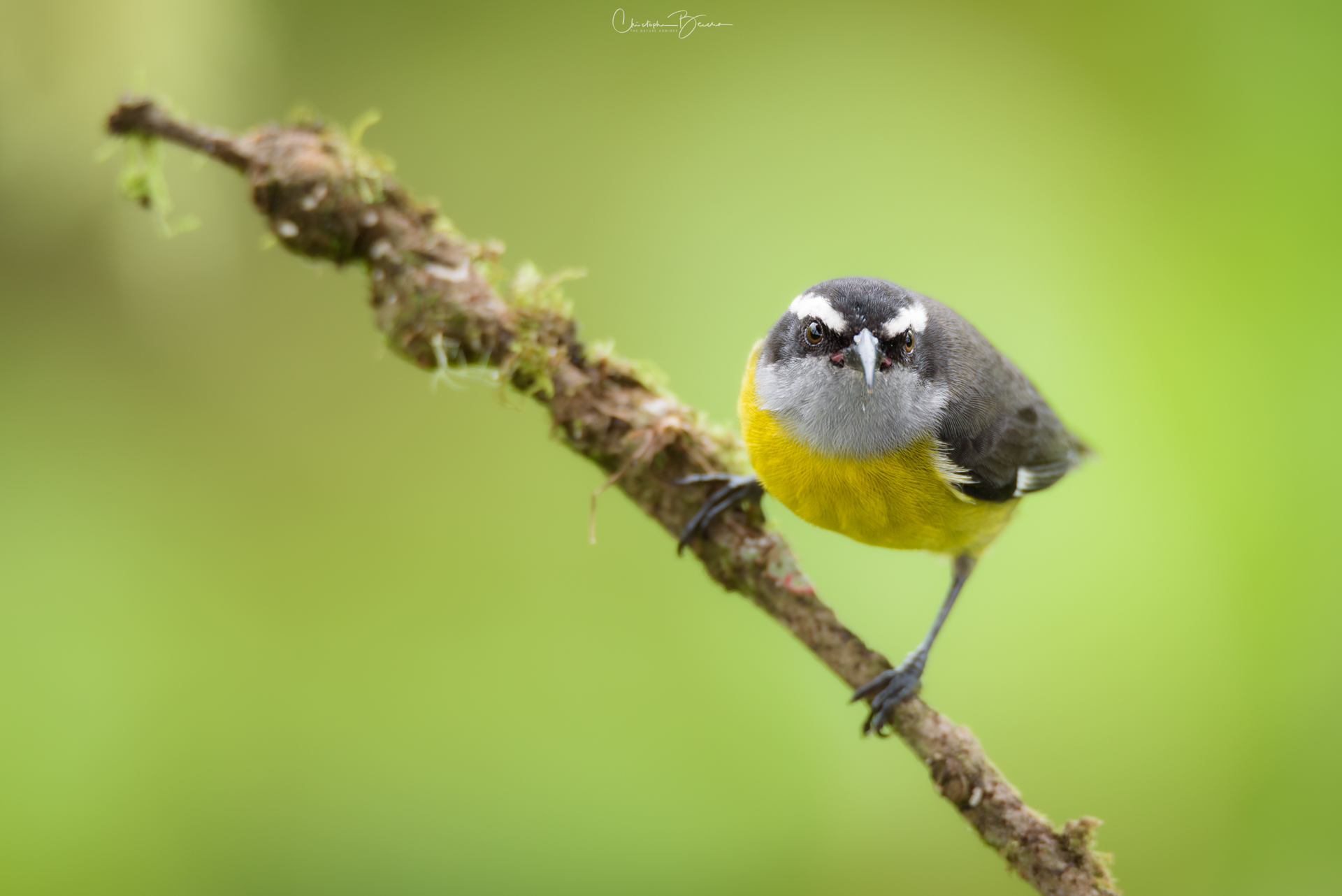
Bananaquit (Coereba flaveola)

A small bird that’s placed in the tanager family, the Bananaquit has a thin, down curved bill that helps it drink nectar from flowers and feeders, thus becoming a pollinator. It has a yellow belly and chest with dark gray upperparts, which suggests a flycatcher, but unlike that family, this bird’s diet is not concentrated on insects. It can’t hover like a hummingbird, so it is limited to extracting nectar from flowers where there is a perch available to support its weight. This small bird has a down-curved bill, which helps to drink nectar from flowers in rather hummingbird-like fashion, without the hovering of course.

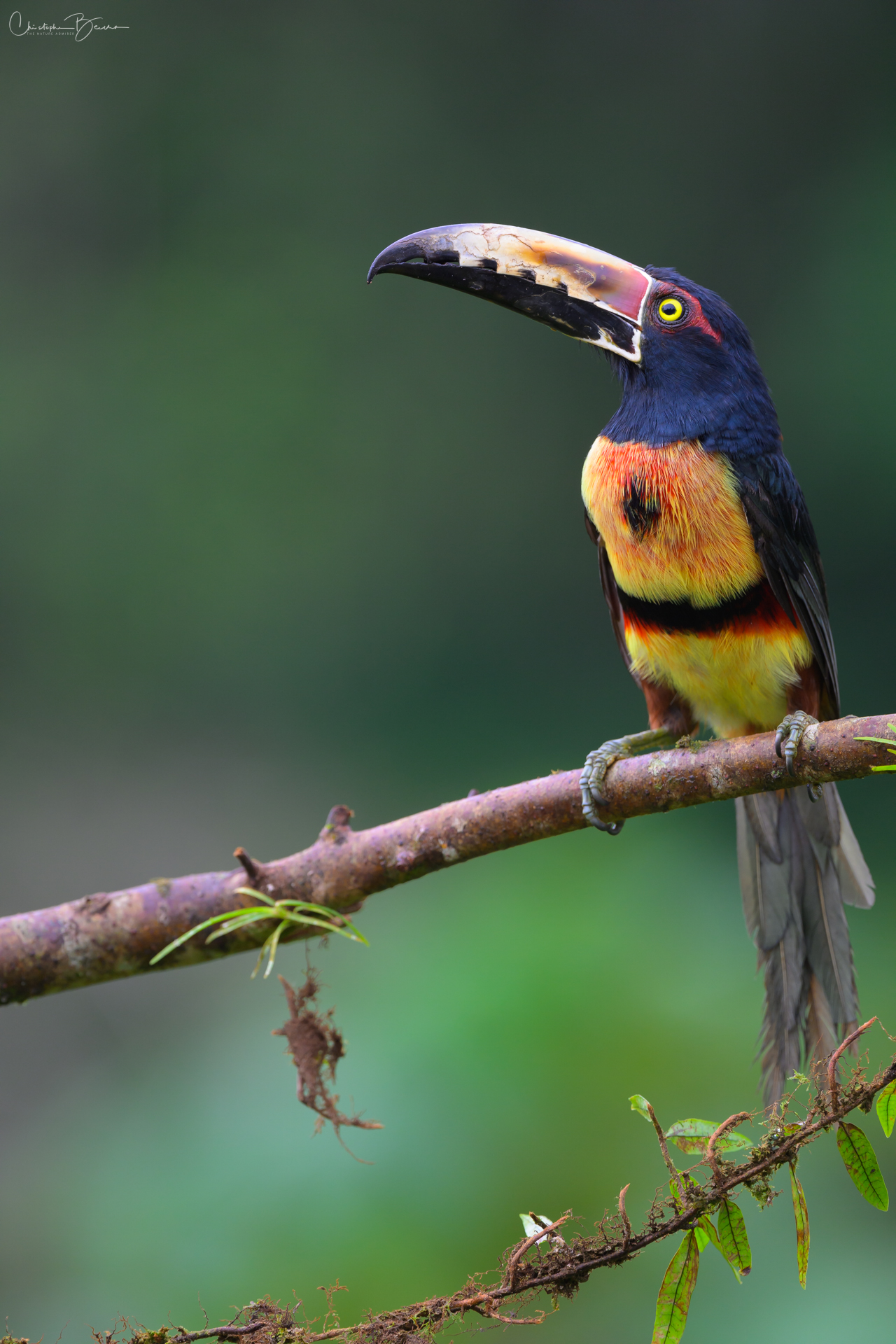
Collared Aracari (Pteroglossus torquatus)

The Collared Aracari is very similar to the Fiery-billed Aracari, but the upper part of the beak does not have the green-yellow-red coloration found on the Fiery-billed, and the ring around the belly is darker; also the ranges do not overlap, with the Fiery-billed Aracari seen in the Central and South Pacific, and the Collared Aracari seen in the Caribbean and the Northern Pacific. Both the Fiery and Collared Aracaris have a bright red rump, which differentiates them to the Yellow-throated and Keel-billed Toucans, which have white rumps. The juveniles have a very similar coloration, however their beaks and chest are duller in appearance, and overall the plumage is fluffier. The Collared Aracari is known in Costa Rica as the Gangster, as they always come in groups, bullying other birds that may be at food sources.